

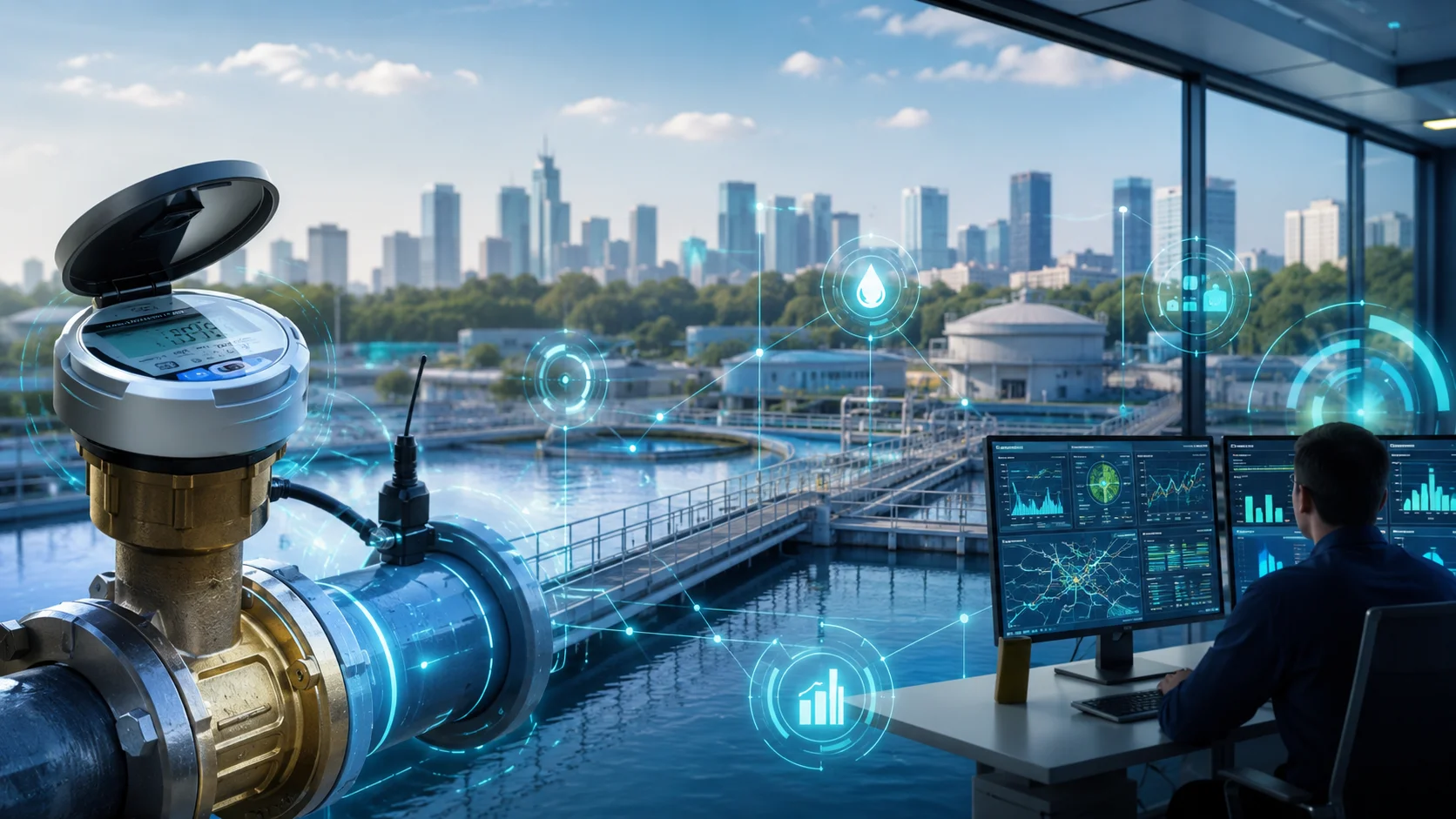
Smart water management is moving beyond automatic meter reading. The next stage connects accurate field data with faster decisions about leakage, billing, maintenance, and supply risk. For utilities, property managers, and project buyers, the main question is no longer whether a meter can transmit a reading. It is whether the full system can turn that reading into a useful action without adding unnecessary complexity.
Water networks face a difficult mix of aging pipes, rising operating costs, climate pressure, and water that is produced but never billed. A 2025 strategic report on utility digital transformation describes AI, connected sensors, and smart meters as tools for real-time monitoring, predictive maintenance, and better resource allocation. The direction is clear: utilities want fewer isolated devices and more connected operational data.
That shift is outlined in a recent strategic report on digital water transformation, which also stresses phased implementation rather than a single large technology purchase.
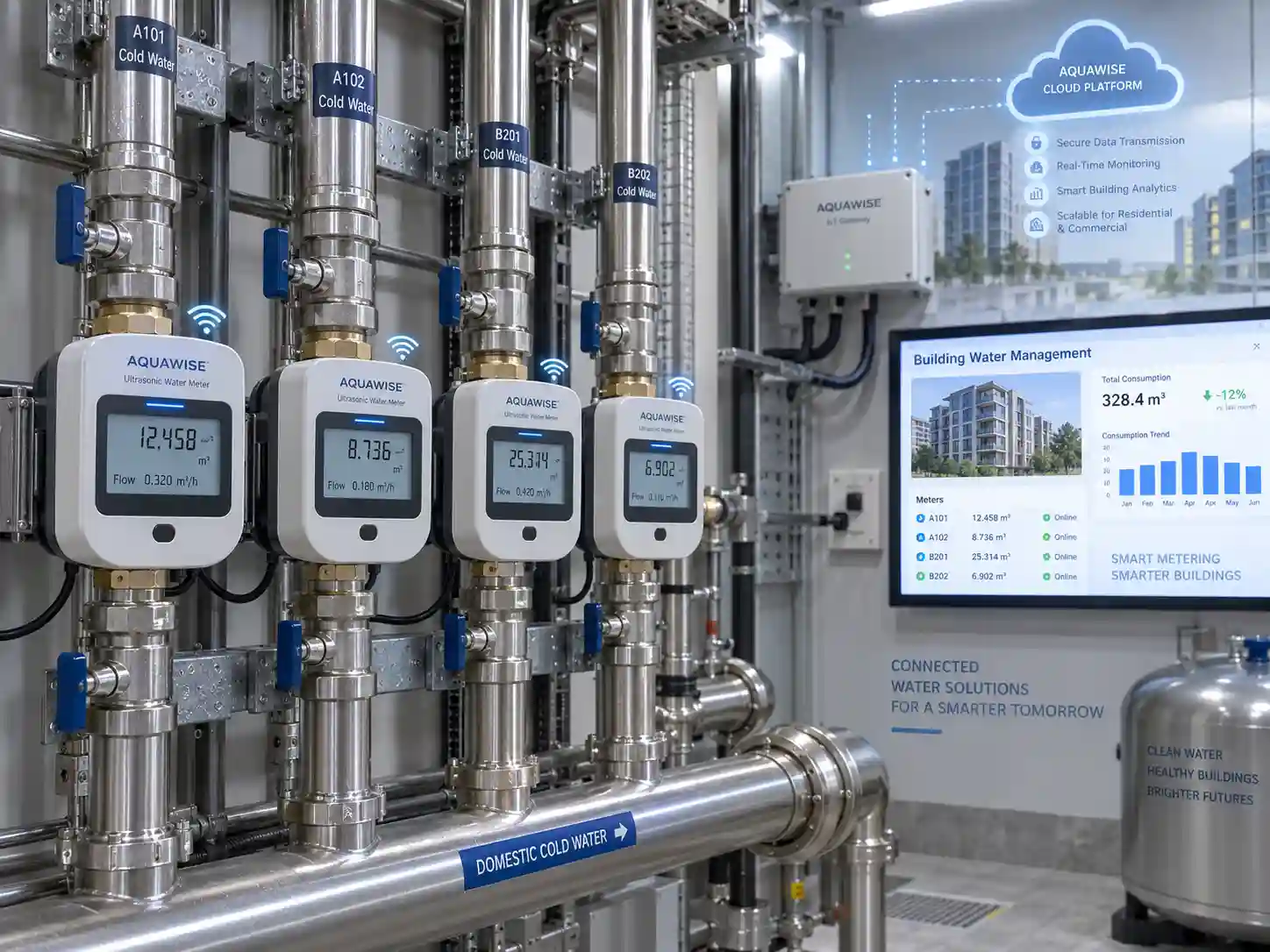
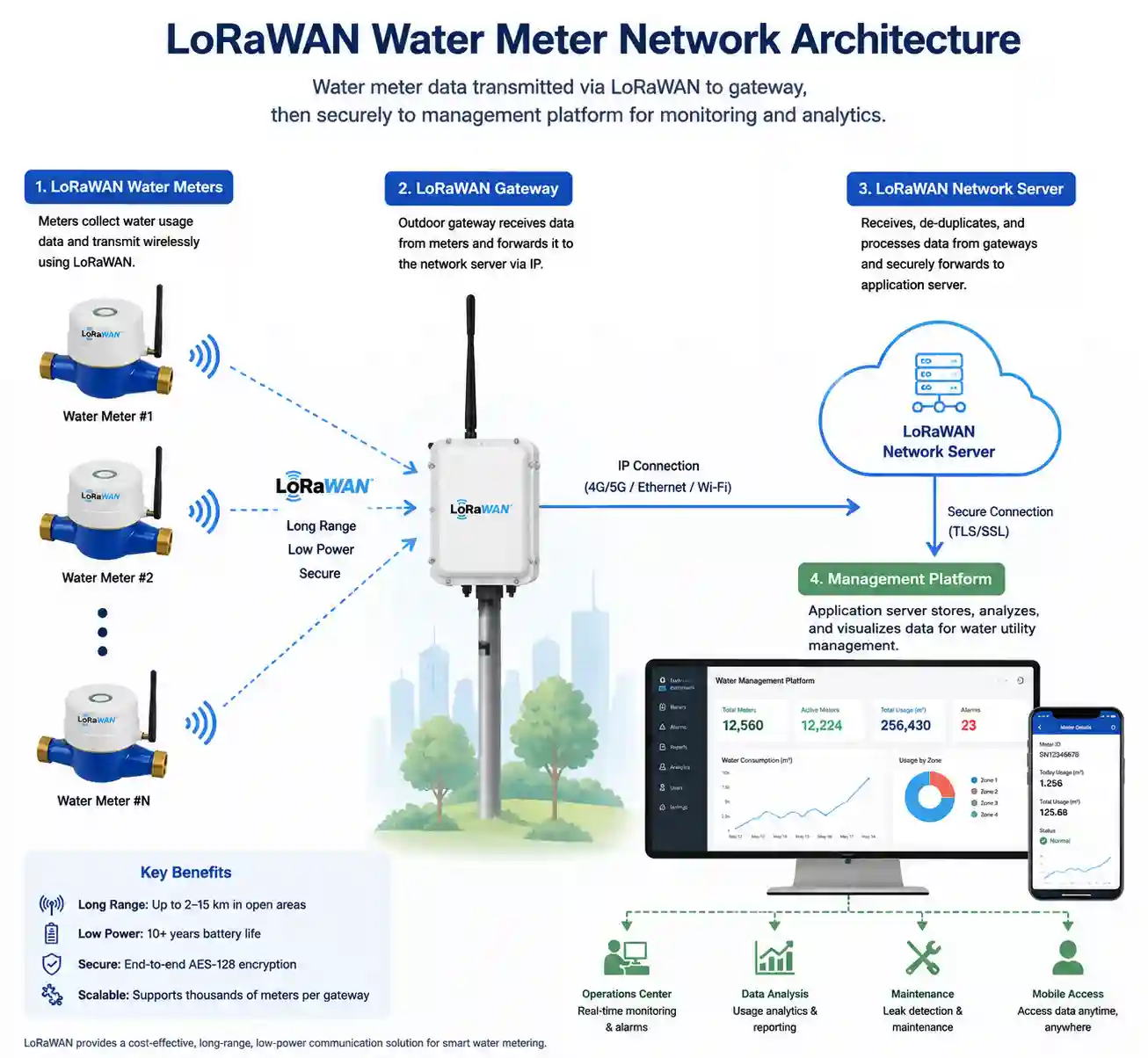
Older metering programs often produce one usable number per billing cycle. Future systems will collect smaller data intervals and combine them with valve status, battery condition, pressure, and fault alarms. A meter may still upload on a schedule to save power, but the management platform gains enough detail to spot patterns that a monthly total would hide.
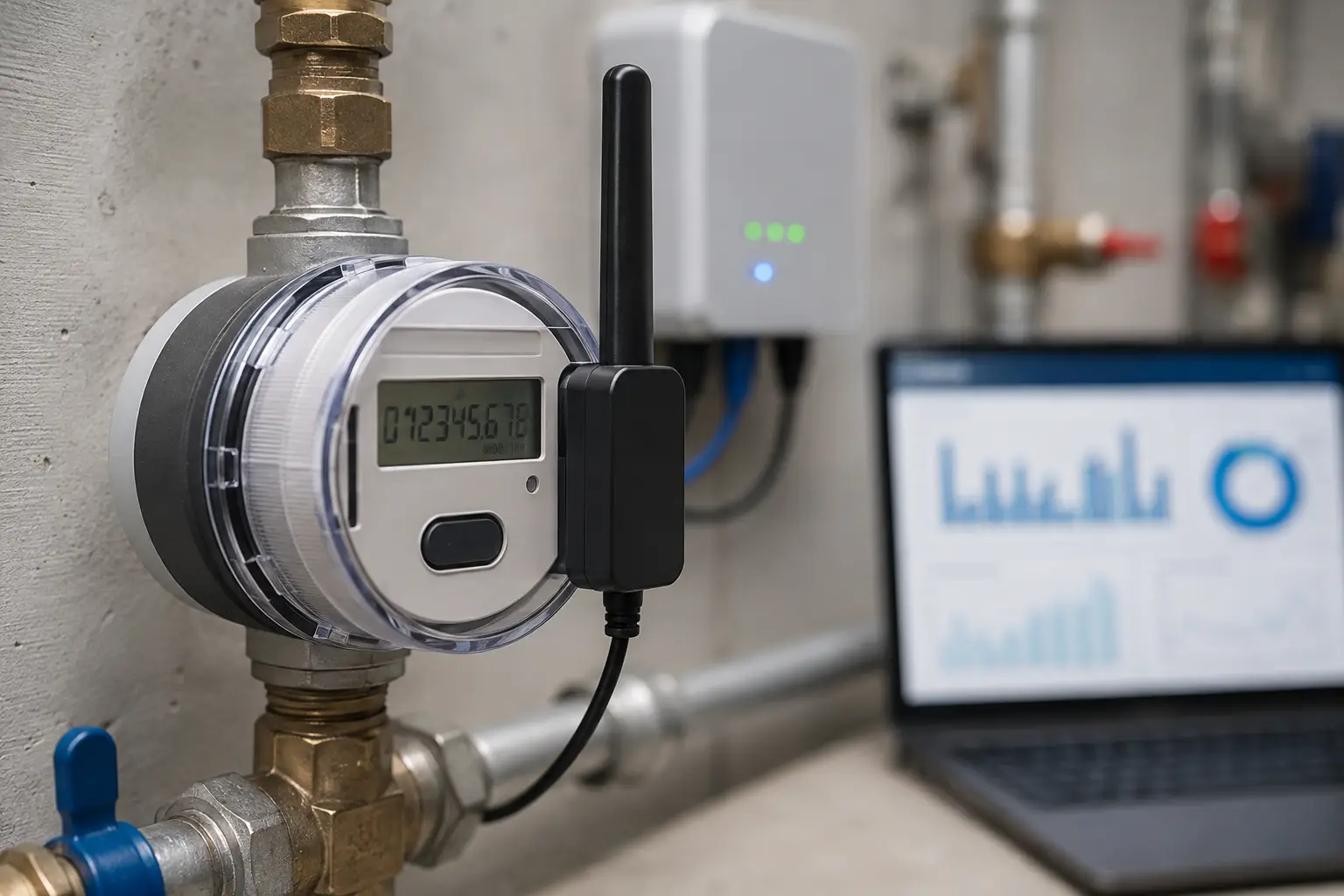
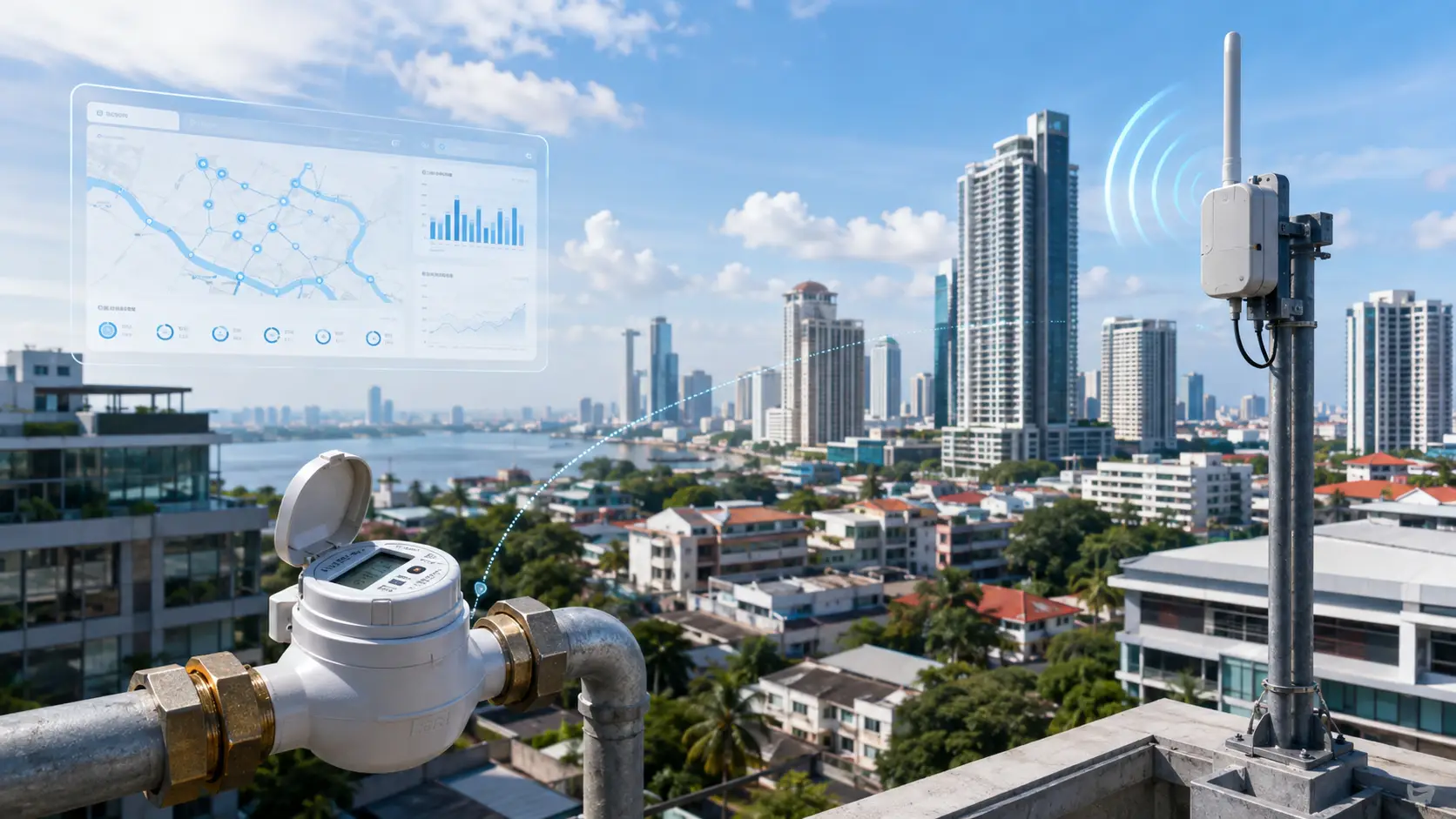
The strongest trend is not a single device or software tool. It is the connection of measurement, communication, analytics, and field response. Each layer has to work well. A clever dashboard cannot repair poor flow data, and a precise meter has limited value when its records stay trapped in the field.
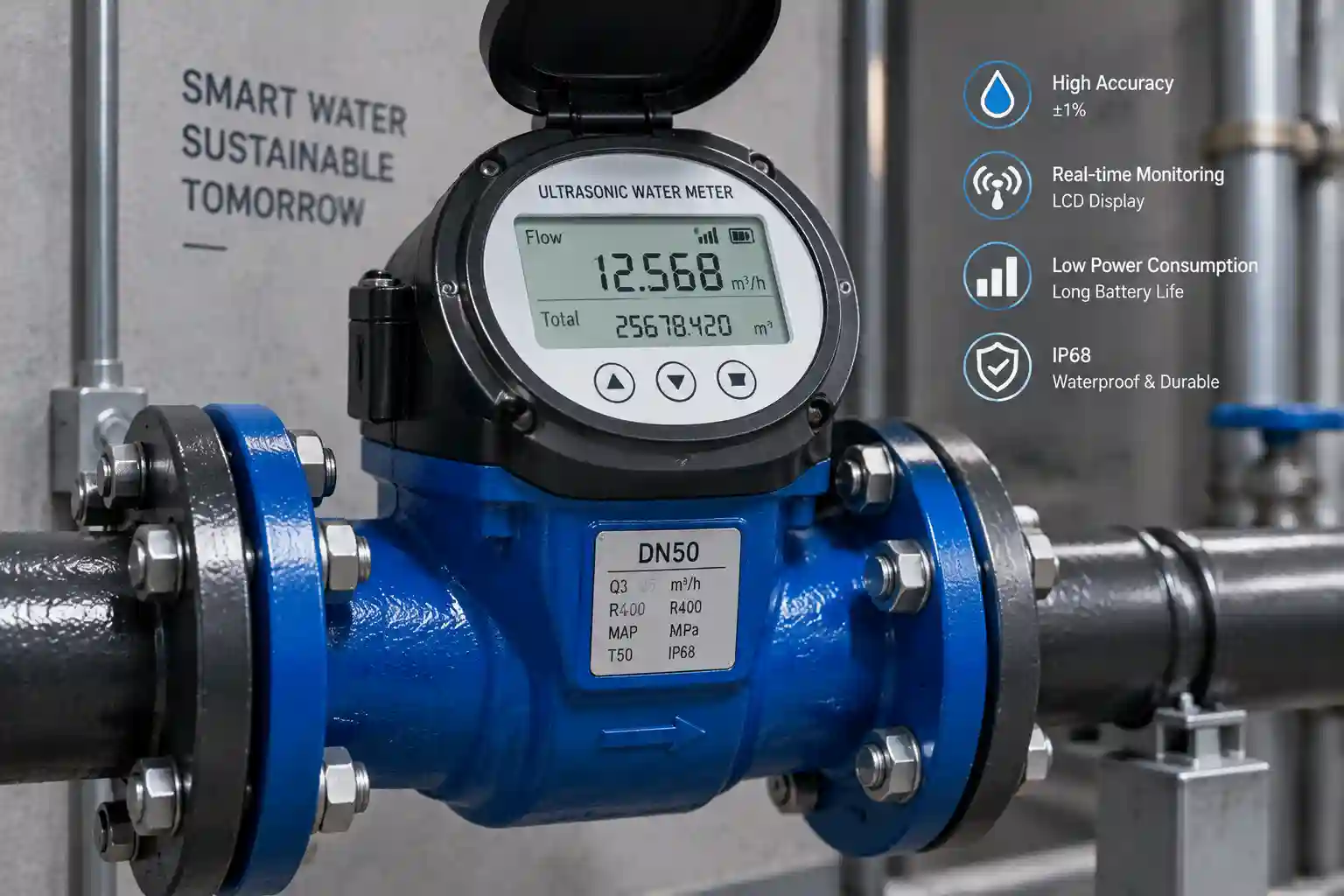
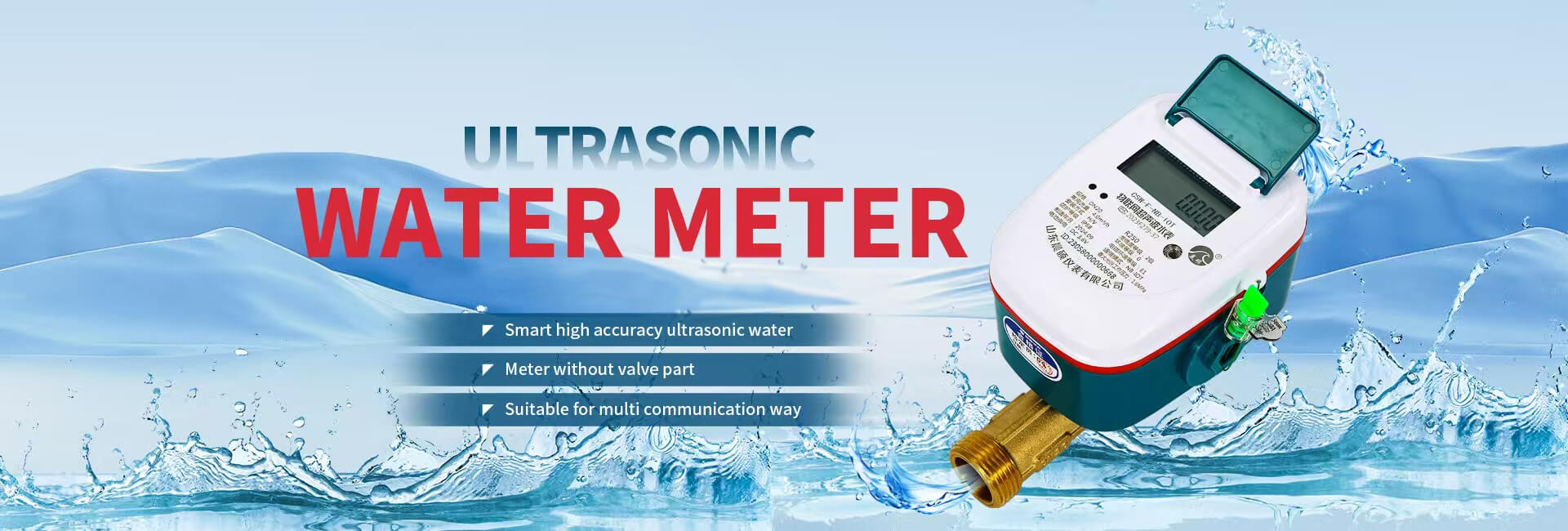
Meter hardware will keep moving toward wider measuring ranges, lower power use, and more built-in diagnostics. Mechanical pulse meters will remain useful in cost-sensitive residential projects. Ultrasonic designs will gain ground where microflow detection, scale resistance, and a broad range ratio matter.
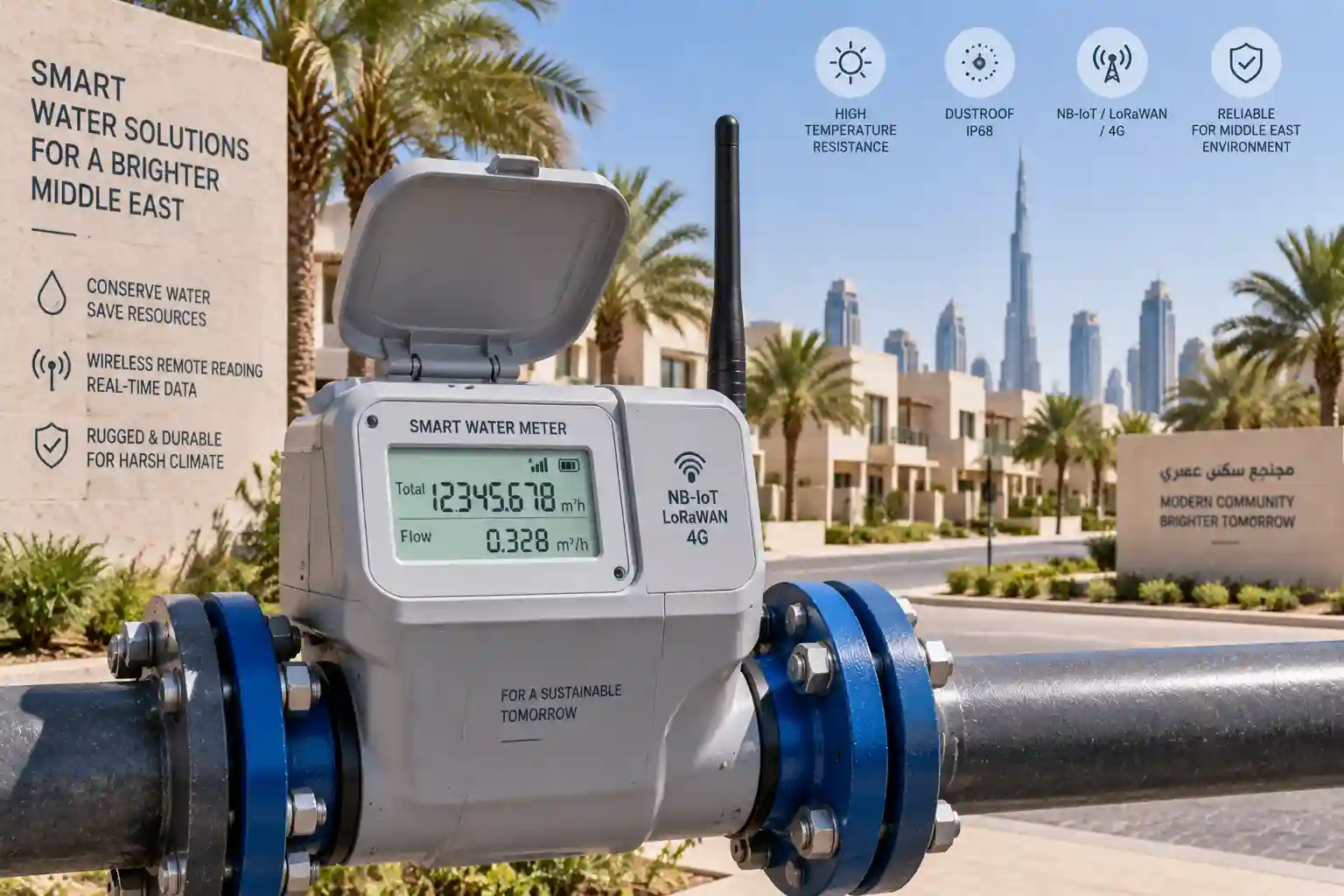
The XT815 series reflects this split. The mechanical XT815-M uses an impeller and pulse collection with an R100 example range ratio. The ultrasonic XT815-U has no moving measuring parts and reaches R250. Both can support STS 20-digit TOKEN prepayment, electric valve control, and 4G, LoRa, or LoRaWAN communication. An IP68 enclosure and a lithium battery life of about 6 to 10 years help reduce routine site visits.
AI will increasingly rank anomalies instead of simply displaying them. A system can compare night flow, historical demand, valve events, and repeated low-flow patterns to decide which sites deserve attention first. Edge processing will handle some checks near the meter or gateway, reducing communication load and allowing faster local alarms.
Digital twins will link live field readings with a virtual model of the distribution network. Operators can test pressure changes, forecast demand, and compare repair plans before changing the real system. Large utilities may use full hydraulic models. Smaller projects can start with district zones, flow balances, and simple alarm rules. The future will favor useful models that match available data, not expensive models built for show.
Four Practical Shifts
| Trend | What Changes | Practical Result |
| Connected Metering | More frequent readings and device status | Faster billing and alarm review |
| AI Triage | Events ranked by likely impact | Field teams focus on urgent cases |
| Digital Twins | Live data linked to network models | Better planning and pressure control |
| Secure Remote Access | Stronger identity and access controls | Safer maintenance of connected systems |
The next generation of smart water management will shift daily work from reaction to prevention. Utilities will still repair breaks and read meters, but they will have better clues about where to act first. Users will see clearer consumption histories, quicker leak warnings, and more flexible payment options.
A single alarm can be noisy. A pattern is more useful. Future platforms will combine continuous microflow, sudden demand changes, district balance data, and past repairs. The ultrasonic XT815-U already supports leak monitoring and empty-pipe detection. Those field signals become more valuable when software checks whether the event is isolated, repeated, or shared across a zone.
Prepaid water management will move beyond entering a TOKEN at the meter. Connected systems can report credit, store recharge records, issue low-balance warnings, and control a built-in valve. Local storage remains important. The XT815 platform can retain metering data for 10 years, which protects the basic record when a network is unavailable.
Battery voltage, valve position, signal quality, and fault codes will guide maintenance visits. Crews can then arrive with the right tools and parts instead of diagnosing every issue from the beginning.
Digital tools do not remove old engineering rules. They add a new layer of responsibility. Projects can fail through weak communication coverage, poor installation, incompatible data formats, unclear ownership, or neglected security.
Connected meters, gateways, remote valves, and cloud platforms create more access points. Security therefore has to cover passwords, device identity, software updates, remote access, logging, and recovery procedures. A 2026 water-sector practice guide treats secure remote access as a practical design problem for utilities of different sizes, not just an IT policy topic.
Project teams should review the latest water-sector cybersecurity practice guidance before opening operational devices to remote access.
A connected meter can transmit an incorrect reading very efficiently if it is installed badly. Ultrasonic meters need a full pipe, controlled air, correct flow direction, and suitable straight pipe. Under standard conditions, XT815-U calls for at least 10DN upstream and 5DN downstream. A disturbed inlet may require 15DN or more. Mechanical meters need less straight pipe, but they should stay away from strong magnetic sources.
Utilities do not need to replace every meter at once. A practical path starts with one clear problem, tests a district, measures the result, and expands only after the data flow works.

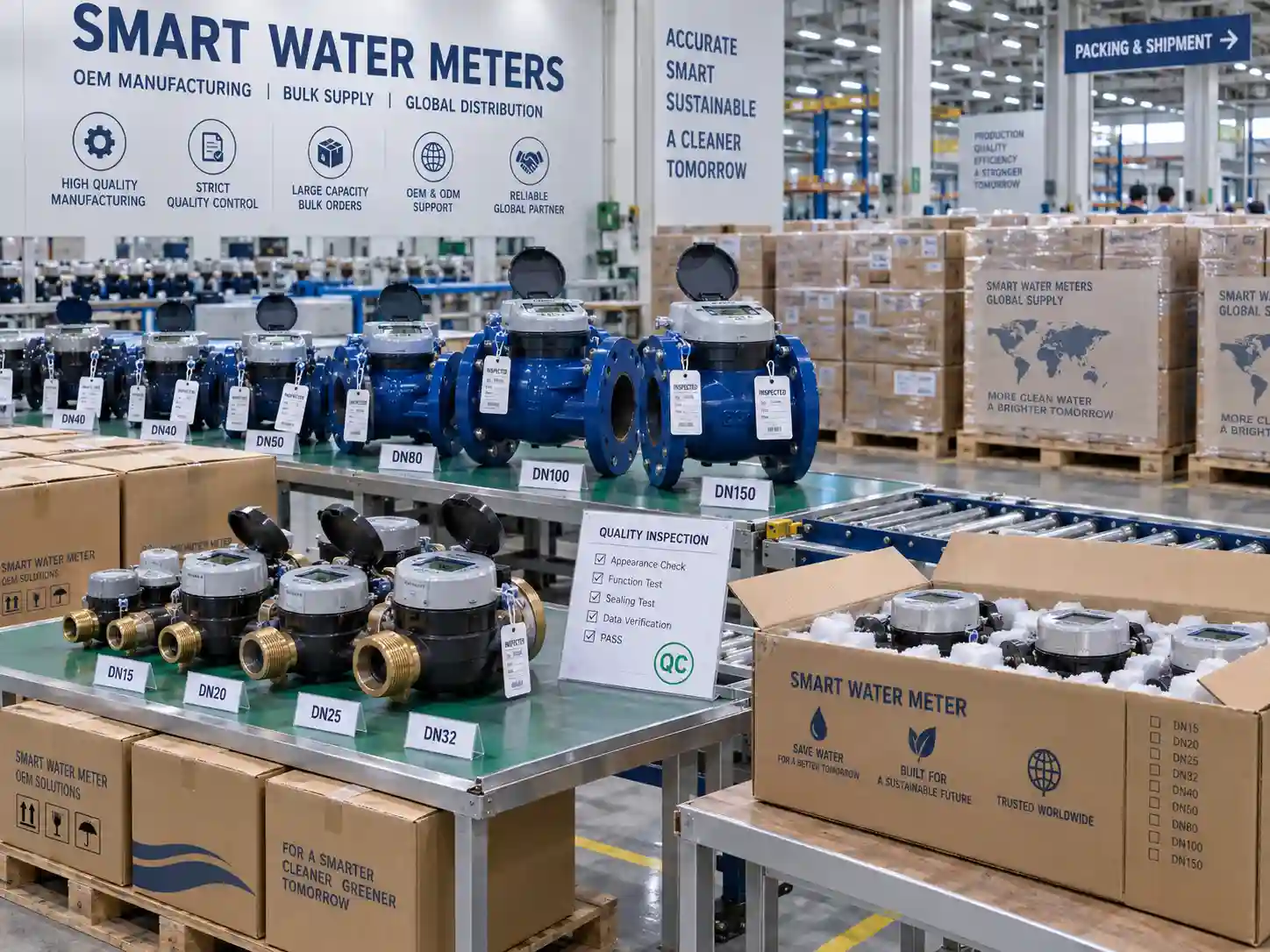
Shandong Chenshuo Instrument Co., Ltd., known as Chenshuo, develops and produces water metering equipment and complete metering solutions. Its product work covers mechanical, ultrasonic, electromagnetic, remote-reading, and prepaid systems. That range matters because future water projects will not use one measuring method everywhere.
The XT815 platform combines two practical meter paths with STS prepaid operation, remote communication, motorized valve control, local data retention, and field alarms. A project team can choose the lower-cost mechanical pulse model or the wider-range ultrasonic model, then match communication and billing functions to local conditions. The company’s smart water meter portfolio provides a starting point for technical selection. For pipe layout, network coverage, protocol, or prepaid requirements, buyers can submit project details through the technical contact page.
Q1: Will AI Replace Water Utility Operators? A: No. AI can sort alarms and predict risks, but trained operators still need to check field conditions and make operational decisions.
Q2: Are Ultrasonic Meters the Future of Every Project? A: No. They suit wide-range and microflow applications, while mechanical pulse meters remain practical for many cost-sensitive residential projects.
Q3: Why Is Cybersecurity Important for Smart Water Management? A: Connected meters and remote valves create access points that must be protected from unauthorized control, data loss, and service disruption.
Q4: Can an Existing Water Network Become Smart in Stages? A: Yes. Many projects start with one district, a limited meter group, or a specific leak-control problem before expanding.
Q5: What Should Buyers Check First? A: Start with pipe size, flow range, installation conditions, communication coverage, billing method, valve needs, and local protocol requirements.
 Address: Xiao'anzi Industrial Park, Baishabu Town, Lanshan District, Linyi City, Shandong Province
 Call us now:+86 15562945993
 Email:info@sdchenshuo.cn


Shandong Chenshuo Instrument Co., Ltd.