

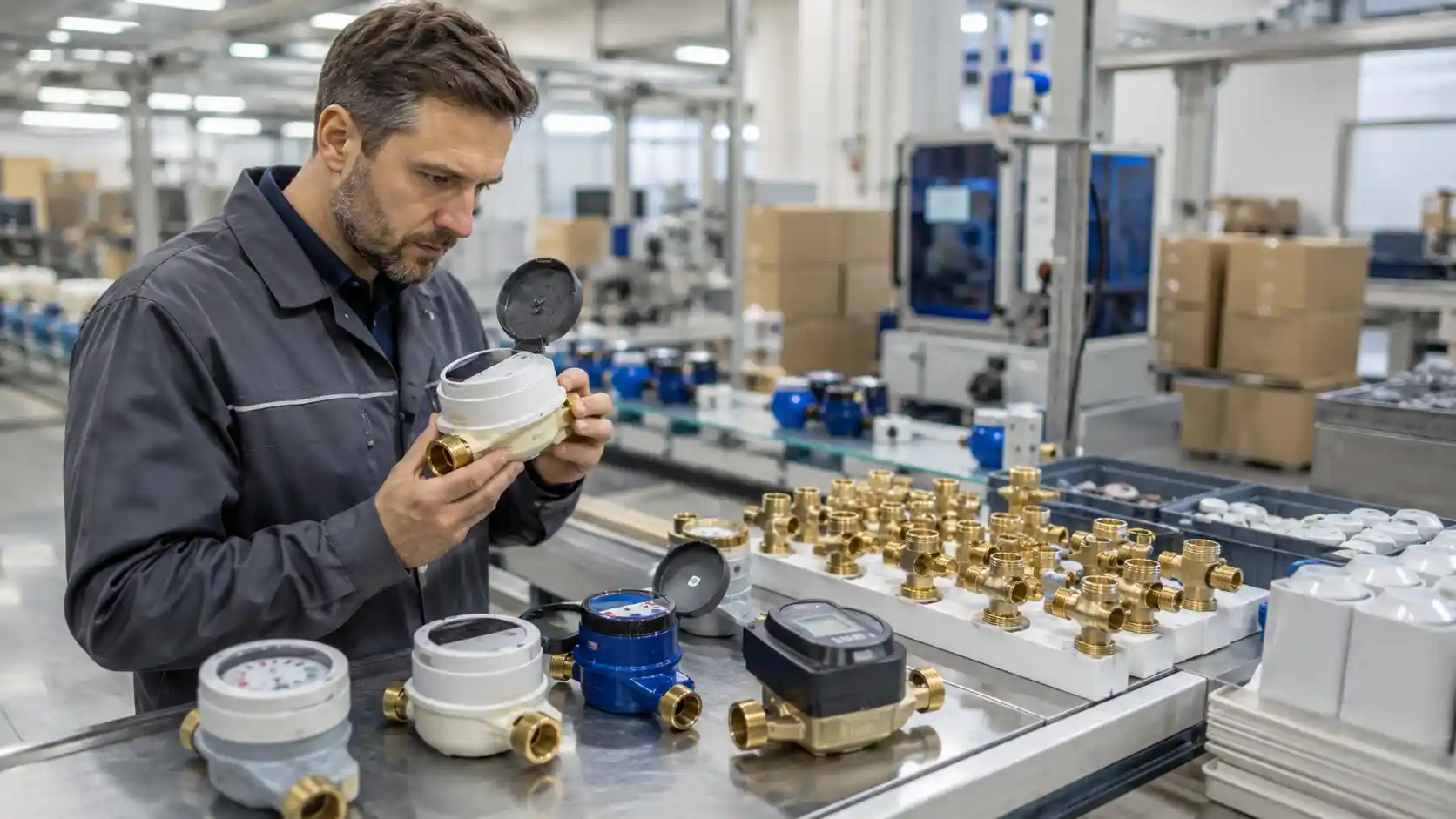
Choosing a Water Meter Manufacturer affects product performance, approval work, delivery, and service costs. Your RFQ should define the product, sample gates, inspection records, branding files, and change rules. This guide explains what to request from an OEM Supplier before mass production.
OEM water meter manufacturing covers product configuration, private-label elements, production tests, documents, and delivery terms. A project may include custom communication, firmware, enclosure parts, packaging, and market approvals. Record every deliverable in a controlled specification.
An OEM project usually configures an existing platform. An ODM project may add a new enclosure, circuit, protocol, or mechanical part. State who owns drawings, tooling, firmware, test fixtures, and certification files.
List the meter type, material, communication, valve, battery, display, labels, manual, and carton. Use a water meter product range to select a base platform. The quotation should mark standard, configurable, and new items.
Create a document list before sampling: data sheet, drawing, material revision, artwork, protocol, test plan, inspection standard, packaging specification, and approval form. Give each file a version, owner, and approval date. It saves plenty of email archaeology later.
Your specification drives the quotation and sample. Define the operating environment, use case, measurement, mechanical interface, communication, and compliance requirements first.
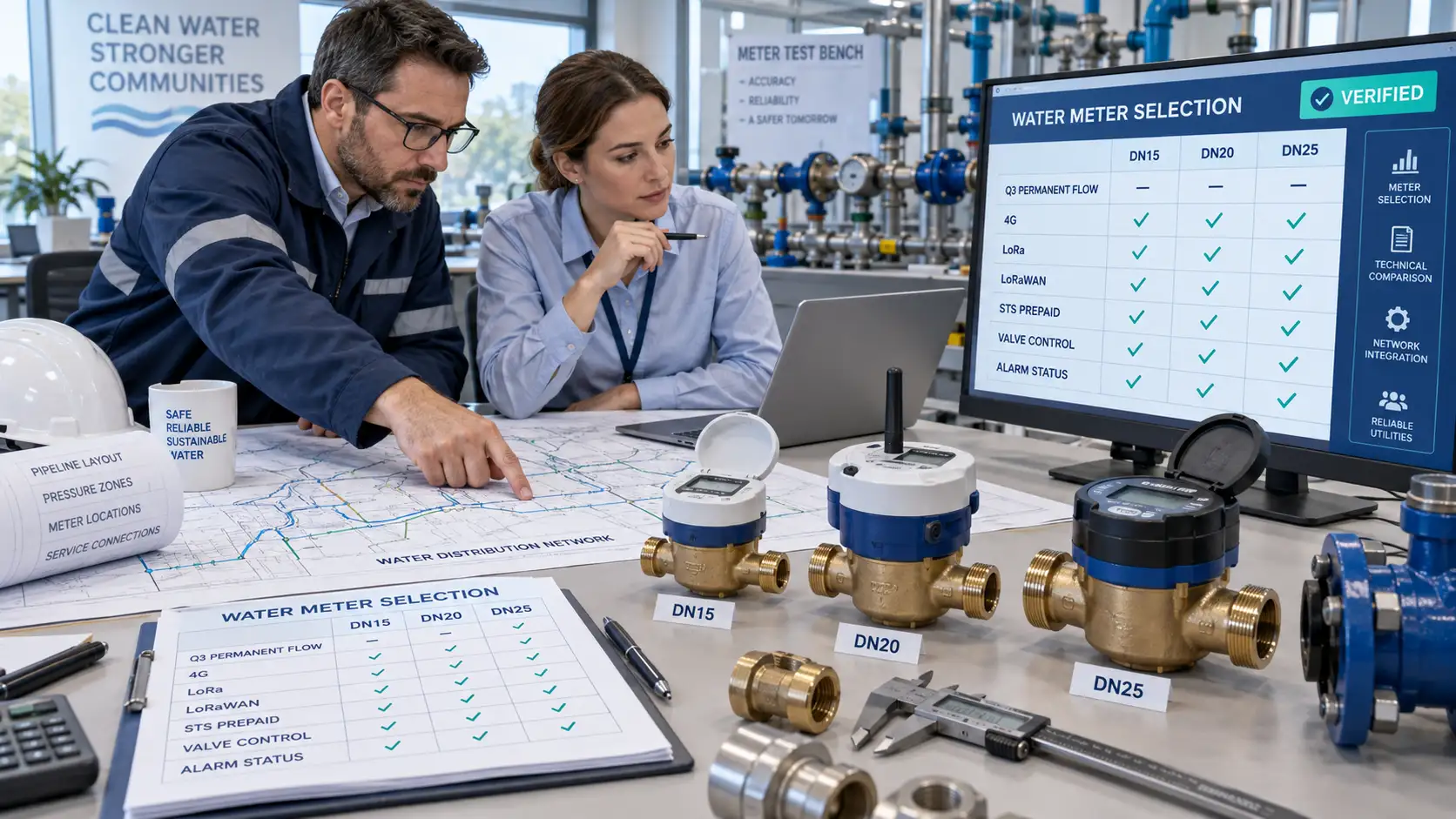
State the measurement technology, diameter, flow values, R ratio, connection, installation direction, pressure loss target, and straight-pipe conditions. Residential projects may use DN15 to DN25; network applications often require larger sizes.
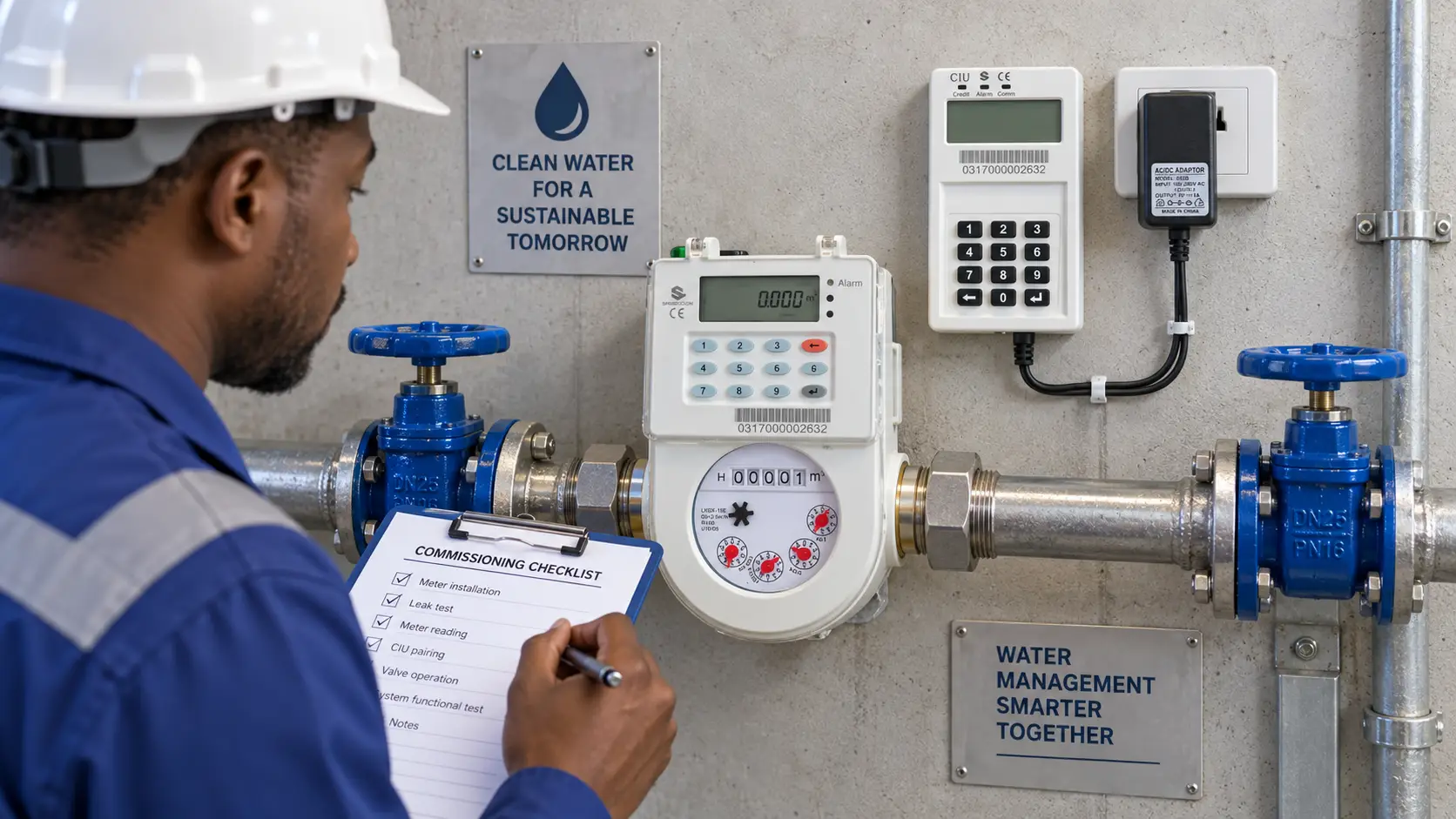
Define the interface, protocol version, frequency plan, and data fields. For prepaid meters, specify token format, tariff logic, valve behavior, and recharge workflow. A DN15 LoRaWAN meter example can support the first configuration discussion; your RFQ records the approved version.
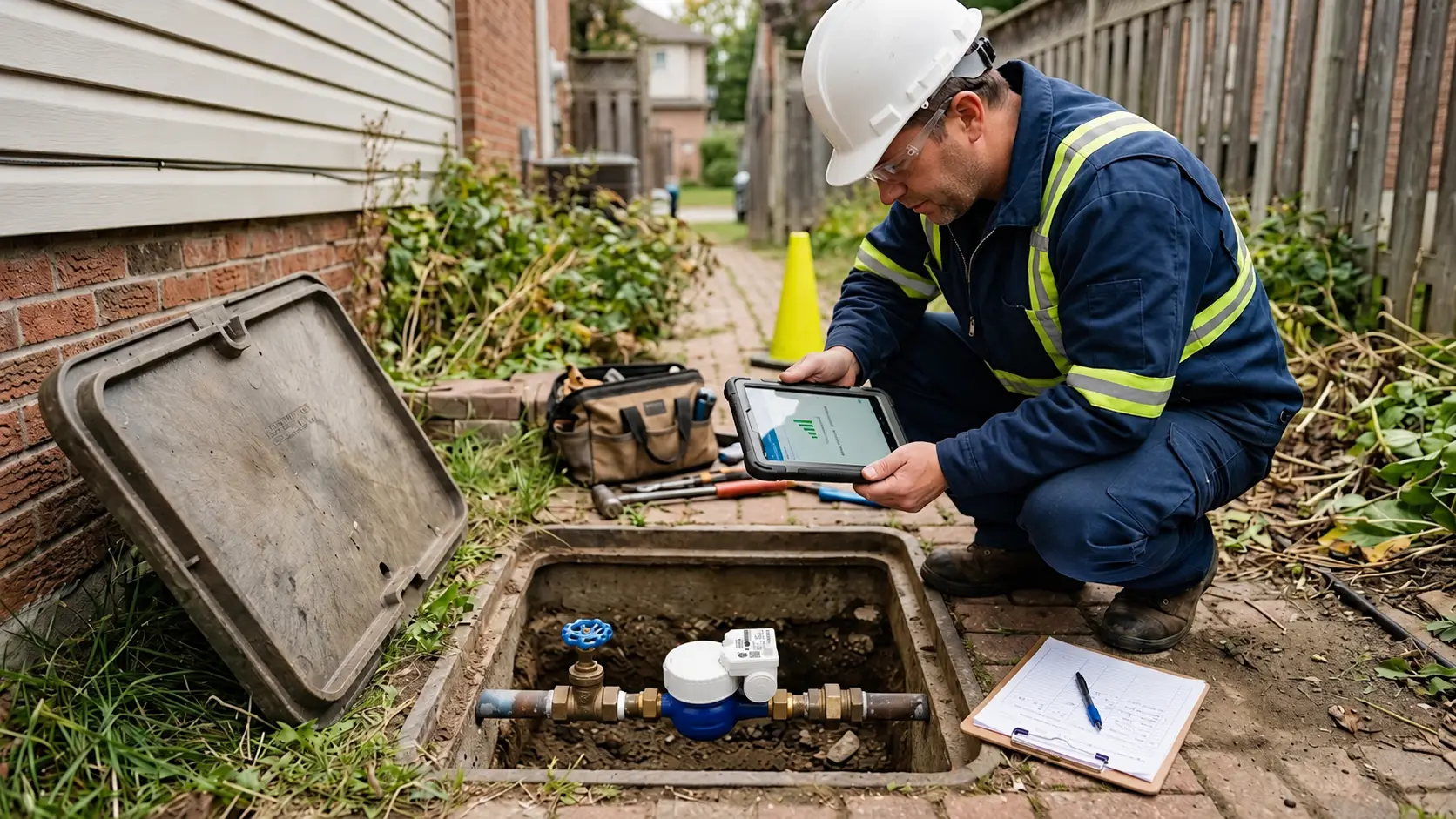
Name the body and wetted-part materials, temperature class, working pressure, enclosure rating, cables, and water quality. State the actual exposure: flooded pit, direct sun, salt air, freezing risk, or plant room.
| RFQ Field | Example Entry |
| Application | Residential prepaid billing |
| Meter and Size | Mechanical or ultrasonic, DN15–DN25 |
| Flow Performance | Required Q1–Q4 values and R ratio |
| Communication | LoRaWAN, required frequency plan and payload |
| Functions | Valve control, tamper alarm, low-battery alert |
| Environment | T30, 1.6 MPa, IP68 target |
| Market Documents | Model-specific metrology, radio, and material files |
| Branding | Dial, nameplate, manual, carton, serial-number rule |
| Commercial Input | Sample quantity, annual forecast, delivery schedule |
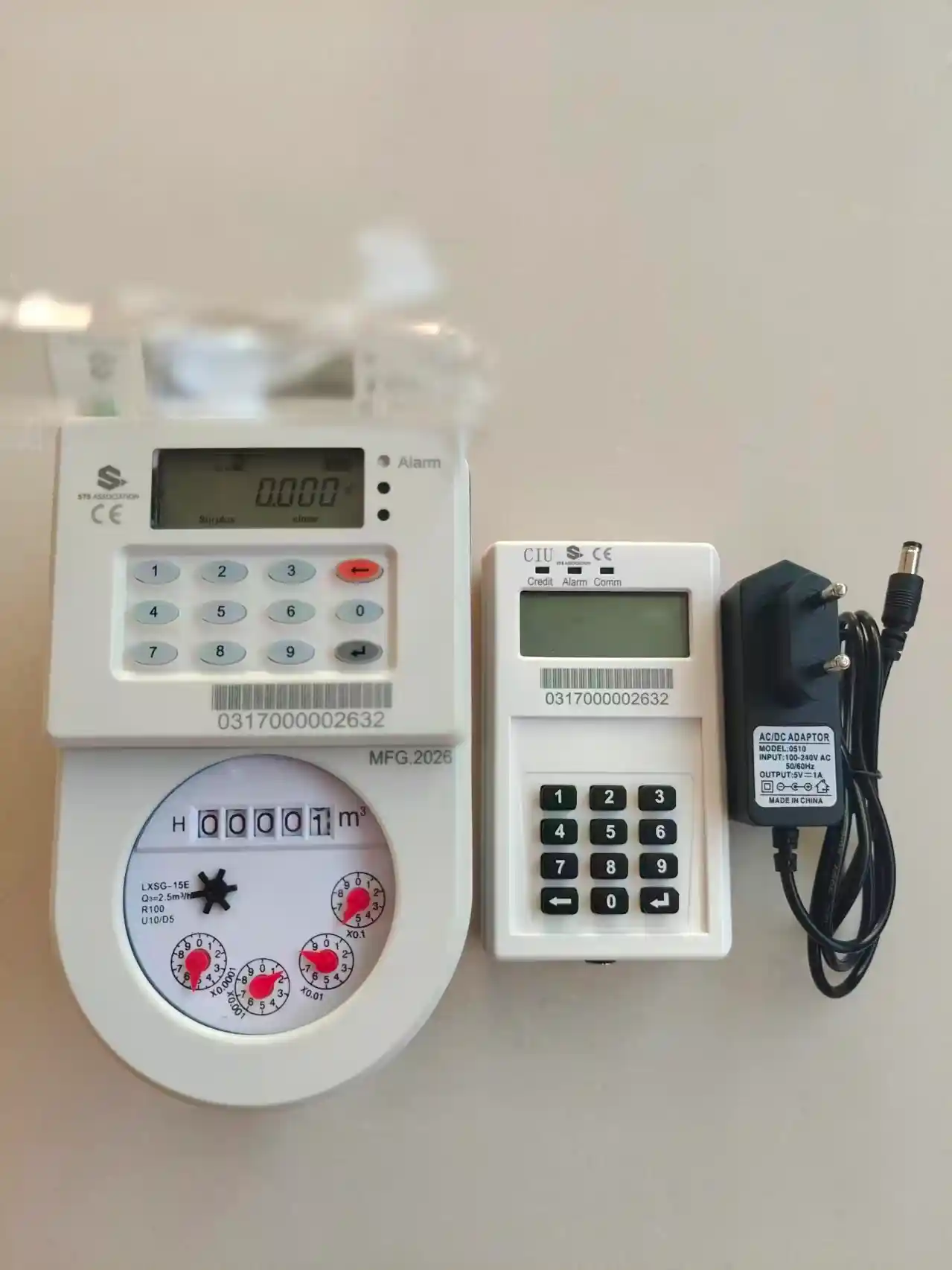
A controlled project uses an engineering sample, golden sample, and pilot batch. These gates prove feasibility, freeze the accepted configuration, and test production repeatability.
The supplier reviews your requirements and reports open points, risks, charges, and timing. The prototype tests measurement, communication, valve, display, and interfaces. Record every deviation in writing.
The golden sample represents approved hardware, software, labels, accessories, and packaging. Sign it with the final data sheet and test record. Keep one sealed sample with each party as the production reference.
The pilot order checks assembly, calibration, communication provisioning, serialization, packaging, and shipment documents. Define inspection quantities and acceptance criteria. Close every pilot issue before mass production.
Connect each quality document to a model, revision, test method, and result. A document matrix should map files to each diameter and communication version.
Request type-approval files, flow-test methods, calibration information, accuracy records, and sealing procedures. Batch reports should identify serial numbers or a traceable lot.
Smart and prepaid meters may require radio, electrical, EMC, IP, STS, and potable-water material documents. Map every file to the quoted module, antenna, battery, enclosure, firmware, and size.
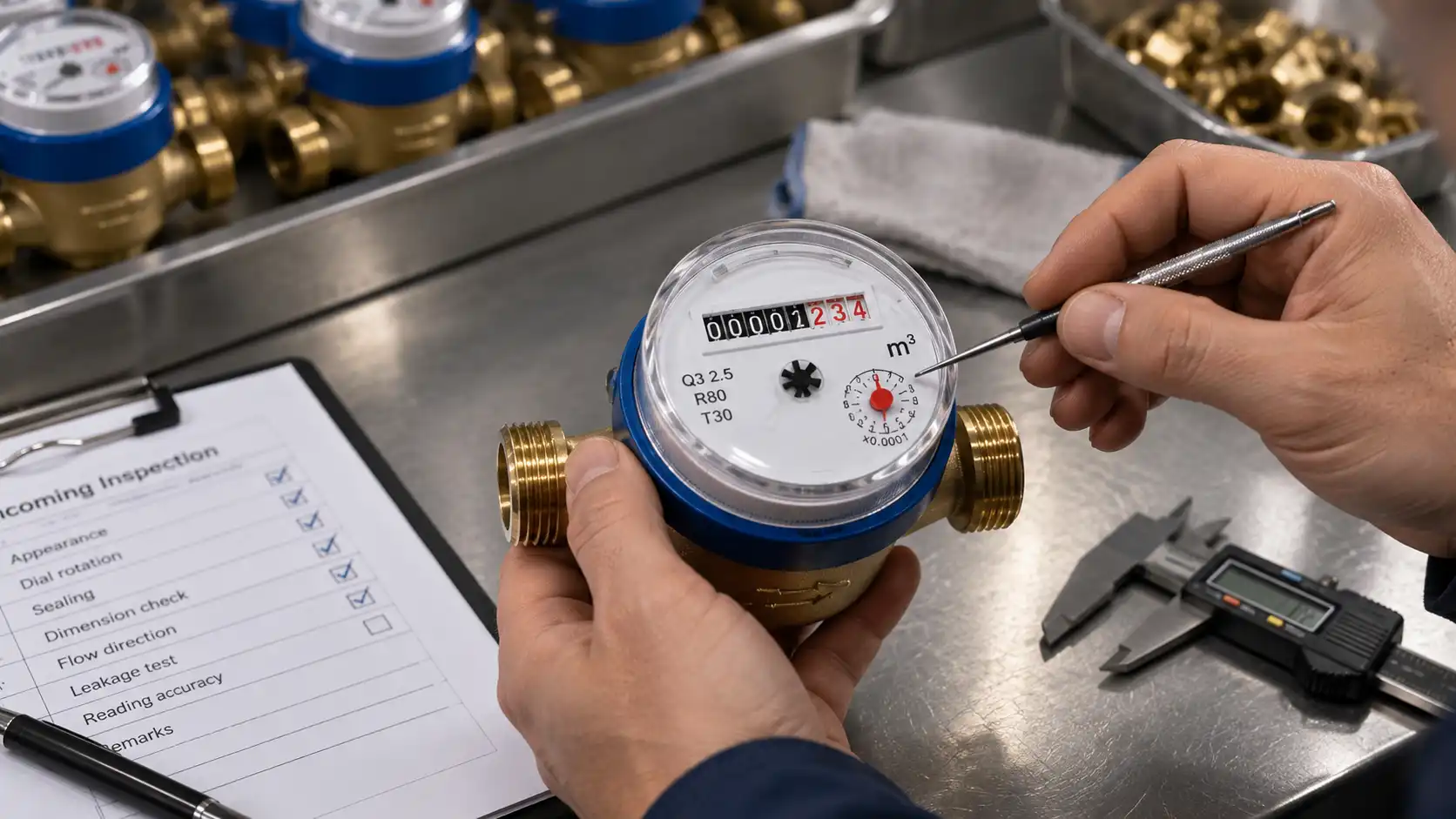
Confirm records for incoming parts, assembly, pressure, calibration, valves, communication, and final inspection. State which reports ship with each batch and how long the factory retains them.
Private-label files carry technical information. A wrong flow arrow, radio ID, pressure class, or manual version can stop installation. Approve dimensions, colors, materials, language, and revision.
Provide vector logos and a brand guide. Approve print proofs for the dial, nameplate, carton, warranty card, and manual. Confirm marks, importer details, barcode format, and packing limits.
Define serial-number length, prefixes, duplicate controls, and data format. Test QR destinations. Review translated units, alarms, wiring, and valve instructions.
Record ownership of editable artwork, tooling, firmware, protocol documents, keys, credentials, and platform data. Define storage, maintenance, access, and handover terms.
Your project cost includes unit price, samples, tooling, certification, modules, packaging, inspection, spares, and engineering. Request a cost breakdown tied to volume and configuration.
Separate reusable tooling from batch charges. Record tool ownership, life, storage, repair, and replacement approval. Check lead times for batteries, modules, chips, valves, and registers.
Share a rolling forecast with firm and flexible periods. Request separate sample, pilot, and production lead times. Confirm capacity for calibration and device provisioning.
Set a written change-notice period. Each notice should list affected models, old and new parts, test evidence, stock transition, and effective date. Approve changes before production.
Define service terms during sampling: warranty period, failure evidence, return process, analysis timing, replacement terms, freight, spares, and escalation contacts.
Use a failure report with serial number, installation details, photos, reading history, logs, and sample status. Set spare quantities from field volume and replacement time.
Confirm responsibility for firmware, gateways, APIs, keys, and data dictionaries. Define supported versions, update methods, security response, support hours, and replacement-device data transfer.
Review early batches monthly. Track installation issues, accuracy complaints, radio performance, battery alarms, valve events, and returns. Assign each recurring issue a corrective action.
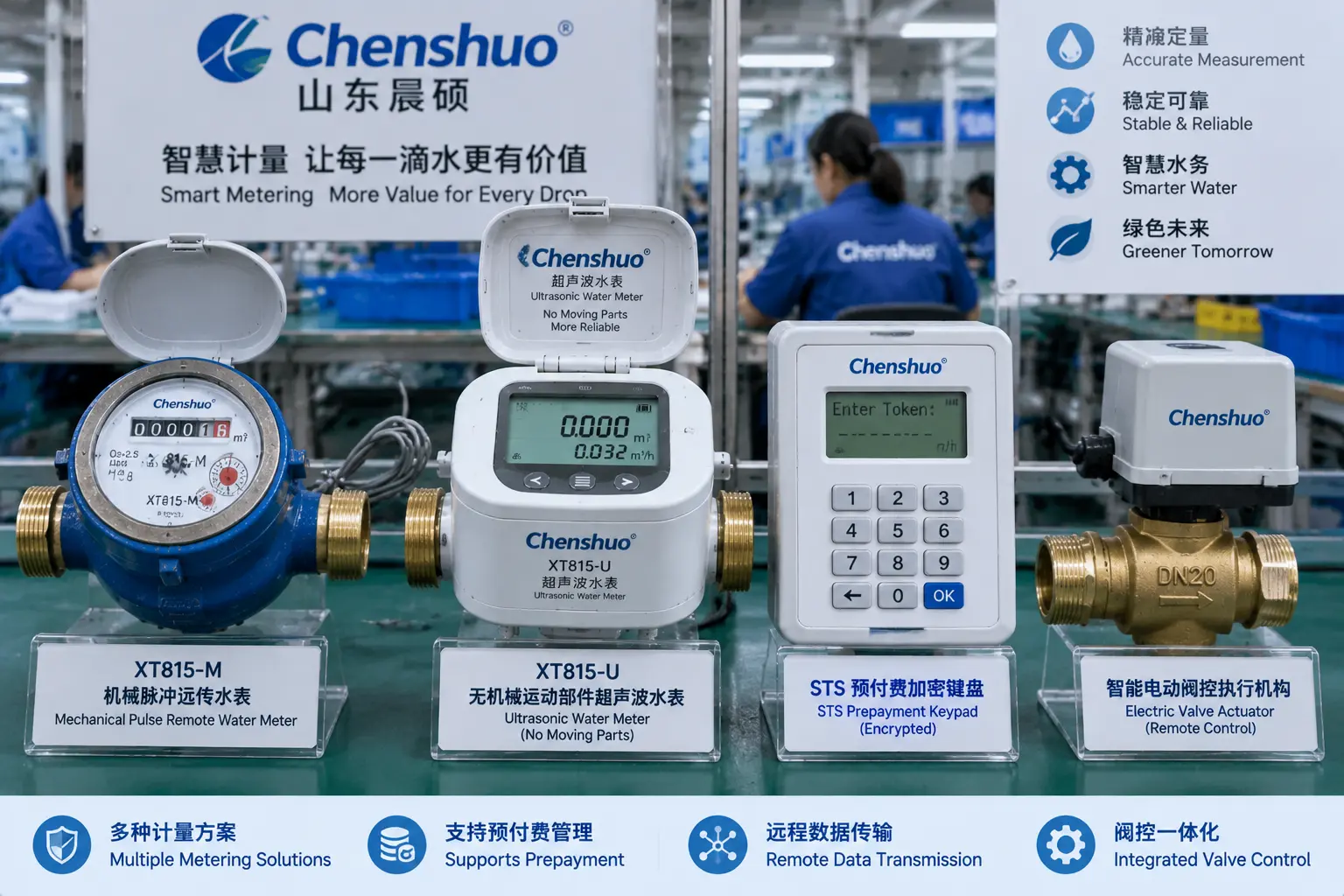
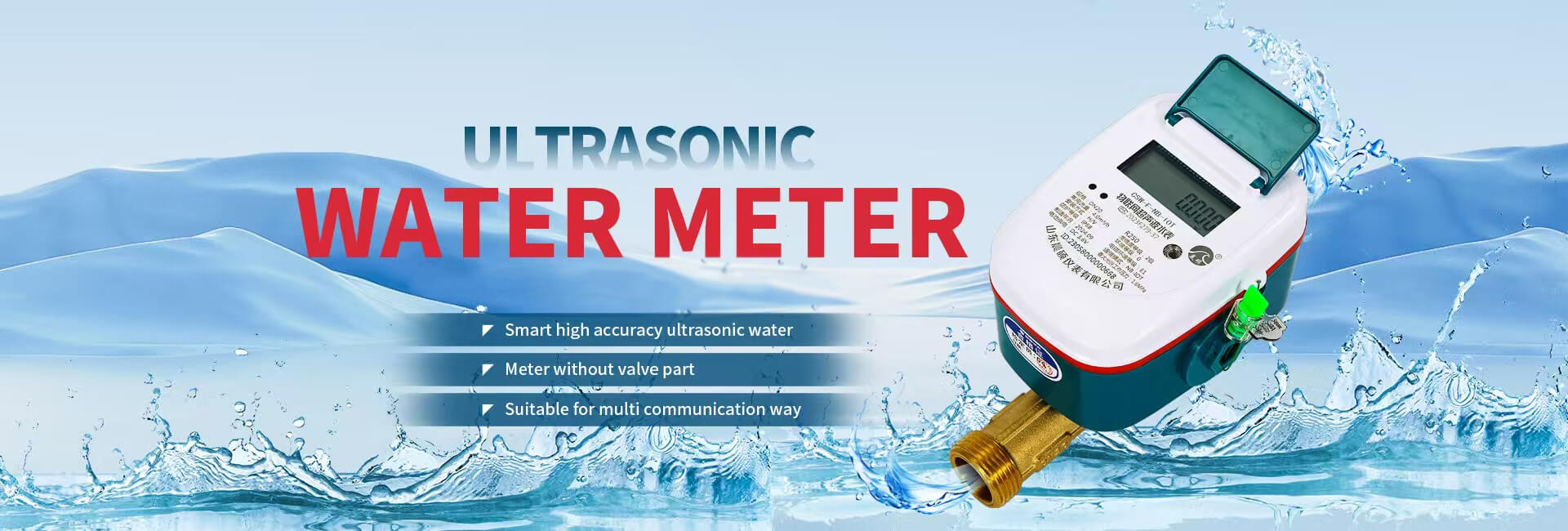
Shandong Chenshuo Instrument Co., Ltd. develops mechanical, ultrasonic, electromagnetic, NB-IoT, LoRaWAN, and prepaid meters. Its website describes integrated R&D, production, and sales, more than 40 large manufacturing machines, and OEM work from components through complete meters.
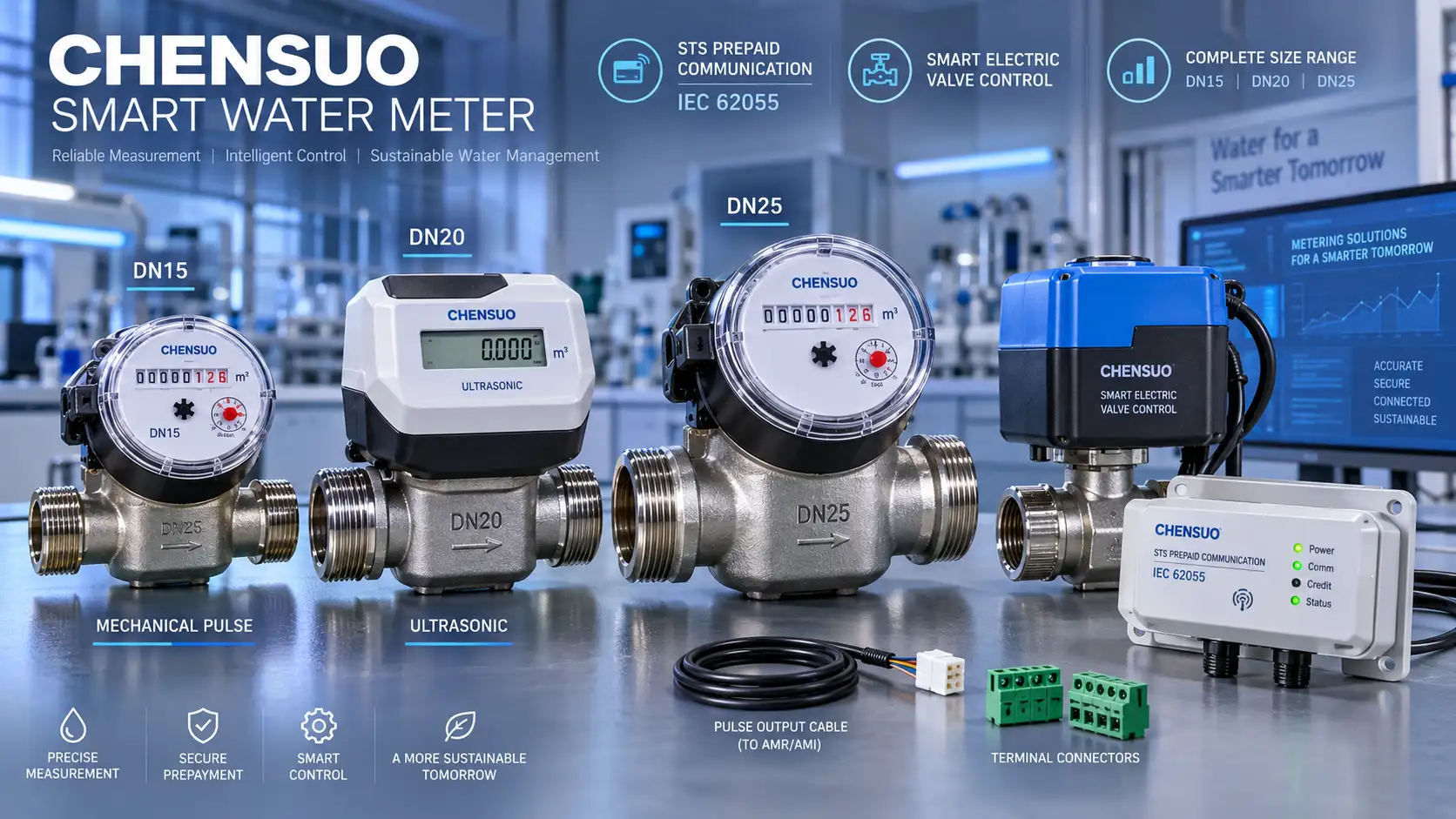
The supplied XT815 documentation includes mechanical pulse and ultrasonic versions with STS token operation, valve control, 4G, LoRa, and LoRaWAN options. Confirm model specifications and certification scope in the current quotation package.
Send your application, diameter, communication, target market, branding files, forecast, and approval needs through the OEM project contact page to request a configuration review and itemized quote.
Q1: What Is the Difference between OEM and ODM Water Meters?
A: OEM projects usually configure and brand an existing meter platform. ODM projects can include new mechanical parts, electronics, firmware, or protocols. Your agreement should define design responsibility and ownership.
Q2: What Information Does an OEM Water Meter Supplier Need?
A: Provide the application, meter type, diameter, flow range, connection, temperature, pressure, communication, functions, target market, approvals, branding, quantities, and delivery plan.
Q3: How Long Does an OEM Water Meter Project Take?
A: Timing depends on customization and certification. Ask for separate schedules for engineering review, prototype, golden-sample approval, pilot production, testing, and mass production.
Q4: Which Quality Documents Should Buyers Request?
A: Request model-specific metrology files, calibration and pressure-test records, IP and radio reports where applicable, material documents, inspection standards, and batch traceability records.
Q5: What Should a Golden Sample Confirm before Production?
A: It should confirm hardware, firmware, measurement performance, communication, valve behavior, labels, serial numbers, accessories, manuals, and packaging against the approved specification.
 Address: Xiao'anzi Industrial Park, Baishabu Town, Lanshan District, Linyi City, Shandong Province
 Call us now:+86 15562945993
 Email:info@sdchenshuo.cn


Shandong Chenshuo Instrument Co., Ltd.