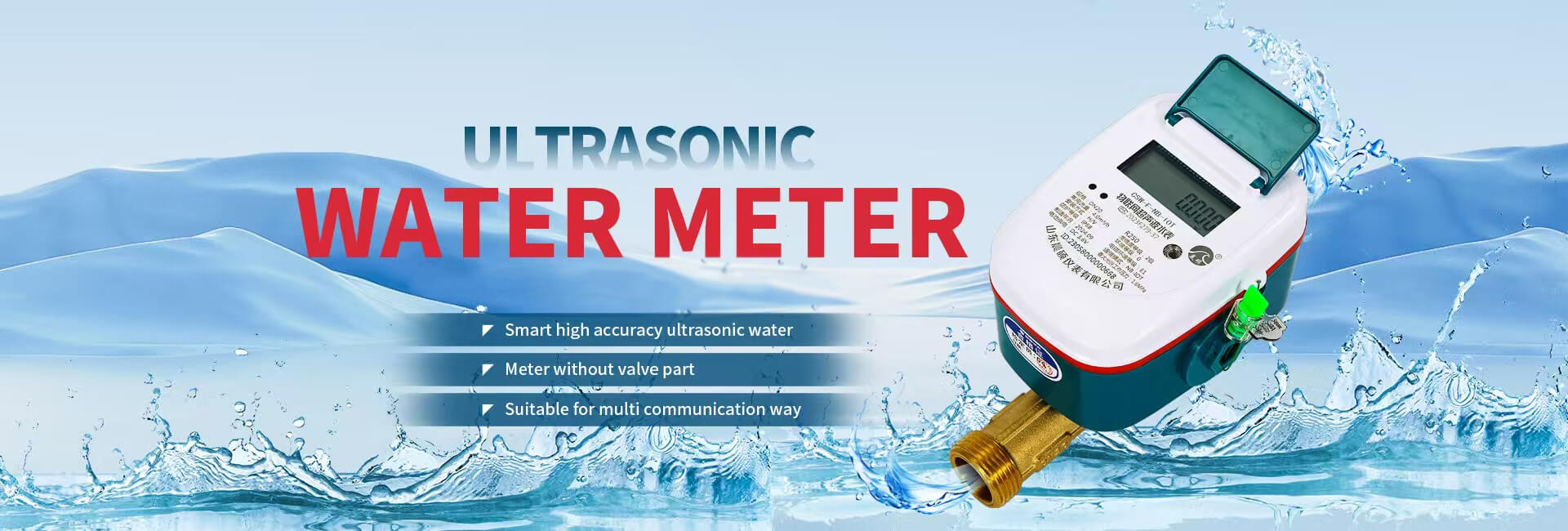


A traditional water meter records water flow at the installation point. A Smart Water Meter adds communication and data-management functions, so readings can be transferred for remote review when the required system is configured.
The better choice depends on the project. Local reading may suit a simple installation. Distributed meter points, remote reading, prepaid management, valve control, or IoT Water Metering require a meter, communication path, and platform planned together.
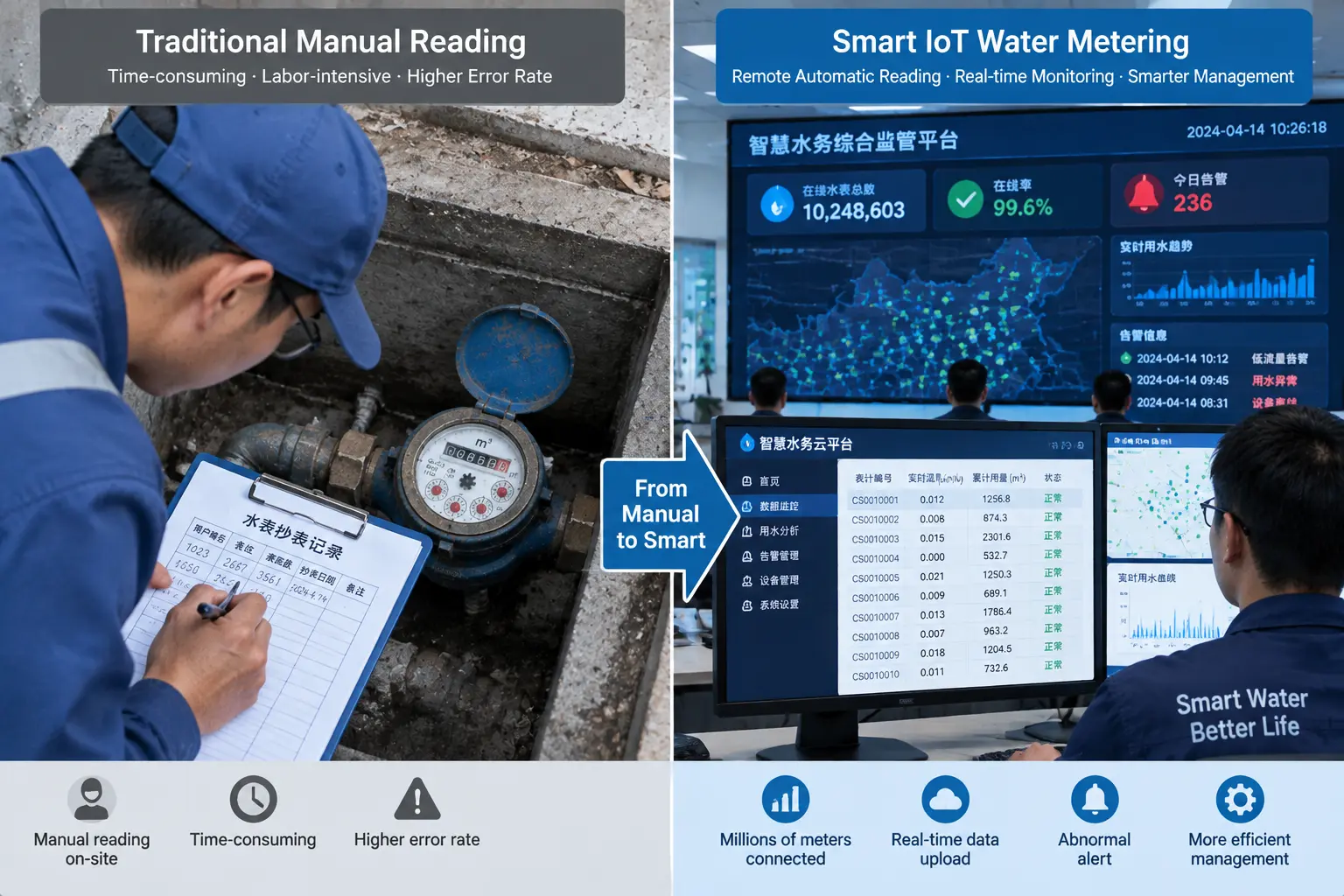
A traditional water meter measures water volume and presents the result locally. Mechanical models use a measuring structure such as an impeller, with the reading checked by a person or collected through a separate pulse arrangement.
The basic meter does not create a complete data-management system. Someone still needs to read, record, and transfer the value for billing or analysis.
This arrangement can fit projects with limited meter points and local reading.
A Smart Water Meter combines measurement with electronics and configurable communication. A communication module or terminal can transfer readings to a data centre, management platform, or utility system.
Chenshuo product materials describe intelligent metering in three layers: data collection, data transmission, and data application. The meter provides the measurement. The network moves the data. The platform stores, displays, or analyses it.
“Smart” does not describe one fixed hardware package. Display resolution, wireless method, valve control, prepaid functions, and alarms depend on the selected model and configuration.
| Comparison Point | Smart Water Meter | Traditional Water Meter |
| Core function | Measurement with configurable data communication | Local water measurement |
| Data collection | Remote transmission when configured | Mainly manual reading |
| Data management | Supports platform collection and analysis | Requires manual records or separate equipment |
| Remote control | Available with compatible valve-control equipment | Usually outside the basic meter function |
| Prepaid operation | Available on selected configurations | Depends on model or additional equipment |
| Project focus | Meter, network, platform, and control integration | Meter size, connection, flow, and local reading |
The table describes system direction. A smart meter needs a suitable network and platform. A traditional meter fits projects where local reading meets the requirement.
The main difference appears after measurement: who collects the reading and how it enters the management system.
The meter shows a cumulative value. A reader enters it into a billing record.
People handle collection and transfer, so larger deployments need a defined reading schedule and record process.
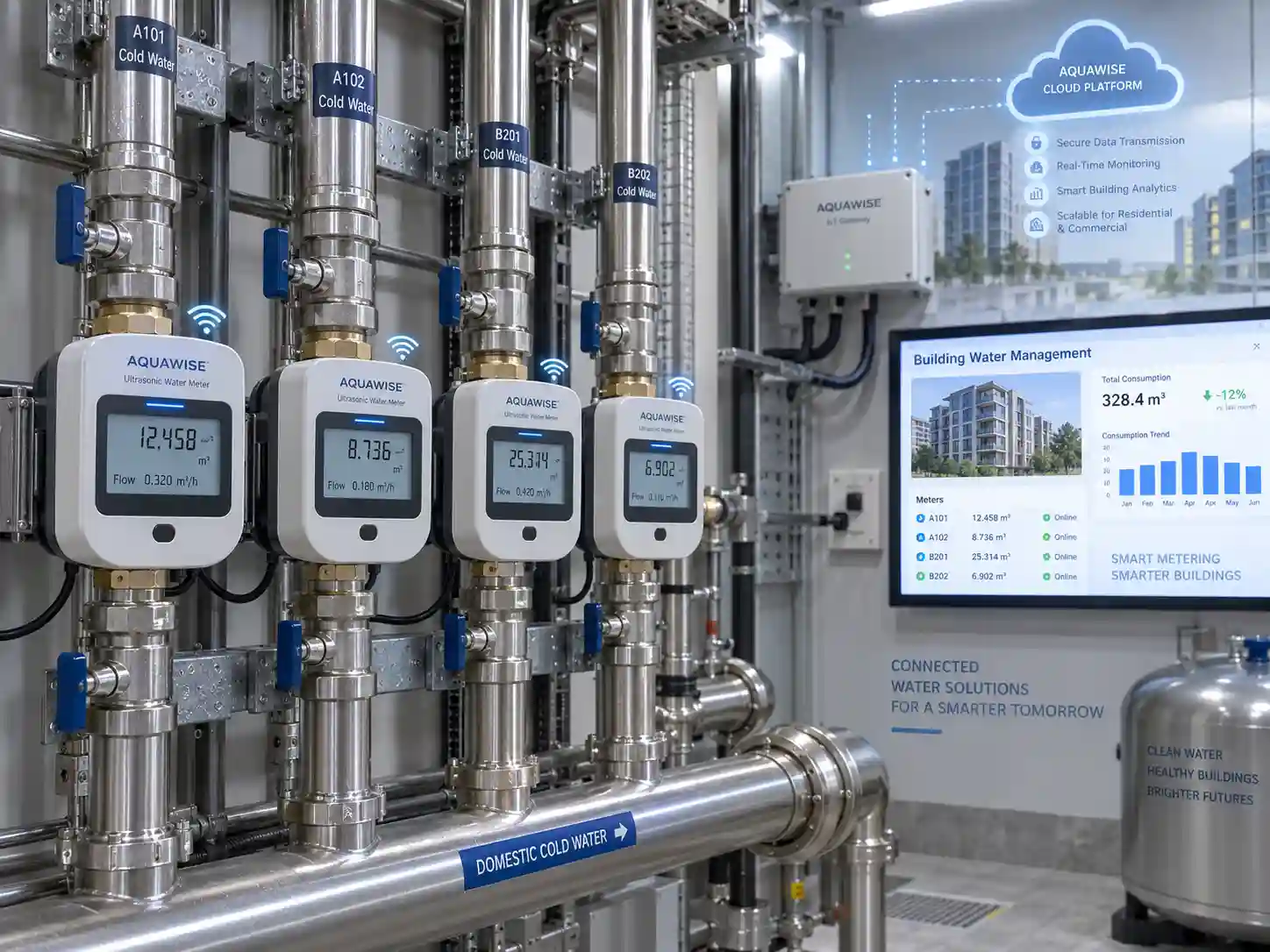
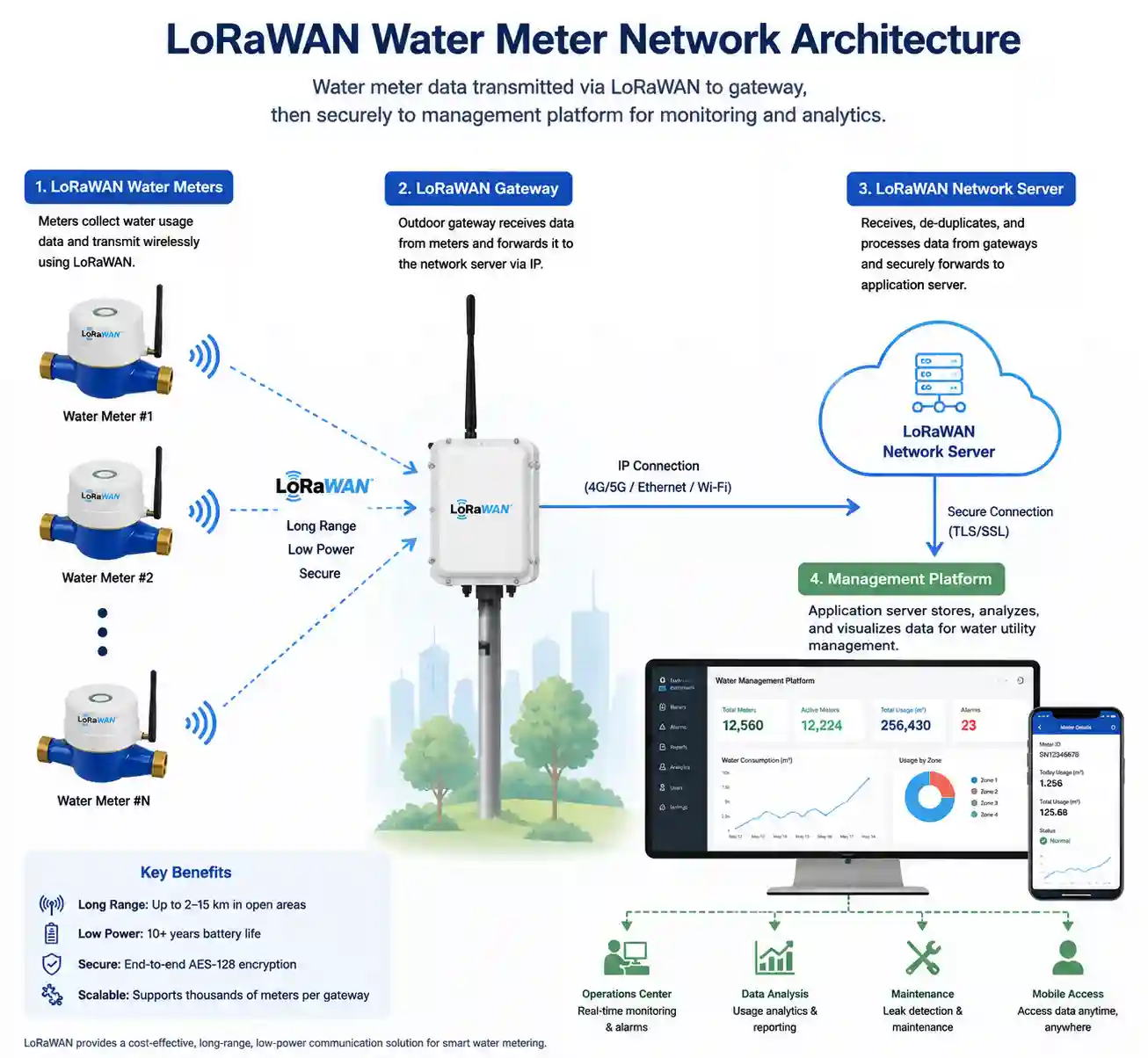
IoT Water Metering describes the connection between the measuring device, communication layer, and application system. The water meter collects data. A communication terminal, gateway, or network transfers it. Software receives and applies the information.
Define the reporting interval, platform interface, data format, and gateway responsibility. These items cannot be inferred from “IoT.”
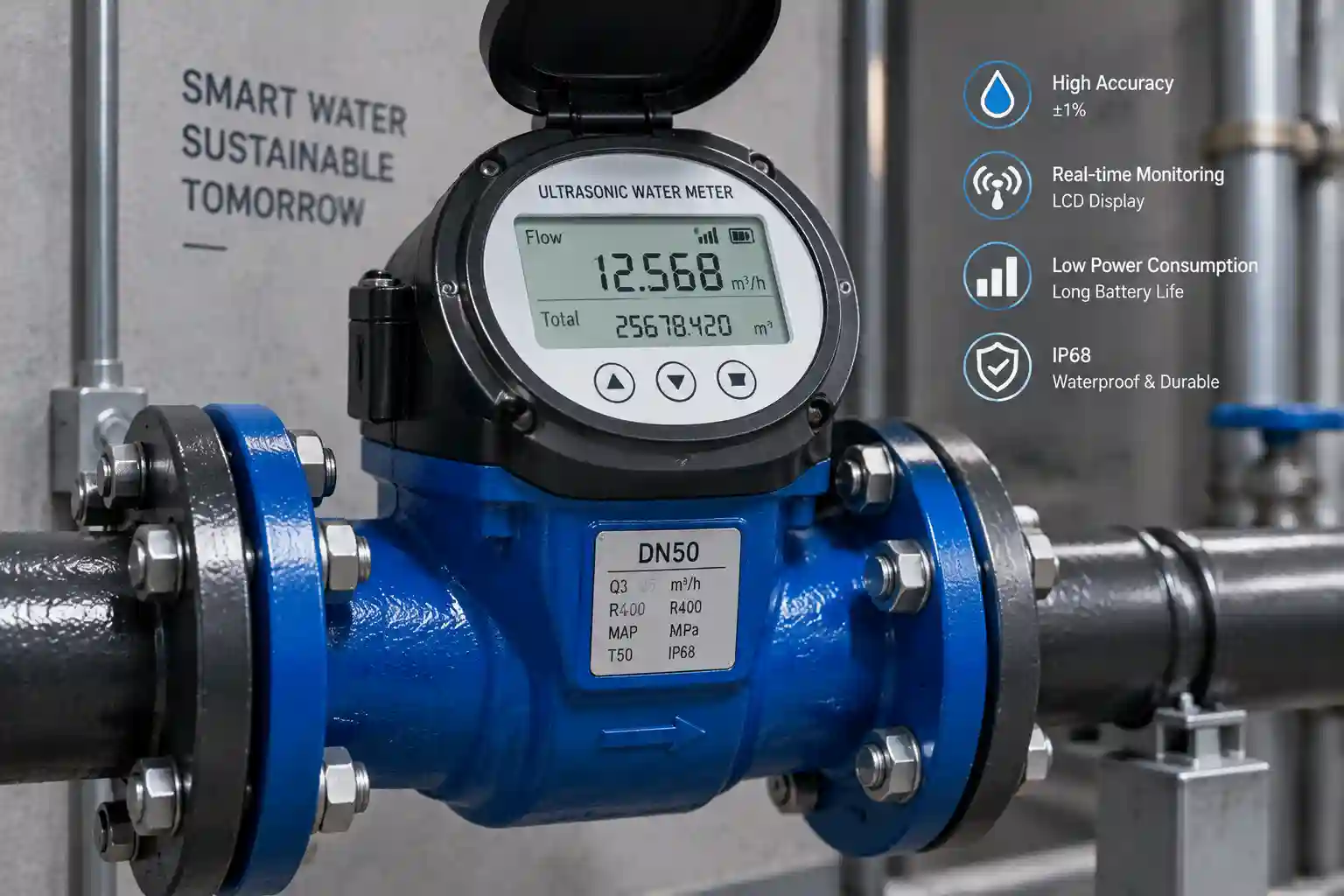
Small flows can indicate dripping, bubbling, or leakage in a pipe system. Ultrasonic models use a wide measurement range and low starting flow to identify smaller flow conditions when the model and installation are suitable.
The XT815-U ultrasonic model provides micro-flow detection and a leakage alarm that monitors continuous minute flow. The alarm gives the operator a point to inspect. It does not replace the inspection process.
Communication turns a local reading into a managed data event.
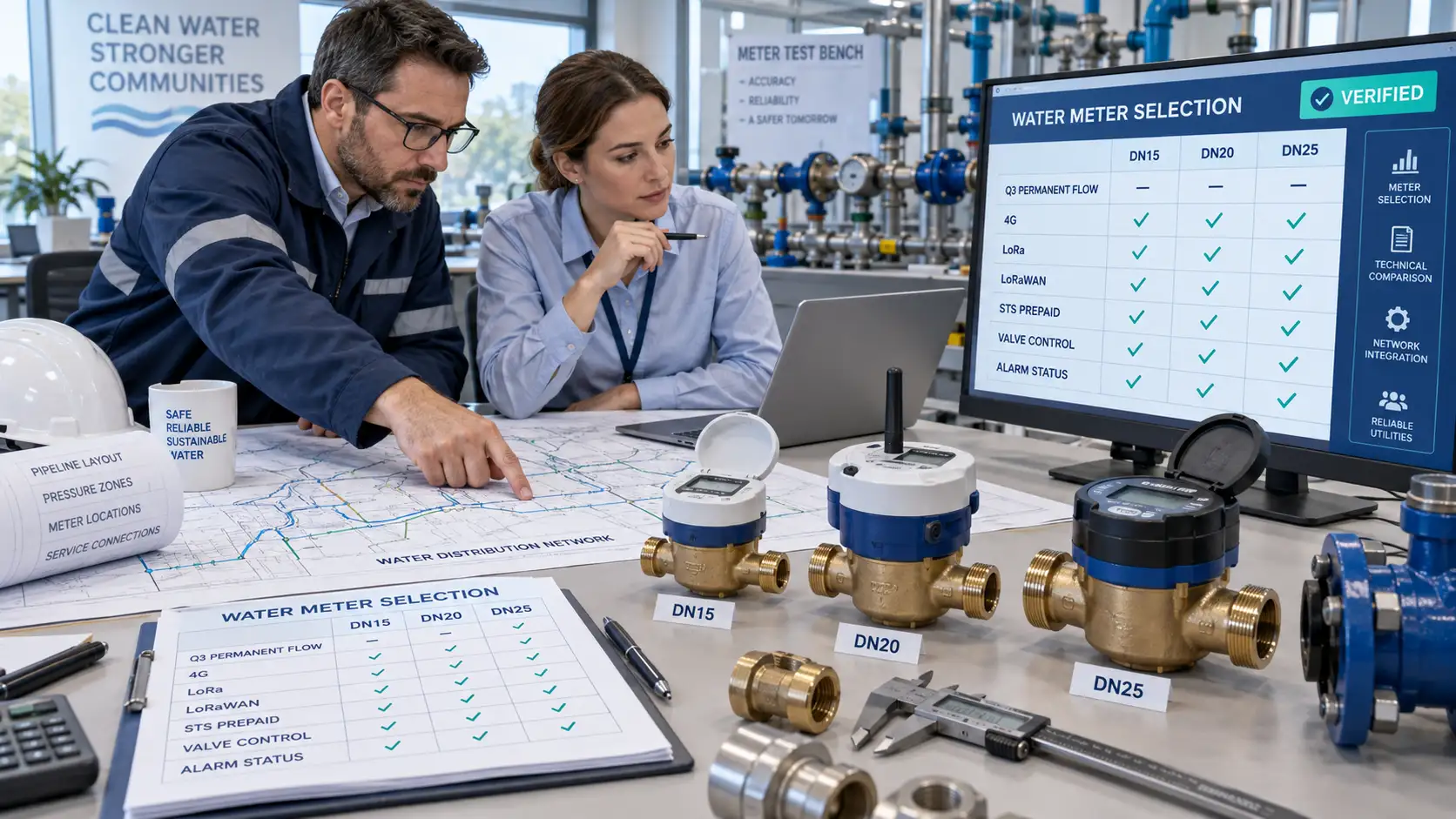
Chenshuo documentation lists 4G, LoRa, and LoRaWAN options for the XT815 series. The selected communication method should match the project network, gateway arrangement, platform, and data interface.
A Smart Water Meter with no defined data path remains a local device in practice. Confirm the complete route before production or large-scale installation.
The workflow contains four actions:
During commissioning, check the reading, address, platform mapping, and received data.
Remote reading only sends data. Remote valve operation adds a control function. Prepaid operation adds an account and token process.
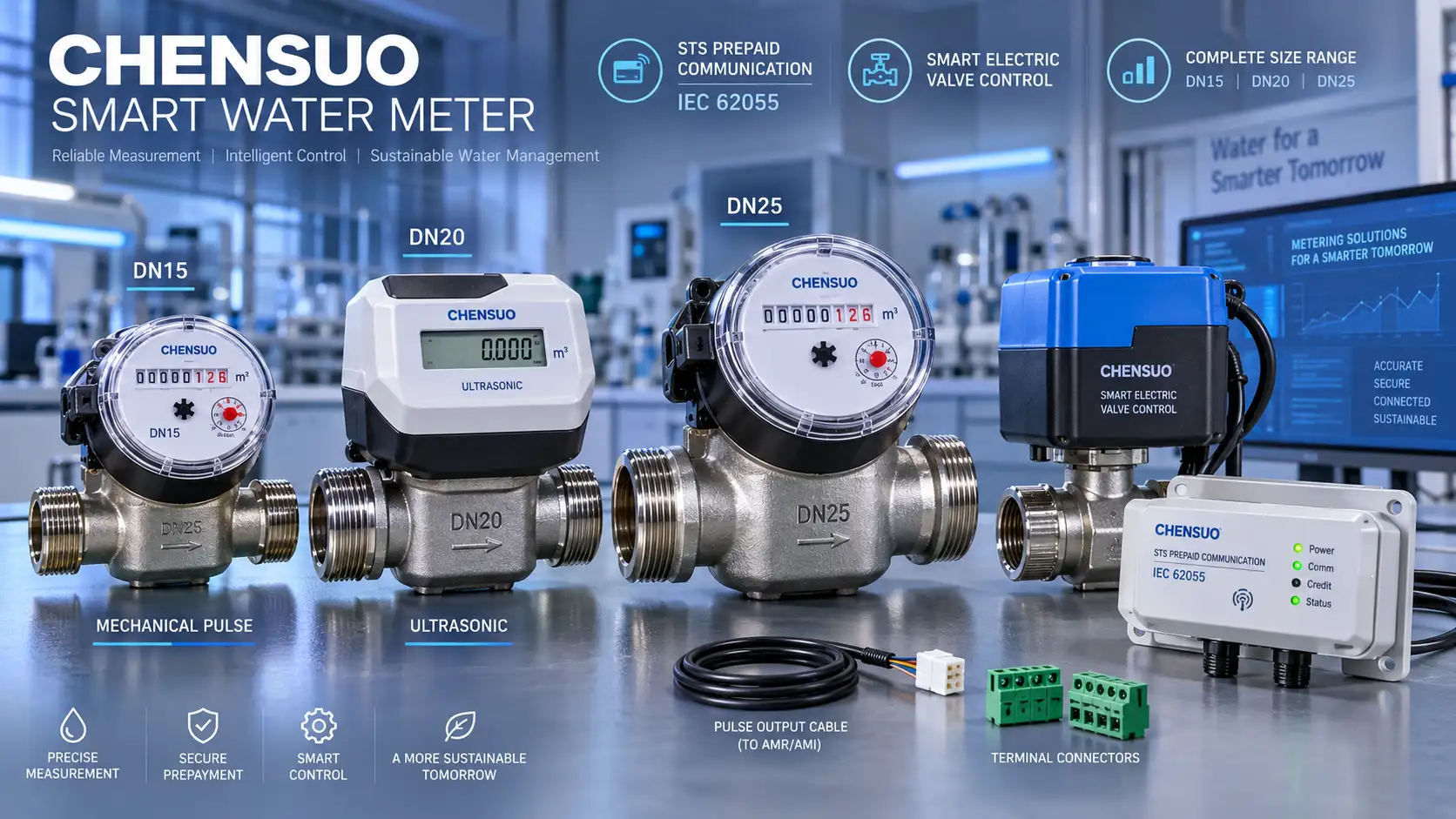
The XT815 series supports smart valve control and the STS (IEC 62055) prepaid communication protocol. It also integrates 20-digit TOKEN-encrypted prepaid functionality according to the product materials.
List remote reading, prepaid, STS, and valve control separately so the supplier can confirm the intended configuration.
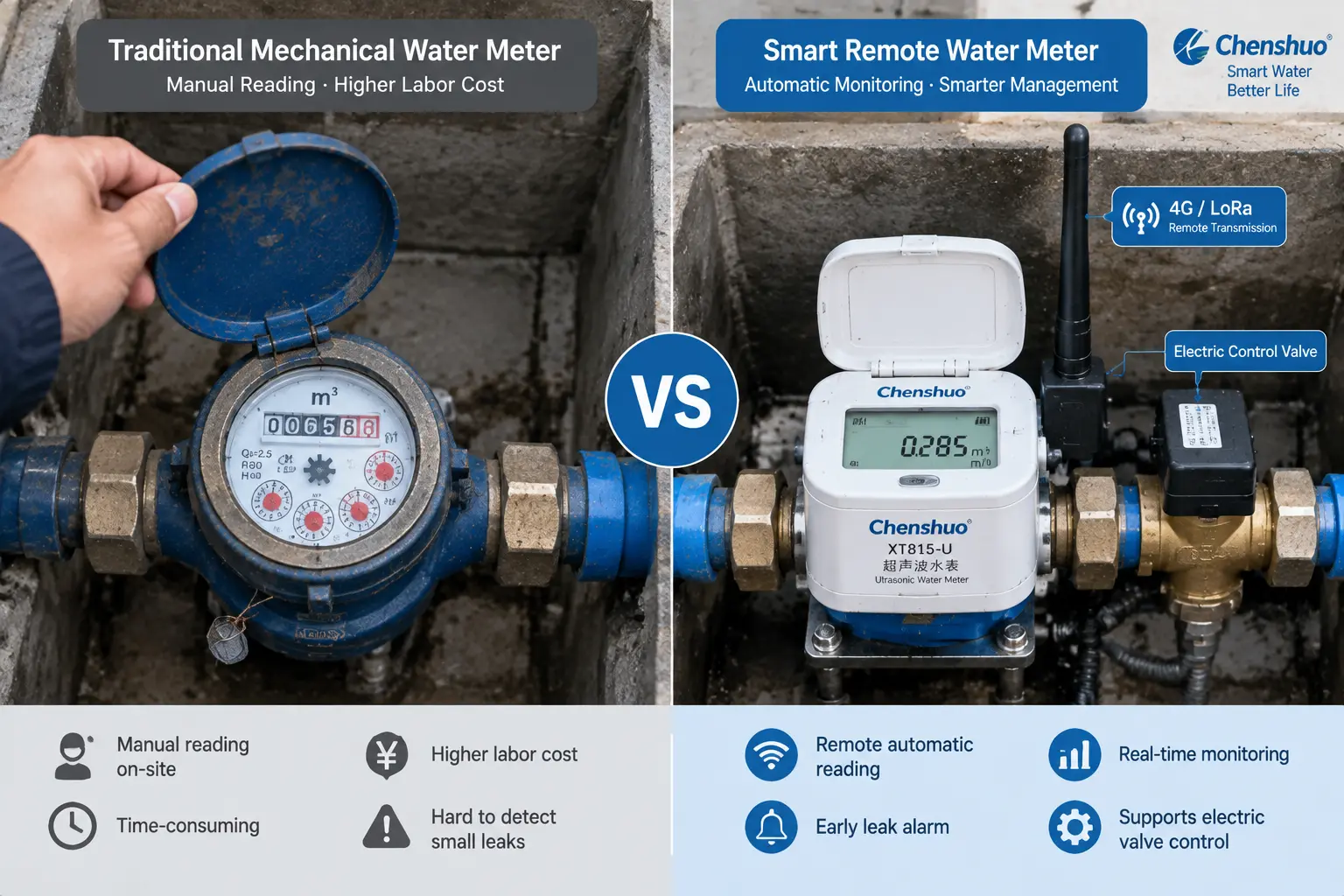
Smart functions can be paired with different measurement methods. The method affects installation and flow requirements.
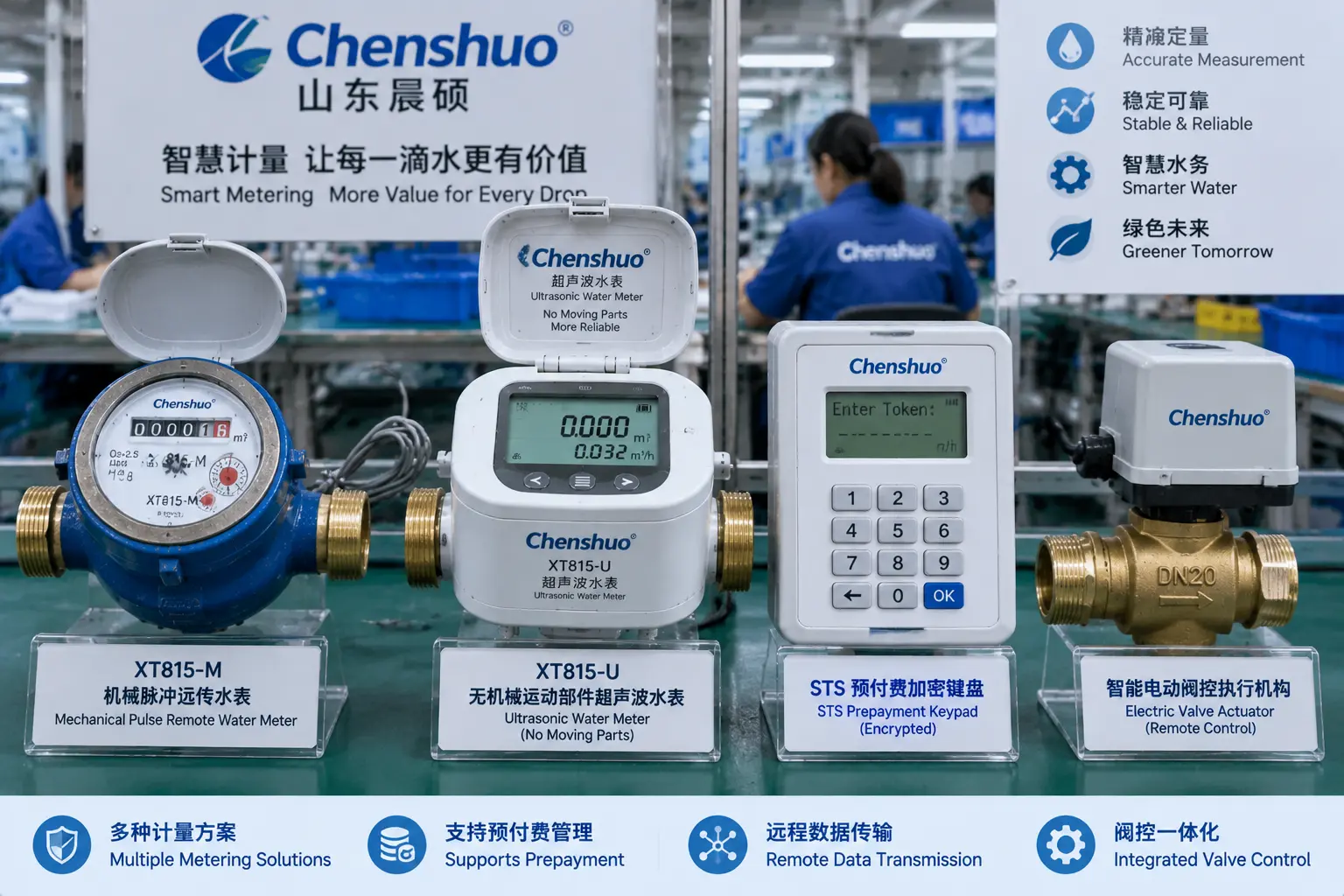
A mechanical smart meter combines a mechanical measuring structure with pulse collection or a communication module. The XT815-M is the mechanical pulse model in the XT815 series.
This route fits projects that retain mechanical measurement while adding digital collection. Confirm pulse output, communication, and platform requirements.
An ultrasonic meter uses the transit-time method. It has no mechanical moving parts in the measuring method and can support low-flow identification.
The XT815-U provides R250 turndown, micro-flow detection, leakage alarm, and empty-pipe protection. Its documented nominal diameters include DN15, DN20, and DN25. Other sizes require project confirmation.
The measuring tube must remain filled with water. Significant air bubbles can interrupt ultrasonic transmission. Chenshuo documentation strongly recommends a check valve at the outlet of the ultrasonic meter.
Electromagnetic water meters form another product route in Chenshuo’s range. Selection depends on the application, pipe conditions, flow requirements, communication, and project documents.
The model should be confirmed from the actual medium, diameter, operating conditions, and interface requirement. A product category alone is not a complete specification.
Traditional meters mainly require mechanical installation, local access, and reading records. Smart meters add configuration work, communication checks, platform mapping, and device records.
For ultrasonic models, the line must remain filled and free from significant trapped air. Installation drawings should define the flow direction and the outlet check-valve arrangement where required.
Batch projects should retain meter location, serial number, model, communication setting, commissioning result, and platform status. The record supports later maintenance and replacement decisions.
| Project Requirement | Suitable Direction to Evaluate |
| Local reading only | Traditional or local-display meter |
| Many distributed meter points | Smart Water Meter with remote reading |
| Platform data and IoT Water Metering | Smart meter plus communication and platform |
| Prepaid management | STS and prepaid configuration |
| Remote valve operation | Smart meter with compatible valve control |
| Small-flow or leakage monitoring | Ultrasonic configuration with relevant functions |
| Simple existing installation | Confirm infrastructure before upgrading |
The recommendation should follow the project requirement. Do not select a smart meter until the network, platform, and acceptance process are defined.
Shandong Chenshuo Instrument Co., Ltd. supplies mechanical, ultrasonic, electromagnetic, and intelligent water meters. The XT815 series provides mechanical pulse and ultrasonic models, communication options including 4G, LoRa, and LoRaWAN, STS prepaid communication, and smart valve control.
The XT815-U adds R250 turndown, micro-flow detection, leakage alarm, and empty-pipe protection. Submit the meter quantity, sizes, application, network, platform, functions, and acceptance requirements through the Chenshuo official website.
Traditional water meters suit projects centred on local measurement and manual collection. Smart Water Meter systems suit projects that need remote reading, platform data, IoT Water Metering, prepaid management, or valve control.
The decision should start with the current meter points and the required data path. Confirm the diameter, flow, installation, network, platform, and functions before choosing a replacement or new system.
Chenshuo can review those inputs across mechanical, ultrasonic, electromagnetic, and intelligent meter options. A complete project brief gives the supplier a basis for model confirmation, sample testing, and configuration planning.
Q1: What is the main difference between a Smart Water Meter and a traditional water meter?
A: A Smart Water Meter combines measurement with configurable communication and data functions. A traditional meter mainly provides a local water-use reading, with collection handled manually or through separate equipment.
Q2: Does a Smart Water Meter always include remote reading?
A: Remote reading depends on the selected communication configuration and the connected network and platform. Confirm the communication method, gateway, interface, and data path for the model.
Q3: What does IoT Water Metering include besides the water meter?
A: It includes the data collection device, communication layer, and application platform. The project also needs defined interfaces, data fields, and responsibilities for network or gateway equipment.
Q4: Are smart water meters suitable for existing traditional meter replacement projects?
A: They can be suitable when the existing pipe, meter size, installation space, communication network, and platform requirements are compatible. Record the current installation before selecting the replacement model.
Q5: How should buyers choose between a mechanical and ultrasonic smart water meter?
A: Compare the application, flow conditions, pipe requirements, communication, and required functions. The XT815-M uses mechanical pulse measurement, while the XT815-U uses ultrasonic transit-time measurement and adds micro-flow detection, leakage alarm, and empty-pipe protection.
 Address: Xiao'anzi Industrial Park, Baishabu Town, Lanshan District, Linyi City, Shandong Province
 Call us now:+86 15562945993
 Email:info@sdchenshuo.cn


Shandong Chenshuo Instrument Co., Ltd.