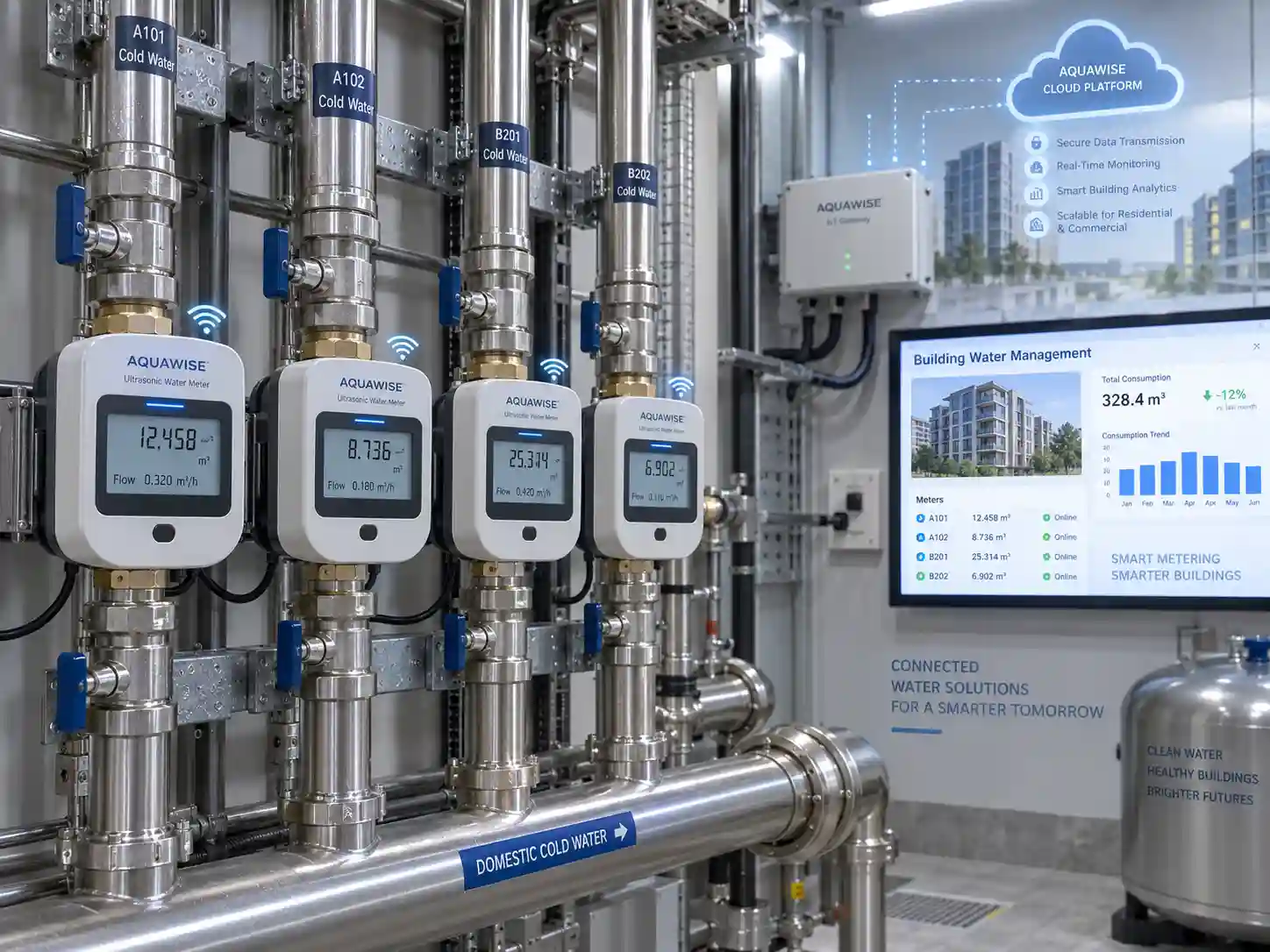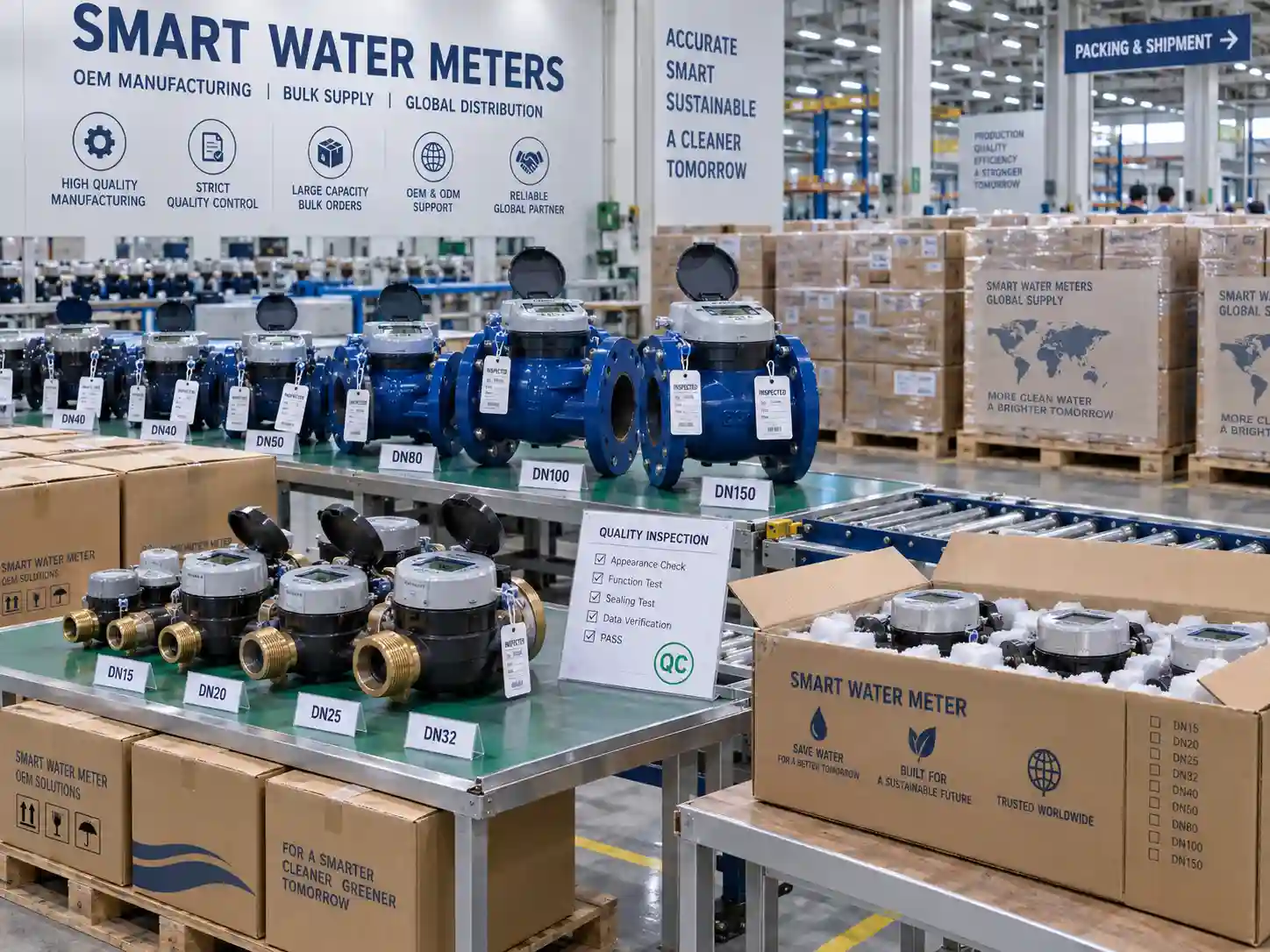


Water harm often creeps up as a quiet trouble, beginning with a slight leak and finishing with a sagging roof or a soaked lower level. Depending on hand checks of meters, you discover the issue only when the bill shows up each month, and by then it proves too late. Switching to an electronic setup stands as the sole method to spot these problems right as they happen. If you look for a collaborator to guide this change, Chenshuo serves as a tech leader based in Linyi City, known as China’s “Water Meter Hub.” They hold a yearly output of one million units and run their own design and production processes. From innovative solutions to global case studies, they aim to supply dependable measurement tools that go well beyond basic market needs. Their ISO-approved plant manages all steps from part design to custom building, positioning them as a full-service option for updating water systems.
A minor split in a line can release hundreds of liters before any wet mark appears on the ground. Lacking steady information flow, you basically operate without sight, relying on luck that your setup stays whole amid wear and force shifts.
Out-of-sight leaks decay timber, soften base concrete, and foster fungus spread inside barriers. When a moist area finally appears, the building’s core strength may already suffer harm, and this results in large fix expenses. As a result, early spotting saves structures from long-term decay.
Standard gear meters fail to signal odd movement. A leaking fixture or a tiny hole in a feed pipe can silently raise your service charges over one payment round, and no one spots it until the bill arrives. Therefore, such hidden losses add up quickly for owners.
In business sites, an abrupt split forces a halt to activities. Without water for just one day, you face income loss, spoiled goods, and frustrated users who count on steady access. Consequently, quick fixes become essential to resume normal work.
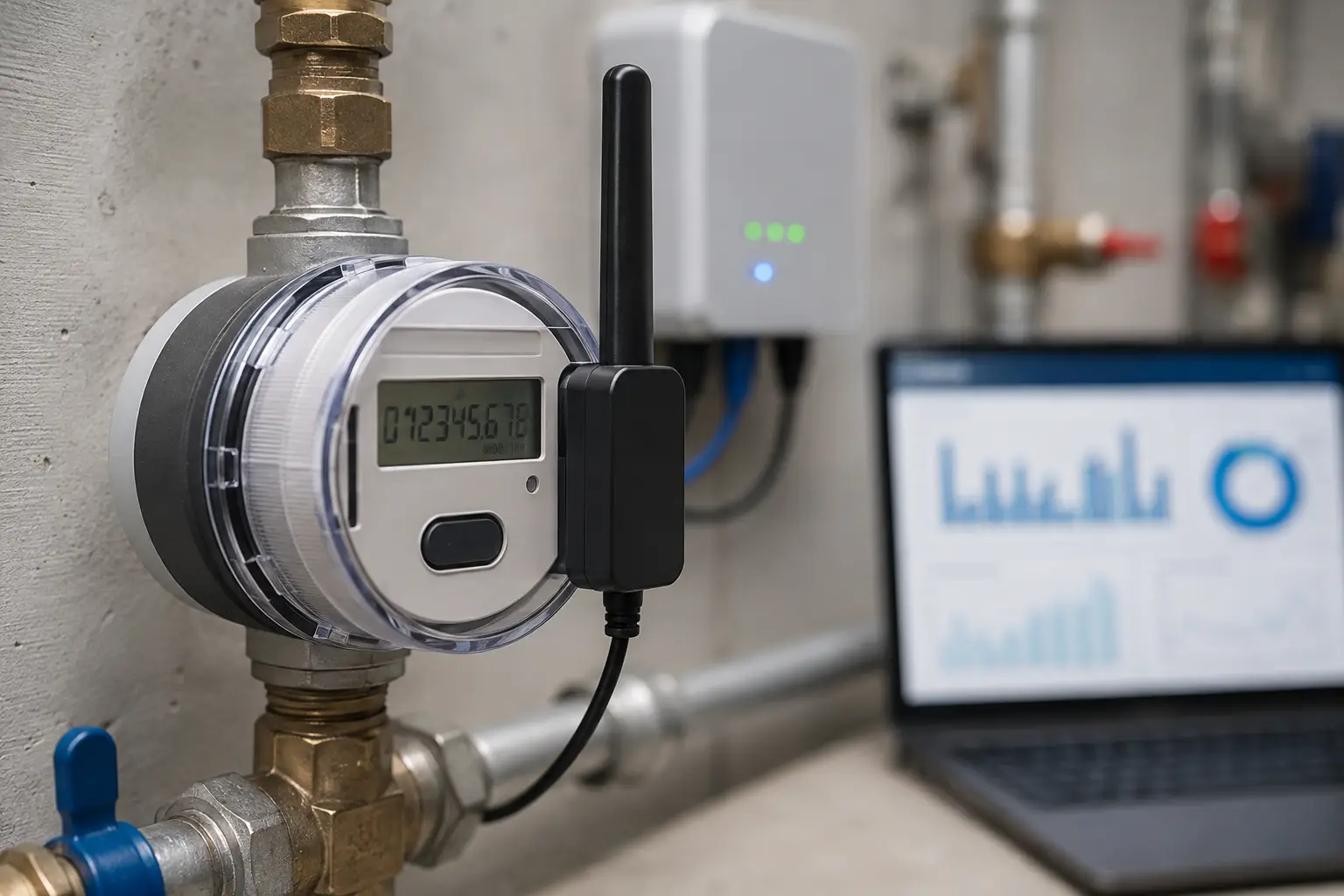
Shifting from gear-based to electronic enables a degree of exactness that earlier seemed out of reach. Current detectors catch the smallest changes in movement and force, converting basic info into useful warnings.
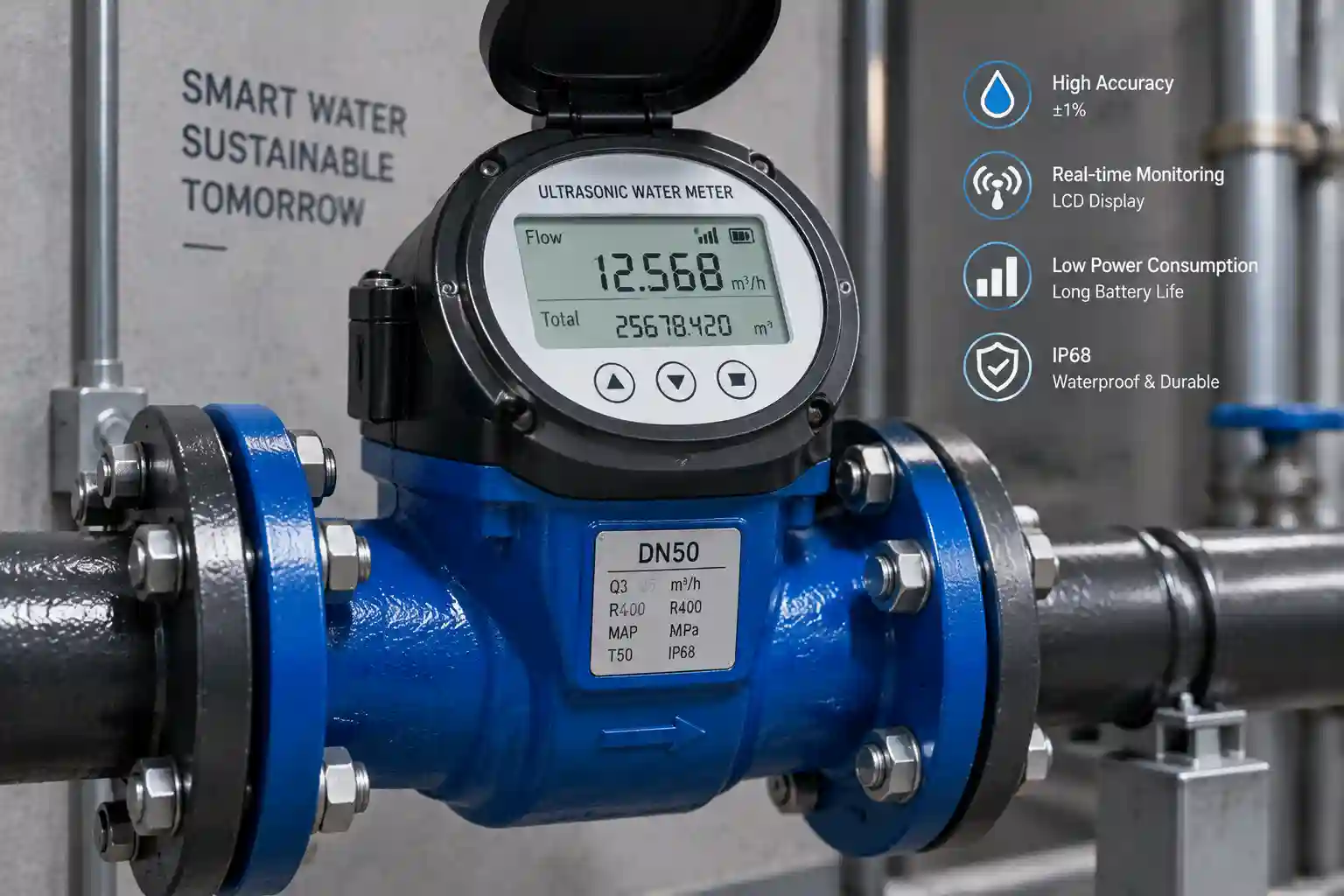
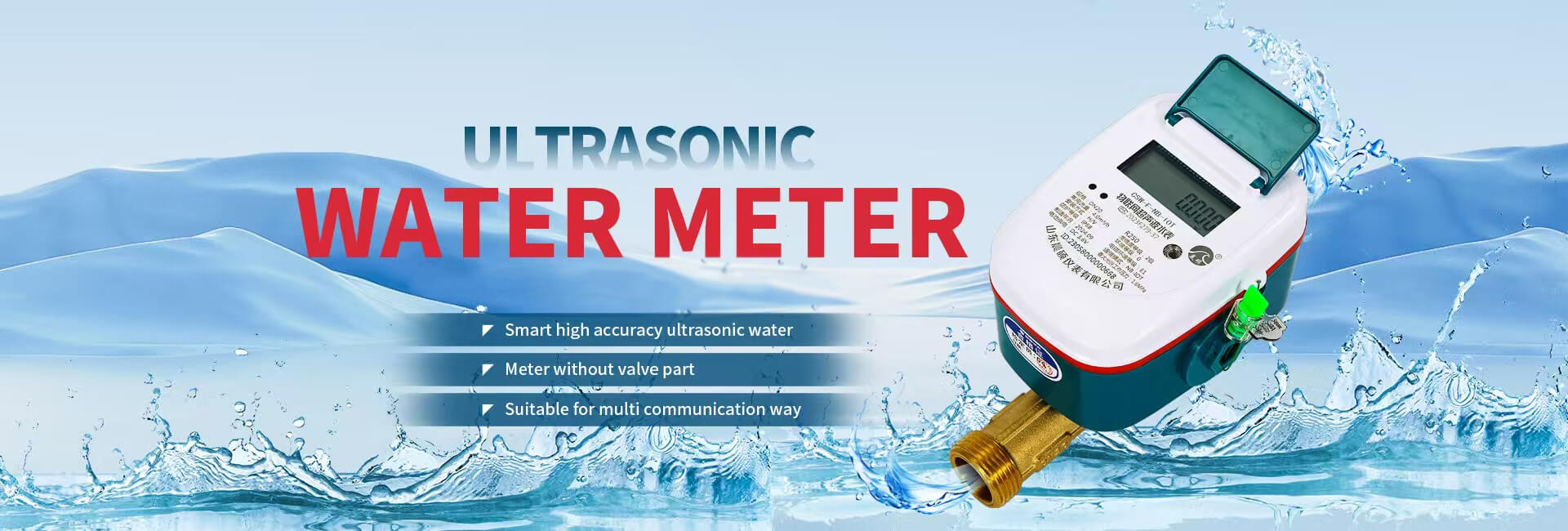
Ultrasonic methods employ sound pulses to gauge speed. With no parts that rub and wear, the exactness remains strong over many years. Moreover, it picks up even the smallest steady rise in water passage that points to a gradual seep. This reliability helps prevent major issues.
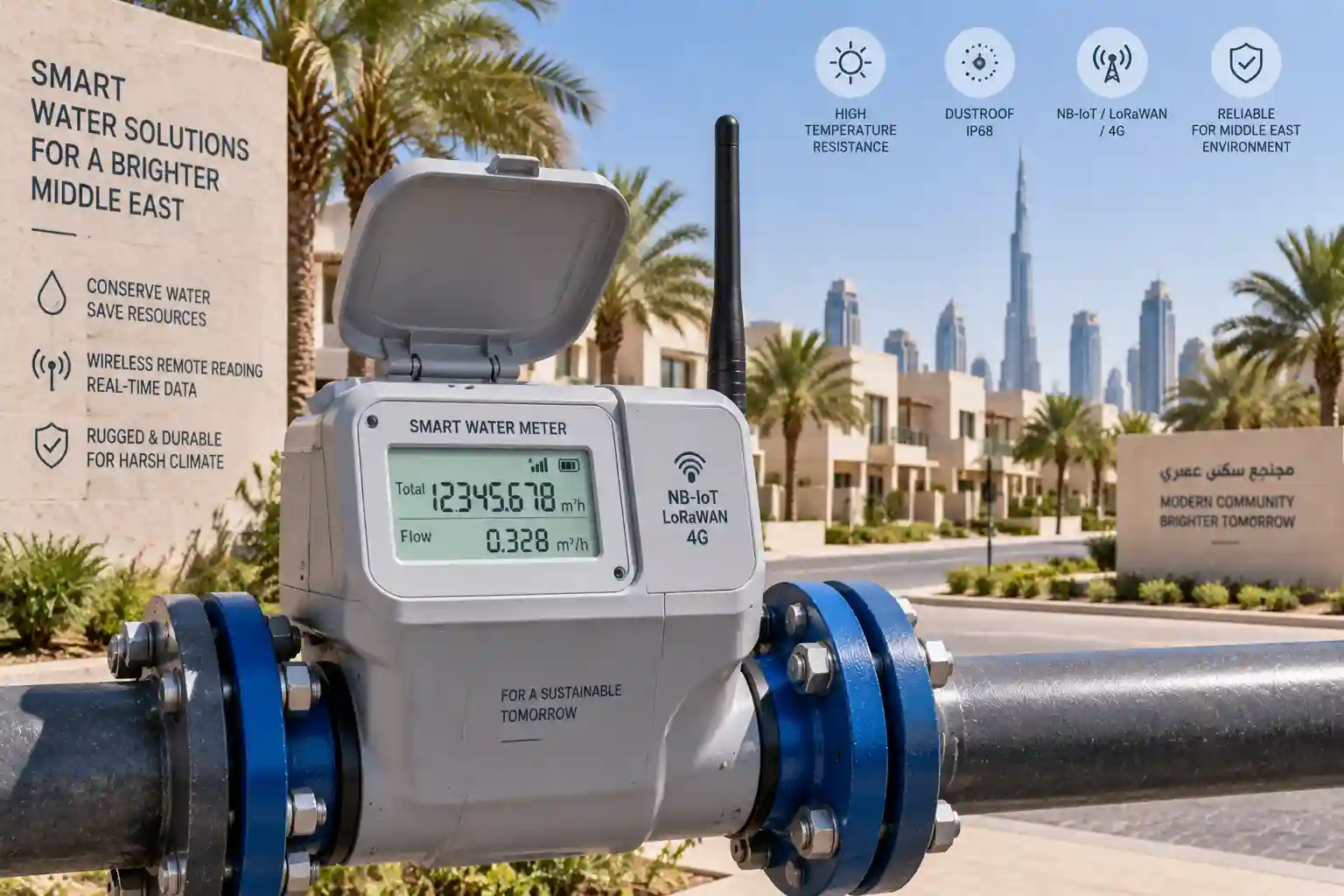
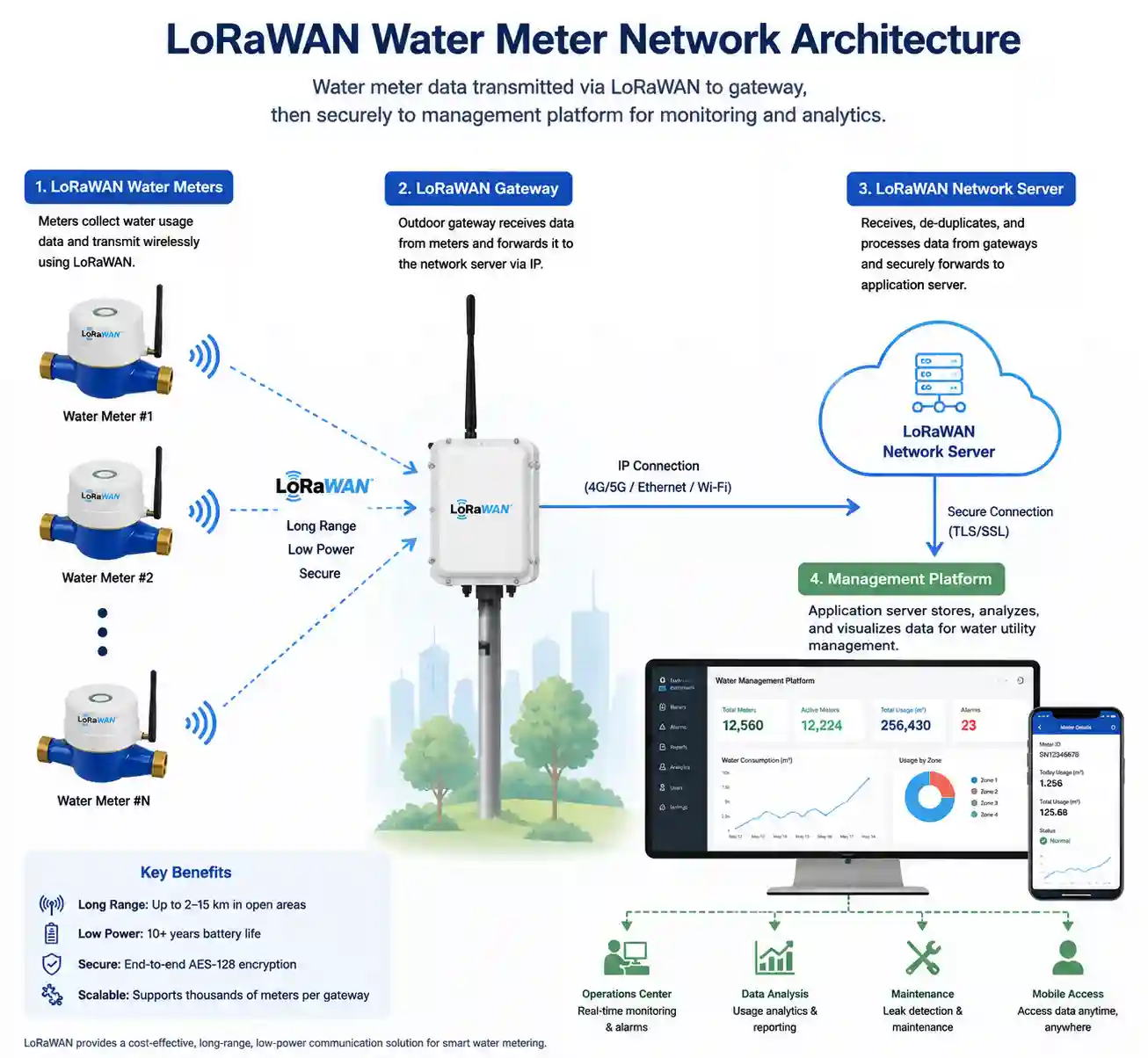
Standards like LoRaWAN make sure info arrives at the control hub without heavy battery use. These transmissions cover broad areas and slip past barriers with ease, so the meter stays linked even in lower levels. As such, remote monitoring works smoothly in tough spots.
Certain smart devices feature a drive valve. When the setup senses a large split, it can close the water feed on its own, or you can manage it through a mobile program from far off. This quick action limits damage effectively.
Picking the proper link method proves key for steadiness. LoRaWAN stands as the field norm since it matches coverage, energy draw, and info safety in ways that outshine most other wireless choices.
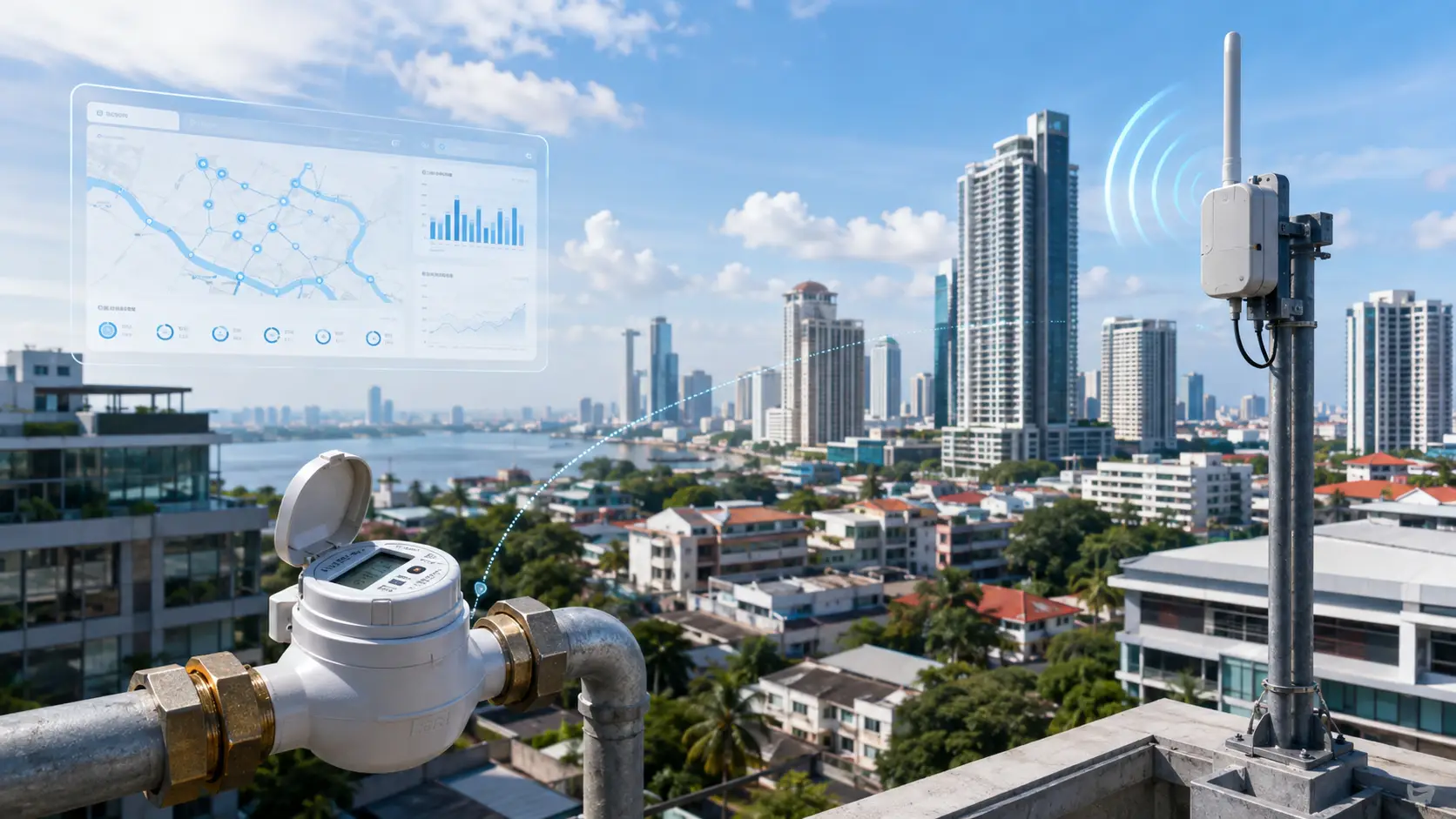
In busy towns, waves frequently hit blocks from metal and clear panels. LoRaWAN works on a band that pushes through these hurdles, so the water provider receives updates every few hours instead of monthly. Therefore, timely data aids better oversight.
Many of these meters use lithium cells built to endure up to 10 years. You avoid concerns over wiring or regular cell changes, which holds the overall upkeep expense quite low. In addition, this design suits long-term setups well.
Lower areas and service rooms pose hard challenges for wave links. The slim-band approach in these tools aims to keep a firm connection even when placed deep within a structure. As a result, signals remain clear and dependable.
Big sites and factory areas deal with issues unlike those in home setups. Water amounts run higher, and force in primary lines grows much stronger, so a split carries greater risk.
A fast fall in force marks the initial clue of a primary line fault. Electronic watch systems note these falls at once, and this lets repair groups act before nearby soil erodes away. Thus, proactive steps protect broader networks.
Rather than inspect each length of line, you apply Zone Metered Sections (DMA). This practice divides the setup into compact parts, so you pinpoint exact spots of water loss. Consequently, fixes target problems precisely and save resources.
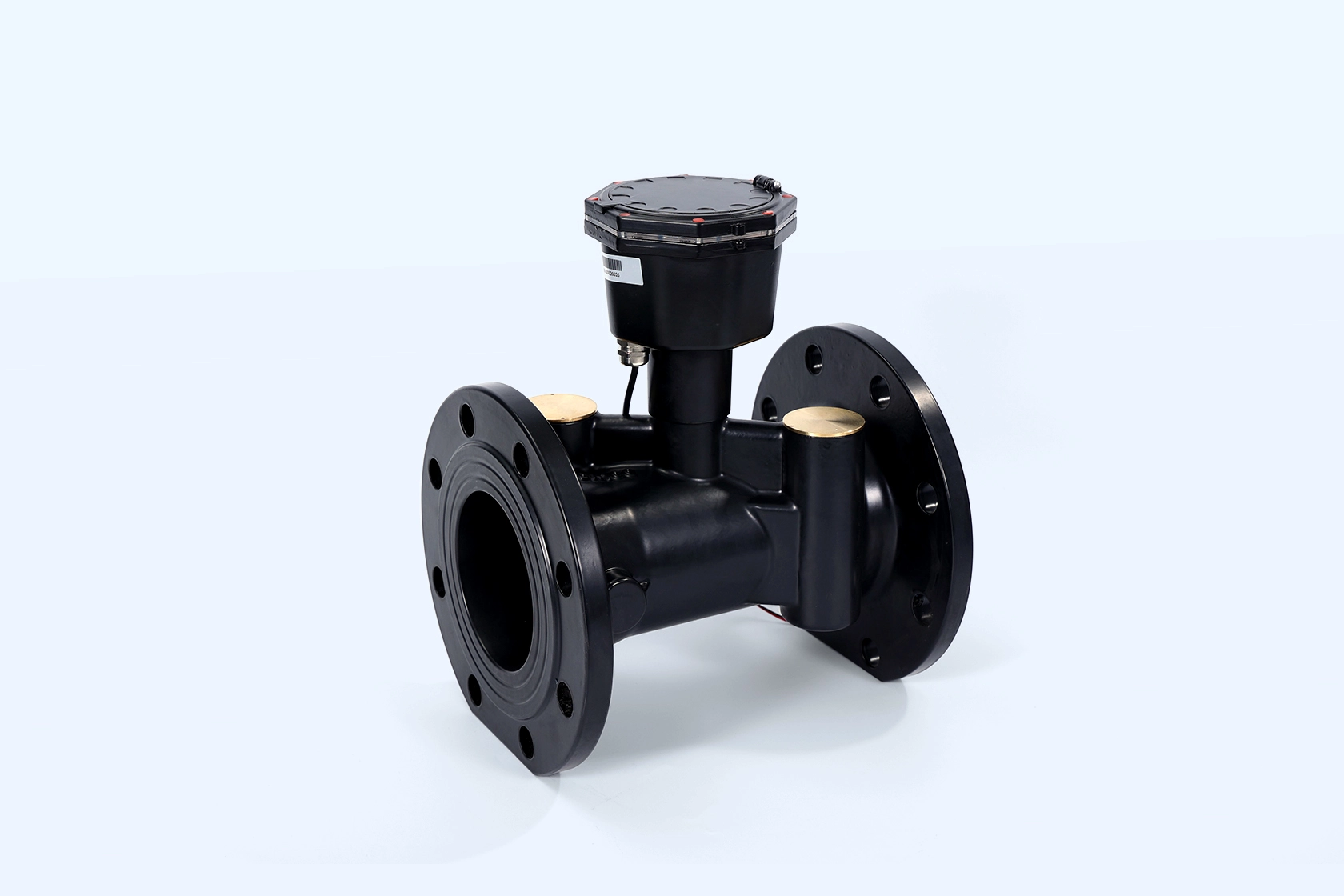
Factory users require high-volume answers. An Ultrasonic Water Meter DN100 manages vast flows with fine control, so charges stay just and all units count in major feed paths. This accuracy supports fair dealings in big operations.
Owning the equipment marks only the initial phase. To guard a site fully, you must build a plan that employs the info to block troubles before they grow into costly coverage requests.
The setup delivers a message or note the instant it notes “strange movement.” This prompt signal offers time to inspect a shutoff or contact a repair person before a minor seep turns into a big washout. As such, owners gain control over risks.
Examining patterns across months, the program spots lines that slowly drop in performance. This allows you to swap aged parts of the setup at a planned time, rather than face a crisis in the early hours. Therefore, upkeep stays routine and effective.
Meters commonly sit in wet enclosures. Gear with an IP68 level guarantees the circuits hold up amid strong showers or if the unit housing fills with water. This toughness ensures ongoing function in harsh conditions.
Choosing the fitting device simplifies when you join with a maker who grasps home and factory demands. Solid equipment forms the base of any smart water effort.
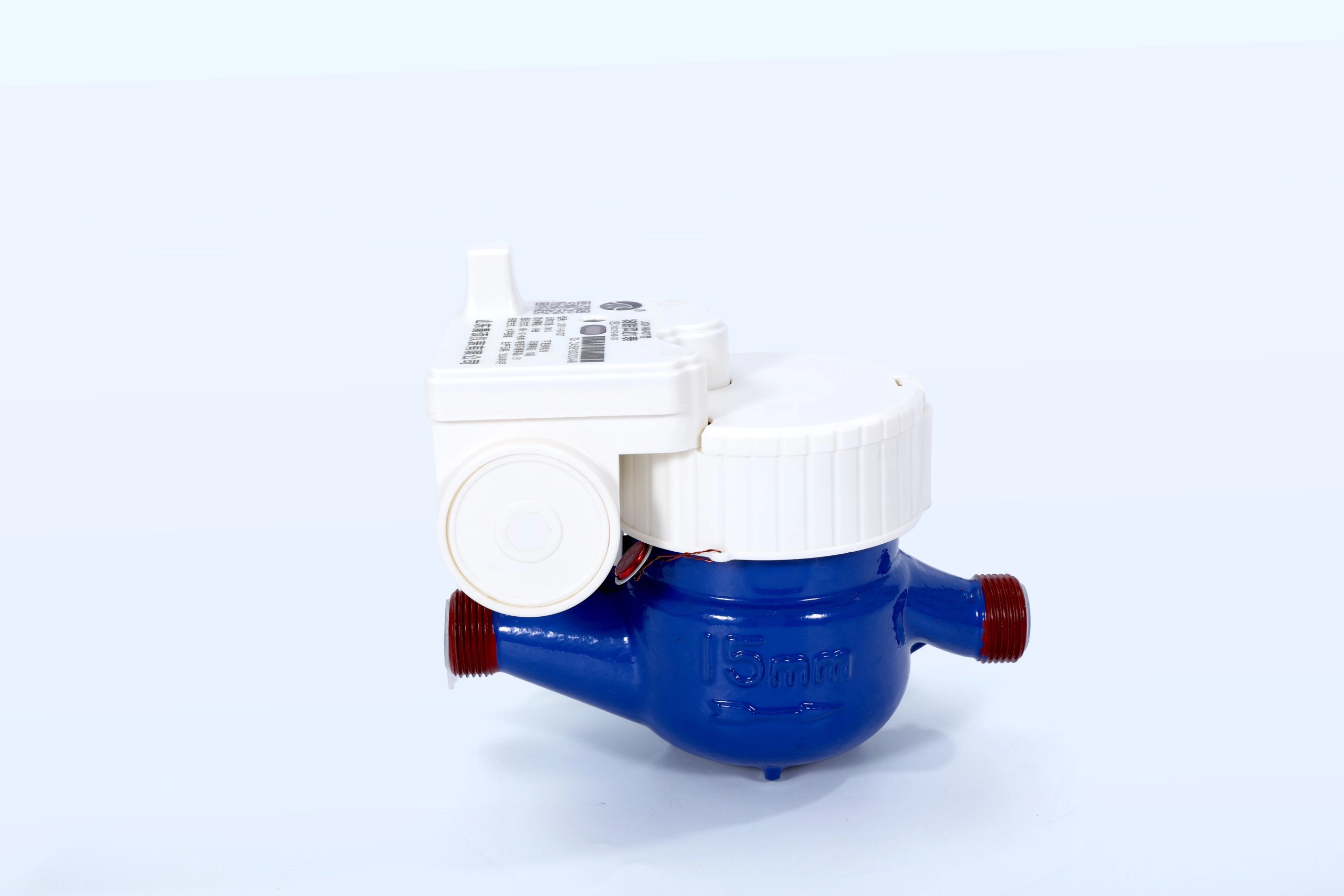
For flats and houses, the Lorawan water meter DN15 blends small build with advanced watch features. It slots into usual lines and supplies the current info required to halt home seeps swiftly. As a result, daily users benefit from peace of mind.
Managing a plant or large trade site calls for a sturdier option. The DN100 type delivers the lasting build and high-volume gauge needed for primary feed lines, without losing electronic ties. This setup handles demands reliably.
Current meters do not aim to stand solo. They link into wider control setups or city watch boards, enabling a single outlook on all service use over a full area. Therefore, integration boosts overall efficiency.
Background counts heavily in the measurement field. A maker that endured years in the sector understands how to craft items that resist tough water traits and outer strains.
Rooted in long research efforts, this group distinguishes flashy items from solid ones. They have honed their output steps to confirm each piece from the plant hits firm exactness marks. As such, quality remains consistent.
Their gear already functions in active sites, aiding towns and private builders in handling water better. These practical uses show the tech endures under steady, intense demands. Consequently, trust builds from real outcomes.
From ISO9001 approval to focused tech aid, they provide more than just delivery. You receive the help for setup, tuning, and care of your system, so your site stays safe over many years. This full backing strengthens ties.
Q1: How does a smart water meter detect a burst if I’m not home?
A: The meter monitors the flow rate 24/7. If it sees a high flow that doesn’t stop for a set period, it recognizes this as a burst and sends an alert through the cloud platform to your phone.
Q2: Will the meter still work if the power goes out?
A: Yes. Smart meters are powered by internal lithium batteries that are independent of the building’s electrical grid. They will continue to measure and store data even during a blackout.
Q3: Is the LoRaWAN signal safe and secure?
A: Absolutely. LoRaWAN uses AES-128 encryption to protect your data. It is a very secure way to transmit consumption information without risk of external interference.
Q4: Can these meters be used for hot water systems?
A: It depends on the model. Some ultrasonic meters are designed to handle high temperatures, making them suitable for heating systems or hot water supply lines. Always check the temperature rating before installation.
Q5: Do I need to replace my existing pipes to install a smart meter?
A: Usually, no. Most smart meters are designed to be “drop-in” replacements for traditional mechanical meters. They follow standard sizing like DN15 or DN100, so they fit right into your current plumbing.
 Address: Xiao'anzi Industrial Park, Baishabu Town, Lanshan District, Linyi City, Shandong Province
 Call us now:+86 15562945993
 Email:info@sdchenshuo.cn


Shandong Chenshuo Instrument Co., Ltd.