

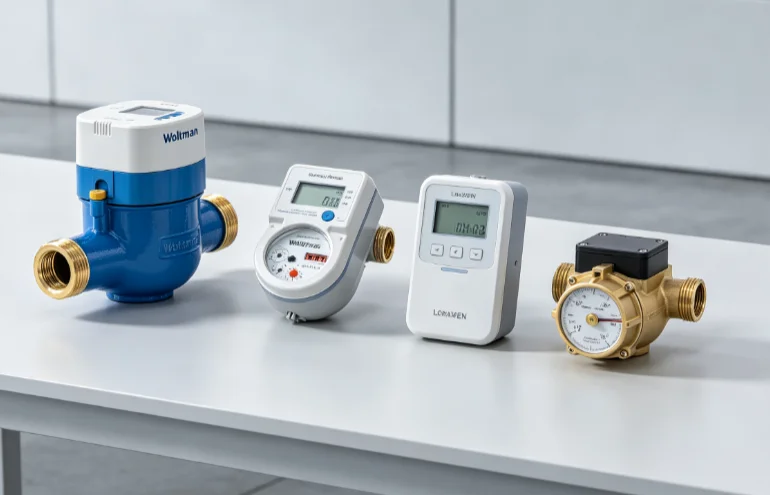
Most high-rise buildings require more than just a simple water meter or two. With many floors, often multiple pressure zones within a building, a basement filled with pumps and associated pipe shafts, roof tanks and often many users of water within a building attempting to receive a fair water bill, the water metering system of a tall building can be very difficult to read, reveal hidden leaks, maintain adequate supply pressure and respond to tenant’s complaints. This Guide is intended to assist in selecting the best smart water meters as well as mechanical water meters and other appropriate water metering solutions for high-rise buildings.
High-rise buildings demand more complex systems of water distribution than do smaller buildings. Along with the normal distribution of water through pipes, booster pumps, vertical runs of pipe, and valves for control of flow, there are also the risers to consider. When the meter for measuring the flow of water is installed in an incorrect location, subsequent tests can be very slow and messy.
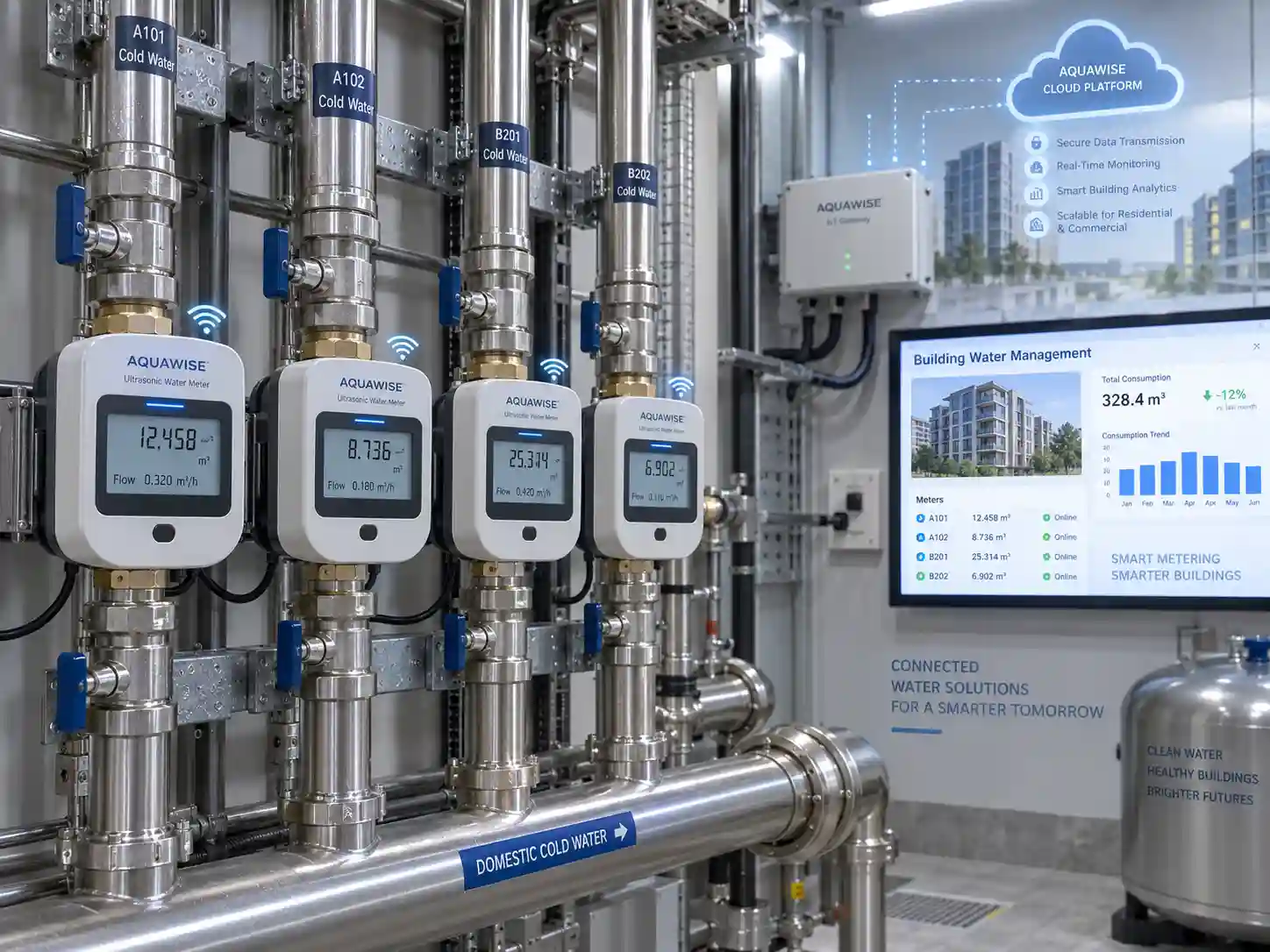
In high-rise buildings, lower floors and upper floors may have different water pressure. For example, a 30-floor residential tower may be divided into low, middle, and high pressure zones. Main water meters can record total building use. Floor meters help find unusual use in one area. Unit water meters help with tenant billing.
Chenshuo also listed some case information of Vertical Woltman Water Meters, which can be used for high-rise building riser water metering, low-pressure pipe network endpoints and vertically installed pipeline systems. The meters are very suitable for projects with large numbers of risers and very limited space.
The correct choice of meter for each area of the building will depend upon a number of key factors including flow rate, pipe size and required pressure rating. Whether the meter is read by mechanical or electronic means and finally, where the meter services are located. The most expensive meter is not required for every application, the most suitable meter must be chosen for each section of the building.
Simple to use – do not require power – suit clean city water, small shops etc basic unit metering. Can be used in high-rise buildings where manual reading is easy and daily consumption data is not required.
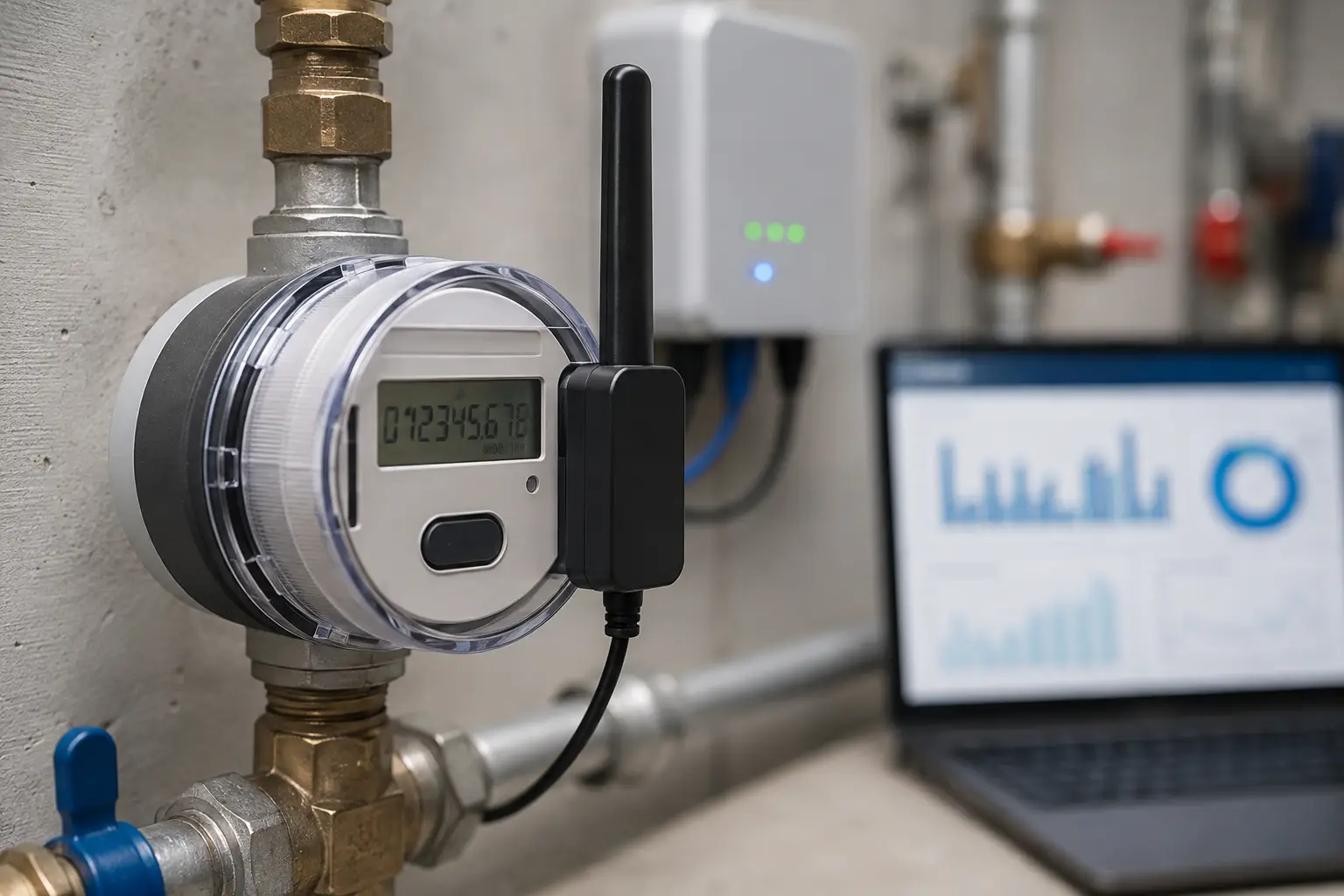
Smart water meters are best used for situations where you require remote reading of the meters, the monitoring of water usage and fewer visits to the site. Smart water meters are particularly ideal for towers with hundreds of apartments, where the meter boxes are locked up or in pipe shafts that cannot be opened. All the information can be monitored from a platform, as opposed to having to walk from floor to floor. Saving a few minutes here and there on busy working days is crucial.
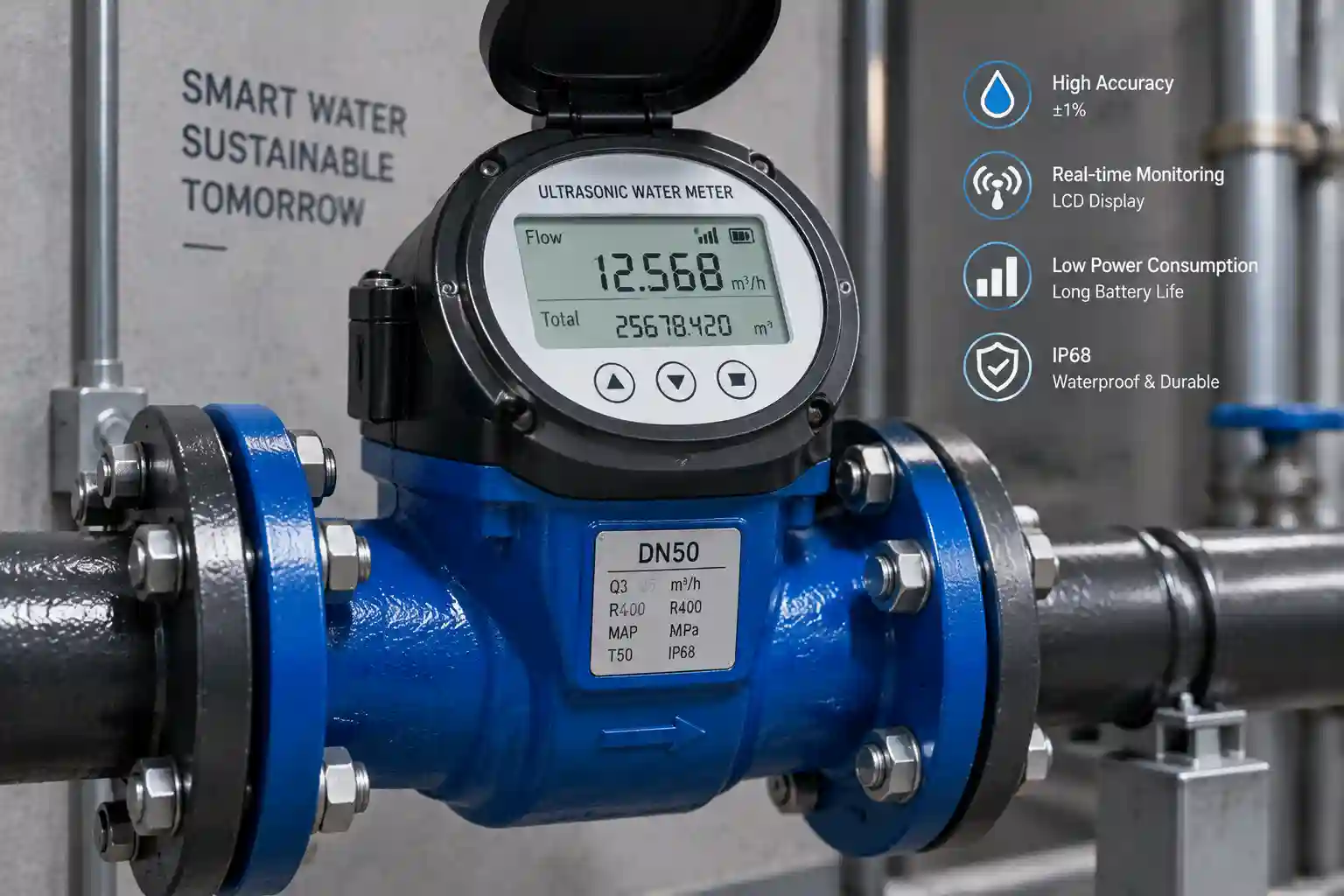
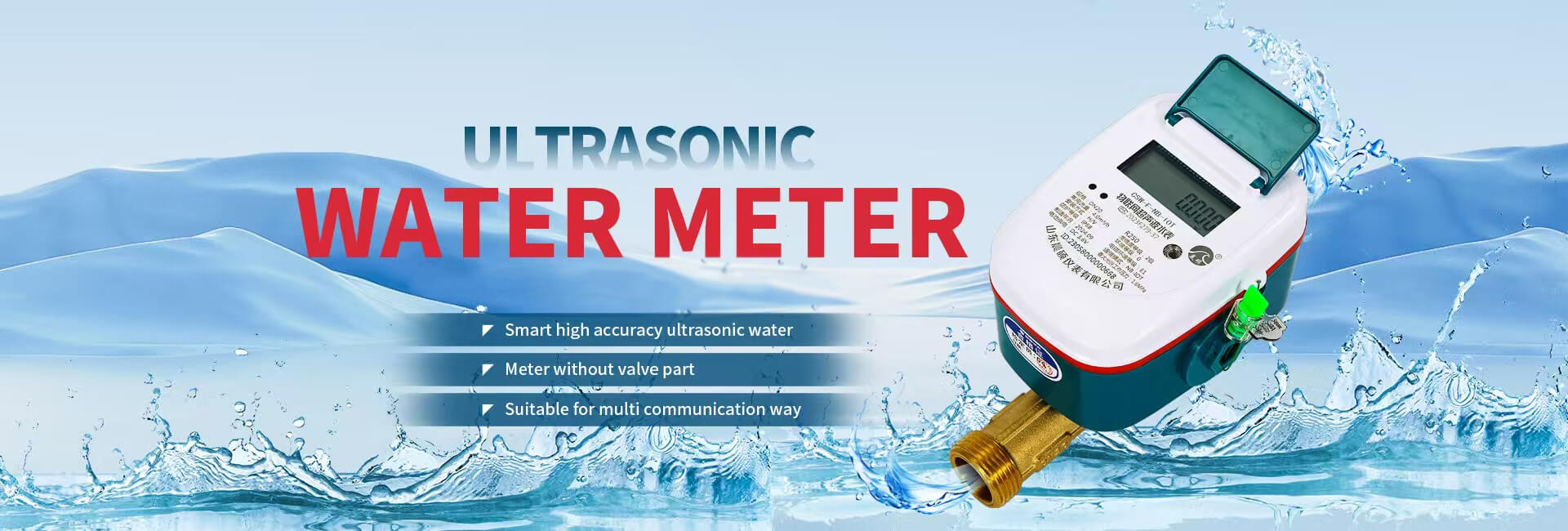
The ultrasonic water meters are suitable for long term accuracy projects. The Ultrasonic water meter page on Chenshuo explains the non-contact measurement, no pressure loss, remote monitoring, data transmission etc of the ultrasonic water meters. It also explains the accuracy which is ±1% etc. So for commercial high-rise buildings, office towers, hotels, and the key supply pipes etc, the ultrasonic water meters are a good choice.
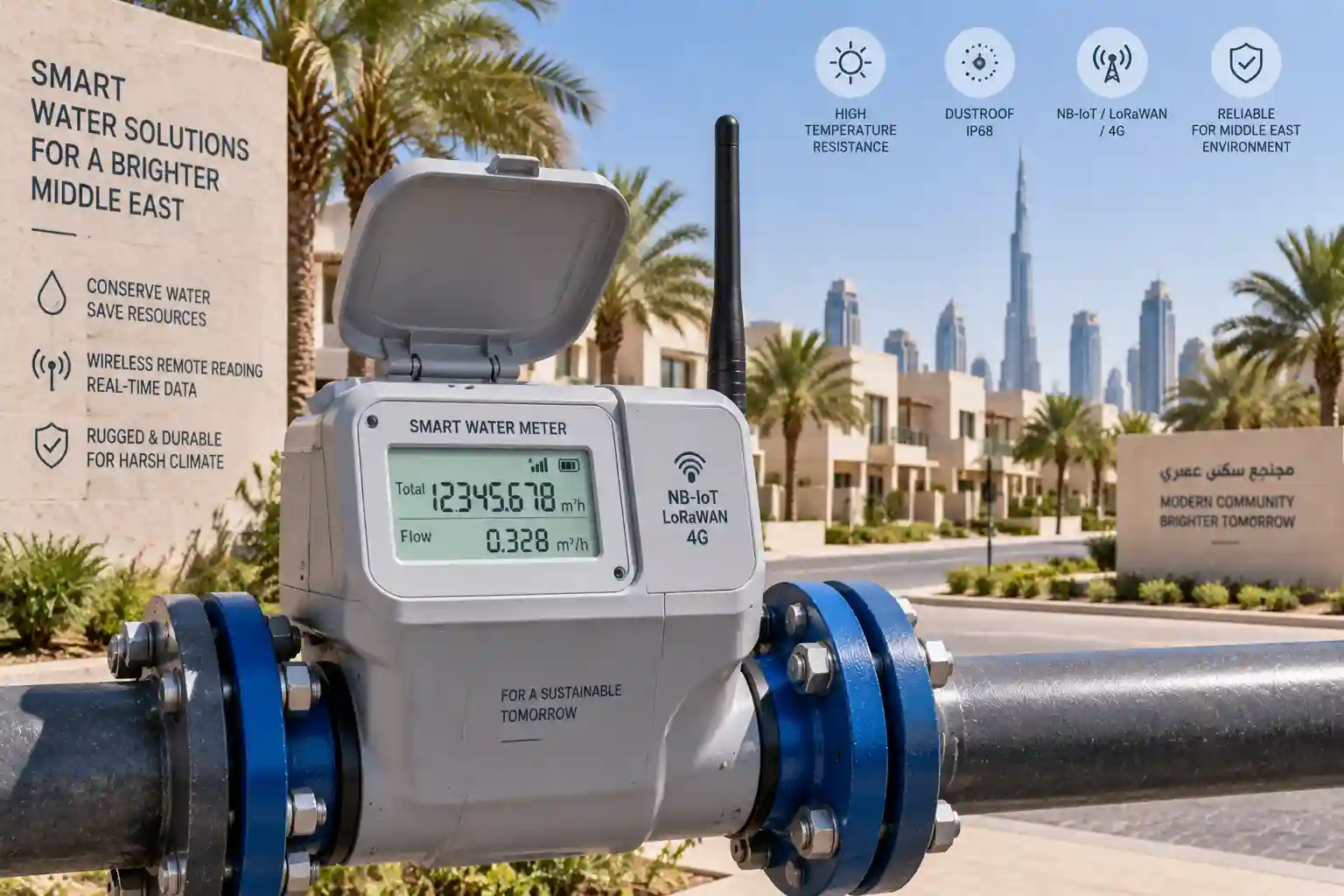
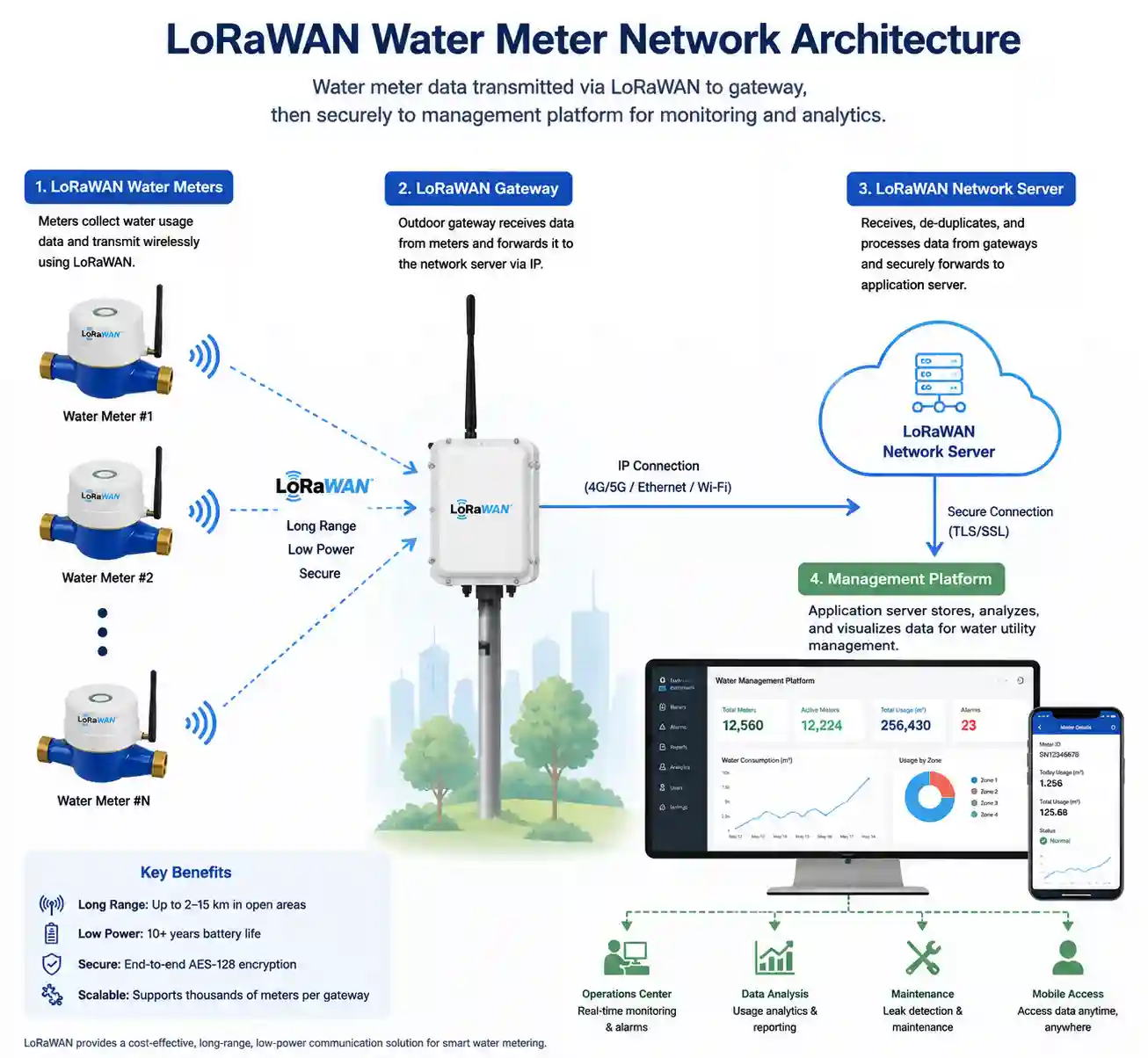
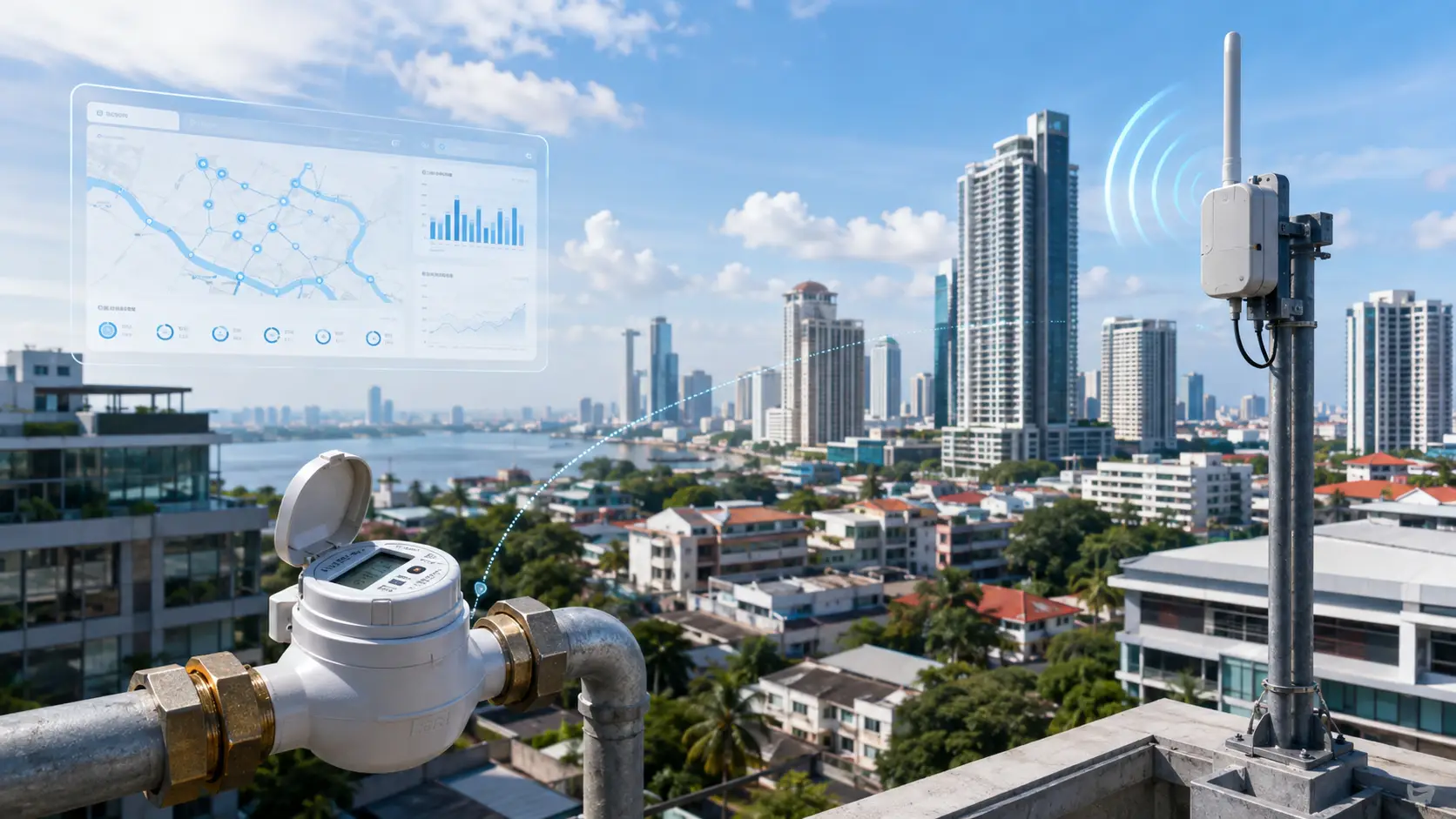
The use of wireless water metering is preferred since wiring a tall building after completion is a very difficult task. Signals can get lost behind concrete walls, in metal shafts or in deep basements. However, with proper planning, a wireless system can greatly reduce manual work.
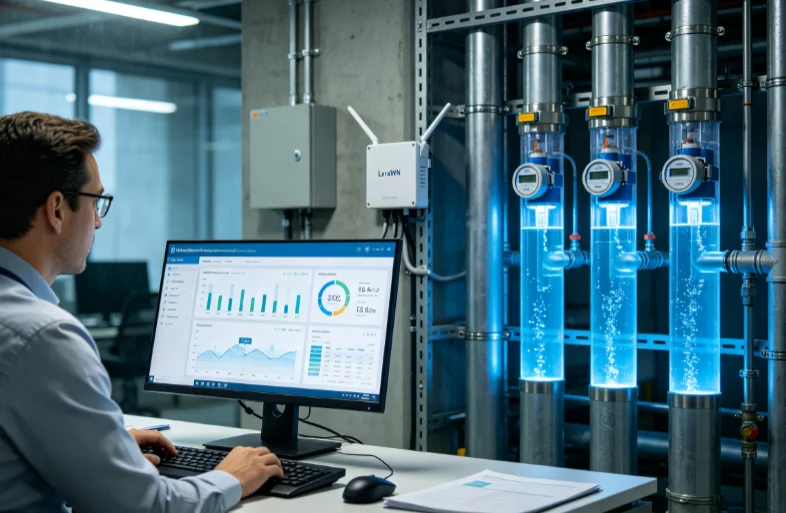
With Remote meter reading you collect the water consumption data of the water meters without having to access every pipe shaft. In residential tower blocks Remote meter reading helps a fair billing. In commercial high-rise buildings Remote meter reading helps to split the water expenses of the various tenants, floors, shops, restaurants, gyms or shared areas.
In the product center you can find several different types of meters. There are LoRaWAN water meters, as well as ultrasonic water meters, rotary mechanical water meters, electromagnetic water meters and detachable Woltman-type water meters. Thus it is possible to cover different areas in a building with only one product.
Test wireless signal coverage before buying too many wireless devices. In homes – basements, pump rooms, thick walls, metal doors and more reduce wireless signal coverage. Test wireless signal strength from a gateway in different locations of a home. For a tall building – test signal strength in pipe shafts, mechanical rooms on upper floors before ordering too many wireless devices.
A leak in a high-rise building can spread very quickly. A small pipe leak on the 26th floor could cause damage to walls, ceilings and rooms below before the source of the leak can be found.
These kinds of anomalies can be quickly picked up through real-time monitoring of unusual water use and thus can be remedied before the repair bill becomes too expensive. For example, all night running of a toilet, a stuck valve in a mechanical room, a leak behind a wall, etc. which at first glance seems to be strange water usage but with the aid of leak alerts could be fixed before it becomes a large repair bill for the facility management team.
LoRaWAN water meters are best suited for applications that require remote meter reading and long distance wireless data transfer. A LoRaWAN page on Chenshuo’s website discusses the long distance wireless connectivity, water consumption measurements with high accuracy for water flow and support for industrial water management systems.
A good water metering project starts before the meters are even installed. A poor site check could affect even the best of water meters and lead to poor results.
Check pipe size and real flow rate, not just the drawings. A restaurant in a mixed-use tower may use much more water than an office on the same floor. Also check water pressure, pressure rating, battery life, installation access, and maintenance access. If a meter is hidden behind a fixed ceiling panel, every repair later becomes trouble.
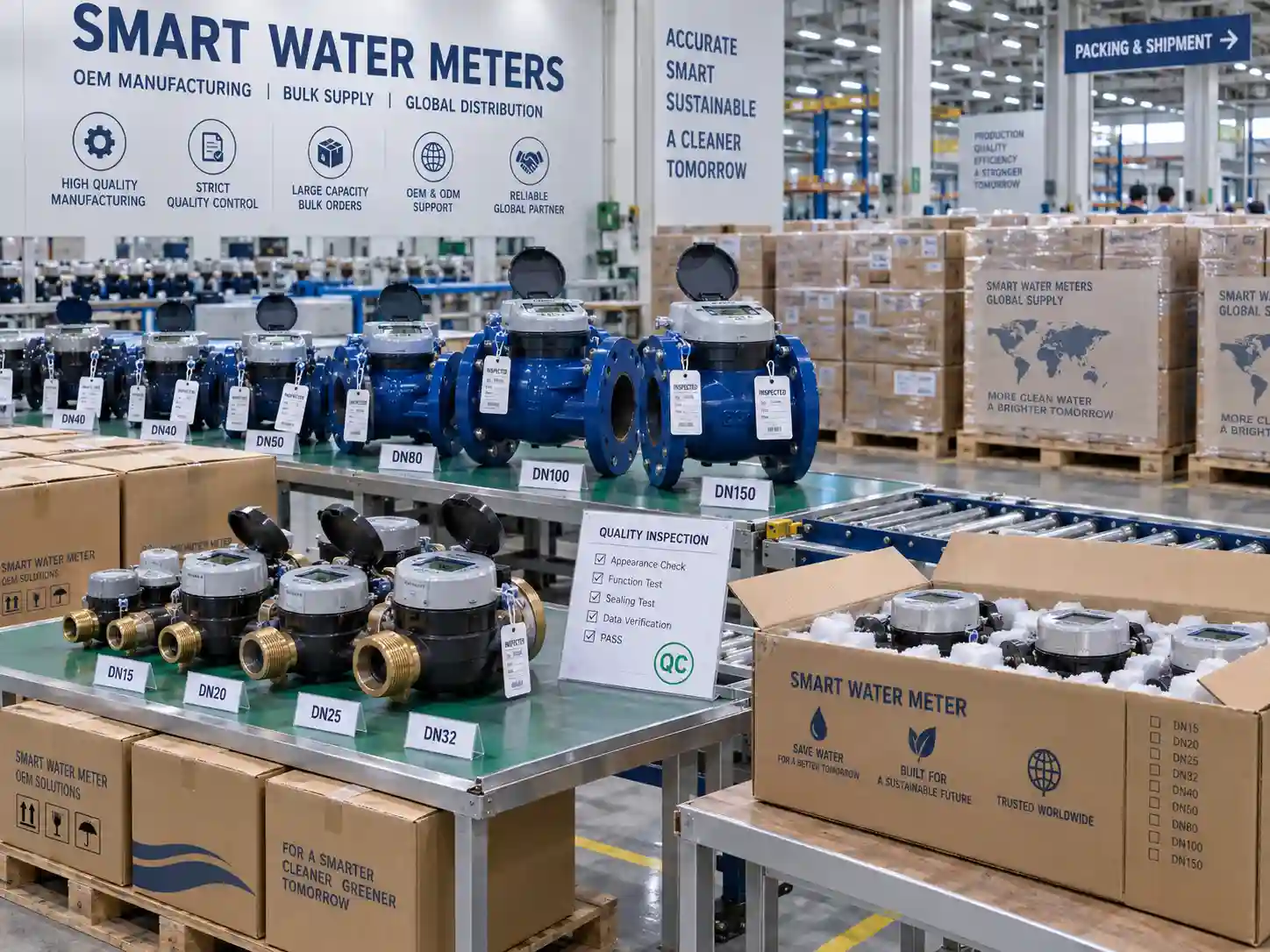
Supplier for your water project Chenshuo is a Shandong-based water meter manufacturer with more than 10 years in the meter field, 18+ senior professionals, 40+ large manufacturing equipment, and a 20,000-square production area shown on its official site. Its range covers smart water meters, ultrasonic water meters, electromagnetic water meters, mechanical water meters, Woltman meters, and OEM solutions. For your project, this means one supplier can discuss meters for risers, units, pump rooms, and future smart water management.
Q1: What Are the Best Water Meters for High-Rise Buildings?
A: Based on the place of use, the main lines of a high-rise building could utilize either a Woltman type water meter or an ultrasonic water meter. The individual units could use smart type water meters or mechanical type water meters. Common or shared areas of a high-rise building may be better served by a remote reading water meter.
Q2: Why Are Smart Water Meters Useful in High-Rise Buildings?
A: Smart water meters enable remote meter reading, support water consumption monitoring and allow for quick checks as opposed to manual processes in very high buildings with many floors.
Q3: What Is Water Submetering?
A: Water submetering is measuring water use by unit, floor, tenant, etc. and allow fair billing and detection of water loss.
Q4: Is Wireless Water Metering suitable for high-rise buildings?
A: Yes, but you have to check the signal coverage and position the gateway for optimal reception. In special cases also pipe shafts, basement, concrete walls have to be checked for signal loss.
Q5: How Can Water Leak Detection Help a High-Rise Building?
A: Water leak detection can help identify abnormal water consumption early on, reduce potential water loss and save on subsequent repair costs as well as damage between floors.
 Address: Xiao'anzi Industrial Park, Baishabu Town, Lanshan District, Linyi City, Shandong Province
 Call us now:+86 15562945993
 Email:info@sdchenshuo.cn


Shandong Chenshuo Instrument Co., Ltd.