

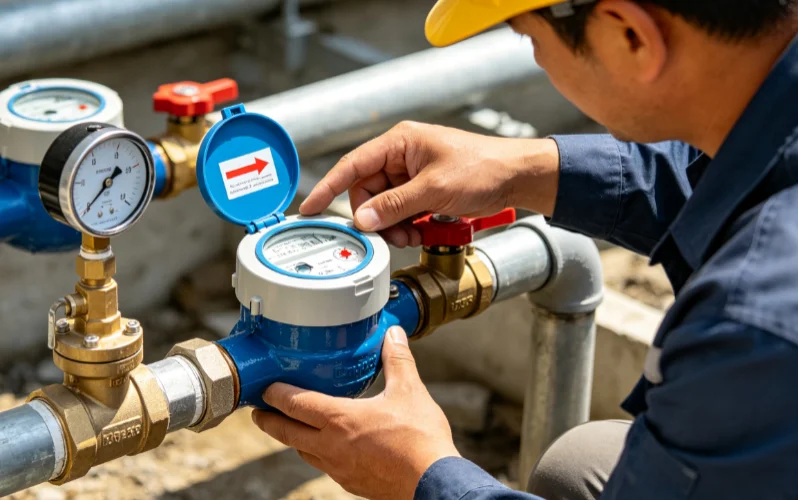
Buying mechanical water meters in bulk is not only about the cheapest price. These meters may be used in homes, stores, schools, factories, or city water lines for many years. If the wrong meter is chosen, you may face wrong readings, water loss, user complaints, and extra replacement cost. For a water meter bulk order, you need to look at meter type, accuracy, material, order size, and the real working site.
Before you ask for prices, make a clear list. This small step can save a lot of time later. Many bulk buying problems start from unclear pipe size, wrong flow rate, or missing installation notes. For example, one project may say it needs 1,000 mechanical water meters, but the site may need several sizes and two connection types.
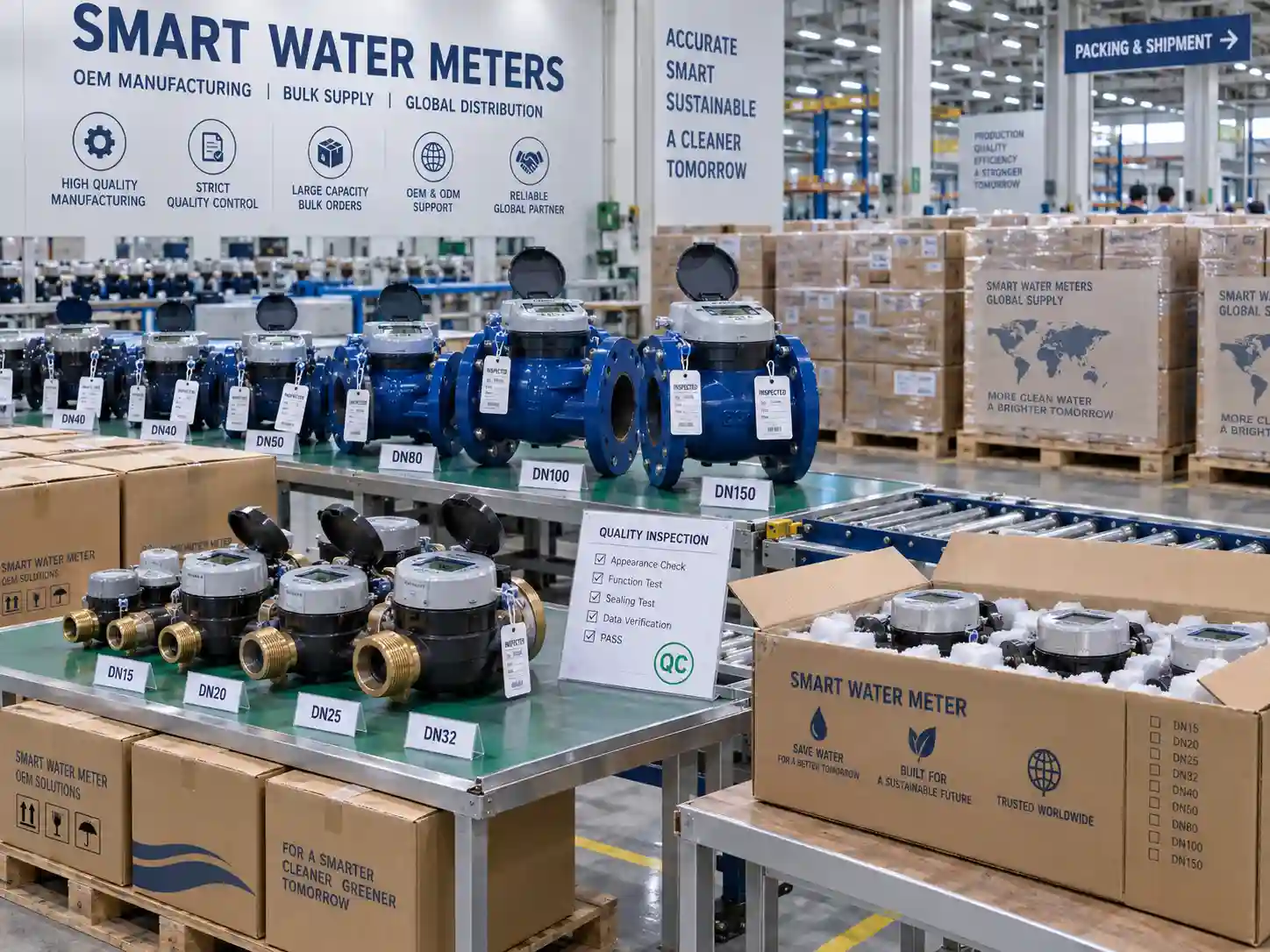
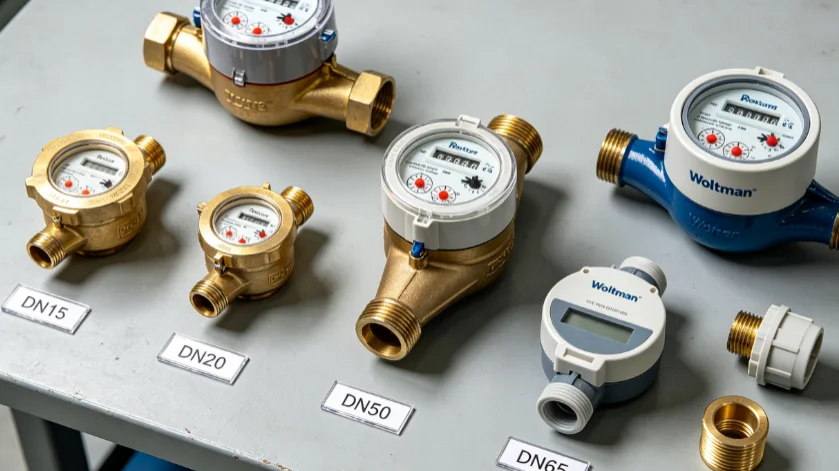
Start with where the meters will be used. Homes and apartments often use DN15, DN20, or DN25 meters. Shops and small buildings may need DN32 or DN50. Larger factories or city water lines may need DN65 or bigger sizes. Chenshuo product data shows DN50 mechanical meters with a permanent flow of 25 m³/h and DN65 models with 40 m³/h. So the size should follow real water use, not a rough guess.
Also check water temperature, pressure, and space. Some rotary mechanical water meters are made for cold water from 0.1°C to 30°C and standard pressure around 1.0 MPa. If the site needs hot water meters, that should be confirmed early. It is a small point, but installers notice it fast when the pipe room is tight.
Different mechanical water meter types are used for different jobs. When you buy bulk mechanical water meters, one model should not be used for every site unless the working conditions are almost the same.
A rotary mechanical water meter uses water flow to move an impeller. The movement then drives the register through gears or magnetic coupling. This type has a simple build, clear reading, no power need, and low repair cost. It is a good fit for apartments, small shops, offices, schools, public toilets, and other low to medium flow places.
For higher flow, a detachable Woltman-type water meter is often the better choice. It is used in water departments, large pipes, industrial sites, and public water projects. If your order covers both homes and factories, ask the mechanical water meter supplier to quote small rotary meters and large Woltman meters separately. It makes checking much easier.
Accuracy matters because it affects bills. It also affects trust. If end users see strange readings, they may doubt the whole project, even when the pipe work is fine.
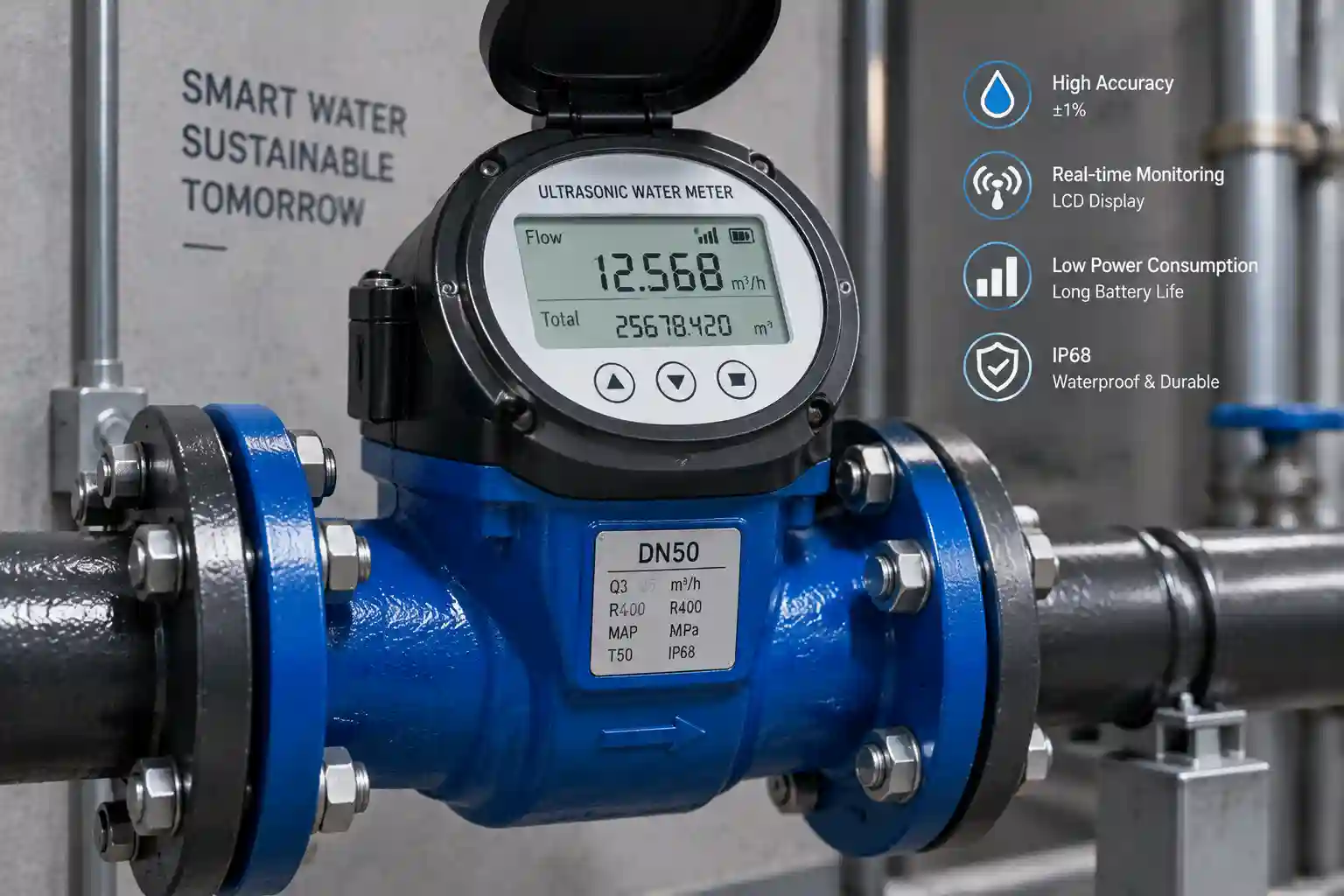
Check accuracy class, minimum flow, transitional flow, permanent flow, and overload flow. Chenshuo mechanical meter data lists Class 2 accuracy, with ±2% at high flow and ±5% at low flow for some DN50 and DN65 models. This matters because water use changes during the day. Morning and evening use can rise fast. Night use may be very low.
A good meter can still give poor results if it is installed badly. Keep the register facing up for horizontal installation. Follow the flow arrow. Leave straight pipe before and after the meter. Product guidance often suggests at least 10 pipe diameters upstream and 5 downstream. Do not place elbows, valves, motors, or strong vibration too close to the meter.
Material choice affects price, service life, and water safety. In a bulk order, even a small failure rate can become a big cost.
Common mechanical water meter materials include brass, engineering plastic, and cast iron for larger meters. Brass and approved engineering plastics are often used for drinking water jobs. The impeller, register, seals, and gear parts also need care. For wet, outdoor, or dusty sites, ask about rust resistance, anti-magnetic design, and sealing quality.
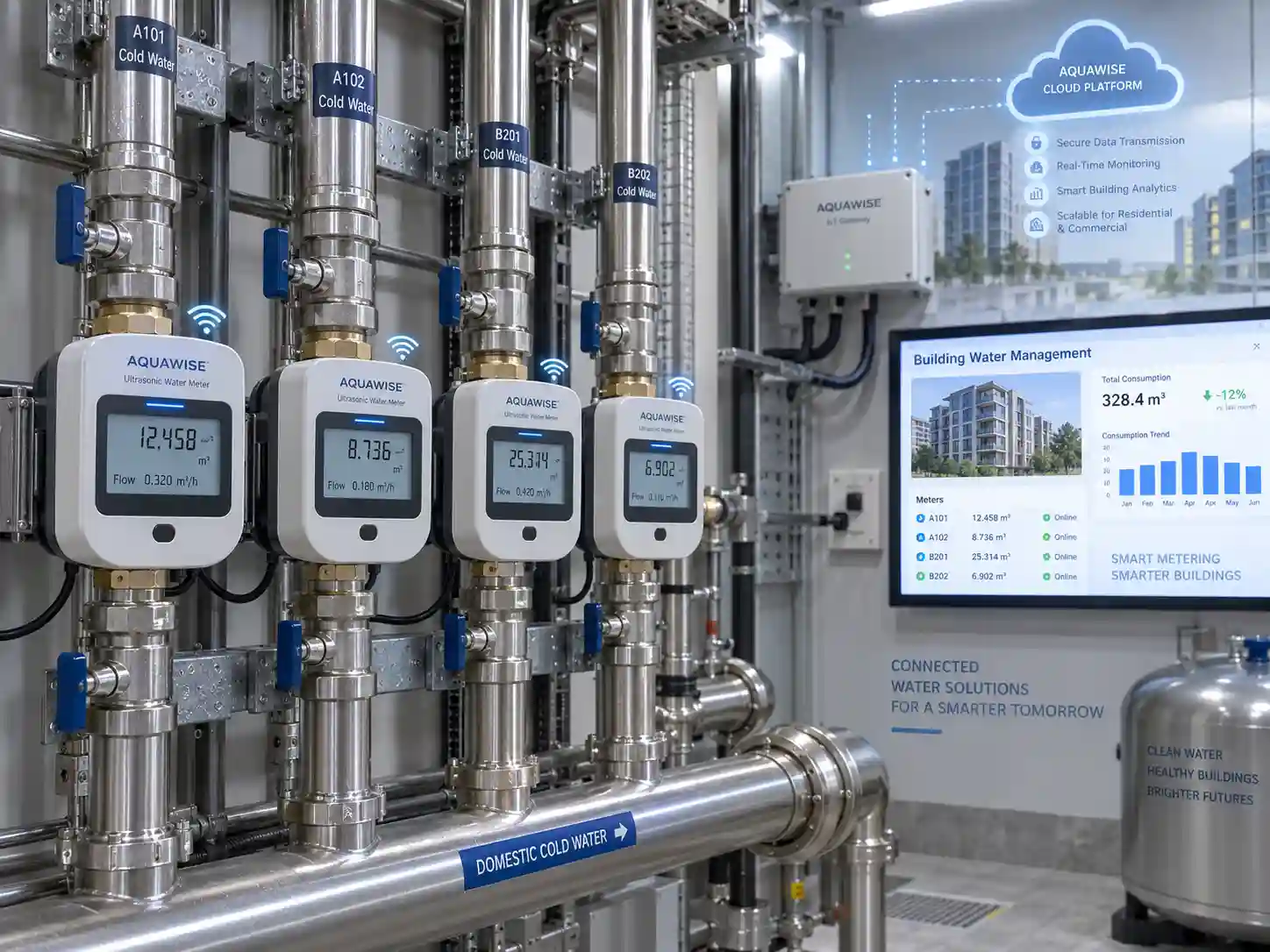
Chenshuo is a Shandong-based water meter manufacturer focused on research, production, sales, and water metering systems. Its range covers classic mechanical water meters, smart water meters, ultrasonic meters, electromagnetic meters, prepaid meters, and remote reading products. The company also shows OEM and ODM ability, quality checks, and supply support for home, business, industrial, and utility projects. For you, this can make model choice and later reorders less painful.
A good supplier should help you lower risk, not just send a low price. When you check a water meter product center, see whether the range covers the sizes, meter types, and uses you need.
Ask for data sheets, test reports, packing details, lead time, and warranty terms. For a large order, ask whether batch inspection is done before shipment. If you need logo printing, private label packing, or special thread standards, say so before production starts. Last-minute changes often cause mistakes.
You can also review Chenshuo if your project needs mechanical water meters now and smart metering options later. This is useful for distributors who sell to more than one customer group.
Q1: What Is the Best Keyword for This Article?
A: The best main keyword is mechanical water meters. It is clear, short, and easy to match with buying terms such as bulk mechanical water meters and mechanical water meter supplier.
Q2: How Do You Choose Mechanical Water Meters for Residential Projects?
A: Check pipe size, normal flow, water pressure, space, and accuracy class. DN15 to DN25 meters are common for homes and apartments.
Q3: Are Mechanical Water Meters Good for Bulk Purchase?
A: Yes. They are simple, low cost, do not need power, and fit many home and business water projects.
Q4: What Should You Ask a Mechanical Water Meter Supplier?
A: Ask about size, flow range, accuracy class, material, test reports, lead time, packing, warranty, and customization.
Q5: Why Not Choose the Cheapest Water Meter?
A: A very cheap meter may have poor accuracy, weak material, leakage, or short life. For bulk buying, steady quality often saves more money later.
 Address: Xiao'anzi Industrial Park, Baishabu Town, Lanshan District, Linyi City, Shandong Province
 Call us now:+86 15562945993
 Email:info@sdchenshuo.cn


Shandong Chenshuo Instrument Co., Ltd.