

Picking the proper water meter housing often marks the line between a setup that endures ten years and one that breaks down in a year and a half. Harsh settings, caused by strong salt levels, dense mineral-laden “hard” water, or factory chemical contact, place steady strain on your setup. Opting for the incorrect metal results in more than a simple drip; it brings about reading shifts and costly urgent fixes. If you seek expert knowledge in this area, Chenshuo emerges as a leading technical firm from Shandong, China’s “Water Meter Base.” With yearly output reaching one million units and a strict ISO-approved production process, they offer customized solutions that match material strength with budget-friendly options. Their know-how in DMA (District Metered Areas) makes sure your choice aids ongoing system steadiness.
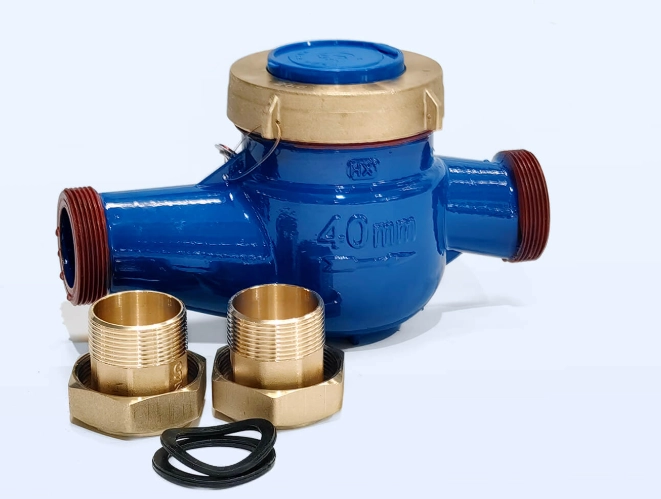
The lasting quality of your setup relies on how effectively a meter shell withstands the gradual wear from its surroundings. When water touches metal over long periods, electrical-chemical processes become unavoidable.
Some areas face water that carries natural acidity or elevated chloride content. These factors gradually wear down basic metals, leading to small holes and wall thinning. Once the shell’s strength weakens, the joint breaks, and the meter turns into a risk instead of a benefit.
Traditional cast iron or poor-grade metals can release tiny bits into the flow. In drinking water networks, this creates serious rule-following issues. Materials must remain neutral, particularly as water balance varies with weather changes or processing steps.
The expense of labor to swap out a broken meter usually tops the cost of the unit itself. A low-cost meter from weak material becomes a future burden through vehicle trips and worker time. Solid materials help maintain low overall ownership costs across a fifteen-year period.
Various metals provide different degrees of protection from rusting. Understanding these differences allows you to prevent extra spending on premium metals when a basic choice would work fine.
Stainless steel sets the benchmark for tough conditions. It develops a protective chromium oxide film that blocks deep rusting. This makes it suitable for pure water lines or chemical handling systems where pollution cannot occur.
Brass holds its place as the top pick for good reasons. It manages water movement friction effectively and offers built-in germ-fighting traits. Quality brass includes sufficient zinc to fight zinc loss in typical city water lines, all without the high cost of stainless steel.
Cast iron offers weight and low price, but its useful life shortens in damp or salty atmospheres. Lacking a strong surface cover, it develops rust inward from the exterior. Many current water providers shift from plain iron to coated or mixed versions.
Mechanical meters serve as the reliable mainstays in home water handling. Their dependability arises from a straightforward, proven structure that operates without outside energy.
The Rotary Mechanical Water Meter-LXS-40BRASS employs a strong brass shell to cope with everyday pressures in home pipes. It features a dry or wet measurement design that shields the internal parts from mineral deposits.
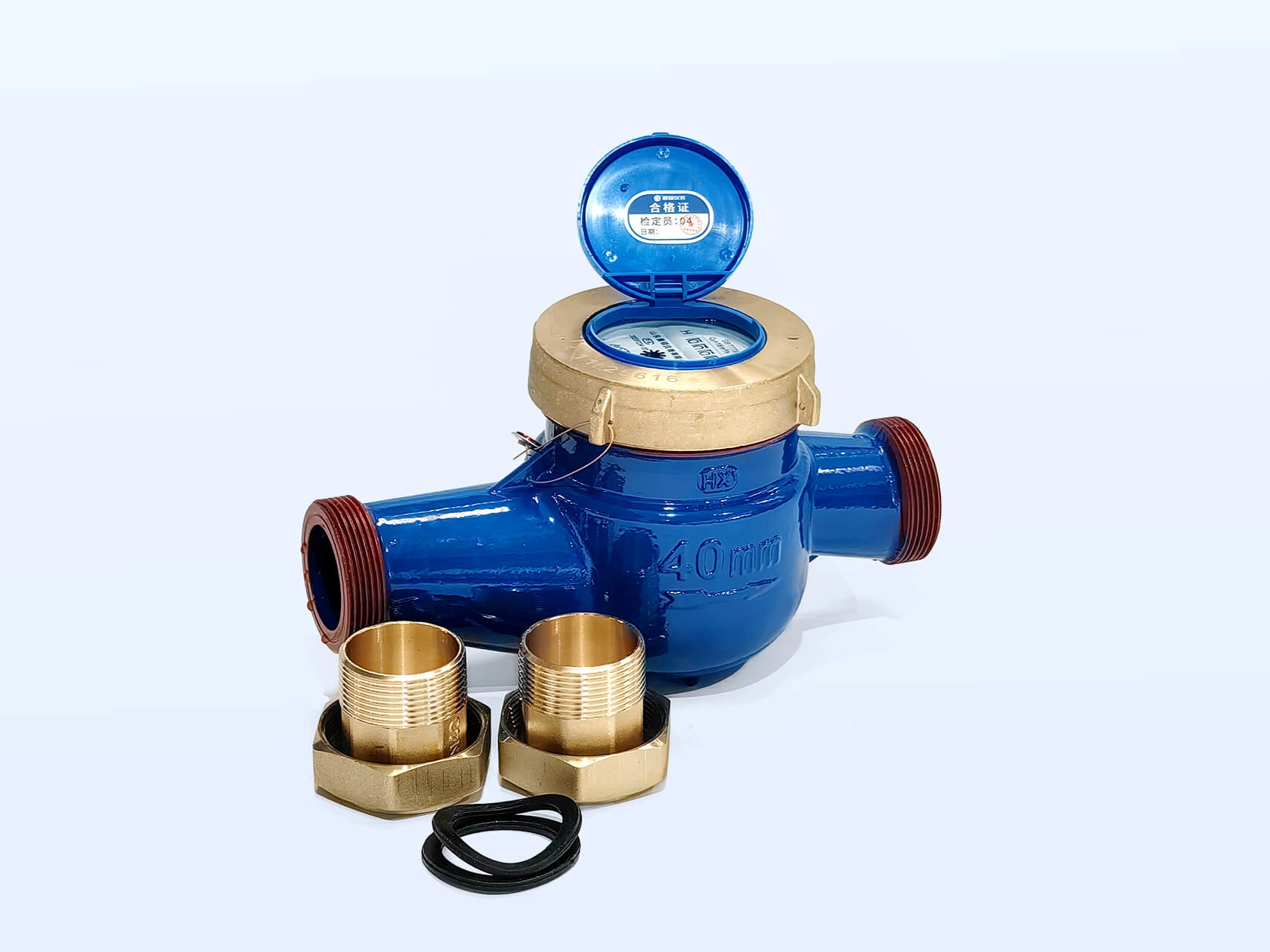
Dense water leads to buildup, which might block active components. A thoughtfully built rotary meter incorporates smooth-running materials, so precision holds within the 2% limit even following years of flow. This approach provides a “install and ignore” option for typical communities.
The inner turning part endures minor particles well. By selecting a shell that avoids peeling or corroding, you keep the inside space even, thus stopping the uneven flow that results in incorrect measurements.
Factory water pipes manage greater force and bigger amounts. The metals chosen must show outstanding toughness to prevent major breaks.
Big meters frequently apply epoxy-covered shells to combine affordability with lasting strength. This dense, heat-set coating forms a shield against the damaging impact of still water and outside dampness.
In situations with strong flow, the Detachable Woltman-Type Water Meter LXLC-50 suits demanding tasks. Its removable setup lets you service the core elements without pipe disruption, offering major gains in factory operation time.
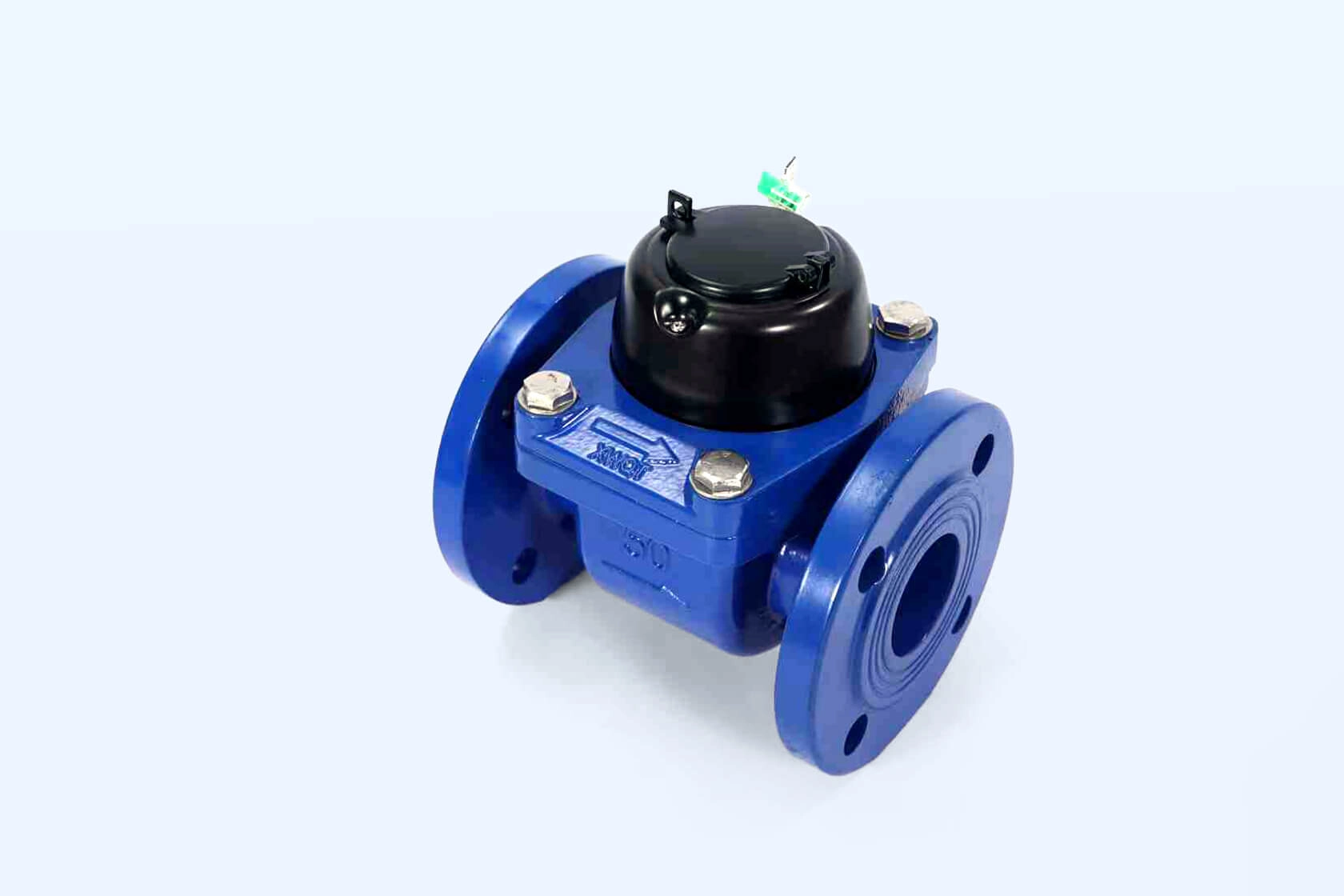
In extensive systems, halting an entire area for meter review proves too costly. Durable shells with replaceable cores enable fast changes. Consequently, the network continues while the main body remains fixed for many years.
The field moves toward intelligent tools where physical damage no longer matters. Digital meters eliminate the mechanical weak points that typically cause rust-linked breakdowns.
In contrast to mechanical types, ultrasonic methods lack any rotating or rubbing elements. Without rubbing, the shell’s inner surface avoids damage. This setup fits water with sand or fast currents that would otherwise wear down a brass blade.
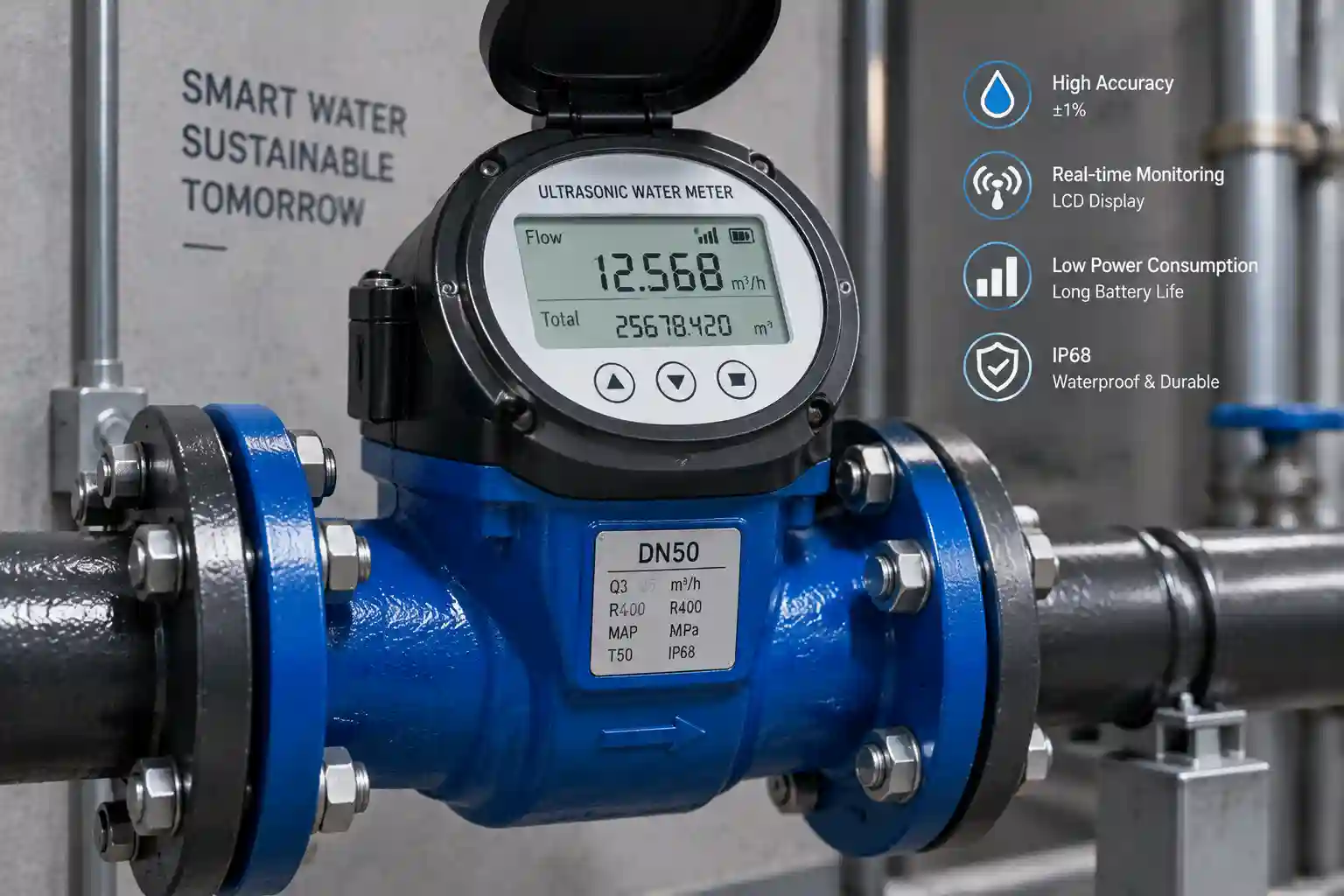
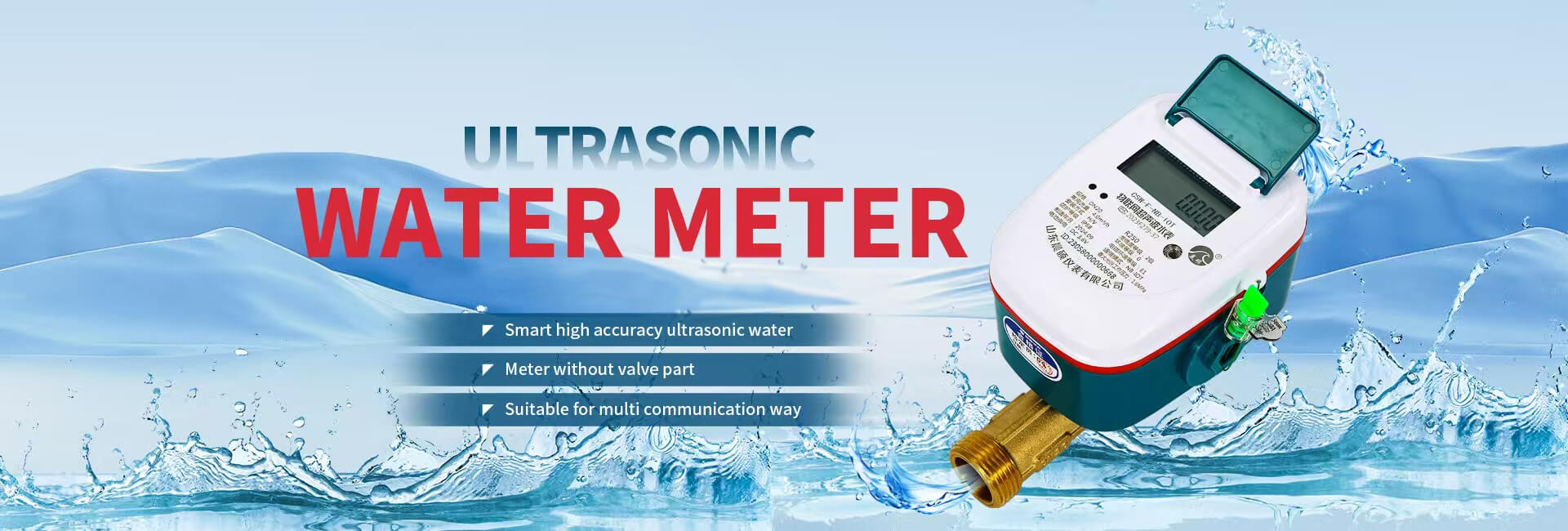
The Ultrasonic Water Meter-DN32 marks the height of current metering tech. It relies on sound pulses to gauge flow, so the inner path forms a direct, clear channel. As a result, this cuts pressure drop and clears areas where waste often gathers and begins rusting.
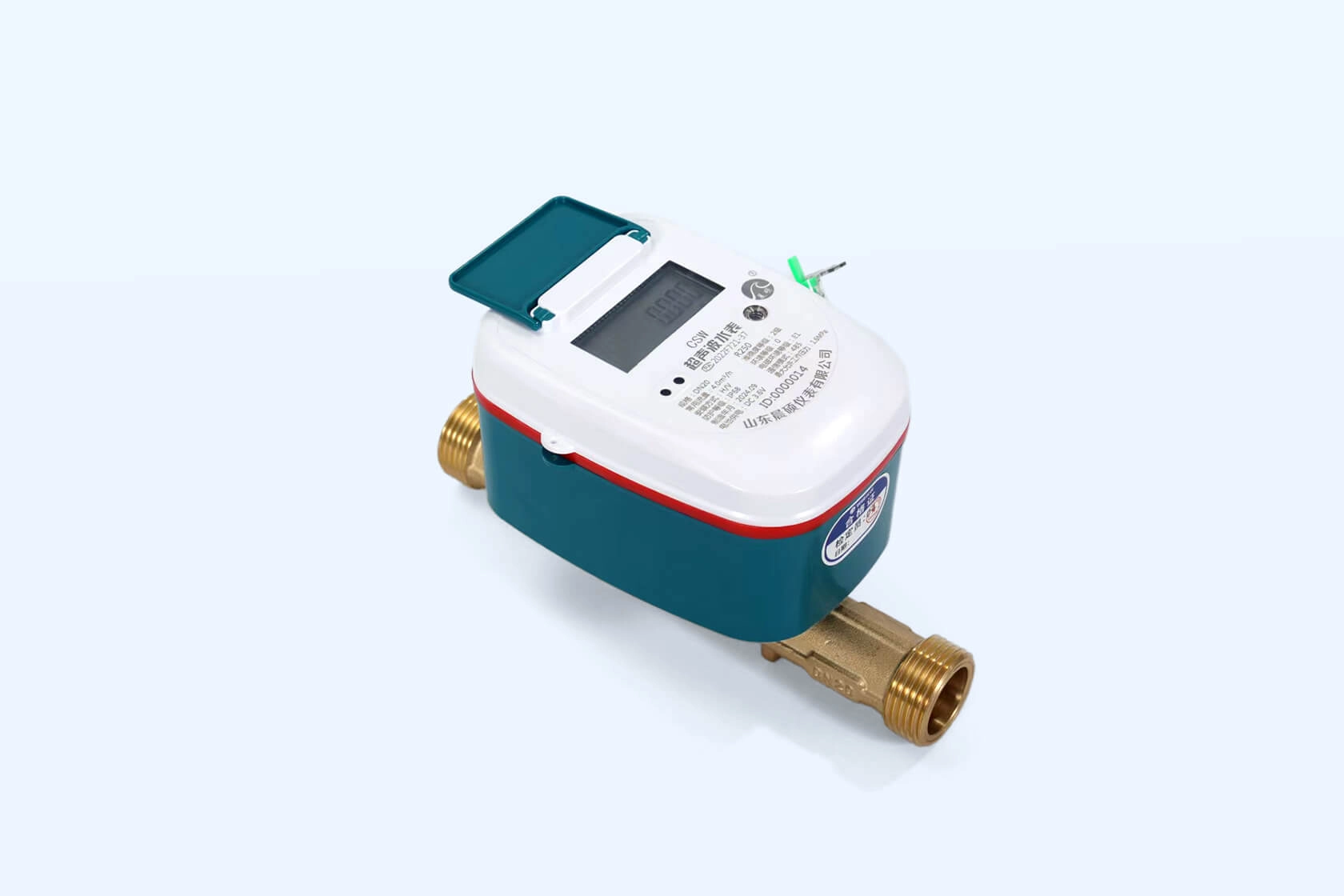
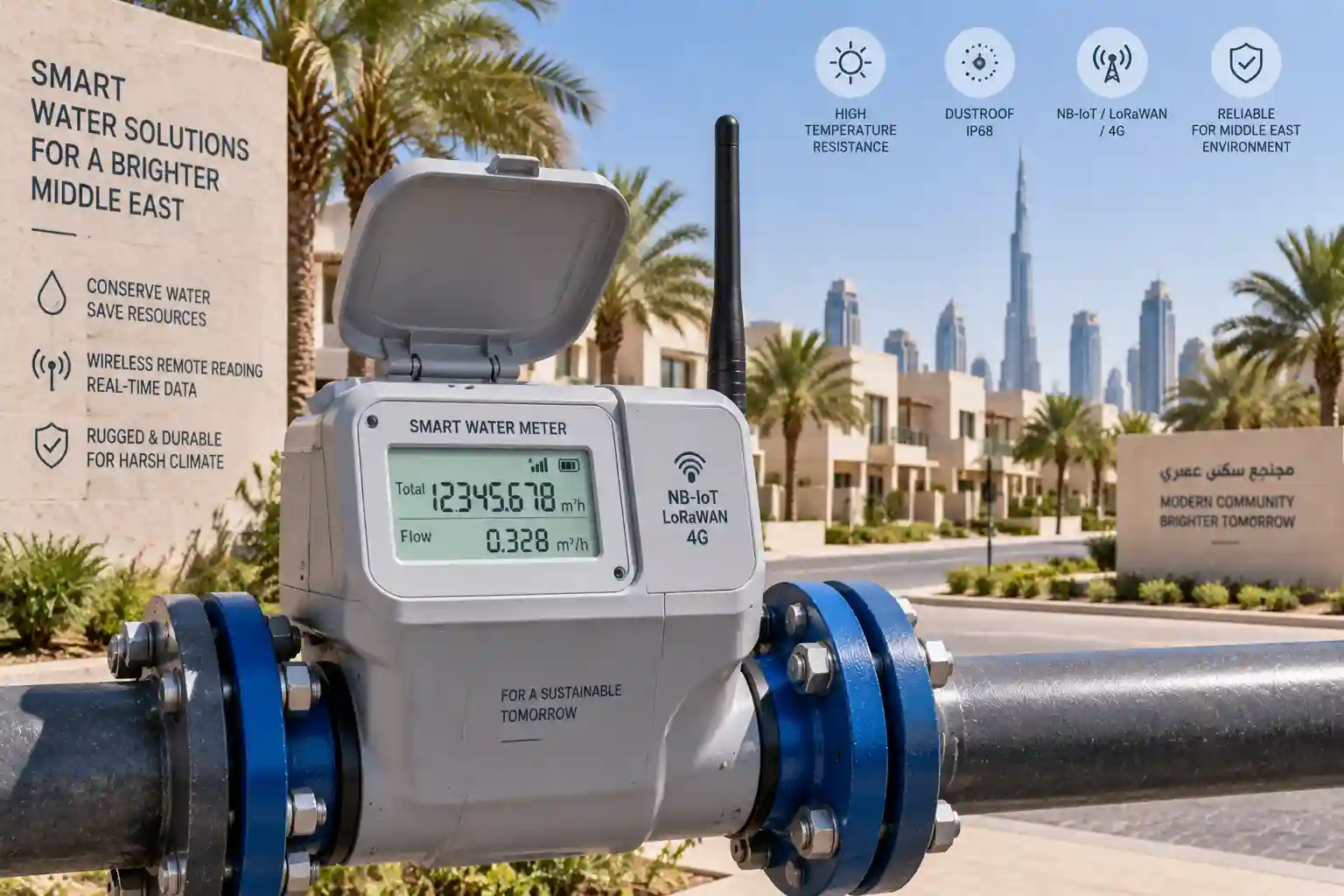
Advanced meters must endure challenges beyond the pipe’s contents. An IP68 level guarantees the circuits remain safe even during meter chamber flooding. It stands as the top option for distant spots where hands-on checks prove challenging.
Purchasing a meter involves more than the metal; it centers on approvals that confirm the metal’s safety. Worldwide business demands fulfilling set ecological and wellness criteria.
Rules such as ISO 4064 verify that the meter functions correctly under stress. Even more critical, contact-safe guidelines ensure the brass or steel avoids lead amounts that might affect users.
Ease of recycling grows as a key issue for today’s water services. Brass and stainless steel recycle easily after use. Selecting strong materials lowers the eco-impact of your water grid.
Meeting ISO9001 and ISO14001 demonstrates dedication to quality control. Meters pre-checked for world markets cut time on area clearances and confirm the equipment suits broad rollout.
Working with a focused producer grants more than items; it provides the deep skills required to address tricky flow challenges.
Based in Shandong, the operation emphasizes accuracy. The plant employs cutting-edge testing tools to confirm each piece achieves the needed precision level. Such careful attention proves rare in modest facilities.
Each task features distinct water makeup. Whether you require special layers for salt water or particular metals for chemical paths, a producer with internal research can adjust. It boils down to fitting the correct instrument to the task.
Assistance extends past the delivery phase. From grasping contact details for expert aid to examining case centers for actual examples, an open collaborator streamlines the buying steps and ensures reliability.
Q1: Is stainless steel always better than brass for water meters?
A: Not always. Although stainless steel offers stronger rust protection, it costs more. Solid brass works well for most city and home water setups, striking a fair mix of price and strength.
Q2: What is the benefit of an epoxy coating on industrial meters?
A: Epoxy coating adds an additional guard for large iron-shell meters. It stops rust buildup on the surface and shields the metal from harsh inner currents, greatly lengthening service time in factory use.
Q3: Can smart water meters work in flooded environments?
A: Yes, if they carry an IP68 rating. Units like the ultrasonic DN32 build for full water immersion, so they keep tracking and sending data correctly even when the enclosure fills up.
Q4: How does material selection affect water meter accuracy?
A: When a metal rusts, it alters the inner space shape or turning part. This creates uneven flow and drag, making the meter record too low or high. Steady materials guarantee the meter remains precise throughout its life.
Q5: Do brass water meters meet modern health standards?
A: Quality brass mixes follow tight world rules for drinking water. They undergo tests to keep any mineral or metal release far under safety thresholds from global health groups.
 Address: Xiao'anzi Industrial Park, Baishabu Town, Lanshan District, Linyi City, Shandong Province
 Call us now:+86 15562945993
 Email:info@sdchenshuo.cn


Shandong Chenshuo Instrument Co., Ltd.