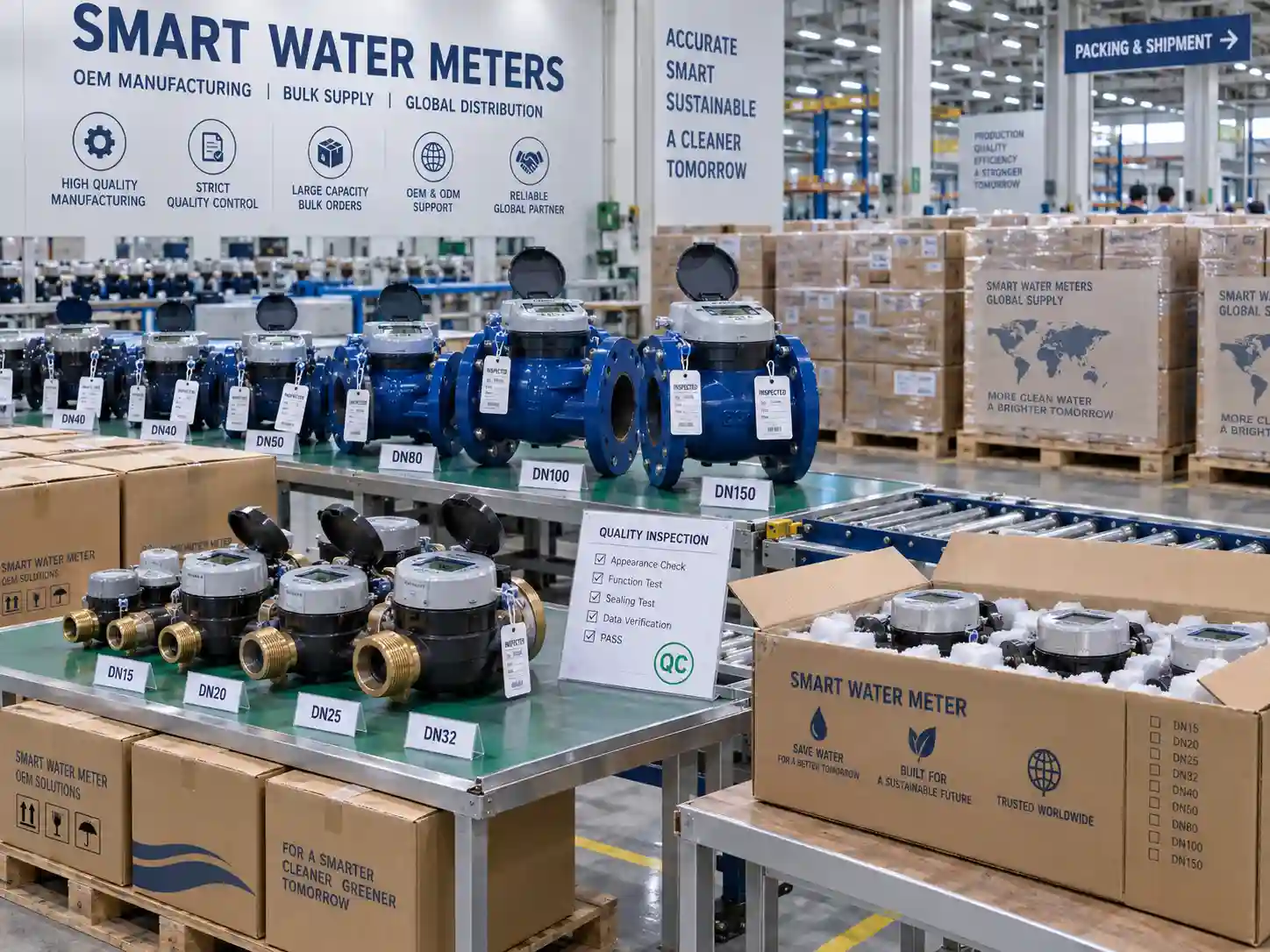


Managing water often seems like a careful balance between exactness and quantity. If you oversee a service grid or a big building effort, you realize that the gap between a sound business and a planning mess often rests on the equipment buried underground. Located in Linyi City, called the “Hometown of Water Meters,” Chenshuo has devoted years to refining this balance. As a tech firm centered on design and production, they provide options from basic gear units to modern smart setups, with a yearly output of one million pieces. No matter if you seek a steady custom builder or a strong fix for DMA partition management, their knowledge guarantees that your setup endures over time.
Picking a meter that fails to fit your real flow conditions ranks as one quick path to financial loss. Many focus on the buying cost, yet the true expense lurks in the “unaccounted-for water” that escapes via a poorly matched setup.
When a meter proves too big for usual needs, its inner parts cannot record minor seeps or gradual leaks. These small quantities build into large totals across a year. If your meter lacks the sensitivity to note the first movements, you basically hand over your resource at no charge. As a result, such oversights drain profits steadily.
In contrast, forcing large water amounts through a narrow home-style meter makes the inner wheel turn at risky rates. This rubbing causes early breakdown. You end up swapping components or the whole device well before the five-year point, and this creates a real burden for upkeep crews. Therefore, proper matching avoids these repeated fixes.
Wrong sizing brings force reductions and bubbling effects. These strains not only ruin the meter but also harm nearby lines. Selecting the correct size upfront stops the ongoing loop of urgent fixes and user gripes. Consequently, operations run smoother with less disruption.
To address these problems, you must examine how water passes through the unit. Various inner builds suit distinct needs, and deciding between a rotary piston and a Woltman wheel stands as the key technical choice you face.
Rotary meters rely on a volume-based method where a piston shifts a set water amount per cycle. This setup demands high exactness. Even a minor water passage forces the piston to shift, which explains why they suit low-flow tasks so well. As such, they deliver reliable counts in steady conditions.
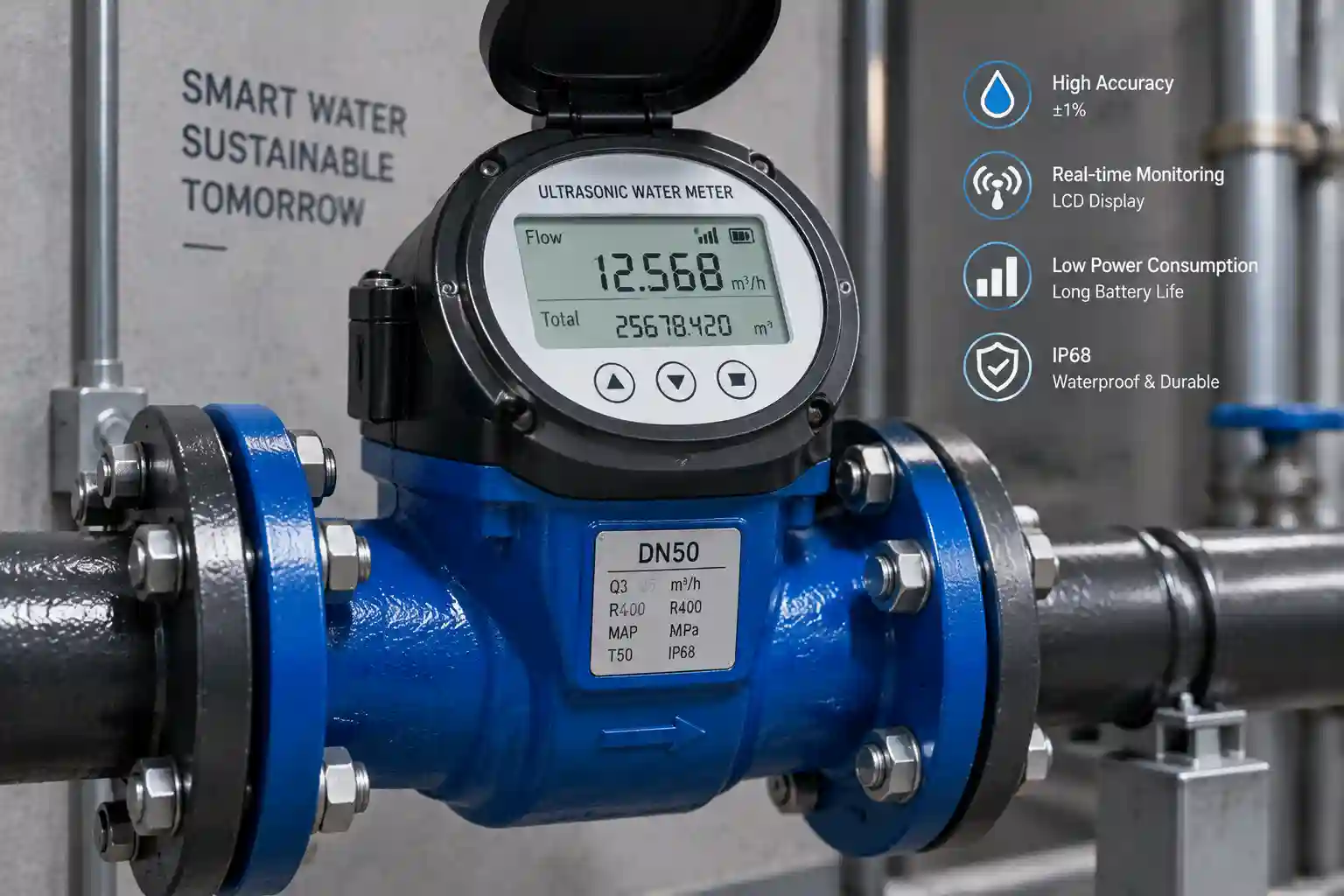
The Woltman build employs a twisted blade placed in the water path. It handles pace and bulk effectively. Unlike piston models, it obstructs the flow less, so vast liquid volumes move through while keeping force steady. This design supports demanding uses without slowdowns.
Rotary meters typically use fine brass to manage the piston’s ongoing motion. Woltman meters often have iron cast shells with removable inner parts. This removable trait proves valuable since you can repair the core elements without removing the line from the grid. Therefore, downtime stays minimal during service.
Grasping the concepts matters, but using them in actual locations shows where skill counts. You would not apply a fine blade for heavy cutting, nor should you deploy a large meter for one unit’s count.
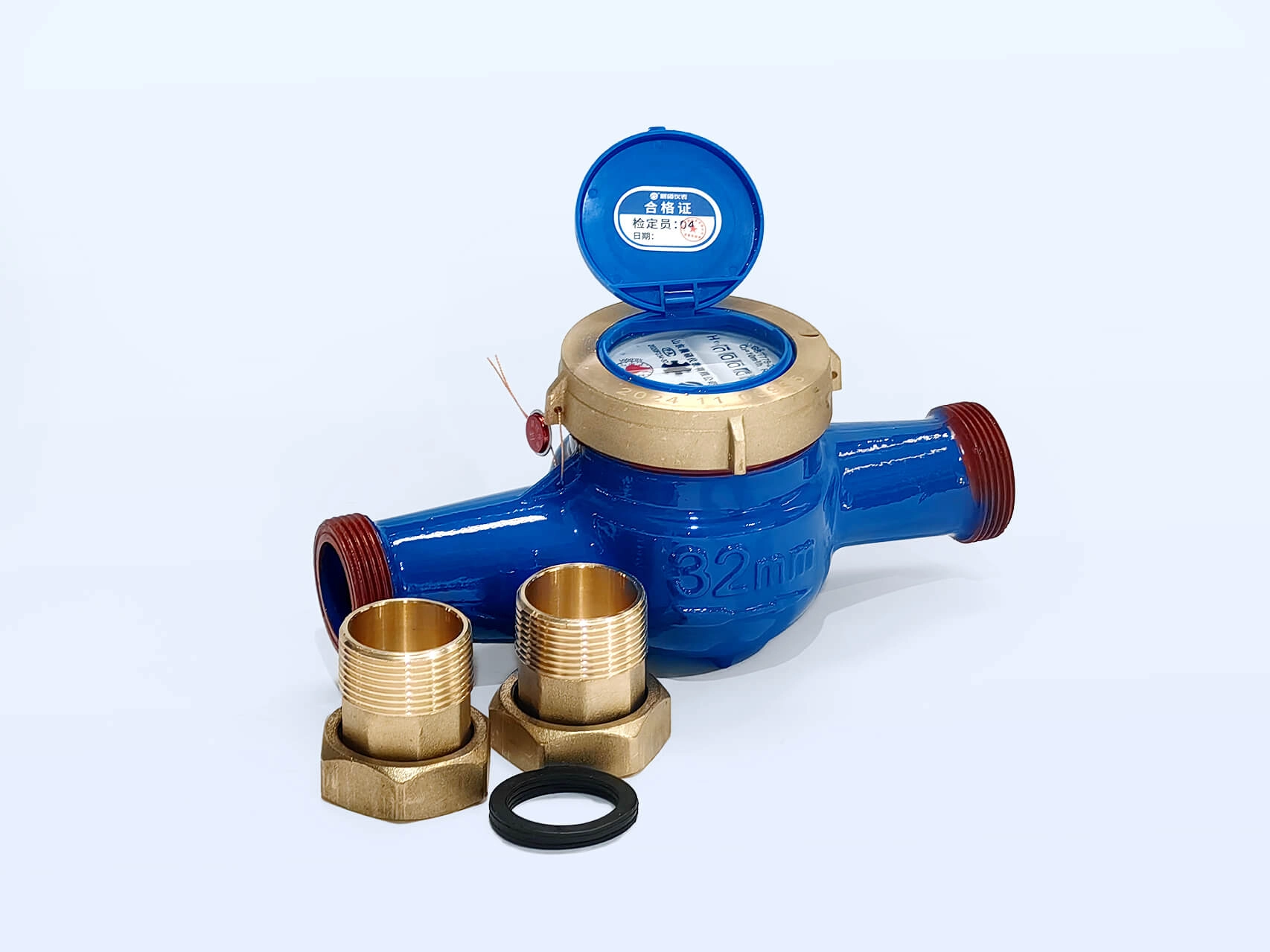
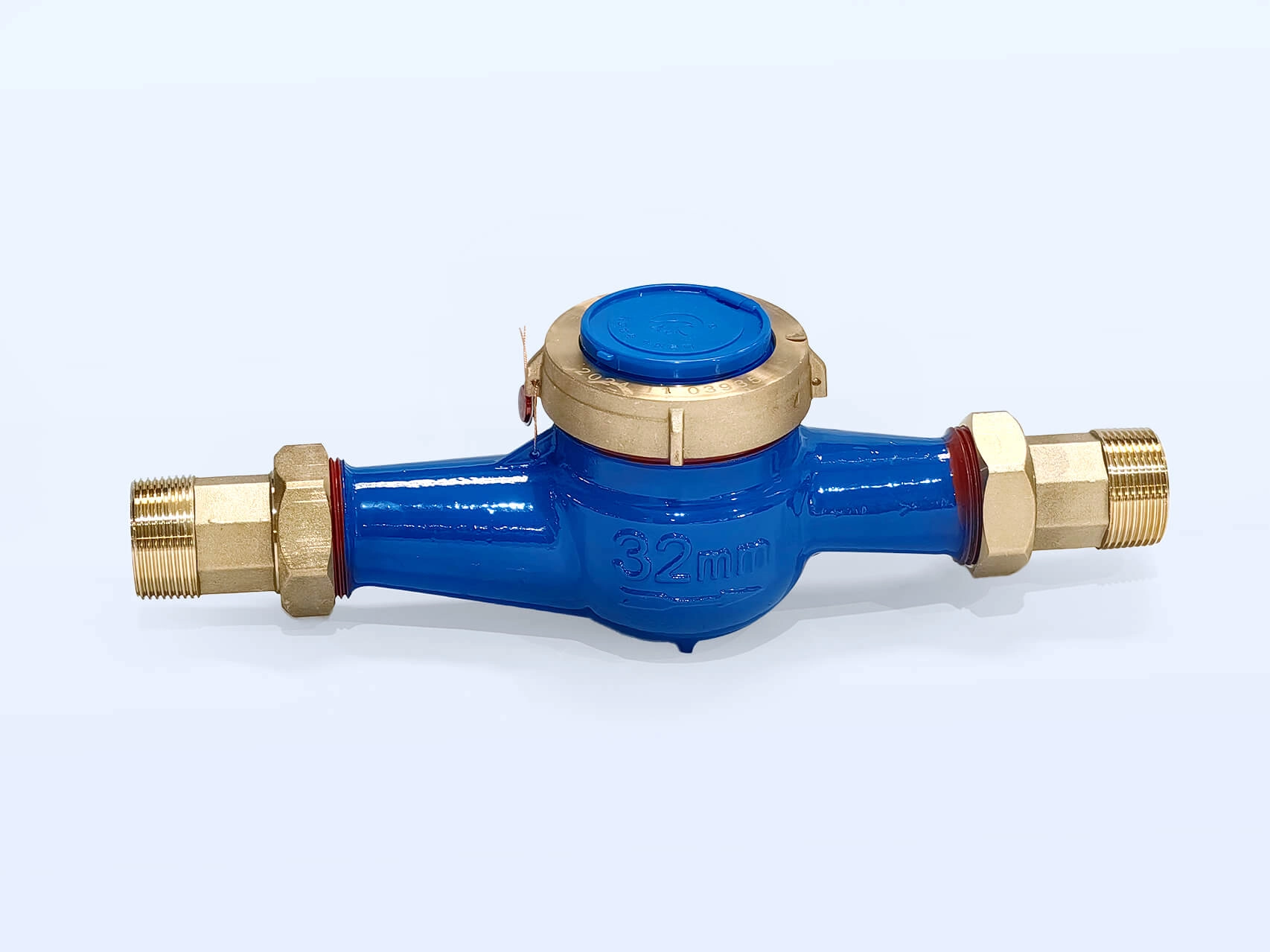
For those slimmer lines where each bit matters, the Rotary Mechanical Water Meter LXS-32BRASS sets the benchmark. It applies a dry or wet count structure that maintains a clear display while holding a low starting flow level. This fits trade sites where exactness ranks first. As a result, billing stays precise and fair.
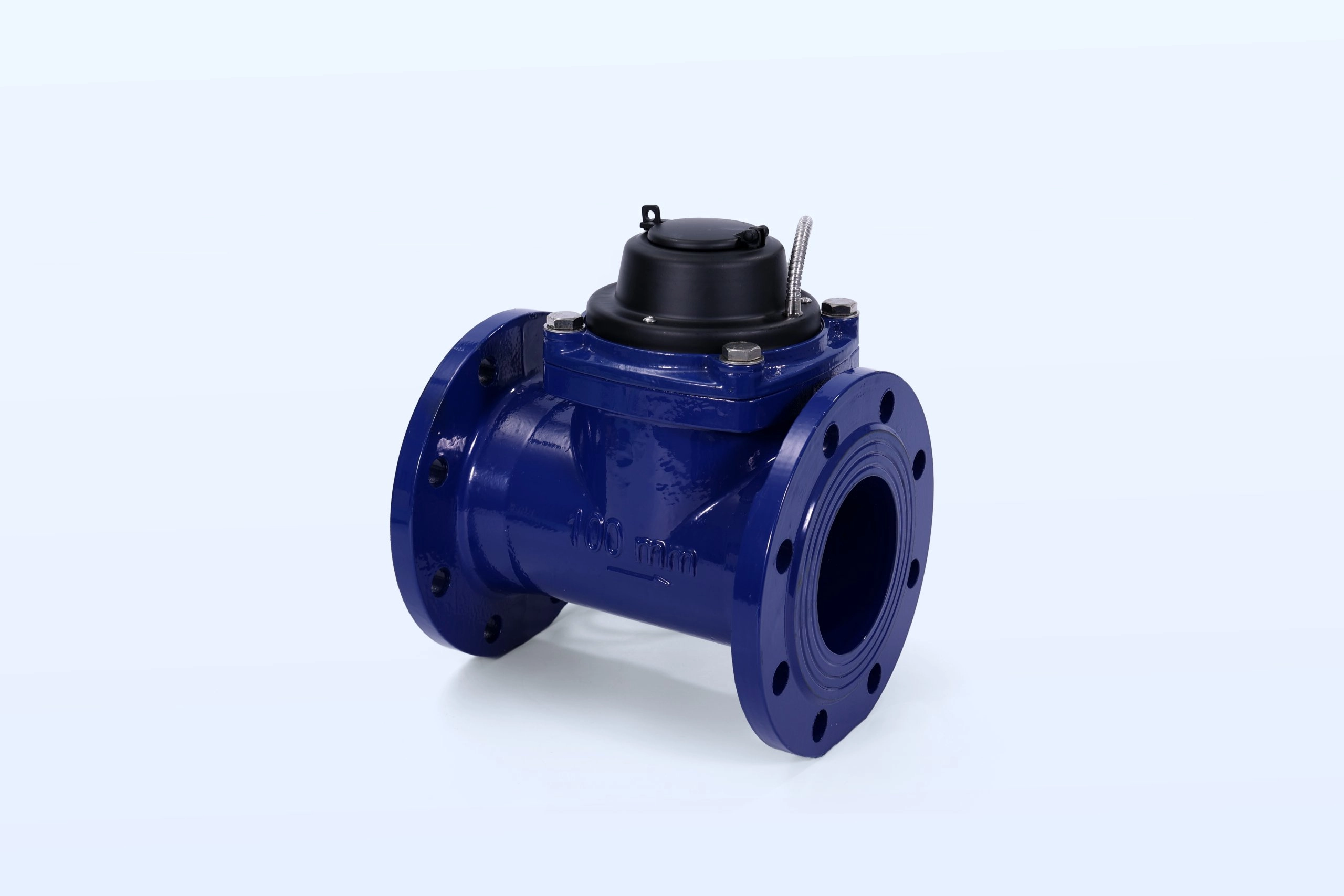
Handling primary feed lines or factory inputs requires the Detachable Woltman-Type Water Meter LXLC-100. It manages high flow levels smoothly and includes a sealed display to avoid misting. In city water tasks, it serves as the reliable mainstay. Thus, large systems gain consistent tracking.
Uniformity counts in worldwide efforts. Solid equipment meets ISO9001 and ISO4064 rules to align threads, mounts, and exactness levels with current lines across nations. This avoids costly adjustments at setup time. Consequently, projects proceed without hitches.
The materials in your meter decide if it lasts a decade or just months. In various areas, the water can attack metals harshly, so picking materials goes beyond appearance.
Brass leads in home meters for good cause. It copes with water minerals without seizing from rust. Fine brass shells also offer stronger build for the screw fittings that face high twist forces at fitting. As such, they hold up under daily stress.
For bigger models, iron cast with a guard epoxy layer supplies the raw power to manage force spikes. It weighs much, yet it resists breaks from soil movement or pipe shocks. This toughness ensures long service in tough spots.
Few things frustrate more than an unreadable meter due to dampness. Vacuum seals keep the face fully dry. This minor feature greatly aids the checker who braves wet weather for readings. Therefore, data access remains easy over time.
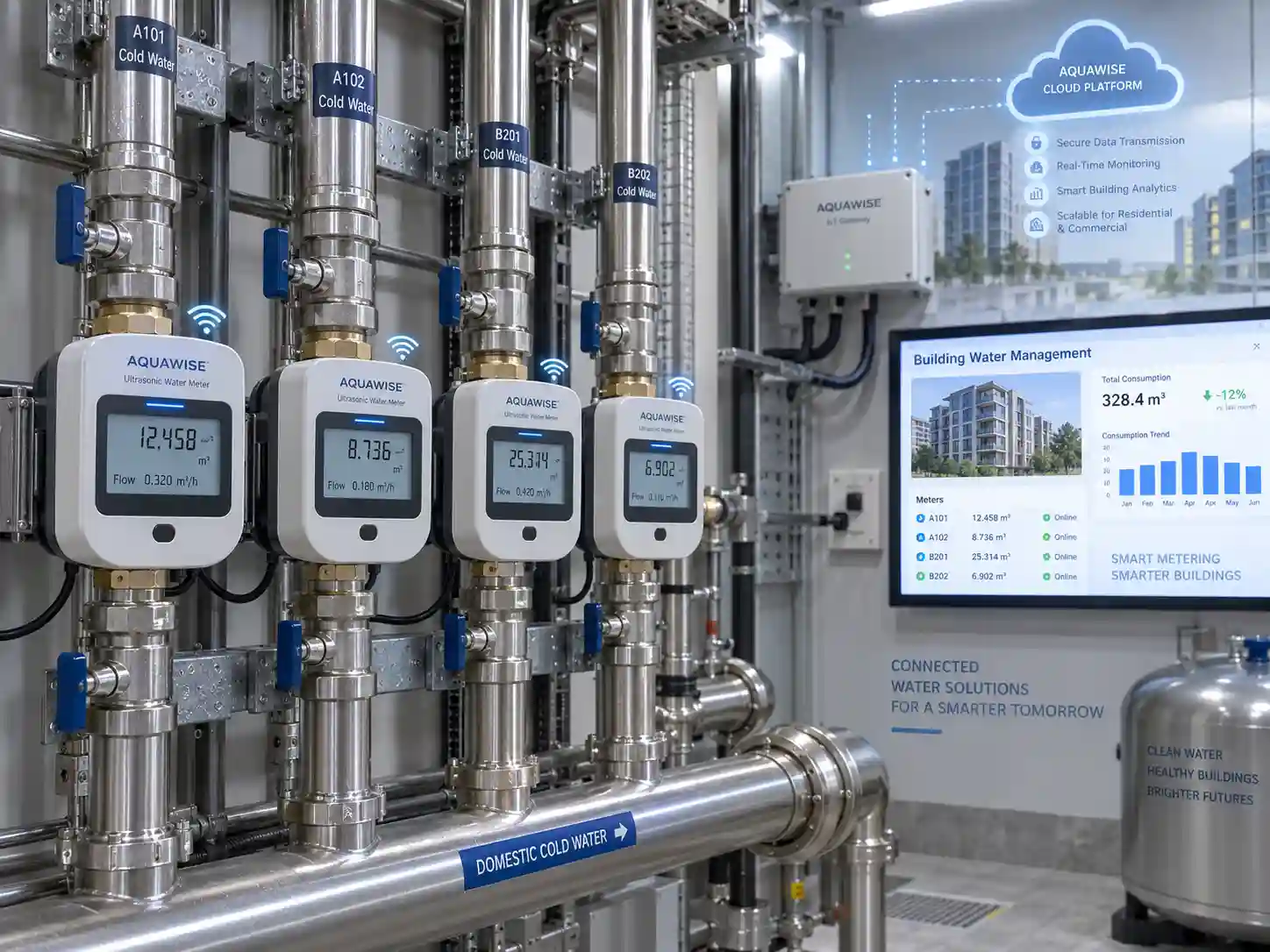
For a large setup update, you likely require beyond mere meter boxes. You seek a teammate who sees how these tools link into a broader “Smart Water” network.
At times, a ready-made unit does not suit the area. That is when custom services help. A producer able to adjust details, such as fitting a signal sender or altering the mount size, offers a clear edge for special sites. As a result, fits become seamless.
In building fields, a short delay spells trouble. Dependable providers keep firm chains from the “Hometown of Water Meters,” so even large requests for case center projects reach on schedule. This reliability supports tight timelines.
A solid history acts as the top safeguard. Seeing how these meters work in varied weathers, from cold seasons to humid tropics, reveals quality better than any spec sheet. Strong results in different DMA zones signal steady performance. Thus, choices gain confidence.
Selecting a provider involves faith. You desire a plant that comprehends flow principles, not just puts parts together.
With a vast output site and fine tuning tools, Chenshuo holds the power to support their statements. They witnessed the shift from plain gear faces to connected tech times, and that background shapes each item. As such, products reflect deep insight.
Every meter faces checks on exact flow stands before factory exit. Maintaining ISO9001, ISO14001, and ISO45001 approvals shows that quality handling matches the meters’ steadiness. This process ensures top standards throughout.
You stand as more than a list entry. In major buys, speaking to a knowledgeable contact who grasps LXS versus LXLC differences eases the process greatly. It centers on securing the proper device for your water needs. Therefore, decisions align well with goals.
Q1: What is the main difference between a rotary and a Woltman water meter?
A: A rotary meter is a volumetric device that measures water by filling and emptying a chamber, making it very accurate for low flows. A Woltman meter is a velocity-type meter with a turbine, built to handle much higher volumes with less pressure loss.
Q2: Can I use a brass meter for industrial wastewater?
A: Brass is great for clean water, but for wastewater or aggressive industrial fluids, you need to check the chemical compatibility. Usually, cast iron with special coatings or stainless steel is preferred for harsher environments.
Q3: Why is my water meter dial fogging up?
A: This happens when the seal on the register fails and moisture gets in. High-quality meters like the LXLC-100 use vacuum-sealed registers to prevent this exact problem, ensuring the dial stays clear for years.
Q4: How often should I replace my mechanical water meters?
A: Most mechanical meters have a service life of about 5 to 10 years depending on water quality and usage. If you notice a sudden drop in recorded consumption while usage stays the same, the meter might be “slipping” and needs a replacement.
Q5: Do these meters support remote reading?
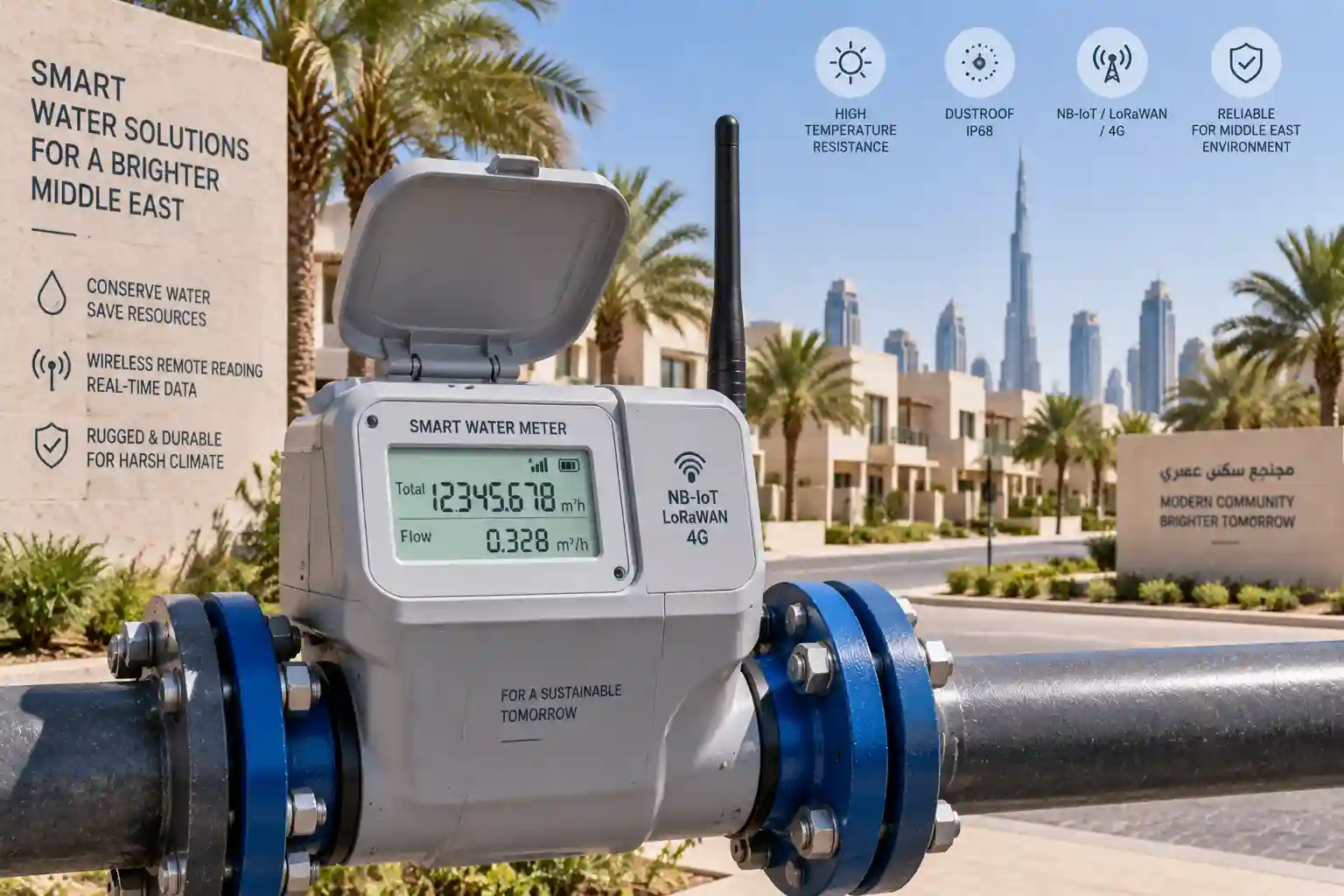
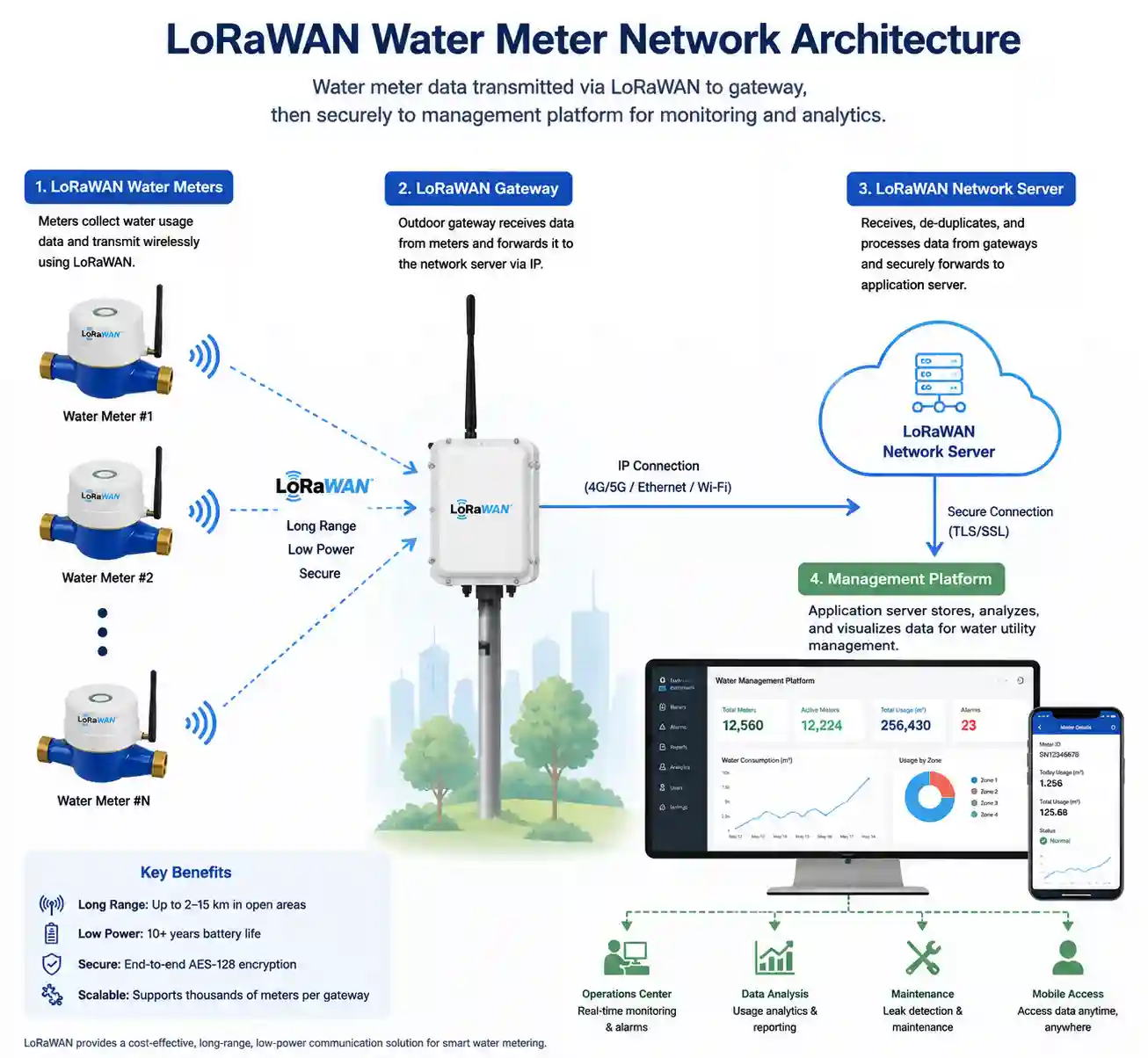
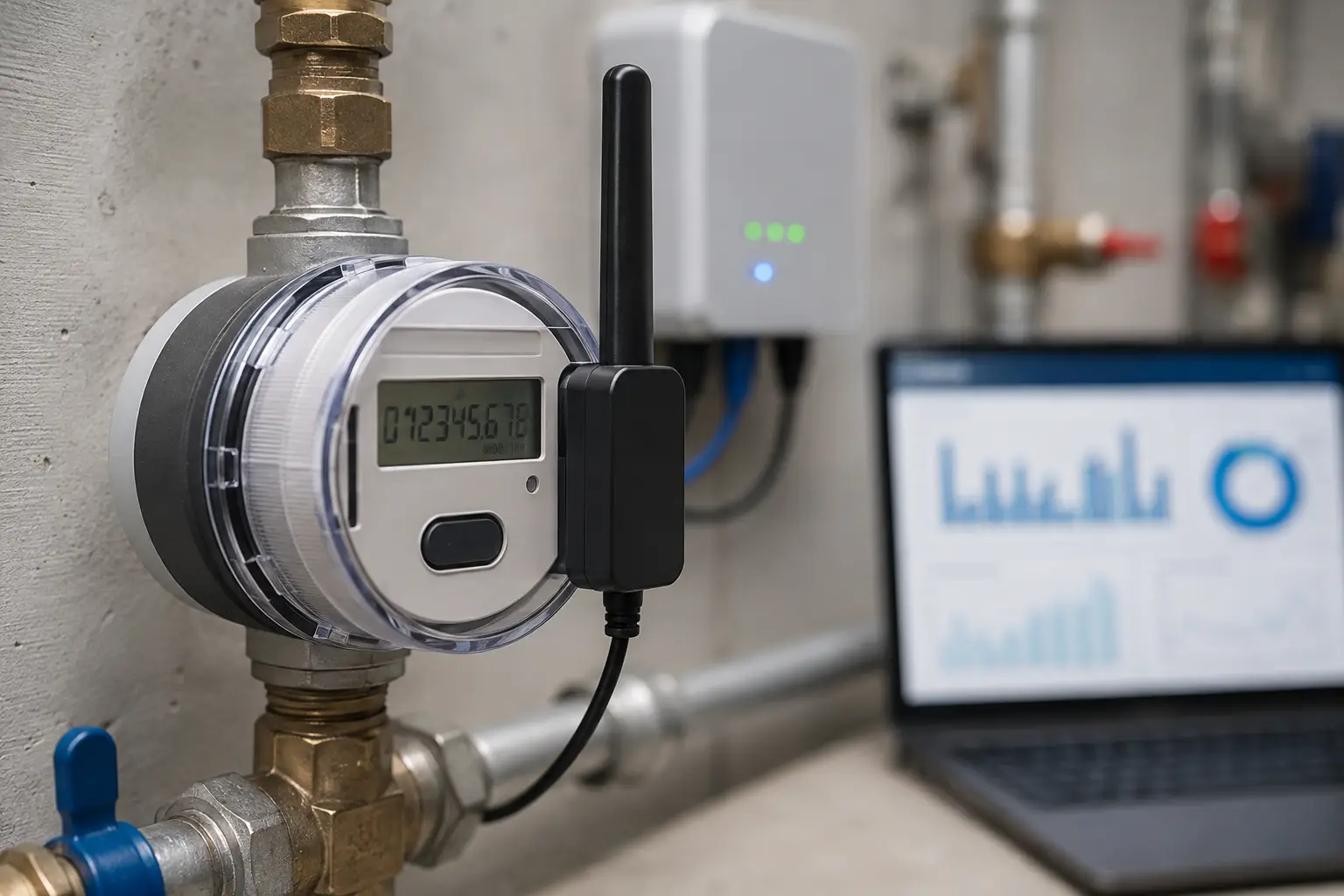
A: Many of the mechanical models can be equipped with pulse emitters or wireless modules like LoraWAN or NB-IoT. This allows you to upgrade a traditional system to a smart one without replacing the entire plumbing setup.
 Address: Xiao'anzi Industrial Park, Baishabu Town, Lanshan District, Linyi City, Shandong Province
 Call us now:+86 15562945993
 Email:info@sdchenshuo.cn


Shandong Chenshuo Instrument Co., Ltd.