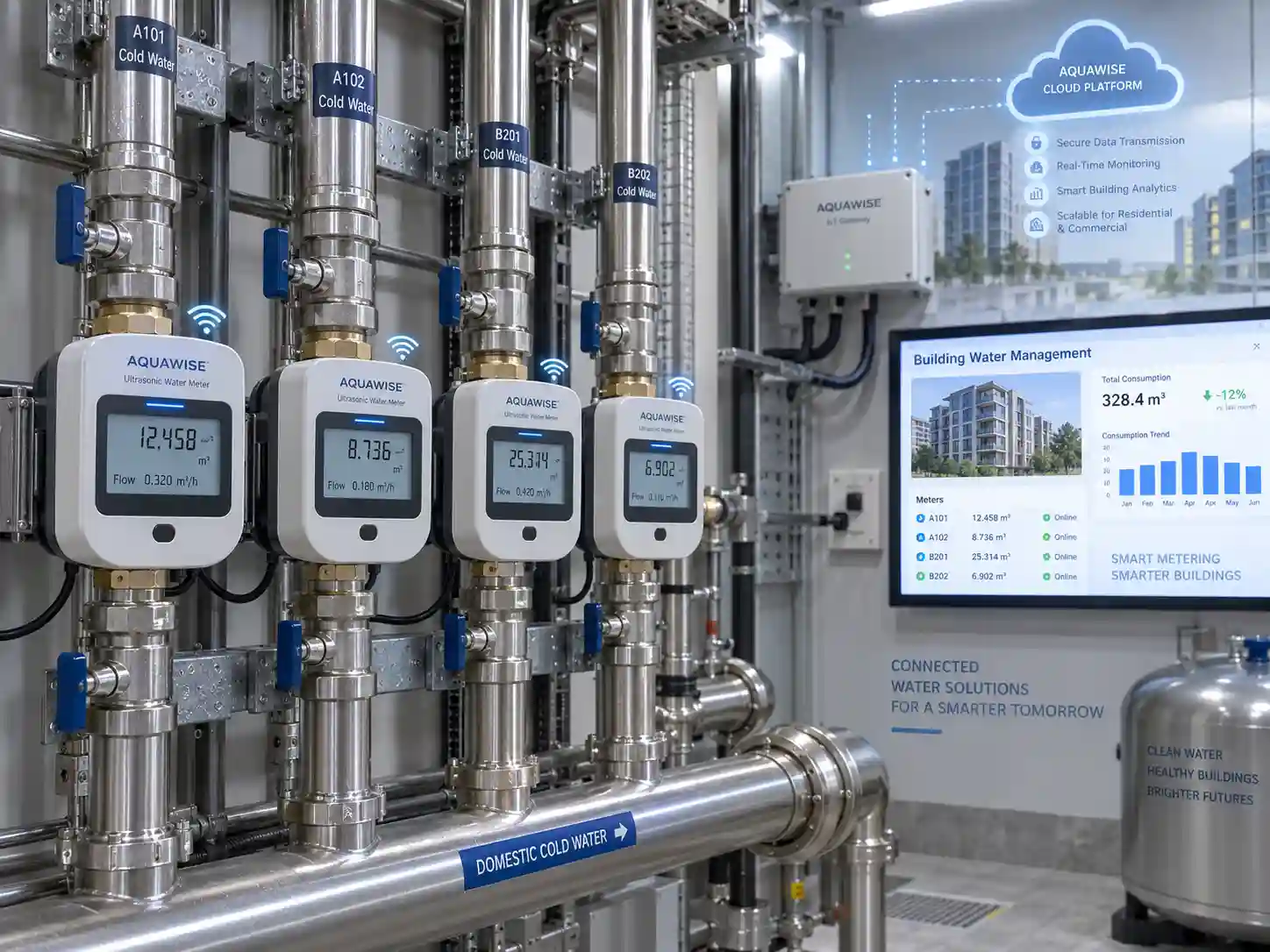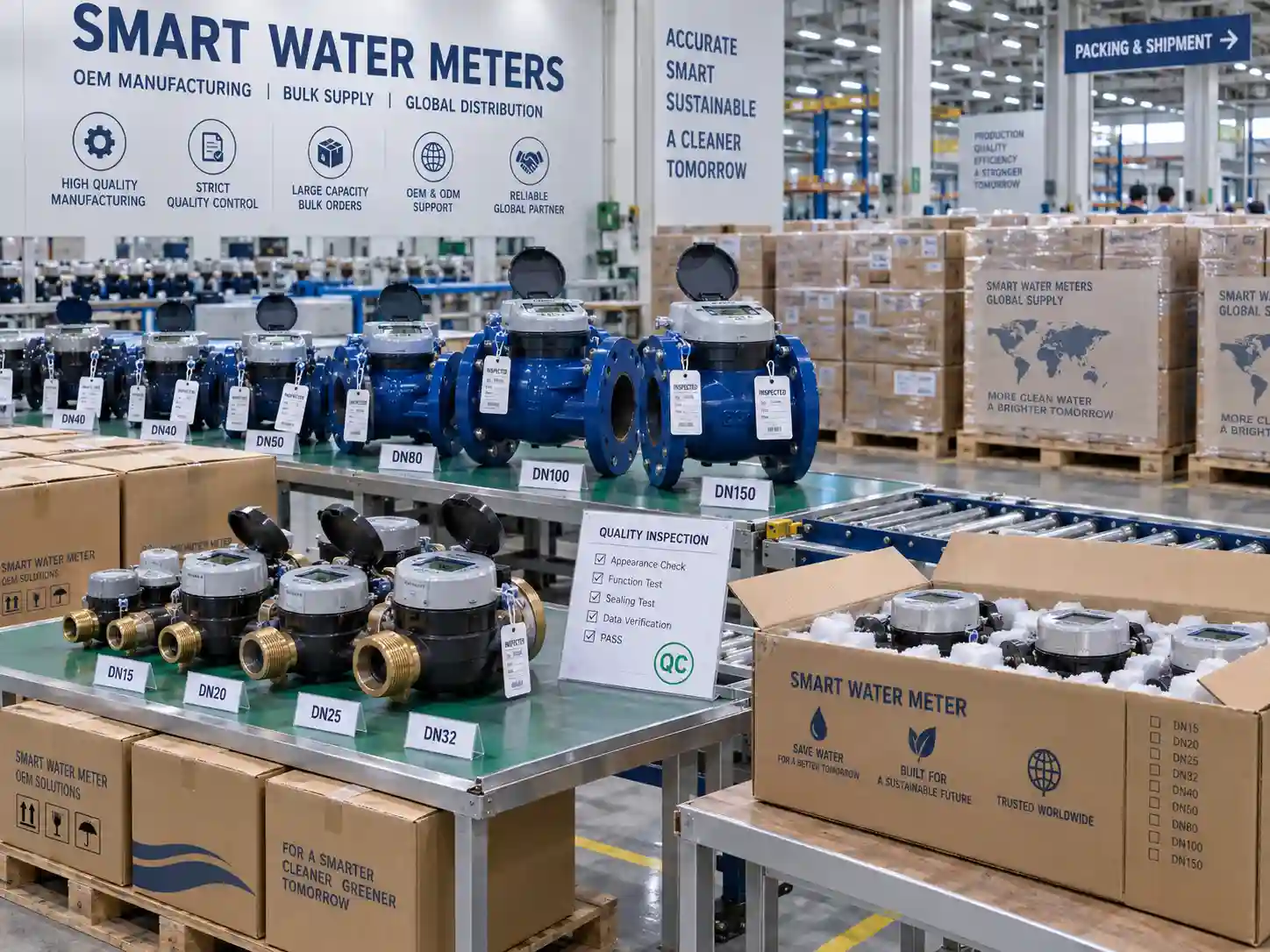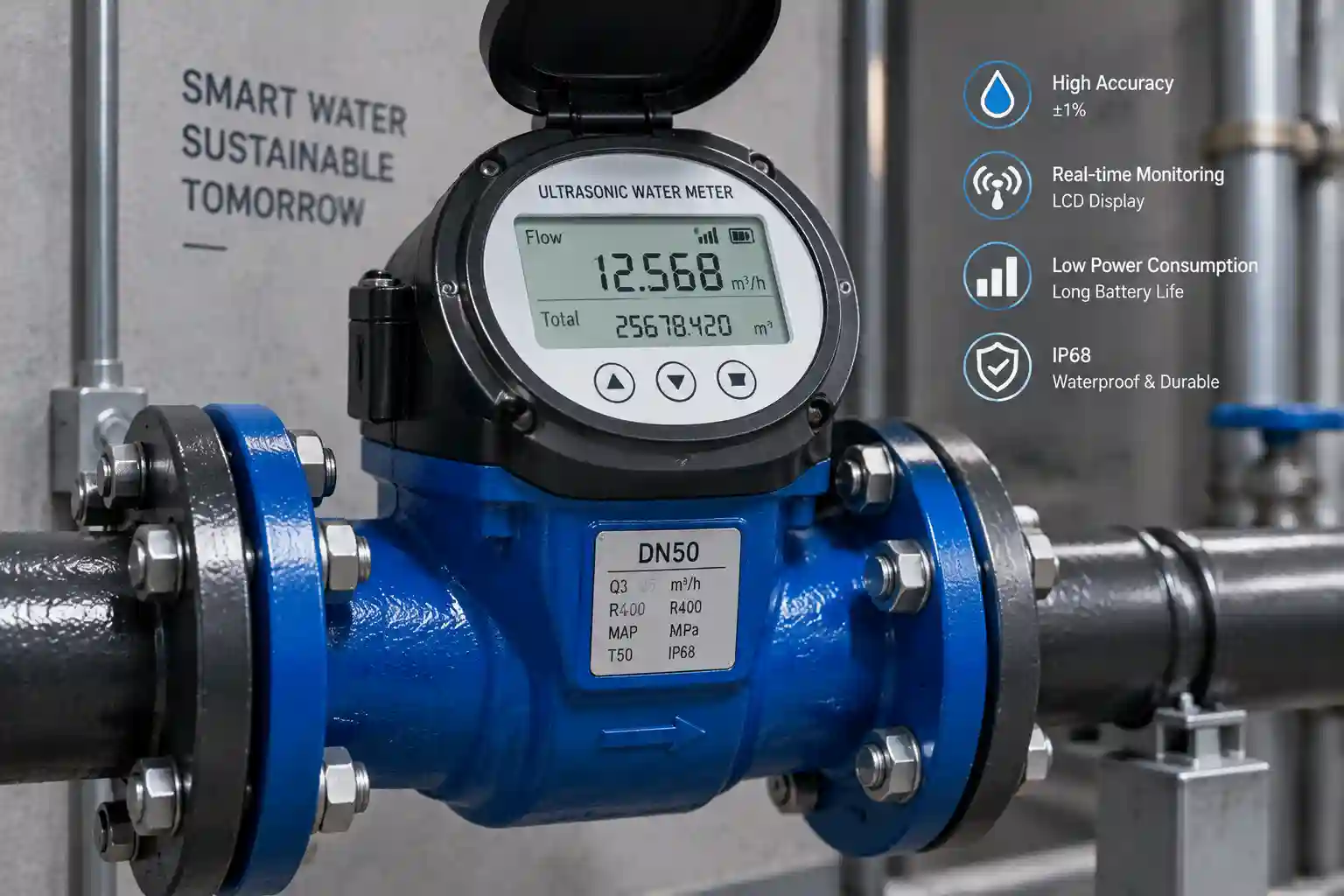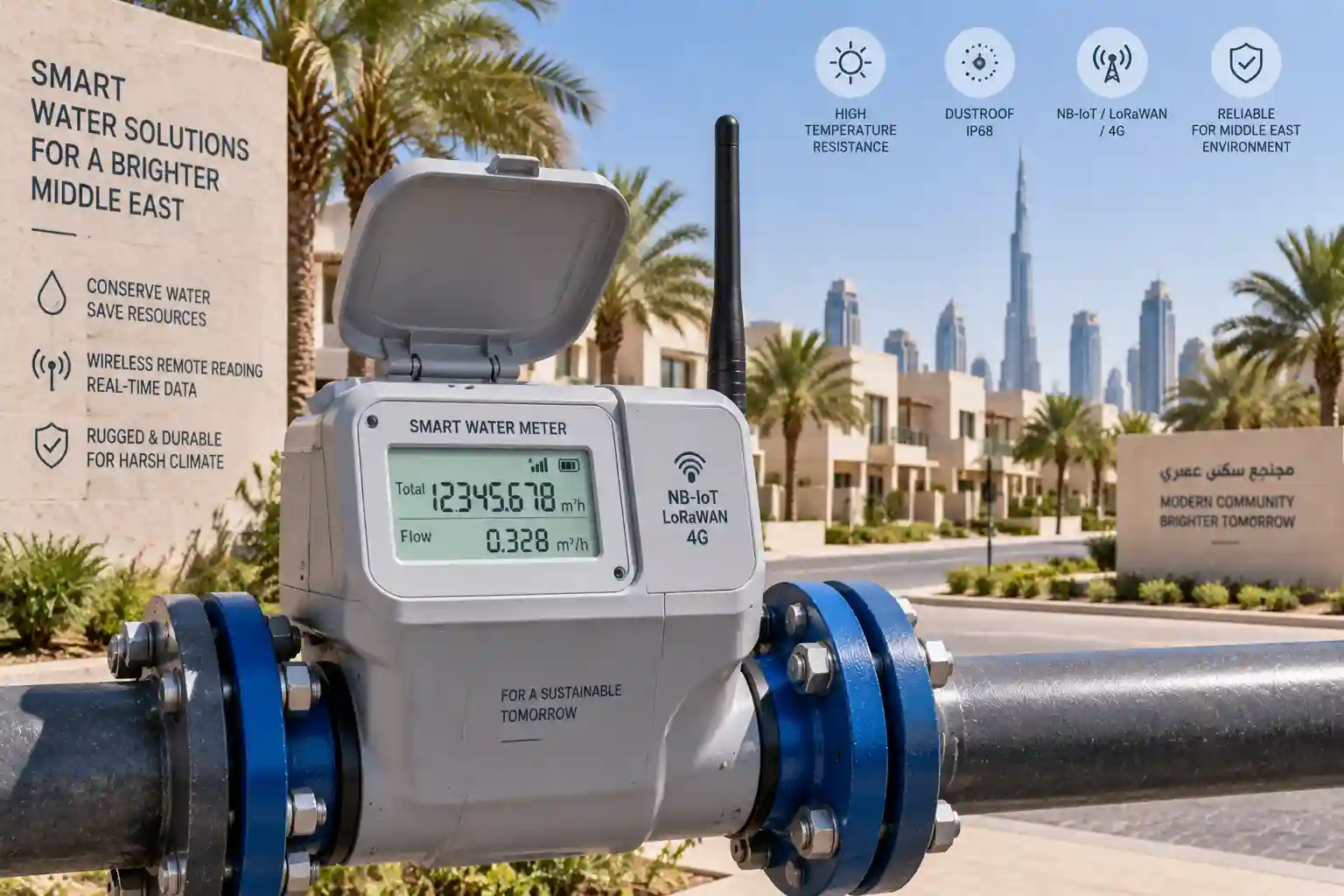


A LoRaWAN Water Meter records water use and sends readings through a low-power wide-area network. In Southeast Asia, the right setup depends on the meter, country frequency plan, gateway layout, platform connection, installation site, and RFQ data.
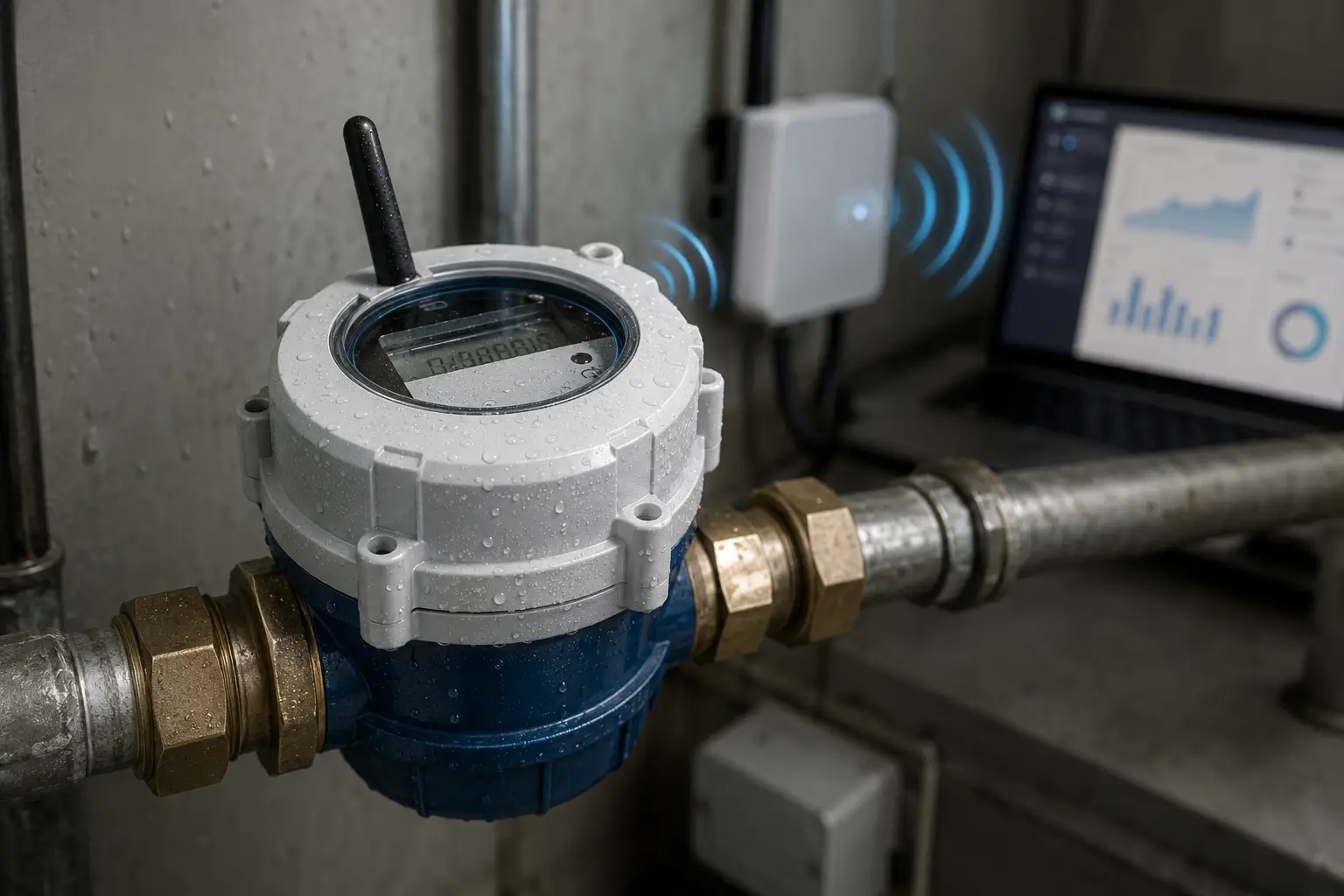
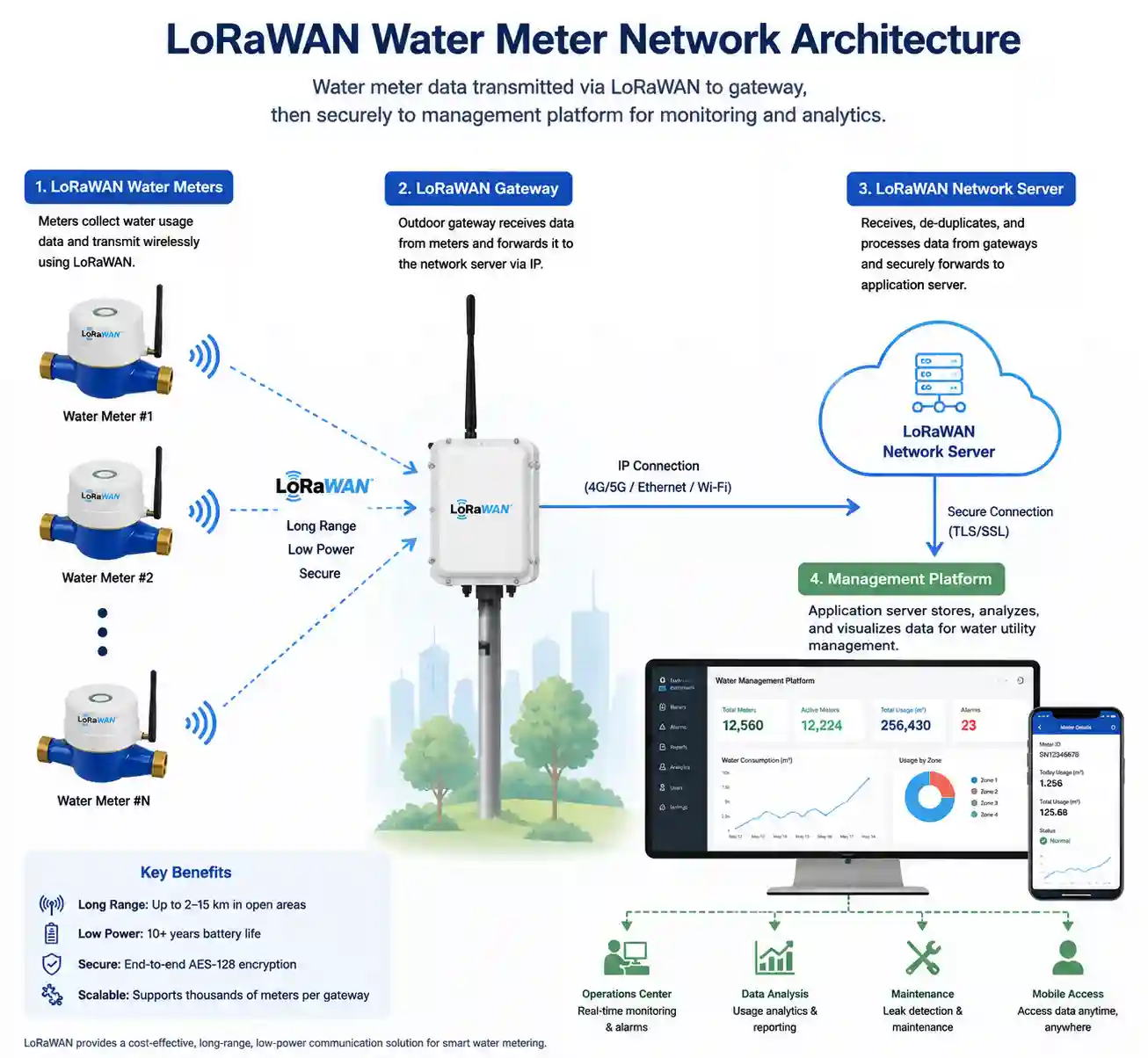
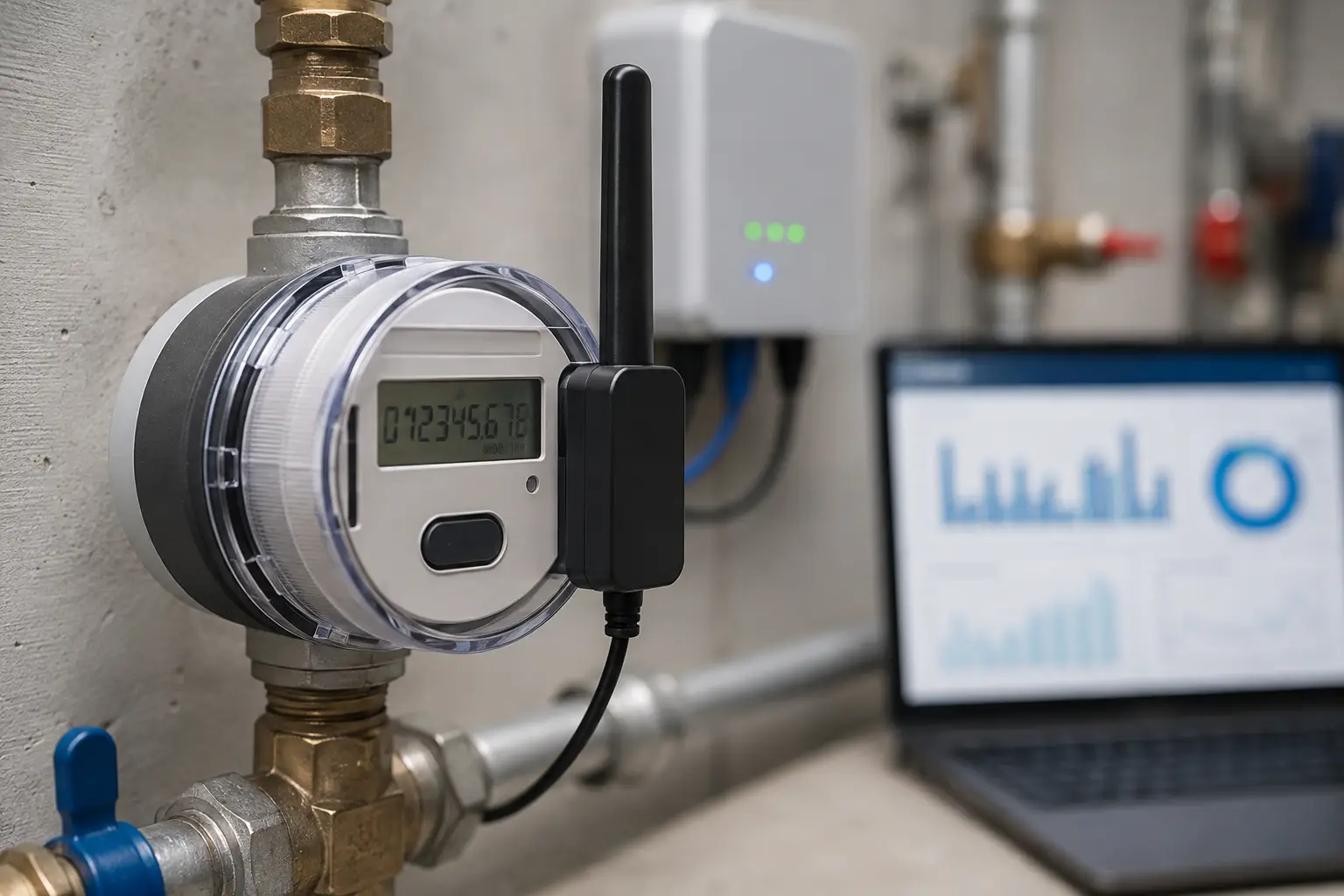
A LoRaWAN Water Meter combines the measuring body with a wireless communication unit. The meter records water consumption at the pipe. The communication unit sends readings through a LoRaWAN network to a system that can use the data for reading, billing, alarms, or maintenance.
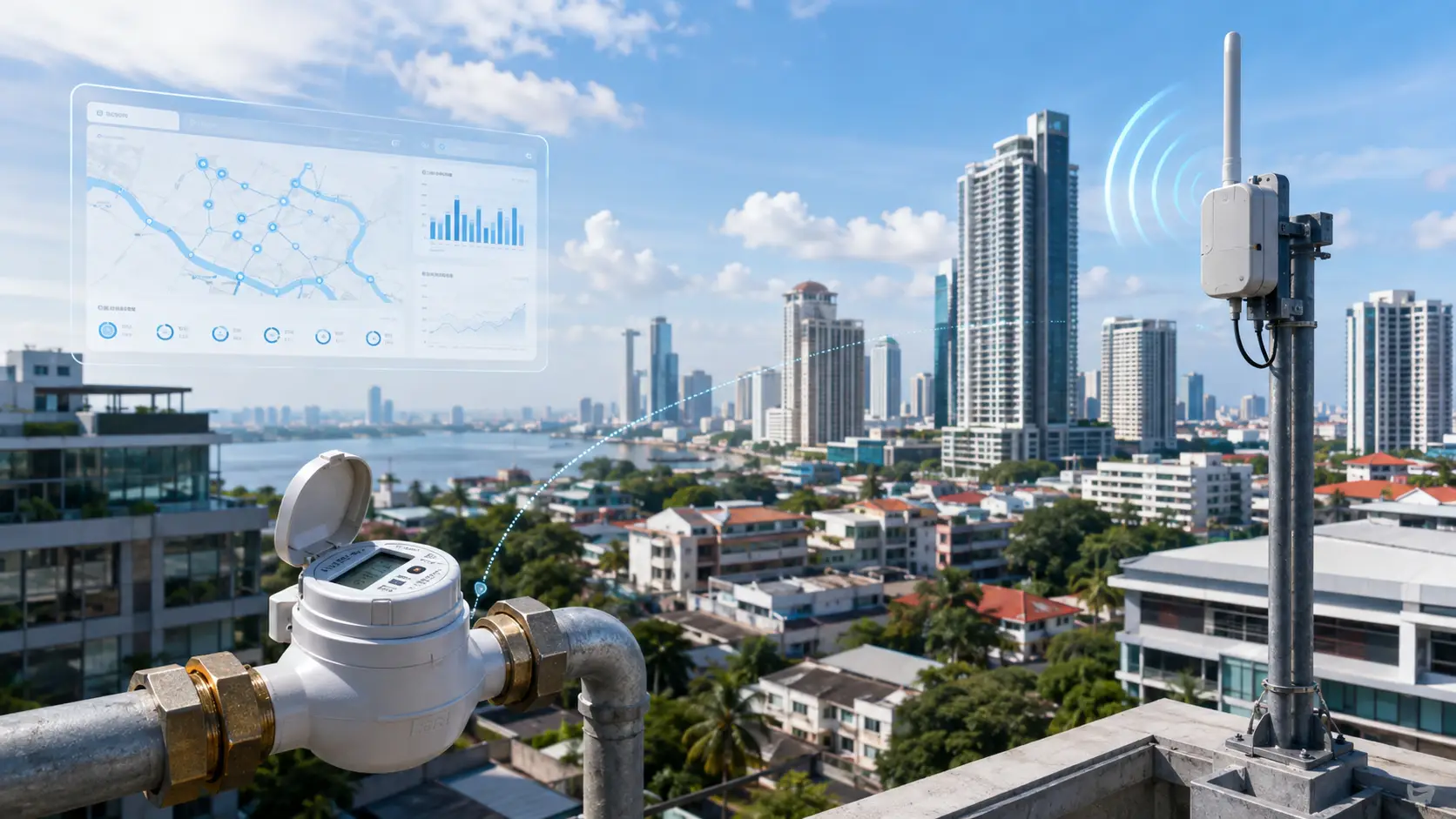
The field system has three layers. The meter sits at the pipe. A gateway receives packets from many meters in the area. A main station, billing platform, or data system receives the uploaded readings and turns them into project work.
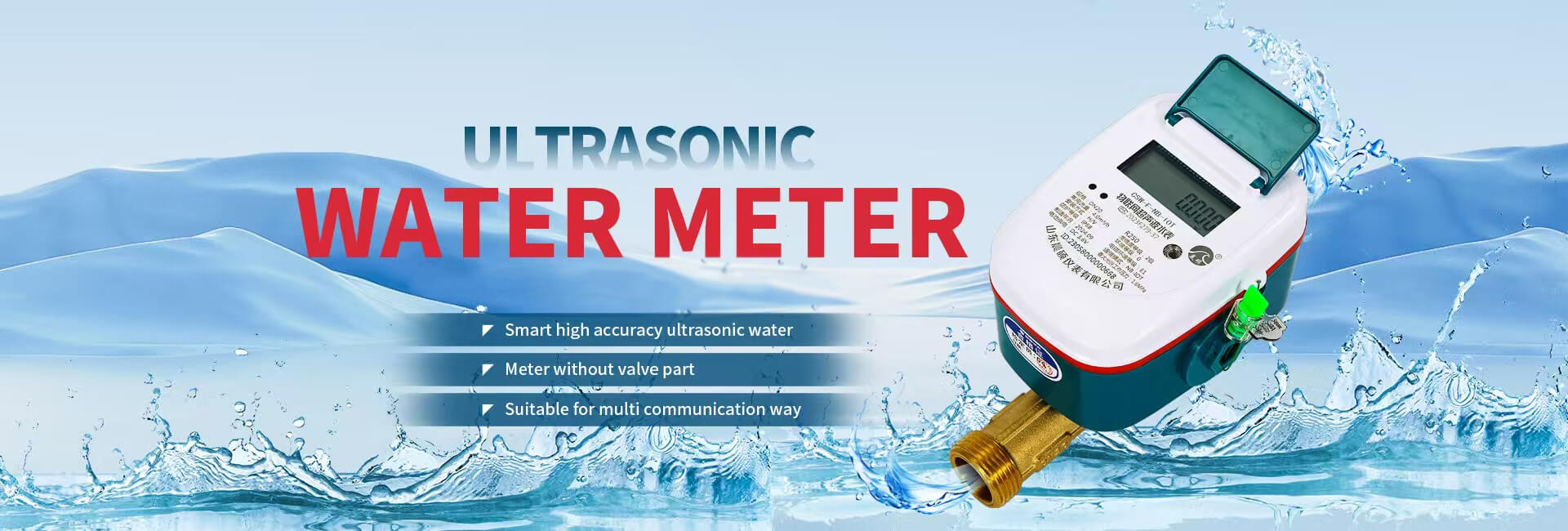
Chenshuo’s DN15 LoRaWAN product material describes wireless remote meter reading and data upload to a main station through GPRS/LoRaWAN communication. The same page describes the LXS-15~50 small-diameter LoRaWAN wireless remote water meter with a split design and an independent sealed electronic cavity.
That is the device view.
The project view is wider. A quote should cover the meter, gateway, communication plan, software connection, documents, pilot, and site commissioning. A meter-only price gives one part of the budget.
Southeast Asia is a regional market, but it is not one radio plan. A project in Singapore, Indonesia, Viet Nam, Malaysia, Thailand, or the Philippines can require a different frequency check and documentation path.
Frequency is the first boundary. LoRa Alliance regional-parameter material lists AS923 variants, including AS923-2 for Indonesia and Viet Nam and AS923-3 for the Philippines. Chenshuo’s DN15 LoRaWAN water meter page lists 470-510 MHz and 868-915 MHz as customizable ranges.
Put the destination country in the RFQ.
This avoids a common procurement mistake: selecting a meter model before confirming the approved local band, gateway plan, and platform route. The supplier can then configure the communication side against the country and project plan, while local approval or import documents remain separate items for confirmation.
Signal planning also belongs in this early step. Meter pits, basement rooms, concrete walls, metal covers, and high-rise shafts can change the result. Chenshuo lists a typical DN15 LoRaWAN communication distance of 1-6 km and states that distance varies by test environment. Use that figure as a product-page reference, then test representative sites before mass deployment.
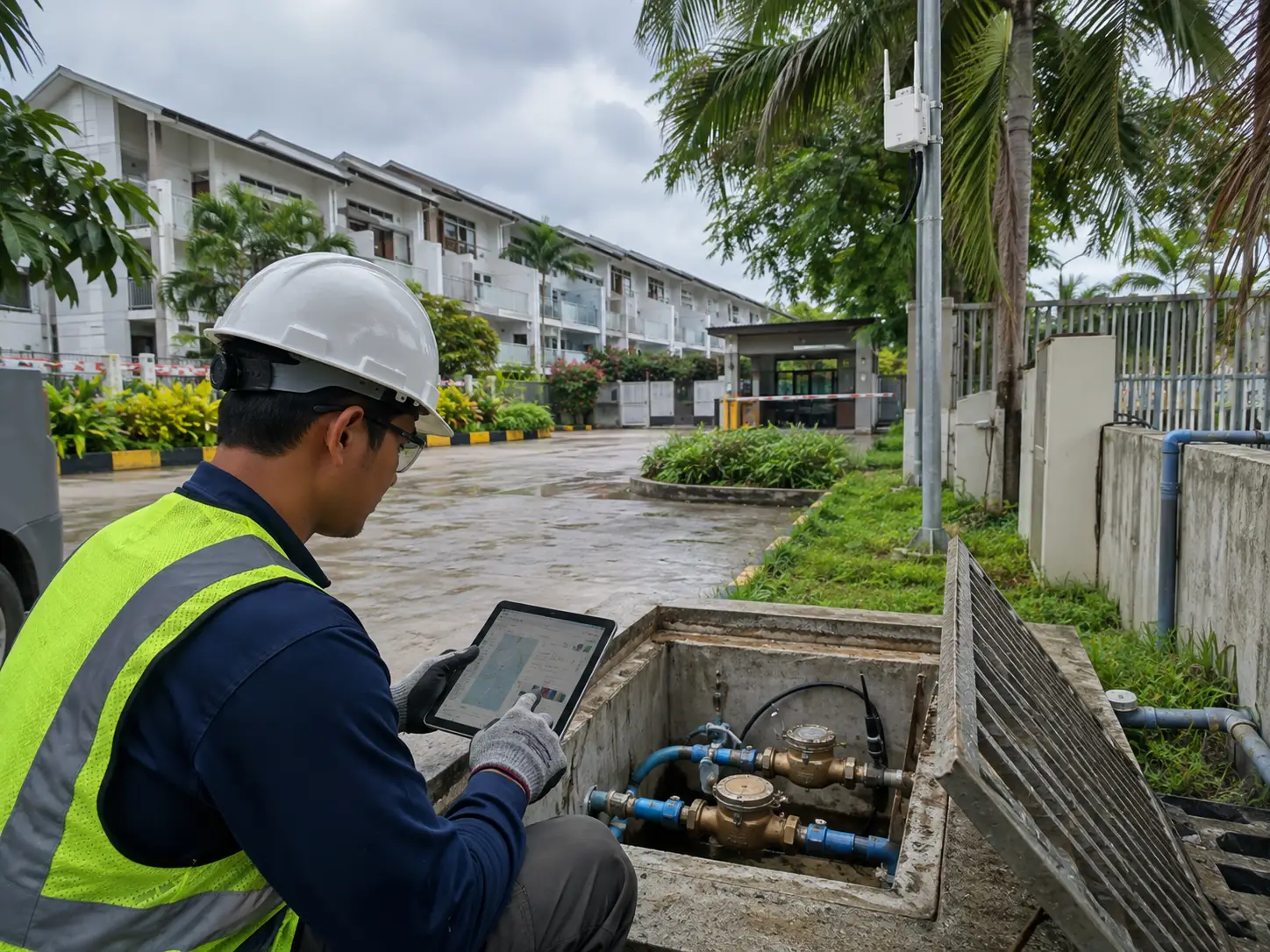
LoRaWAN fits projects where many meters need remote reading across a building, district, campus, or distributed network. The best use case is the one where field data can flow into a real billing or maintenance process.
| Scenario | Main Need | What to Confirm |
| Residential apartments | Batch remote reading | DN, meter location, gateway position |
| Commercial buildings | Tenant or zone metering | Valve need, reporting interval, billing process |
| Industrial parks and campuses | Multi-building water data | Gateway count, data route, maintenance access |
| Smart city water networks | Remote monitoring | Frequency plan, alarms, data ownership |
| Hard-to-read sites | Fewer manual visits | Signal test, antenna position, enclosure |
Residential and commercial buildings often start with reading efficiency. The buyer needs readings by unit, tenant, zone, or account. If billing includes prepayment, define the token workflow, valve policy, and recharge process before the product is quoted.
Campuses and industrial parks need a wider field map. Chenshuo’s case page lists water meter applications for remote monitoring such as smart city water supply network monitoring, campuses, industrial parks, leakage detection, and remote areas with difficult manual reading. For these projects, mark the hardest meter points first. A pilot at an easy meter location tells only part of the story.
Compare the meter as a configured device. The word LoRaWAN does not define the whole project.
Diameter, measuring structure, enclosure, battery plan, upload interval, valve control, and platform connection all change the offer. The table below turns product checks into RFQ fields.
| Specification Area | Why It Matters | Buyer Input |
| Diameter and meter type | Flow range and pipe fit | DN, pipe material, normal and peak flow |
| Protection and installation | Wet pits and outdoor exposure | IP rating, chamber condition, flooding risk |
| Power and reporting | Battery and data frequency | Upload interval, alarm rules, service period |
| Communication | Network match | Country, frequency plan, gateway type |
| Valve and STS options | Prepayment and control | Billing method, shutoff policy, token workflow |
Start with pipe size and expected flow. Chenshuo’s DN15 LoRaWAN water meter page describes the LXS-15~50 product as a small-diameter LoRaWAN wireless remote water meter using rotor dry or wet metering. The category also includes a LoRaWAN water meter range with DN15 and DN50 items.
Protection and power come next. Chenshuo’s product information states that the electronic unit uses an independent sealed cavity and reaches IP68 waterproof performance. XT815 material lists IP68 protection and a lithium-battery life of 6-10 years under that documented product scope.
Reporting interval is a business decision and a battery decision. State how often readings should upload, which alarms matter, and how long the service period should be. If the meter is installed in a wet pit, confirm antenna routing and maintenance access in the same discussion.
A useful RFQ gives the supplier enough context to quote one defined scope. Send the country, required or expected frequency band, meter quantity, DN list, pipe type, normal flow, peak flow, pressure, and installation environment.
Add photos when possible.
Meter pits, chambers, basements, risers, and outdoor boxes are practical details. They show flooding risk, antenna constraints, service access, and likely signal barriers. If the project spans more than one Southeast Asian country, separate the RFQ by country because frequency and approval needs can differ.
State where the data should go. Name the main station, platform, billing system, or integration owner. Define reading interval, alarm types, valve commands, data format, and commissioning acceptance. Ask for model confirmation, frequency configuration, gateway recommendation, product documents, test records, and a pilot plan.
Shandong Chenshuo Instrument Co., Ltd. supplies LoRaWAN water meter products for remote reading projects, including DN15 and DN50 category items. Its materials cover LXS-15~50 LoRaWAN remote water meters, IP68 protection, customizable frequency ranges, and XT815 smart prepaid meter configurations with STS token and valve functions under the documented product scopes.
For a Southeast Asia quotation, send the destination country, frequency requirement, DN list, quantity, installation photos, gateway or platform plan, valve or STS needs, and required documents. You can request a Southeast Asia LoRaWAN water meter quotation with pilot conditions so the first offer reflects the site.
Q1: Is a LoRaWAN Water Meter suitable for Southeast Asia?
A: Yes, when the country frequency, gateway layout, and installation site are confirmed. The practical answer depends on the destination country and field test plan. For wet pits or dense buildings, include representative meter locations in the pilot.
Q2: Which LoRaWAN frequency should a Southeast Asia buyer choose?
A: Choose the frequency plan approved for the destination country. LoRa Alliance regional-parameter material lists AS923 variants, including AS923-2 for Indonesia and Viet Nam and AS923-3 for the Philippines. Chenshuo’s DN15 product page lists 470-510 MHz and 868-915 MHz as customizable ranges, so send the country and required band before quotation.
Q3: What affects LoRaWAN water meter communication distance?
A: Chenshuo’s DN15 product page lists a typical communication distance of 1-6 km and states that test environment changes the distance. In a real site, meter pits, walls, metal covers, antenna position, gateway height, and nearby buildings can affect readings. A site survey or pilot gives a stronger basis than a catalogue range.
Q4: Can a LoRaWAN water meter support prepaid billing or valve control?
A: It can when the quoted configuration includes those functions. Chenshuo’s XT815 material supports STS IEC 62055 20-digit token top-up, low-balance alerts, valve shutoff for unpaid balance, and reopening after top-up. Tell the supplier whether the project needs prepaid billing, remote valve operation, or reading only.
Q5: What should be sent before requesting a quotation?
A: Send the country, frequency requirement, DN sizes, quantity, flow range, pressure, installation photos, gateway plan, platform connection, reading interval, valve or STS needs, and required documents. If the project is still early, mark unknown items clearly. The supplier can quote a pilot scope or list what must be confirmed before mass deployment.
 Address: Xiao'anzi Industrial Park, Baishabu Town, Lanshan District, Linyi City, Shandong Province
 Call us now:+86 15562945993
 Email:info@sdchenshuo.cn


Shandong Chenshuo Instrument Co., Ltd.