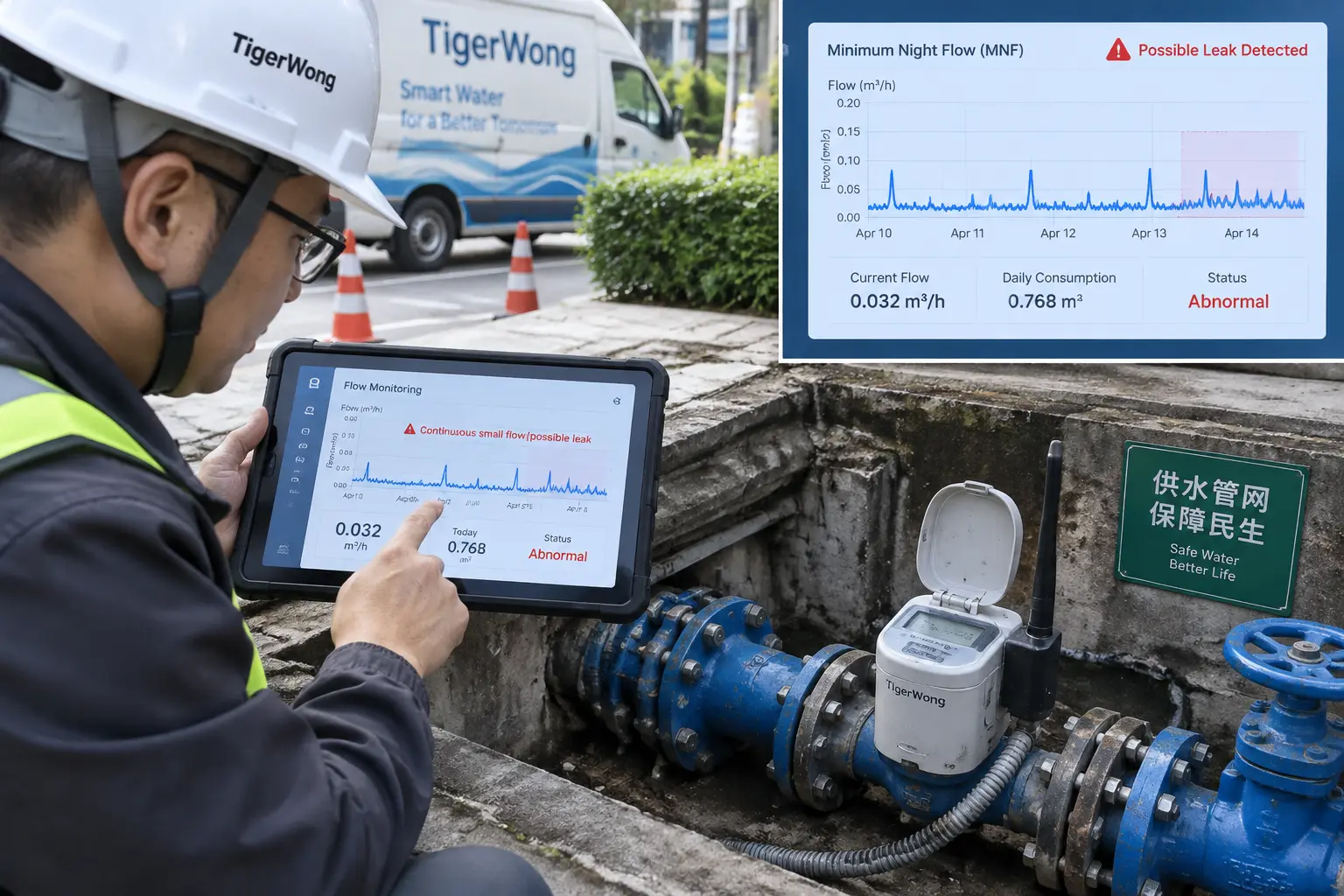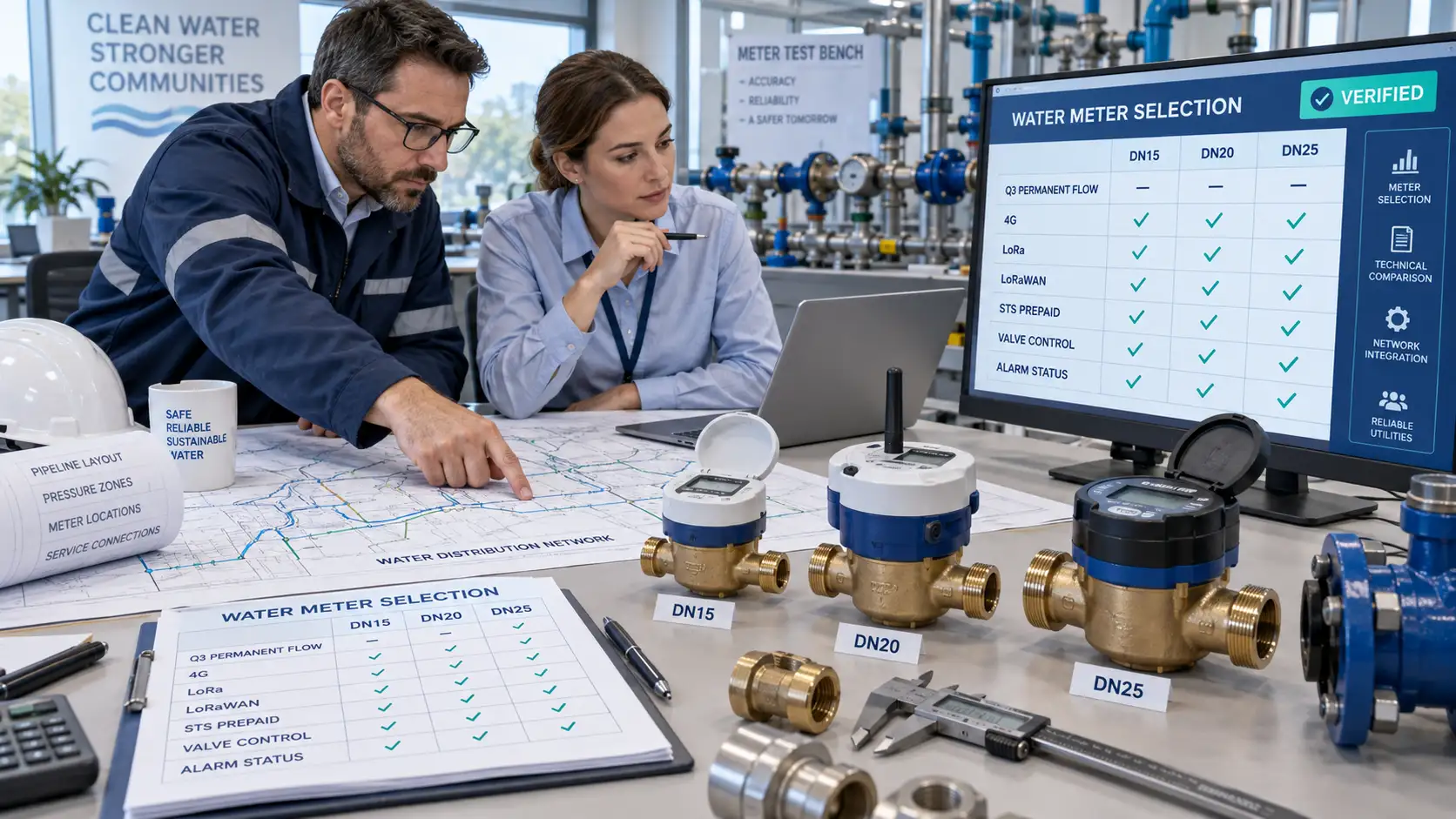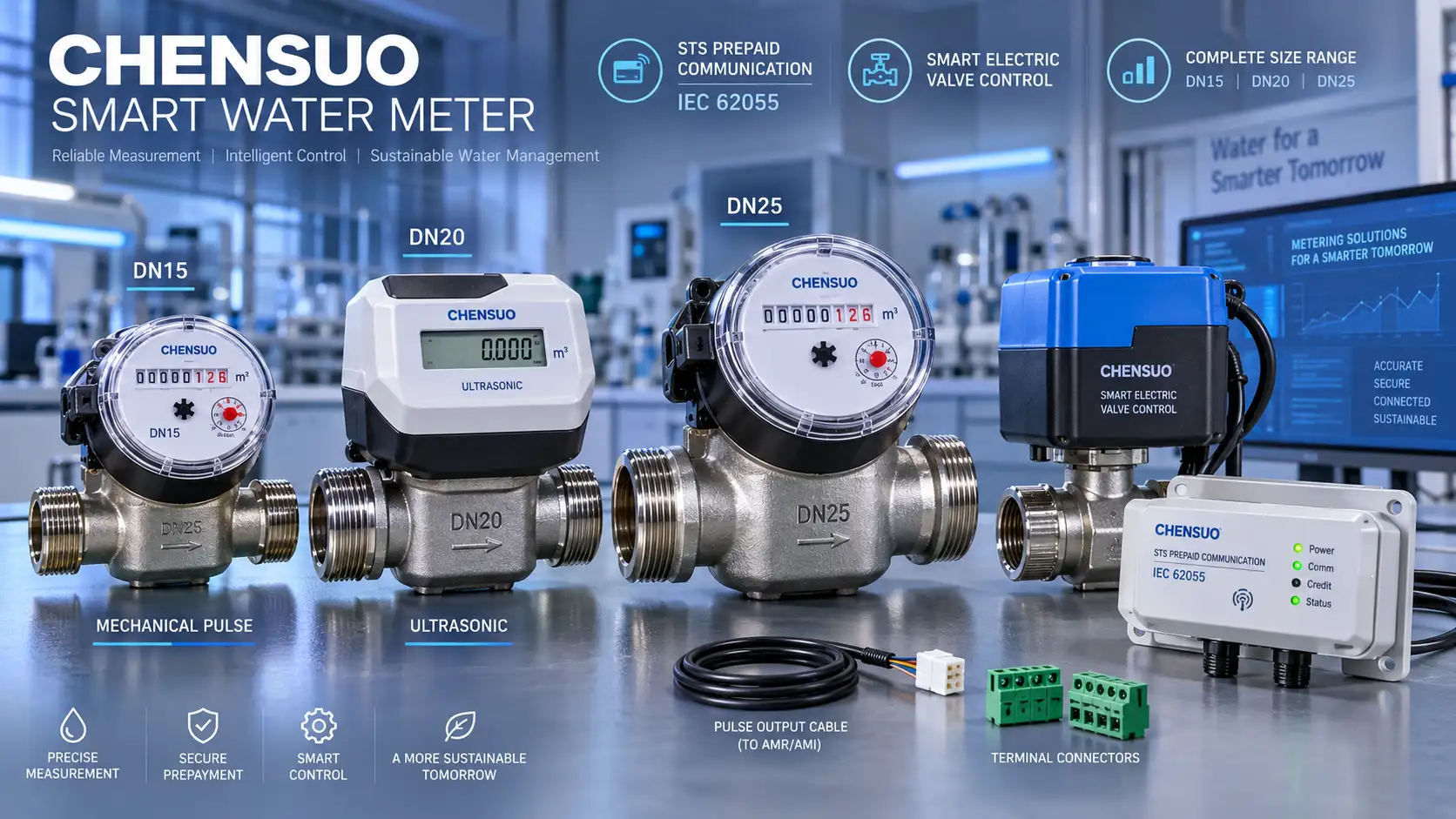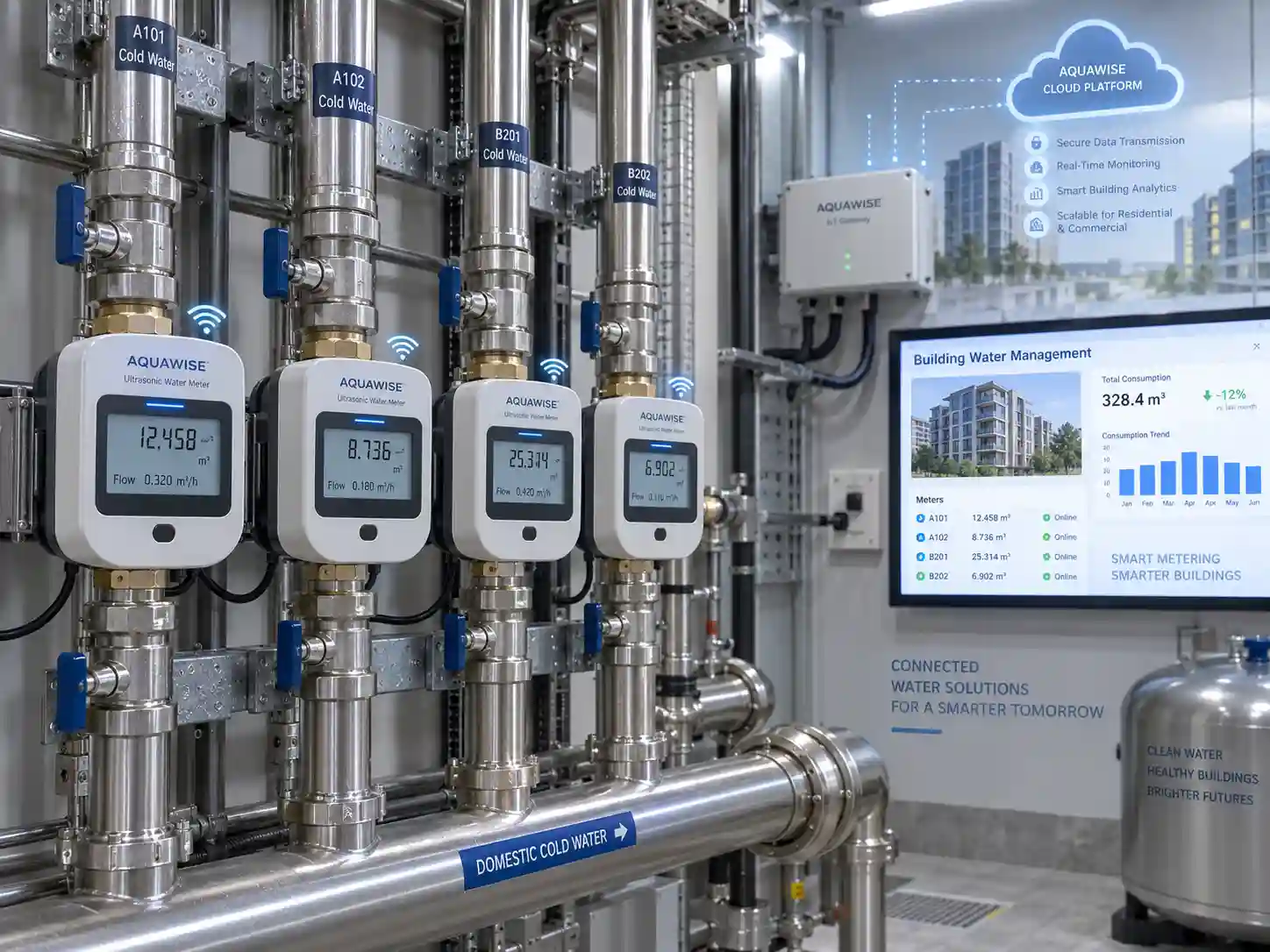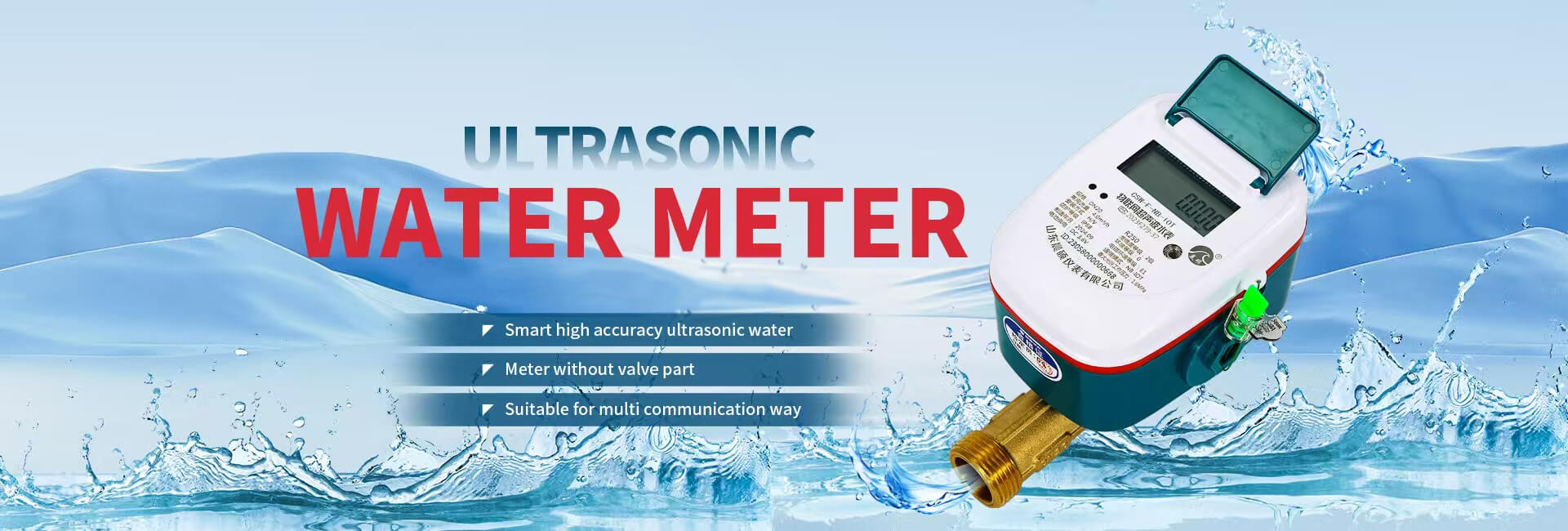


An Electromagnetic Water Meter & Flowmeter measures conductive-liquid velocity through electromagnetic induction. Municipal projects commonly use these instruments for water accounting and network monitoring, while industrial projects use them for process measurement and control. Selection depends on the liquid, flow range, materials, power, communications, and installation conditions.
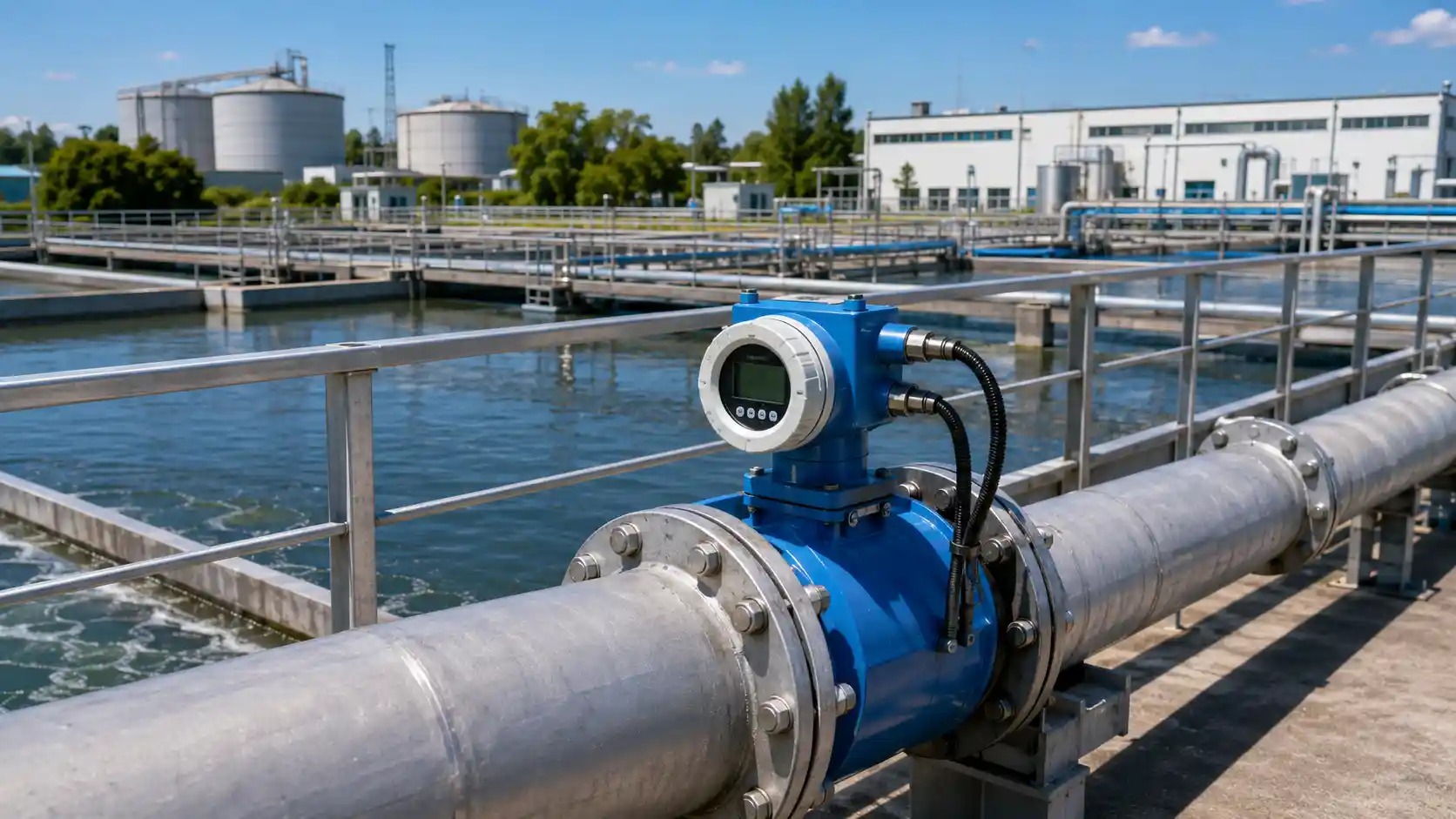
Both instruments apply the same physical principle. A measuring tube, magnetic field, electrodes, and converter turn liquid movement into flow data.
Coils generate a magnetic field across the measuring tube. Conductive liquid moving through that field creates an induced voltage at two electrodes. The converter processes this velocity signal into volumetric flow, display values, outputs, and digital data according to the configured model. The open measuring tube produces little hydraulic restriction; its lining and electrodes must suit the liquid chemistry.
The liquid must fill the tube and meet the meter’s conductivity limit. Chenshuo series material specifies above 5 microSiemens/cm. Water, wastewater, conductive chemicals, mud, ore slurry, and pulp can qualify with compatible lining and electrodes. Gas, steam, petroleum products, organic solvents, and very-low-conductivity liquids require another principle. Submit composition, concentration, temperature, solids, conductivity, and expected air content for selection.
The product names describe application and operating priorities. An electromagnetic water meter supports water-volume accounting and distribution management. An industrial electromagnetic flowmeter supports continuous process measurement and control for a broader range of conductive liquids.
| Decision Field | Electromagnetic Water Meter | Electromagnetic Flowmeter |
| Primary role | Water consumption, district metering, network monitoring | Process flow measurement, control, and totalization |
| Typical media | Raw water, treated water, distribution water | Water, wastewater, conductive chemicals, slurries, pulp |
| Operating focus | Low-power operation, accumulated volume, remote reading | Material compatibility, process signals, response, control integration |
| Common power | Internal battery or project-defined supply | Mains or DC supply; remote or integrated converter options |
| Irrigation and water-resource network | Distribution volume and operating status | Pipe size, hydraulic range, power, enclosure, remote data |
This category serves water accounting, district metering, distribution monitoring, and remote utility data. Chenshuo’s DN40 and DN50 configuration specifies R400, Class 2, T50, 1.6 MPa, 3.6 V lithium power, and RS485. Listed Q3 values are 25 m3/h for DN40 and 40 m3/h for DN50. Confirm the quoted model and destination documents when reviewing electromagnetic water meter options.
Industrial flowmeters provide selected liners, electrodes, control outputs, and converter arrangements. Chenshuo series material covers DN3-DN3000, integrated or remote configurations, and optional Modbus-RS485, HART, GPRS, or PROFIBUS. The quotation should identify the exact sensor, converter, power, output, and protocol.
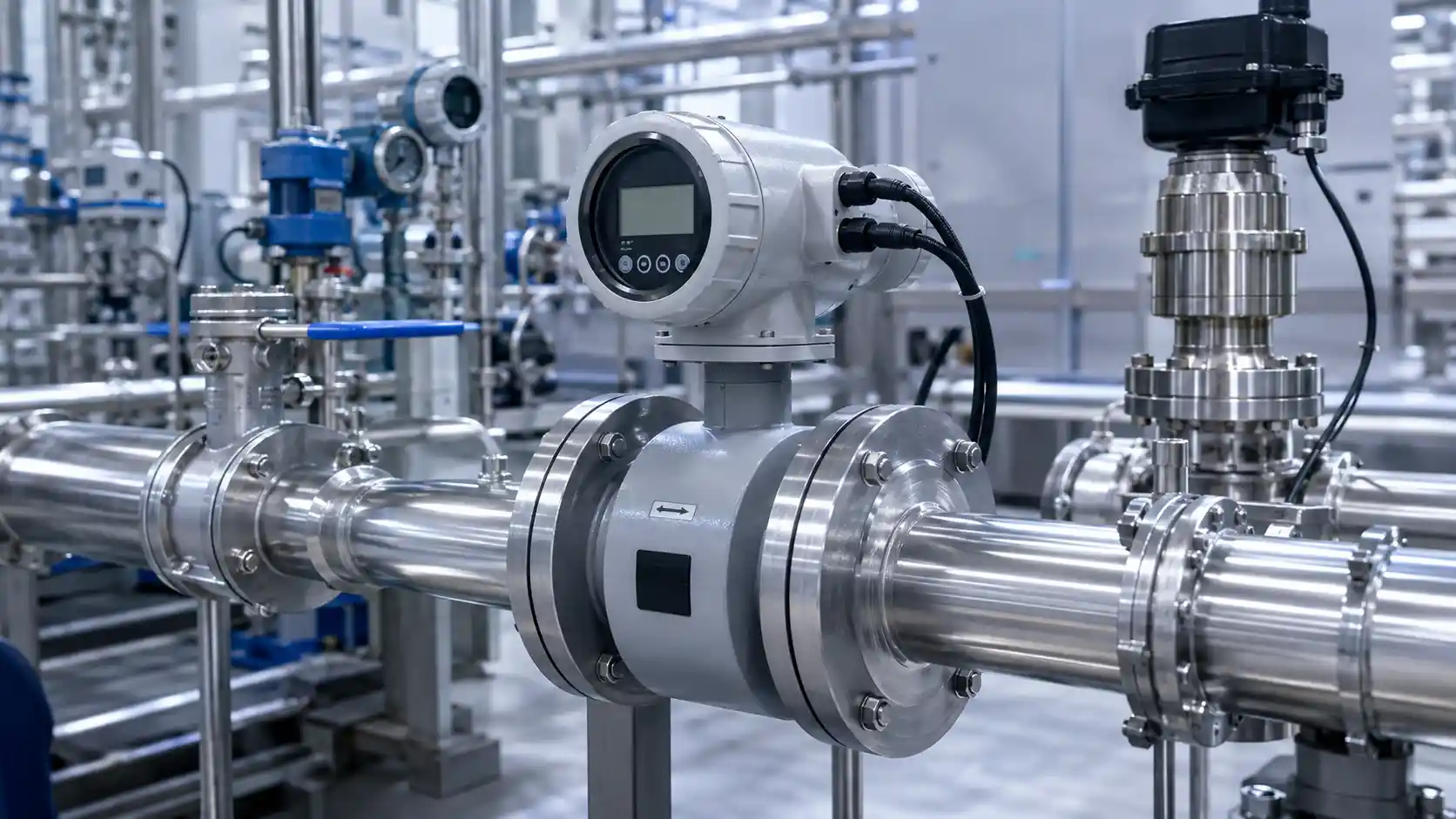
Application fit begins with the liquid and operating objective. The following matrix connects common municipal and industrial duties with the first specifications to define.
| Application | Measurement Objective | Key Inputs |
| Municipal trunk main or district | Total volume, network balance, remote monitoring | DN, minimum and peak flow, pressure, power, data interval |
| Water or wastewater treatment | Process flow, dosing balance, discharge records | Conductivity, solids, chemicals, lining, electrodes, outputs |
| Industrial cooling or circulating water | Process monitoring and control | Temperature, flow range, pressure, control signal, communications |
| Chemical, slurry, or pulp line | Conductive-medium flow under material exposure | Composition, concentration, solids, abrasion, lining, electrodes |
| Irrigation and water-resource network | Distribution volume and operating status | Pipe size, hydraulic range, power, enclosure, remote data |
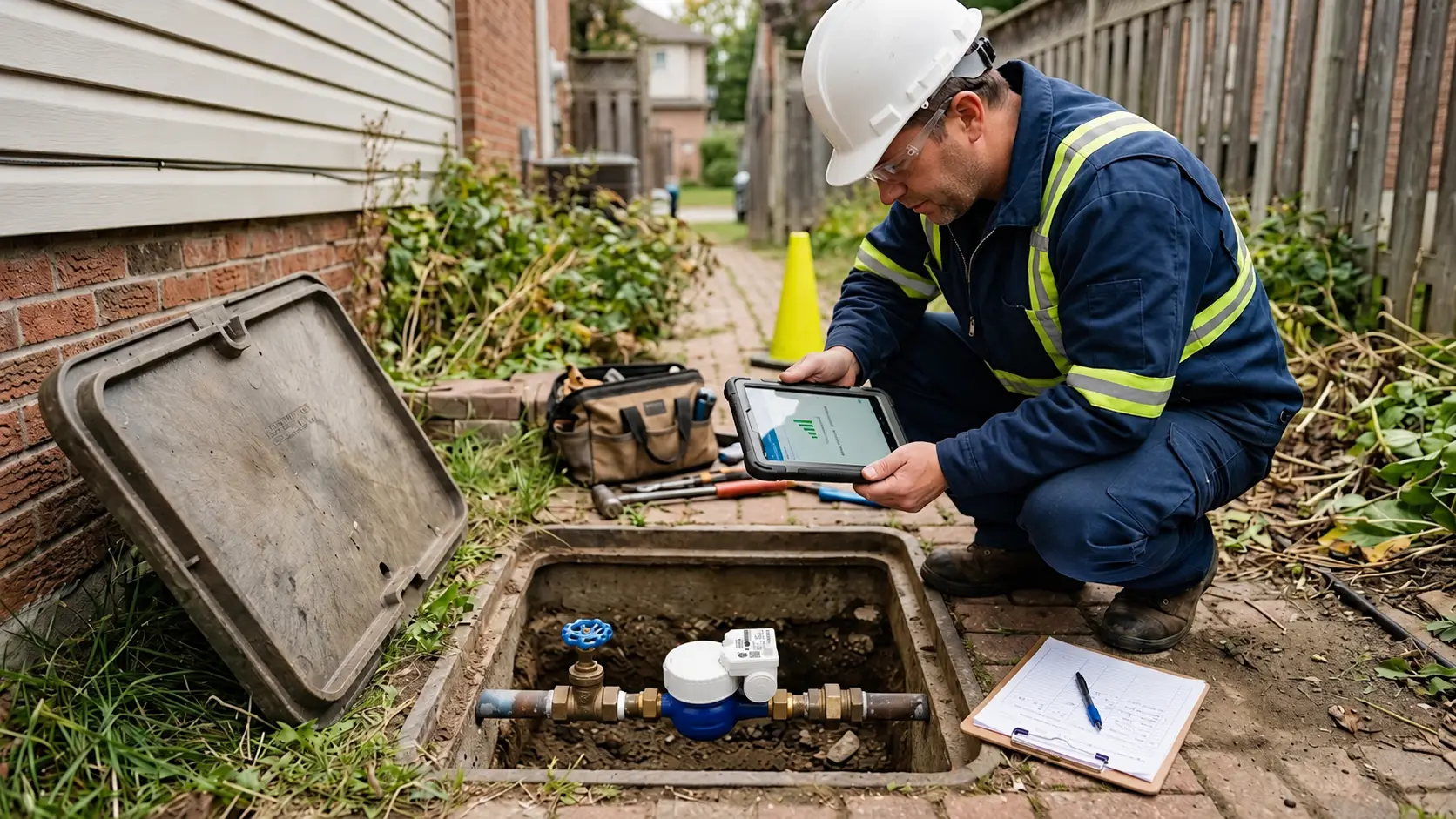
Municipal projects use meters at treatment outlets, trunk mains, district boundaries, distribution branches, and irrigation networks. Define minimum, normal, and peak flow; pressure; power; chamber conditions; data collection; and local metrology requirements. Reporting intervals and communications affect a battery-powered meter’s energy budget.
Wastewater and effluent may contain solids, chemicals, or changing conductivity. Match these conditions to the liner and electrodes, then locate the sensor in a full pipe away from trapped air. Review industrial electromagnetic flowmeters by diameter, converter arrangement, and signal requirements.
Industrial duties include process water, cooling water, conductive acids and alkalis, mud, ore slurry, and pulp. Submit composition, concentration, temperature, solids, and abrasion so the supplier can select lining and electrodes.
A controlled data sheet creates one basis for model selection and quotation comparison.
Provide DN, flange rating, minimum, normal, and maximum flow, pressure, and temperature. Select diameter from the usable flow range. Oversizing can place normal flow near the lower limit; undersizing raises velocity. Chenshuo series conditions list sensor ambient temperature from -25 to 60 degrees C, converter ambient temperature from -10 to 60 degrees C, and a 70 degrees C integrated-configuration fluid limit. Confirm the quoted model and liner.
The liner provides electrical isolation and chemical protection; electrodes contact the liquid. Submit conductivity, composition, concentration, temperature, solids, and abrasion. The supplier should state materials, compatibility basis, and operating limits.
Define power, battery expectations, display, instantaneous and total flow, 4-20 mA, pulse or frequency output, alarms, and required digital interface. Identify the receiving PLC, SCADA, telemetry unit, or meter-reading platform. Include the protocol, register map, wiring, baud rate, data format, and commissioning owner.
Installation geometry and electrical reference shape the quality of the measured signal. Use the manual for the quoted sensor and converter.
Install the sensor in a full pipe. A rising vertical section can move air and reduce sediment. Position electrodes away from trapped bubbles or settled solids, ground the liquid correctly, and separate signal wiring from electrical interference. Straight-run requirements vary by model and disturbance. Chenshuo material includes a 5D upstream and 3D downstream example; use the quoted model’s manual around elbows, pumps, valves, and reducers.
An integrated converter mounts electronics on the sensor. A remote converter uses a signal cable for protected or accessible placement. Choose from flooding, vibration, temperature, readability, access, cable length, and enclosure requirements.
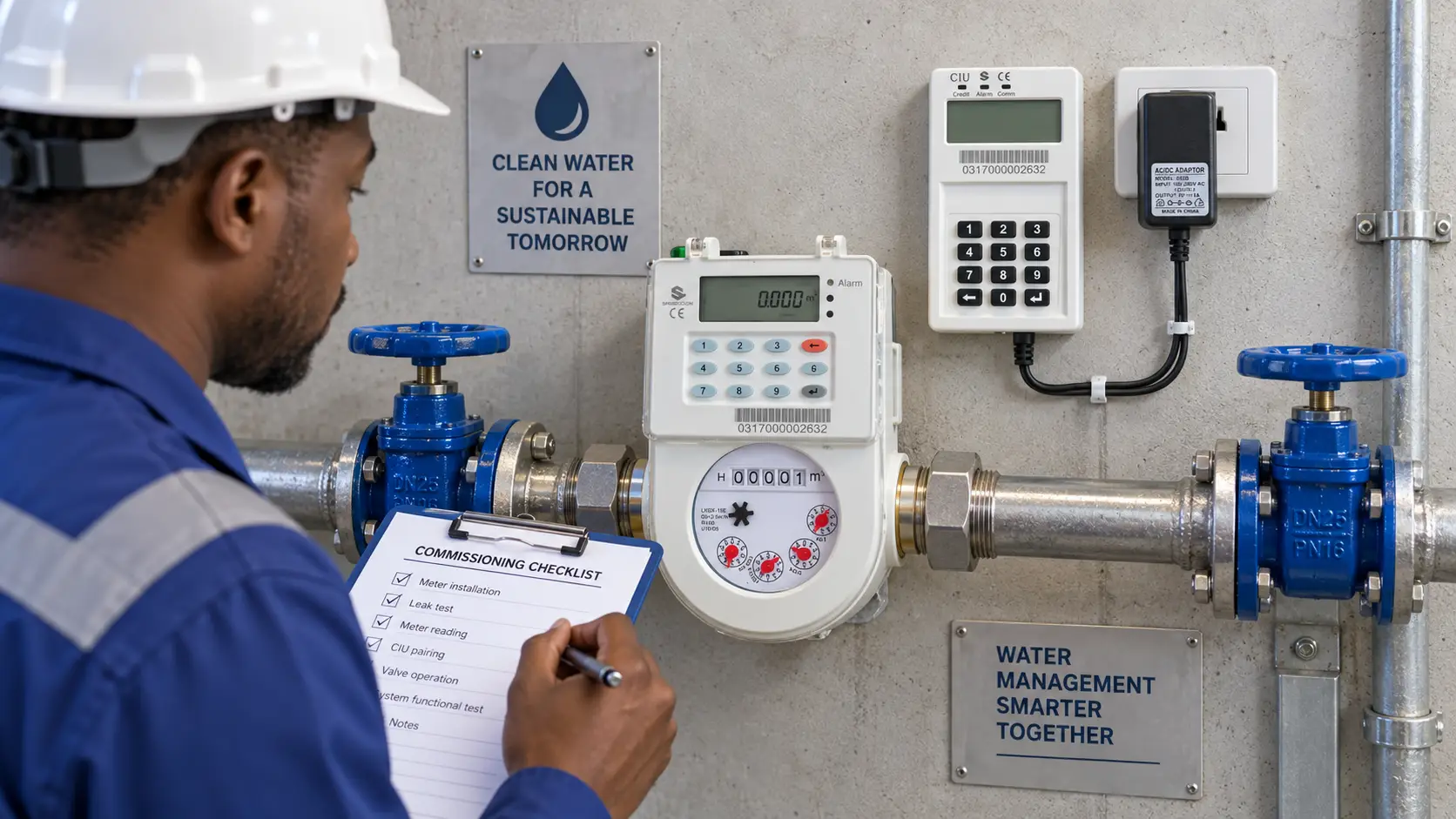
Commissioning should verify pipe fullness, grounding, direction, zero behavior, flow, totalization, outputs, communications, and alarms. Record the configuration and results. Maintenance can cover electrodes, grounding, empty-pipe diagnostics, cables, and data trends under project and water meter manufacturing and quality control requirements.
An Electromagnetic Water Meter & Flowmeter RFQ should identify the application, liquid, conductivity, solids, DN, flow range, pressure, temperature, materials, installation, converter, power, outputs, communications, enclosure, quantity, destination, and delivery term. Request model drawings, test records, protocol documents, and destination approvals so suppliers quote one technical scope.
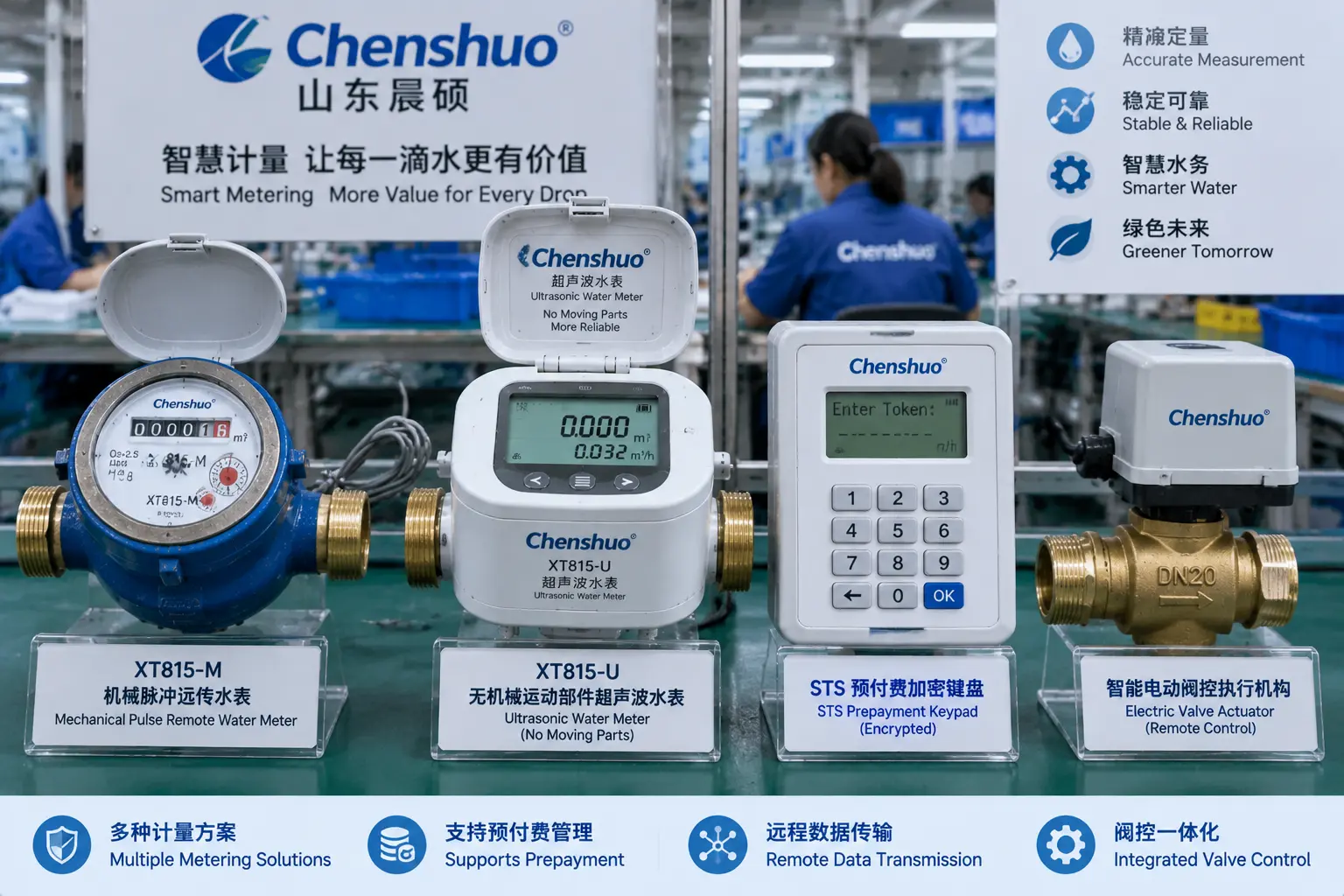
Shandong Chenshuo Instrument Co., Ltd. develops and manufactures water-meter and flow-measurement products. Its official categories list the LXE-100 electromagnetic water meter and DN15, DN50, DN100, and DN300 electromagnetic flowmeters.
To request an electromagnetic meter quotation, submit the medium, conductivity, DN, flow range, pressure, temperature, materials, power, signals, communication, installation, destination, quantity, and documents. Chenshuo can use these inputs to define a configuration and quotation scope.
Q1: What Is the Difference Between an Electromagnetic Water Meter and an Electromagnetic Flowmeter?
A: Both use electromagnetic induction for conductive-liquid flow. A water meter supports volume accounting and utility networks; an industrial flowmeter provides process-oriented material, signal, power, and converter choices.
Q2: Which Liquids Can an Electromagnetic Water Meter or Flowmeter Measure?
A: It measures liquids that meet the configured conductivity limit. Water, wastewater, conductive chemicals, and some slurries can qualify. Gas, steam, oil, organic solvents, and very-low-conductivity liquids require another principle.
Q3: Does an Electromagnetic Flowmeter Require a Full Pipe?
A: Yes, standard full-bore electromagnetic flowmeters require the measuring tube to remain full. Air pockets or an empty tube can interrupt the electrode signal and create unstable or zero readings.
Q4: How Do You Size an Electromagnetic Water Meter or Flowmeter?
A: Size it from minimum, normal, and maximum flow together with DN, velocity, pressure, and hydraulic conditions. Keep normal operation inside the quoted model’s usable range.
Q5: What Information Should You Send for an Electromagnetic Meter Quotation?
A: Send the liquid, conductivity, composition, temperature, pressure, solids, DN, flow range, liner and electrode needs, power, outputs, communication, installation, quantity, destination, approvals, and delivery term. The supplier can then define one traceable configuration.
 Address: Xiao'anzi Industrial Park, Baishabu Town, Lanshan District, Linyi City, Shandong Province
 Call us now:+86 15562945993
 Email:info@sdchenshuo.cn


Shandong Chenshuo Instrument Co., Ltd.