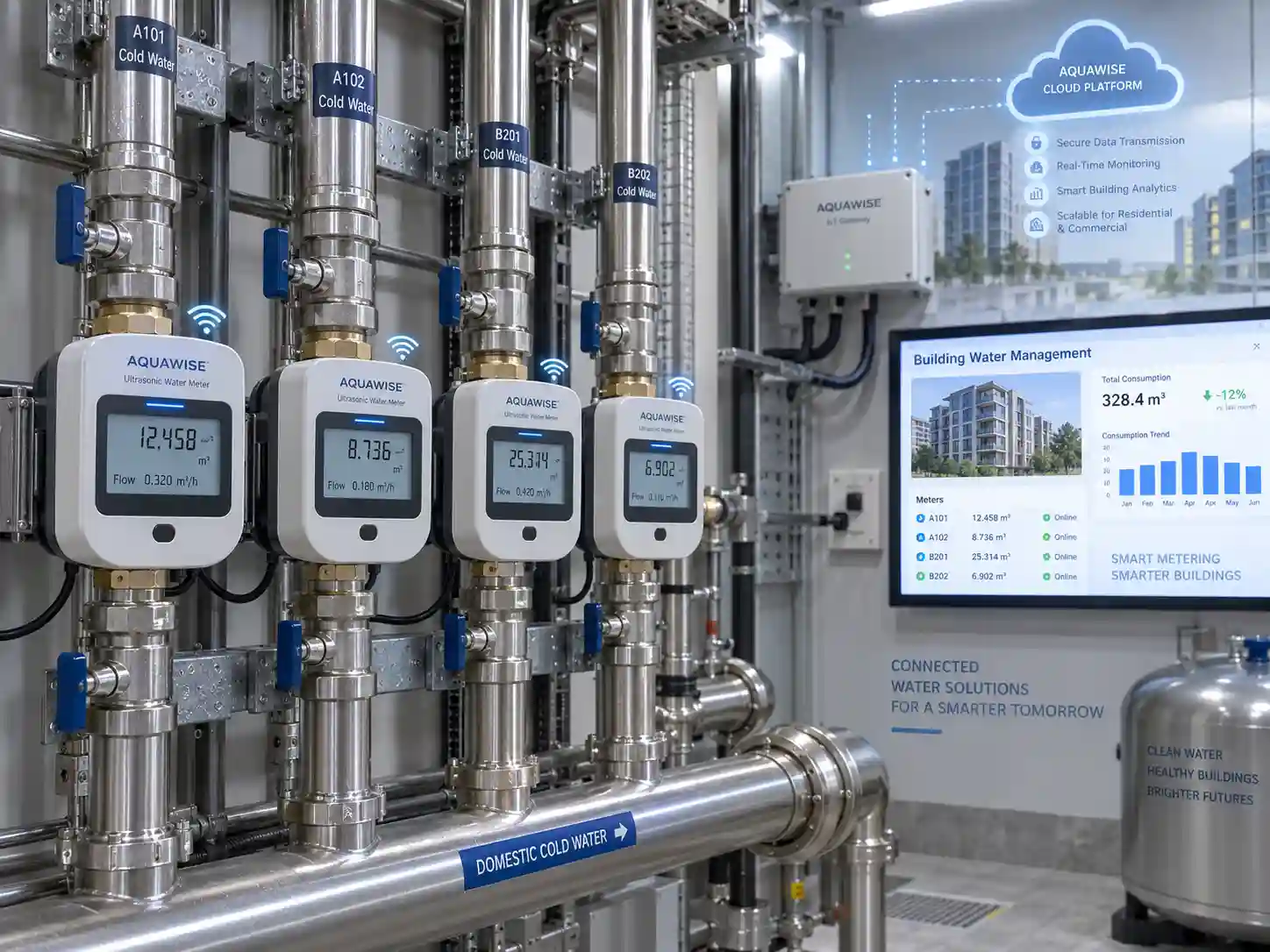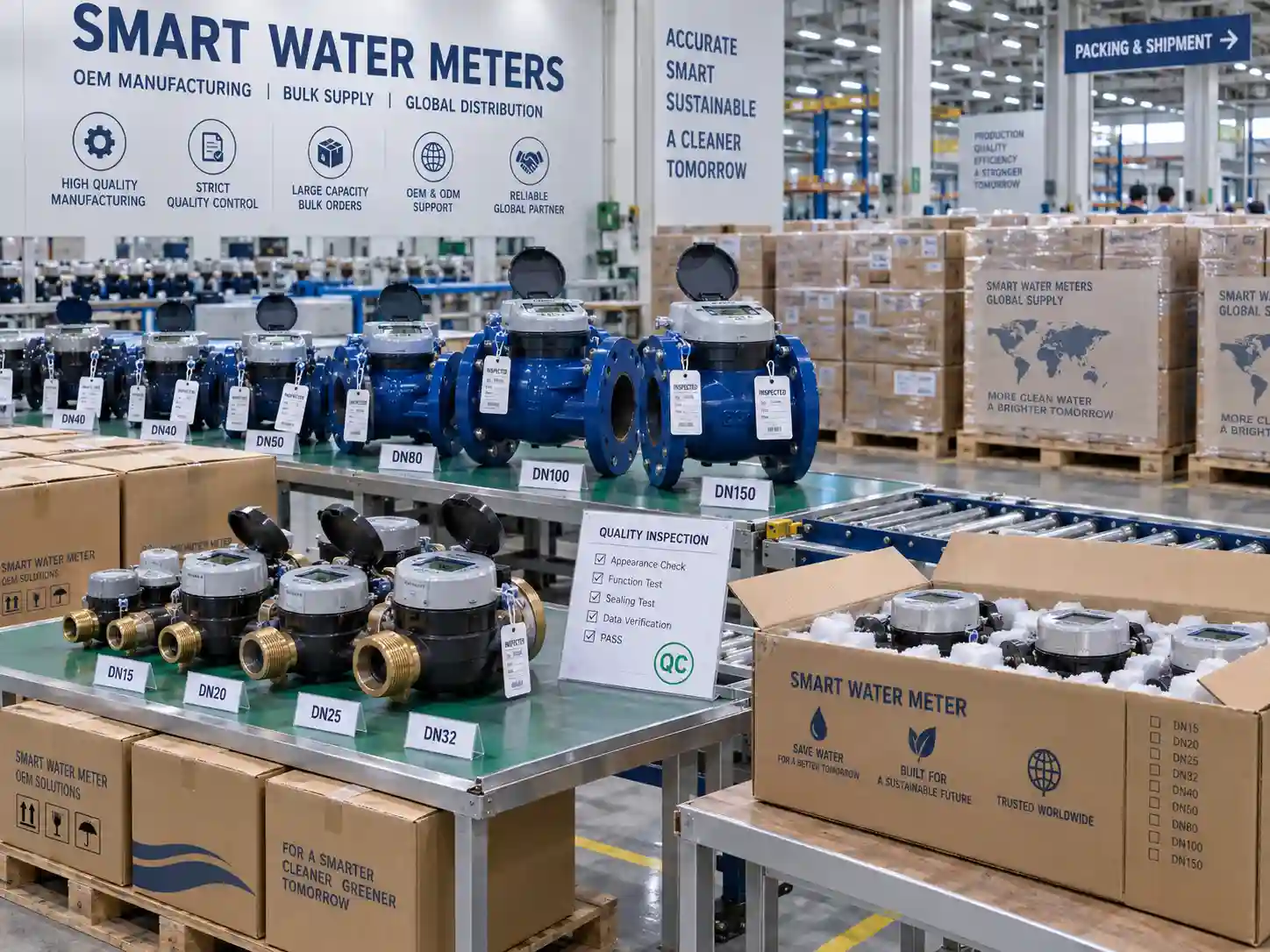


Water scarcity has become a common challenge for utility managers around the world. Accurate measurements are essential to prevent losses in money and resources. If you need a reliable partner who understands the technical details of the industry, Chenshuo is a strong choice. Located in Linyi, known as the “Hometown of Water Meters” in China, the company operates a large facility with an annual output of one million units. They do more than just supply products; they manage everything from research and development to OEM services while emphasizing ISO 9001/14001 standards. Their manufacturing site in Yihe New District combines advanced flow monitoring with organized workshops to maintain steady quality. When you reach out via their contact page, it becomes clear that they prioritize practical solutions for water management issues through digital upgrades.
Traditional mechanical meters served well for many years, yet current demands have surpassed their capabilities. The move to smart water systems arose because the weaknesses in old methods grew too significant to overlook. Errors from manual processes and constraints in testing setups frequently result in unreliable data.
Manual meter reading takes a lot of time and invites mistakes. For instance, one incorrect digit in a test can spoil the entire set of results. Moreover, fatigue sets in during extended shifts at testing stations, which leads to oversights that boost non-revenue water (NRW) levels down the line.
Changes in water pressure during calibration introduce unwanted variations. Without a steady flow source in the testing setup, the meter produces readings that fail in actual pipe systems. Therefore, stable conditions are crucial to obtain dependable outcomes.
Inexpensive parts inside the meter degrade quickly over time. A device may pass a basic factory check but break down after several months due to the rotor or sensor housing not enduring friction or the water’s chemical makeup. As a result, selecting durable materials is key to sustained performance.
An effective quality control (QC) system goes beyond simple verification. It involves multiple layers that begin with raw materials and continue until data reaches the cloud. The aim is to achieve reliable consistency throughout.
Complying with ISO standards means more than displaying a certificate. It ensures that each assembly step is recorded and can be repeated. In advanced manufacturing, a controlled setting helps prevent external factors from affecting the delicate electronics.
Automation eliminates human-related issues in testing. These benches follow programmed sequences to evaluate the meter at low, intermediate, and high flow rates. Consequently, they detect flaws that manual inspections often overlook.
Smart meters combine mechanical and electronic elements, so testing must address both. The mechanical rotor’s operation gets checked separately, just as the electronic module’s signal quality does. After these individual assessments, the components integrate into the final unit.
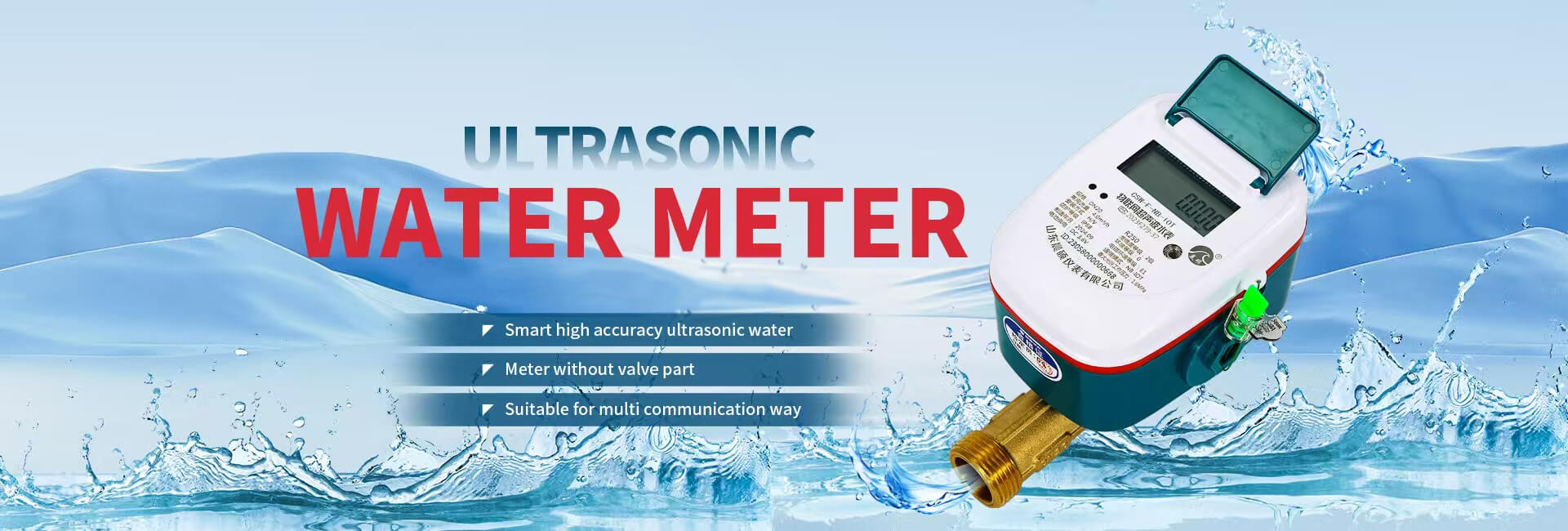
Various meter technologies demand tailored testing approaches. You cannot use the same method for an ultrasonic meter as for a mechanical one with pulse output. The underlying principles of measurement differ greatly between them.
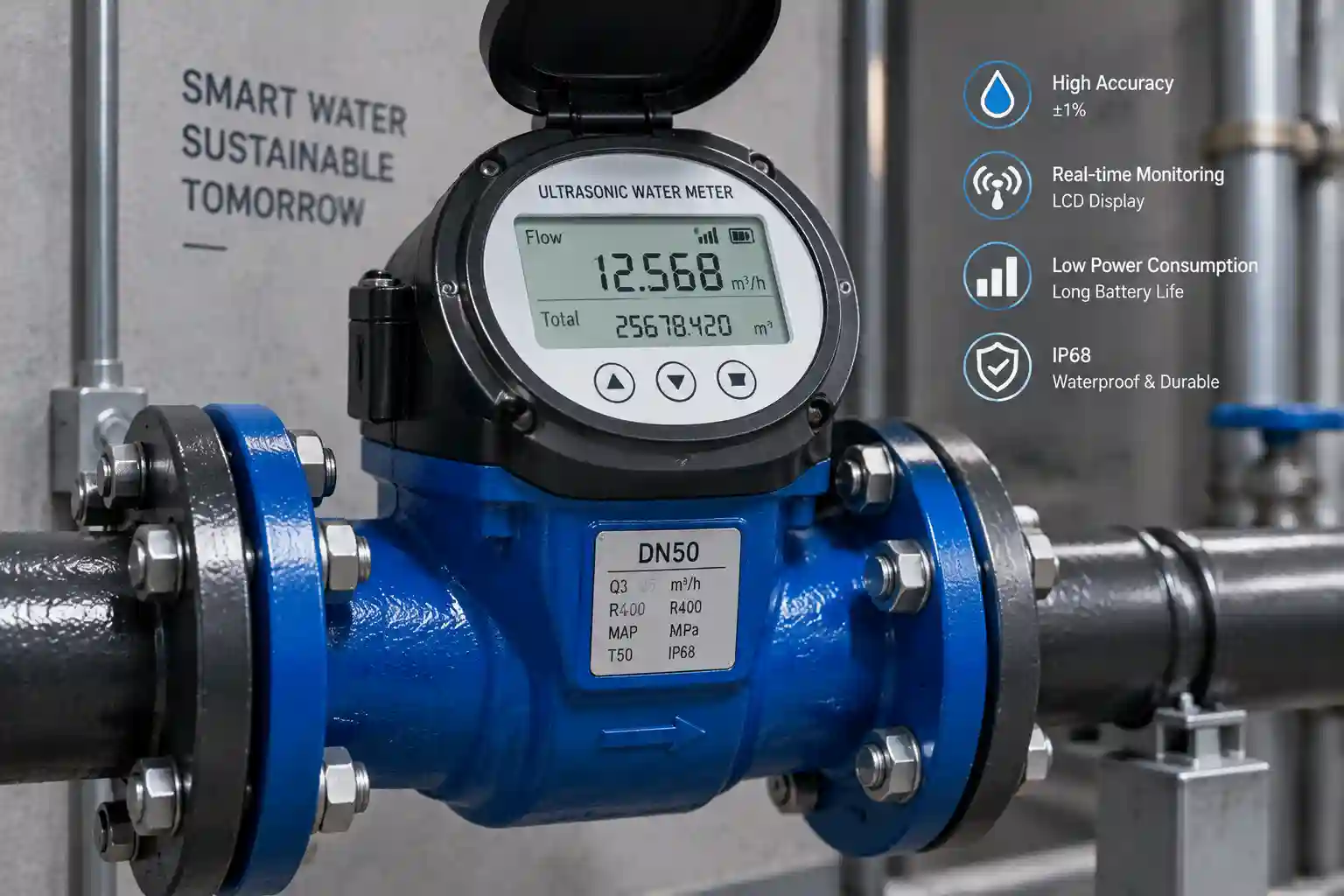
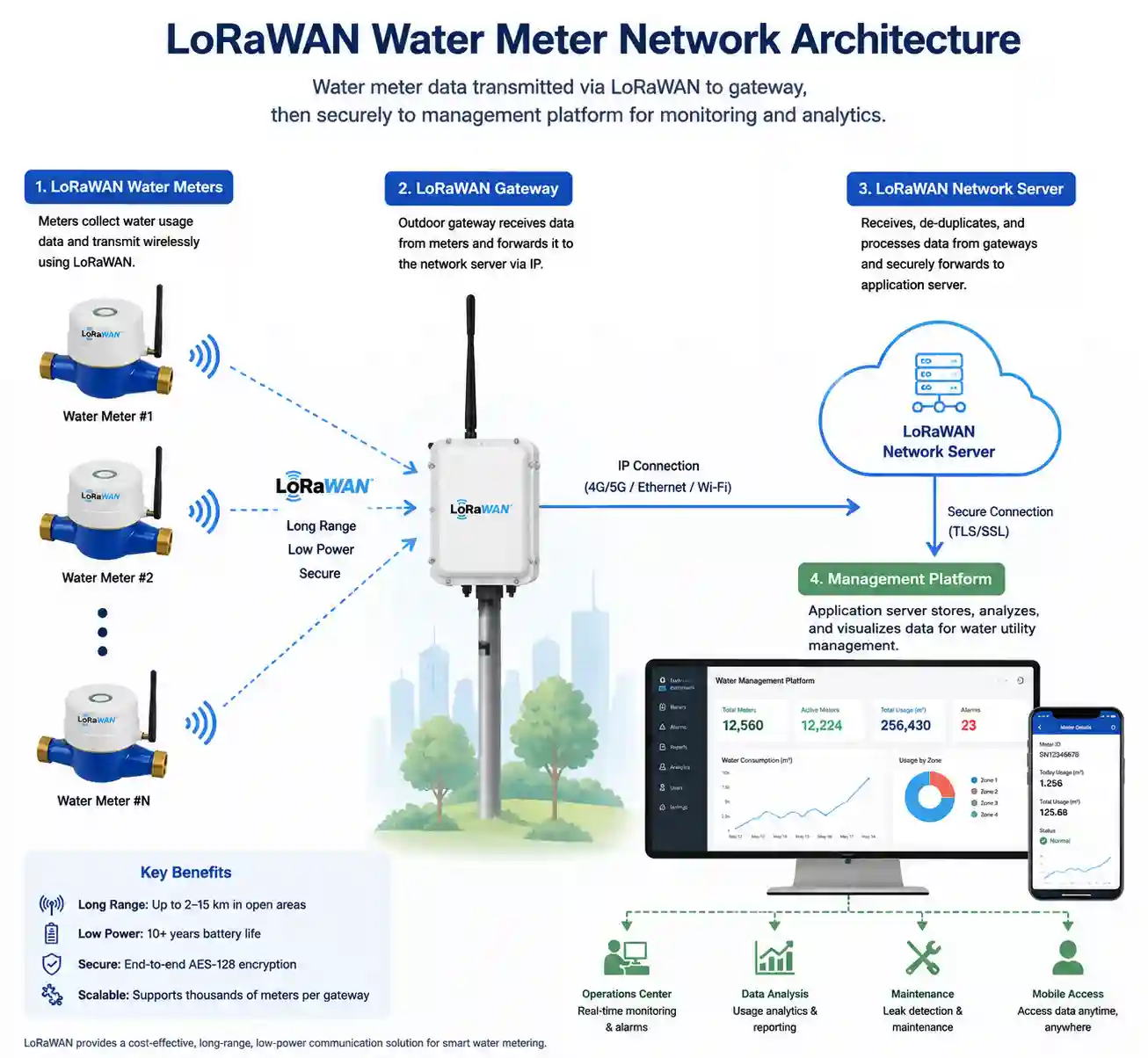
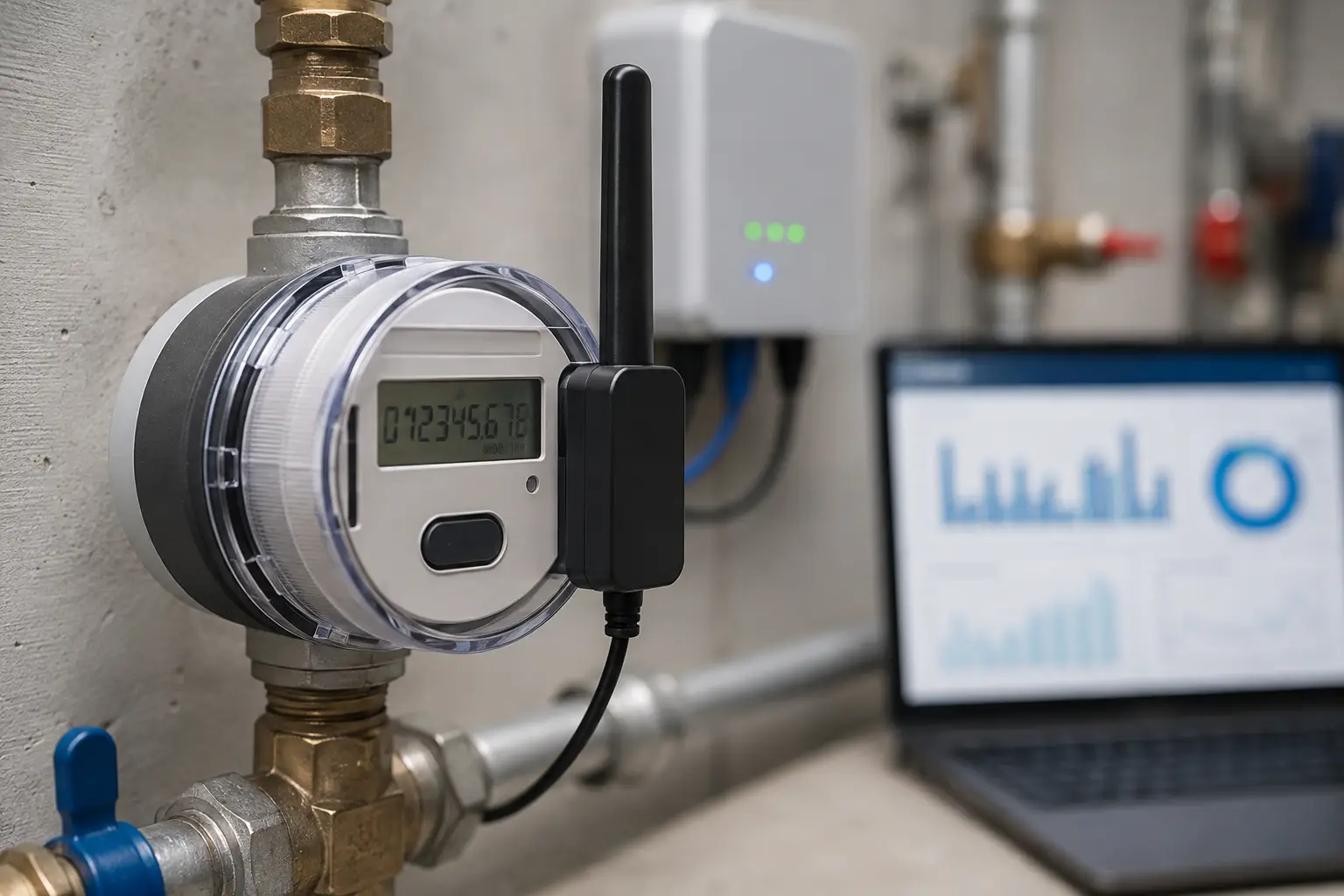
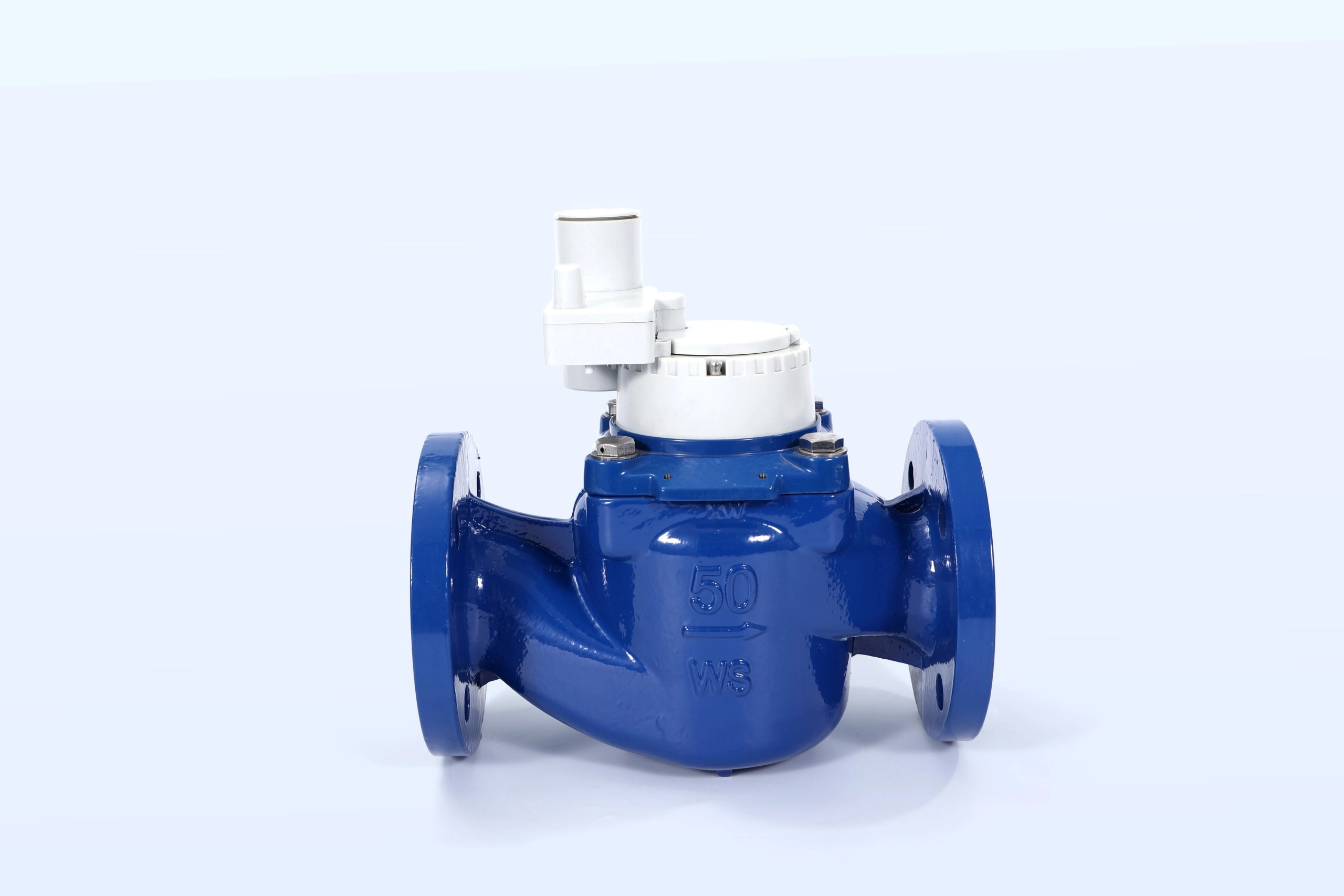
For a LoRaWAN water meter DN50, calibration includes testing signal transmission. This step confirms that the mechanical measurement aligns with the data on the server. If delays or lost packets occur, the overall accuracy drops sharply.
Electromagnetic meters avoid moving parts, which simplifies upkeep. Calibration emphasizes signal-to-noise ratios to ensure reliable performance. Keeping the electrodes free of buildup and the signal steady provides the precision needed for industrial use.
Meters for large pipes manage greater water speeds. Testing them calls for equipment that mimics high-pressure industrial conditions. This approach verifies that accuracy holds up under rapid and forceful flows.
Purchasing a meter is straightforward, but relying on its data requires trust. Professional equipment establishes a solid foundation of reliability. Lacking it leaves you with uncertain results.
A tidy and structured workshop avoids contamination during assembly. Even a small bit of dirt entering the meter can skew physical measurements, regardless of software quality. Thus, maintaining cleanliness supports accurate final products.
Factories today employ SCADA systems to observe tests in progress. Should a pressure surge happen, the system alerts operators right away. Such oversight is essential for large orders where consistency matters.
Producing a million units yearly demands extensive calibration tools. This scale allows manufacturers to avoid haste in testing to meet schedules. In turn, it preserves high standards in every production run.
Reviewing the case center reveals real-world uses of these testing practices. Partnering with a company that controls the full supply chain offers assurance that intermediaries cannot match.
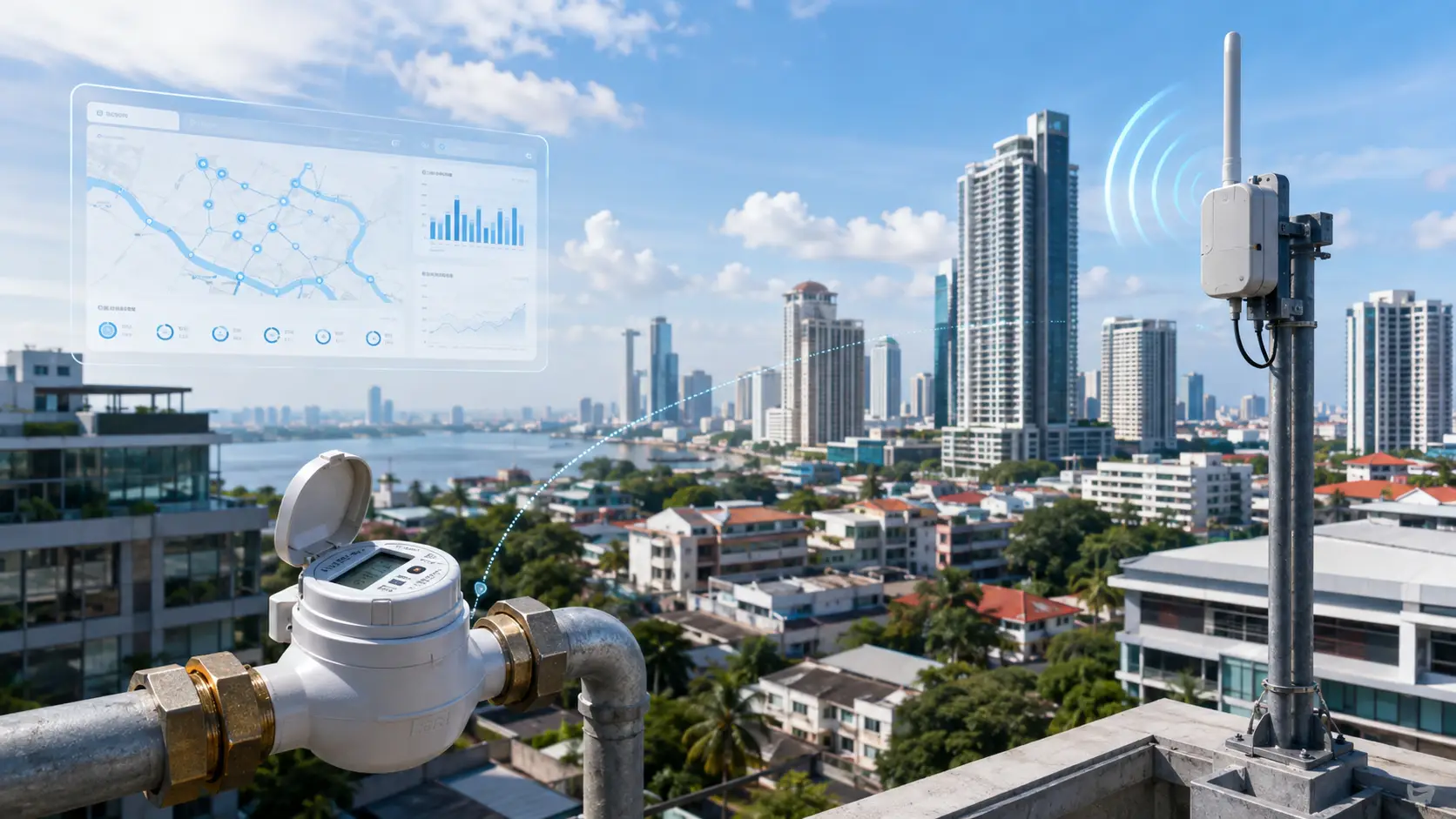
The LoRaWAN Water Meter DN50 serves as a dependable option for district metering areas (DMA). It pairs long-range LoRaWAN communication with a sturdy DN50 design. Additionally, it undergoes thorough tests for interference resistance and range to perform well in challenging sites.
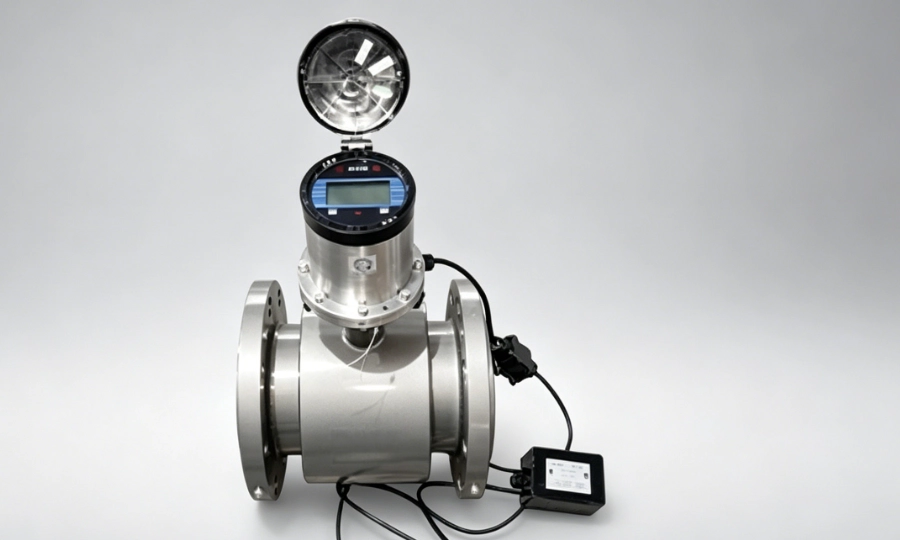
In industrial settings with larger needs, the Electromagnetic water meter LXE-100 excels. Without moving parts, it experiences minimal wear, and calibration targets enduring stability and electronic accuracy.
Custom solutions should not create complications. From adjusting frequency bands for various regions to adding branding, factory-level technical aid eases the shift to smart water systems.
Q1: How often should a smart water meter be recalibrated?
A: Usually every 5 to 10 years depending on local regulations and water quality, but high-precision industrial models might need a check-up sooner to maintain peak accuracy.
Q2: What is the main cause of accuracy loss in smart meters?
A: It is often a mix of physical wear on moving parts (in mechanical types) or scale buildup on sensors, though poor initial factory calibration is a silent killer of ROI.
Q3: Does temperature affect the testing results?
A: Definitely. Most smart modules are rated to work between -20 and 100°C, but the calibration bench needs to account for water density changes at different temperatures.
Q4: Can smart meters detect leaks through their testing logic?
A: Yes, especially when integrated into a DMA. By comparing inflow and outflow data, the system identifies anomalies that point to a leak in the network.
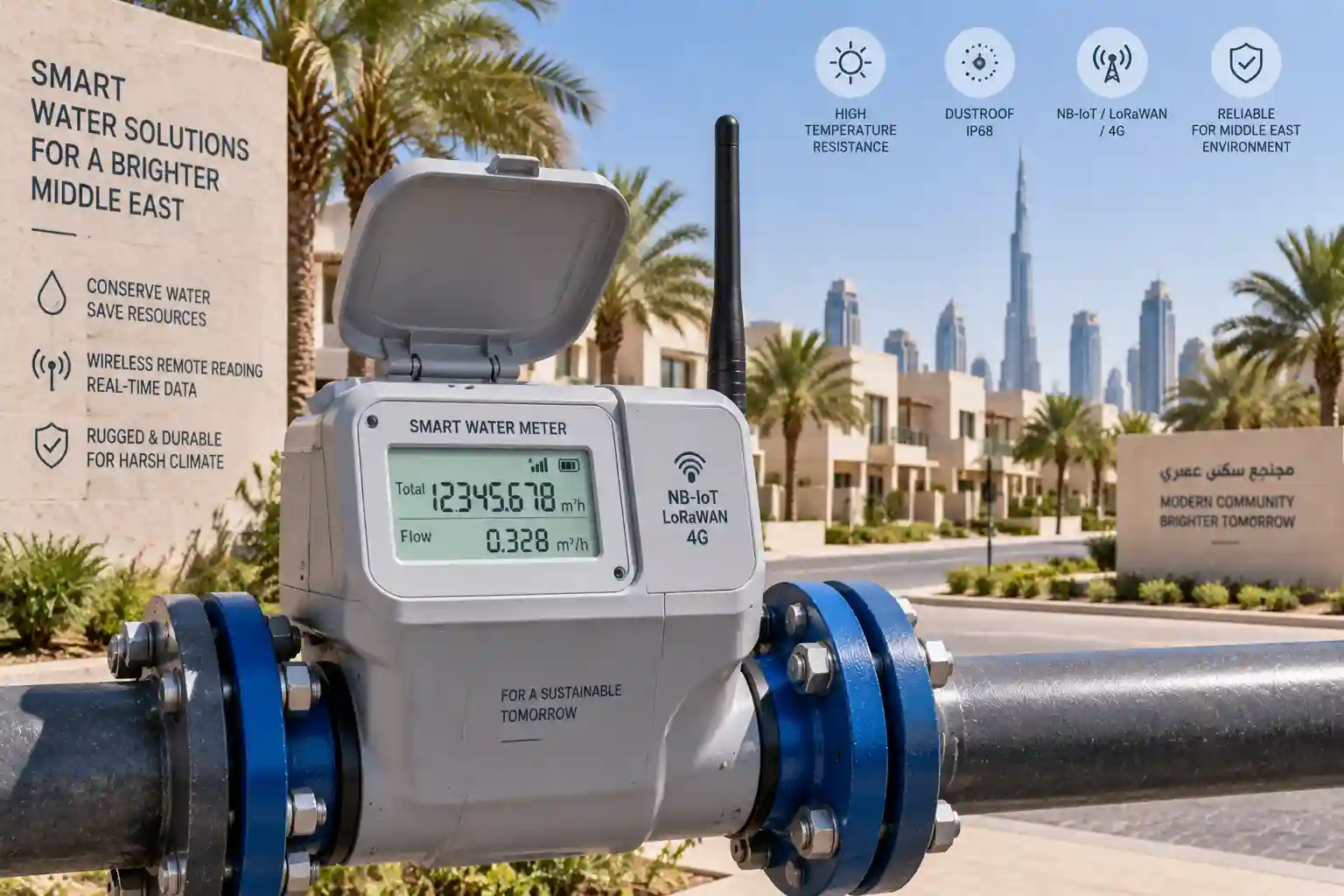
Q5: Why is LoRaWAN preferred for DN50 meters in remote areas?
A: It offers a massive communication range (up to 6km in some tests) and low power consumption, meaning the meter stays accurate and “online” for years without a battery change.
 Address: Xiao'anzi Industrial Park, Baishabu Town, Lanshan District, Linyi City, Shandong Province
 Call us now:+86 15562945993
 Email:info@sdchenshuo.cn


Shandong Chenshuo Instrument Co., Ltd.