

Updating systems in established residential zones can prove challenging. Water lines in these areas frequently face elevated leak levels and obsolete charging setups. To restore these networks, more than a basic swap is required; a plan that addresses the structural and operational issues from long-standing pipes is necessary.
If you seek a collaborator for this change, Chenshuo emerges as a skilled provider located in Linyi, recognized as the “Hometown of Water Meters” in China. Their facility produces one million units each year under ISO certification, and they offer more than devices. They deliver organized approaches for intelligent metering, assisting water providers in managing the complexities of digital shifts and DMA zone control. From dependable mechanical functions to precise IoT features, their development and production processes align with demanding market needs without unnecessary details.
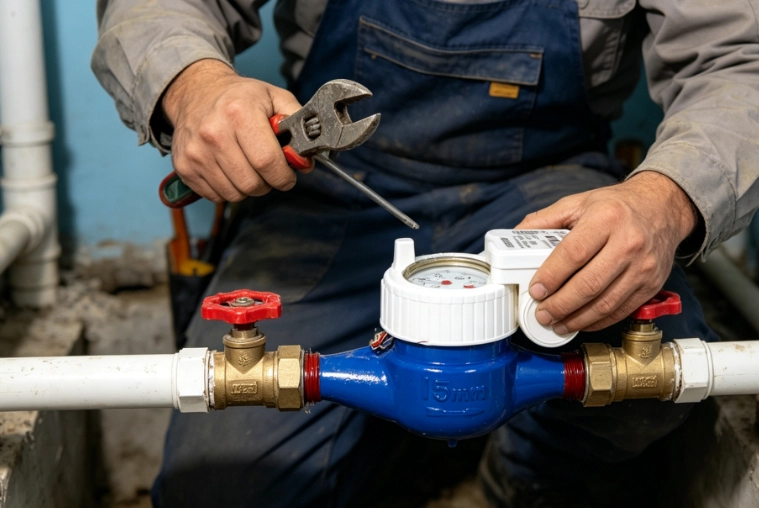
Older apartment structures did not account for current devices. Water meters in such places are commonly placed in dim spots, behind solid barriers, or beneath accumulated remnants from past repairs. The current pipe arrangement remains fixed, offering no space for larger modern units.
Many aged pipes consist of galvanized steel or cast iron that has weakened with age. When workers cut these to install a regular meter, it often results in additional leaks or demands major pipe replacements, which increase costs significantly. Therefore, careful planning helps minimize these risks.
The solution involves selecting meters that adapt to the current setup. Smaller models enable the placement of effective components in the original space. As a result, costly pipe modifications become unnecessary, and water service resumes quickly, which satisfies building occupants.
Meter precision declines sharply over time. In established neighborhoods, the inner parts wear down to the point where they miss small flows, such as a gradual tap drip or a faulty tank seal. This undetected usage contributes heavily to non-revenue water (NRW), steadily reducing income each month.
Conventional wet-dial meters commonly experience deposits and component exhaustion. Following ten to fifteen years in use, resistance within the measurement area rises, so the device needs stronger flows to activate. Consequently, billing inaccuracies grow without regular checks.
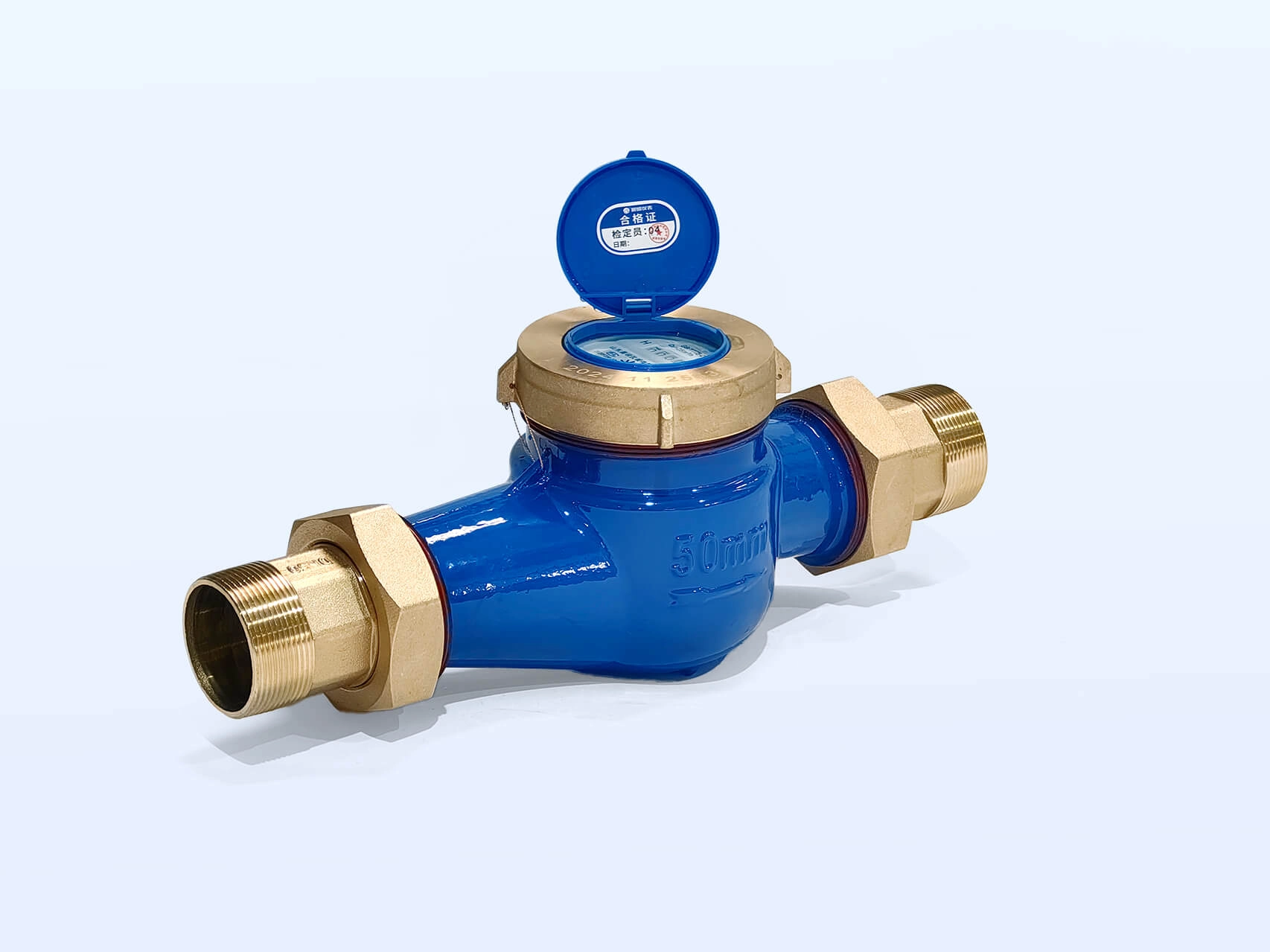
For substantial home pipelines, the Rotary Mechanical Water Meter LXS-50 BRASS provides a dependable option. Its rotary piston system preserves responsiveness at reduced flows. The brass construction withstands pressures from legacy networks and offers lasting reliability, reducing the frequency of service calls.
Dispatching staff to visit units in aged high-rises wastes resources. Occupants are seldom present, animals create disturbances, and numerous meter enclosures are waterlogged or cluttered with waste. Handheld readings invite mistakes, and delays in data processing prevent timely detection of escapes.
In such older areas, meters sit within living spaces or secured access points. Utility personnel must then arrange times with residents, often resulting in approximate charges that spark user dissatisfaction and conflicts. This process adds unnecessary strain to daily operations.
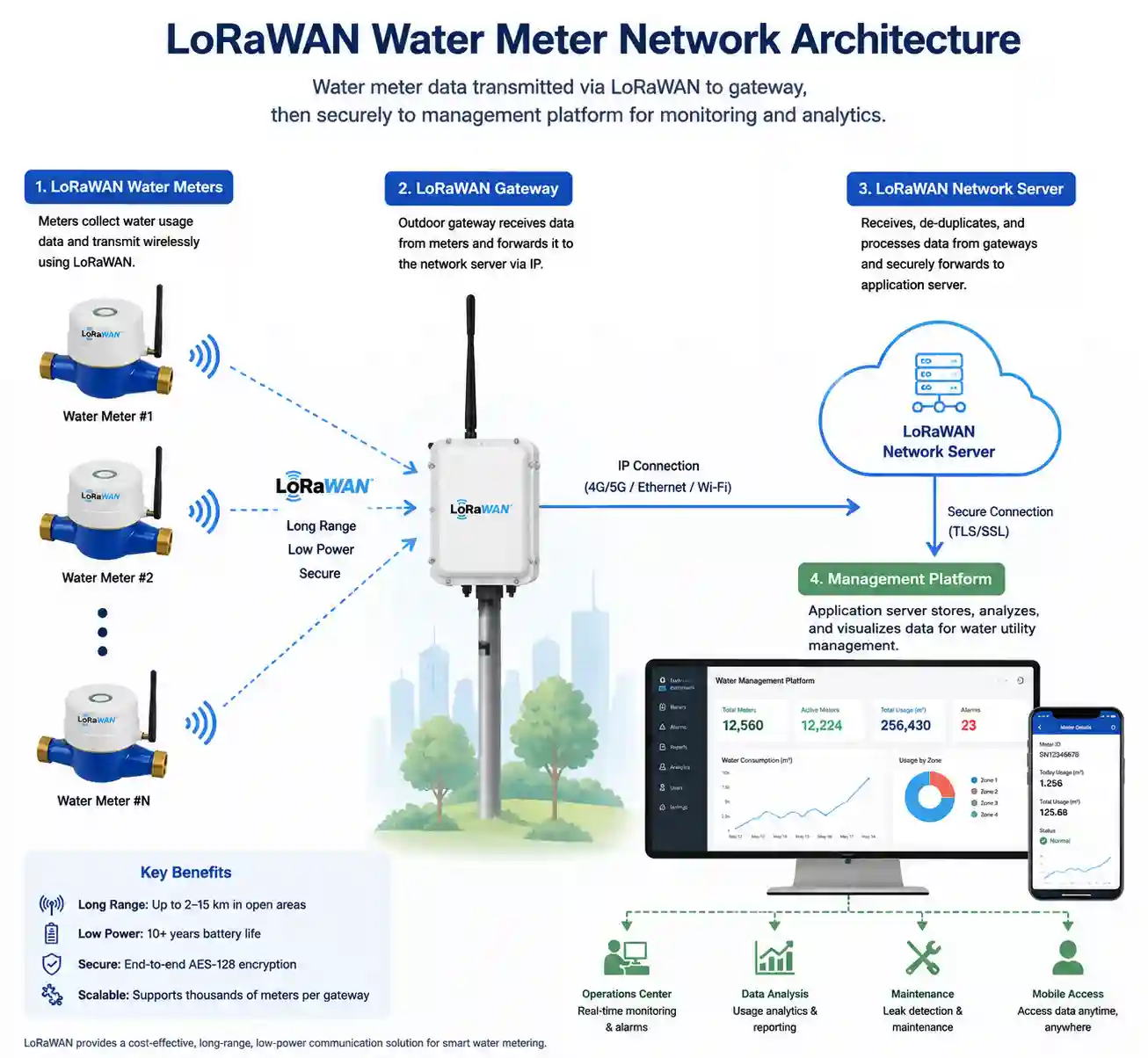
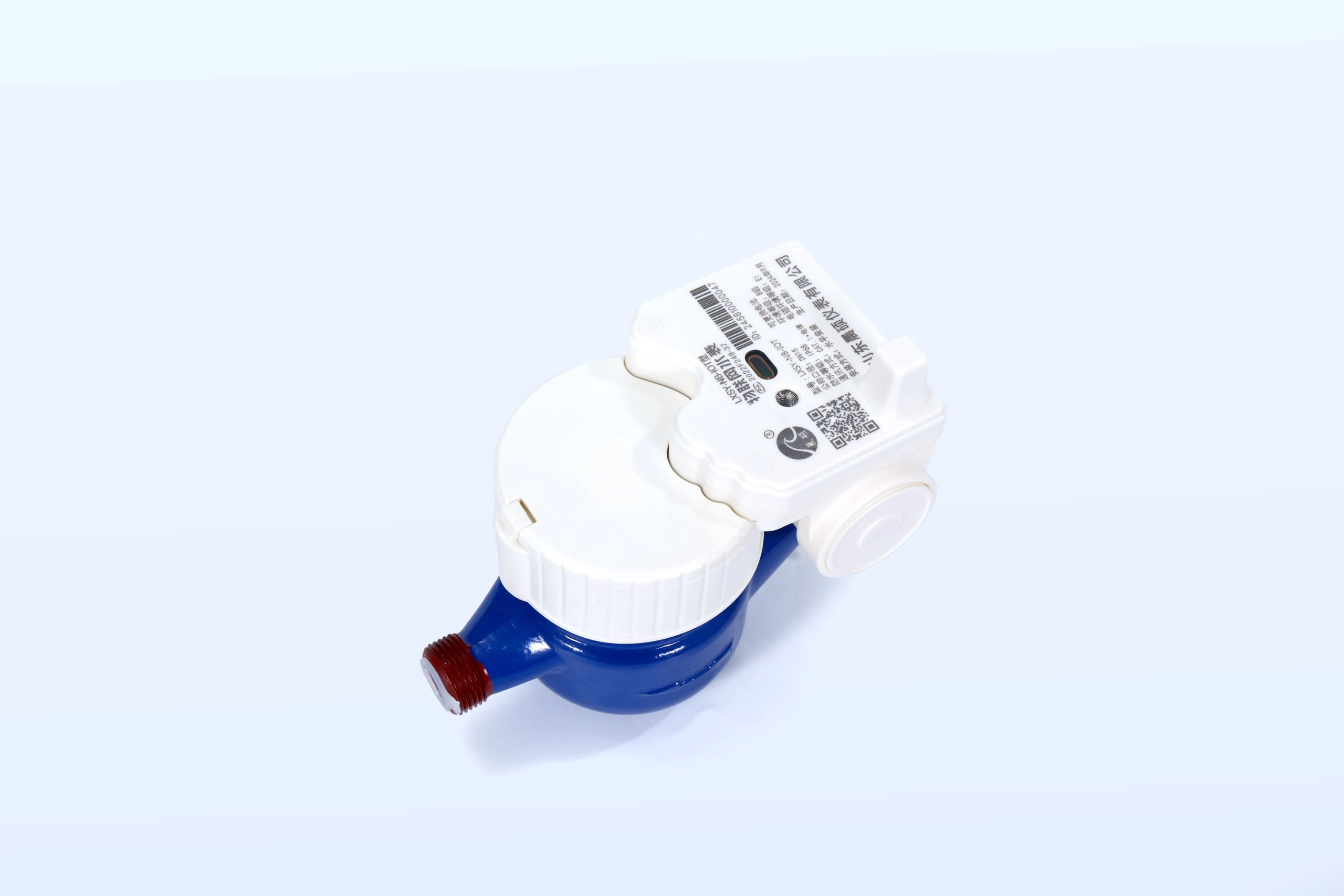
Switching to the Lorawan water meter DN15 addresses this by removing manual involvement. These units employ extended-range wireless methods to transmit information to a main hub. Readings arrive daily or hourly without entering the premises, easing the workload for field teams.
The intelligent features of a smart meter function only with clear signal paths. Established structures typically feature dense concrete reinforcements or tangled wiring that hinder transmissions. A unit in a lower level cannot rely on typical Wi-Fi or mobile coverage.
Common signals face difficulties passing through barriers. During a standard upgrade, around 20% of installed smart meters may lose connection due to reflections from robust building features. Such issues demand targeted solutions to ensure full coverage.
LoRaWAN is engineered for difficult access areas. It functions on reduced frequencies, such as 470-510MHz, which travel through concrete and earth more effectively than elevated bands. With distances from 1 to 6km based on conditions, the meters maintain links from deep enclosures or busy utility spaces.
Aged lines transport not only water but also corrosion, deposits, and differing pH levels. A fresh meter placed in this setup encounters these conditions right away. Inexpensive plastic or basic metal units degrade within five years under such stress.
Meter internals require protection from contaminants. Elevated minerals in legacy setups cause accumulations on rotating elements, while dampness in exposed corridors or external housings accelerates outer decay. Regular maintenance becomes essential to extend usability.
Brass enclosures serve as a proven choice in the sector. They endure impacts, resist degradation, and tolerate handling during fitting. Opting for superior components allows the meter to achieve its 10- to 15-year duration, even amid suboptimal water conditions in worn systems.
Practical knowledge proves vital in complex scenarios. Rooted in the field for years, the staff recognizes the gap between controlled trials and actual placements in decades-old housing.
Every upgrade varies in details. A provider must extend beyond product lists. From modifying specs to assisting with LoRaWAN setups, an expert collaborator lowers the chances of setbacks.
Shifting to smart water practices marks a worldwide shift. Through data links and central processing, these methods enable providers to track water distribution precisely rather than estimate it.
Collaborating with a producer that oversees its own development and sourcing eliminates intermediaries. This delivers advanced equipment within budget limits, vital for cost-effective broad upgrades.
Q1: How long does the battery last in a smart water meter?
A: Most LoRaWAN-enabled meters use high-capacity lithium batteries that typically last between 6 and 10 years, depending on how often the data is uploaded to the system.
Q2: Can I install a smart meter in a horizontal or vertical pipe?
A: It depends on the model. Some mechanical meters like the LXS-50 BRASS are designed for specific orientations to maintain accuracy, so check the technical specs before cutting the pipe.
Q3: Is LoRaWAN better than NB-IoT for old buildings?
A: Both have pros and cons, but LoRaWAN is often preferred for its excellent penetration through thick walls and its ability to operate on a private gateway, which can be cheaper for high-density old districts.
Q4: Do these meters require a separate power line?
A: No, these modern meters are designed to be completely wireless and battery-powered, so you don’t have to worry about running electrical wires through old walls.
Q5: What happens if the water quality is very poor?
A: High-quality brass meters with built-in strainers are the best defense. They filter out large particles of rust and scale before they can damage the internal measuring mechanism.
 Address: Xiao'anzi Industrial Park, Baishabu Town, Lanshan District, Linyi City, Shandong Province
 Call us now:+86 15562945993
 Email:info@sdchenshuo.cn


Shandong Chenshuo Instrument Co., Ltd.