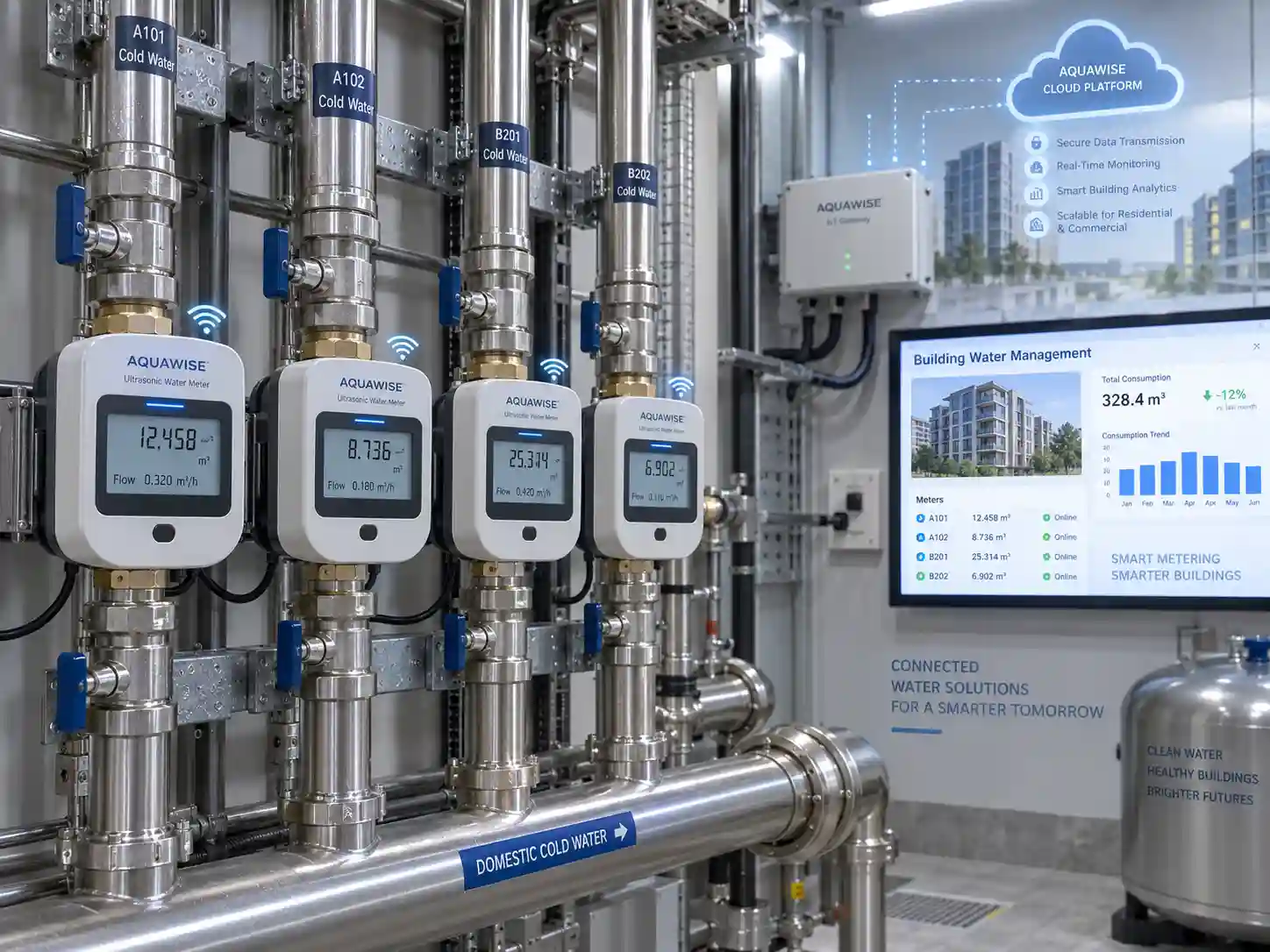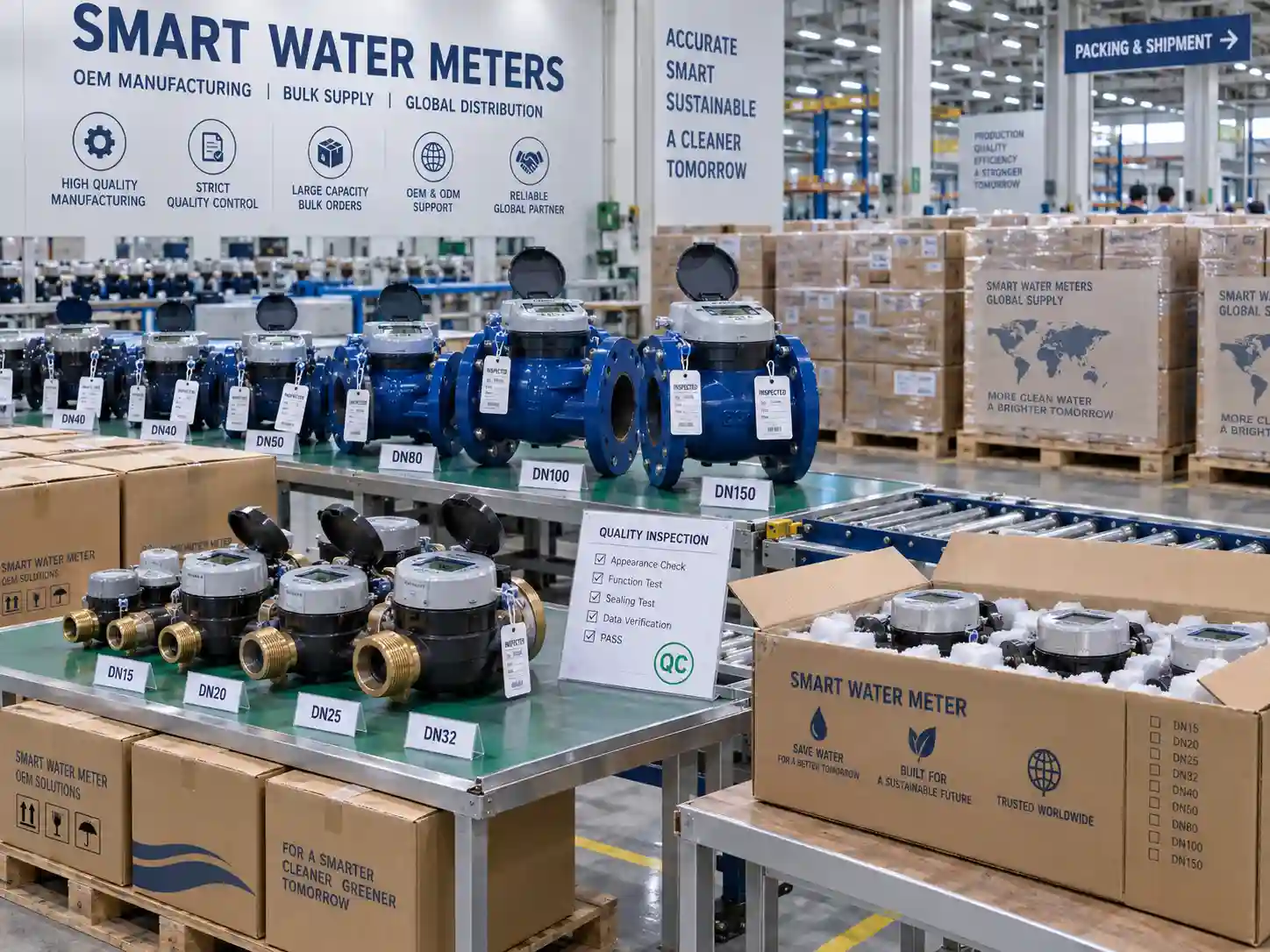


Water management today focuses on more than just volume tracking. It involves fixing money drains. Old mechanical meters often miss complete water use details. This leads to major income shortfalls. To halt these unseen drains, Chenshuo serves as the right partner. The firm sits in Linyi, China’s well-known “Hometown of Water Meters.” They excel in moving from hand readings to advanced digital oversight. Annual production hits one million units. They emphasize complete OEM support. Chenshuo supplies the equipment that enables smart water operations. They go beyond meter sales. Instead, they provide complete systems that address practical needs of water providers and factory networks around the world.
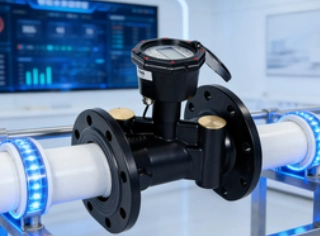
The money wellness of any water delivery system hinges on the reliability of its count devices. Mechanical meters depend on parts like impellers and gears. These wear out gradually. As the solid elements erode, the meter’s capacity to note low-flow water drops sharply. This creates “Non-Revenue Water.” In short, it means water you process and deliver but fail to charge because your tools overlook it.
Mechanical meters feature a high initial flow threshold. As a result, they frequently skip registering during minor leaks or slow-use phases. Friction builds up as time passes. Consequently, the meter starts to under-record data. This drains funds from each invoice. The impact accumulates steadily across operations.
Conventional meters tend to block and seize mechanically. Therefore, teams must travel for direct fixes. Such outings consume resources via fuel, workforce, and expenses for new components that degrade soon after. The pattern persists. It burdens financial plans significantly.
When a meter lacks sufficient sensitivity for tiny flows, small infrastructure breaks can escape notice for extended periods. This uncharged water builds into substantial costs in production waste over broad systems. The oversight compounds quietly. It undermines overall earnings in the long run.
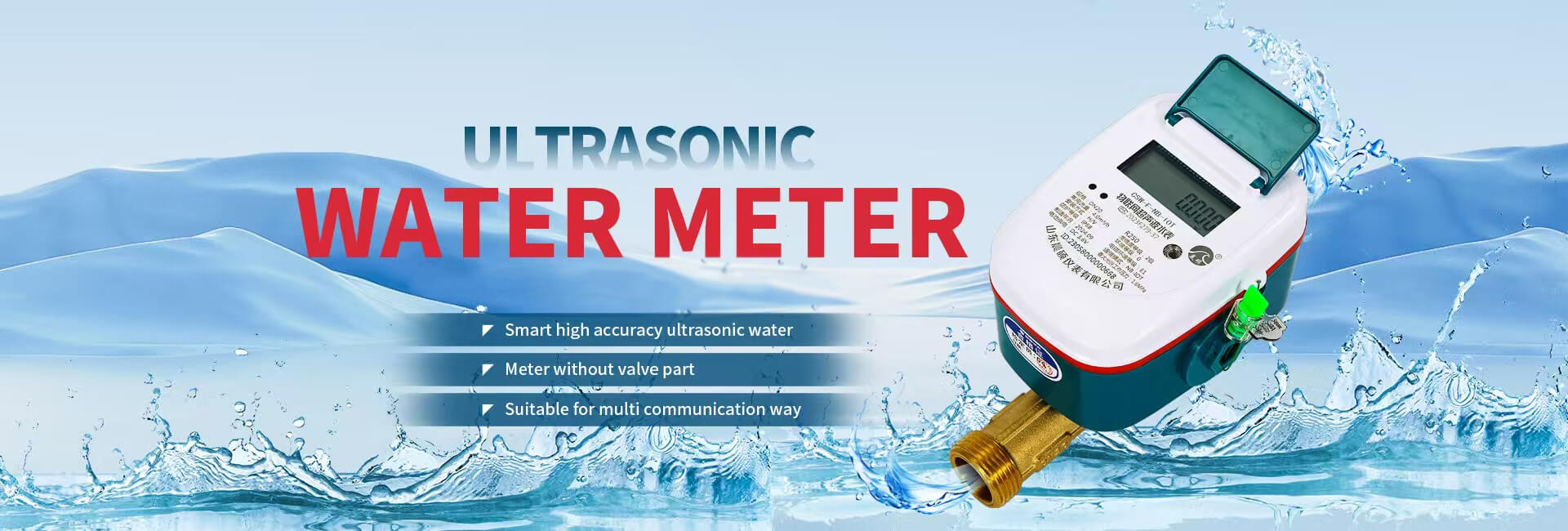
Adopting ultrasonic methods transforms upkeep entirely. These tools employ sound waves to gauge flow speed. Thus, they avoid the inner blades or gears in prior designs. Without such motion, little exists in the conduit prone to failure, obstruction, or trapping debris like sand and deposits. It becomes an install-and-ignore option. This sharply lowers the requirement for technicians to handle the device post-setup.
Ultrasonic detectors position beyond the flow route. For this reason, they escape the abrasive damage that ruins mechanical meters. The structure guarantees the tool remains precise throughout its operational span without hands-on adjustments. Reliability endures over years. It minimizes ongoing repair needs effectively.
Efficient lithium sources power these meters for more than ten years on one charge. This spares considerable funds by skipping the demanding process of swapping batteries or units periodically. Labor demands drop as a result. Operations gain efficiency from fewer interruptions.
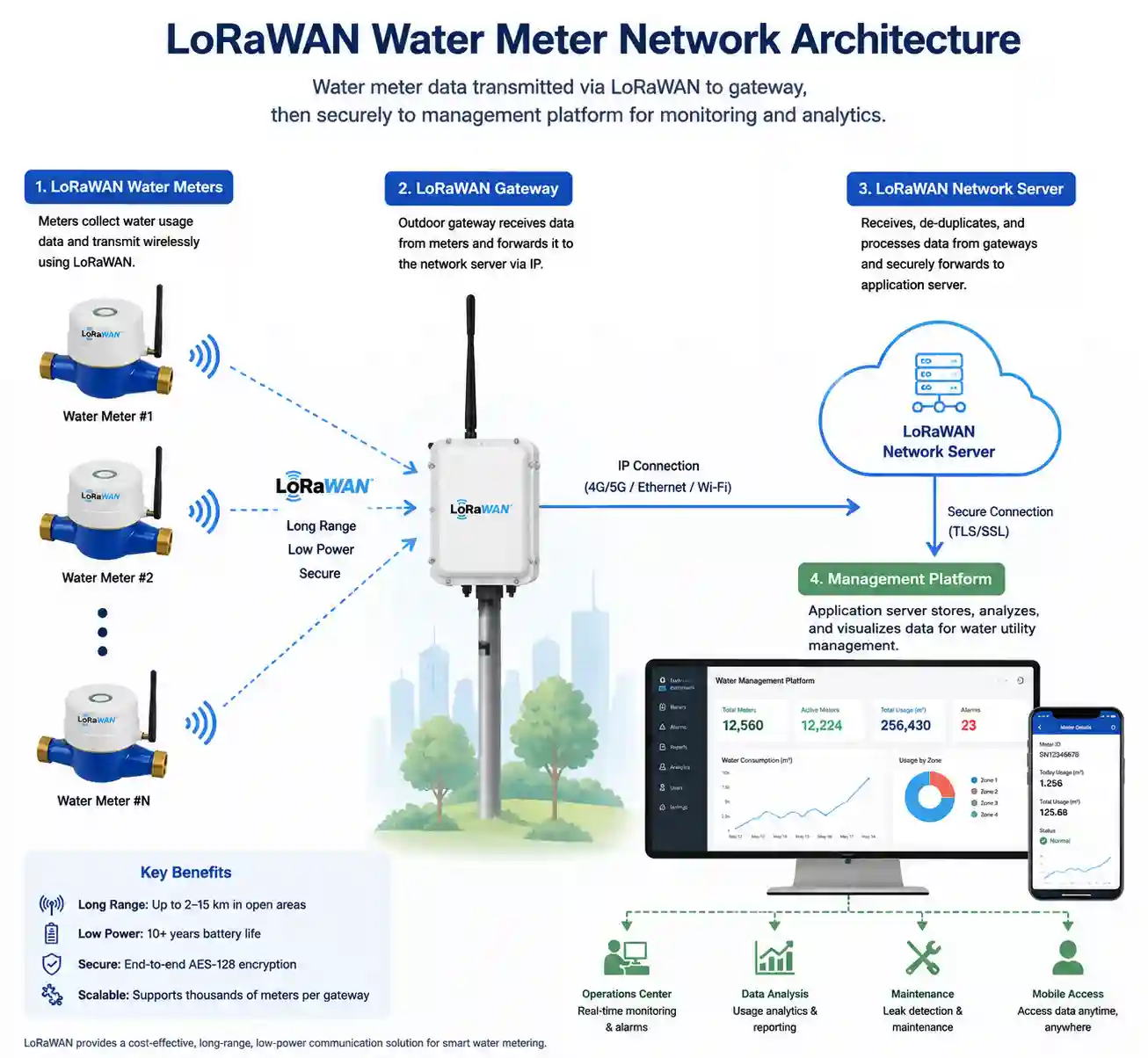
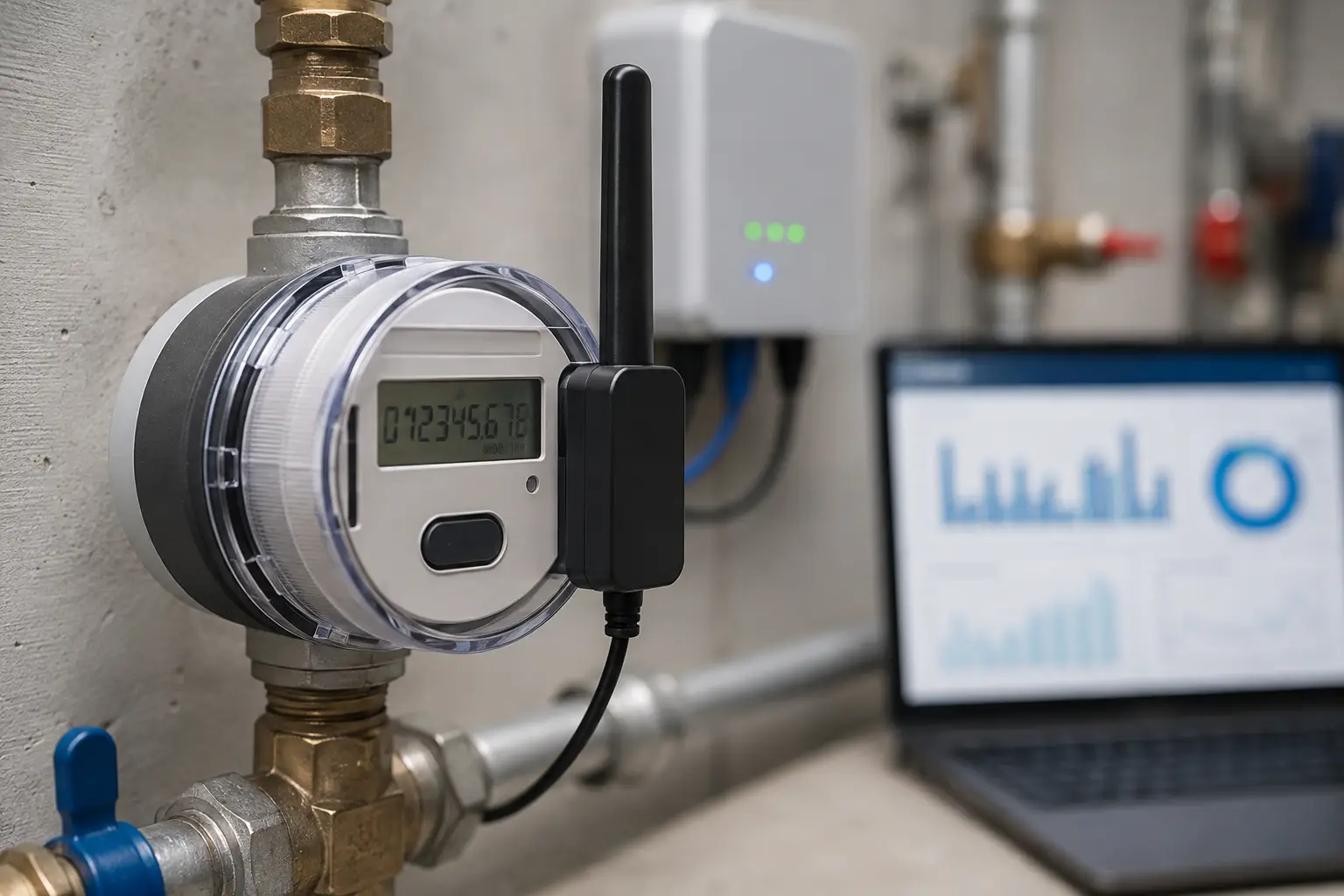
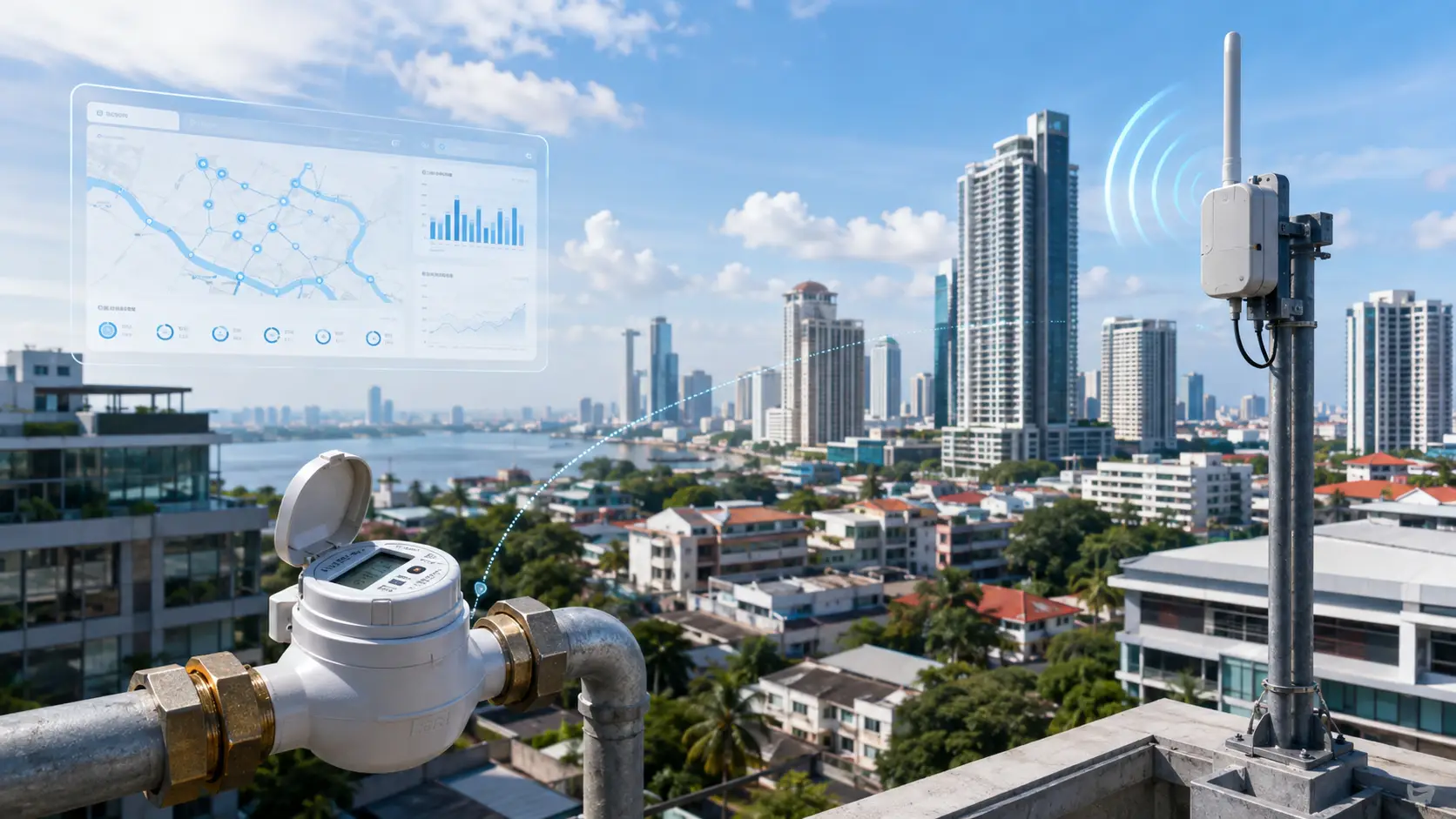
Integrated GPRS or LoRaWAN features direct information to your headquarters. Hence, there is no need to compensate staff for house-to-house walks or trips to distant factory locations merely to check readings. The change streamlines processes. It trims expenditure on fieldwork substantially.
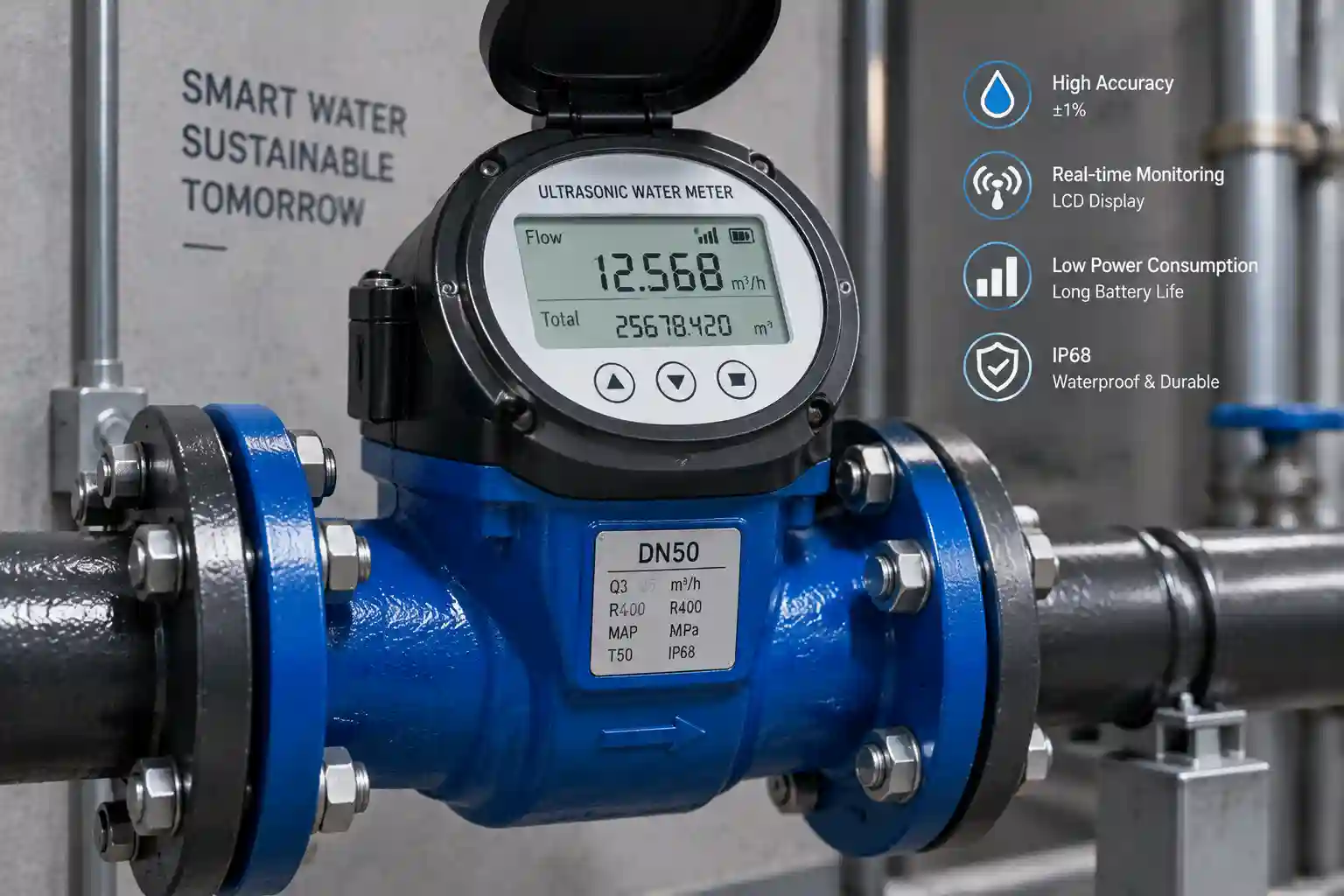
Upgrade returns appear clearest in increased chargeable water volumes. Specialized units such as the Ultrasonic Water Meter-DN80 target factory and business areas demanding exact counts. These apply the time-of-flight approach. It computes sound velocity alongside and opposite the current. Consequently, they offer a broader detection scope than mechanical alternatives ever could.
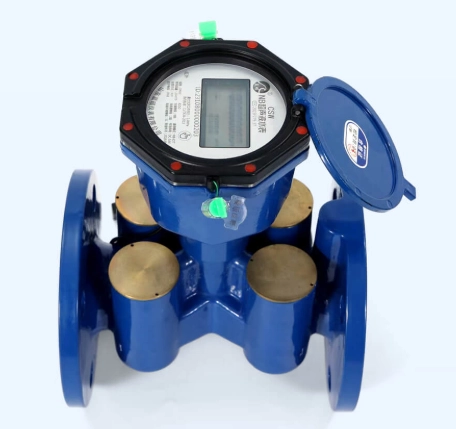
A robust turndown ratio ensures the meter registers correctly at rapid rates and minimal trickles. Therefore, income loss from overlooked low-flow intervals ends. Older devices no longer cause such gaps. Billing captures full usage patterns reliably.
Mechanical meters lose steadiness with age. In contrast, ultrasonic detectors preserve their setup. This firmness keeps charges equitable and correct from setup day one through year ten. Customers benefit from consistent records. Disputes decrease as a result.
Digital records remove mistakes common in handwritten copies. With exact, time-marked details available, resolving user charge conflicts happens swiftly using solid proof. This safeguards your standing and revenue stream. Efficiency in handling claims improves overall.
Extensive setups demand equipment enduring tough settings without breakdown. For primary delivery pipes, the Ultrasonic Water Meter-DN100 delivers the sturdiness essential for demanding roles. These units withstand water system realities like deposit layers, pressure spikes, and external elements. They retain digital capabilities intact. Such choice represents a lasting outlay boosting your water facility worth.
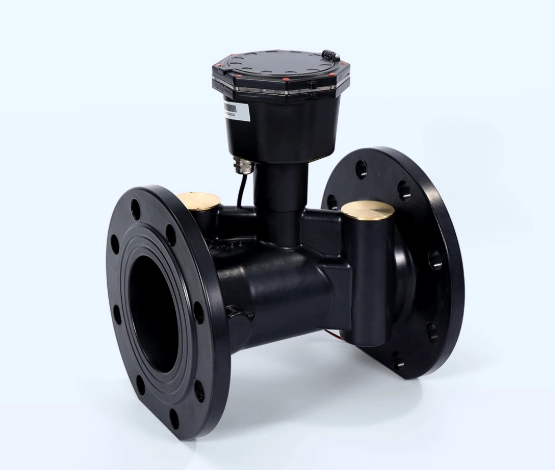
The detection route remains direct and unobstructed. Deposit accumulation fails to disrupt outputs as it does with mechanical rotors. Thus, ultrasonic meters prove more dependable in regions featuring hard water. Performance stays consistent. Maintenance intervals extend accordingly.
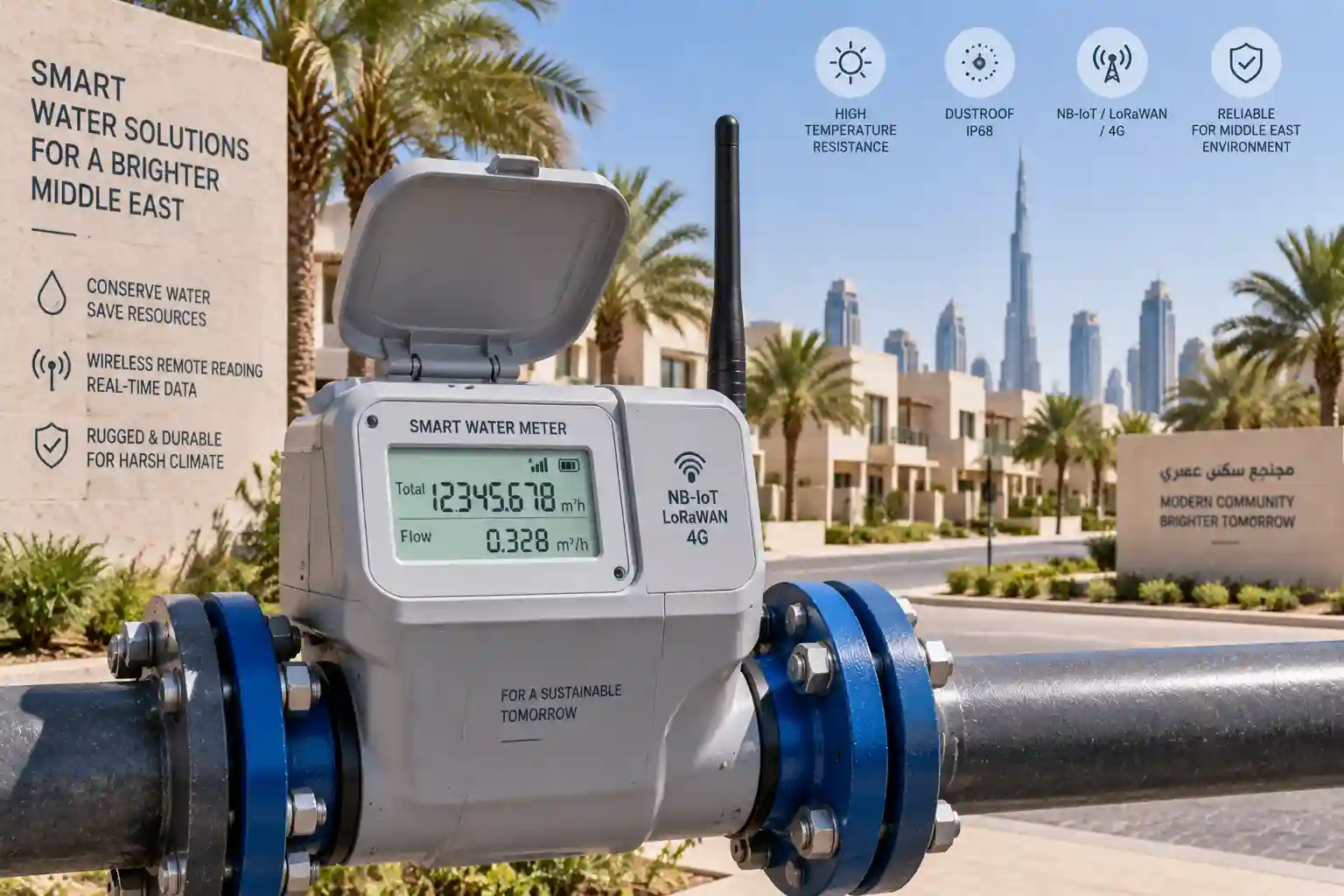
Elevated IP standards shield these meters from dampness and particles. They function reliably in depressions or external enclosures amid routine moisture and climate variations. Durability supports continuous service. Field deployments benefit from this resilience.
Current adoption prepares for IoT advancements. These meters function as information hubs. They enable connection to expanded “Smart Water” frameworks optimizing urban resource control. Integration enhances system-wide performance. Future expansions integrate seamlessly.
Selecting a vendor exceeds mere pricing. It entails locating a producer overseeing the full fabrication process. A collaborator managing from research to ultimate tuning confirms advanced detectors in meters perform adequately. Dependable assistance implies specialists assist if issues arise amid smart metering shifts.
Firm industry foundations yield superior quality oversight. Membership in a dedicated production center facilitates optimal supply acquisition and entry to recent metering advancements. Standards elevate consistently. Innovations apply directly to products.
Provision of wide-pipe ultrasonic meters demonstrates engineering prowess. These variants power factory distributions. They supply the exactness required for large-scale water oversight and District Metered Area (DMA) divisions. Reliability underpins critical applications. Efficiency gains follow deployment.
For tailored fixes or routine large purchases, a direct contact offering training and setup advice proves essential. This backing guarantees smooth project execution yielding anticipated financial gains. Transitions occur without hitches. Outcomes align with goals.
Q1: How much money can I really save by switching from mechanical to ultrasonic?
A: Savings vary by network, but most utilities see a 10% to 25% increase in billable water simply by capturing low-flow usage that old mechanical meters were missing.
Q2: Is the battery really going to last for 10 years?
A: Yes, these meters are engineered with low-power consumption electronics and high-capacity lithium batteries designed to match the typical 10-year lifespan of the meter’s calibration.
Q3: Can an ultrasonic meter be installed in any orientation?
A: One of the best financial perks is installation flexibility. Unlike some mechanical meters that must be horizontal to stay accurate, ultrasonic units can often be installed in various positions without losing precision.
Q4: Do ultrasonic meters require a lot of IT knowledge to operate?
A: Not necessarily. While they generate more data, they are designed to plug into existing management software. Most systems are “read-only” for the user, making them very simple to manage daily.
Q5: What happens if there is air in the pipe?
A: Air can affect ultrasonic signals, but modern digital filters are quite good at identifying and flagging these issues. It is actually helpful because it tells you when you have a pipe problem you didn’t know about.
 Address: Xiao'anzi Industrial Park, Baishabu Town, Lanshan District, Linyi City, Shandong Province
 Call us now:+86 15562945993
 Email:info@sdchenshuo.cn


Shandong Chenshuo Instrument Co., Ltd.