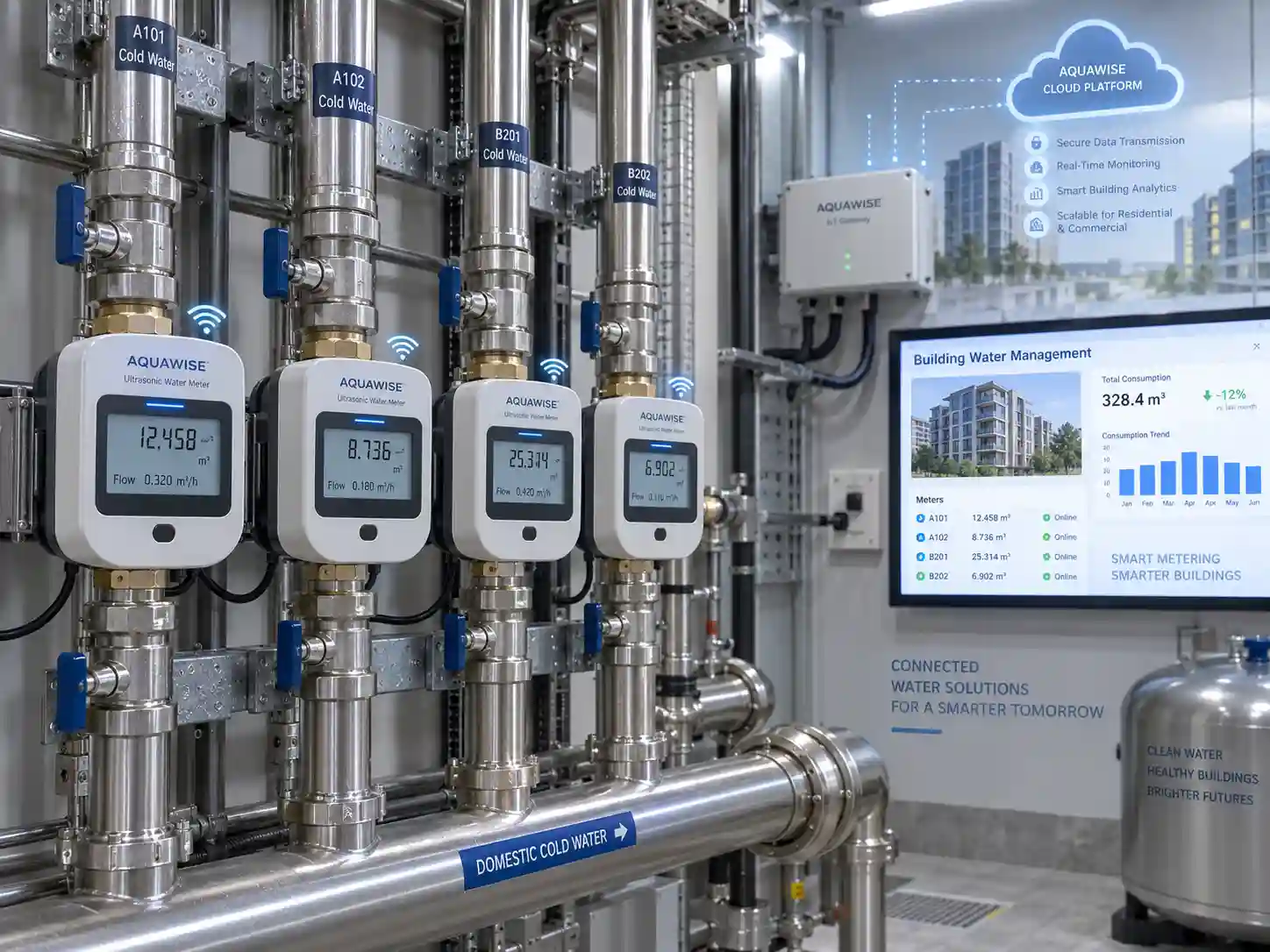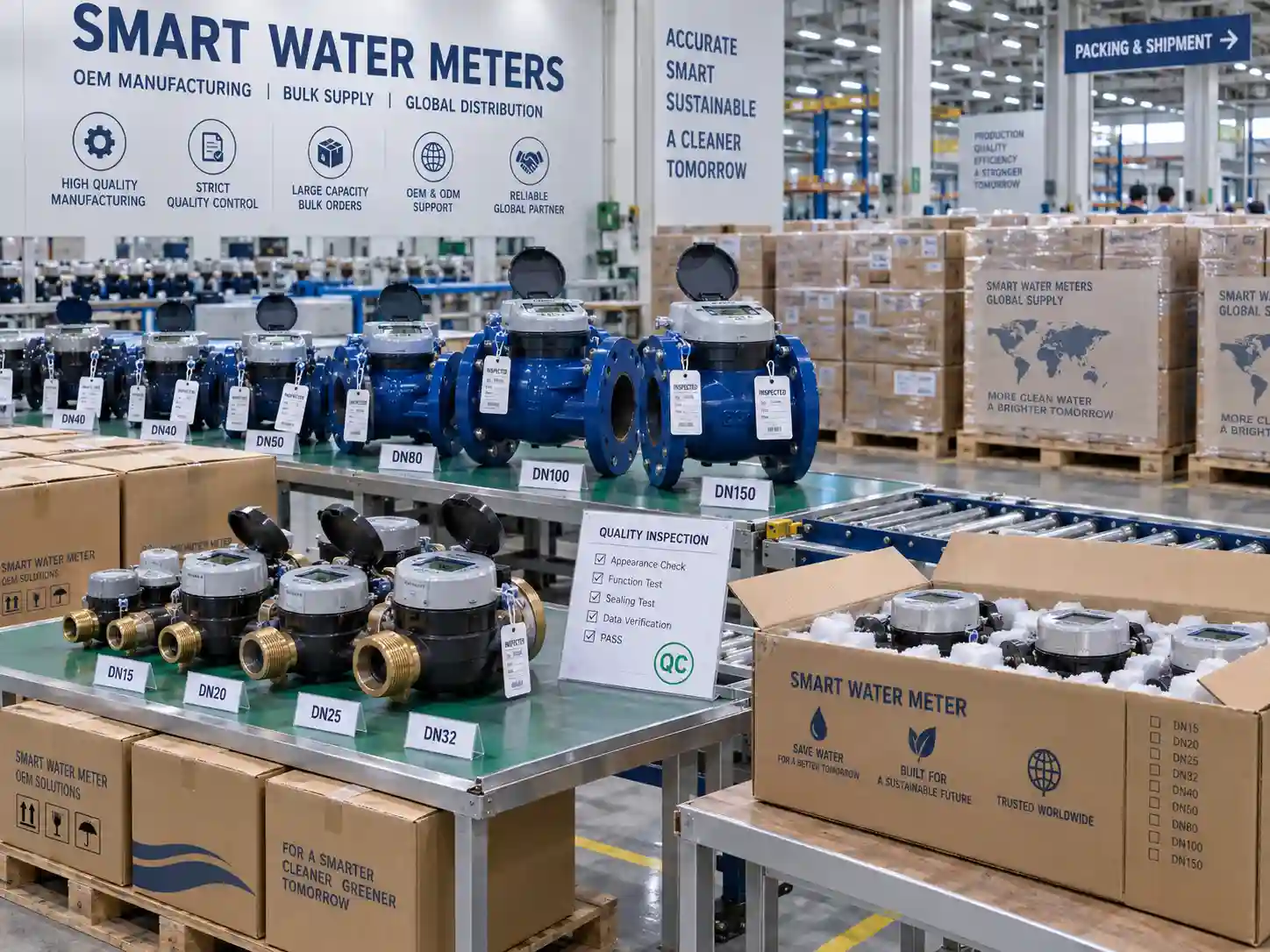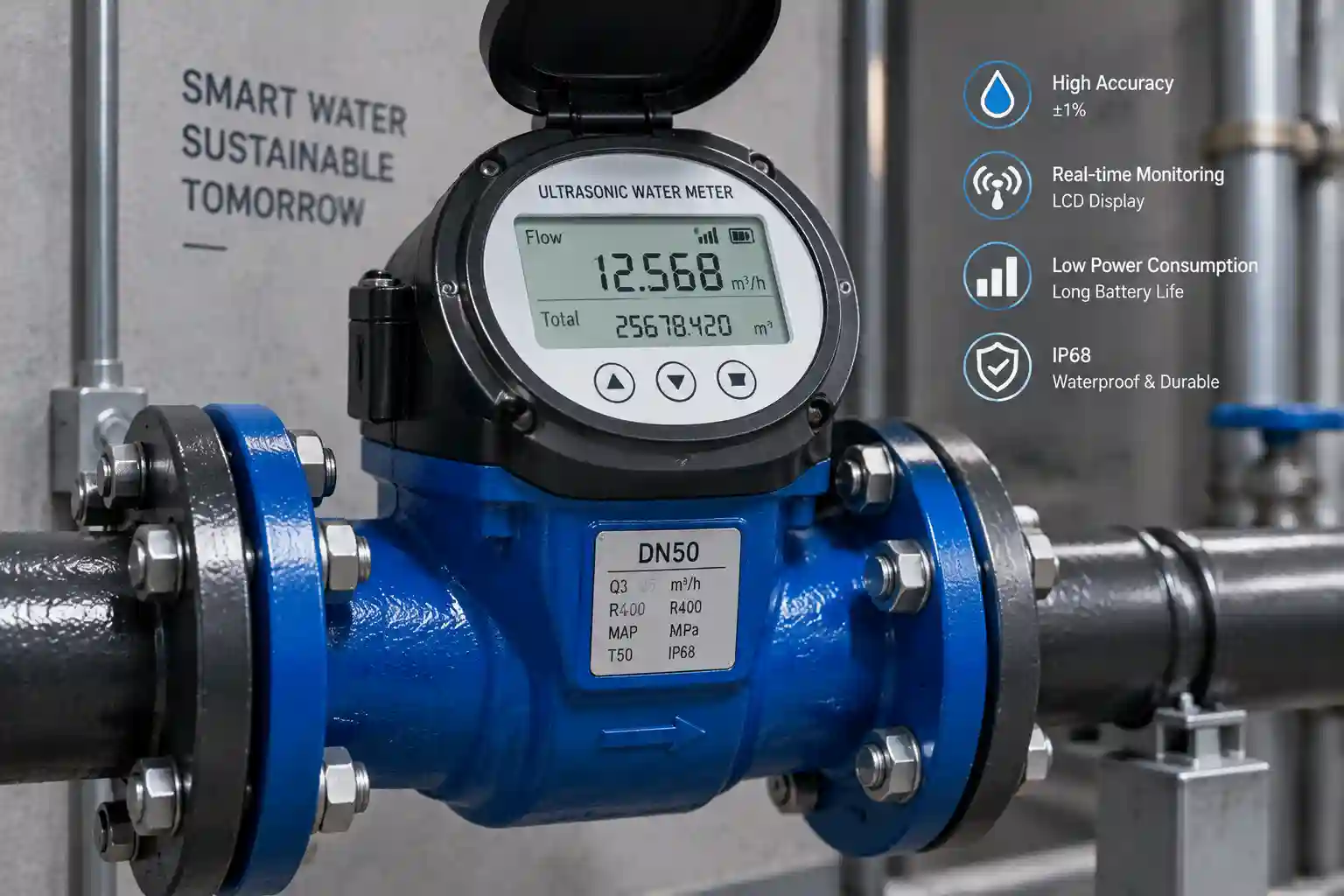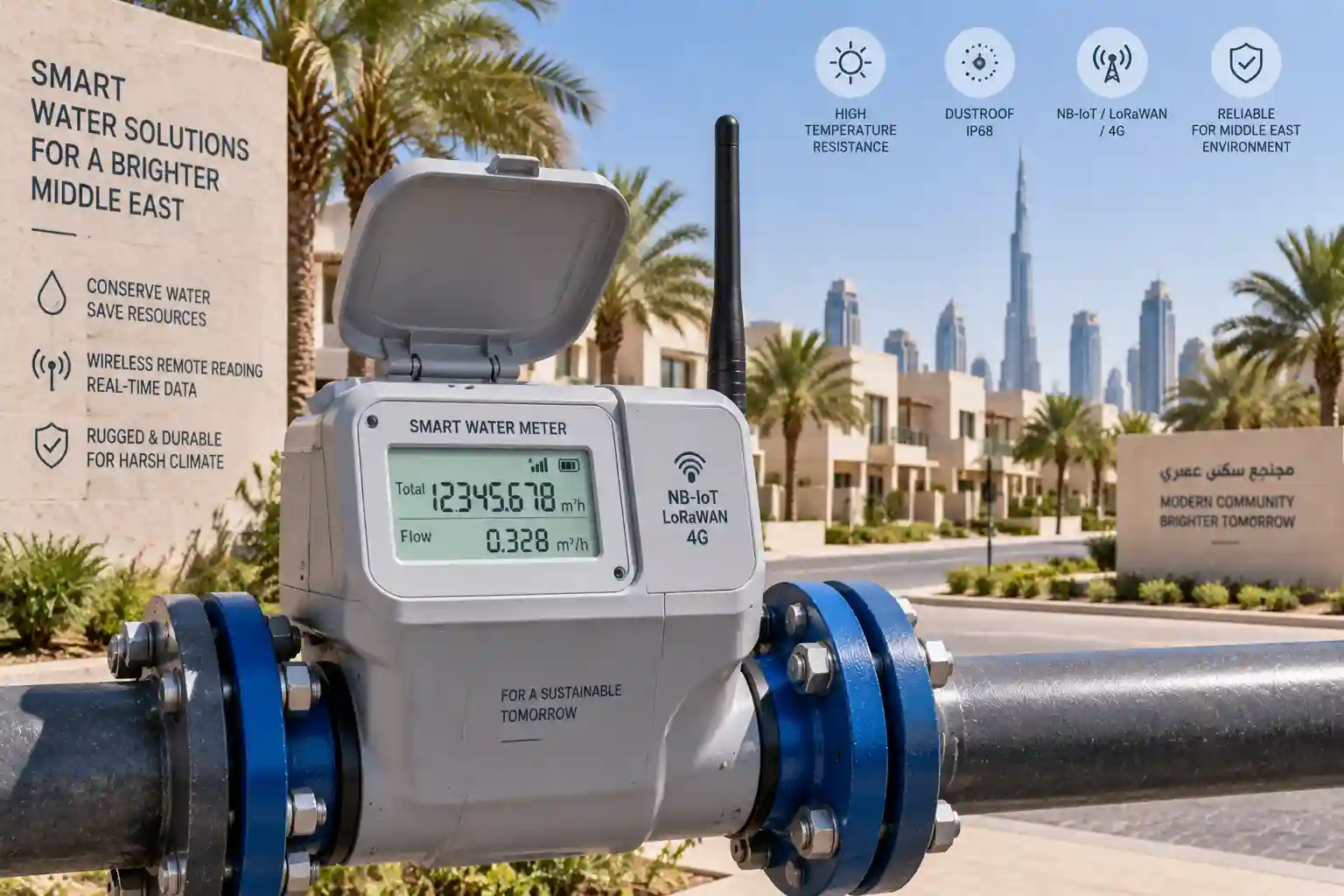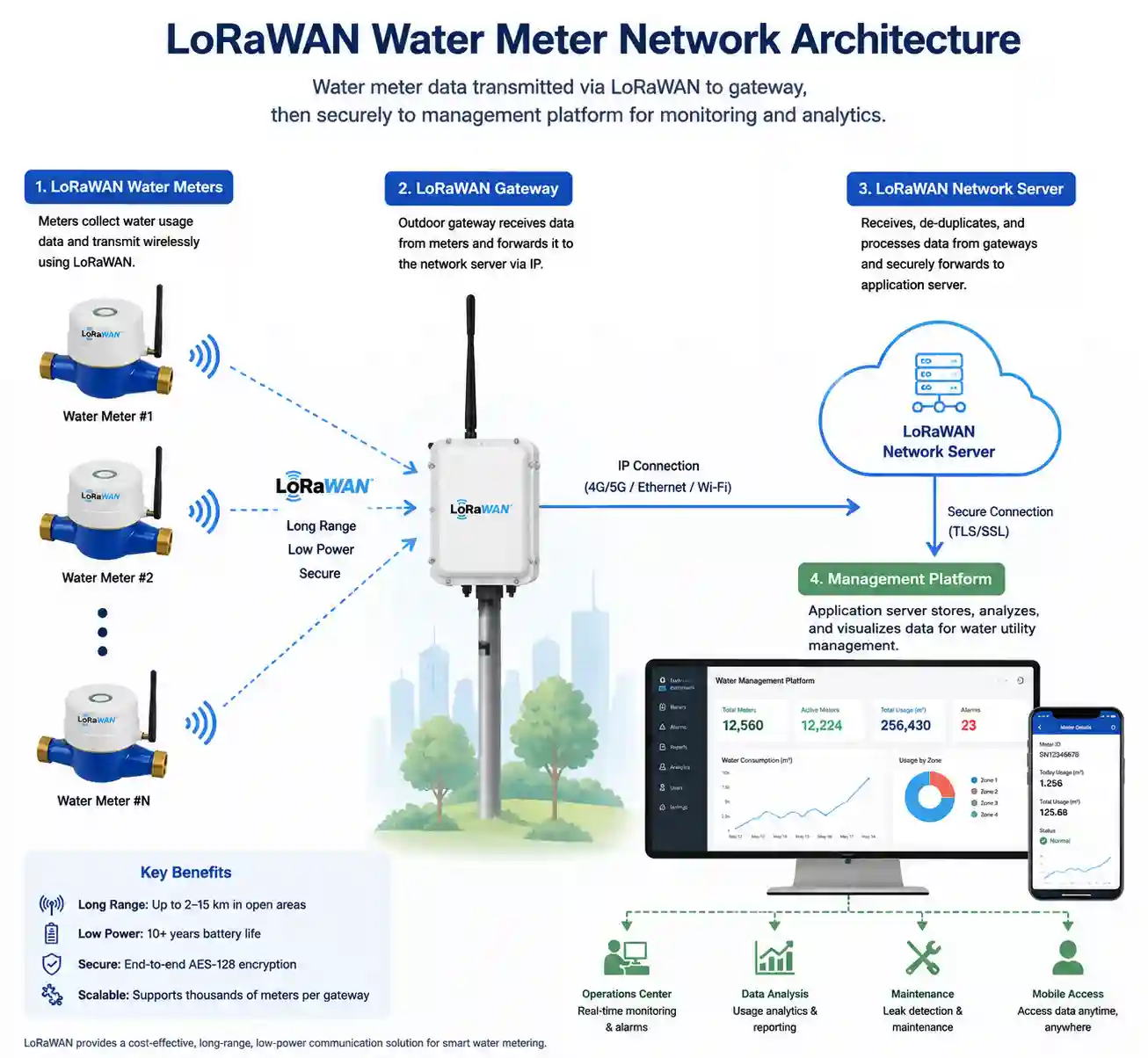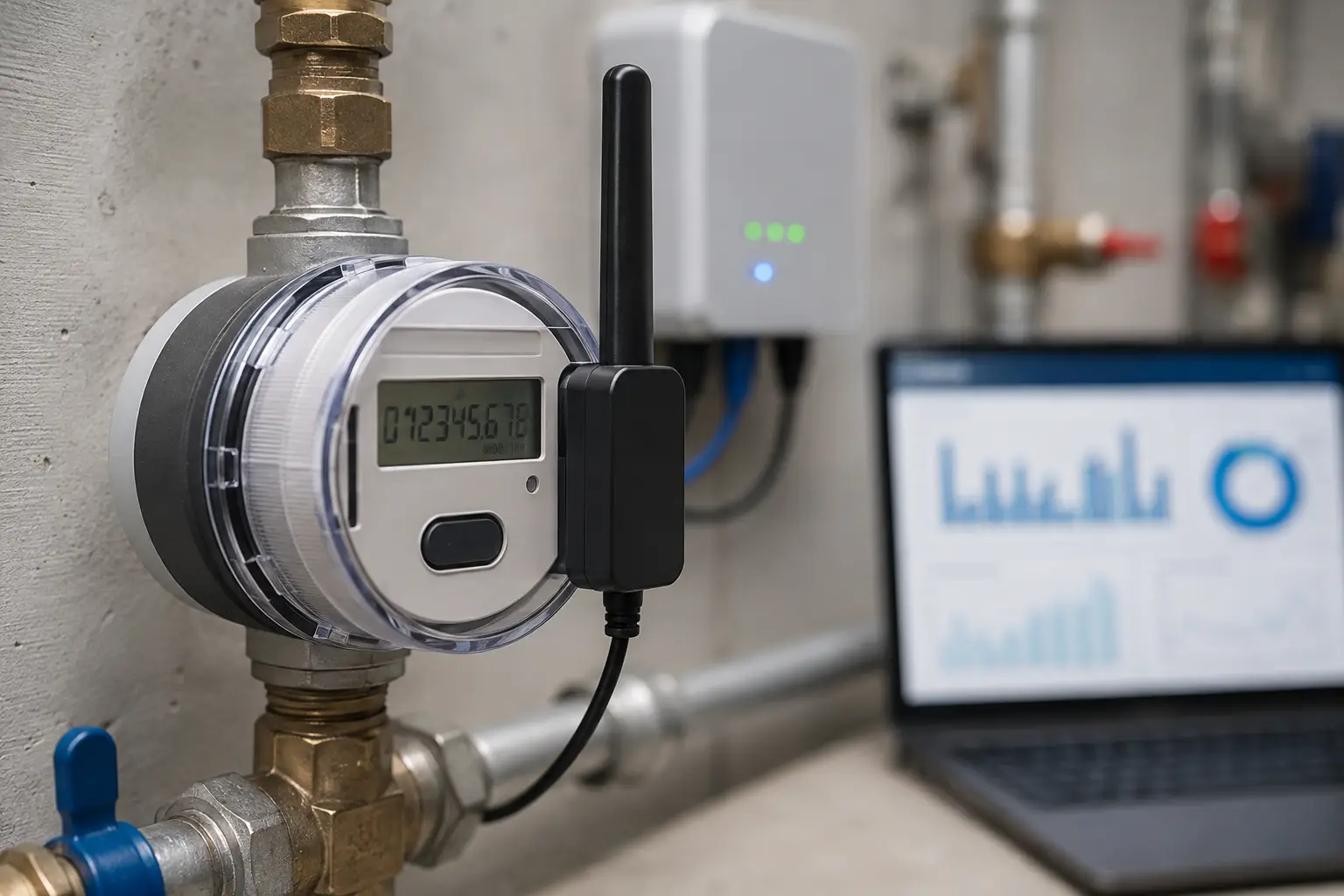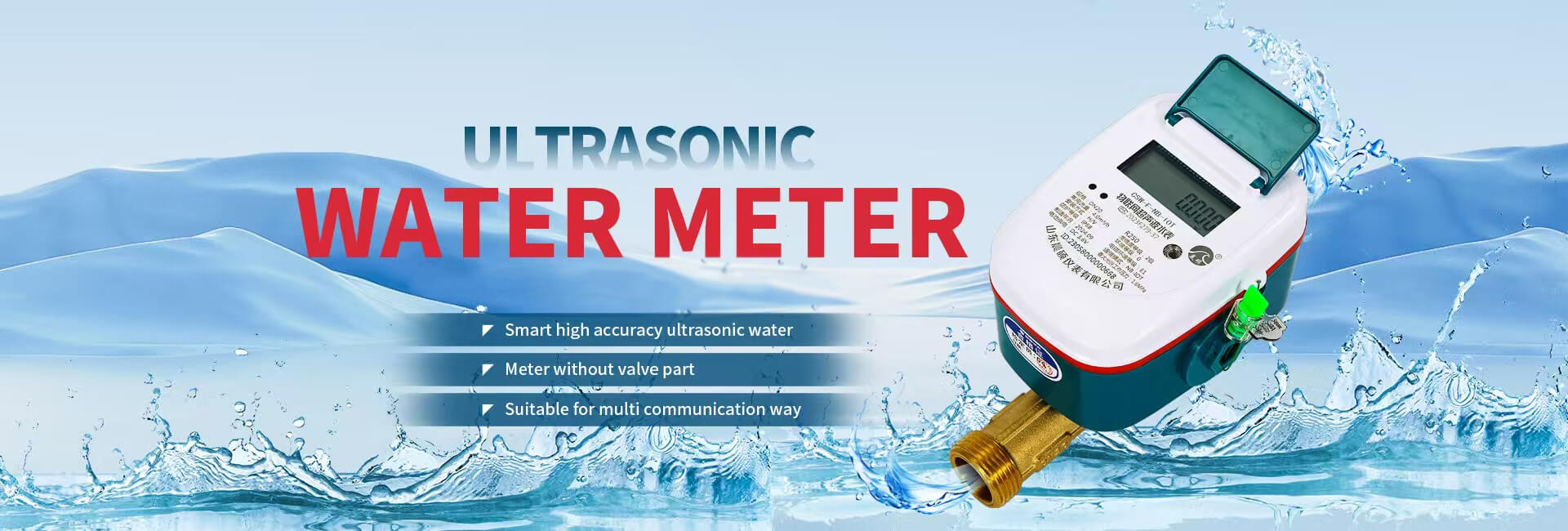


Buying water meters in bulk requires more than comparing unit prices. A distributor needs a supplier that can keep models, specifications, communication options, documents, and delivery batches consistent. The right Water Meter Manufacturer should also explain what can be supplied as a standard product and what requires OEM configuration.
Before requesting a quotation, define the target market, product types, meter sizes, quantities, communication needs, and delivery plan. A clear brief gives an OEM Supplier a workable basis for confirming models and pricing.
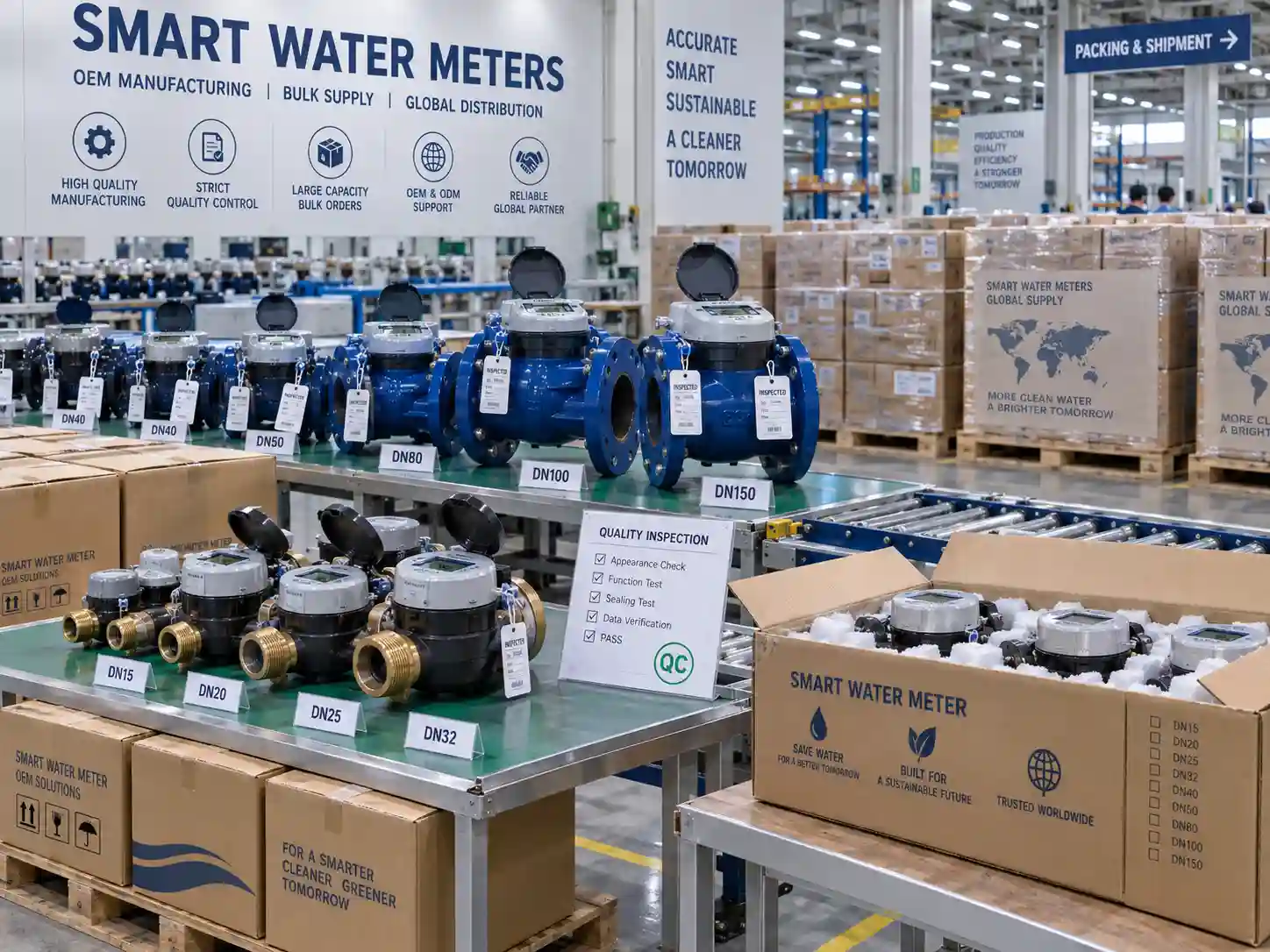
Distributors usually need more than one meter model. Their product range may include residential meters, commercial meters, municipal meters, industrial meters, smart water meters, ultrasonic meters, mechanical meters, or electromagnetic meters.
The supplier should provide clear information about:
A supplier with one suitable model may not cover the full needs of a distributor’s sales territory. Product range matters when customers use different pipe sizes or applications.
Start with the intended use. Residential sub-metering, commercial building management, municipal supply, and industrial water monitoring can require different specifications.
The RFQ should state whether the order is for:
If smart functions are required, list them separately. Remote reading, prepaid operation, STS communication, leakage alarms, and valve control are not the same requirement.
State the total quantity and the quantity for each meter size. Include the expected delivery schedule if the order will be shipped in batches.
A practical meter schedule includes:
This prevents a quotation from combining different specifications under one general product name.
The distributor should identify the countries and sales channels involved. Local requirements may affect labels, manuals, packaging, units, testing documents, communication networks, and approval paperwork.
Country-specific certification and legal requirements should be checked with the relevant local authority or project owner. A supplier should not be asked to assume those requirements.
| Evaluation Area | Questions to Ask |
| Product range | Which meter types, sizes, and connections are available? |
| Technical fit | Can the model match the project flow and installation conditions? |
| Comunicación | Are 4G, LoRa, LoRaWAN, or other options available for the selected model? |
| Funciones | Are STS, prepaid, valve control, leakage alarm, or empty-pipe protection required? |
| Documentation | Are datasheets, drawings, manuals, and test records available? |
| OEM capability | Can labels, packaging, communication settings, or configurations be adapted? |
| Quality process | What inspection and batch records are supplied? |
| Entrega | Can samples, pilot units, and bulk batches be coordinated? |
The answers should be linked to a specific model or product series. General statements about a factory do not replace a model-level specification.
Standard products are suitable when the distributor already knows the required model and does not need brand or configuration changes. This approach can simplify stock replenishment.
An OEM Supplier becomes more relevant when the distributor needs:
Ask how customization affects samples, minimum quantities, production approval, and delivery. Confirm that the approved sample uses the same configuration as the bulk order.
The label “OEM” alone is not enough. The important point is which parts of the product and documentation can actually be adapted.
Before placing an order, confirm:
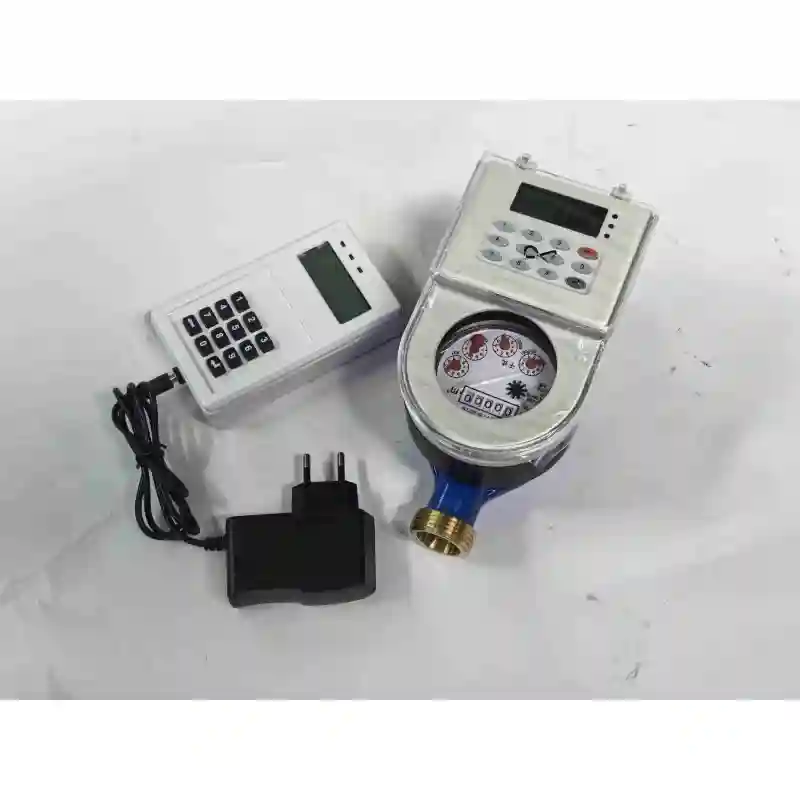
For example, the Chenshuo XT815 series includes XT815-M mechanical pulse and XT815-U ultrasonic models. The documented series supports 4G, LoRa, and LoRaWAN communication options, as well as STS communication and smart valve control.
El XT815-U uses ultrasonic transit-time measurement. Its documented functions include R250 turndown, micro-flow detection, leakage alarm, and empty-pipe protection. The final configuration still needs to match the distributor’s market and project requirements.
A complete supplier review should include the documents needed for sales, approval, installation, and support:
Certification names and validity should be checked for the target market. Do not treat a general “certified” statement as sufficient evidence.
Sample checks may cover:
The test list should reflect the final sales or project requirement. A local-reading distributor does not need the same acceptance process as a remote-reading system integrator.
Record the sample model, communication version, label, packaging, and selected functions. Any later change should be reviewed and approved before production.
For batch deliveries, retain inspection records and serial-number lists. This gives the distributor a reference when customers ask about a specific shipment.
A low quotation can become expensive when the scope is incomplete. Common problems include:
The solution is a written specification and an approval point before mass production. Both sides should be able to identify the exact model and configuration from the order documents.
Shandong Chenshuo Instrument Co., Ltd. provides mechanical, ultrasonic, electromagnetic, and intelligent water meter products. The XT815 series combines water metering with communication, STS prepaid communication, and smart valve-control options.
For the XT815-U ultrasonic model, the documented configuration includes micro-flow detection, leakage alarm, and empty-pipe protection. Communication options include 4G, LoRa, and LoRaWAN, subject to model and project confirmation.
A distributor can submit the target market, product quantities, DN range, installation conditions, communication preference, OEM requirements, and required documents through the Chenshuo .
Include the following information in the RFQ:
A complete RFQ helps the supplier return a model-level quotation instead of a broad product estimate.
Bulk water meter purchasing works best when the distributor defines the product, market, configuration, documents, and delivery process before comparing suppliers. Unit price is only one part of the decision. Consistent specifications and traceable batches affect inventory management, customer approval, and future support.
Chenshuo can review distributor requirements covering meter type, DN range, communication, STS or valve functions, OEM details, and technical documents. Submit those details when requesting a quotation so the supplier can confirm the applicable model, sample plan, and bulk-order configuration.
Q1: What should distributors look for in a Water Meter Manufacturer?
A: Check the supplier’s product range, model specifications, communication options, technical documents, sample process, OEM scope, and batch traceability. Each answer should be linked to a specific product or series.
Q2: What is the difference between an OEM Supplier and a standard water meter supplier?
A: A standard supplier provides defined products and configurations. An OEM Supplier may also support branding, labels, packaging, communication settings, or project-specific configurations. The exact customization scope must be confirmed before ordering.
Q3: What information should be included in a bulk water meter RFQ?
A: Include the target market, application, quantity, DN range, connection, flow conditions, communication, platform, optional functions, OEM requirements, sample tests, delivery batches, and required documents.
Q4: Should distributors test samples before placing a bulk order?
A: Sample testing is useful when communication, platform connection, labels, installation dimensions, or special functions must be checked. The approved sample should match the planned bulk configuration.
Q5: Can a water meter manufacturer provide communication, STS, or valve-control configurations?
A: Some product series support these options. Chenshuo’s documented XT815 series supports 4G, LoRa, LoRaWAN, STS communication, and smart valve control. Confirm the required combination for the selected model before production.
 Dirección: Parque Industrial Xiao'anzi, ciudad de Baishabu, distrito de Lanshan, ciudad de Linyi, provincia de Shandong
 Llámenos ahora:+86 15562945993
 Correo electrónico:info@sdchenshuo.cn


Shandong Chenshuo Instrument Co., Ltd.