

A LoRaWAN water meter pilot should establish whether the proposed meters, network, and application can deliver usable readings from real installation positions. Choose representative sites, define acceptance criteria, test coverage and data quality, and repeat failed checks after corrective work. Approve expansion only when the evidence supports the next deployment area and its operating requirements.
Start by confirming how LoRaWAN water meters communicate across the meter, gateway, network server, and application. LoRa is the radio technology; LoRaWAN defines the networking protocol. A supplier offering a LoRa radio does not automatically establish compatibility with your LoRaWAN network, decoder, or billing platform. Document that complete path before selecting pilot equipment.
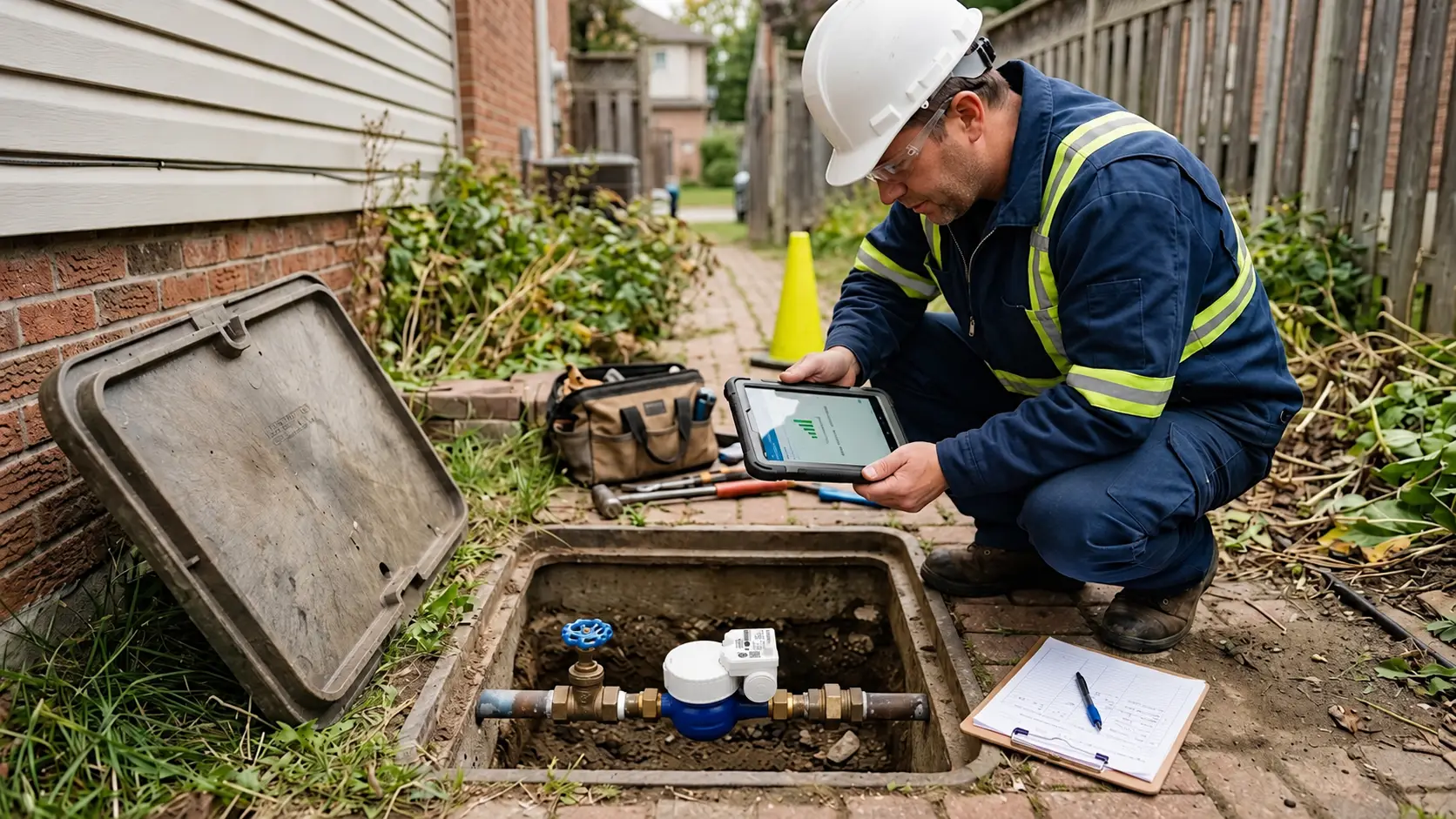
Write the decision the pilot must support. A residential billing project may prioritize complete cumulative readings before a billing deadline. A leak-monitoring project may require shorter reporting intervals and prompt event delivery. Use these requirements to define the sample, observation period, platform checks, and response expected when data is missing.
Specify meter sizes, installation types, gateway positions, backhaul, firmware, reporting schedules, and support responsibilities. Confirm the regional frequency plan and device activation settings. Establish project-specific acceptance thresholds for delivery, latency, unexplained gaps, and field visits. Keep them unchanged during assessment, or document why a revised requirement is necessary and rerun affected tests.
Set the observation window around scheduled reporting cycles, normal occupancy, and a planned recovery test. A short demonstration may establish basic integration, but it cannot establish seasonal coverage or years of battery life. Record conditions that the pilot did not observe and decide whether they need a later trial or another form of verification.
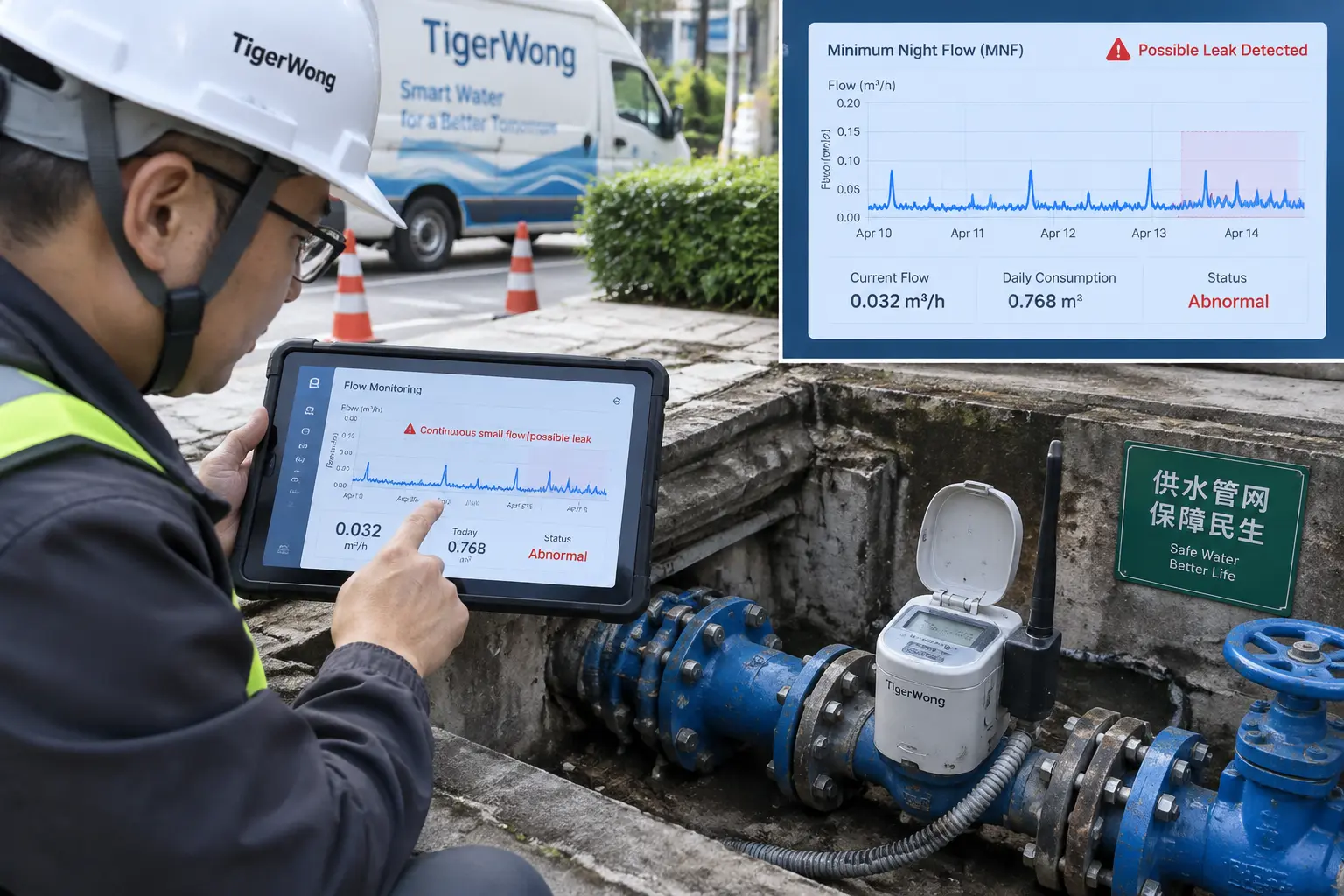
Choose ordinary sites as well as difficult positions. Include underground pits, enclosed cabinets, basements, dense buildings, and more open locations where these occur in the rollout. Remote areas, mountainous terrain, and severe signal shielding can create coverage gaps or weak signals. Keep those points in the results even when their performance is poor.
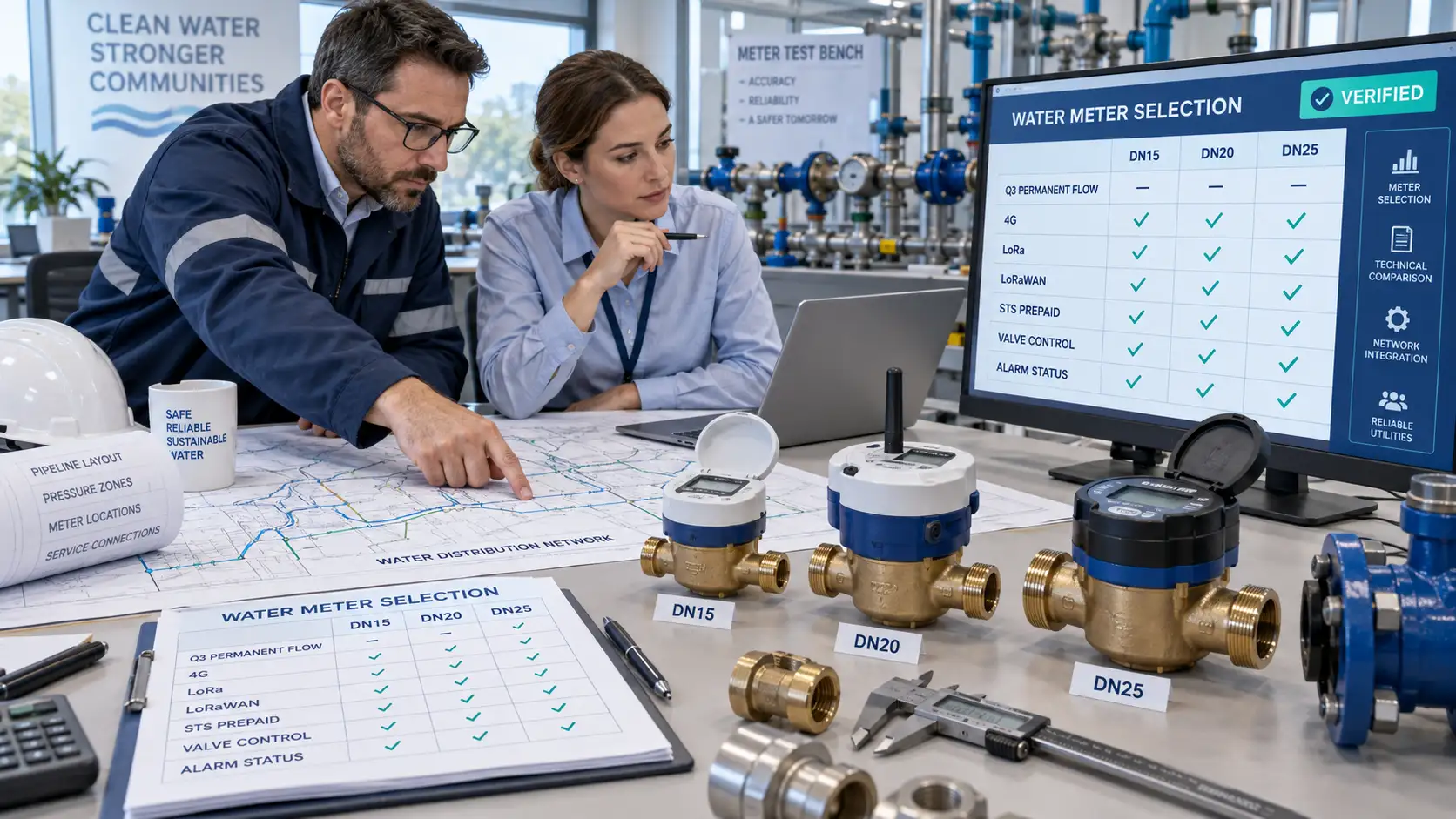
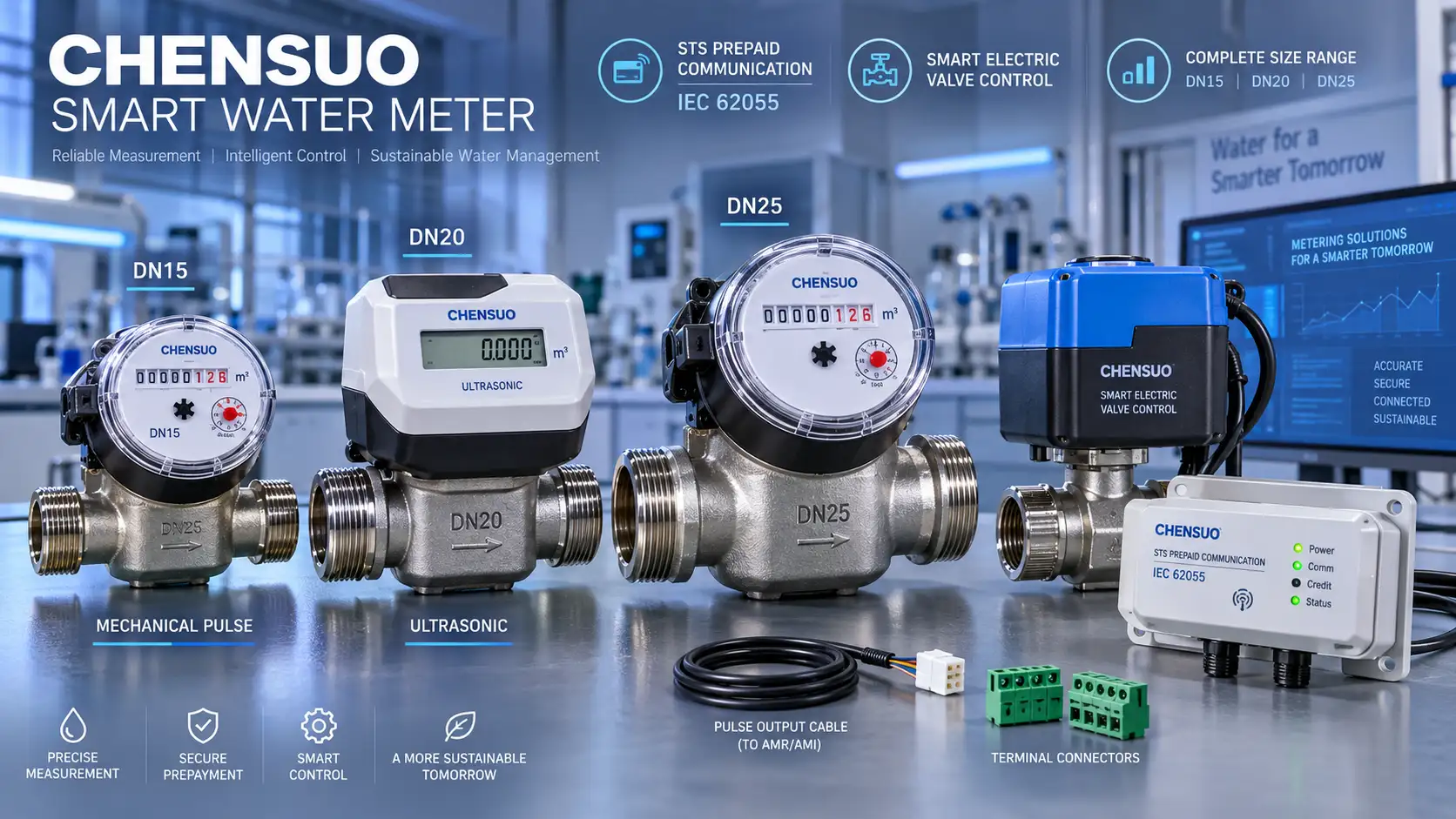
For a small service connection, a DN15 LoRaWAN water meter provides a concrete configuration to evaluate. Confirm flow requirements and connection dimensions separately from the radio specification. A successful result for one meter size or enclosure should not be extrapolated to every installation type without supporting field evidence.
Record the location, installation depth, cabinet or pit material, antenna position, nearby obstructions, and access restrictions. Photograph the installation without exposing customer information. Repeat visits to selected points under different site conditions, and preserve the original location record whenever equipment moves. Otherwise, later improvements cannot be traced to a specific change.
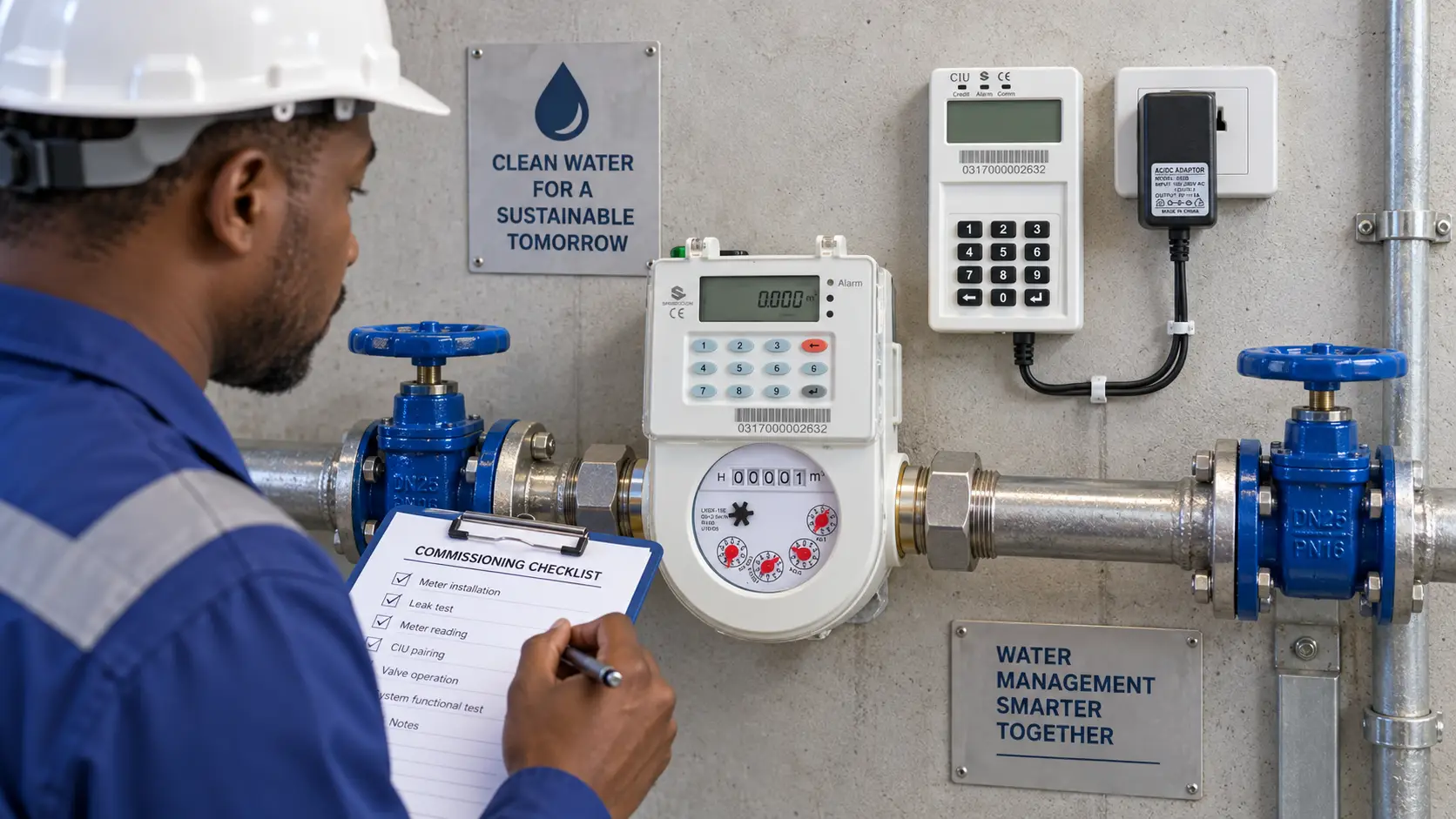
Match the physical serial number to the device identifier, network registration, payload decoder, and application asset. Keep security keys in the approved credential system, separate from general field worksheets. Record firmware and decoder versions so that a later update does not silently change the meaning of readings collected earlier in the pilot.
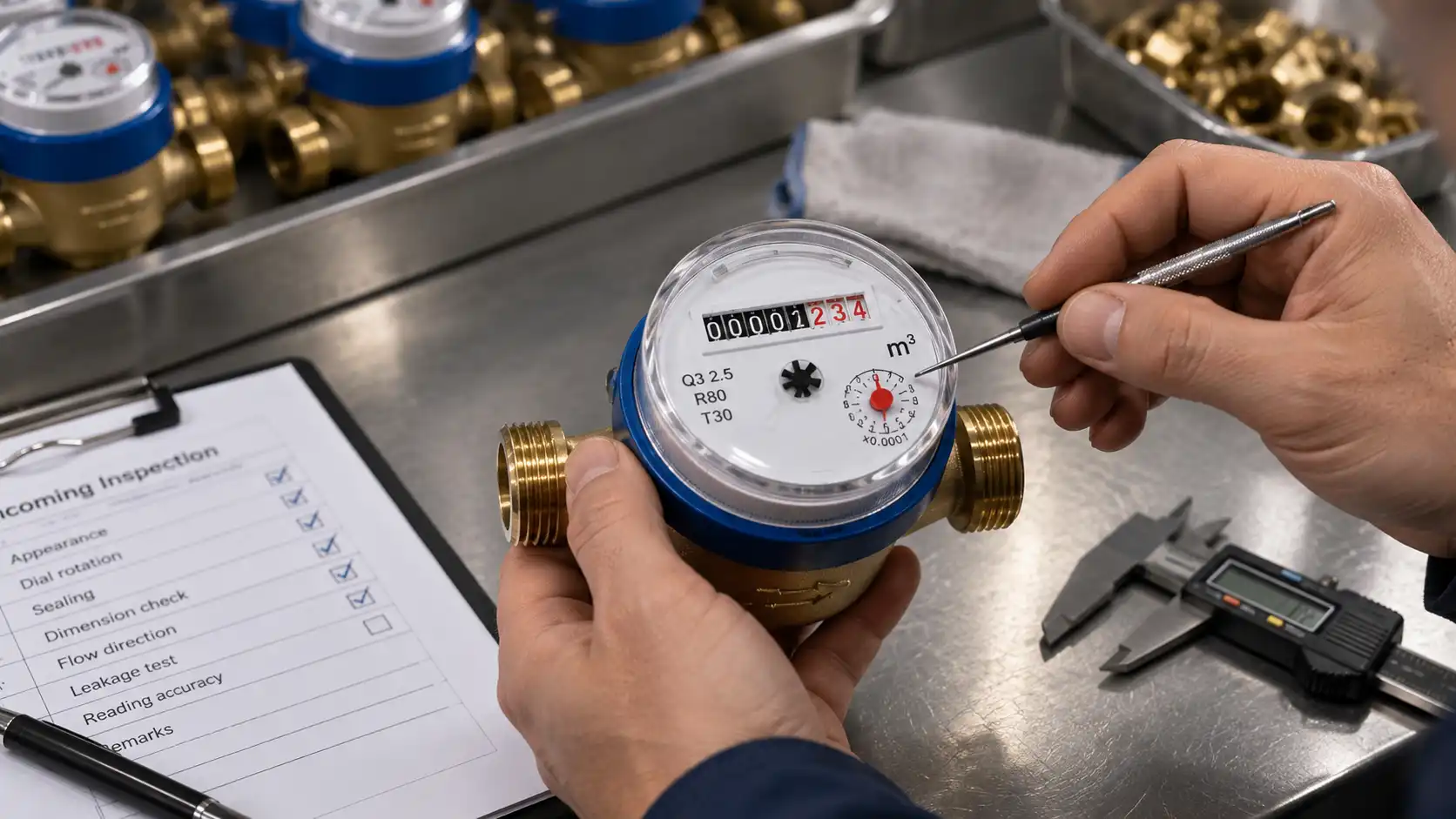
Photograph or record the initial local register with its observation time. Perform a controlled water draw and compare the resulting cumulative change with the decoded application value. Confirm units, decimal placement, timestamps, and asset assignment. This checks the data path; use the required metrological procedure separately if the project must verify measurement accuracy.
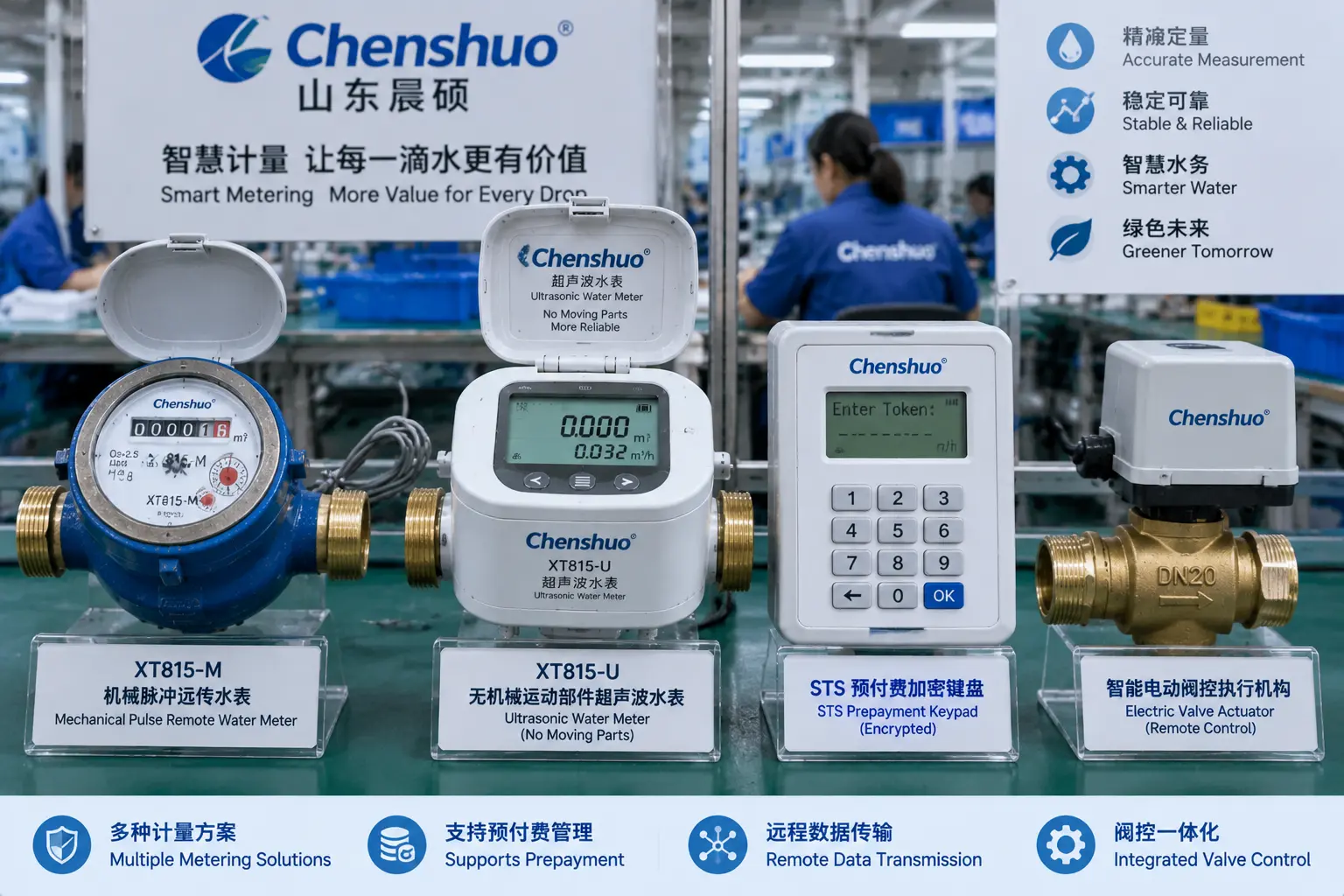
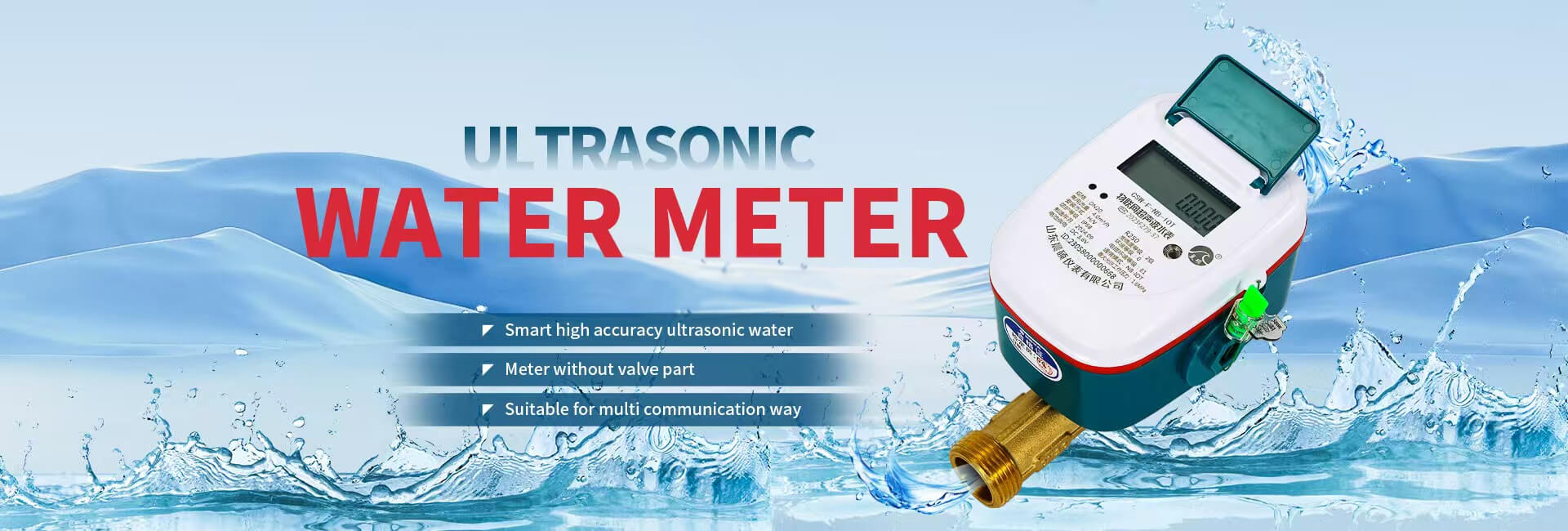
Chenshuo’s LXS-15~50 wireless meters use a split design with an independently sealed electronic cavity. Confirm the ordered communication architecture with the supplier, including any collector or concentrator and its connection to the main station. Draw each hop and identify its logs so that a missing reading can be investigated at the correct layer.
If the rollout includes larger connections, establish a separate baseline for the DN50 LoRaWAN water meter. Check pipe access, display visibility, antenna placement, and isolation arrangements independently of the DN15 results. Evaluate radio behavior only after the pipework and enclosure are in their final operating condition.
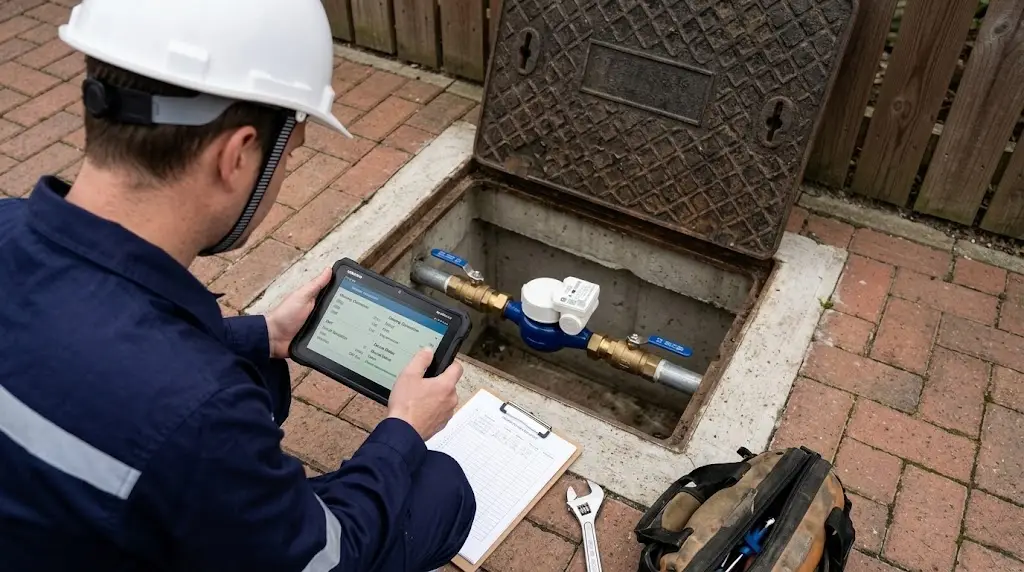
Test with cabinet doors and pit covers in their normal positions. Record the meter, gateway, antenna arrangement, radio settings, and observation window. A technician holding a meter above an open pit can obtain a result that does not represent the completed installation. Evaluate scheduled transmissions after the enclosure has been restored.
Capture gateway identity and available RSSI and SNR measurements alongside successful application records. RSSI describes received signal strength; SNR compares signal with background noise. Use them to investigate weak links, while judging acceptance on the agreed delivery requirement. A favorable reading from one packet cannot establish dependable delivery over the observation window.
For each failed location, check registration and decoding before assuming a radio problem. Then investigate the gateway path, enclosure, antenna position, and backhaul. Change one factor at a time and repeat the same observation procedure. Record the original result, corrective action, and retest outcome so that the proposed remedy can be reproduced.
Report results by installation class and by individual meter. Include scheduled message counts and gaps, rather than quoting a single maximum distance. Chenshuo’s LoRaWAN meter specifications state that communication distance varies between test environments. A coverage map should therefore show measured positions, configuration, and untested areas, with no implied guarantee beyond the tested conditions.
Define a usable reading as a unique, correctly identified record with valid units and a usable timestamp. Count the records expected from each device’s configured schedule during its active observation window. Separate deliberately planned outages from unexpected losses, and retain both in the report. Remove gateway duplicates before calculating delivery at the application level.
Calculate completeness as unique valid records received divided by expected records, multiplied by 100. For a hypothetical test expecting 100 scheduled readings, 97 valid readings give 97% completeness. That figure is an example calculation, not a recommended acceptance threshold. Also report the longest unexplained gap so that a good average cannot conceal one persistently silent meter.
Check timeliness separately. Distinguish the measurement timestamp, when available, from gateway reception and application ingestion times. A recovered reading may improve completeness while still missing its operational deadline. Investigate negative cumulative changes, implausible jumps, duplicates, and inconsistent units against local readings and raw payloads before using the data for billing or alarms.
With the operator’s authorization, interrupt a selected gateway or test backhaul during a scheduled window, then restore it. Record whether another gateway maintained delivery, whether local measurement continued, and which records arrived later. Keep service-critical functions outside the test or provide an agreed fallback. Do not create interference on the shared radio channel.
Where the selected device supports local storage, verify what it retains and how the application retrieves it. Cached data does not automatically mean that every missed interval is replayed. Confirm duplicate handling, recovery timestamps, and the response to unavailable history. Compare a final physical reading with the application register and explain any timing-related difference.
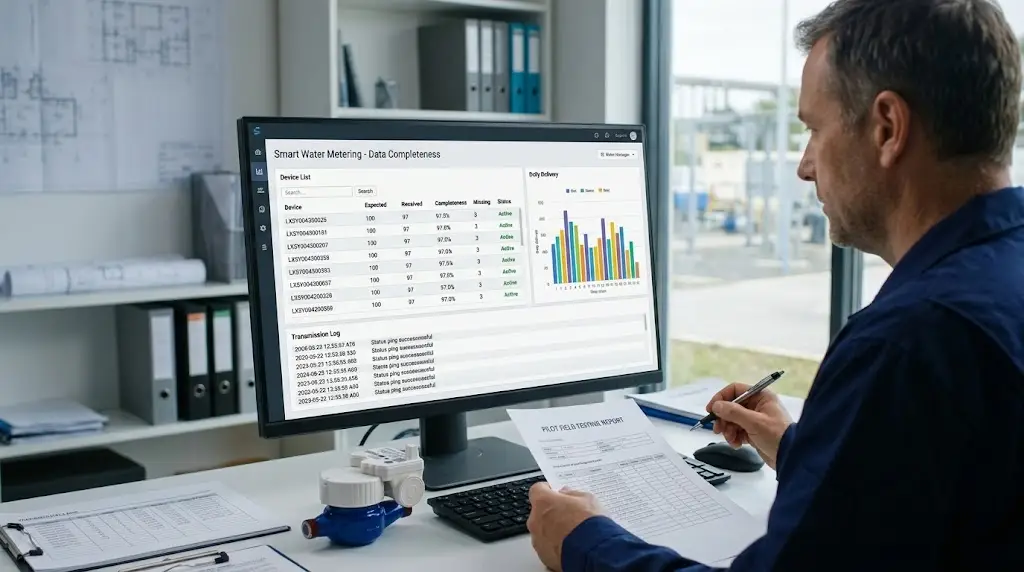
Time the work needed to mount, register, test, and document each meter. Log failed joins, incorrect asset mapping, return visits, access delays, and remote diagnosis attempts. These records indicate the labor needed for expansion and identify steps that installers need to practice before a larger batch reaches the field.
Record the reporting interval, retry behavior where available, valve activity, and temperature conditions for the battery review. Ask the supplier to assess the ordered configuration against that operating profile. A short pilot can reveal unusually frequent transmissions or difficult maintenance access; it cannot validate an entire battery lifetime from a stable voltage display.
Prepare one result row per meter with its site class, configuration, expected and received records, longest gap, exceptions, corrective work, and final status. Retain the unsuccessful sites. Set the decision as proceed, proceed within a defined scope, extend the pilot, or redesign, and explain the evidence supporting that choice.
A small pilot also leaves capacity questions open. Review the planned meter count, reporting pattern, downlink demand, gateway backhaul, and application processing load with the network team. Use an authorized load test or a staged expansion to check the larger traffic profile. Keep that capacity assessment separate from evidence that individual field points can communicate.
If some locations remain unsuitable for the gateway plan, compare LoRaWAN and NB-IoT deployment requirements before choosing an alternative. An operator-network option still requires its own installed-position coverage test, platform integration, and service-cost review. Replacing a communication label does not resolve an untested site condition.
For expansion planning, send Chenshuo your pilot site and data requirements, including meter sizes, installation classes, destination frequency plan, gateway arrangement, reporting schedule, and platform interface. Request confirmation of the proposed configuration and outstanding test items. Release the next batch against that documented scope and the pilot’s measured results.
Q1: Why is a pilot test necessary before a large-scale LoRaWAN water meter rollout?
A: A pilot test helps water utilities evaluate network coverage, data transmission reliability, and installation conditions before deploying hundreds or thousands of meters. It identifies weak signal areas, communication failures, and system integration issues early. By testing meters in representative locations, project managers can reduce deployment risks and make better decisions about gateway placement and network expansion.
Q2: How can you test LoRaWAN water meter signal coverage in the field?
A: Install the meters in their intended operating positions, including underground pits, basements, and enclosed cabinets. Monitor successful data transmissions and record signal indicators such as RSSI and SNR. Testing should be conducted with covers and enclosures in their normal positions. Compare the results with predefined acceptance criteria to identify locations that require further investigation or network adjustments.
Q3: How do you measure data completeness during a LoRaWAN water meter pilot?
A: Data completeness is calculated by dividing the number of unique, valid readings received by the number of expected readings, then multiplying by 100. For example, receiving 97 valid readings out of 100 expected transmissions gives 97% completeness. Utilities should also examine missing records, duplicate messages, reporting delays, and communication interruptions to evaluate whether the collected data meets operational requirements.
Q4: When is a LoRaWAN water meter pilot ready for large-scale deployment?
A: A pilot is ready for expansion when its results meet the project’s agreed acceptance criteria for network coverage, data quality, installation performance, and system integration. Project managers should review failed locations, unresolved communication gaps, maintenance requirements, and gateway capacity before approval. If significant issues remain, extending the pilot or adjusting the network design is preferable to proceeding with an unrestricted rollout.
 Address: Xiao'anzi Industrial Park, Baishabu Town, Lanshan District, Linyi City, Shandong Province
 Call us now:+86 15562945993
 Email:info@sdchenshuo.cn


Shandong Chenshuo Instrument Co., Ltd.