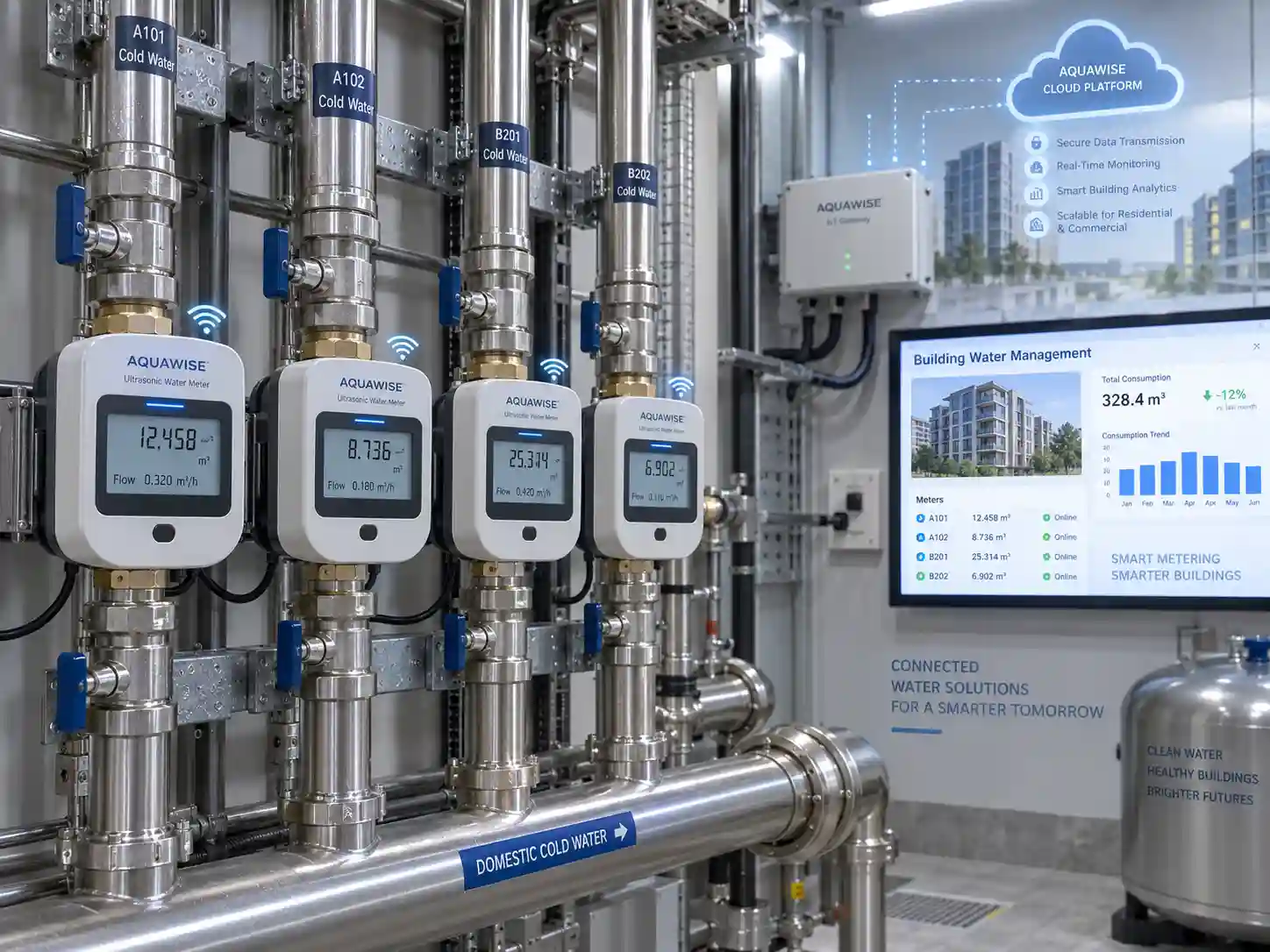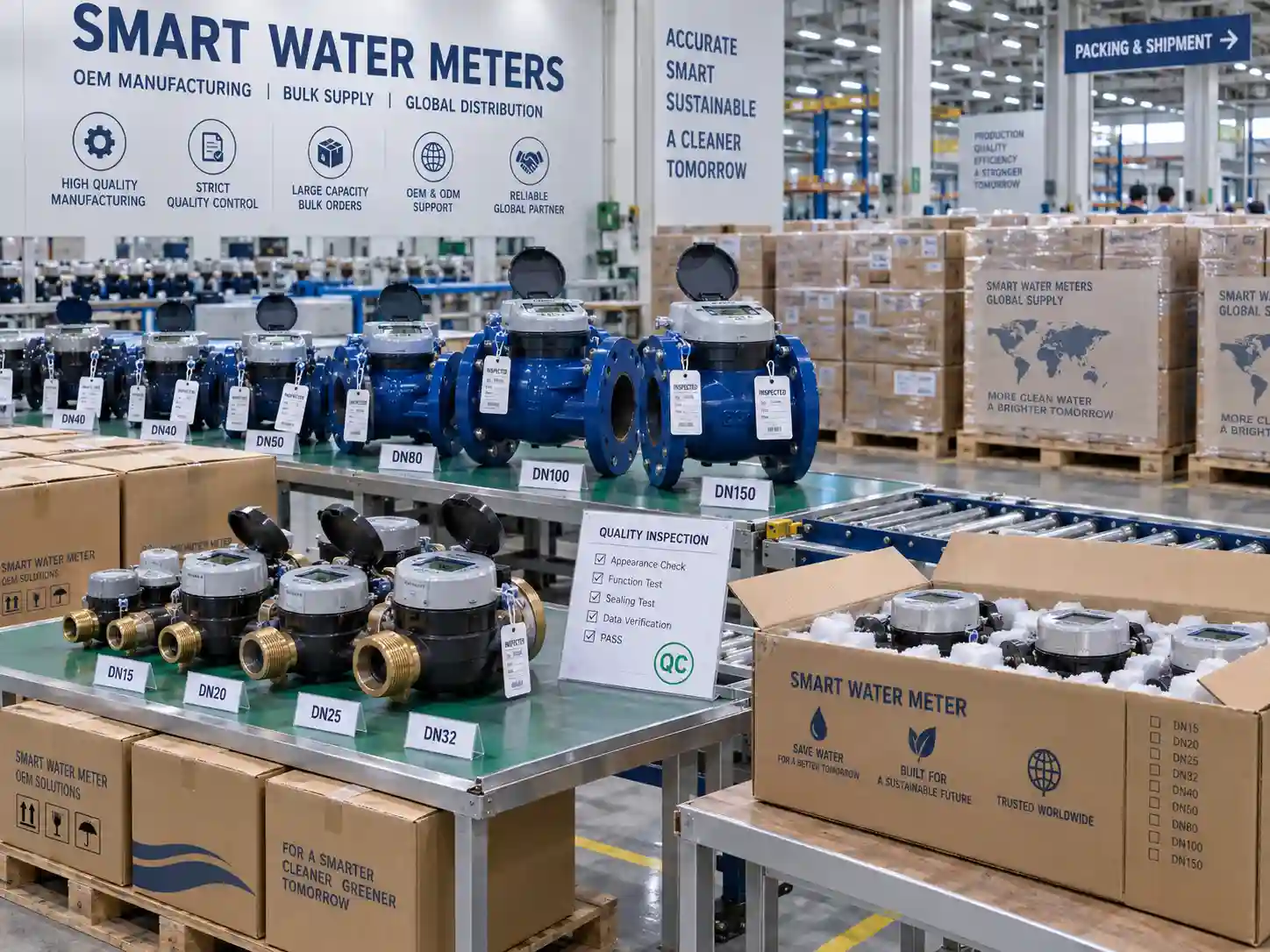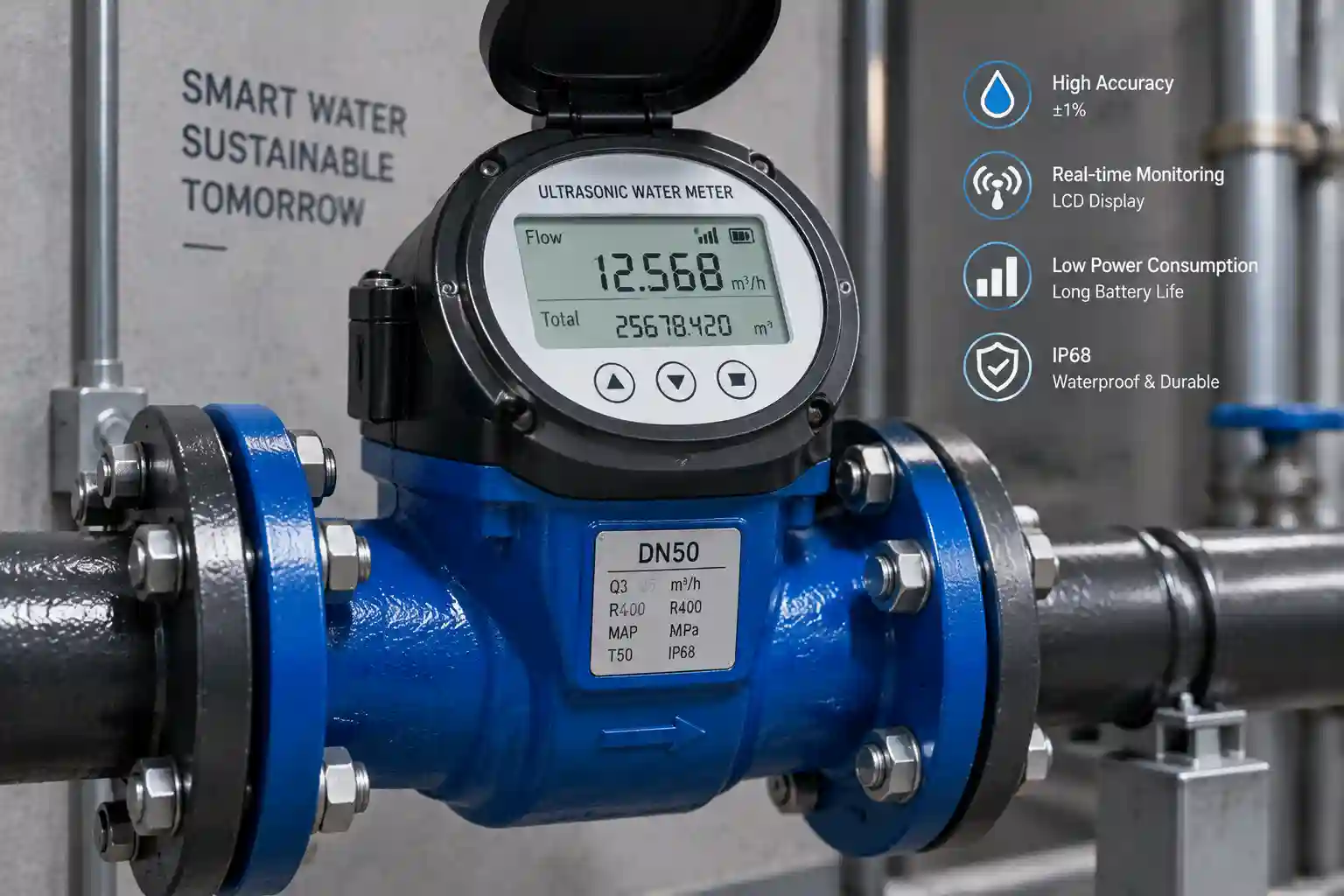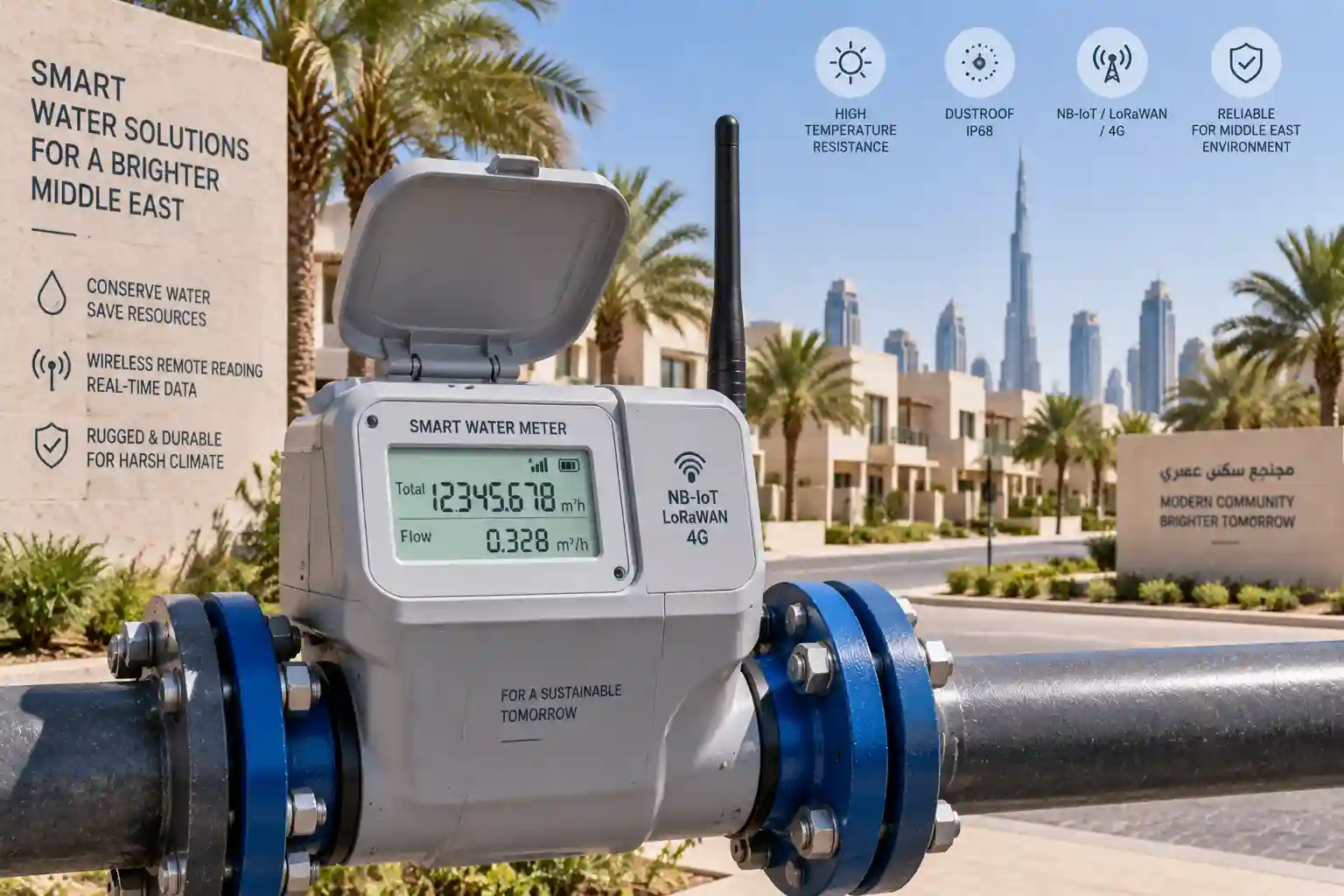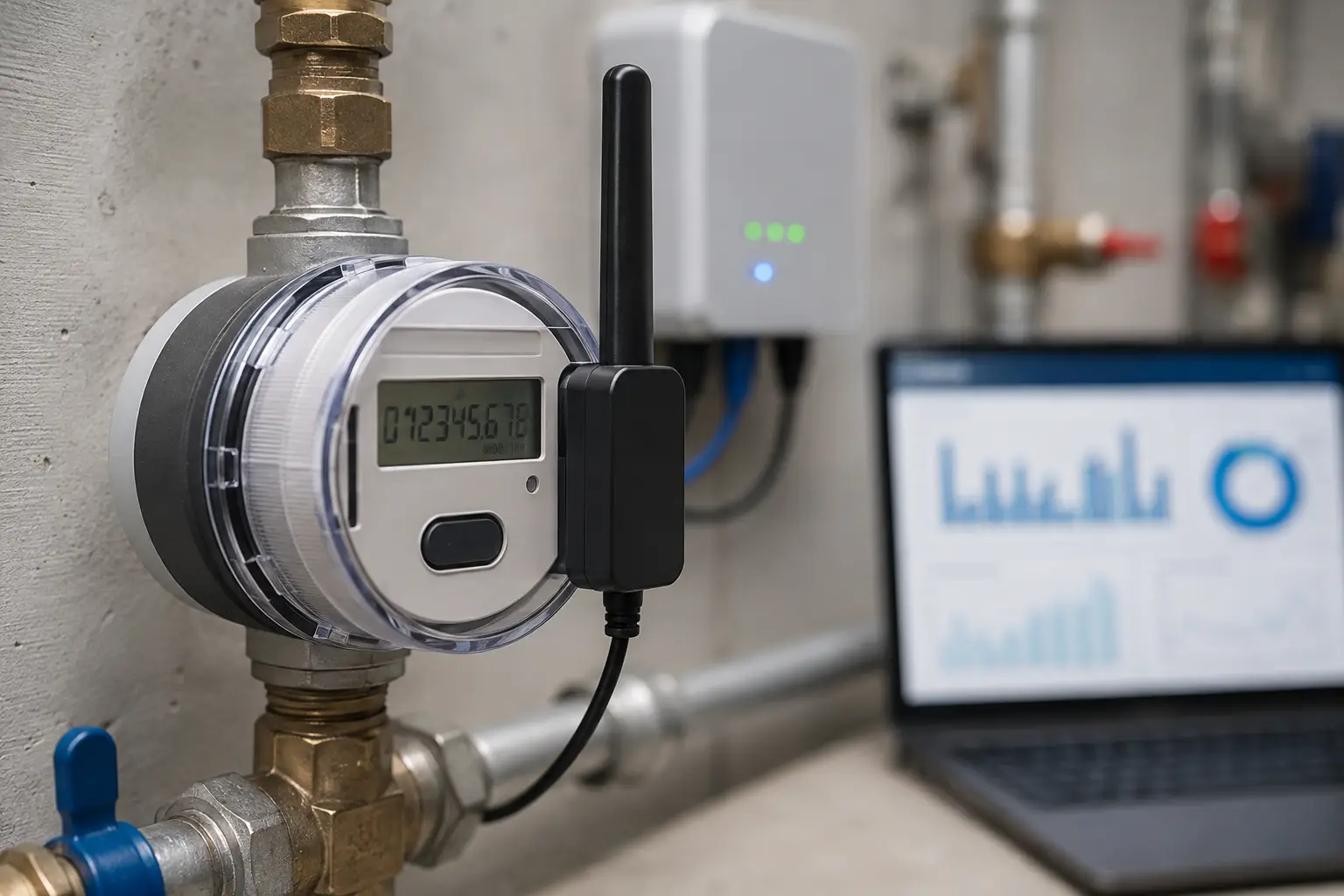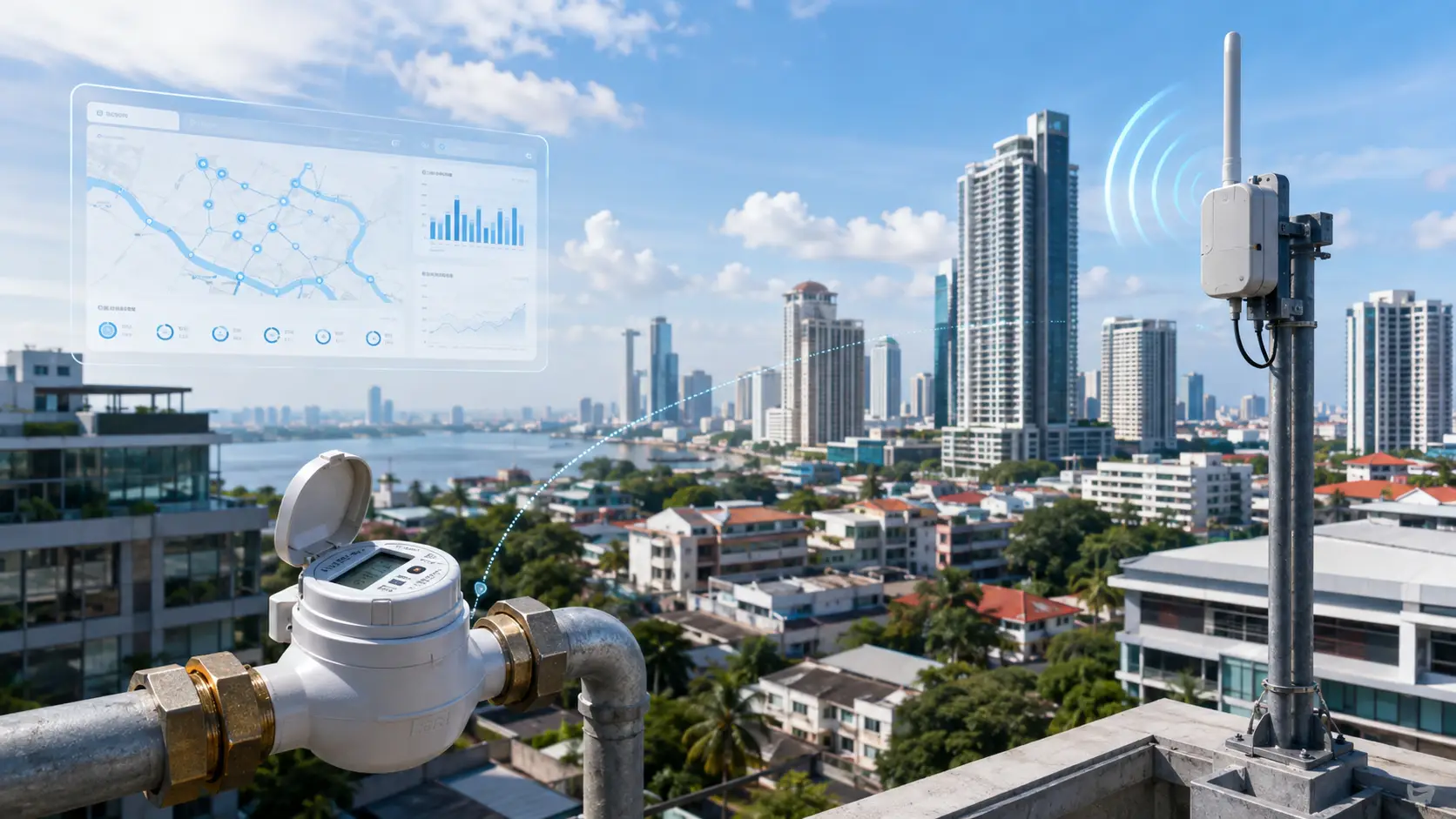


Water utilities, property teams, and building operators increasingly need water-use data from places that staff cannot visit every day. A connected meter records consumption at the pipe and sends the reading to a remote system. That changes the work from periodic manual collection to a data route that can be checked, stored, and reviewed.
A LoRaWAN Water Meter is a water meter with LoRaWAN communication capability. It measures water use, records the result, and sends the data through a LoRaWAN network to a gateway and an application system. The meter is the measuring device. LoRaWAN is the communication and network layer around it.
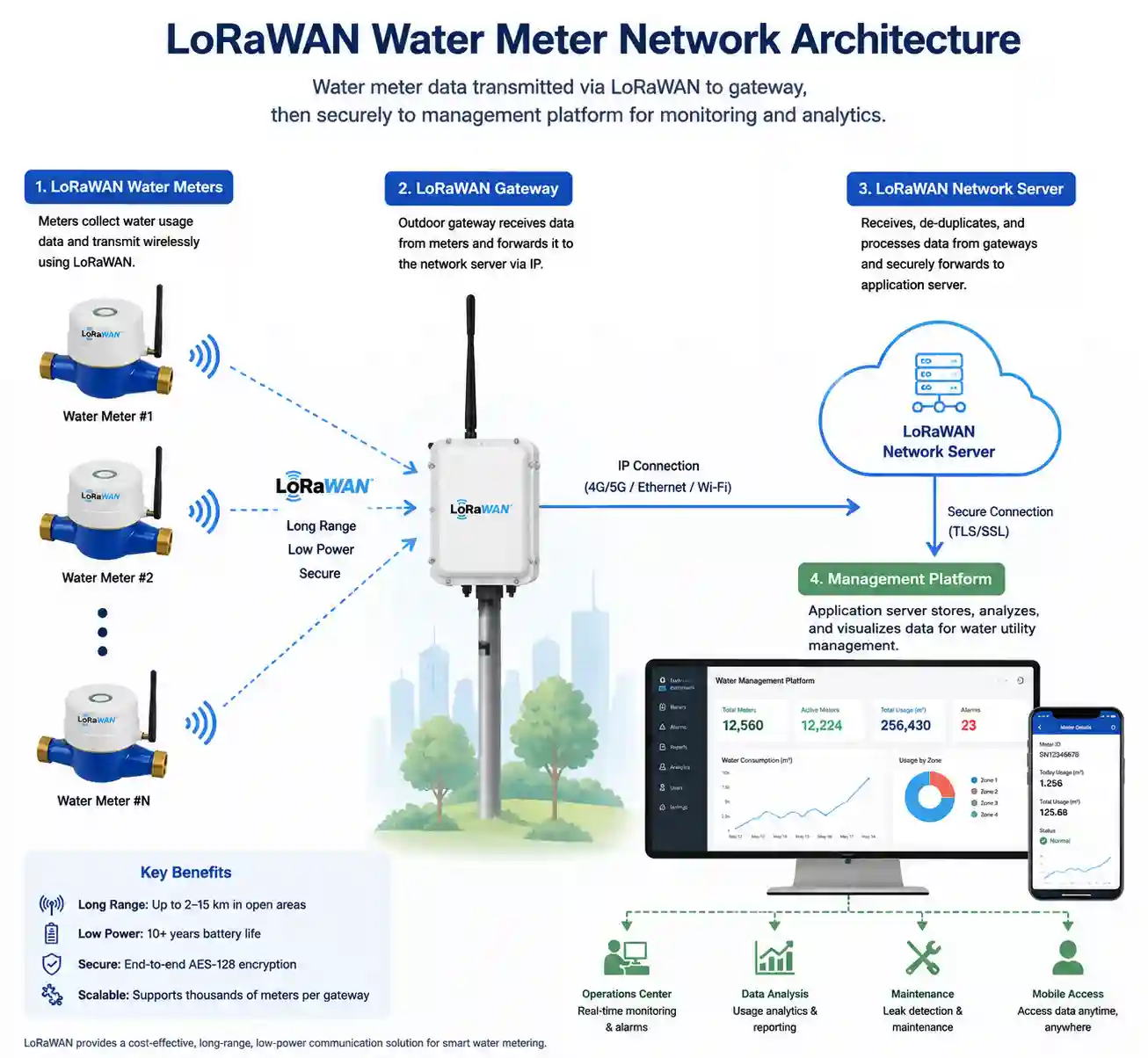
A LoRaWAN water meter combines a water-measurement mechanism with a low-power wireless connection. The measurement section may use a mechanical, electronic, ultrasonic, or another documented structure. The communication section sends readings at a configured interval or when a defined event occurs.
The setup has four parts: the meter, a LoRa radio, a gateway, and a network or application platform. The meter produces the value, the radio sends it, the gateway receives it, and software stores or displays the reading.
The meter measures water passing through the pipe and accumulates the result. Nominal diameter, flow range, connection size, and metering structure determine the pipeline fit. A residential branch and an industrial line create different specification requests.
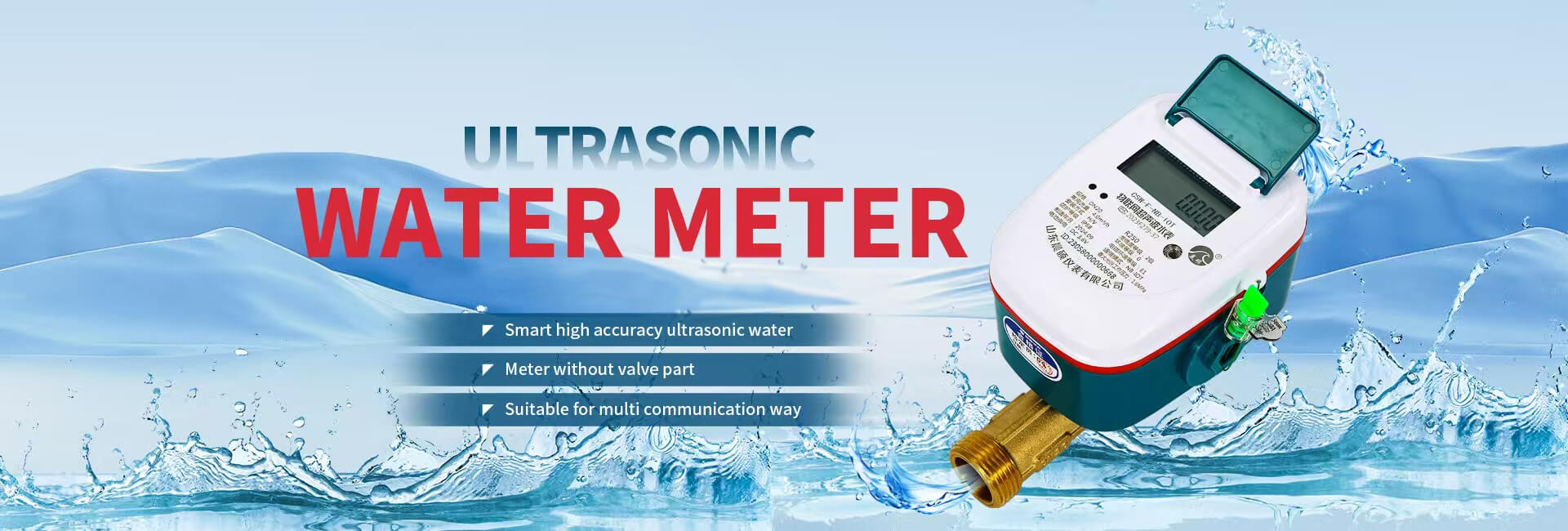
Chenshuo’s documented LXS-15~50 series is a small-diameter LORAWAN wireless remote water meter. It uses a split design, with the electronic unit installed in an independent fully sealed cavity. The product documentation describes wet or dry rotor metering structures, IP68 waterproof performance, and optional valve control within the stated product scope.
The system works as a chain of measurement, wireless transmission, gateway reception, and data processing. The following table keeps the roles separate and gives each layer a practical check.
| Layer | Main role | Typical checks |
| Meter | Measures and stores water use | DN, flow range, metering structure, display, alarms |
| LoRa radio | Sends the reading wirelessly | Frequency plan, transmit setting, reporting interval |
| Gateway | Receives nearby meter messages | Position, antenna location, walls, lids, and local signal |
| Network and application | Routes and presents the data | Device registration, data format, dashboard, API, or billing link |
LoRa refers to the radio communication technology used for long-range, low-power transmission. LoRaWAN refers to the network protocol and operating framework that manages connected devices and carries their messages to an application.
For a water-meter project, a device with a LoRa radio still needs a LoRaWAN gateway, network service, and application connection. The network and software scope should be confirmed separately.
Some projects use a meter with a built-in LoRaWAN module. Another route uses a pulse counter on an existing meter. The retrofit requires confirmation of pulse output, pulse value, wiring, enclosure, and data mapping. “LoRaWAN” describes the communication path; the hardware arrangement still needs to be specified.
LoRaWAN identifies the data link. Water-side specifications still need their own review: start with pipe and operating conditions, then check electronic and network details.
DN, or nominal diameter, describes the meter’s connection size. Flow range shows the operating conditions that the meter is expected to measure. The normal flow, peak flow, pipe connection, and available installation space should be recorded before a model is selected.
The LXS-15~50 range is a documented Chenshuo example for small-diameter applications. More information is available in the LoRaWAN water meter range category. The range itself should not be treated as a universal standard for every project.
Installation conditions shape the electronics specification. The LXS-15~50 documentation describes an independent sealed electronic cavity and IP68 protection. Its electronic parameters list a 2.7-3.6 V lithium power supply, 470-510 MHz and 868-915 MHz frequency options customised to customer requirements, transmit power up to 20 dBm, and receive sensitivity of -136 +/- 1 dBm.
Those figures belong to the documented product scope. The communication distance is listed as typically 1-6 km, with different results in different test environments. Walls, underground pits, lids, antenna position, and gateway layout require field validation before a coverage statement is made.
Set the reporting interval in the technical request because it affects the battery and network plan.
Valve control is a product-specific option. Chenshuo’s LXS-15~50 documentation describes optional valve control and prepaid-water-meter functions.
The XT815 STS series is a separate documented product scope. It supports IEC 62055 STS 20-digit token top-up, valve control, remote communication options including 4G, LoRa, and LoRaWAN, low-balance alerts, fault reporting, and IP68 protection. XT815-M is the mechanical pulse model, while XT815-U is the ultrasonic model with leak-alert and empty-pipe detection functions. These features should be requested by model and project requirement.
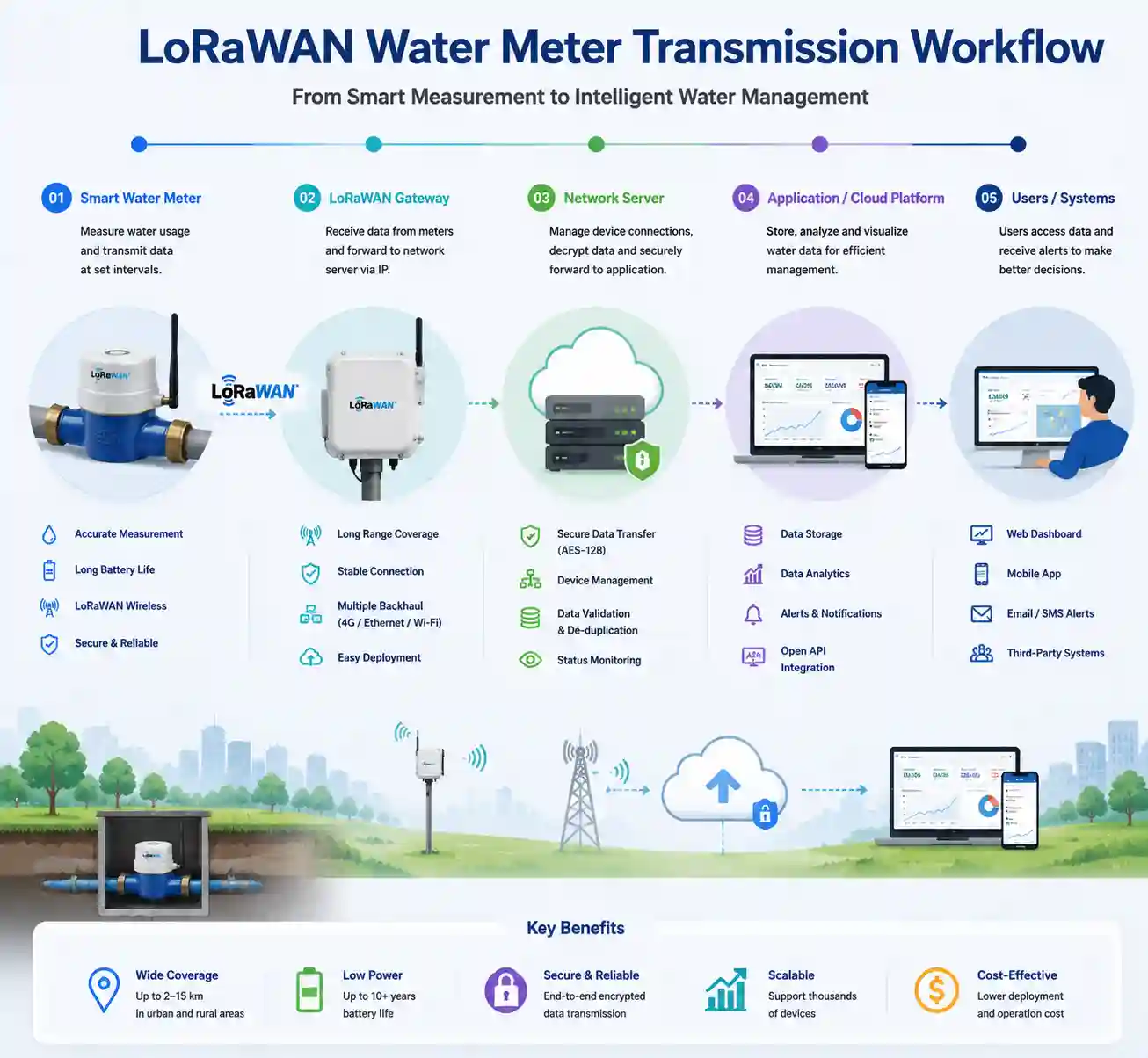
LoRaWAN water meters suit projects that need distributed readings and a defined wireless data route. The exact design depends on the buildings, pipework, installation access, and management system.
Apartment blocks can use remote readings for units or shared areas. Commercial buildings may divide consumption by tenant, floor, or service zone. Specify meter size, access, reporting interval, gateway location, and the billing or platform interface.
Campuses and industrial parks spread meters across buildings, so the project needs a gateway plan, device list, maintenance route, and data-ownership decision. Utility networks may connect readings to a settlement center, management system, or leakage-monitoring workflow.
Chenshuo’s water meter remote-monitoring applications provide a related application reference.
Underground chambers, thick walls, metal lids, and long cable routes can affect radio performance. A practical survey records the meter position, likely antenna position, gateway location, and any shielding material. A short signal and data-delivery test can reveal issues before a larger installation is approved.
Deployment planning connects the meter specification to the radio and receiving system.
Record the destination, installation environment, DN, pipe connection, normal and peak flow, and preferred metering structure. Add IP protection, power source, reporting interval, local display, alarms, valve control, and prepayment requirements. For ultrasonic models, the pipe must remain full and the installation plan must address air in the measuring section.
Confirm the approved local frequency plan and gateway arrangement. Give the supplier the reporting schedule, device quantity, data destination, platform or API requirements, and any billing interface. Radio approval and network planning are project-specific.
Communication distance is an environmental result. Validate signal strength, message delivery, gateway position, enclosure conditions, and data registration with the actual installation layout. Record the check in the pilot or commissioning record.
A LoRaWAN water meter measures water at the pipe and moves the reading into a remote data workflow. The meter model, communication band, gateway layout, reporting interval, and application interface all contribute to the result. The word “LoRaWAN” describes the communication path; hydraulic and installation details remain separate decisions.
Chenshuo’s documented LXS-15~50 series gives one concrete example: a split electronic design, sealed cavity, IP68 protection, configurable frequency ranges, and optional valve control. Chenshuo also documents the XT815 STS range for projects that require token-based prepayment and model-specific valve or alarm functions. Readers comparing products can use the LXS-15~50 LoRaWAN water meter page as a product reference, then confirm DN, flow, site, frequency, reporting, and platform requirements for the intended installation.
Q1: What is a LoRaWAN water meter?
A: It is a water meter that measures consumption and sends readings through a LoRaWAN communication network to a gateway and application system. The meter specification and the network specification remain separate parts of the project.
Q2: How does a LoRaWAN water meter send readings?
A: The meter records water use, the LoRa radio transmits a message, and a gateway forwards the message to the network or application platform. Device registration, data format, and the receiving system must be confirmed during commissioning.
Q3: What is the difference between LoRa and LoRaWAN?
A: LoRa describes the radio technology. LoRaWAN describes the network protocol and operating framework used to connect devices and deliver their messages to an application.
Q4: How far can a LoRaWAN water meter communicate?
A: Chenshuo’s LXS-15~50 documentation lists a typical communication distance of 1-6 km and states that results differ across test environments. The actual installation needs a signal and data-delivery check because walls, pits, lids, antenna position, and gateway placement affect the result.
Q5: Can an existing water meter be connected to LoRaWAN?
A: Yes, a pulse-counter retrofit can connect a compatible existing meter to a LoRaWAN network. The project must confirm the meter’s pulse output, pulse value, wiring, enclosure, and data mapping before selecting the retrofit device.
 Address: Xiao'anzi Industrial Park, Baishabu Town, Lanshan District, Linyi City, Shandong Province
 Call us now:+86 15562945993
 Email:info@sdchenshuo.cn


Shandong Chenshuo Instrument Co., Ltd.