

Smart Water Metering Solutions for municipal utilities combine meters, communication, data workflow, installation, and field acceptance. A Smart Water Meter choice depends on the route: billing reads, DMA monitoring, scattered meter points, prepaid control, or aging meter replacement.
Start with the route.
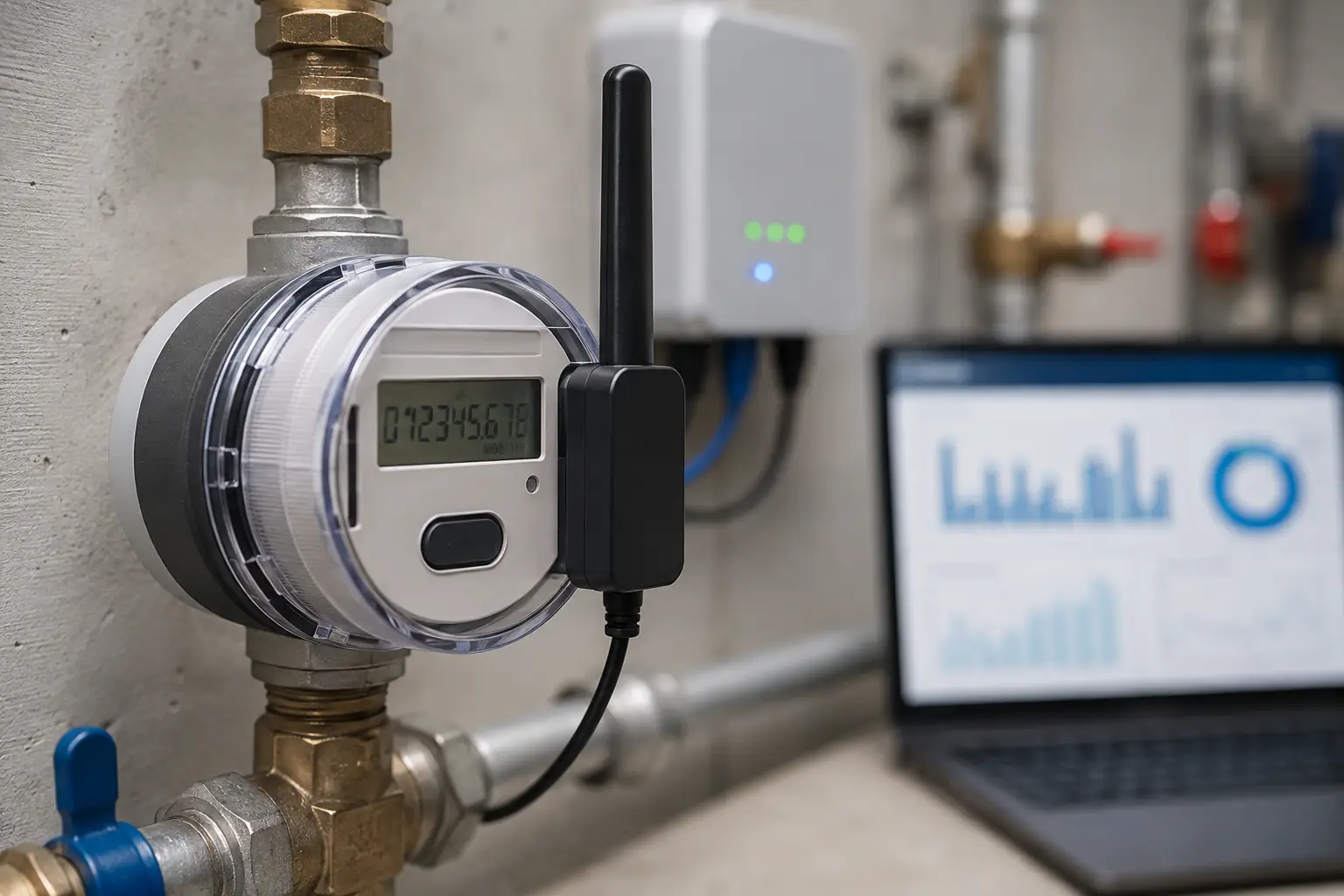
A municipal project has several working layers. The meter records the water. The communication path sends data. The workflow turns readings, alarms, and account records into daily work.
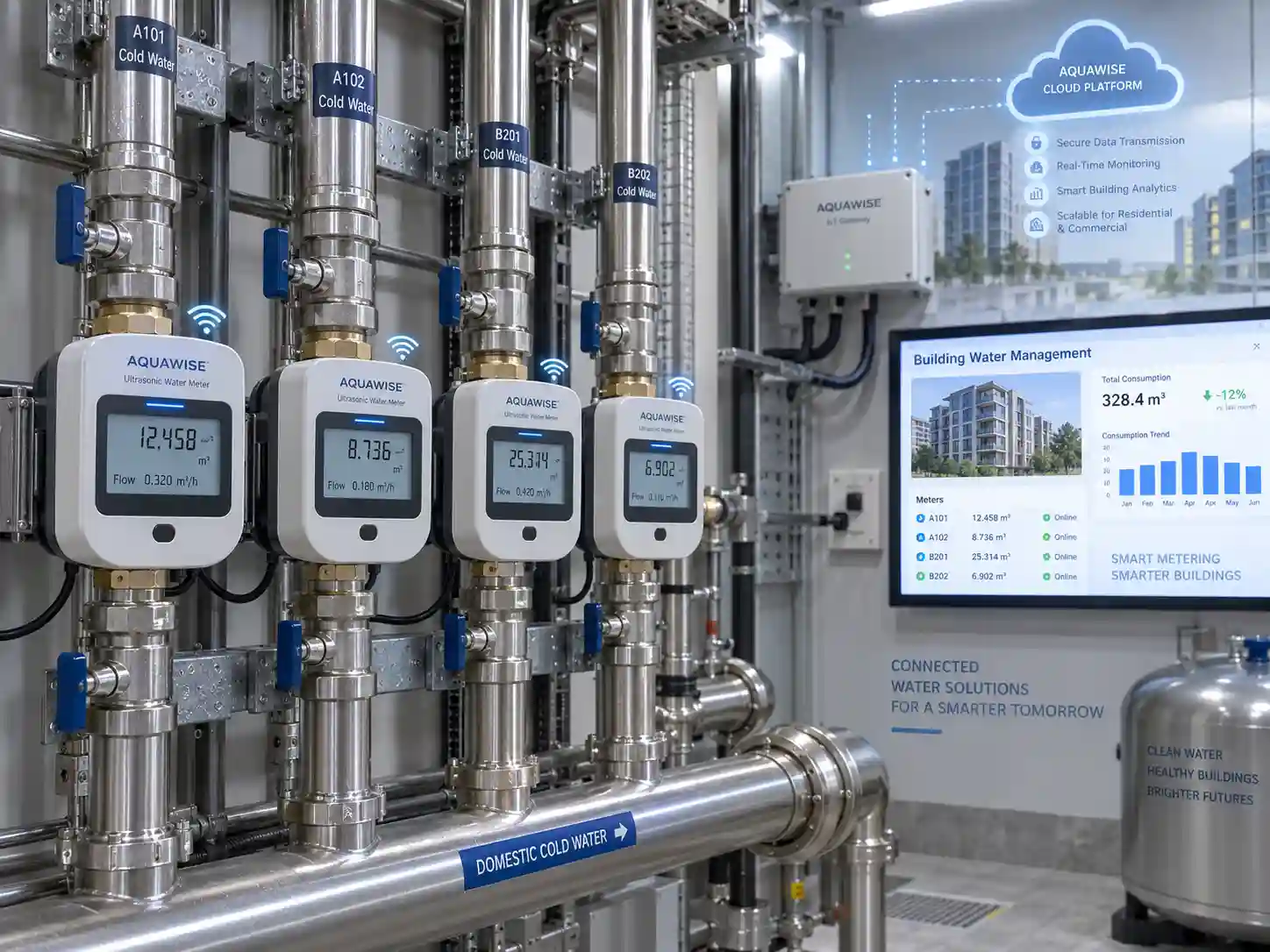
Field meters sit at different parts of the water network. Residential routes need account-level readings. District Metered Areas, or DMAs, need zone-level metering. Secondary water supply sites need building-level monitoring. Rural or scattered routes need a plan for distance, signal, and maintenance access.
The meter body still has to match the pipe. Confirm DN size, normal flow, peak flow, pressure, water temperature, installation direction, and water quality. Add meter ID mapping and account mapping before the pilot.
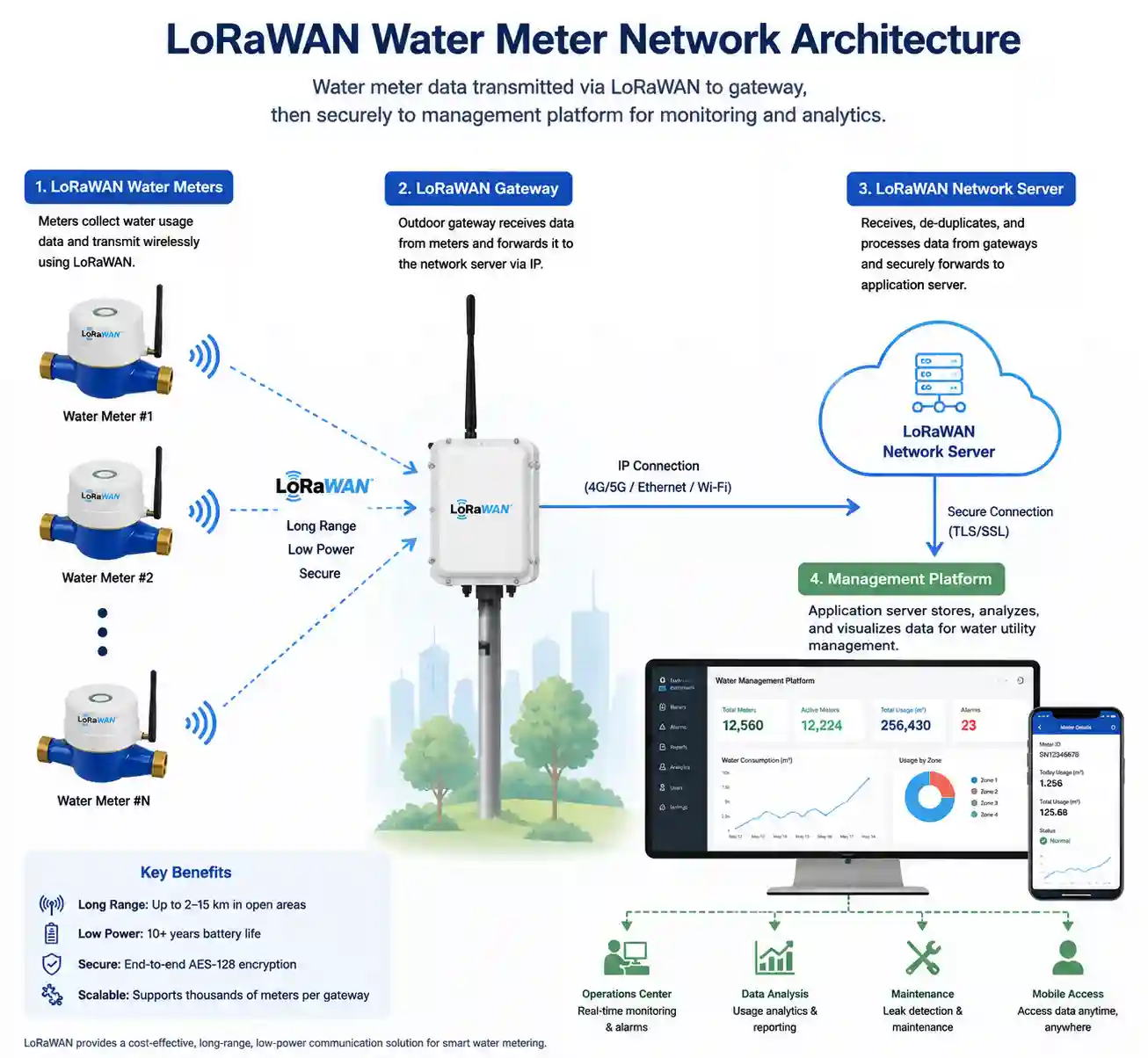
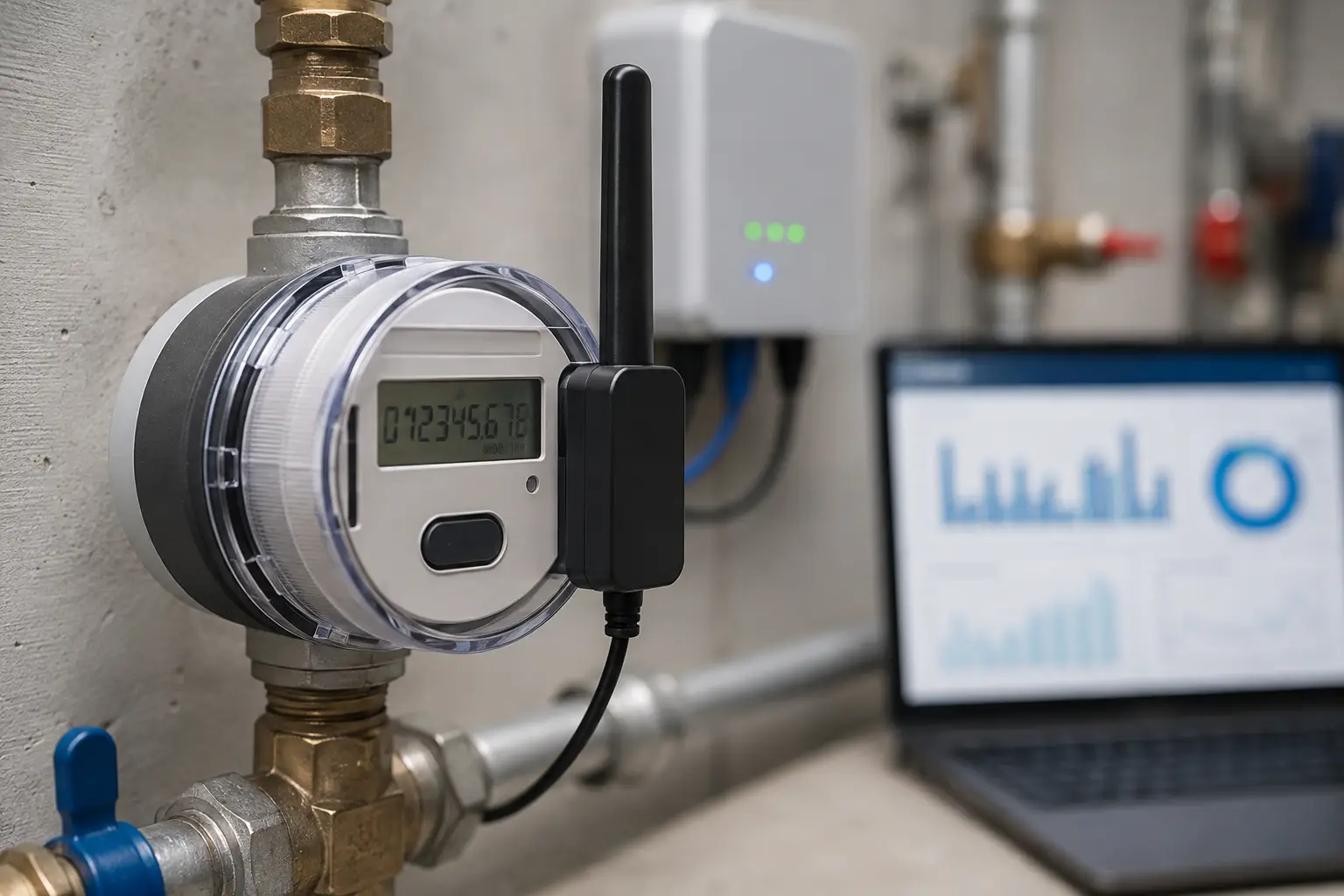
Smart water meters use sensors and a built-in processor to calculate water consumption, store data, and send readings through communication modules. Chenshuo material describes NB-IoT and LoRa data transmission to a water department management system. XT815 product material lists 4G, LoRa, and LoRaWAN under that series scope.
Data then needs an owner. Decide who receives readings, who reviews abnormal-use alerts, and what data format billing needs. DMA work also needs interval data, zone mapping, and acceptance rules for unusual flow changes.
Strong municipal projects begin with a field problem. This table turns common routes into metering requirements.
| Area | Problem | Requirement |
| Residential billing | Delayed data | Remote reading, account mapping, billing export |
| DMA | Limited zone visibility | Zone meter, interval data, network connection |
| Aging pipelines | Old field records | Replacement list, access photos, abnormal-use review |
| Secondary supply | Building monitoring | Meter type, pressure, flow range, access |
| Scattered networks | Difficult visits | LoRaWAN/NB-IoT/4G choice, signal survey, battery plan |
For residential billing, the main job is clean meter-to-account data. Smart meters can reduce door-to-door reading work and improve the timeliness of collected readings. They can also support abnormal-use warnings when the configured meter sends that data to the management system.
Keep the pilot route small enough for the utility team to check account matching, meter reading, customer access, and billing export before a wider rollout.
DMA work uses meters to divide a water supply network into defined areas. Chenshuo knowledge material describes DMA displays with total water intake, large-user water consumption, connected-user numbers, and proportion analysis for each partition.
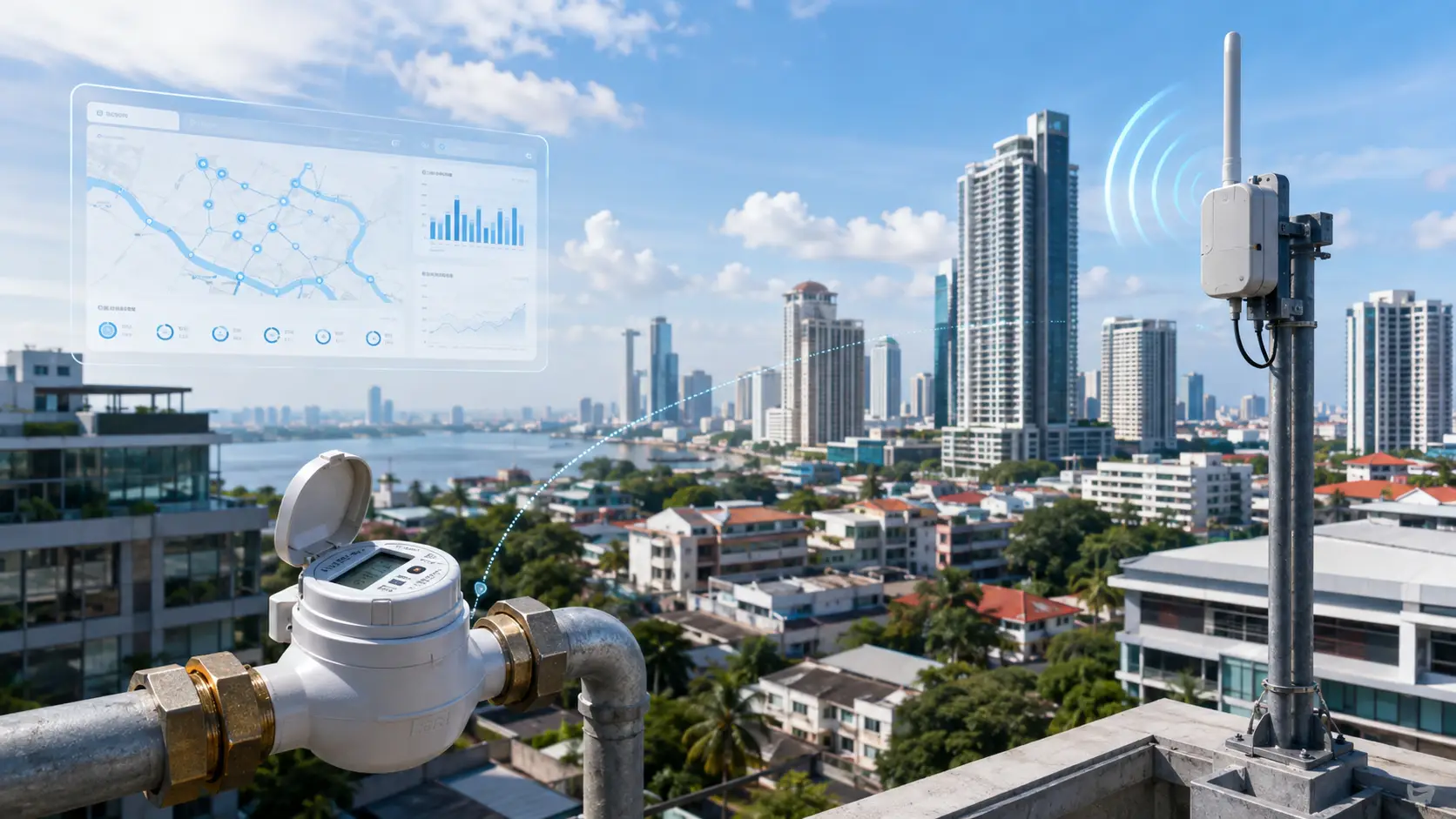
Confirm zone boundaries, inlet and outlet points, meter sizes, data interval, and the person who checks unusual values. Use water meter applications for smart city monitoring when mapping smart city, campus, industrial park, leakage detection, and remote-area applications.
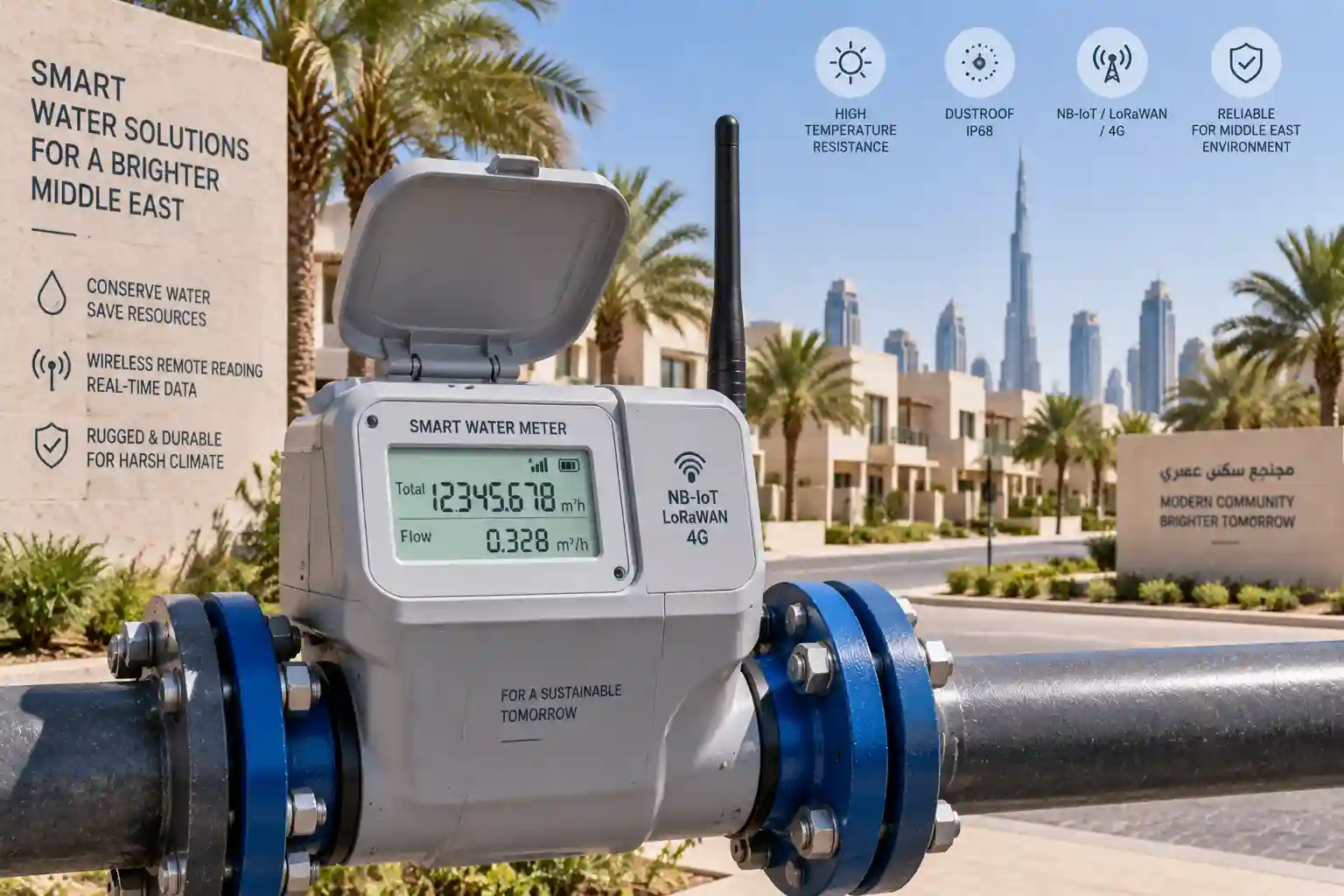
Scattered routes need a communication plan before a bulk price. Meter pits, basements, long corridors, metal covers, and low-signal areas can change the reading result. Chenshuo’s LoRaWAN material describes LXS-15~50 wireless remote water meters and notes that communication distance varies by test environment.
Test the hard points early: buried boxes, locked areas, remote homes, and route ends. Record signal strength, missed uploads, antenna position, and access.
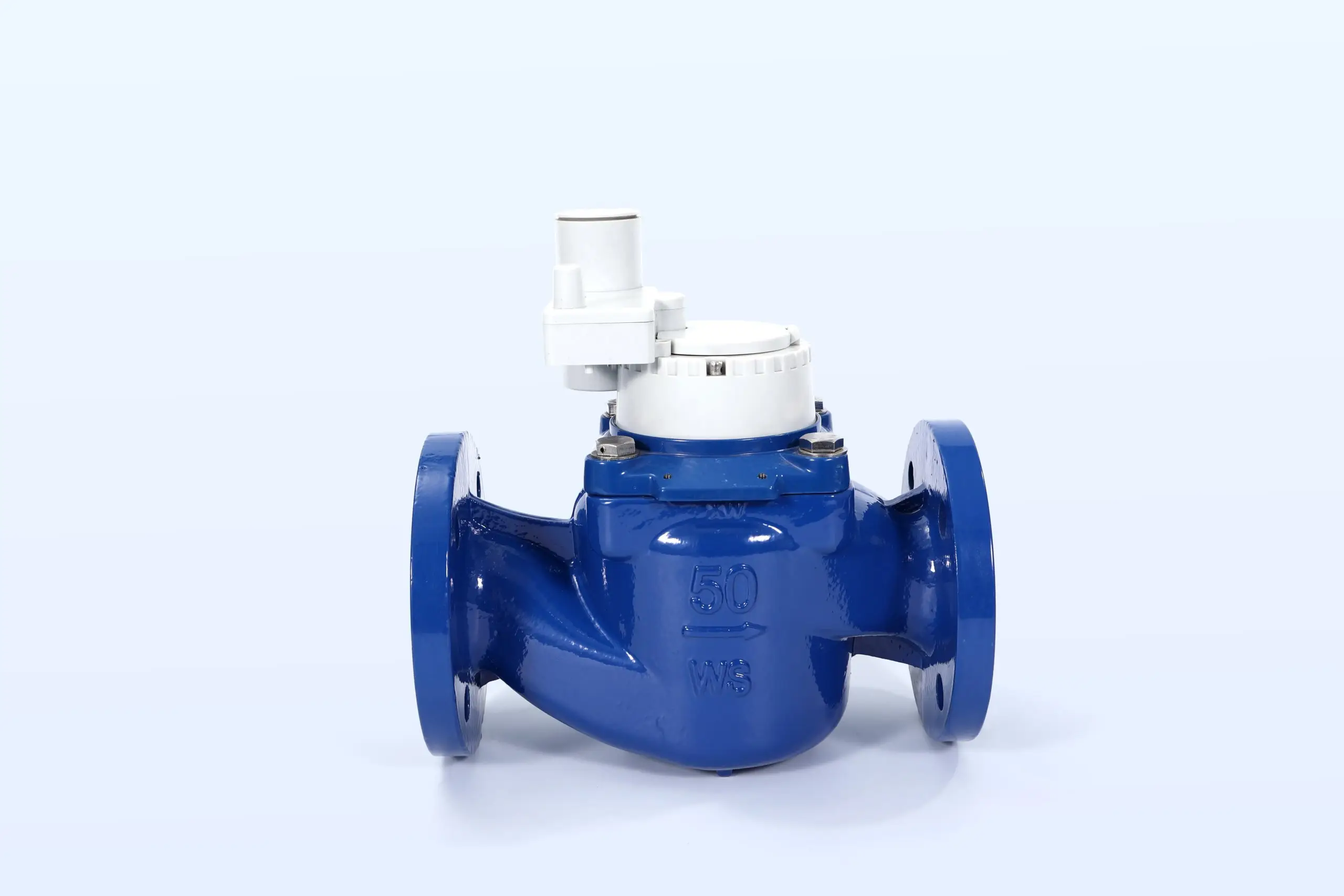
Different network points need different meter families. A municipal project may combine remote smart meters for households, electromagnetic or Woltman-type meters for larger points, ultrasonic meters for electronic measurement, and STS prepaid meters.
LoRaWAN water meters fit district, campus, building, and scattered-network remote reading. Chenshuo’s LoRaWAN material describes remote reading, main-station upload, settlement-center networking, split electronics, sealed cavity, and IP68 waterproof performance.
Compare the communication plan with the installation site. Frequency, gateway layout, reading interval, and antenna placement affect the quotation. Use Chenshuo’s smart water meter product range as the internal product path, then send project details.
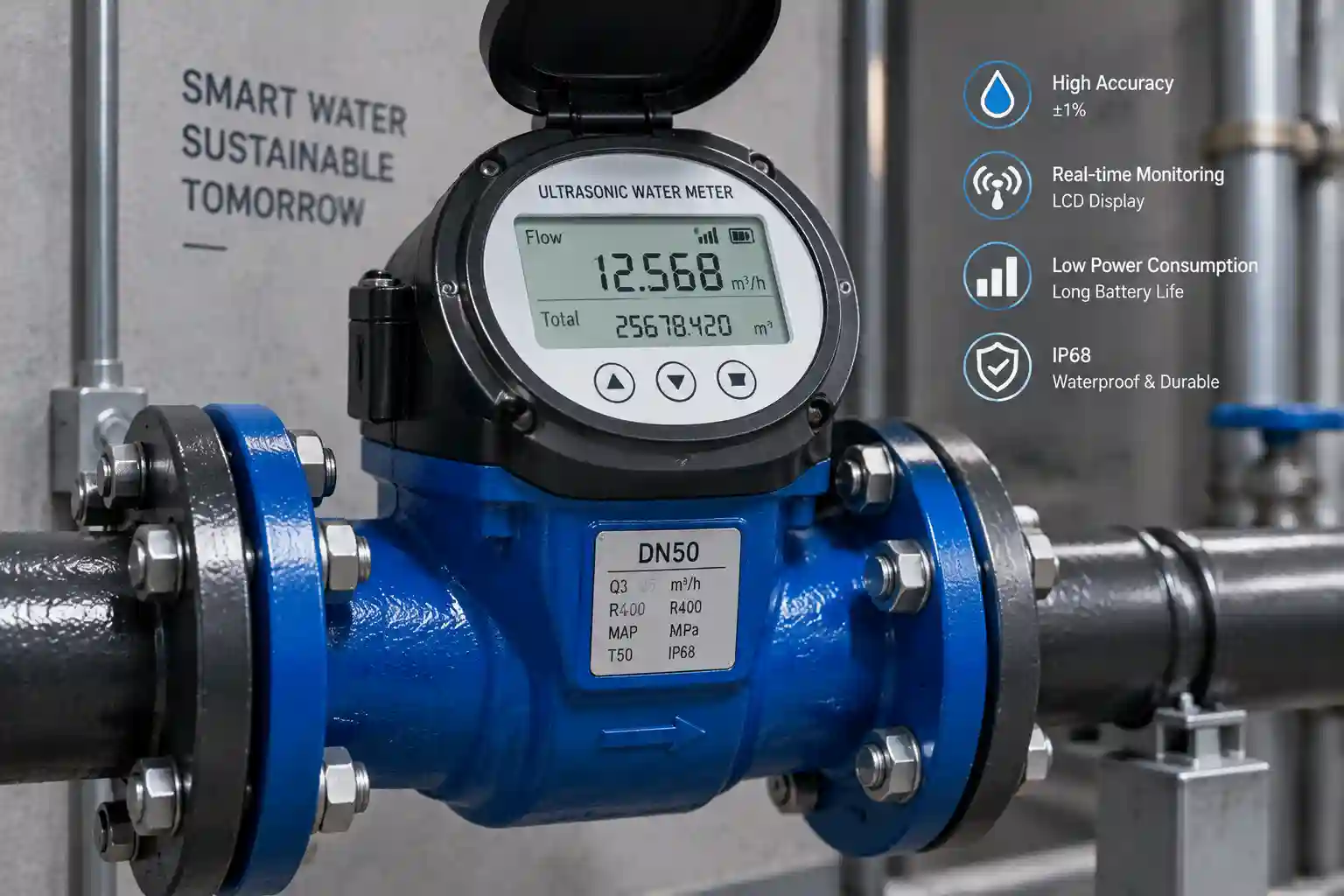
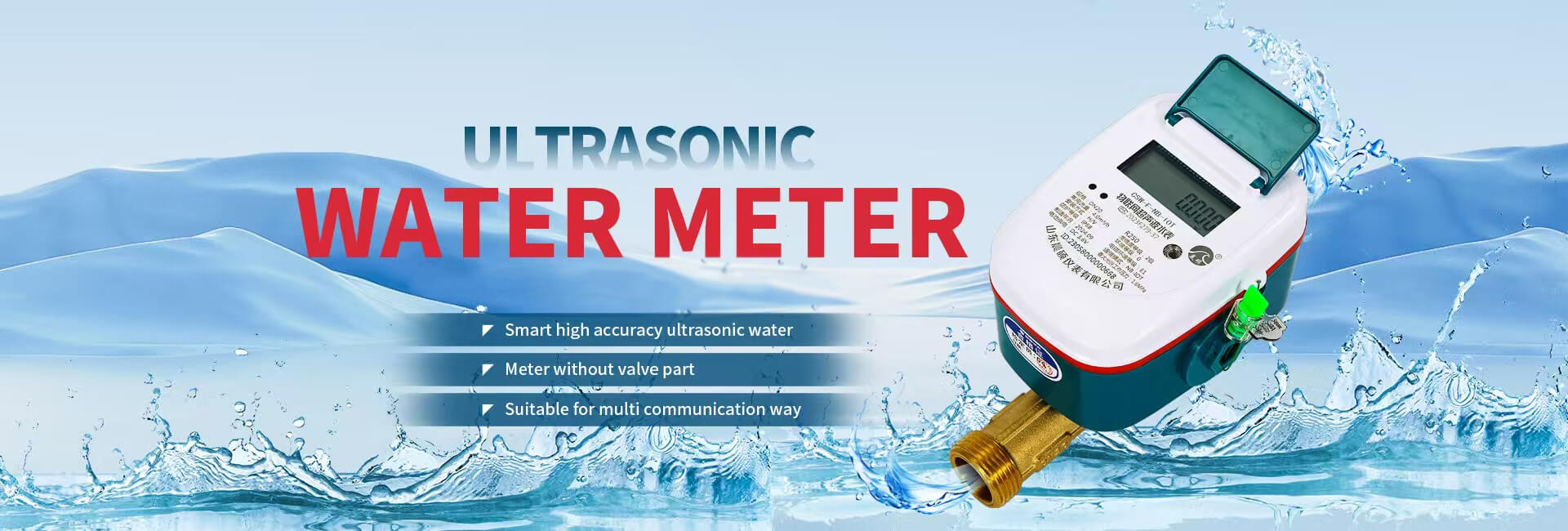
Ultrasonic meters can serve projects that need electronic measurement and detailed data. XT815-U material lists ultrasonic transit-time measurement, R250 turndown ratio, micro-flow detection, empty-pipe detection, and full-pipe requirements.
Electromagnetic water meters and flowmeters fit conductive-liquid and larger network points when liquid, conductivity, flow range, power, and signal requirements match the quoted model. Woltman-type and mechanical meters can serve mature mechanical or large-diameter points. The municipal water meter selection guide fits this selection stage.
Prepaid projects need a billing workflow before meter selection. The XT815 series supports STS IEC 62055, 20-digit encrypted TOKEN top-up, low-balance alerts, valve shutoff for unpaid balance, and valve reopening after top-up. The series includes XT815-M mechanical pulse and XT815-U ultrasonic models.
Valve policy needs careful approval. Define who can close a valve, who can reopen it, and how low-balance alerts are handled. Chenshuo material also lists valve status detection, sticking-fault reporting, remote manual valve operation, and scheduled valve actions under the XT815 scope.
An RFQ works best when the utility sends field data, workflow, and acceptance requirements together. The supplier can then discuss one model and communication scope.
| RFQ Area | Send | Why It Matters |
| Network | Service area, route, meter locations | Defines pilot sites |
| Meter | DN, flow, pressure, water quality, installation | Matches field conditions |
| Communication | LoRaWAN, NB-IoT, 4G, gateway or platform plan | Prevents mismatch |
| Data | Reading interval, billing interface, alarms | Defines acceptance |
| Scope | Quantity, samples, packaging, documents, destination | Supports quotation |
Pick a representative pilot route. Include normal meters and difficult points. Photograph chambers, pipe direction, meter position, cover material, and access constraints. For ultrasonic installations, record full-pipe conditions, straight-run limits, air vents, and downstream check-valve needs.
XT815 material requires the meter to follow the flow-direction arrow, stay horizontal or vertical as specified, and avoid tilted installation. It also calls for pipe flushing and shut-off valves upstream and downstream of the meter.
Before ordering, define a successful reading. A utility may need billing data, interval data for DMA review, abnormal-use alerts, prepaid token records, valve status, or upload-failure records. Name the receiving platform and data format.
Acceptance should be practical. Test upload, meter ID mapping, account export, alarm display, valve commands when applicable, and access. XT815 material lists LCD items such as cumulative usage, credit balance, instantaneous flow, signal strength, battery level, and valve status.
A municipal smart metering project becomes clearer when the utility defines the route problem first. Billing upgrades need account accuracy and reading export. DMA projects need zone boundaries and abnormal-flow review. Hard-to-read routes need signal testing. Prepaid projects need STS and valve policy.
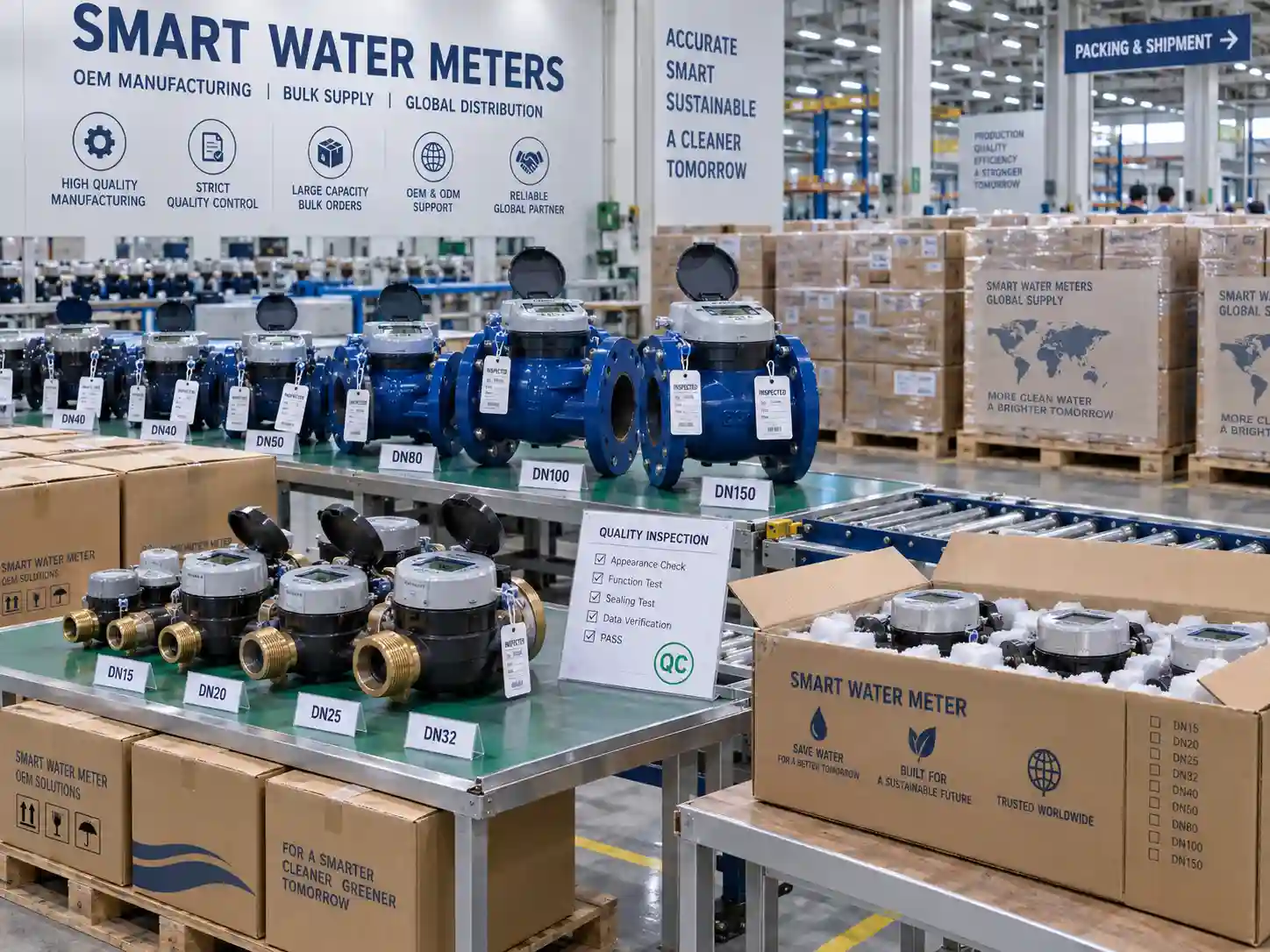
Chenshuo’s municipal-relevant range covers LoRaWAN smart meters, ultrasonic meters, electromagnetic water meters, Woltman-type meters, mechanical meters, and STS prepaid smart meters. Send the service area, DN list, meter locations, communication plan, billing workflow, valve or prepayment needs, installation photos, quantity, destination, and documents. Chenshuo can discuss model fit, communication configuration, pilot scope, and quotation basis through a request a municipal smart water meter solution quote.
Q1: What is included in Smart Water Metering Solutions?
A: It includes meters, communication, data workflow, installation, commissioning, and acceptance rules. Scope changes by billing, DMA, scattered-meter, prepaid, or replacement route.
Q2: Which Smart Water Meter type fits municipal billing routes?
A: Billing routes need account mapping, remote reading, and communication that fits the meter location. Meter family depends on DN, flow, installation site, coverage, and valve or prepaid needs.
Q3: Should a utility start with a pilot before bulk deployment?
A: Yes. Include normal and difficult meter points, then verify upload, signal condition, meter ID mapping, billing export, alarm display, and access.
Q4: Can smart water meters support prepaid or valve-control projects?
A: Yes, when the quoted configuration includes those functions. Chenshuo’s XT815 series supports STS IEC 62055 20-digit token top-up, low-balance alerts, valve shutoff, and reopening after top-up.
Q5: What information should a municipal utility send for quotation?
A: Send the service area, DN list, flow and pressure data, water quality notes, meter locations, photos, communication plan, reading interval, billing workflow, valve or prepaid needs, quantity, destination, and documents. Mark unknown items so the supplier can separate confirmed scope from pilot or technical-check items.
 Address: Xiao'anzi Industrial Park, Baishabu Town, Lanshan District, Linyi City, Shandong Province
 Call us now:+86 15562945993
 Email:info@sdchenshuo.cn


Shandong Chenshuo Instrument Co., Ltd.