

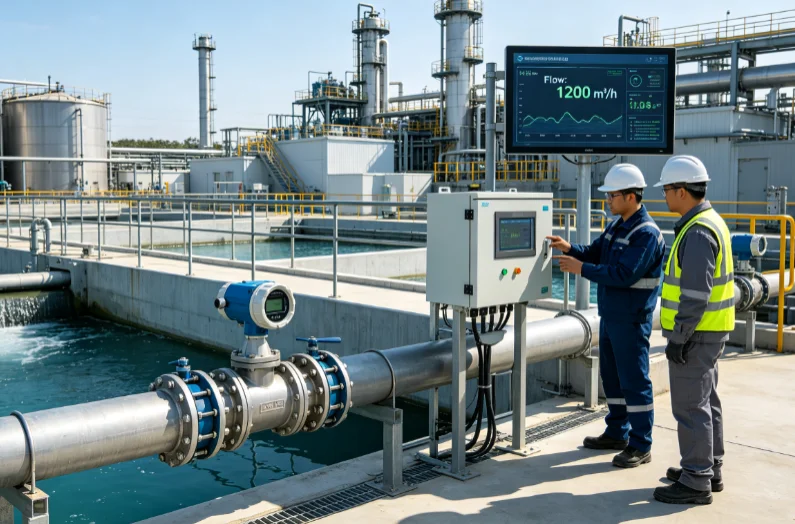
Industrial wastewater is rarely “just water.” It may carry grit, sludge, oil, foam, fibers, or strong chemicals. Some lines run steady all day. Some jump during washdown, batch discharge, or rainwater inflow. That is why flow measurement solutions must handle real plant conditions, not only clean test water. With reliable industrial wastewater monitoring, you can track discharge, watch treatment load, and find odd flow changes before they turn into plant trouble.
Accurate flow measurement gives you a clearer view of what is happening in the wastewater line. If the flow reading is off, chemical dosing, pump control, discharge records, and cost checks may all be affected. A small error can look harmless today. After weeks of operation, it may become a real gap in wastewater discharge monitoring.
Wastewater flow monitoring helps plant staff see changes while they still have time to act. If flow rises after a night shift, the cause may be tank cleaning, a leaking valve, or a pump running at the wrong time. If flow falls without a clear reason, sediment, scale, or a blocked screen may be building up. These signs are not dramatic, but they are useful.
Industrial effluent flow measurement also supports reports and audits. You need steady data when checking discharge volume, treatment load, and water use. Good flow records can also reduce confusion between production, maintenance, and environmental teams. In a busy plant, clear numbers make many talks shorter.
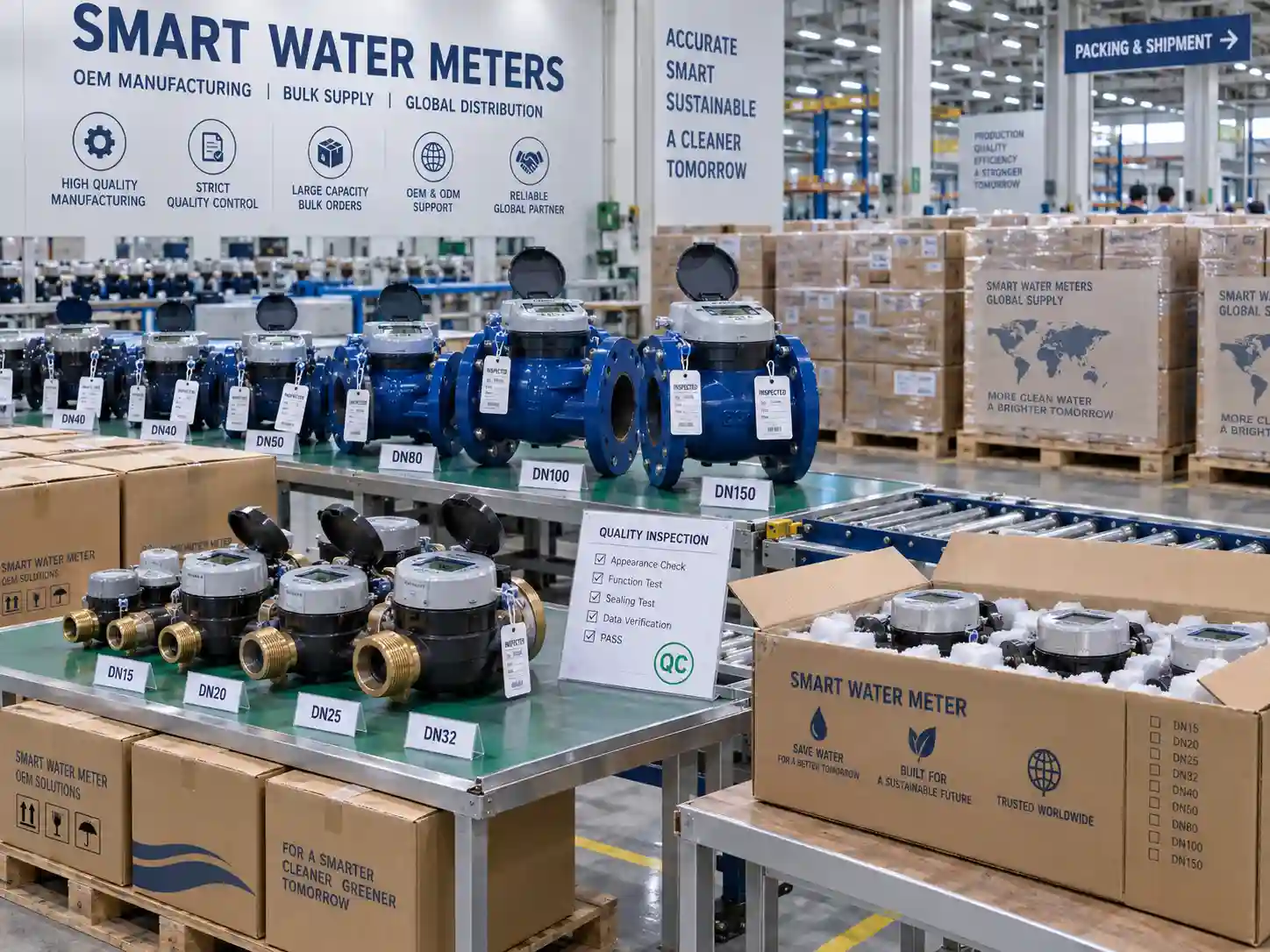
No wastewater flow meter fits every job. The right flow measurement technology depends on the liquid, pipe size, pipe fullness, solids, and install space. Chenshuo supplies smart water meters, ultrasonic water meters, electromagnetic water meters, and electromagnetic flowmeters through its product center. For B2B buyers, the real question is simple: will the meter keep giving useful readings after months in the field?
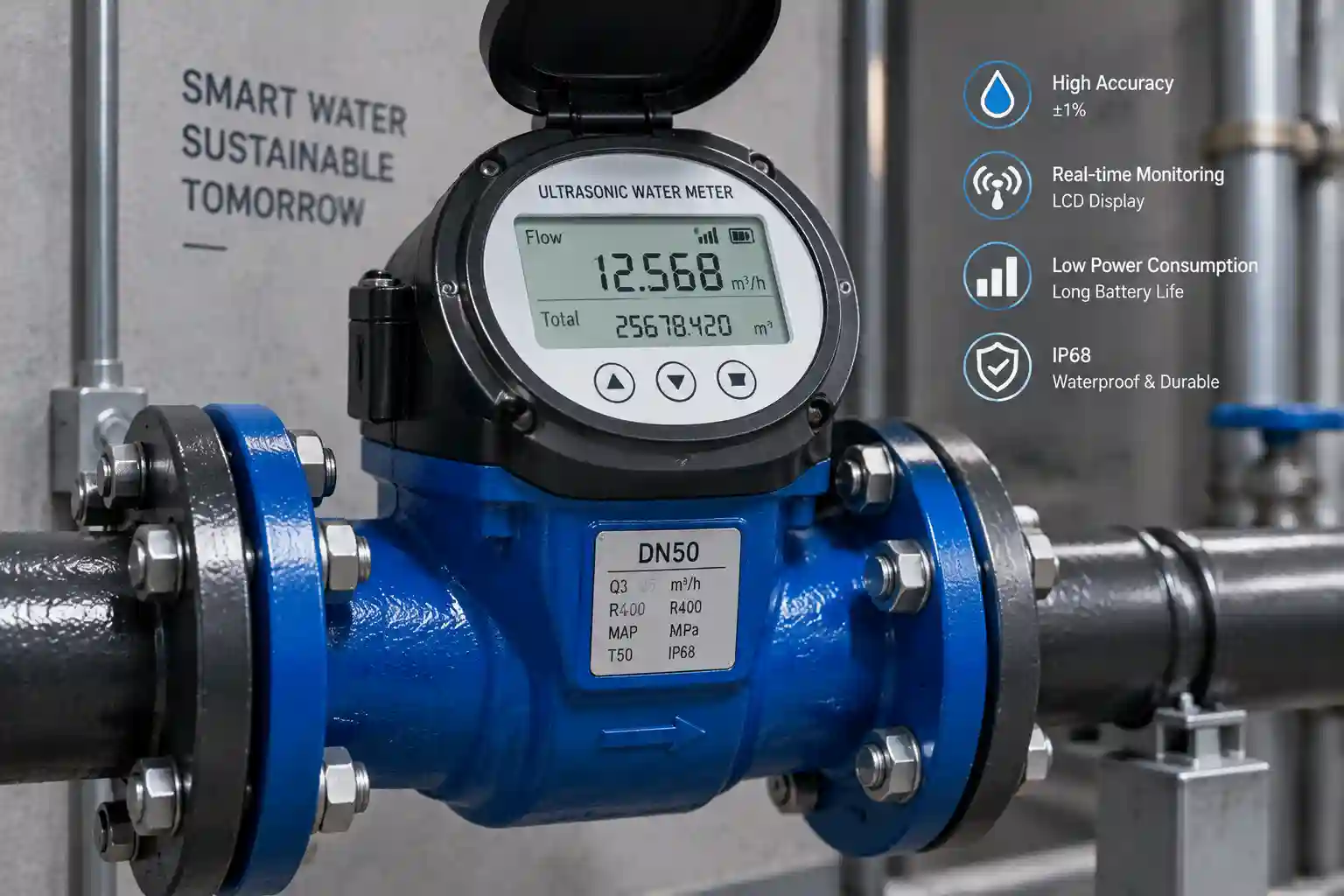
An electromagnetic flow meter for wastewater is often a solid choice for conductive wastewater with sludge or suspended solids. It has no moving parts in the flow path, so grit and fibers are less likely to cause wear. For sewage discharge, chemical wastewater, and industrial effluent flow measurement, Chenshuo’s electromagnetic flowmeters match many common site needs.
This meter type also causes little pressure loss. That helps in long pipelines, low-pressure outlets, and older systems where flow is already tight.
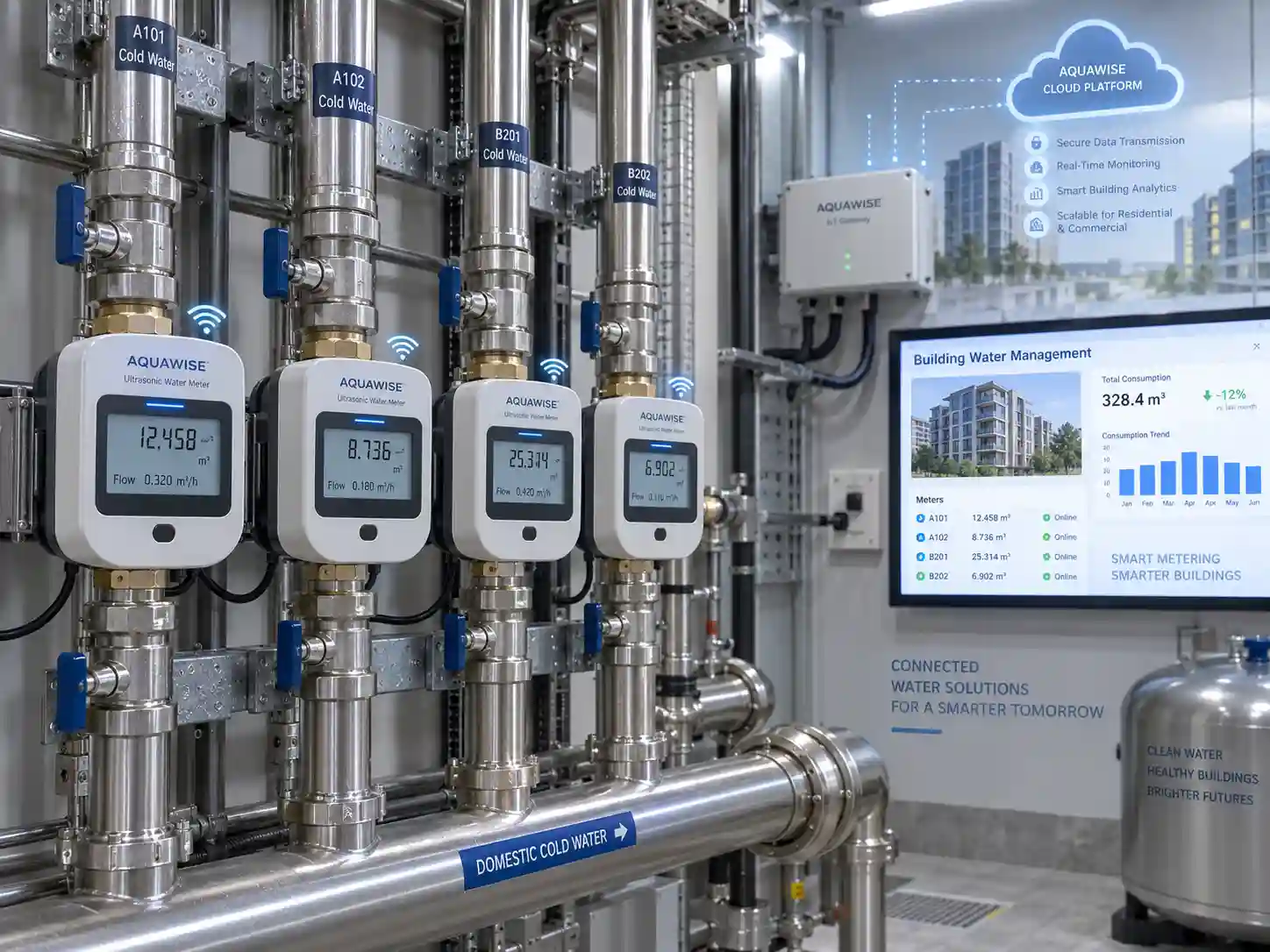
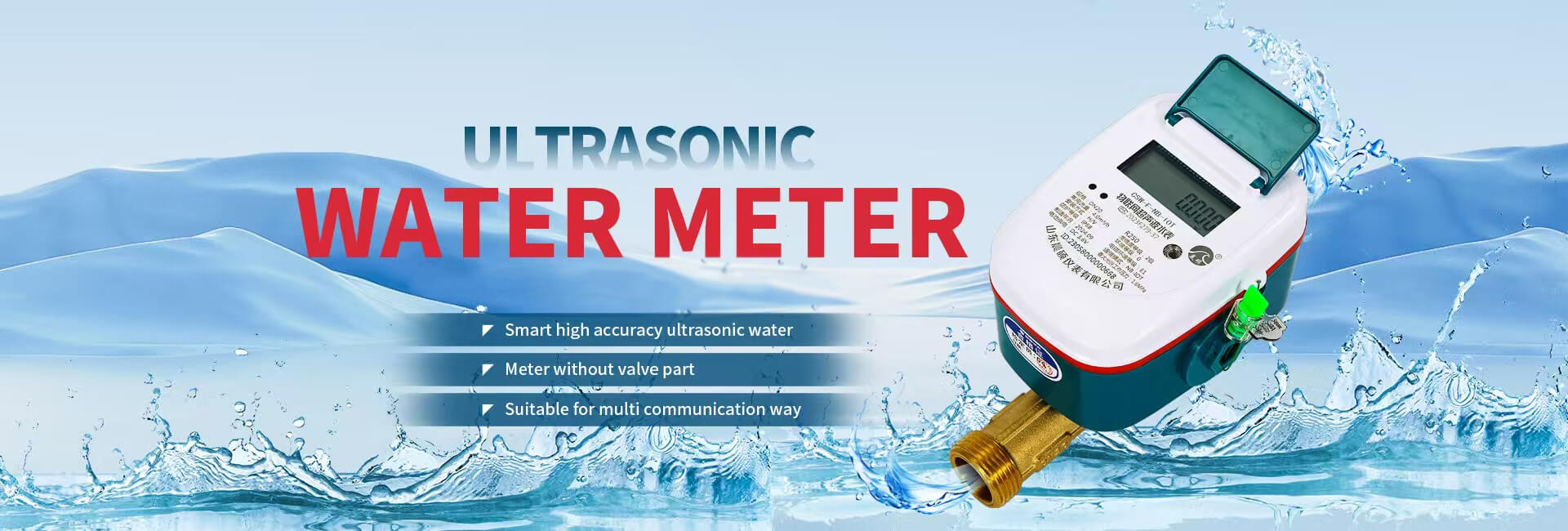
An ultrasonic flow meter for wastewater can work well when cutting the pipe is not easy, or when downtime is costly. It is often a better fit for treated wastewater or cleaner pipes. Chenshuo’s ultrasonic water meters are linked with smart metering, remote reading, and water management.
Even so, the site must be checked. Air bubbles, rough pipe walls, bad mounting, or weak signal paths can reduce flow measurement accuracy.
Many wastewater pipes do not stay full. This is common in drainage, rainwater, sewage outlets, and mixed discharge channels. A partially filled pipe flow meter reads level and velocity, then calculates flow. A Doppler flow meter for wastewater may also help when the liquid has enough bubbles or particles. It can be useful in dirty water, but the signal needs to stay stable.
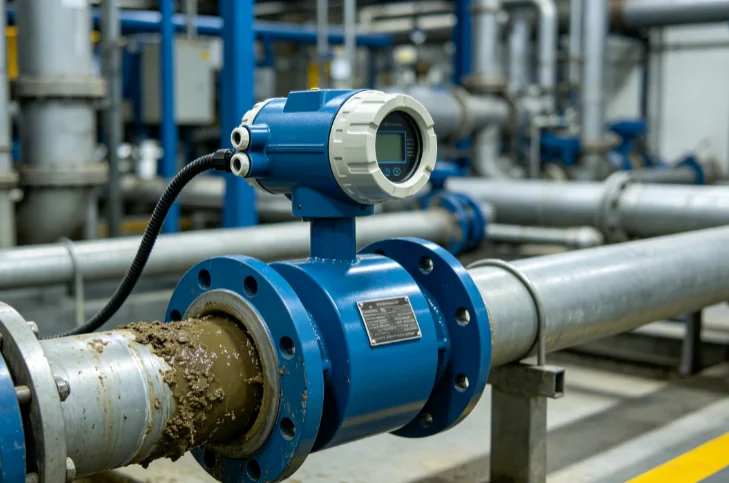
Start with the actual line, not a clean catalog example. Check the liquid, pipe layout, solids, install space, and service plan. A good wastewater flow meter should fit normal plant work, including the messy days.
For conductive wastewater with solids, electromagnetic measurement is often worth checking first. For cleaner water or treated wastewater, ultrasonic measurement may be suitable. If the pipe is only partly full, choose a meter made for that condition.
Flow meter installation can make or break the result. Do not place the meter too close to pumps, valves, elbows, or strong swirl if you can avoid it. Keep the pipe full when the meter needs full-pipe flow. Also watch for air pockets and bottom sediment.
Long-term wastewater monitoring needs basic care. Clean sensors when buildup appears. Check cables, grounding, and meter status. Chenshuo focuses on smart meters, ultrasonic water meters, electromagnetic water meters, and related flow products. The company combines product supply with practical site matching, which helps buyers choose equipment for real plant conditions.
A wastewater monitoring system works better when flow data is read together with pH, turbidity, conductivity, or temperature. If flow and turbidity rise together, the issue may be more than water volume. In food plants, washdown can bring short heavy flow. In mining, slurry can wear equipment fast. In chemical plants, corrosion may be the main worry. The point is simple: the flow monitoring system must give data you can trust next month, not only on day one.
Flow measurement solutions for reliable industrial wastewater monitoring should match the wastewater, pipe, site layout, and service routine. Electromagnetic, ultrasonic, Doppler, and partially filled pipe meters all have their place. When the wastewater flow meter fits the job, you get better data, fewer surprises, and easier wastewater flow monitoring.
Q1: What is the best wastewater flow meter for dirty industrial effluent?
A: For conductive wastewater with sludge or solids, an electromagnetic flow meter for wastewater is often a strong choice.
Q2: Can an ultrasonic flow meter for wastewater measure dirty water?
A: It depends on the pipe and liquid. Treated wastewater is easier. Heavy bubbles or poor mounting can hurt accuracy.
Q3: When do you need a partially filled pipe flow meter?
A: Use it when the pipe is not always full, such as drainage, sewage outlets, rainwater pipes, and some discharge channels.
Q4: What affects flow measurement accuracy most?
A: Fluid type, pipe fullness, air bubbles, scale, turbulence, grounding, and flow meter installation all matter.
Q5: How often should a wastewater flow meter be maintained?
A: It depends on the site. Dirty or scaling water needs more checks, cleaning, cable inspection, and calibration review.
 Address: Xiao'anzi Industrial Park, Baishabu Town, Lanshan District, Linyi City, Shandong Province
 Call us now:+86 15562945993
 Email:info@sdchenshuo.cn


Shandong Chenshuo Instrument Co., Ltd.