

When you handle water supply systems for apartment buildings, office complexes, or factories, having dependable metering truly makes a difference. Smart water meters frequently advertise cutting-edge capabilities, but numerous users later encounter battery drain, reliance on unstable networks, steep replacement expenses, and worries about data privacy. Mechanical water meters provide time-tested performance without any of these drawbacks. They run solely on the force of flowing water, need no external power, and deliver precise readings for many years with hardly any attention.

Focusing on producing top-quality mechanical solutions, with more than ten years of dedicated experience, Chen Shuo holds ISO9001, ISO14001, ISO45001 certifications, several national patents, and manufactures models that fully comply with global standards such as ISO 4064. Their reliable products reach customers worldwide through thoughtful design and steady quality control. Take a closer look at their selection, featuring the sturdy Rotary Mechanical Water Meter and the highly adaptable Detachable Woltman-Type Water Meter, both engineered for lasting dependability.
Mechanical water meters completely sidestep weak points. They work entirely without electricity or wireless connections, so they keep operating smoothly even during blackouts or poor signal areas. In locations with tough water conditions, full of particles or mineral buildup, mechanical builds show greater toughness compared to delicate electronic parts. The velocity-based system, relying on rotary or propeller movement, stays consistent across changing environments. For projects watching every dollar or regions with shaky infrastructure, mechanical meters bring simple, solid reliability that smart systems occasionally cannot deliver.
Mechanical water meters truly shine because they endure challenging settings for remarkably long periods.
You never face downtime from empty batteries or power glitches. The purely hydraulic mechanism keeps everything turning smoothly whenever water moves through the pipes, and this makes them perfect for isolated locations or places with frequent electricity issues.
Premium materials effectively fight off rust, limescale, and tiny floating particles. Multi-jet layouts spread incoming water evenly around the impeller, which prevents the uneven wear often seen in single-jet types. Strong bodies made from ductile iron or brass easily manage pressures up to 1.6 MPa and temperatures ranging from 0.1°C to 50°C while staying in excellent shape.
Well-crafted mechanical meters regularly provide dependable service for 6 to 12 years and often longer. Removable core designs, especially common in Woltman-type units, let you swap just the measuring part without taking the whole meter off the line, and this approach greatly prolongs overall usefulness while cutting interruption time.
Selecting mechanical water meters helps safeguard your spending throughout the entire ownership cycle.
You spend considerably less right from the start when compared to ultrasonic or electromagnetic choices. Typical rotary models come at only a fraction of the price of fully networked smart meters, and this leaves more budget room for other essential upgrades.
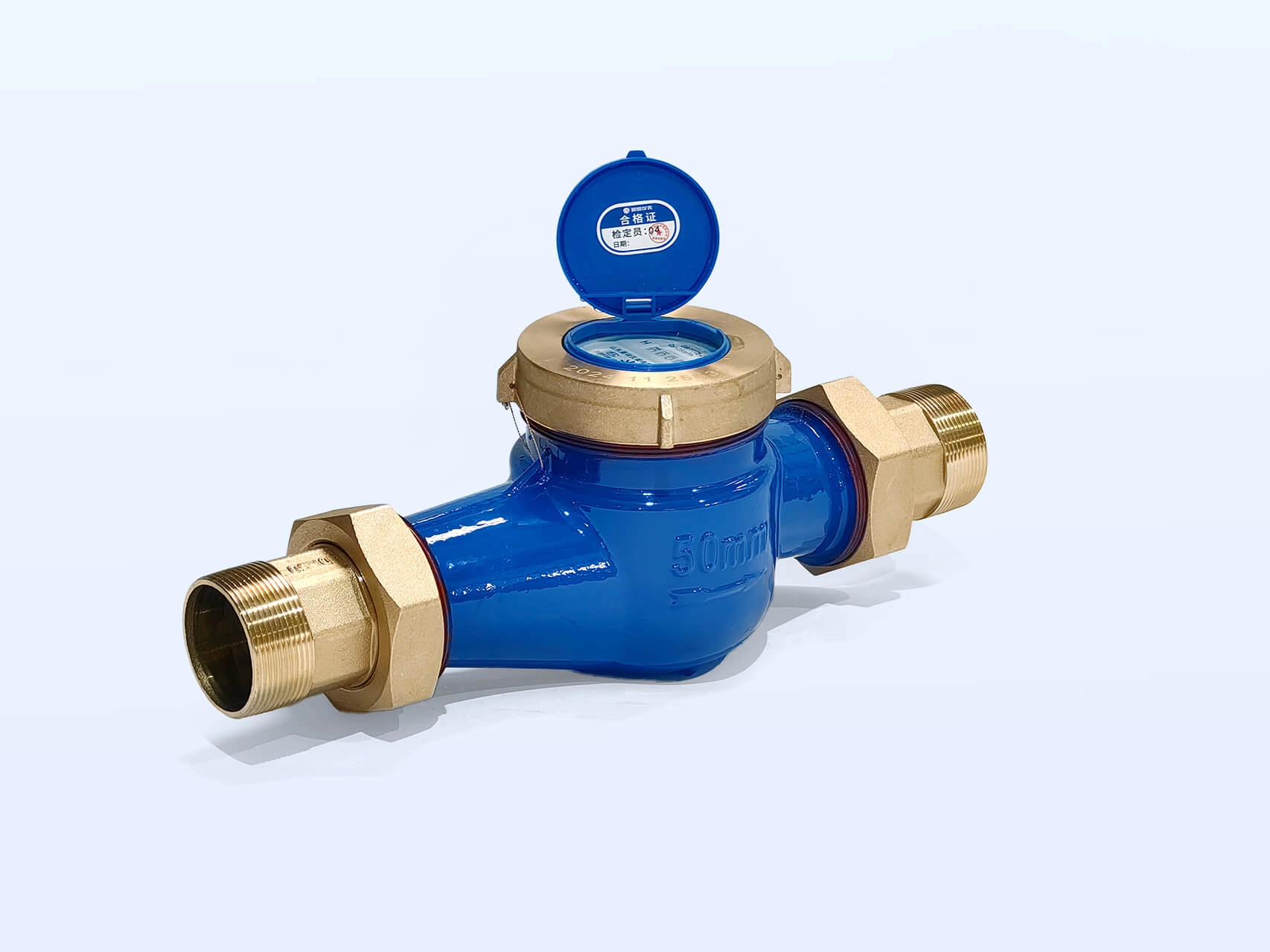
There are no batteries needing regular changes, no firmware updates to handle, and no ongoing fees for cloud services. Simple visual checks and rare cleaning usually cover everything required. Moreover, detachable configurations make servicing far easier because you only replace the inner measuring unit instead of the complete housing.
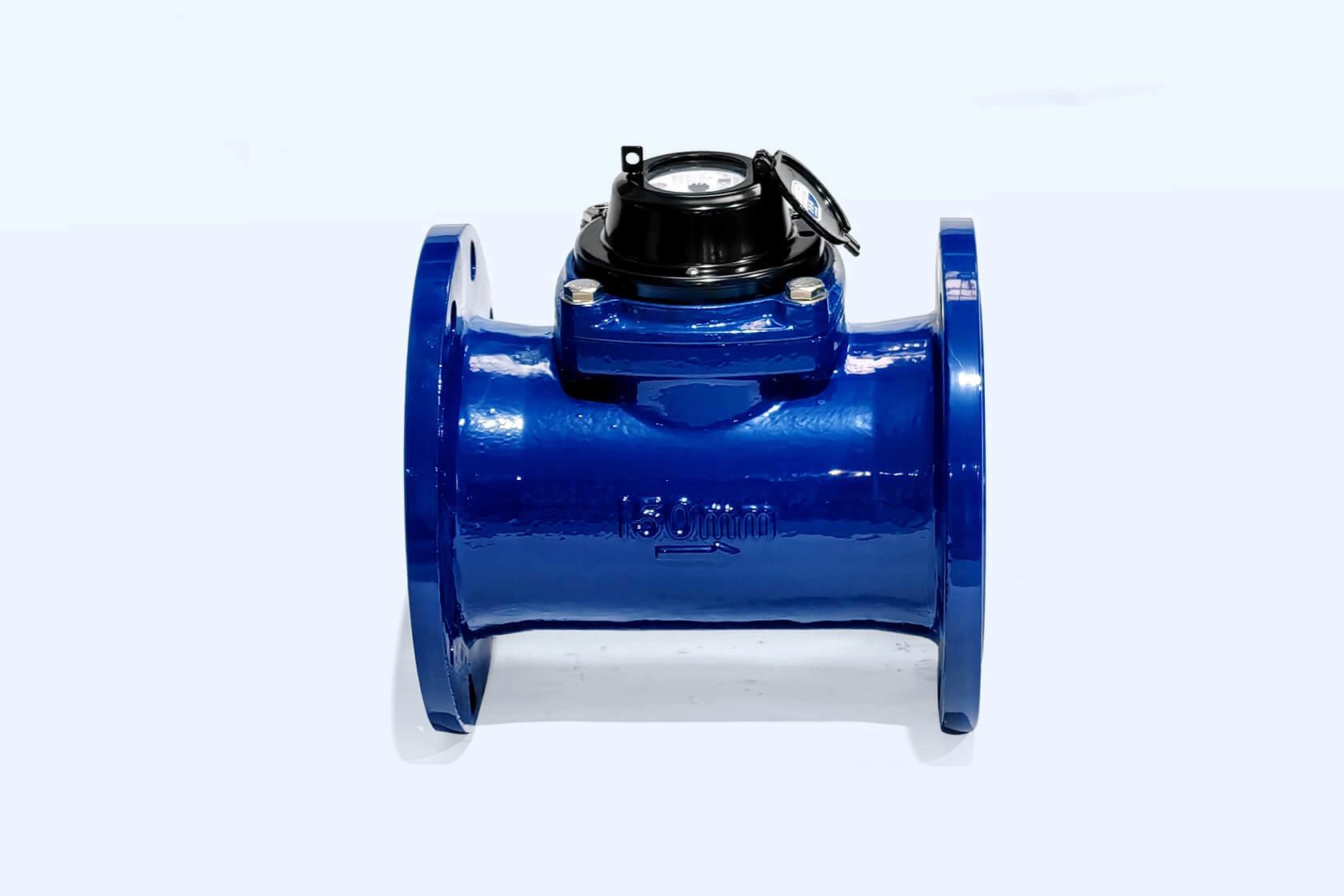
Precise billing starts immediately and avoids any income shortfalls. Long gaps between required checks or full replacements translate into noticeably lower overall expenses. Across a full decade, mechanical meters frequently prove to be the most economical option, particularly when installing hundreds or thousands of units.
Mechanical water meters consistently offer strong precision while asking for very little regular care.
Class 2 accuracy ensures just ±2% deviation in normal high-flow zones and ±5% in low-flow areas, which fully satisfies worldwide requirements. Multi-jet rotary versions perform especially well at detecting small flows, whereas Woltman-type models manage large volumes smoothly with broad turndown ratios reaching up to R50.
Standard fittings match most existing pipelines without trouble. You gain flexibility from options for horizontal or vertical placement. Clear display dials or protected dry counters remain legible for years, and they never suffer from electronic breakdowns.
These meters show no weakness to nearby electromagnetic fields or signal disturbances. Fully sealed inner workings shield against dust and dampness, so performance holds steady even in difficult installation spots.
You enjoy clear advantages by partnering with this well-established producer.
More than a decade of specialized growth, official national high-tech enterprise recognition, and credentials covering CE plus various ISO standards guarantee full regulatory compliance and consistent excellence.
Protected patent enhancements boost both strength and measurement precision. Various models include tough wear-resistant plastics, anti-corrosion bodies, and convenient detachable elements that streamline future servicing.
Large annual output capacity reaching one million pieces supports prompt order fulfillment. Growing export knowledge combined with attentive customer assistance ensures you complete projects on schedule anywhere in the world. Multiple contact channels give fast access to detailed specifications and custom quotes.
Mechanical water meters bring outstanding durability, excellent cost savings, and dependable accuracy paired with minimal upkeep needs. These primary strengths directly tackle everyday headaches that smart alternatives sometimes introduce. For trustworthy options supported by deep industry knowledge, explore products from Chen Shuo.
Q1: How long do mechanical water meters typically last?
A: High-quality mechanical meters usually deliver reliable performance for 6 to 12 years and frequently much longer, depending on local water characteristics and total volume handled.
Q2: Do mechanical water meters require electricity or batteries?
A: No, they function completely through water movement alone, which removes any risk of power failures and eliminates ongoing battery costs.
Q3: Are mechanical meters accurate enough for billing purposes?
A: Yes, they provide Class 2 accuracy with only ±2% error across typical flow ranges, and this level meets all relevant international billing standards.
Q4: Can mechanical meters handle poor water quality?
A: Strong construction allows them to resist scaling, suspended solids, and corrosion far better than many sensitive electronic meters in difficult water conditions.
 Address: Xiao'anzi Industrial Park, Baishabu Town, Lanshan District, Linyi City, Shandong Province
 Call us now:+86 15562945993
 Email:info@sdchenshuo.cn


Shandong Chenshuo Instrument Co., Ltd.