

If you manage water systems in Southeast Asia, you know the area’s tough weather well. High humidity stays above 90% all year. This raises a steady chance of water droplets forming inside gear boxes. Heavy monsoon rains and local floods often push ordinary water metering tools to their breaking point.
Besides water getting in, hot temperatures—usually over 35°C even in shade—speed up wear on electronic parts. They also weaken plastics and seals. Long exposure to strong sunlight causes fading, stiffness, and physical tiredness in outer materials. Plus, the warm and wet air helps grow living things like algae or mold. These can cover sensor areas and block moving pieces.
In these tough tropical spots, regular water meters—mainly the mechanical kinds—lose their effectiveness fast. Water seeps through weak seals. It causes inside moisture that shorts wires or rusts metal. Fast rusting and material breakdown happen often in damp tropical places. Also, sensors can shift from their set points because of changing heat levels. This leads to wrong measurements. For towns that depend on exact billing and finding leaks, this creates a big problem in daily work.
In rainy seasons, flood water can cover pit-based meters for several days. If the tools are not totally waterproof and strong inside, repeated soaking harms their strength. So, lasting dependability becomes hard without gear made just for this kind of place.
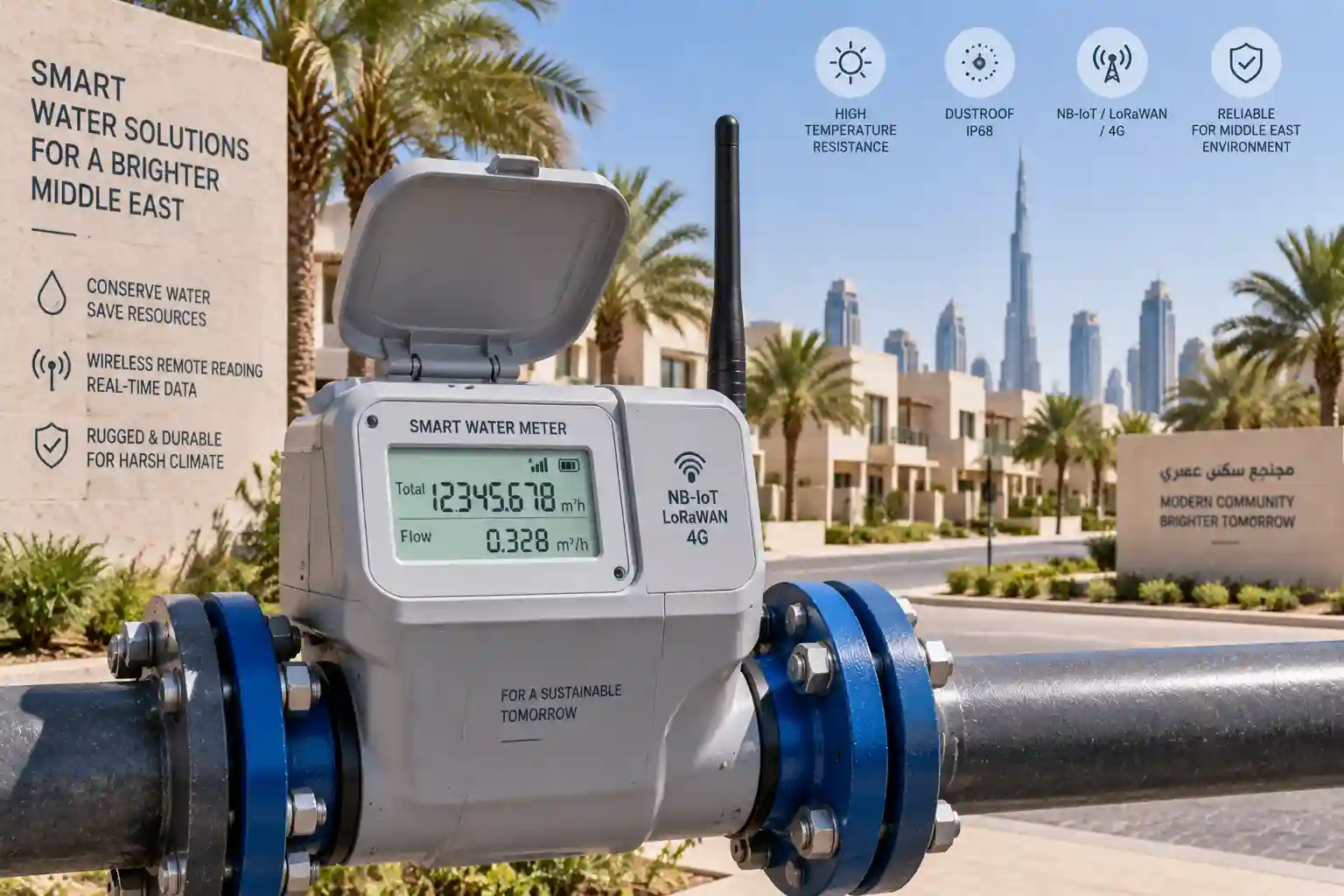
To keep working well in tropical weather, your smart water meters need more than basic rain protection. The cases must have an IP68 rating. This guards against long soaking in water and tiny dust particles. Such strong sealing keeps the inner electronics dry and running, even in floods or big storms.
Choosing the right materials matters just as much. Plastics that resist sun damage last longer under bright light. Metals that do not rust—like special stainless steel or plastic mixes—are key for facing sour rain or dirty air over time. Also, strong sealing methods, such as sound-based joining or two-ring setups, help stop small leaks as years pass.
In areas with high heat and wetness, the electronic parts must be tough industrial types. Everyday consumer pieces cannot handle long stays in tropical settings. Instead, circuit boards should have a special coating. This fights off harm from water droplets forming inside.
Heat control plans—like boxes that let heat escape or chips that use little power—help lower the chance of getting too hot. Smart water meter manufacturers will keep improving their designs. They will use low-power chips, sensors, and communication parts. This cuts energy use, which is vital in sealed outdoor spots common in Southeast Asia.
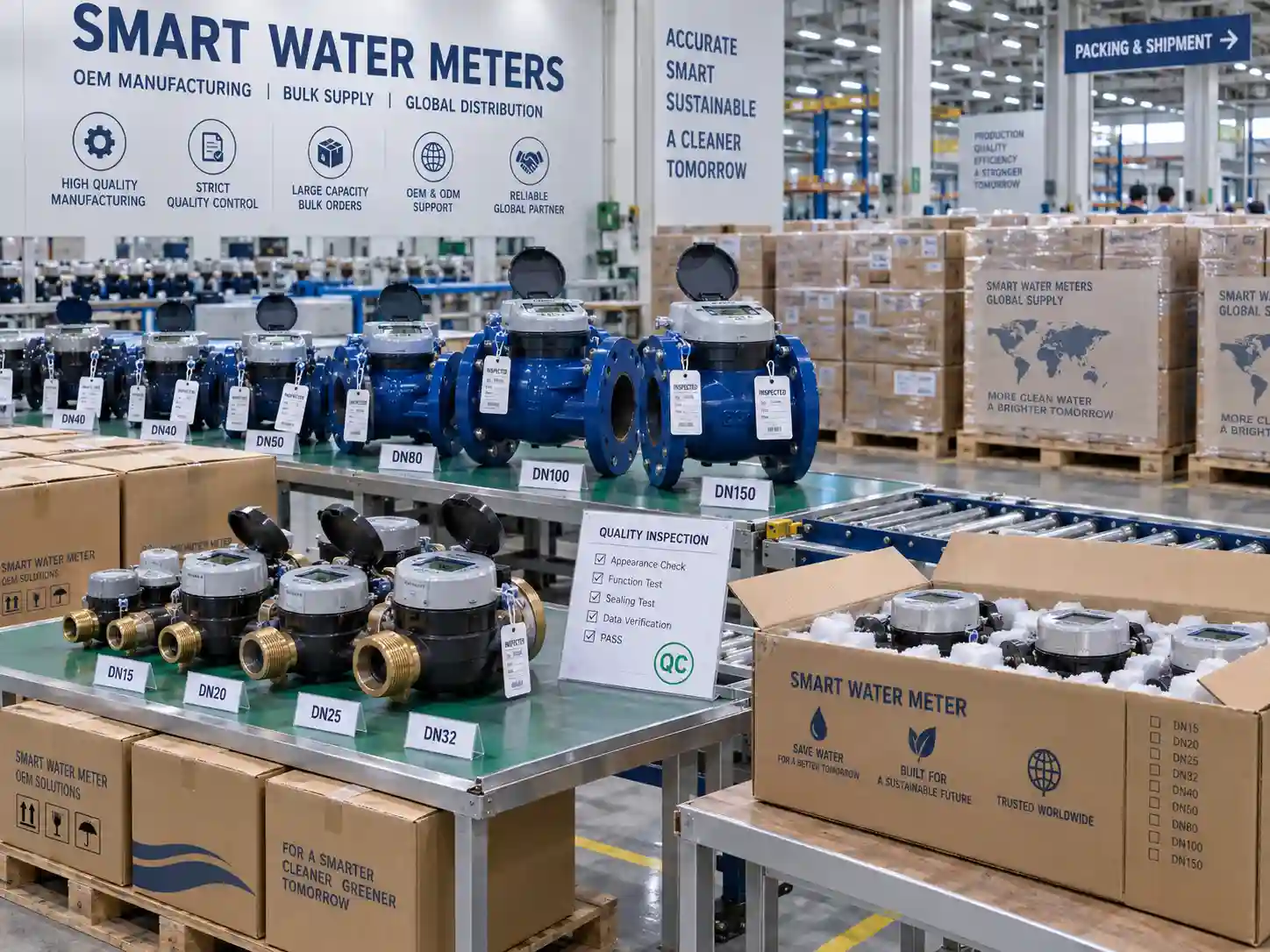
If you want a company that can supply smart metering tools made for tough tropical conditions, Shandong Chen Shuo stands out as a top choice. Located in Linyi City, this forward-thinking maker blends careful building skills with years of real-world testing in wet areas. Their approach to creating products focuses on fitting into different surroundings. And their smart meters go through strict checks in fake tropical tests before they hit the market.
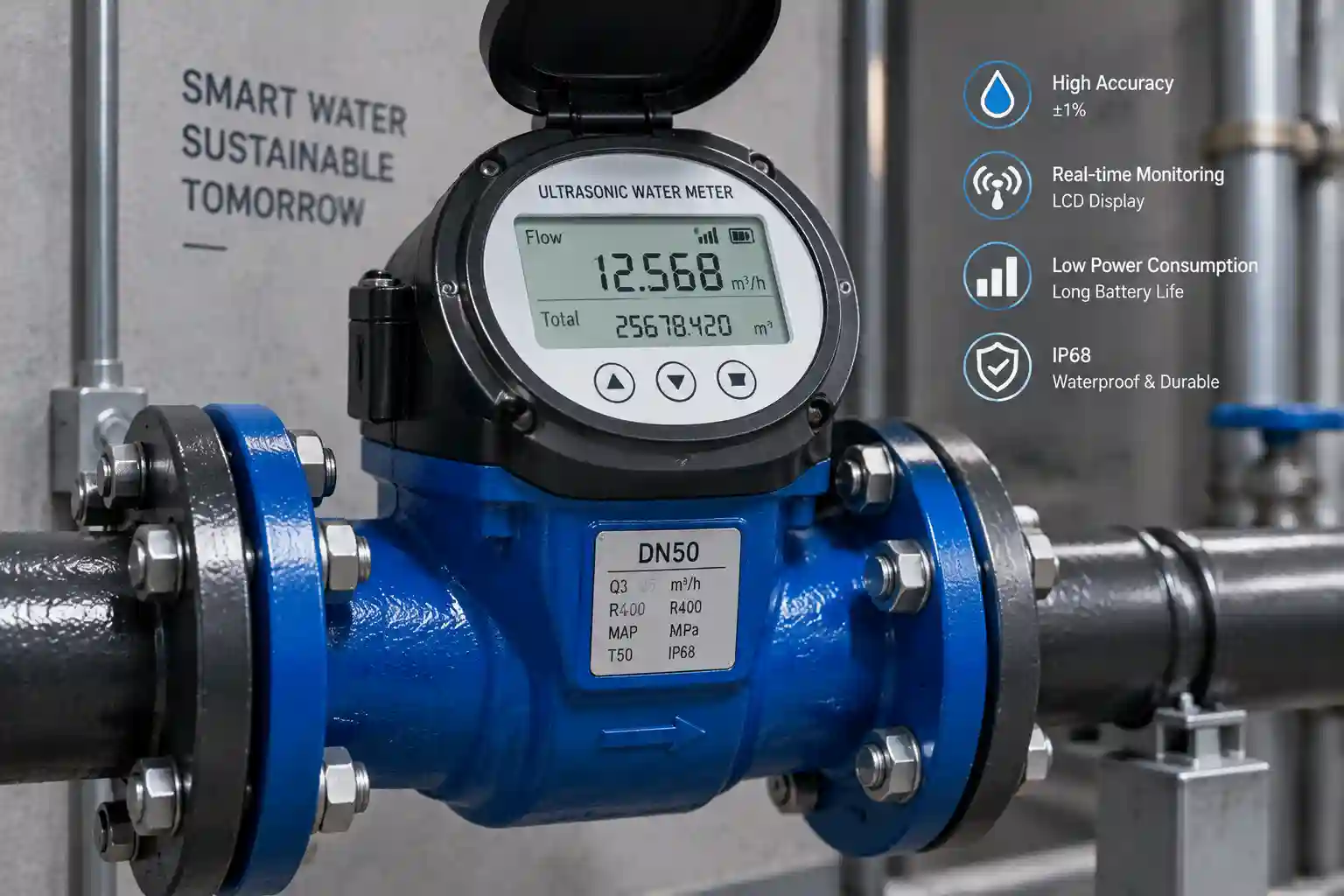
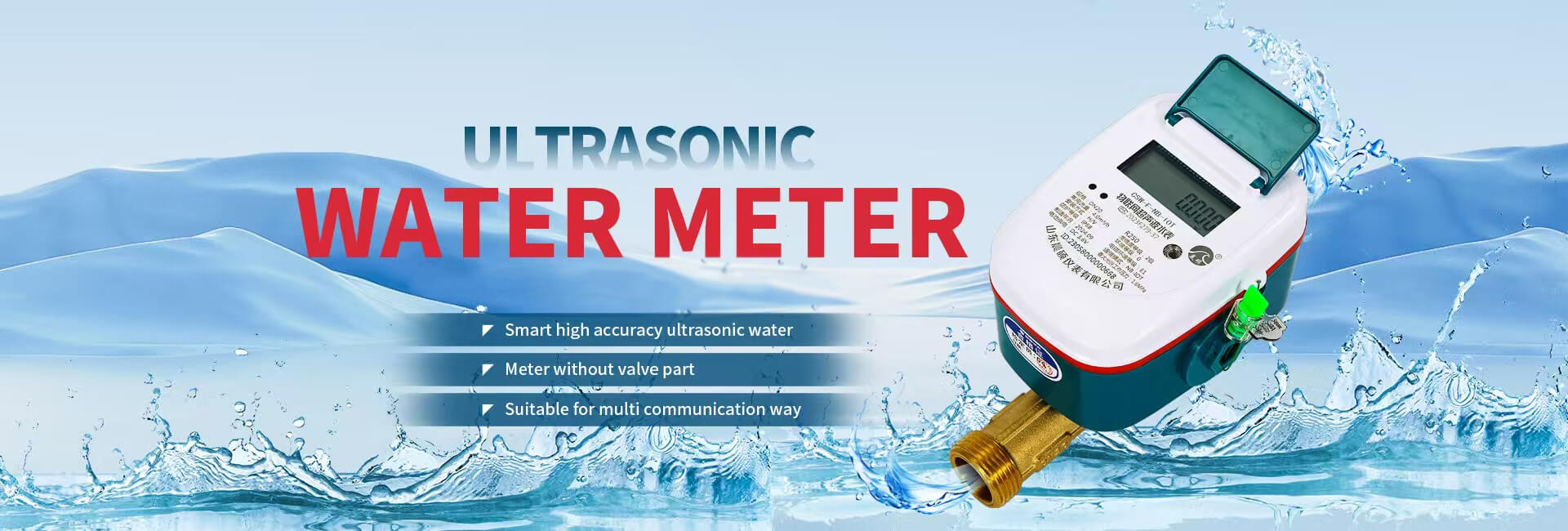
Their ultrasonic series uses a method without moving parts to measure flow. This naturally fights off wear from the environment. It gives a big improvement in steadiness over old-style meters.
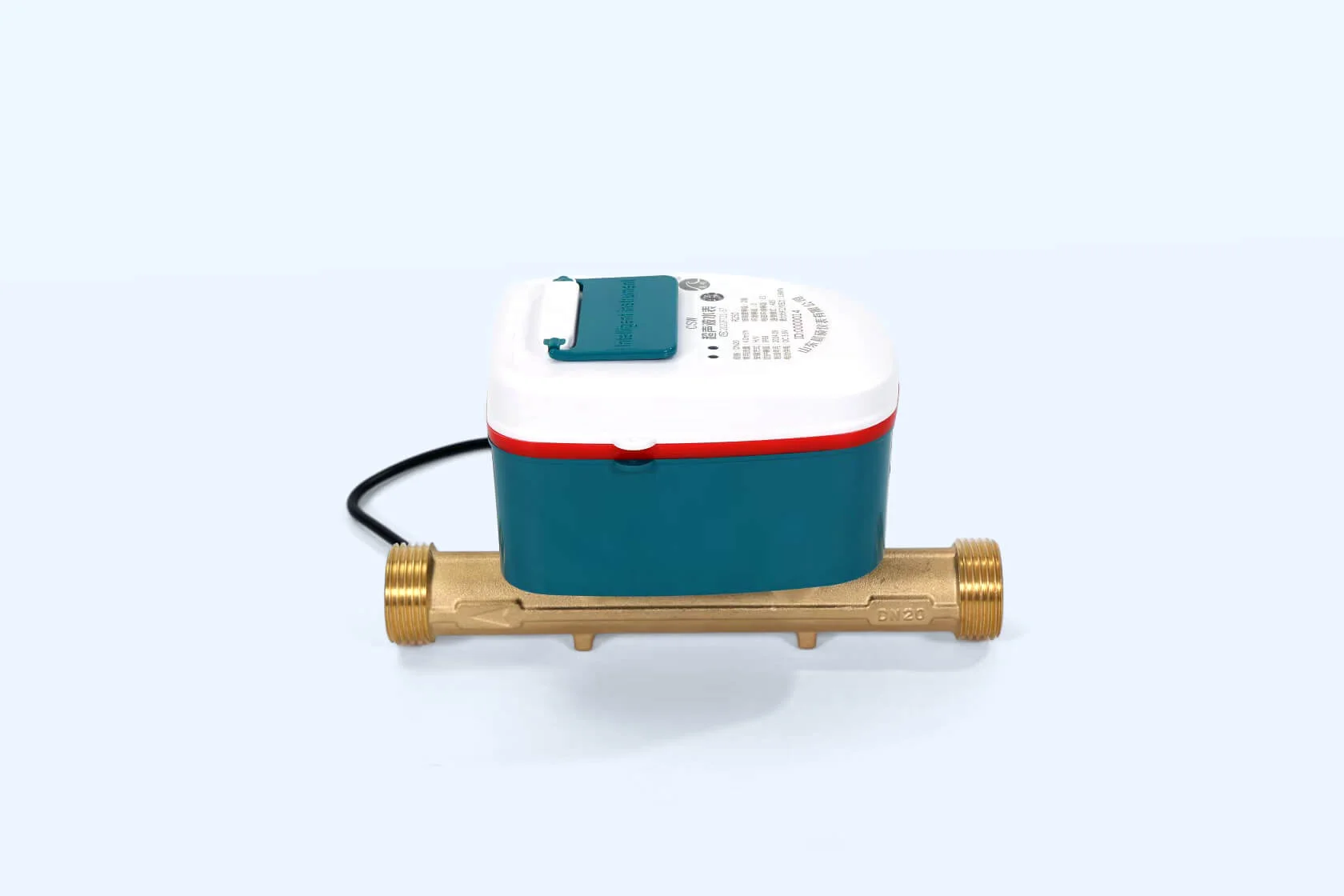
Made for bigger pipes often seen in business or factory uses, the Ultrasonic Water Meter-DN32 includes several shields against tropical problems. It figures out flow speed by checking the time difference of sound waves moving through the liquid. The full IP68-rated case has a special inside setup to stop water droplets from building up in the sensor area.
You get a total non-moving flow system. This avoids breakdowns from parts that stick or get worn. It has a long life, over 15 years, with strong resistance to wear. On top of that, the tool handles a wide range of temperatures—from 0.1°C to 90°C. This suits it for both cool and warm water setups in wild weather.
Since it keeps the inside smooth without spinning bits, dirt from living things stays low. This is key when working in city pipes full of mud or prone to green growth.
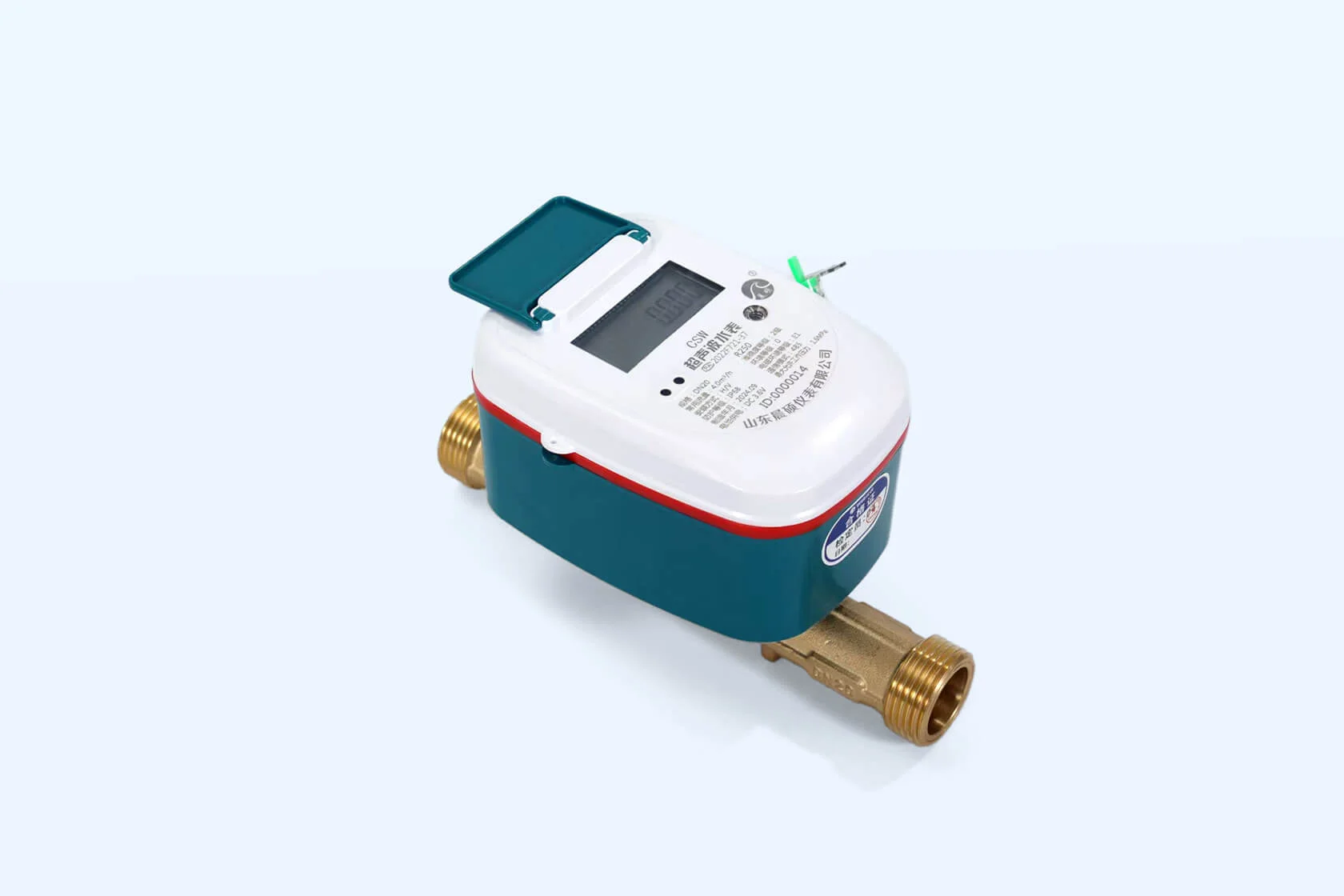
Cities in Southeast Asia often need small metering setups in tight boxes or on walls. The Ultrasonic Water Meter-DN20 fits this with its small size and solid build.
Even though it is compact, it provides complete IP68 water protection and stops condensation. This deals with everyday tropical rain and buried placements. Built-in communication tools like NB-IoT and LoRaWAN get tested in high-wetness conditions at the factory. They make sure the signal stays strong.
You also enjoy benefits in power use, which matter in far-off spots. Smart water meter manufacturers will keep refining their designs. They will pick low-power chips, sensors, and communication modules. This stretches battery time, even in warmer air around them. As a result, it cuts down on repair trips and keeps metering going without stops across the whole system.
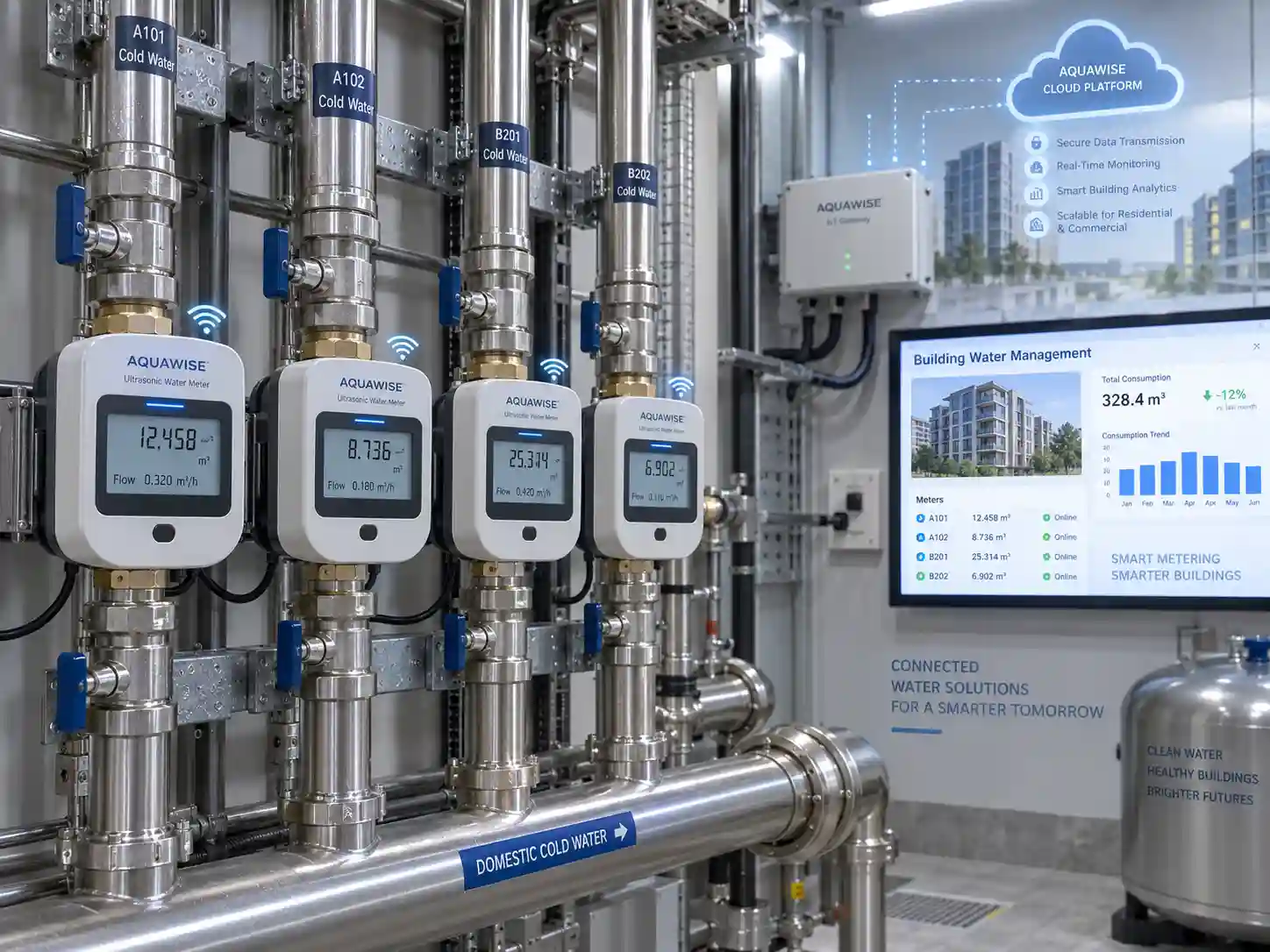
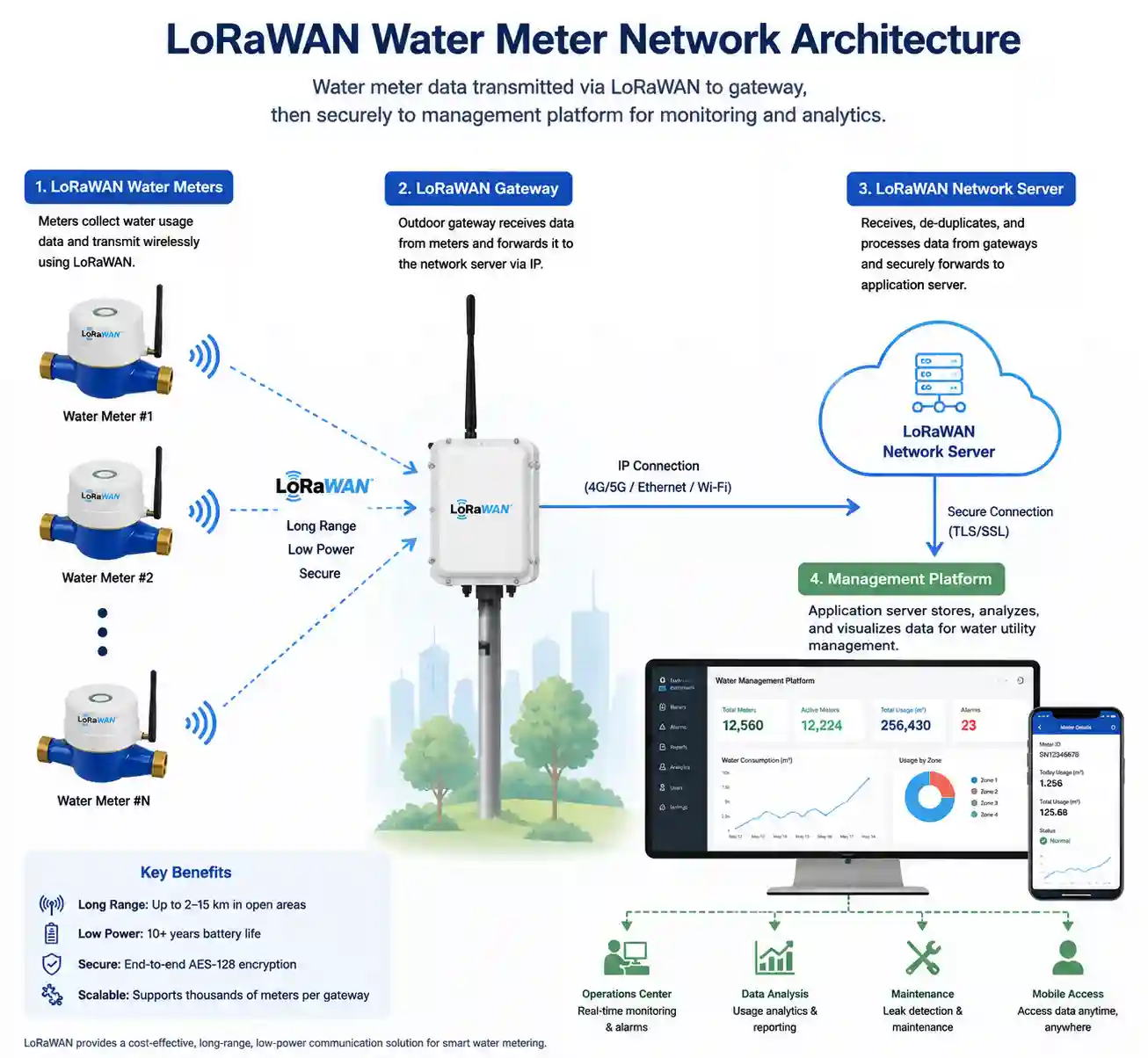
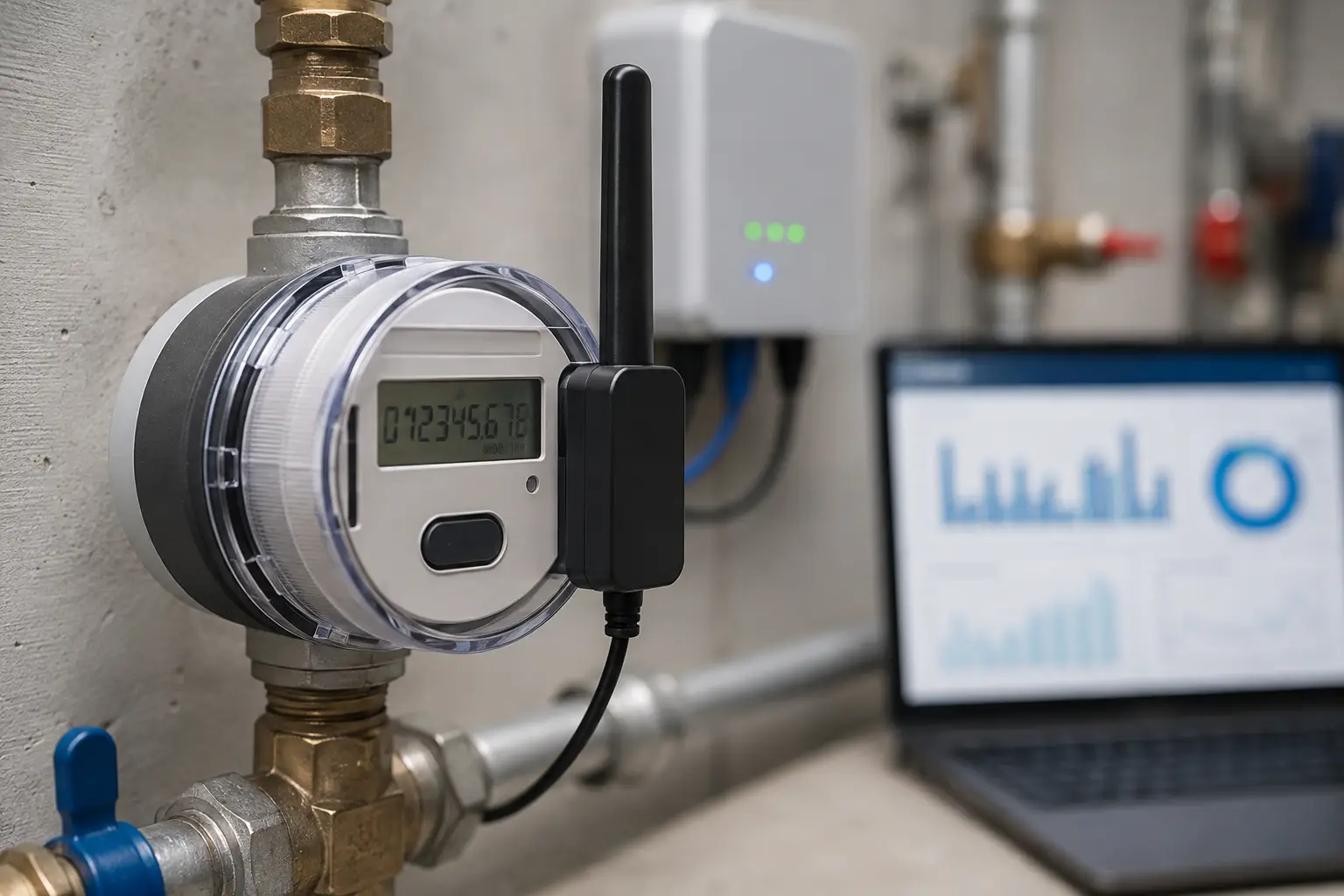
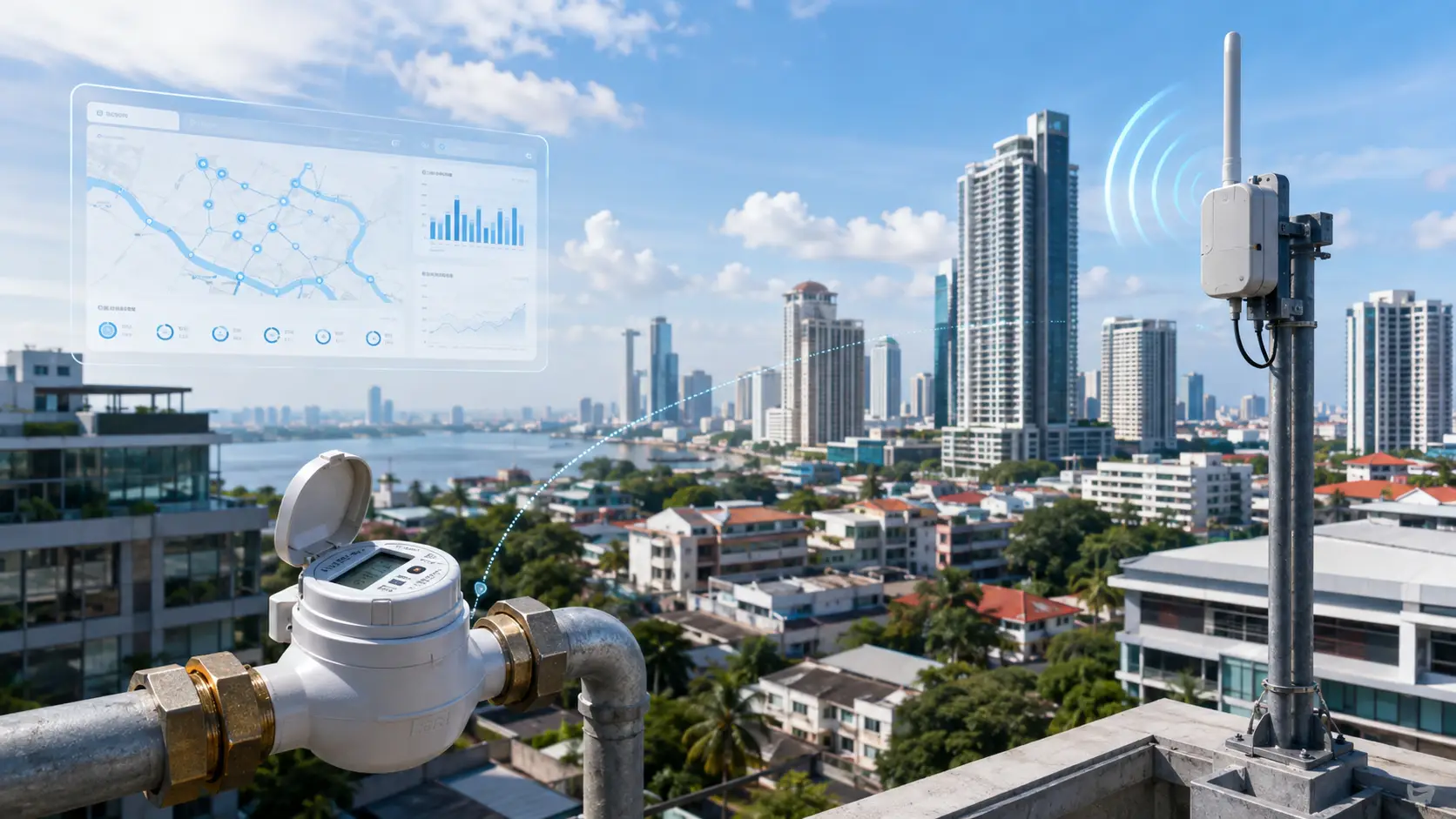
When smart metering setups run in areas prone to floods or lots of moisture, the wireless links must stay steady. Smart water meters send water use data to cloud systems using built-in wireless parts (like GPRS, LoRa, NB-IoT, and others). These have been checked for clear signals, even if the outside of the case gets wet from rain or covered in thin living layers.
Live readings cut out delays. They also lessen the need for hand checks, which are hard in storm times. So, you keep billing correct, even in wild weather peaks.
Without moving parts or dials that break down from heat changes or dirt buildup, these ultrasonic meters cut your upkeep needs a lot. They offer high accuracy: error rates of ±1% to ±2%, which beats mechanical ones (±2% to ±5%). The reliable electronics need little resetting over their full life.
What’s more, far-off check features let your teams spot odd issues or breakdowns through cloud tools. Smart water meters can handle tasks like remote reading, data review, and problem spotting. This lowers the push for on-site looks during big rains or sudden floods.
Your nearby factors—like ground makeup or rain habits—call for more than ready-made fixes. This is why help from experts matters so much. Shandong Chen Shuo gives advice suited to Southeast Asian water companies. Their tech groups offer setting guides that match local water types and setup limits.
Whether you start with a test run or grow to cover a whole city, their planning team helps from checking specs to training after setup.
You can talk to their tech pros right away on their site or via local reps who know area setup needs. Their team-work style makes sure your metering plan fits not just the weather issues but also rules and cost sense.
Q: How does an ultrasonic smart water meter perform better than a mechanical one in tropical environments?
A: Ultrasonic meters lack moving parts that rust or get stuck from wetness or growths. They rely on time-of-flight tech for right flow checks, even with heat shifts or water covering.
Q: What makes IP68 protection essential for water meters in Southeast Asia?
A: IP68 blocks all dust and long water soaking—vital in monsoon floods where meters stay under water for days.
Q: How do smart meters minimize maintenance costs?
A: Their far-off watch features spot problems early, cutting trips to sites. The no-moving-parts build lasts over 15 years with few resets needed.
 Address: Xiao'anzi Industrial Park, Baishabu Town, Lanshan District, Linyi City, Shandong Province
 Call us now:+86 15562945993
 Email:info@sdchenshuo.cn


Shandong Chenshuo Instrument Co., Ltd.