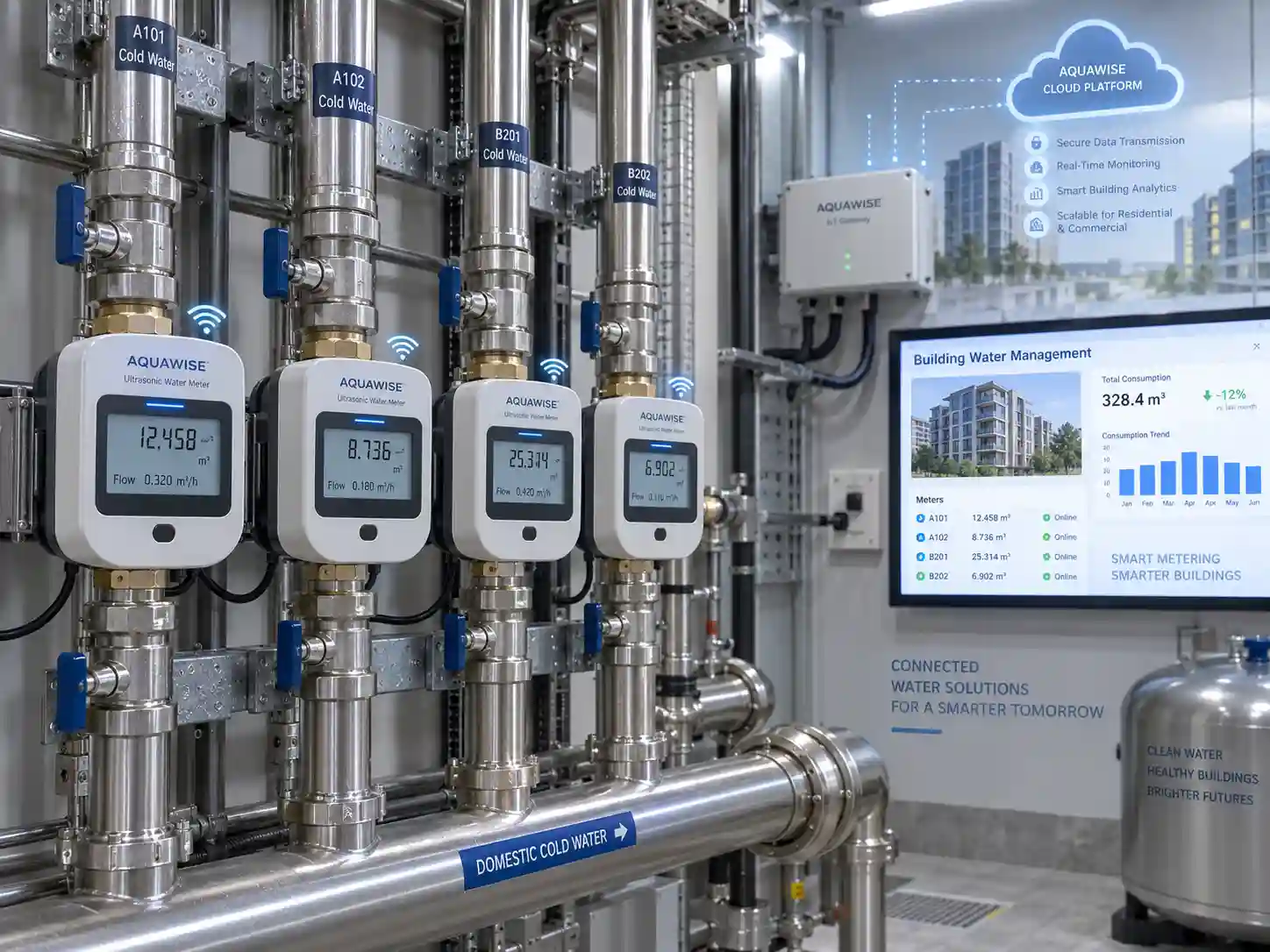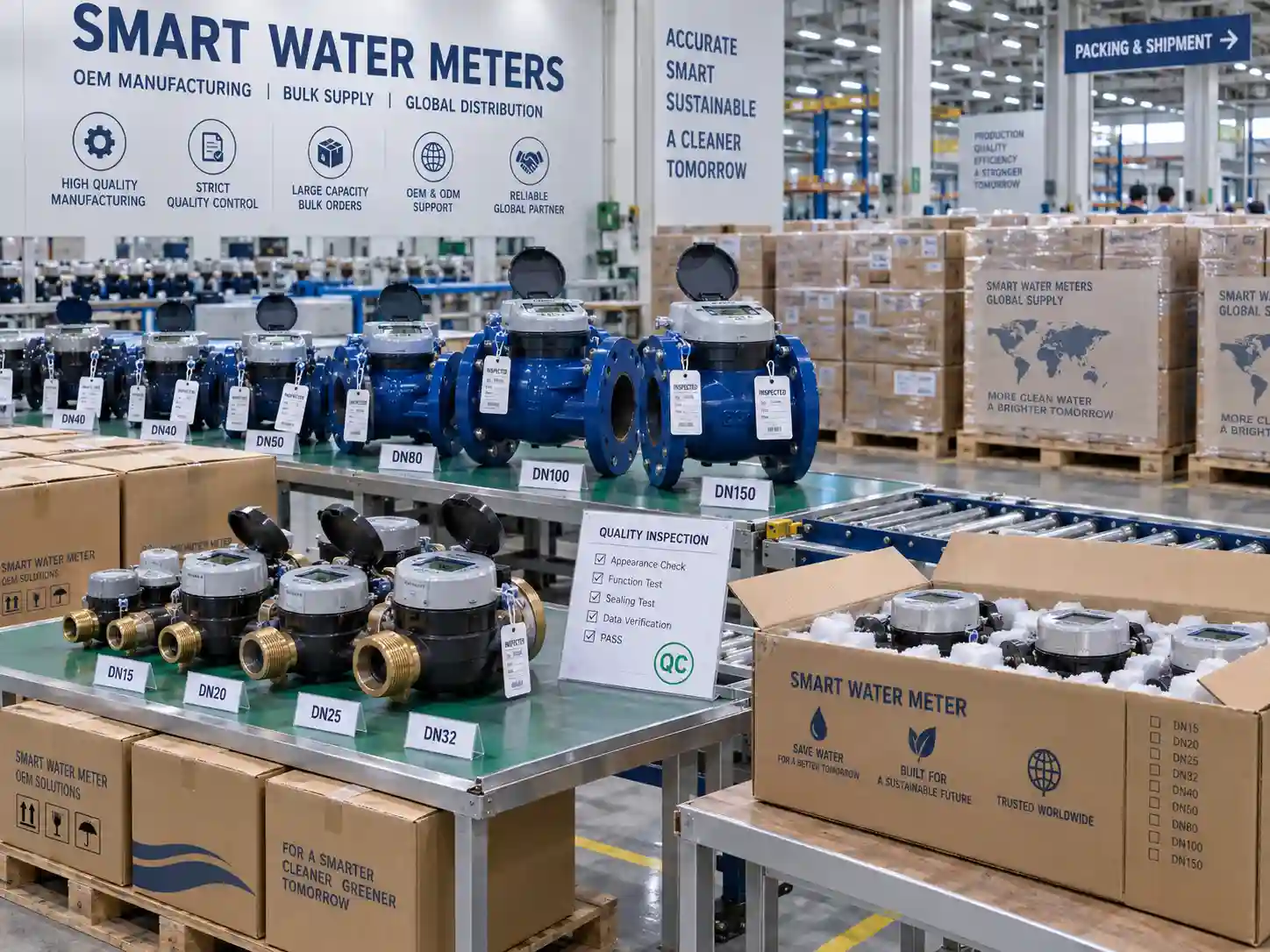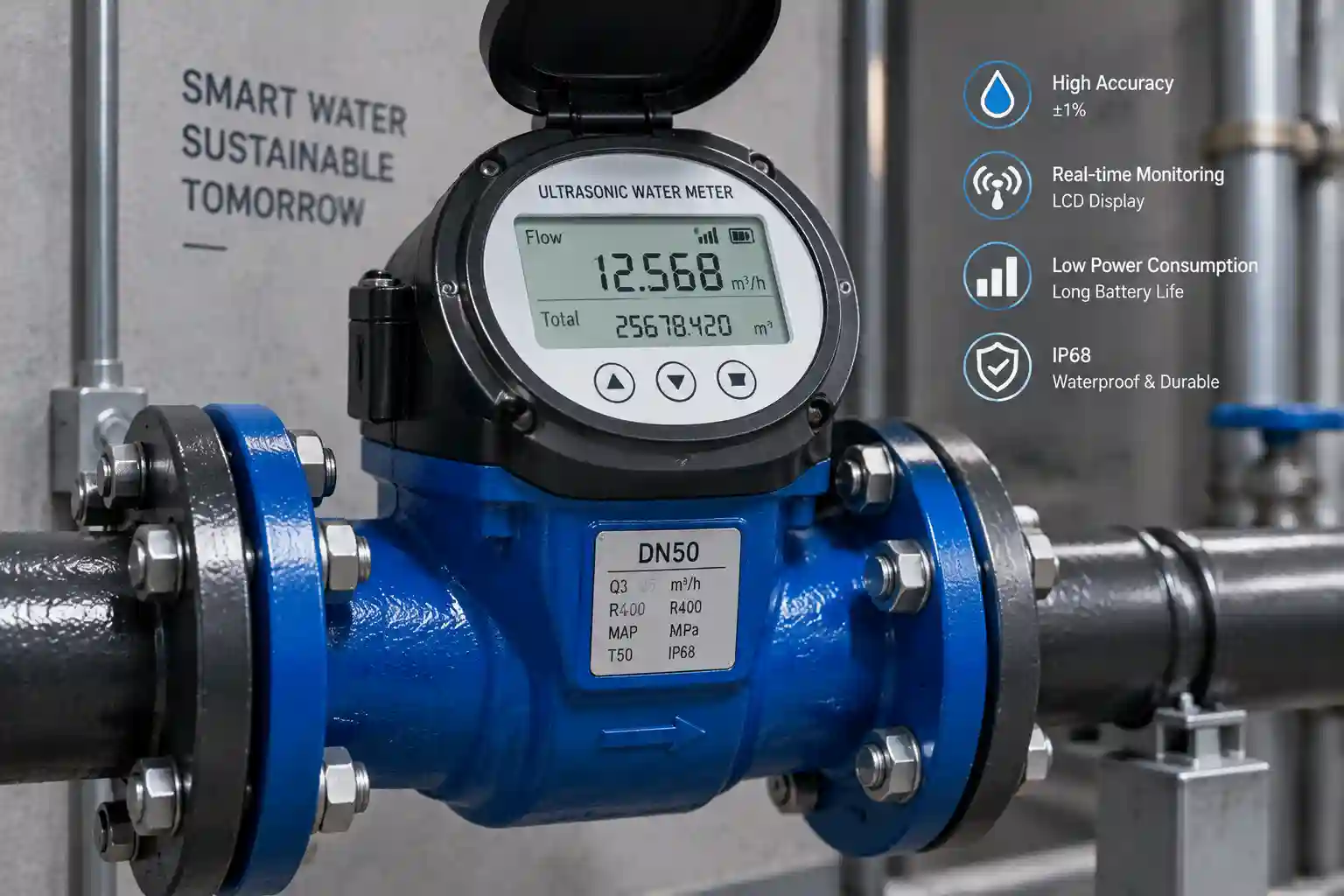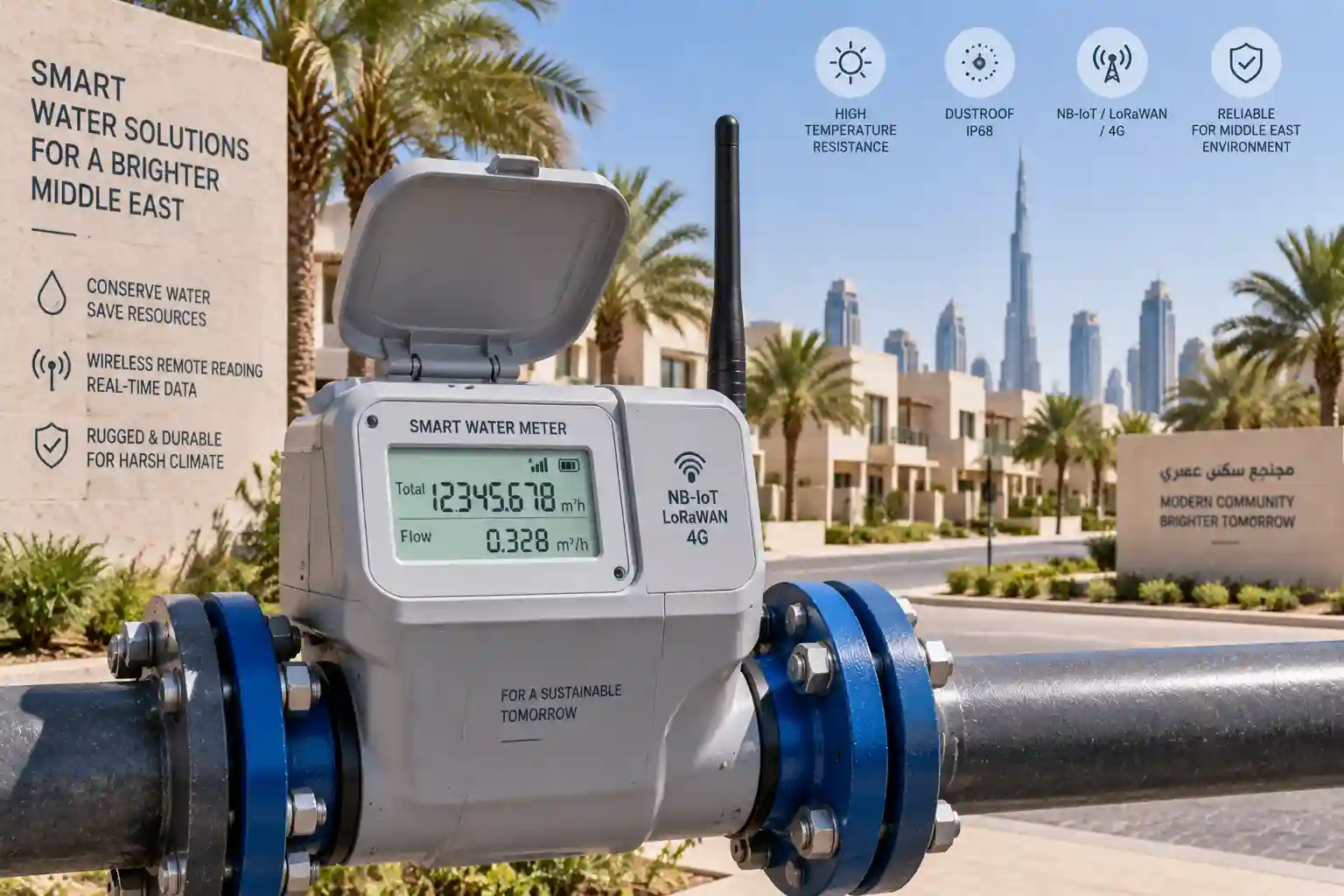


For many water management projects in the Middle East, a LoRaWAN Water Meter can support remote reading without requiring manual access to every meter. The suitability of the system depends on the site layout, meter installation conditions, gateway planning, data platform, and required functions.
A reliable project decision starts with these details, not with the communication label alone. Meter size, installation space, network availability, valve control, STS requirements, and data interfaces should be confirmed before quotation.
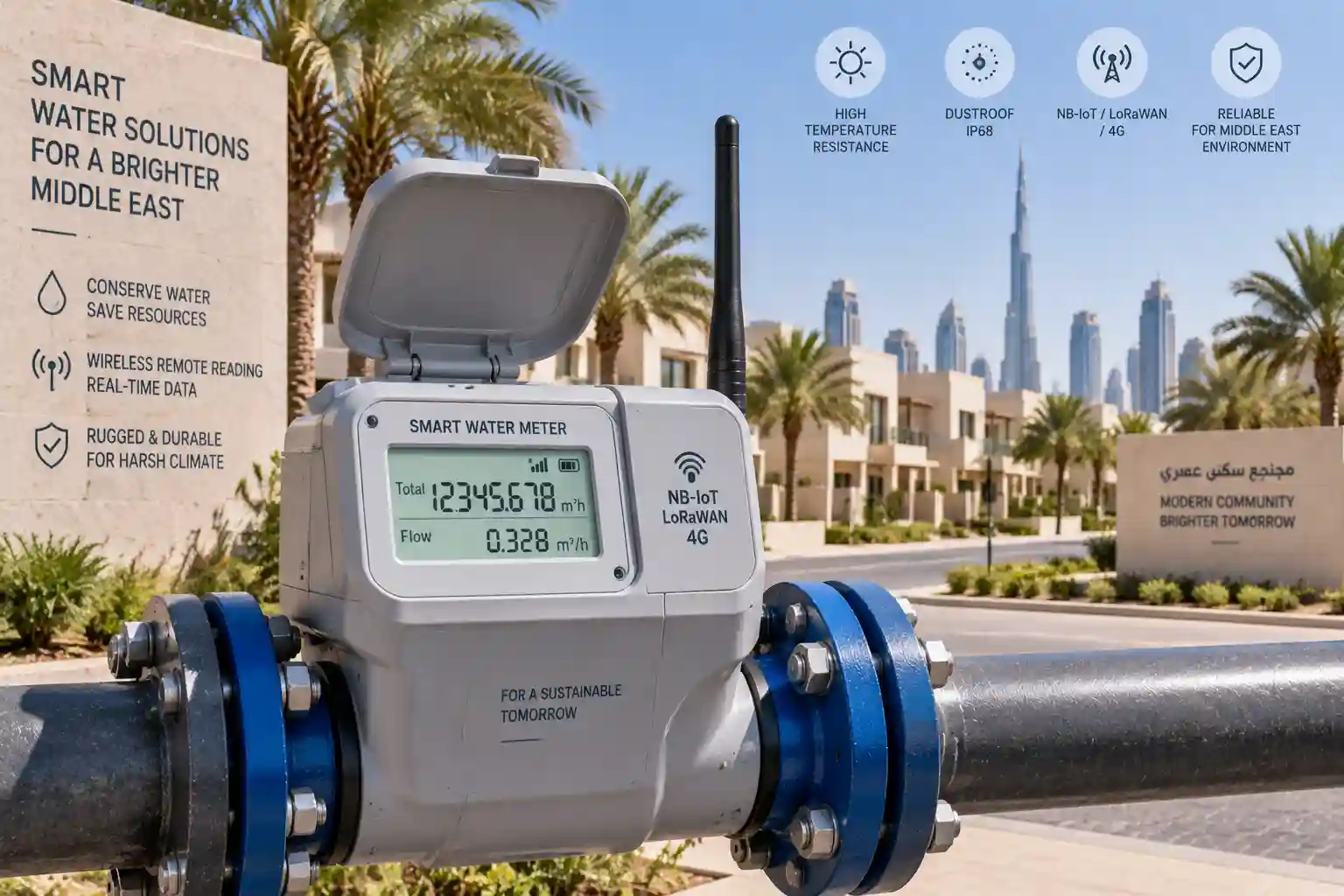
Manual meter reading becomes difficult when meters are spread across residential communities, commercial properties, industrial areas, or municipal networks. Access may take time, and the collected data still needs to be recorded and transferred for management use.
A remote reading system collects meter data through wireless communication. This can help operators review consumption records without visiting every installation point. It also gives project teams a clearer basis for billing, monitoring, maintenance planning, and abnormal reading checks.
The actual value depends on how the system is designed. A meter, communication network, gateway, and platform must work together.
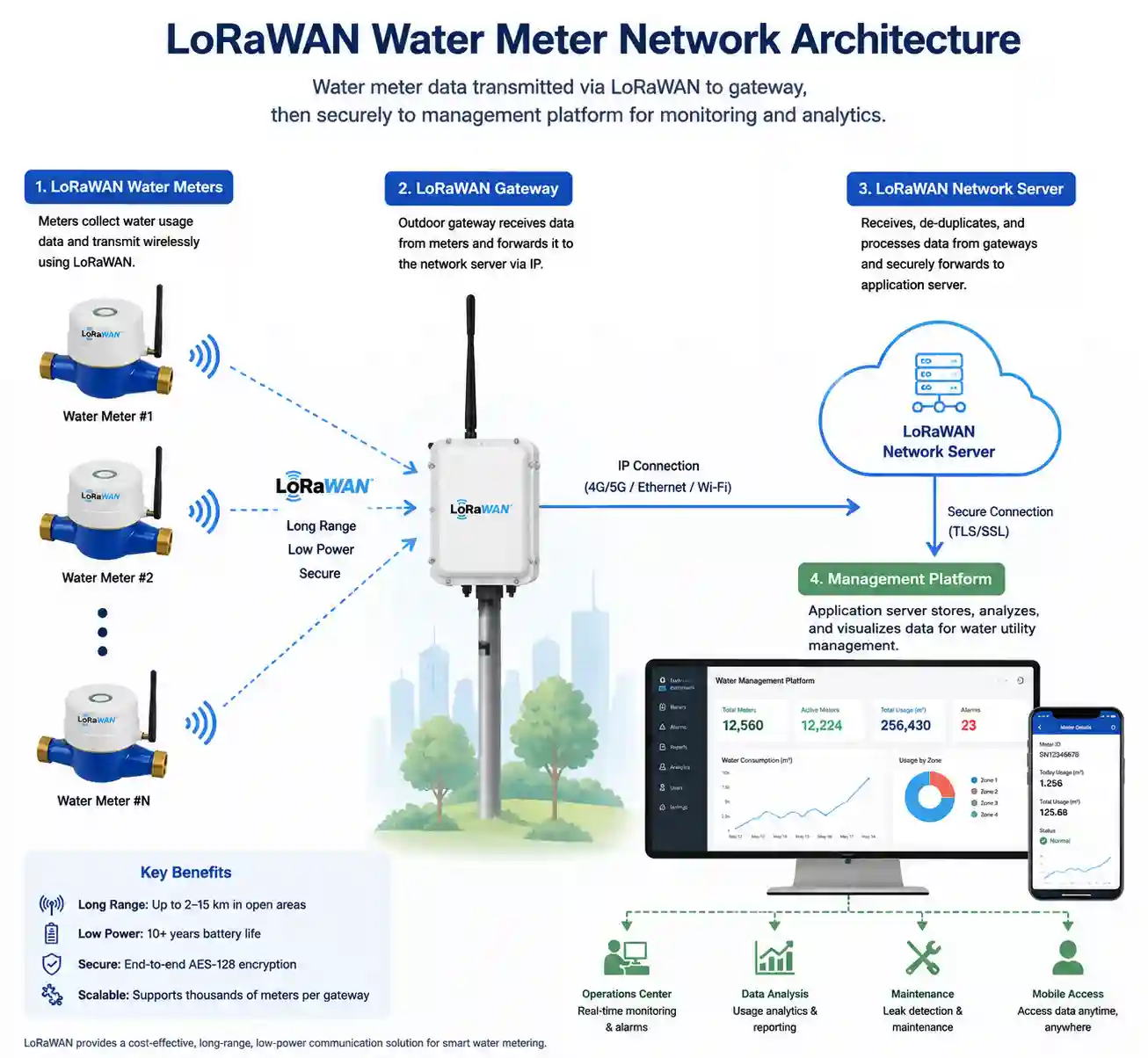
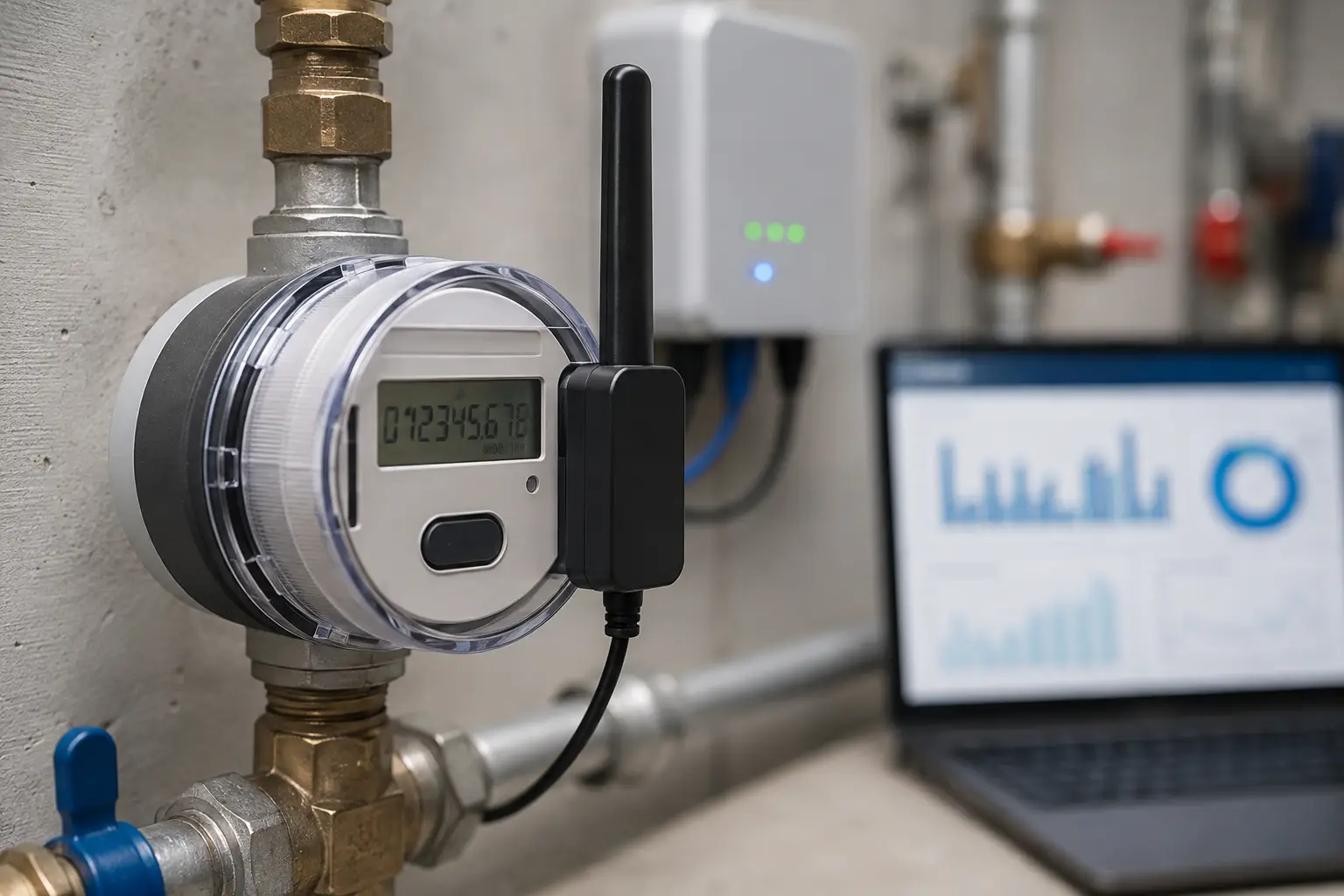
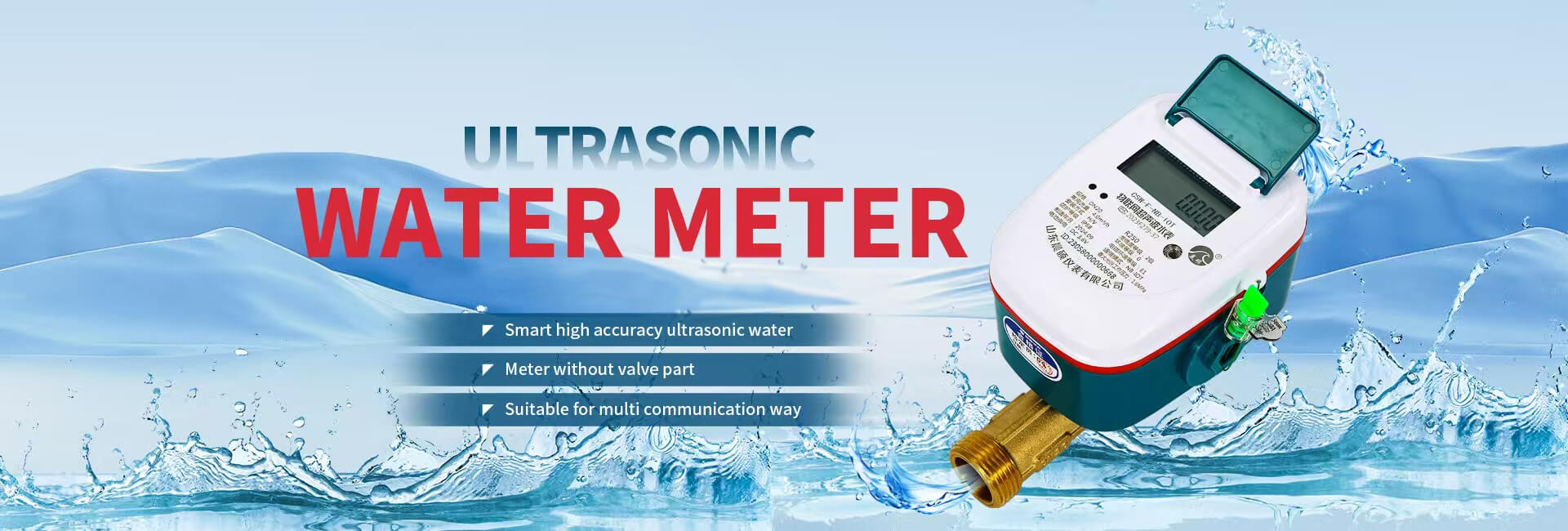
A LoRaWAN Water Meter measures water consumption and sends the reading through a LoRaWAN communication module. The required data items and reporting interval should be defined according to the project.
The meter type and size also need to match the pipe connection and installation conditions. A technically suitable communication method cannot compensate for an incorrect meter size or unsuitable installation arrangement.
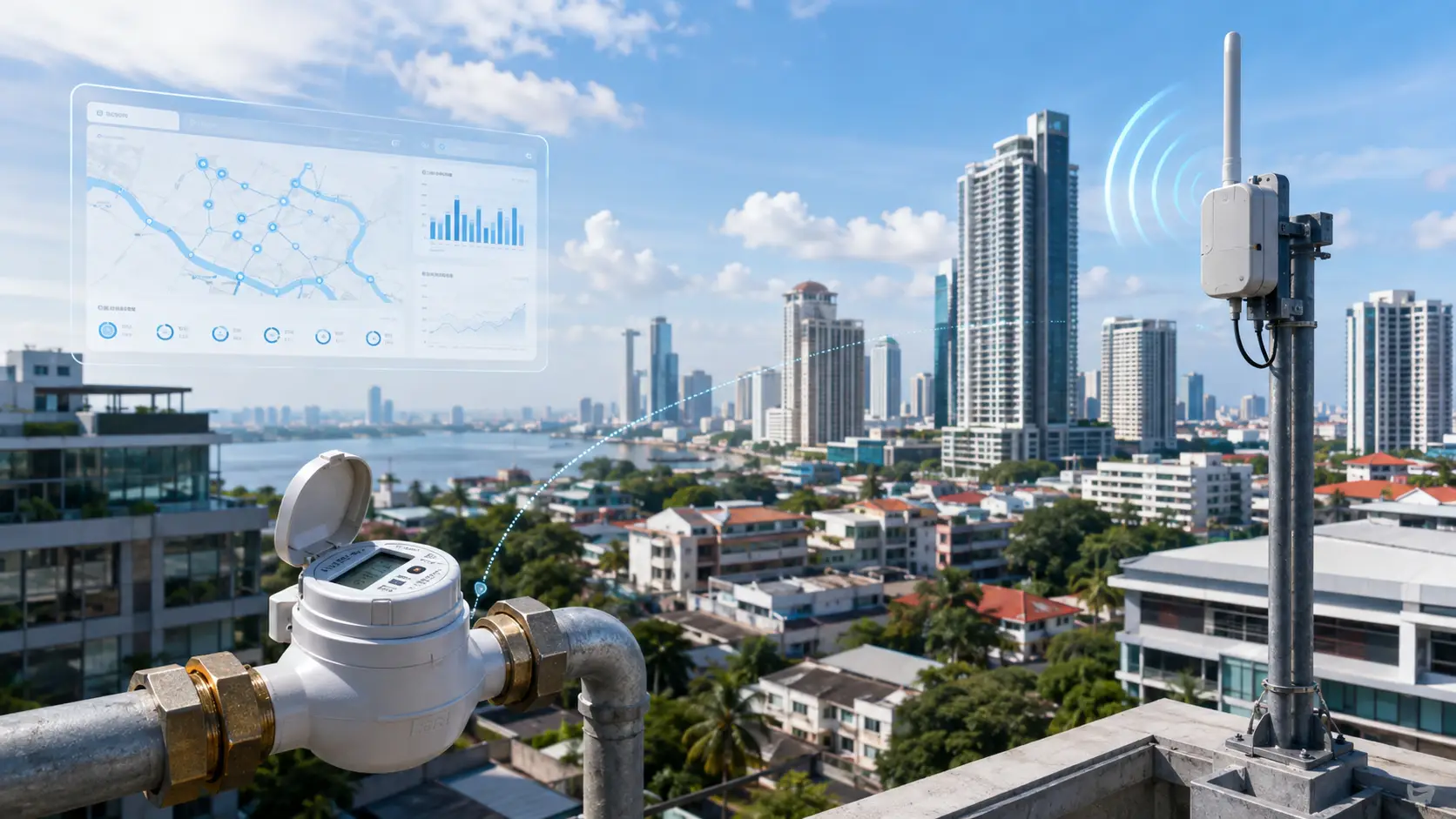
The gateway receives wireless data from meters and forwards it to the relevant management system. Gateway quantity and location depend on the project area, building layout, installation environment, and communication test results.
Theoretical communication distance should not be treated as the final deployment plan. A site survey or pilot test can help confirm whether the proposed gateway arrangement is suitable for the project.
Once the data reaches the platform, operators can review remote meter readings and manage the collected information. The required interface, data format, and system connection should be discussed before production.
This is especially important when the water meter system must connect with an existing utility, property management, billing, or monitoring platform.
Medidor de agua LoRaWAN solutions may be considered for several types of projects in the Middle East:
The final solution should be based on the actual project rather than the location name alone. A compact property and a large municipal deployment may require different meter quantities, gateways, software interfaces, and commissioning processes.
The number and position of gateways should be reviewed according to the site layout. Important inputs include the number of meters, building structure, installation points, underground areas, and the distance between meters and gateways.
A small pilot can be useful before large-scale deployment. It allows the project team to check wireless communication, data transmission, installation access, and platform reception.
The supplier needs the pipe diameter, connection type, installation direction, available space, and expected flow conditions. Existing pipework may require a different approach from a new project.
The project documents should also clarify whether the meter is installed indoors, outdoors, in a cabinet, or in another managed area. These details affect product selection and installation planning.
Battery-powered meters are commonly considered where external power is unavailable or difficult to install. The project should still define the expected service arrangement, maintenance access, and replacement process.
Power planning is part of the system design. It should be reviewed together with the reporting frequency, communication configuration, installation environment, and required operating functions.
Some projects require more than remote reading. They may also need valve control, prepaid water management, or STS-related functions.
These requirements should be listed separately during technical evaluation. A remote reading project and a prepaid water management project may use different configurations, even when both use wireless communication.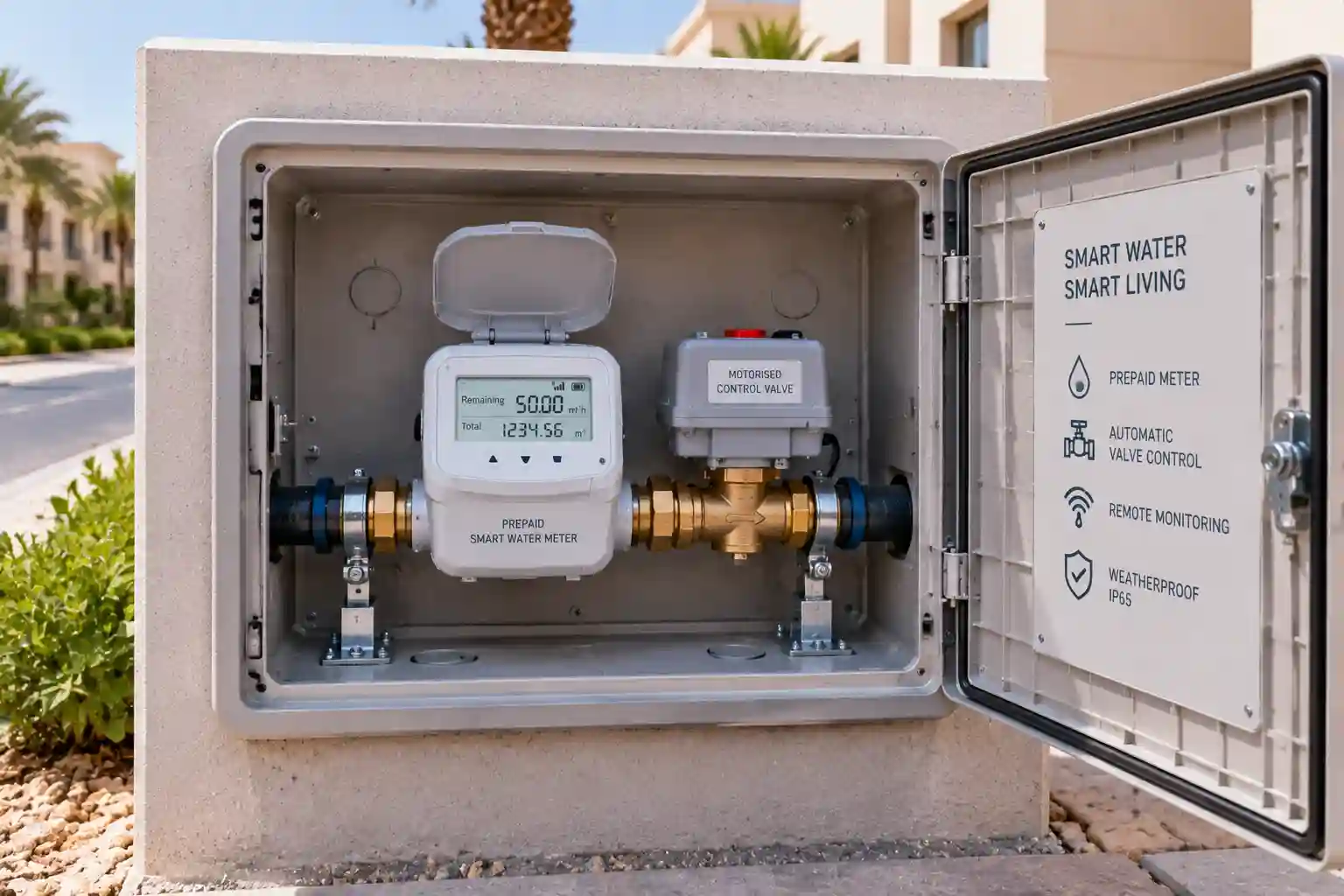
Before requesting a quotation, prepare the following information:
A quotation based only on the keyword “smart water meter” may leave important configuration items unresolved. A clearer project brief gives the supplier a better basis for confirming the model, communication method, accessories, and delivery scope.
For a Middle East project, supplier evaluation should include product fit and project communication. The supplier should be able to review meter specifications, communication requirements, valve functions, platform interfaces, and technical documentation together.
Shandong Chenshuo Instrumento Co., Ltd.. provides water meter products and project-related configuration support for different application requirements. The appropriate model and communication setup should be confirmed from the project data provided by the buyer.
Useful information to submit includes the target country, meter quantity, pipe sizes, installation conditions, communication preference, platform requirements, and whether valve control or STS functions are needed.
More company and product information is available through the Chenshuo official website.
It can be suitable when the project requires wireless remote reading and the site can support a suitable LoRaWAN network arrangement. Gateway planning, meter installation conditions, and platform compatibility should be checked before deployment.
A LoRaWAN system normally uses a gateway to receive meter data and forward it to the management platform. The number and location of gateways depend on the site layout and communication test results.
The supplier should receive the project location, meter quantity, pipe sizes, connection requirements, installation conditions, communication requirements, and platform information. Valve control or STS functions should also be stated when applicable.
Some project configurations may include valve control or STS-related functions. These requirements must be confirmed separately because they affect product configuration and system design.
The evaluation should cover the meter specification, installation site, communication network, gateway plan, data interface, power arrangement, and required project functions. A sample or pilot test may be considered when site conditions need further verification.
A smart remote reading project in the Middle East should be selected from the complete system requirement. The meter, gateway, network, platform, installation conditions, and optional control functions all influence the final solution.
A LoRaWAN Water Meter may be a suitable option when the project needs centralized wireless data collection and the site can support the required network design. Before requesting a final quotation, send the project country, meter quantity, pipe sizes, installation details, platform requirements, and valve or STS requirements.
With these inputs, Chenshuo can help confirm the relevant water meter configuration, communication arrangement, and project documentation for the next stage of evaluation.
 Dirección: Parque Industrial Xiao'anzi, ciudad de Baishabu, distrito de Lanshan, ciudad de Linyi, provincia de Shandong
 Llámenos ahora:+86 15562945993
 Correo electrónico:info@sdchenshuo.cn


Shandong Chenshuo Instrument Co., Ltd.