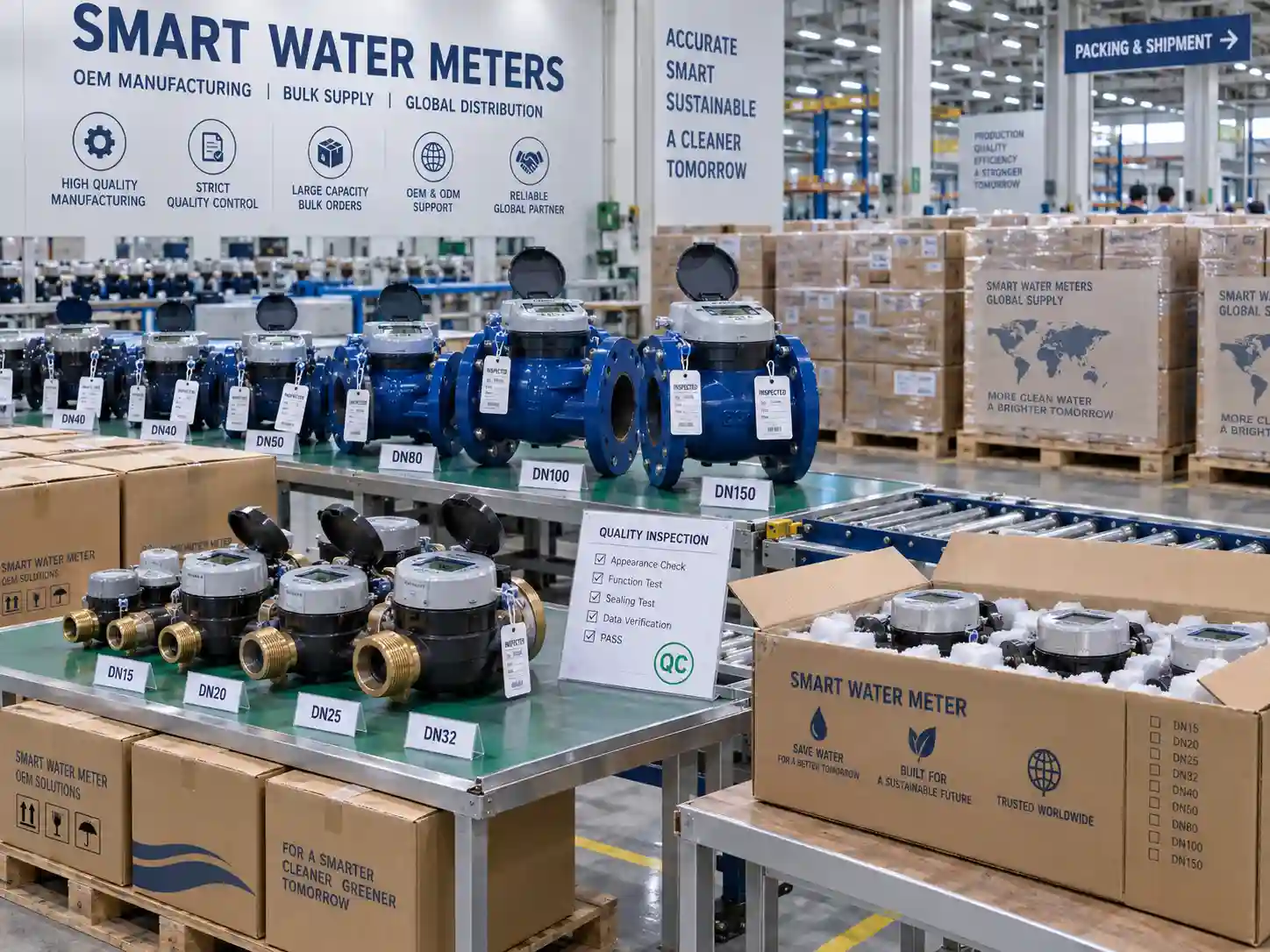


When you manage large water pipelines, small reading errors can turn into real cost problems. A Woltman water meter is built for that kind of job. It is not the small meter seen beside a household tap. It is a bulk water meter for high flow water measurement in municipal networks, factories, irrigation systems, and large buildings where water keeps moving for long hours.
Woltman water meters are turbine water meters used in large diameter pipelines. They measure water volume by using the force of flowing water to rotate an internal turbine. For buyers, the main concern is simple: can the meter handle large flow without causing too much pressure loss or frequent downtime?
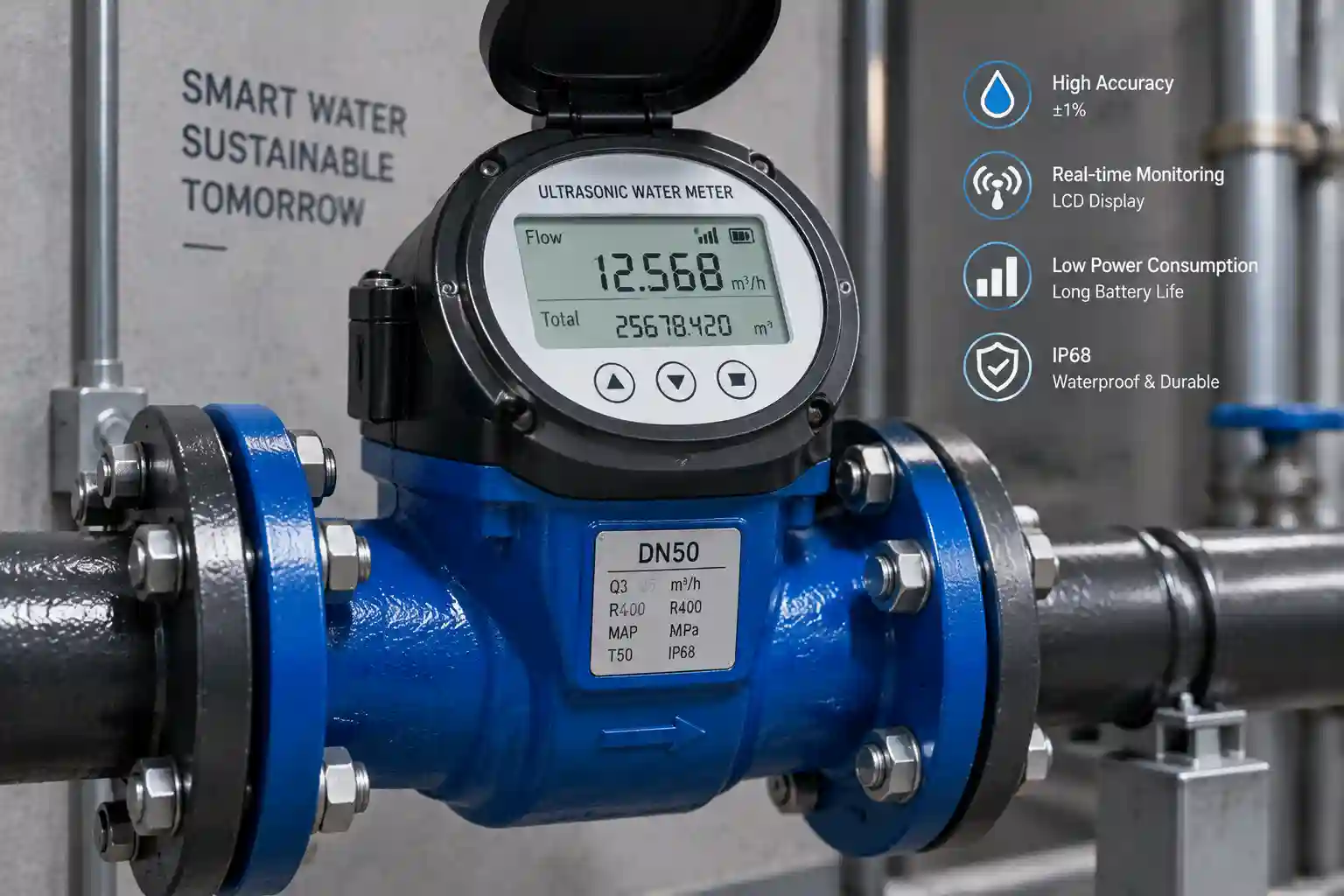
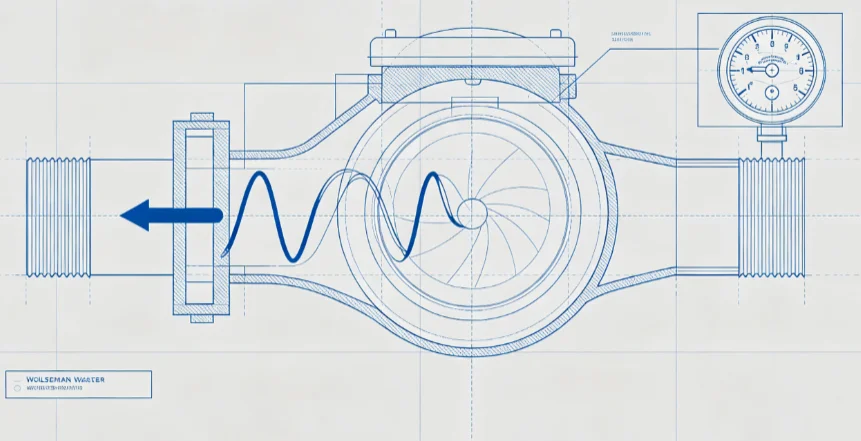
A Woltman water meter uses a turbine or helical rotor inside the meter body. As water passes through, the turbine turns. The meter then converts those rotations into a reading. This design makes Woltman water meters suitable for bulk water meters used in main pipelines, industrial circulation water, and agricultural irrigation.
Large pipes often face changing flow. Morning and evening peaks, irrigation cycles, and factory cooling water loops do not always run at one stable rate. A high flow water meter must stay readable and durable during these changes. That is where a large diameter water meter such as a Woltman water meter becomes useful.
The working principle is easy to follow. Water enters the meter body, passes through the measuring chamber, and drives the turbine. The faster the water flows, the faster the turbine rotates. The register then shows accumulated water volume.
In a horizontal Woltman water meter, the turbine usually works along the pipe axis. This helps reduce resistance when the pipeline carries large volumes. Some designs use a helical turbine, which gives smoother rotation at higher flow rates. In daily use, this matters because pressure loss can affect pumps, end users, and the whole pipe network.
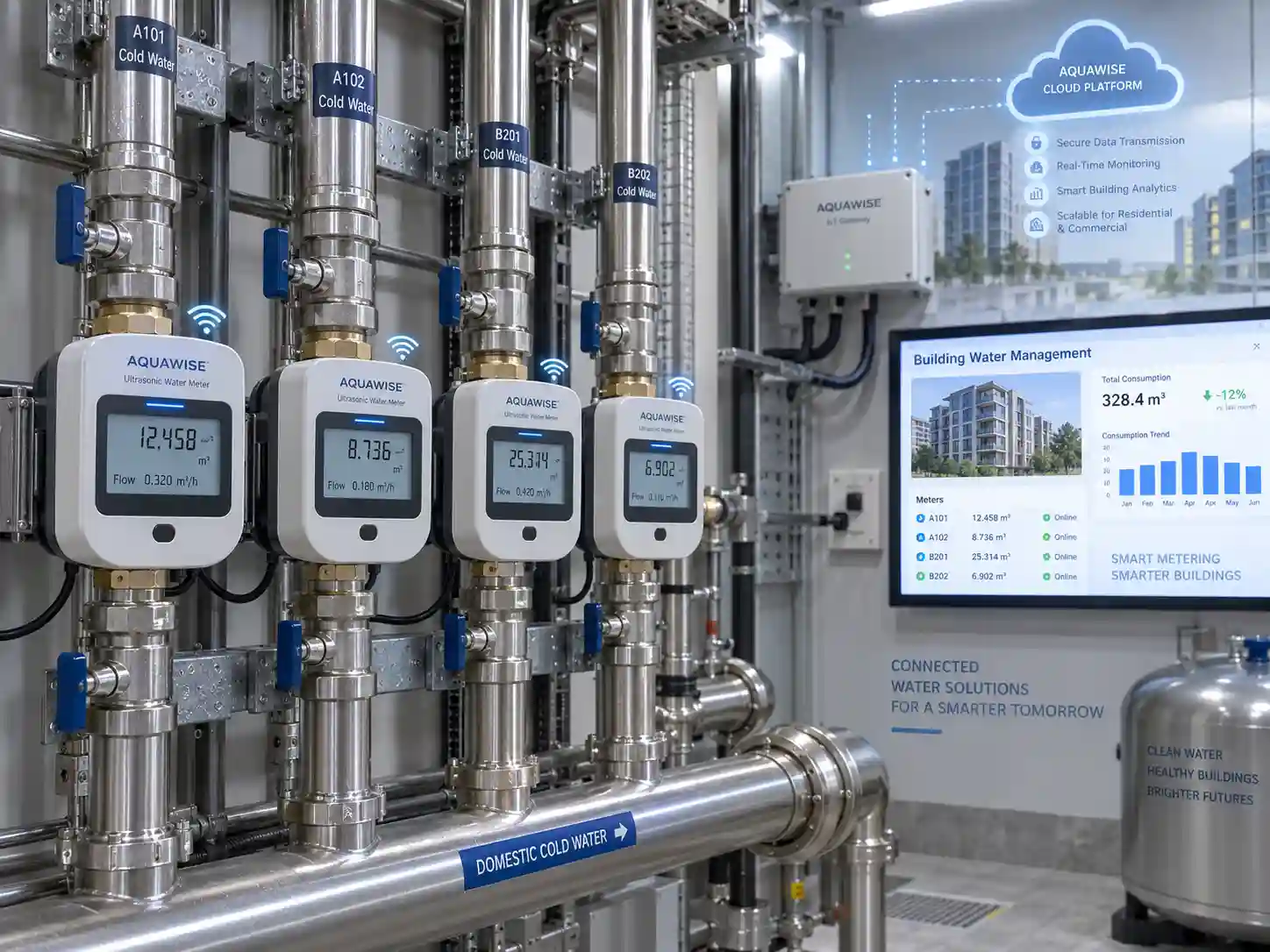
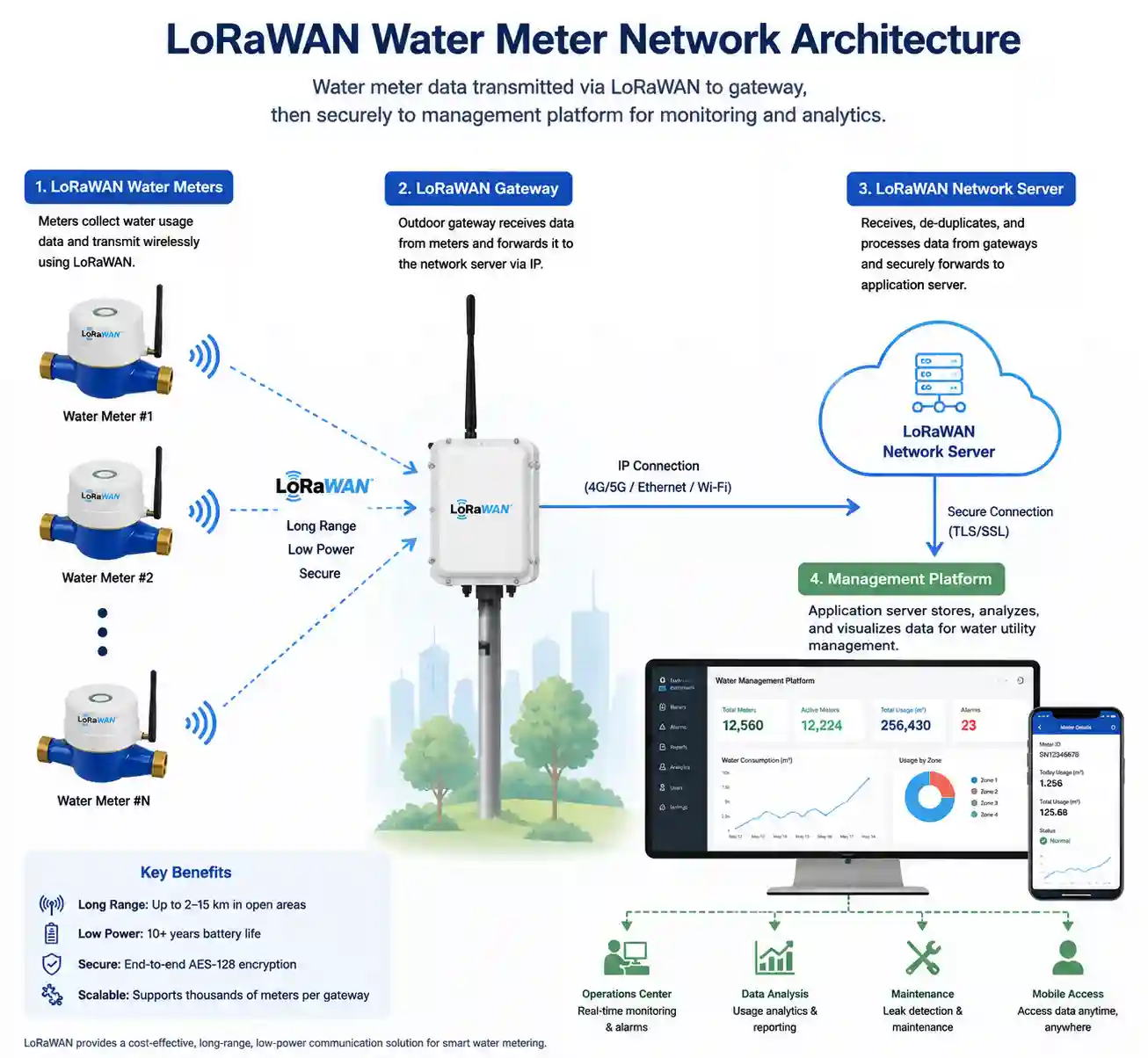
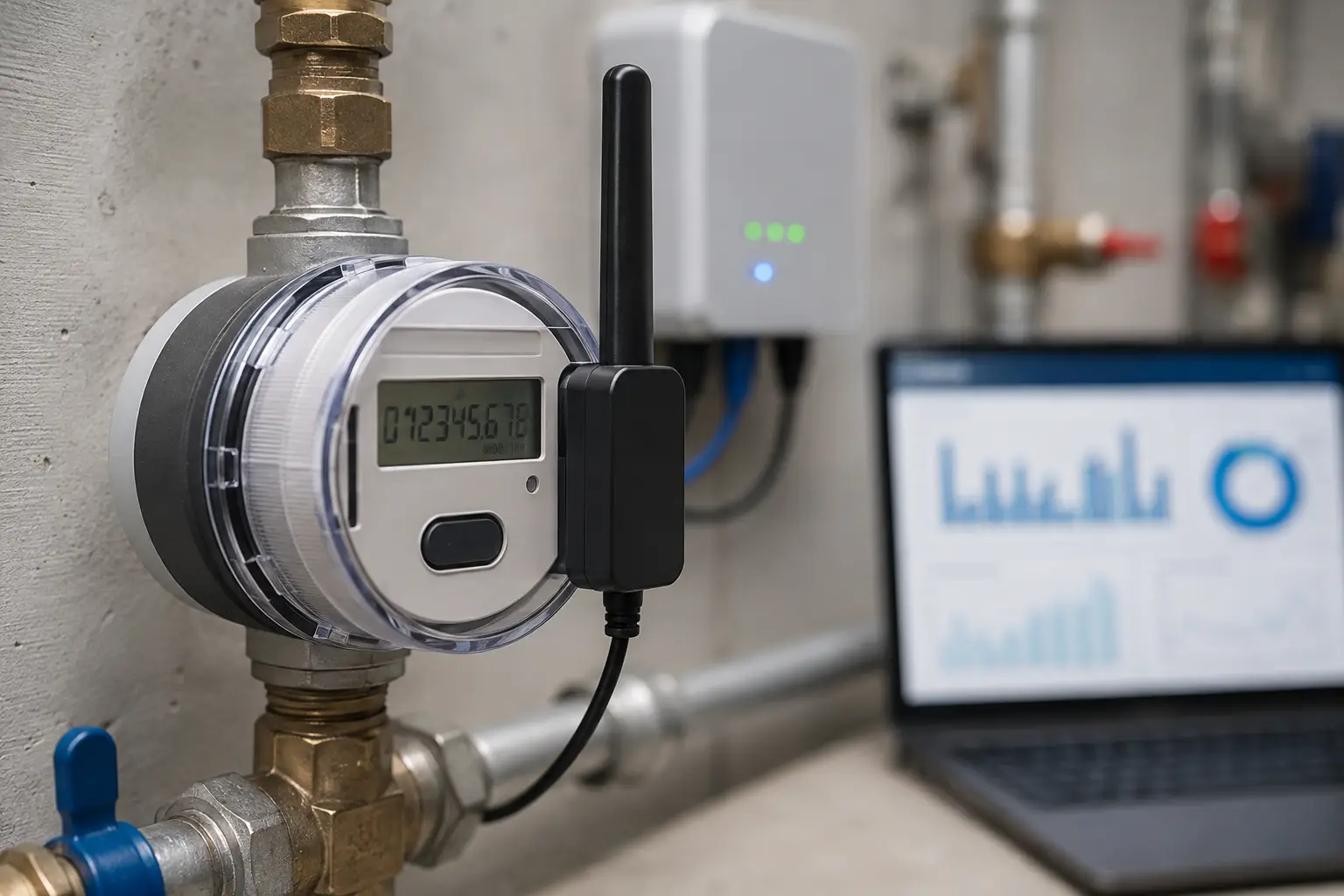
The register may be a mechanical dial or a smart remote transmission module. For a water company, remote reading saves time. For a factory, it can help compare water use between workshops. Not glamorous, maybe, but very practical when staff do not want to open a meter chamber in the rain.
Woltman water meters are not one-purpose devices. They appear in places where water volume is large, flow changes are common, and a normal small meter would not be a good match.
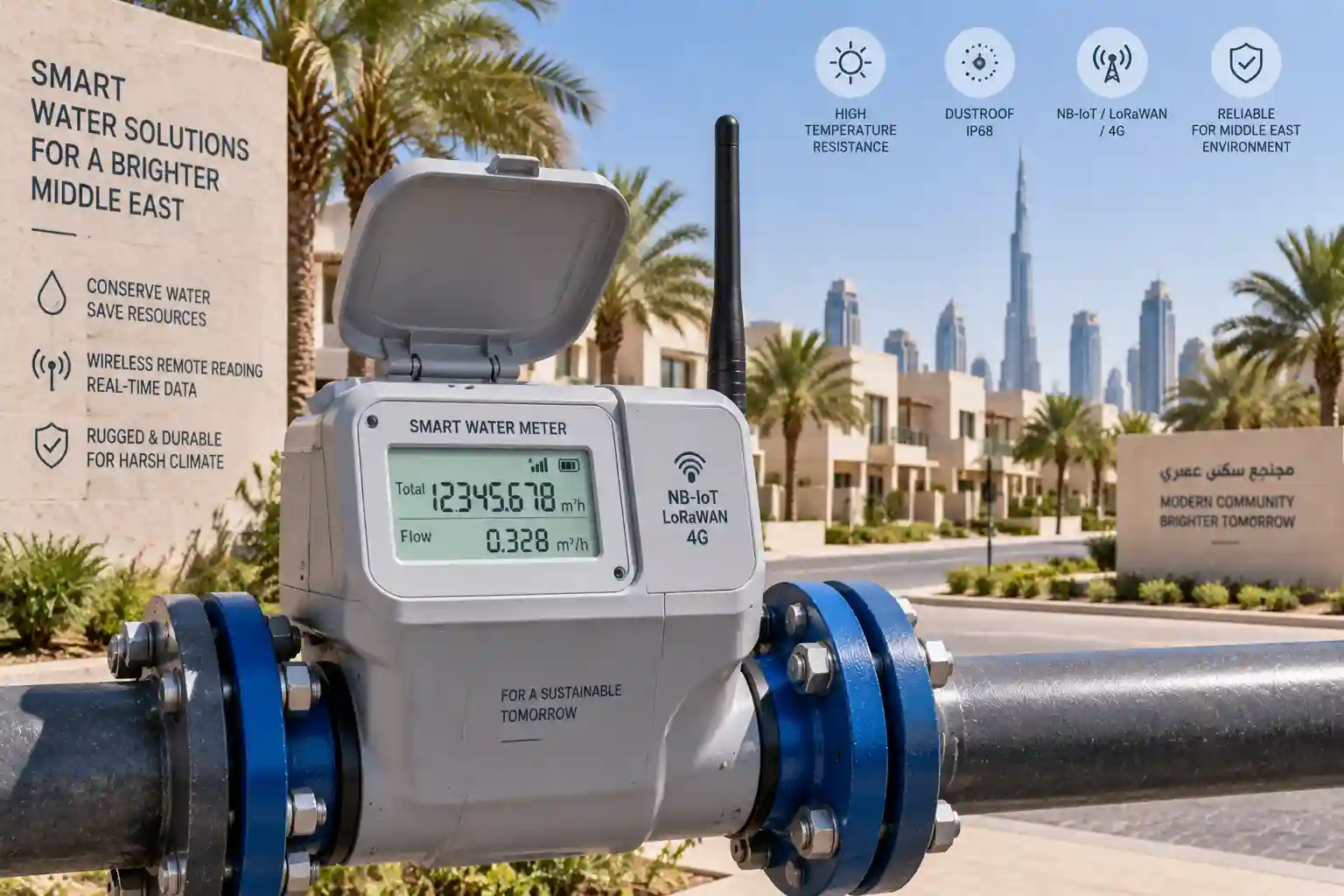
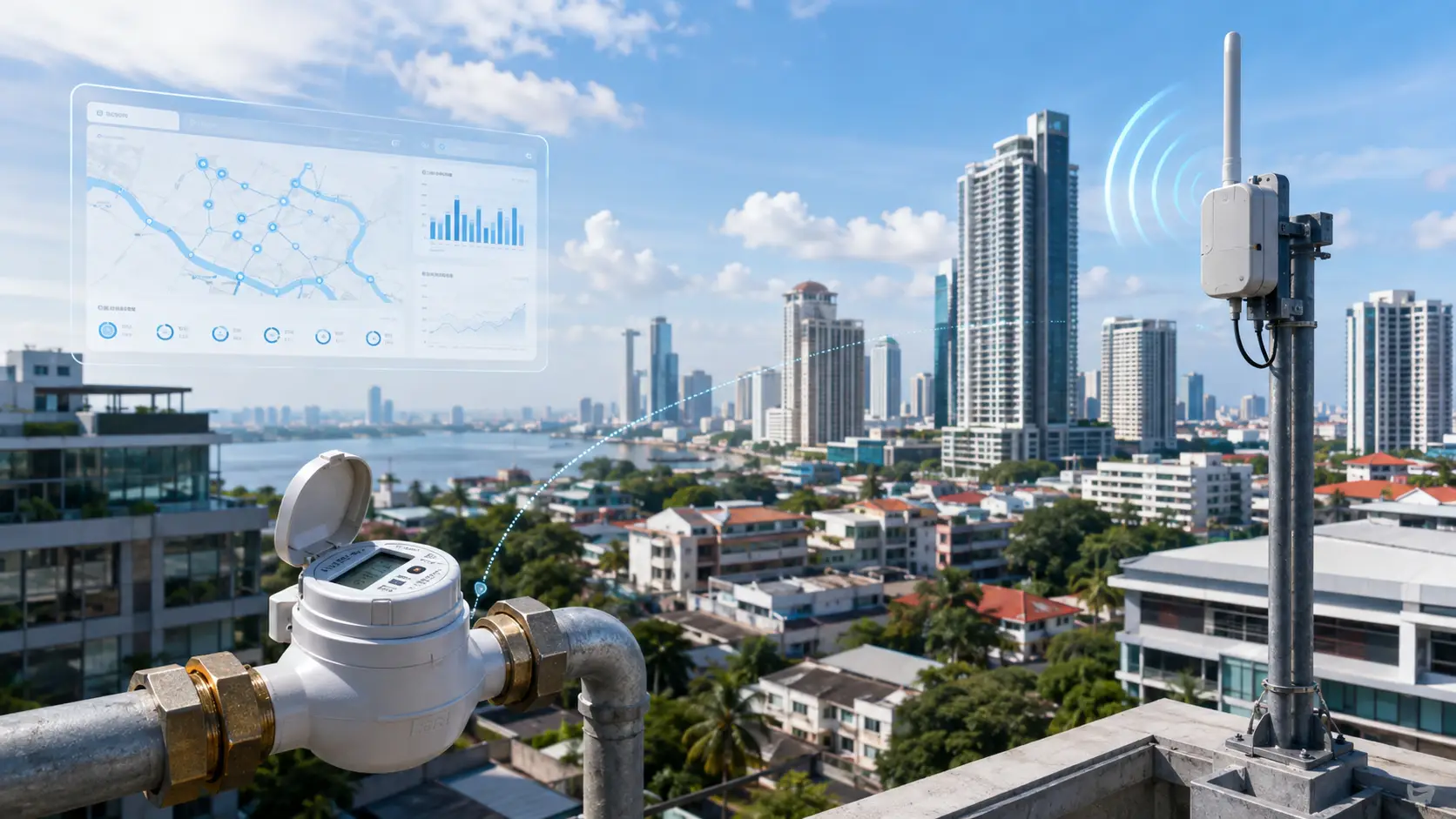
In city water systems, a municipal water meter may be installed on main pipelines, district metering areas, or bulk supply points. A clear reading helps water departments check supply volume, spot abnormal use, and manage billing more fairly.
Factories often use an industrial water meter for cooling water, recirculation water, or process water. If a plant has several workshops, one bad meter can make cost allocation messy. A stable Woltman water meter helps the site know where the water actually goes.
An irrigation water meter must deal with high-volume water transfer. In farmland, the problem is usually not just measurement. Mud, long pipe runs, and seasonal use can all cause trouble. Choosing the right flow range and maintaining the measuring unit can reduce many headaches later.
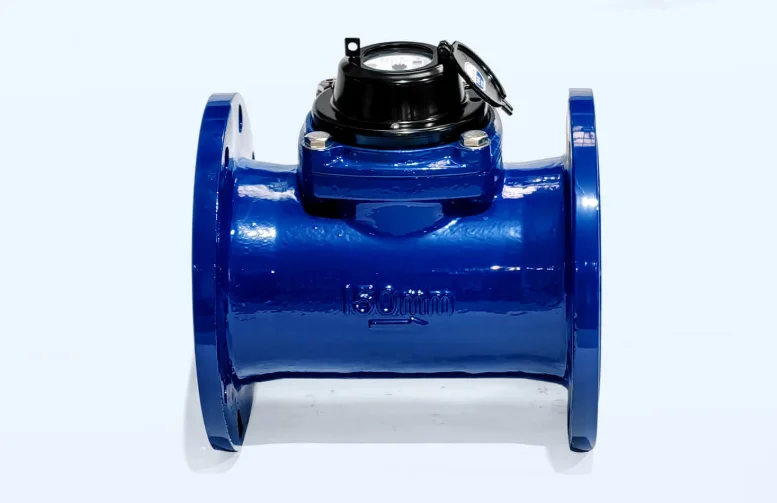
A detachable design is mainly about service. Large meters are heavy, and pipe shutdown is expensive. A removable measuring unit lets you service key parts without replacing the full meter body.
Chenshuo’s Detachable Woltman-Type Water Meter series uses a removable cartridge structure. The product information describes an integrated helical turbine, bearings, and gear transmission mechanism. For you, that means the measuring unit can be removed for maintenance or replacement, while the housing stays in the pipeline.
The series includes models such as the DN150 detachable Woltman-type water meter, with a permanent flow rate of 250 m³/h and a 50:1 turndown ratio. Larger options, such as DN200, are listed for large-flow measurement in municipal water supply, industrial recirculation water, and irrigation. These numbers matter when a project needs more than a general “large flow” claim.
Before choosing a Woltman water meter, start with the pipe and the real flow pattern. Do not select only by pipe diameter. A meter that is too large may read poorly at low flow. A meter that is too small may overload during peak demand.
Match the nominal diameter, minimum flow, permanent flow, and overload flow with site data. If a pipeline usually runs at low night flow but jumps during daytime operation, the flow range becomes critical.
Check whether the pipe is horizontal or vertical, whether there is enough straight pipe length, and whether the pipe remains full of water. A vertical Woltman water meter may suit riser water metering, low-pressure pipe network endpoints, or vertically installed pipeline systems. Detachable horizontal Woltman meters suit medium and large industrial or commercial sites where maintenance access matters.
A basic mechanical register may be enough for simple projects. For wider water management, a smart water meter option with remote reading can reduce manual work. If your team already checks data from a platform, choose a meter that can fit that workflow.
Chenshuo is a Shandong-based water meter manufacturer focused on smart water meters, mechanical water meters, ultrasonic meters, electromagnetic meters, and full water metering systems. Its product information shows practical attention to R&D, production, sales, and project support rather than only single-meter supply. For large water users, that matters. A meter is not just a metal body on a pipe. You need stable quality, clear model selection, and support when site conditions are not perfect. Chenshuo also presents application coverage across homes, businesses, factories, city utilities, and larger water management projects, which gives buyers a wider base when comparing product choices.
Good water meter maintenance starts before installation. Keep the pipeline clean, avoid strong vibration, and use suitable protection if sediment is likely. After installation, check for abnormal noise, unclear readings, or sudden data changes.
A detachable measuring unit helps when the meter needs cleaning, calibration, or part replacement. For example, in an industrial cooling water line, a blocked turbine may stop accurate measurement. With a detachable design, the service team can handle the cartridge instead of cutting out the whole meter body. That saves labor and reduces shutdown pressure.
For more usage scenarios, Chenshuo’s water meter applications page lists Woltman, electromagnetic, ultrasonic, wireless remote reading, and mechanical meter applications across different sites.
Q1: What Are Woltman Water Meters Used For?
A: Woltman water meters are mainly used for bulk water measurement in large pipelines, such as municipal water supply, industrial water systems, irrigation networks, and large commercial buildings.
Q2: Is a Woltman Water Meter Good for Low Flow?
A: It is better suited to medium and high flow. If the pipeline often runs at very low flow, check the minimum flow rate before choosing the model.
Q3: What Is the Benefit of a Detachable Woltman-Type Water Meter?
A: The removable measuring unit makes inspection, cleaning, calibration, and part replacement easier. This is helpful for large pipes where full meter replacement costs more time and labor.
Q4: Can Woltman Water Meters Support Remote Reading?
A: Some Woltman water meters can use a smart remote transmission module. This helps with digital reading, water use tracking, and easier site management.
Q5: How Do You Choose the Right Woltman Water Meter?
A: Check pipe diameter, flow range, pressure rating, installation direction, water quality, reading method, and maintenance access. The best model should match the real working site, not just the pipe size.
 Address: Xiao'anzi Industrial Park, Baishabu Town, Lanshan District, Linyi City, Shandong Province
 Call us now:+86 15562945993
 Email:info@sdchenshuo.cn


Shandong Chenshuo Instrument Co., Ltd.