

Good water control in factory areas often seems like a hard fight against hidden leaks and high costs from hand work. As water shortage around the world raises service prices, using old setups is not a good choice anymore. This is where Chenshuo, a top maker in Shandong, comes in to fill the need. With many years of skill in study and making, they give a wide set of smart check tools that help plants and services shift to exact, auto data gathering. Their items, which go to more than 50 lands, fit tight world rules like CE and ISO 4064. If you must handle a small home group or a big factory site, their workers offer the tech trust and custom help needed to update your water setup and lower loss.
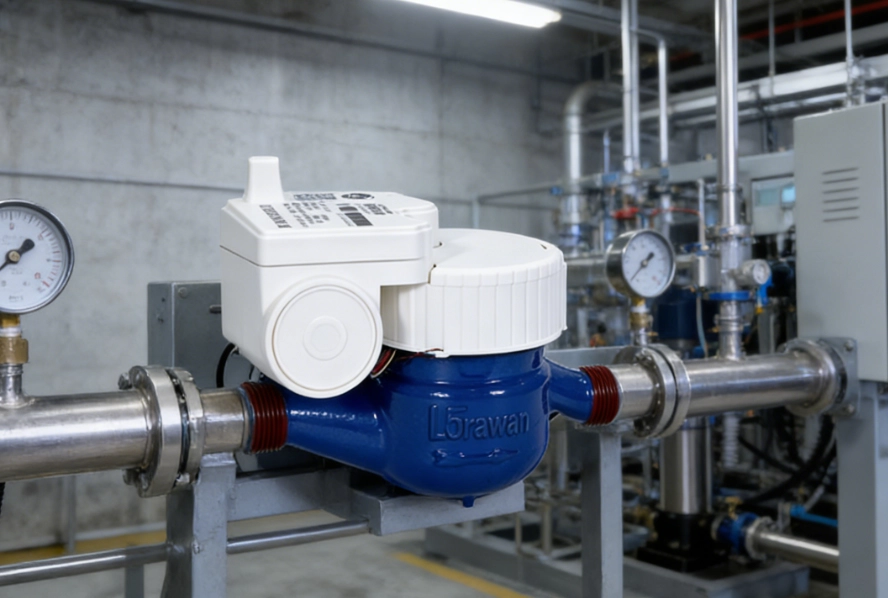
Factory sites that still use basic mechanical meters often face large gaps in data. These setups depend on body checks, which easily make mistakes and give no view into daily use ways. When you look at a meter just once each month, a tiny leak can grow into a money loss before anyone spots it.
People mistakes during body meter looks often lead to bill fights and untrusty use reports. These errors make it almost impossible to build a true water plan or find where your site loses supplies. As a result, managers struggle to keep track of real needs.
Sending workers to check meters in far or risky factory zones costs a lot in gas and pay. It is a slow and pricey way that holds your team in repeat jobs instead of key fix work. This setup wastes time that could go to better tasks.
Basic meters cannot spot a quick rise in flow right away. Without steady data send, many gallons can go missing through a broken pipe, and you see the harm only when the monthly bill comes. Such delays turn small issues into big problems over time.
For small pipes and set branch paths in a site, the Lorawan water meter DN15 changes things a lot. This small tool fits into close spots but gives strong data truth and lasting power. It uses a part design where the electric parts sit in a full-seal space, which keeps them dry and working well.
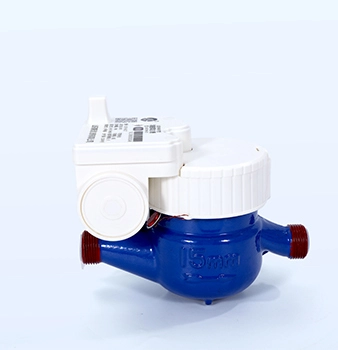
The DN15 type fits well for single homes or small lab paths. It catches even slow flow speeds that larger meters might skip, so every bit of water shows in your notes. This helps in places where exact counts matter most.
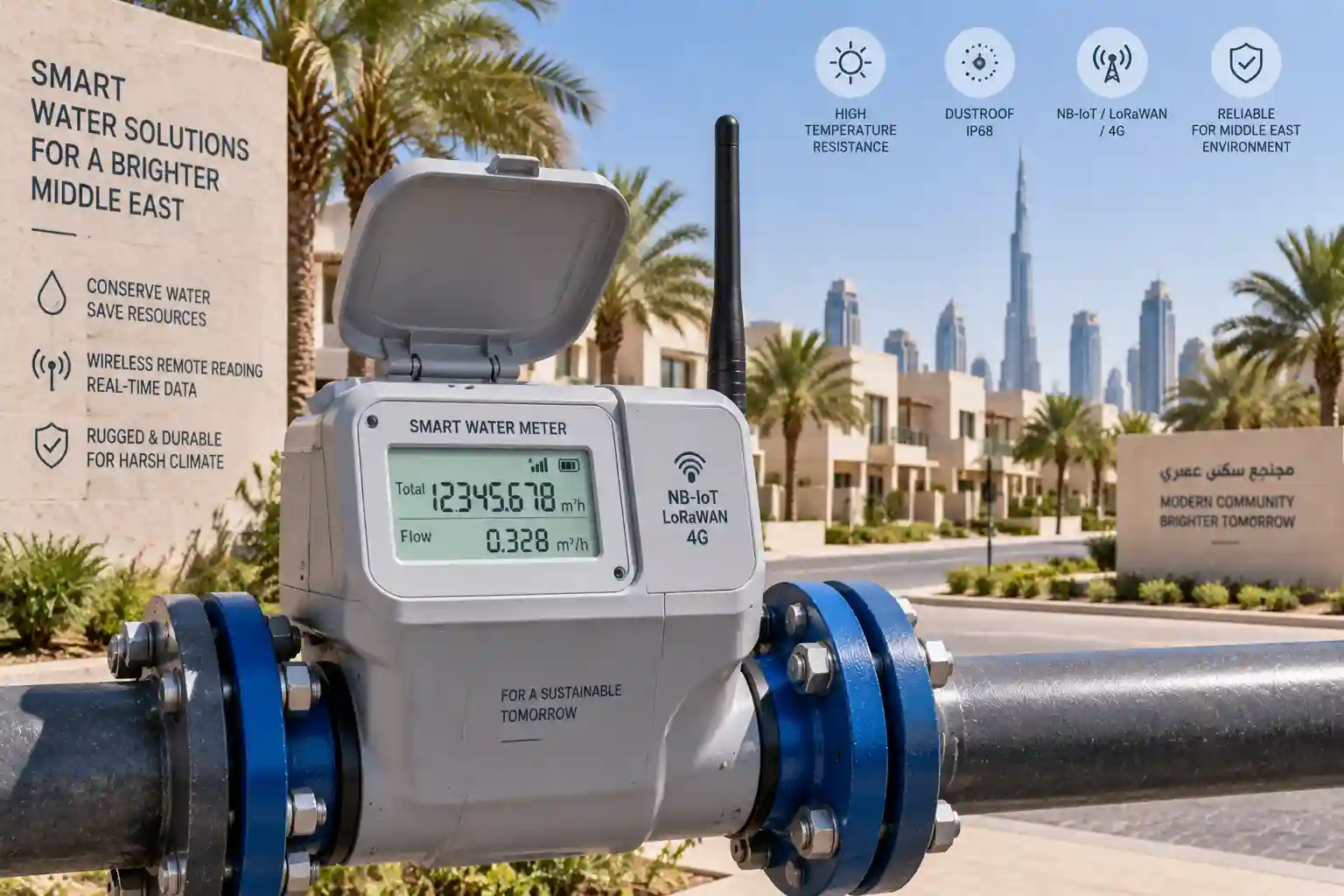
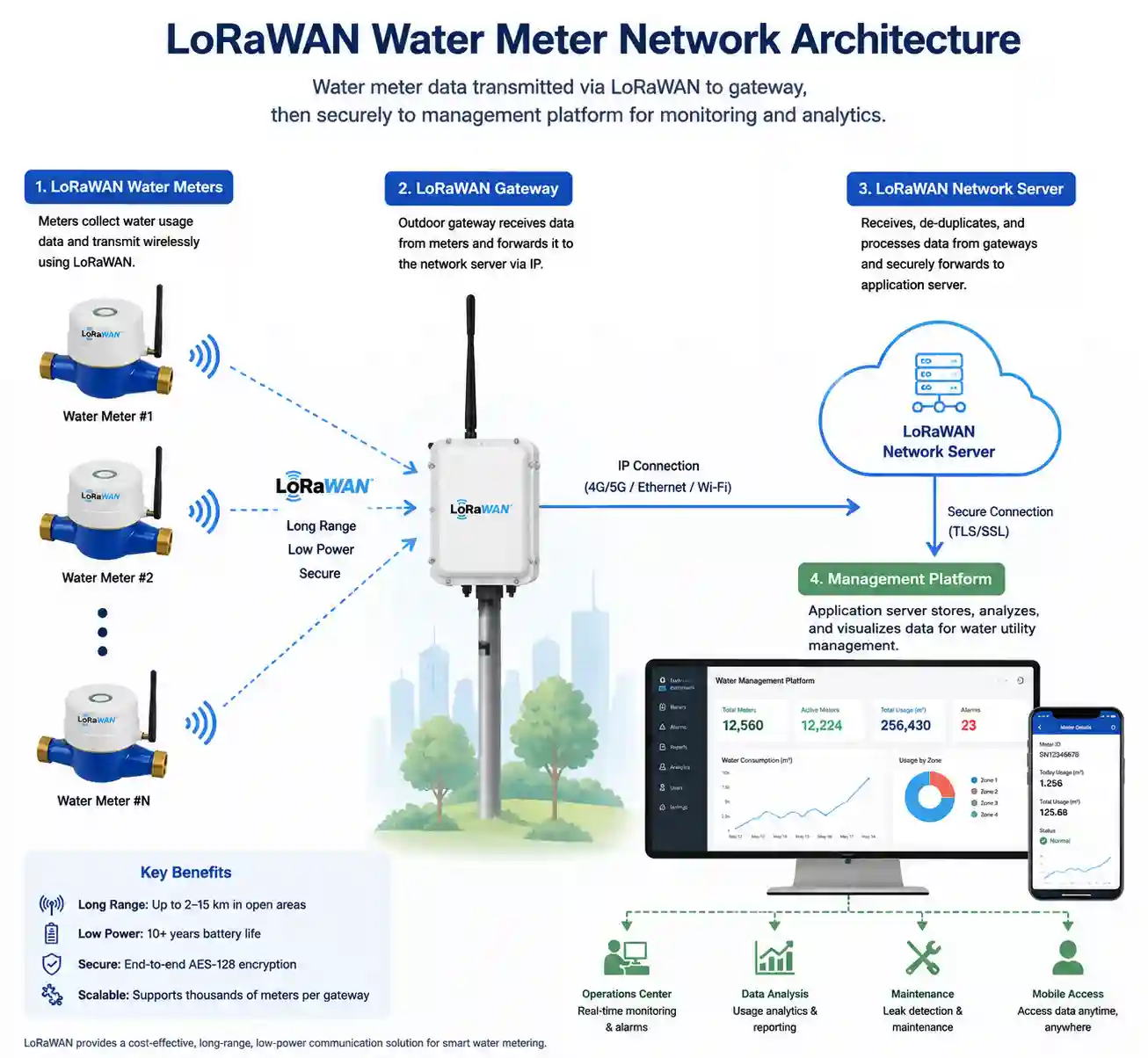
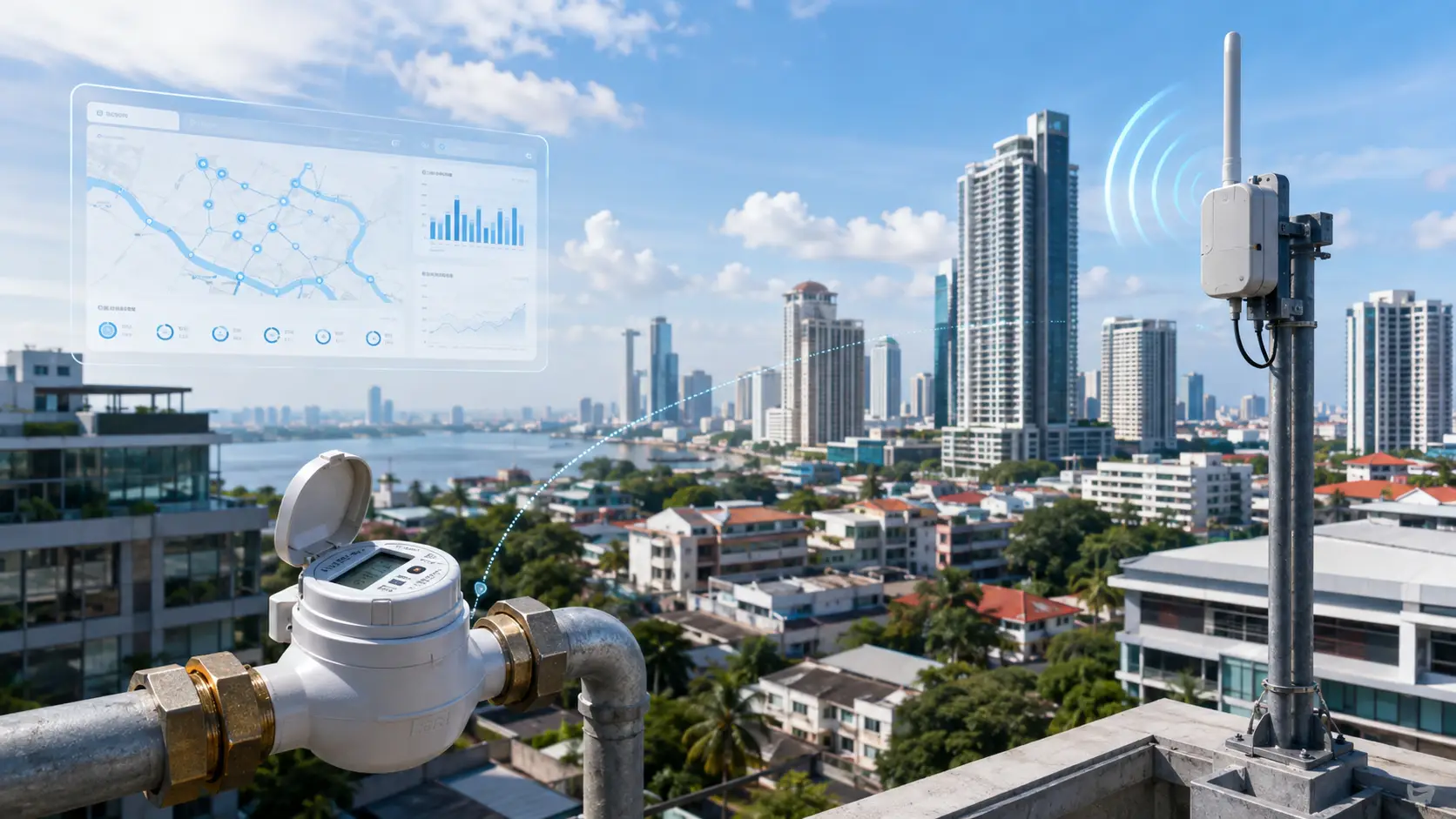
With a 470-510MHz or 868-915MHz wave, this meter sends data over many kilometers. You do not need lots of wires or costly phone plans to bring readings back to the main spot. Such reach makes far checks easy and cheap.
Factory spots are seldom clean or dry. This meter has an IP68 mark, so it takes under water and strong wet without the board burning or data going bad. Therefore, it stays reliable in tough wet work areas.
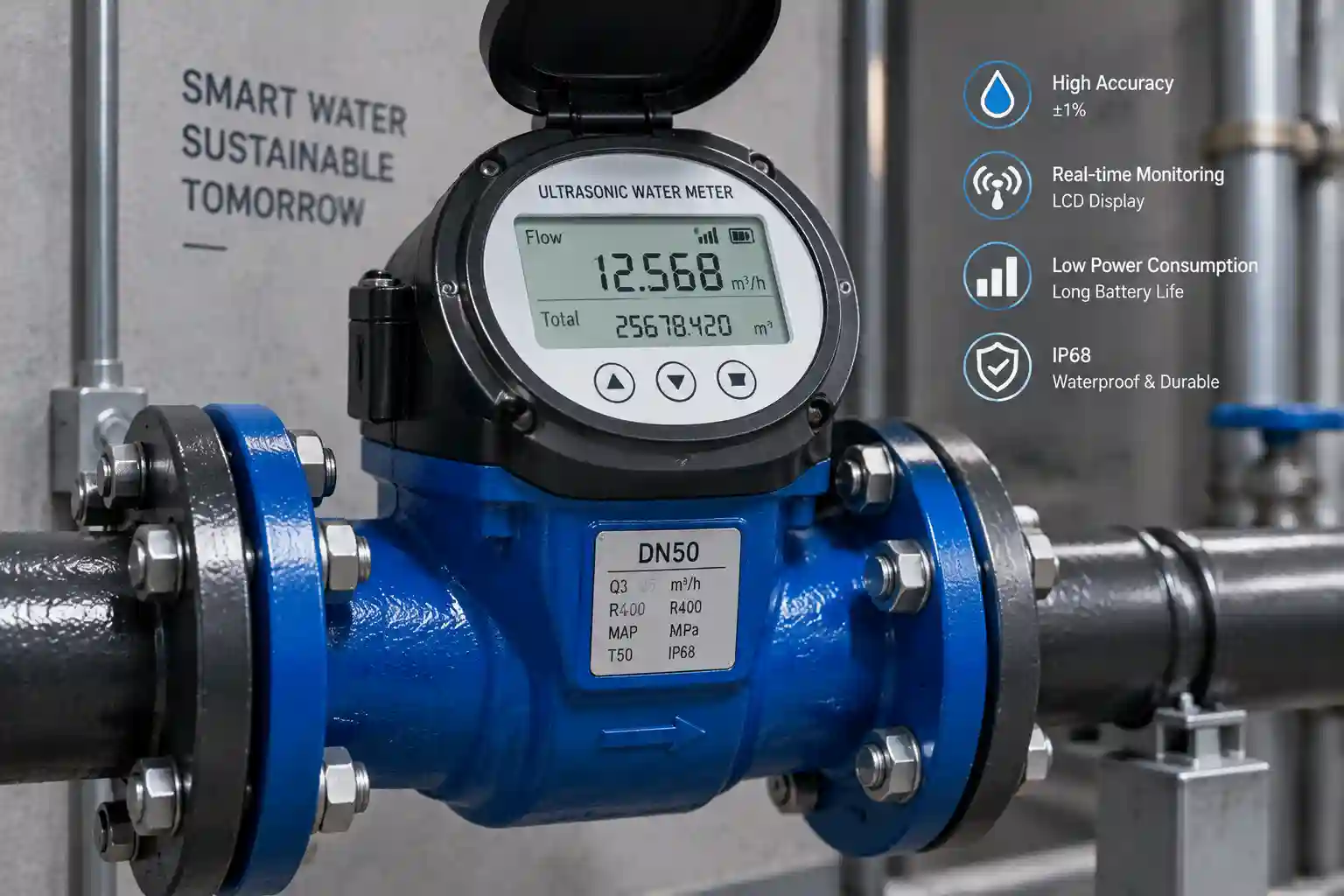
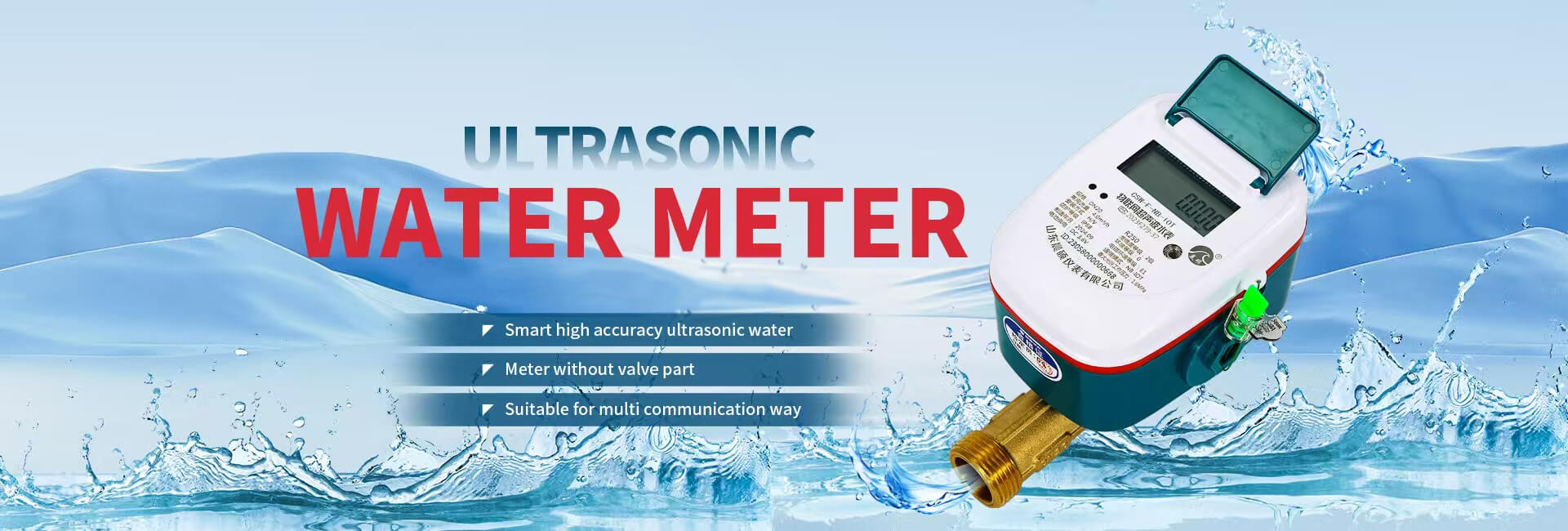
When you handle main feed lines or big cool systems, you need a larger and stronger tool. The Lorawan water meter DN50 deals with much bigger amounts while keeping the same smart links as smaller ones. It is made to last in hard places, using good stuff like brass or special plastics that fight rust.
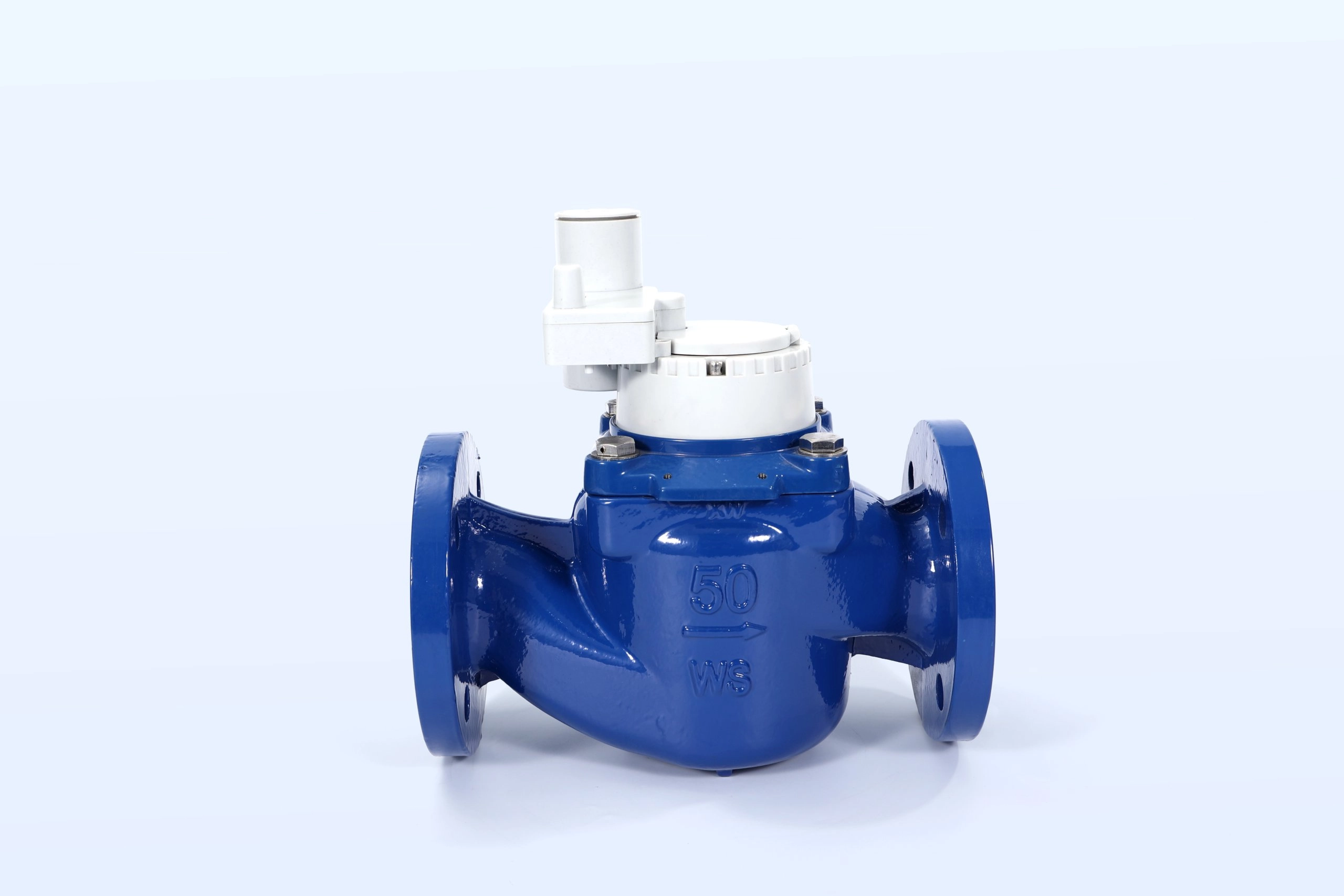
The DN50 suits high-flow spots where truth often comes second to size. It finds a way to mix both, so you get a clear view of how much water your main jobs use each hour. This balance aids in planning for big sites.
One top good point is the chance to stop water from your work desk. If the setup spots a big pipe break or if a bill stays unpaid, you can shut the gate from far without sending a team. Such control saves time and cuts risks.
Changing batteries in many meters is a bad dream. These tools run on big lithium batteries that last years, so you set them up and mostly leave them while data keeps coming. This low use makes upkeep simple for large groups.
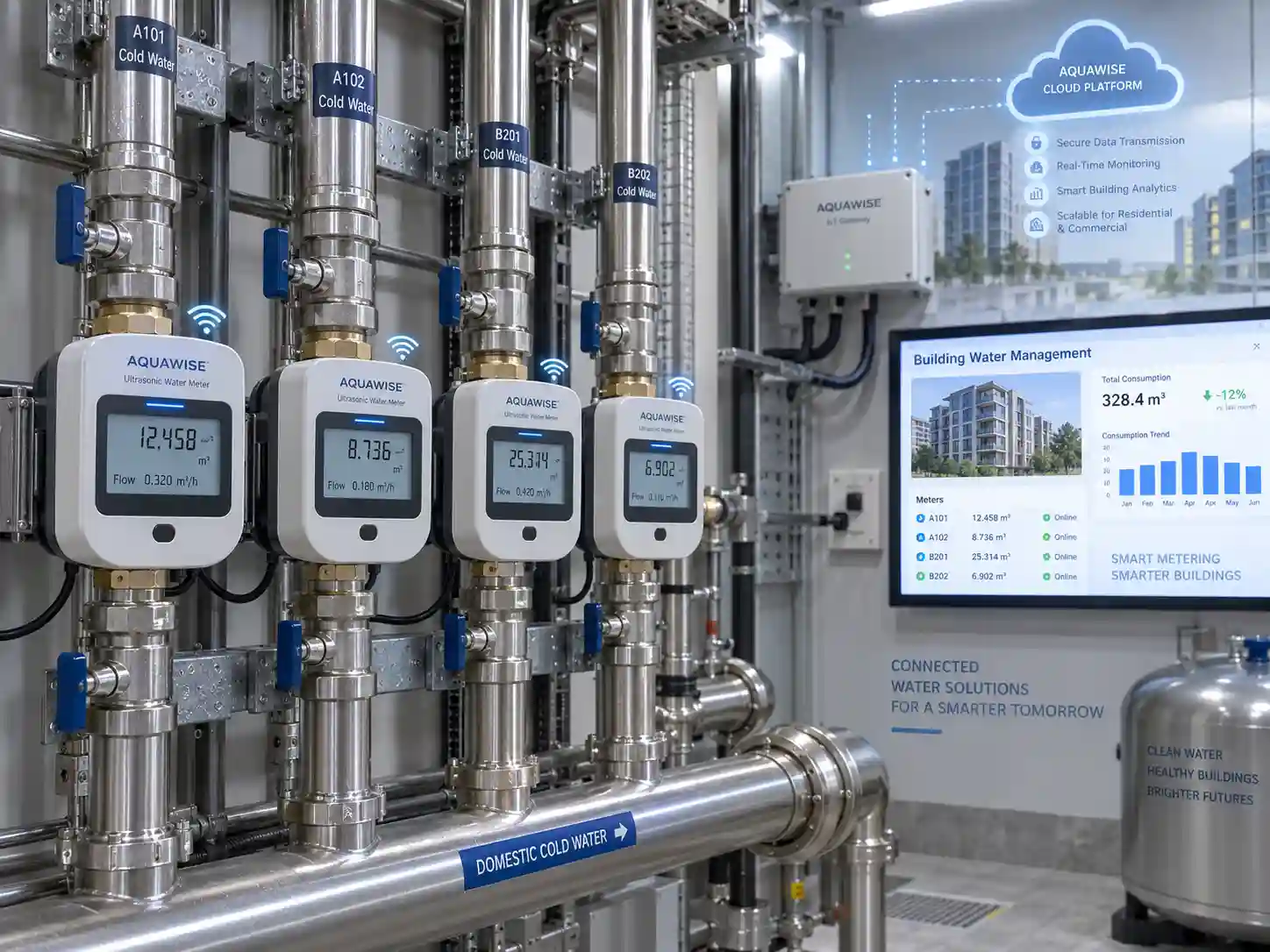
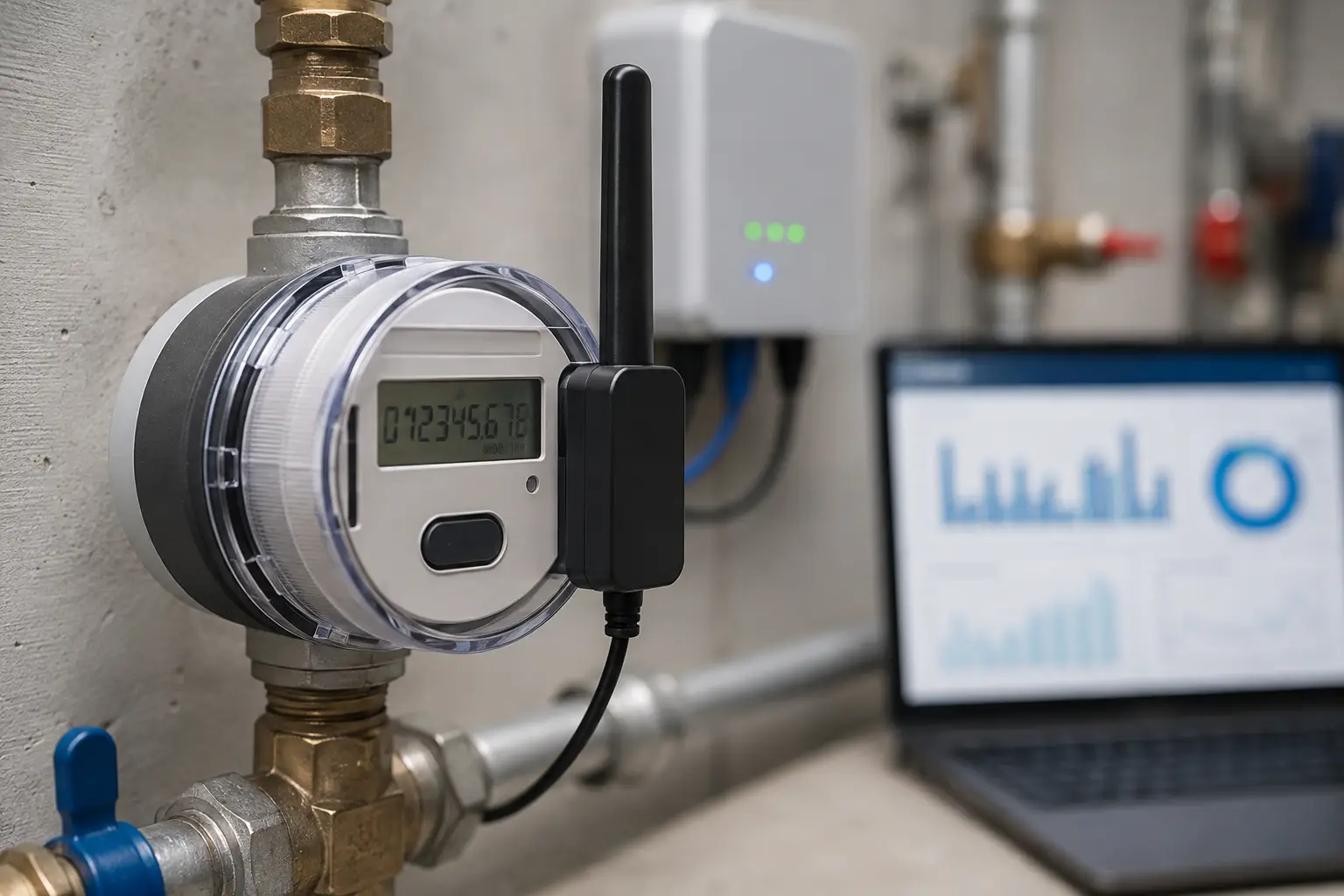
The body part is just half the tale. To really fix the far data issue, these meters join a wider digital web. This plan ties your real meters to a main base through GPRS or LoRaWAN doors, making a link between pipes and your office machine.
The setup does the dull jobs like data put-in and bill math on its own. This cuts out the guess from your books and makes sure the water service and user see the same true numbers. As such, talks stay fair and fast.
If a pipe gets cold or a gate breaks, the setup sends a note right away. This fast answer is what truly stops water loss, since it lets your group fix things in minutes not days. Quick acts keep costs down.
Control groups no longer must be at the spot to check water state. You can see the new flow facts or battery levels on a phone or work machine from any place with web link. This easy reach boosts daily work flow.
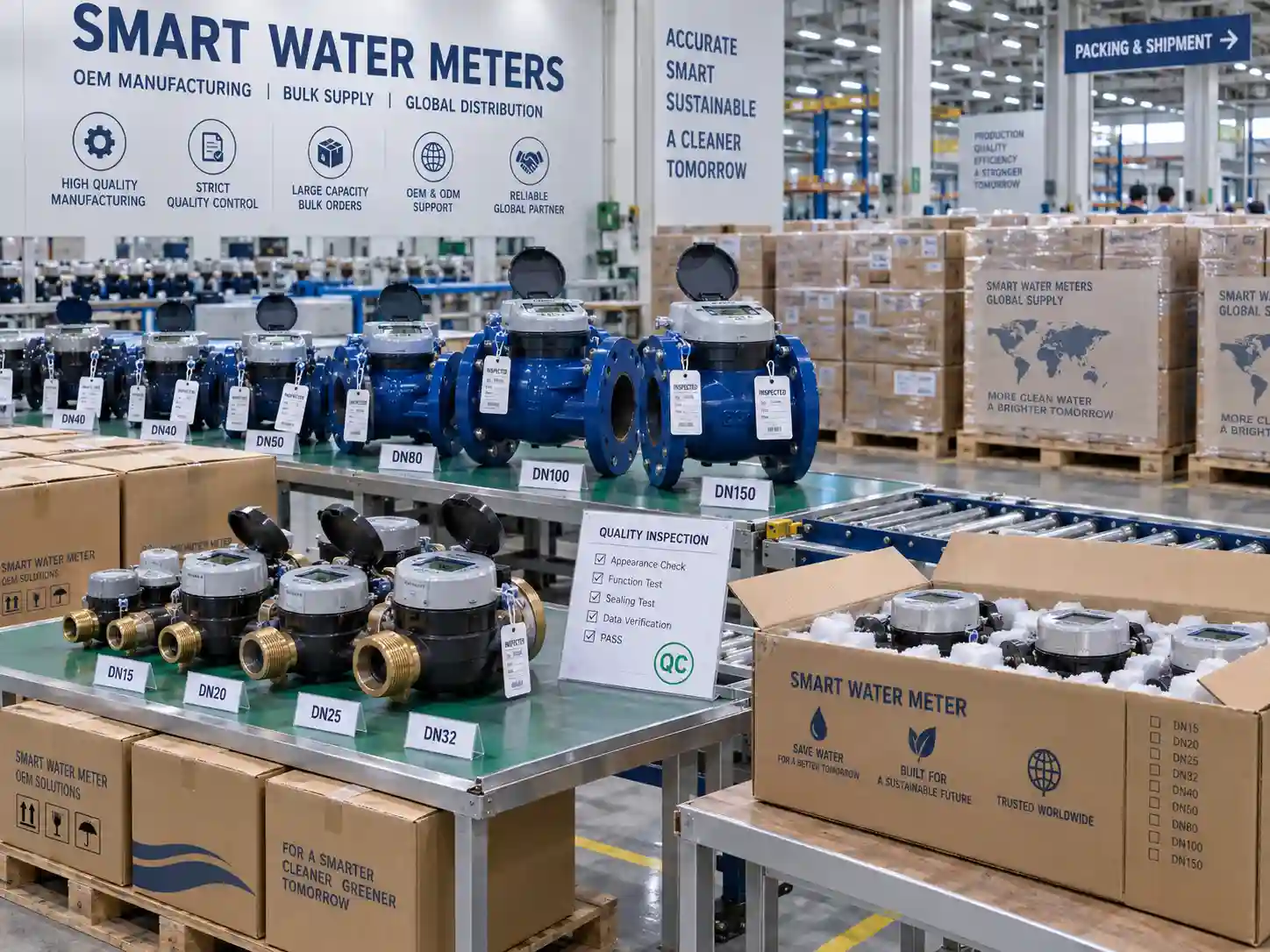
Finding a seller that truly knows the base parts of the field counts. Chenshuo runs new plants with auto lines, so the meter you get now works as well as one from last year. They do not just sell cases; they give a full tech world.
With items in more than 50 lands, they know what each market needs. Their tools hold okay marks like CE and MID, so you know the body is safe and the checks fit law for trade. This trust builds strong buys.
Each smart meter goes through hard tests before it leaves the place. This care for good check lowers the chance of bad units or early stops in work, which saves you big trouble later. Steady quality aids long use.
If your job has odd needs or set software wants, they can do it. They help on big state bids and private factory builds, giving custom names and tech changes to fit your goals. You can reach out through their contact page to talk about your job size.
Q1: How long does the battery last in a LoRaWAN water meter?
A: Most of these meters use high-energy lithium batteries that typically last between 6 to 10 years depending on how often you set them to upload data.
Q2: Can the DN50 model handle hot water?
A: While designed for standard temperatures, specific versions are built to handle various ranges; it is best to check the technical parameters for your specific industrial heat needs.
Q3: Do I need a special license to use the LoRaWAN frequency?
A: No, LoRaWAN operates on unlicensed bands like 470MHz or 868MHz, so you don’t have to pay for frequency usage like you would with a cellular SIM card.
Q4: What happens to the data if the network goes down?
A: The meters usually have internal storage that keeps the data safe until the connection is restored, then they blast the saved info to the station.
Q5: Is it hard to switch from mechanical meters to LoRaWAN ones?
A: Not really. Since these meters use standard pipe sizes and don’t require external wiring, your plumbers can swap them out just like a regular meter.
 Address: Xiao'anzi Industrial Park, Baishabu Town, Lanshan District, Linyi City, Shandong Province
 Call us now:+86 15562945993
 Email:info@sdchenshuo.cn


Shandong Chenshuo Instrument Co., Ltd.