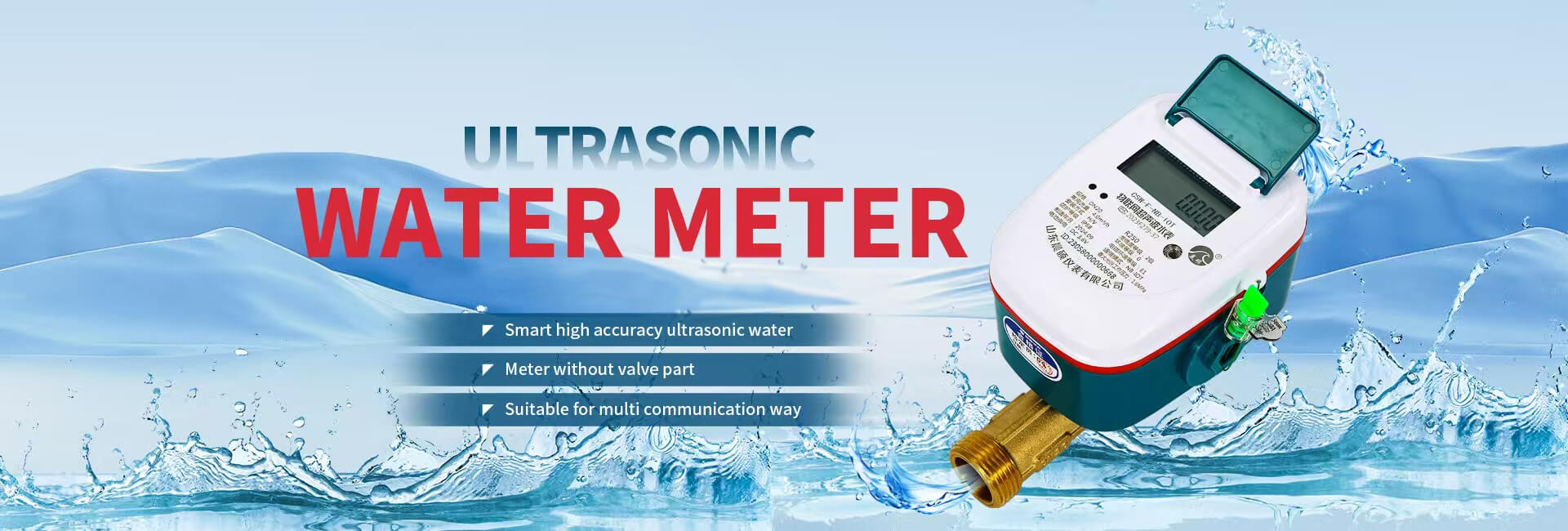


Ultrasonic water meters grow quickly in popularity during 2025 since they offer excellent precision, require very little upkeep, and connect easily with modern smart water networks. Unlike older mechanical meters that depend on rotating parts, ultrasonic versions rely on sound waves to track flow reliably over broad ranges. This approach cuts down on lost water revenue, aids district metering areas (DMA), and supplies ongoing monitoring for smarter supply handling. The five key factors listed next help you pick the most suitable model for home, business, or factory use. When you need a trustworthy source, consider Chen Shuo, a committed high-tech maker located in Linyi, Shandong, widely recognized as China’s leading water meter area.
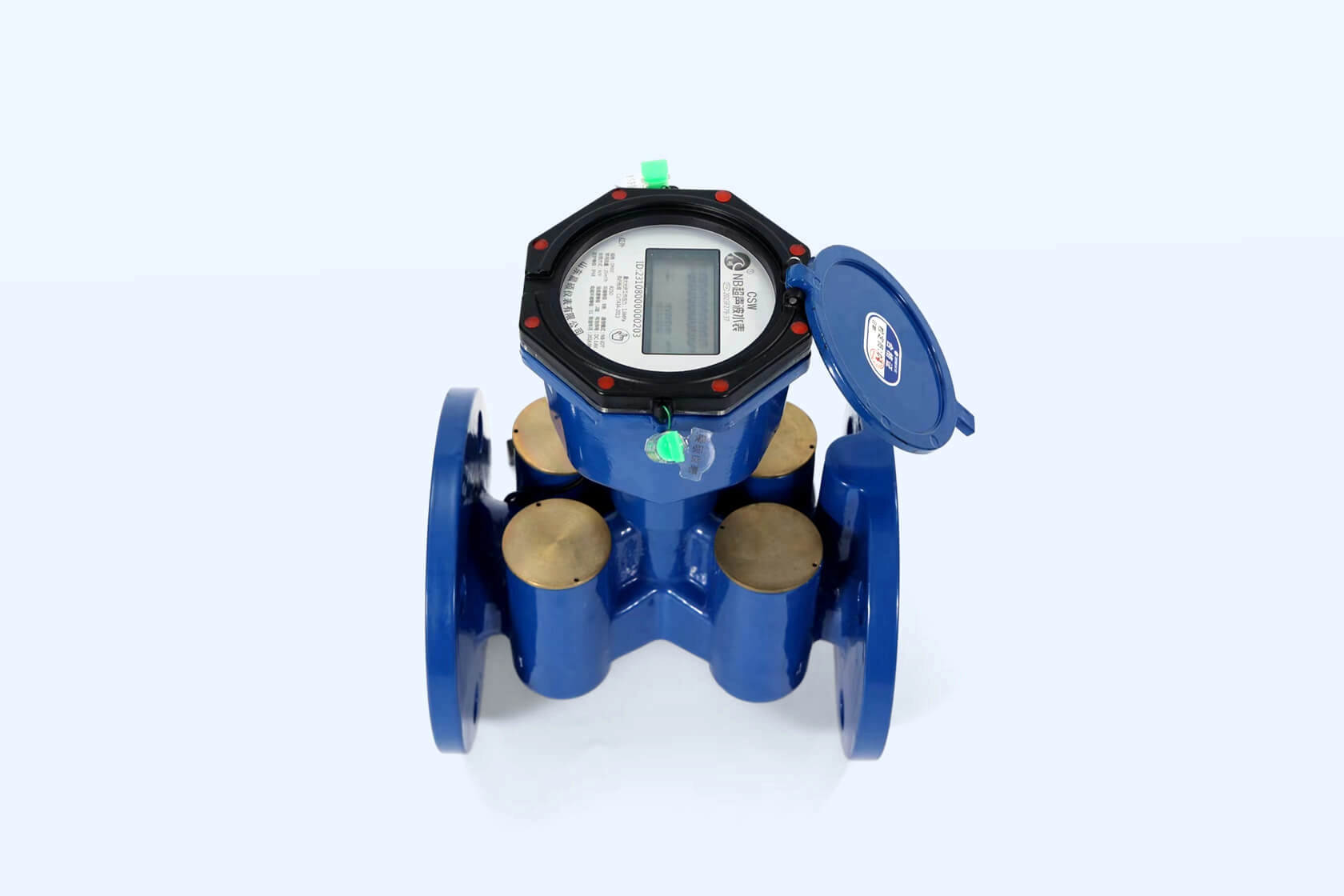
Shortages of clean water and expanding cities push service providers everywhere to switch to better metering tools. Ultrasonic water meters excel thanks to their solid static build that removes part wear, extends working years greatly, and spots tiny flows well. Such strengths turn them into vital pieces for current smart water operations, quick leak fixes, and balanced distribution. The five main factors outlined here let you review choices carefully and choose units that fit your exact situation perfectly.
Accuracy stays the most important aspect for every water meter because even tiny mistakes add up to large financial gaps over months and years.
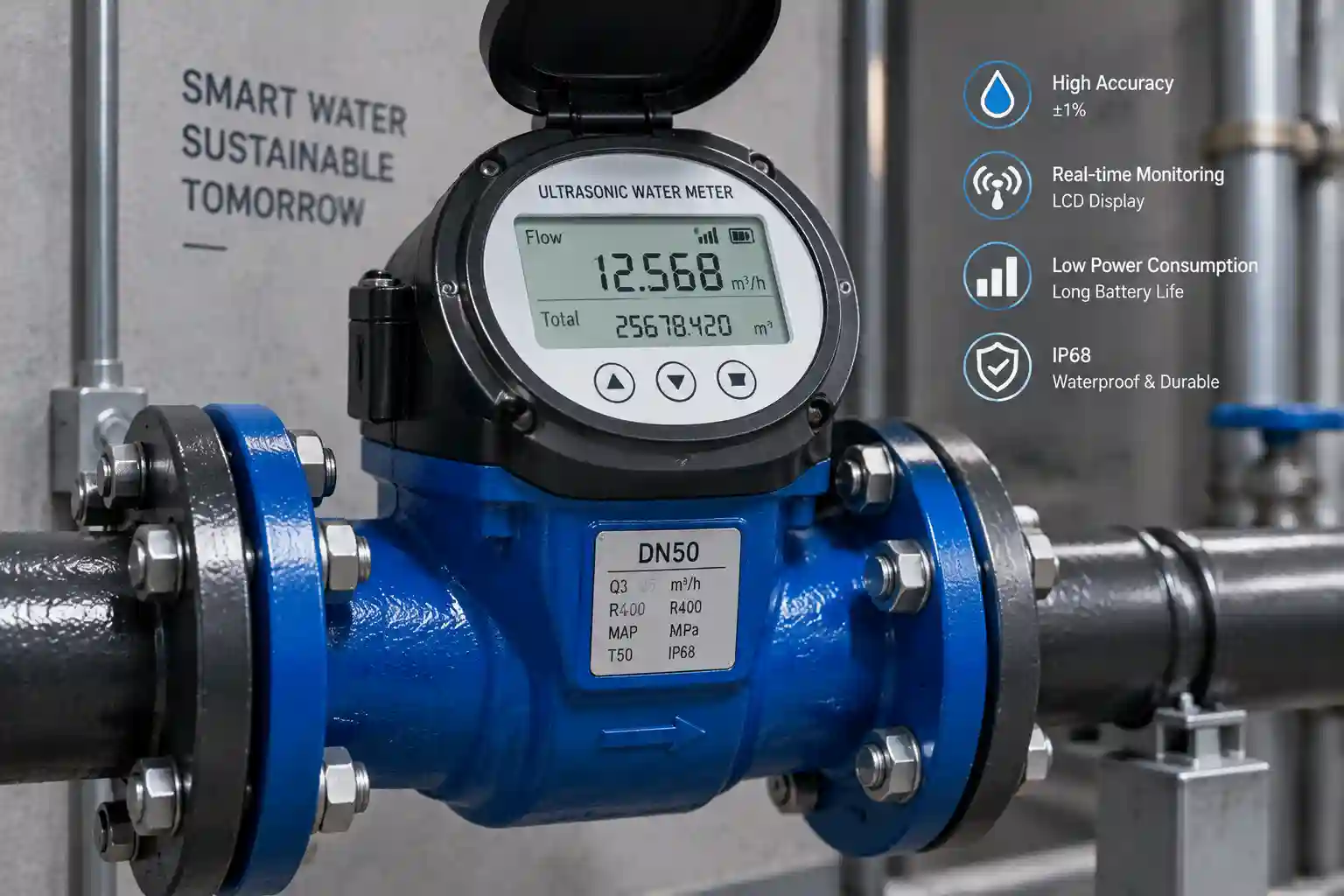
Many ultrasonic units reach Class 2 standards with ±2% error in faster flows and frequently improve to ±1% across the board, clearly beating mechanical kinds that drop to ±5% in slower sections. This close control guarantees correct charges and solid numbers for daily choices.
Turndown ratio, shown as R, measures the span from lowest to highest flow while keeping required precision. Good ultrasonic meters often hit 250:1 or even 400:1, so a single unit manages both slow drips and sudden surges smoothly.
Strong accuracy paired with large turndown cuts the requirement for various meter sizes, eases stock control, and boosts leak spotting by noticing small shifts quickly. Service companies gain from reduced lost water and sharper supply planning overall.
Chen Shuo ultrasonic meters always provide Class 2 precision and ratios reaching 400:1. For major city pipelines, the Ultrasonic Water Meter-DN100 manages heavy volumes with hardly any variation.
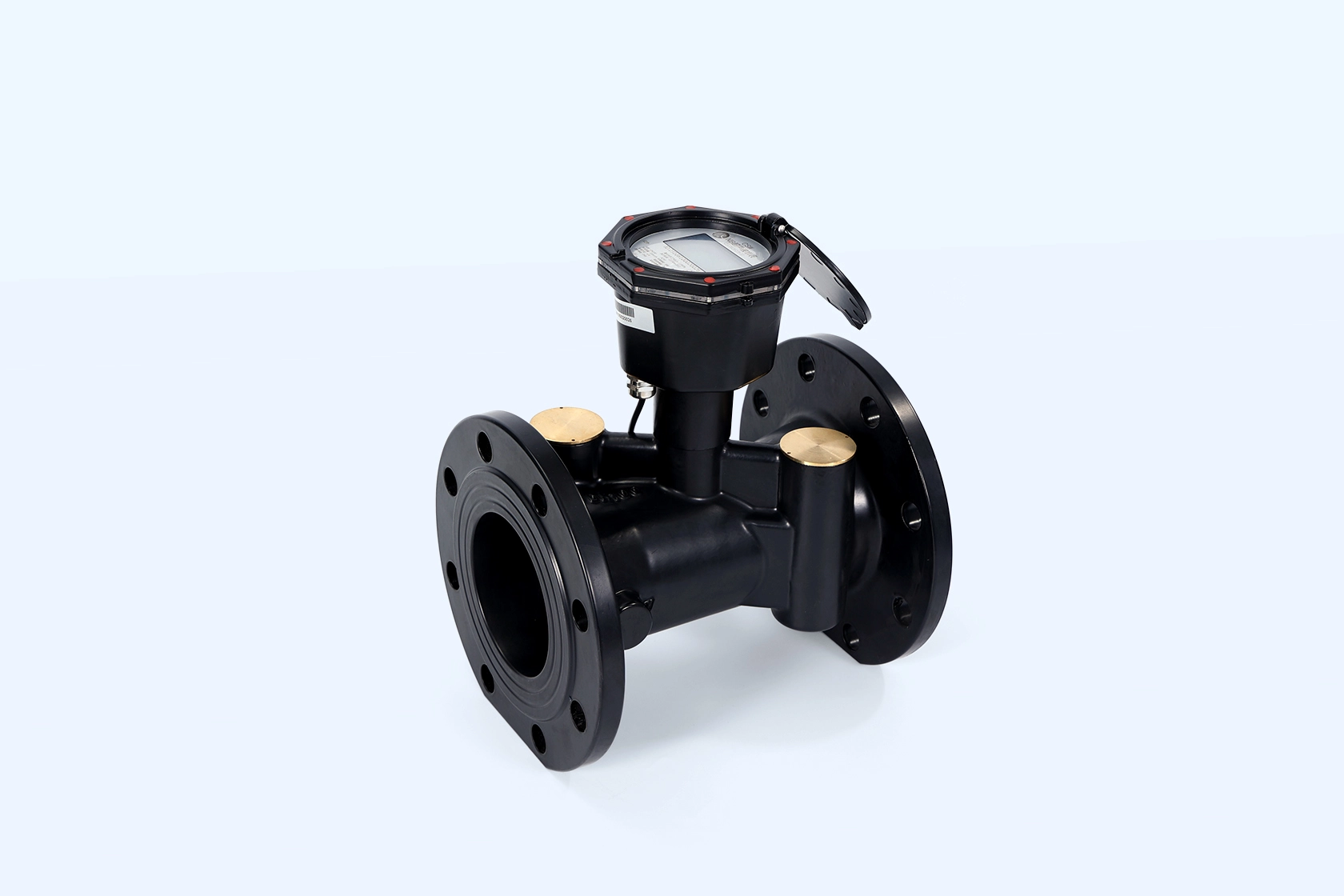
Steady performance over many years directly lowers full ownership expenses, so tough build quality deserves close attention.
Lack of wheels or gears stops regular wear, blocks from dirt, and slow breakdown completely. Working life usually goes beyond 15 years while mechanical options average only six.
Strong casings made from cast iron, brass, or special plastics fight rust and outside impacts effectively. Inside sensors use reliable materials that hold steady output despite changing supply quality.
Rare repairs and swaps bring clear savings on workforce and components alike. Additionally, the layout deals with floating bits far better than spinning systems.
Chen Shuo crafts sturdy devices ready for harsh spots. The Ultrasonic Water Meter-DN80 features cast iron housing perfect for business and moderate factory locations.
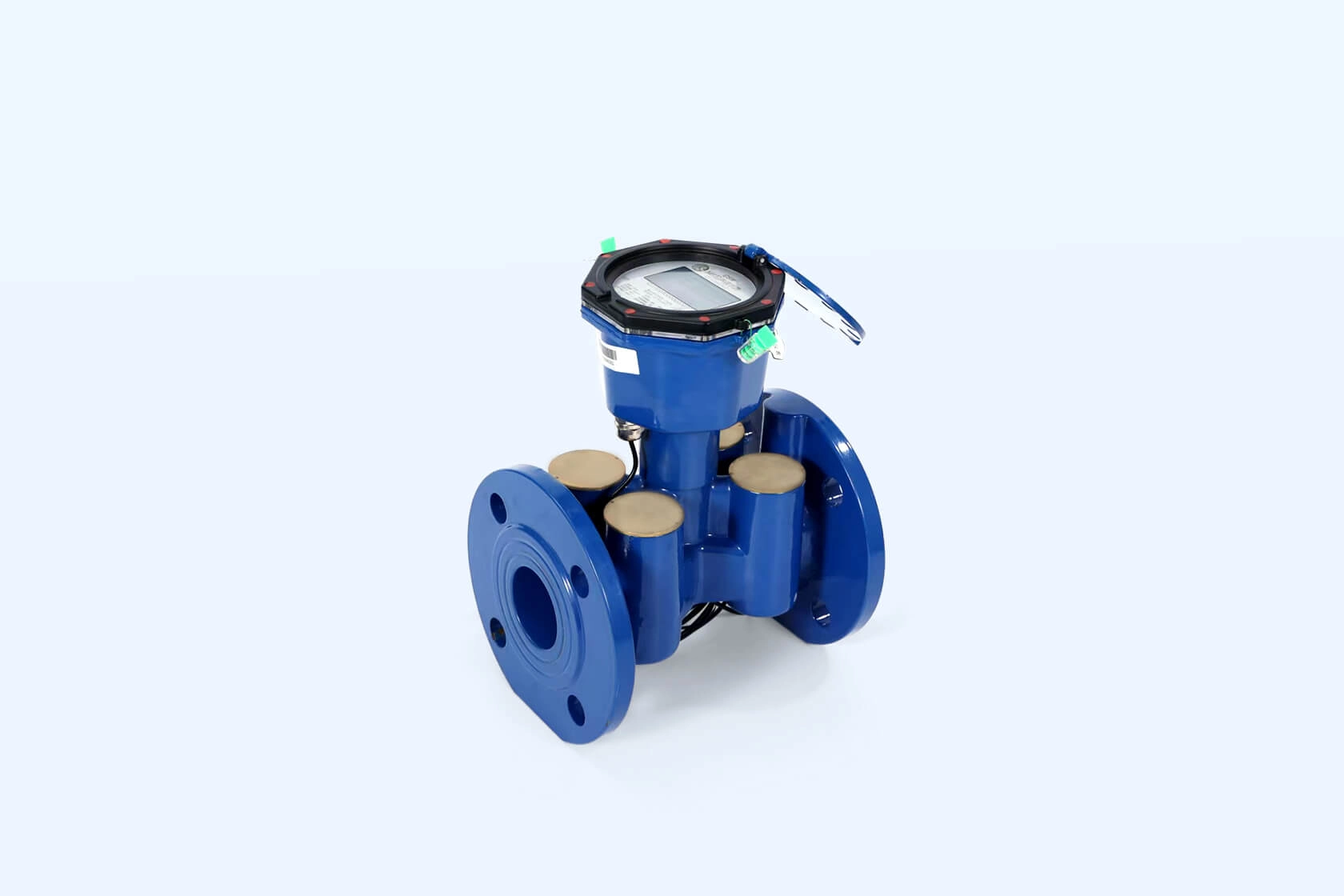
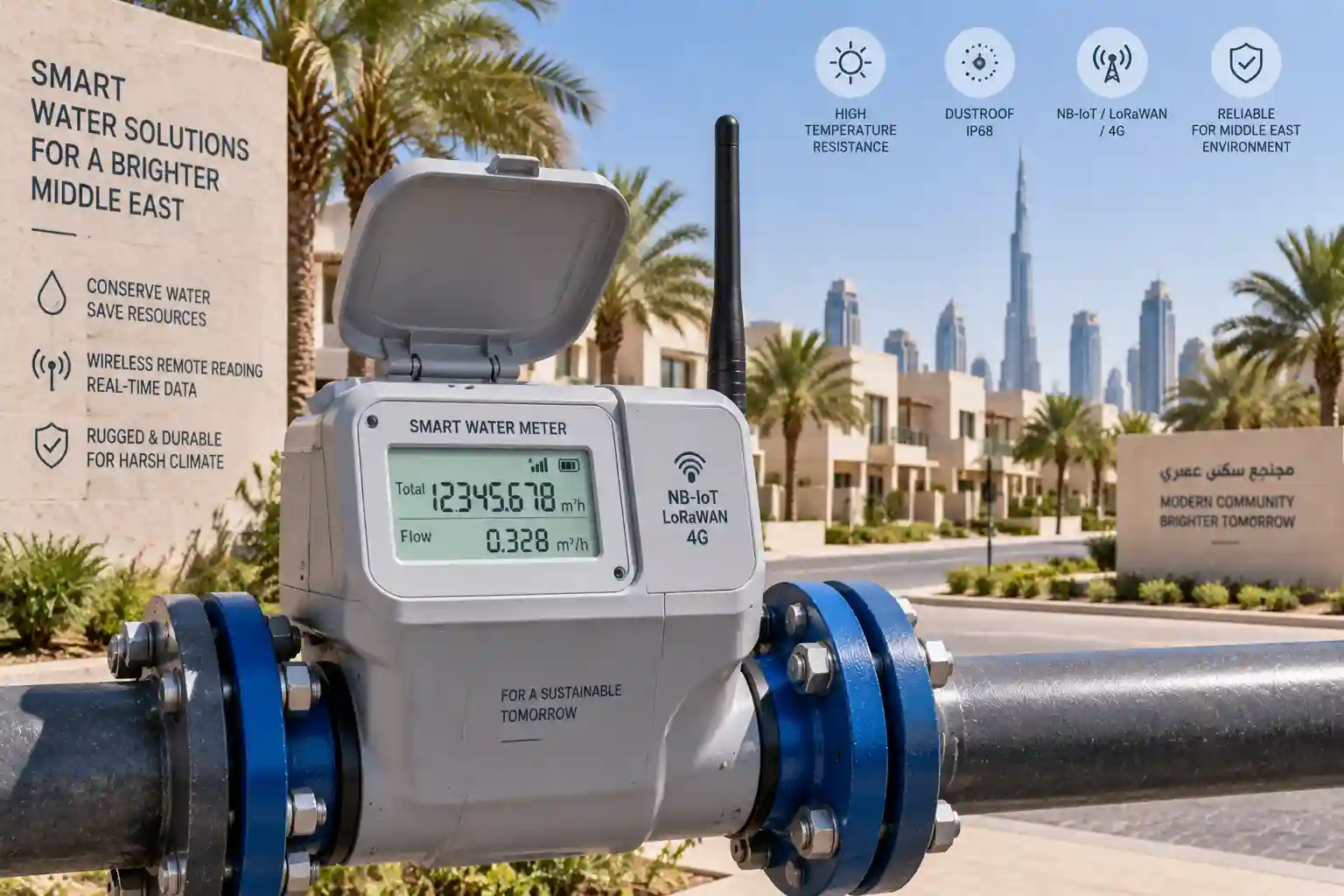
Site conditions differ a lot, so safety ratings and working limits become deciding points.
IP68 approval means complete underwater safety, which fits buried vaults or areas prone to flooding without any damage risk.
Ultrasonic meters create extremely small pressure drops, typically under 0.05 MPa at normal rates, keeping network performance high. They manage pressures to 1.6 MPa and temperatures between 0.1°C and 50°C, plus versions exist for hotter supplies.
Small size and no need for long straight pipes before or after make placement much simpler. Numerous units mount in any direction for extra ease.
Every Chen Shuo ultrasonic meter includes IP68 sealing and tiny pressure loss throughout the lineup, allowing adaptable setup choices.
Distant locations and connected setups need steady energy to prevent regular checks.
Battery types lead in outdoor use, whereas plugged power fits permanent spots with nearby electricity. Smart circuits stretch running time considerably.
Careful sensor use and smart sending schedules often deliver 10 to 15 years from one battery. Premium lithium packs keep working through hot and cold swings.
Extended battery support enables hands-off tracking and record keeping crucial for district zones and leak reduction efforts.
Chen Shuo builds in energy-saving elements that lengthen battery service greatly in isolated areas.
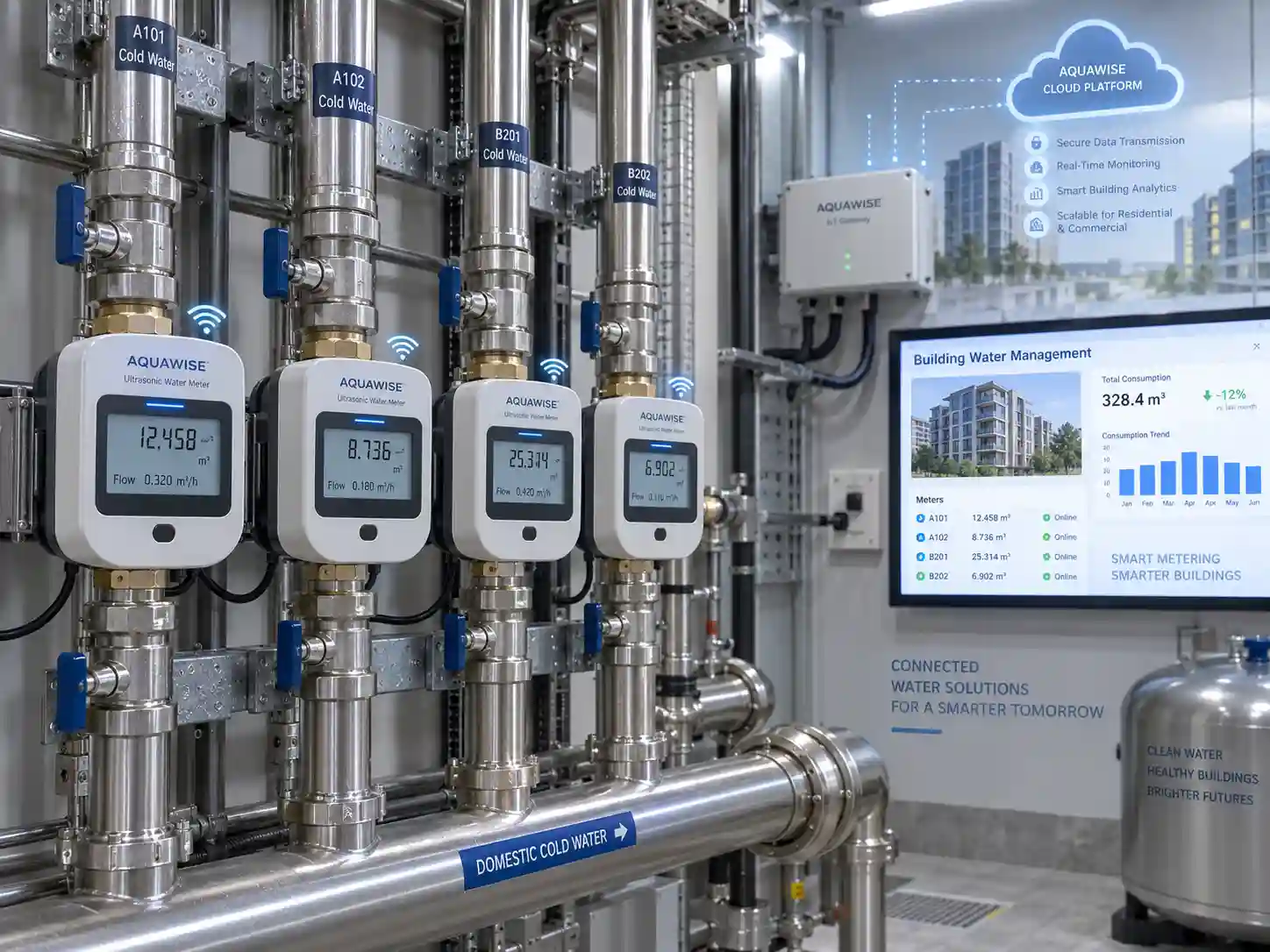
Today’s supply grids require links for instant views and adjustments.
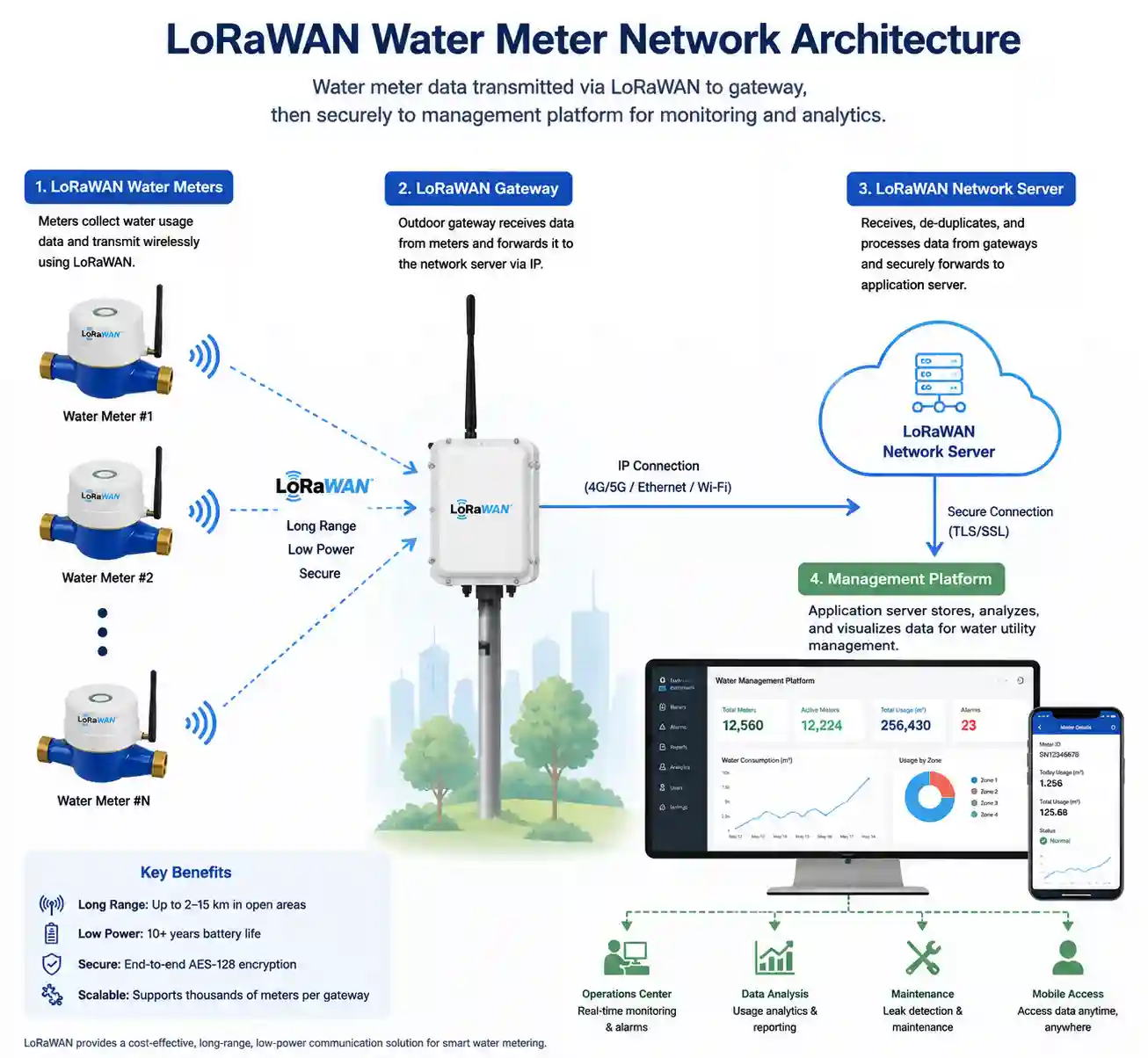
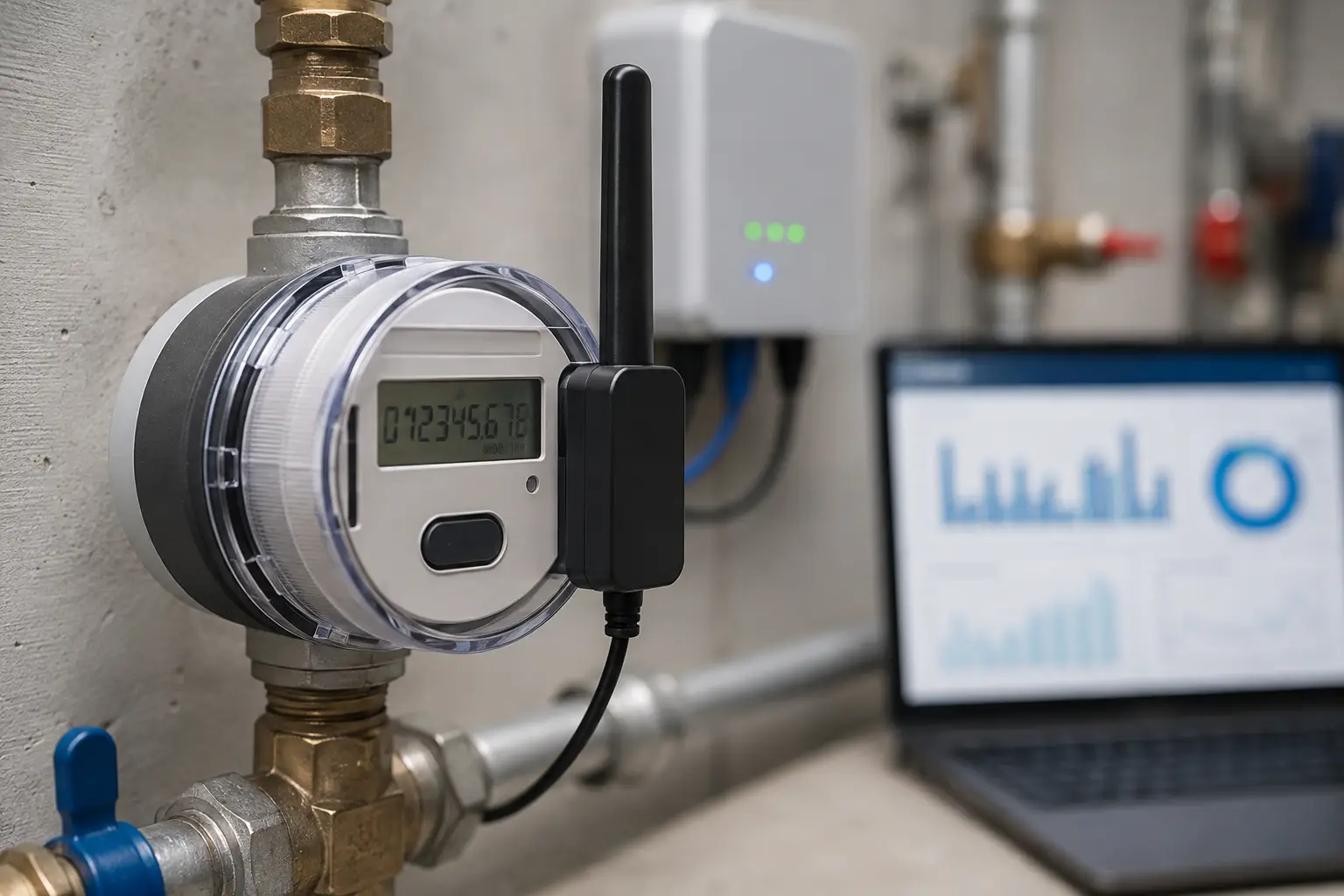
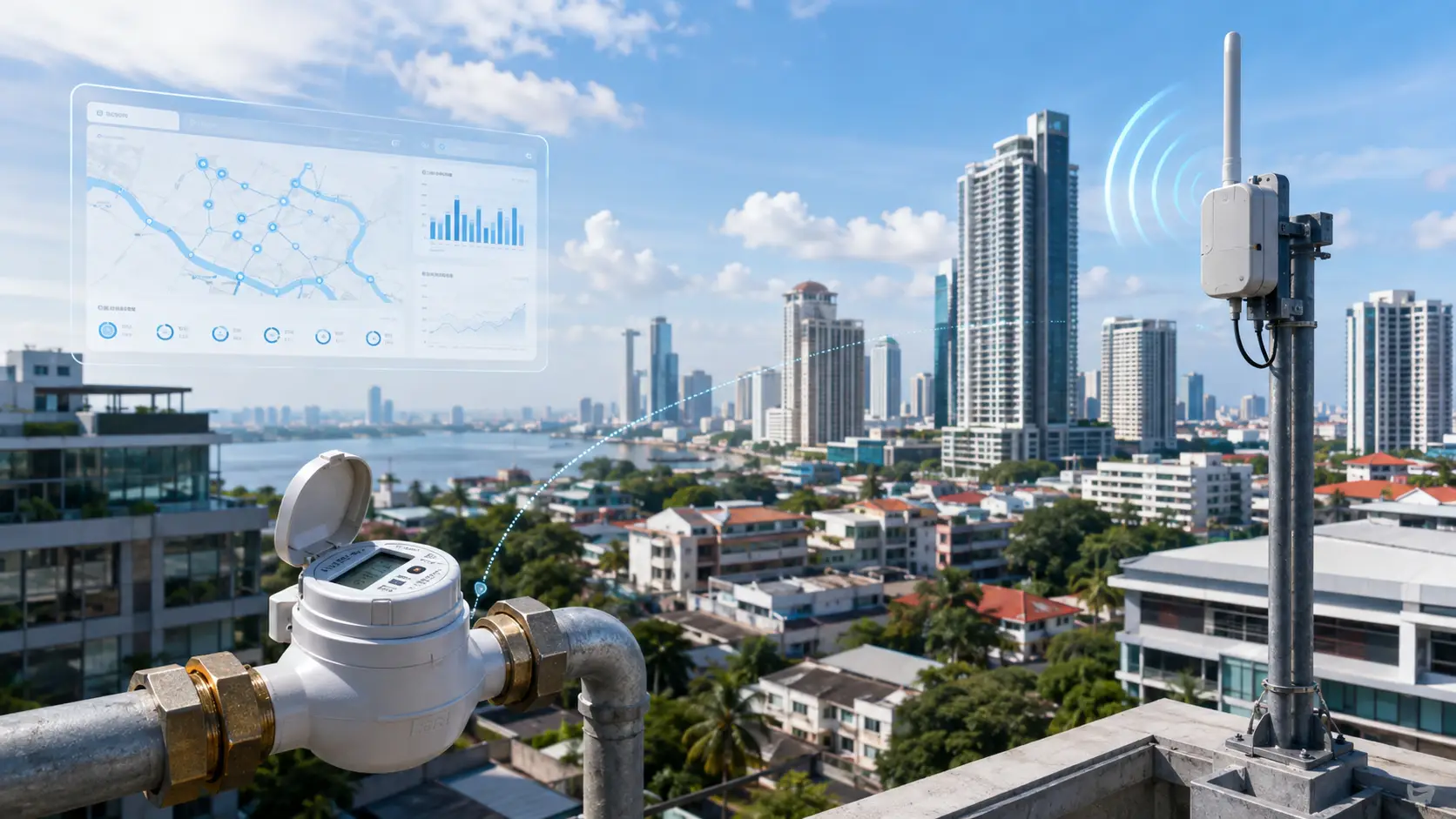
Choices cover NB-IoT, LoRaWAN, RS485, or M-Bus standards that forward numbers to main servers without manual effort.
Extra tools frequently include leak warnings, backflow notices, heat checks, and number reviews for early care.
Those abilities support exact DMA splits, fast issue handling, and ties to cloud tools that drop running expenses noticeably.
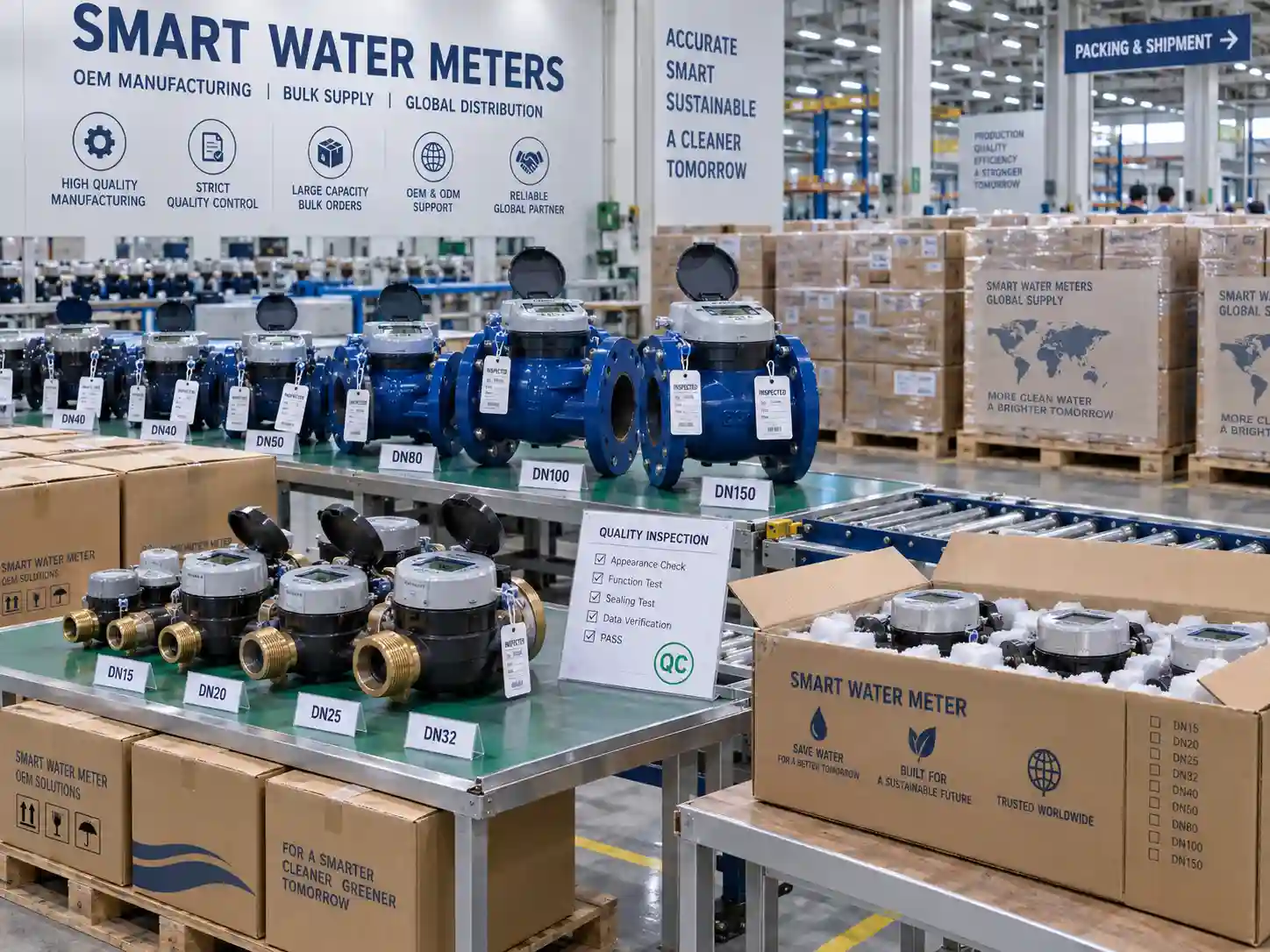
Chen Shuo ultrasonic meters handle several connection types. The Ultrasonic Water Meter-DN20 supplies small smart versions ideal for home and modest business connected metering.
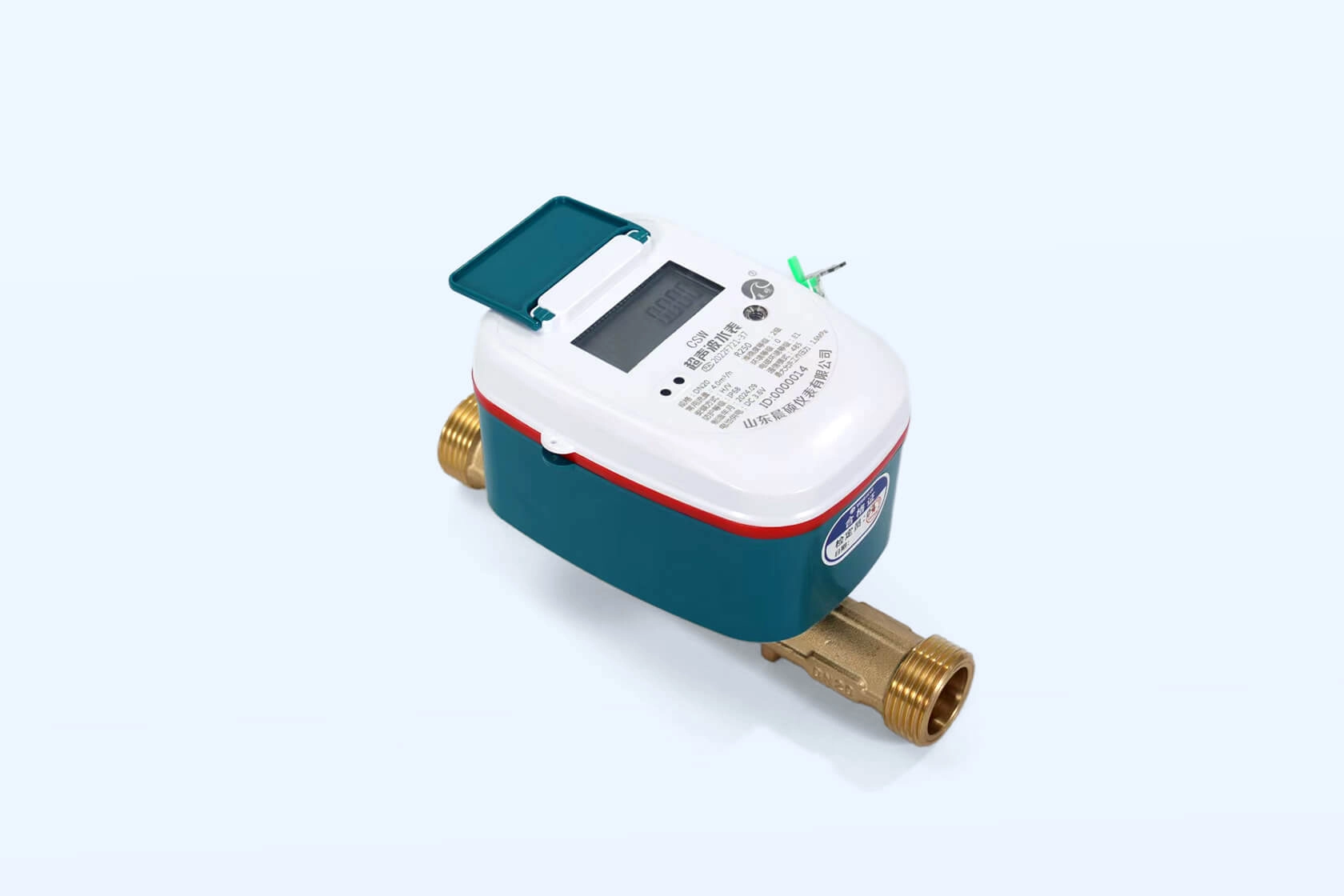
Focusing on precision, toughness, safety, energy steadiness, and smart links guarantees best output and clear savings through the full meter life. Chen Shuo delivers tested ultrasonic choices in multiple sizes to cover wide project demands around the globe.
Q1: How long do ultrasonic water meters typically last?
A: Solid models without moving parts regularly serve over 15 years reliably in standard settings.
Q2: Do ultrasonic meters work well with impure water?
A: Certainly, their fixed layout fights blocking from solids and holds steady readings longer than spinning meters.
Q3: What turndown ratio should you expect from modern ultrasonic meters?
A: Ratios usually hit 250:1 to 400:1, giving exact tracking from slow drips to full surges.
Q4: Is IP68 protection necessary for all installations?
A: It becomes critical for buried or wet-risk places, although helpful everywhere for greater security.
 Address: Xiao'anzi Industrial Park, Baishabu Town, Lanshan District, Linyi City, Shandong Province
 Call us now:+86 15562945993
 Email:info@sdchenshuo.cn


Shandong Chenshuo Instrument Co., Ltd.