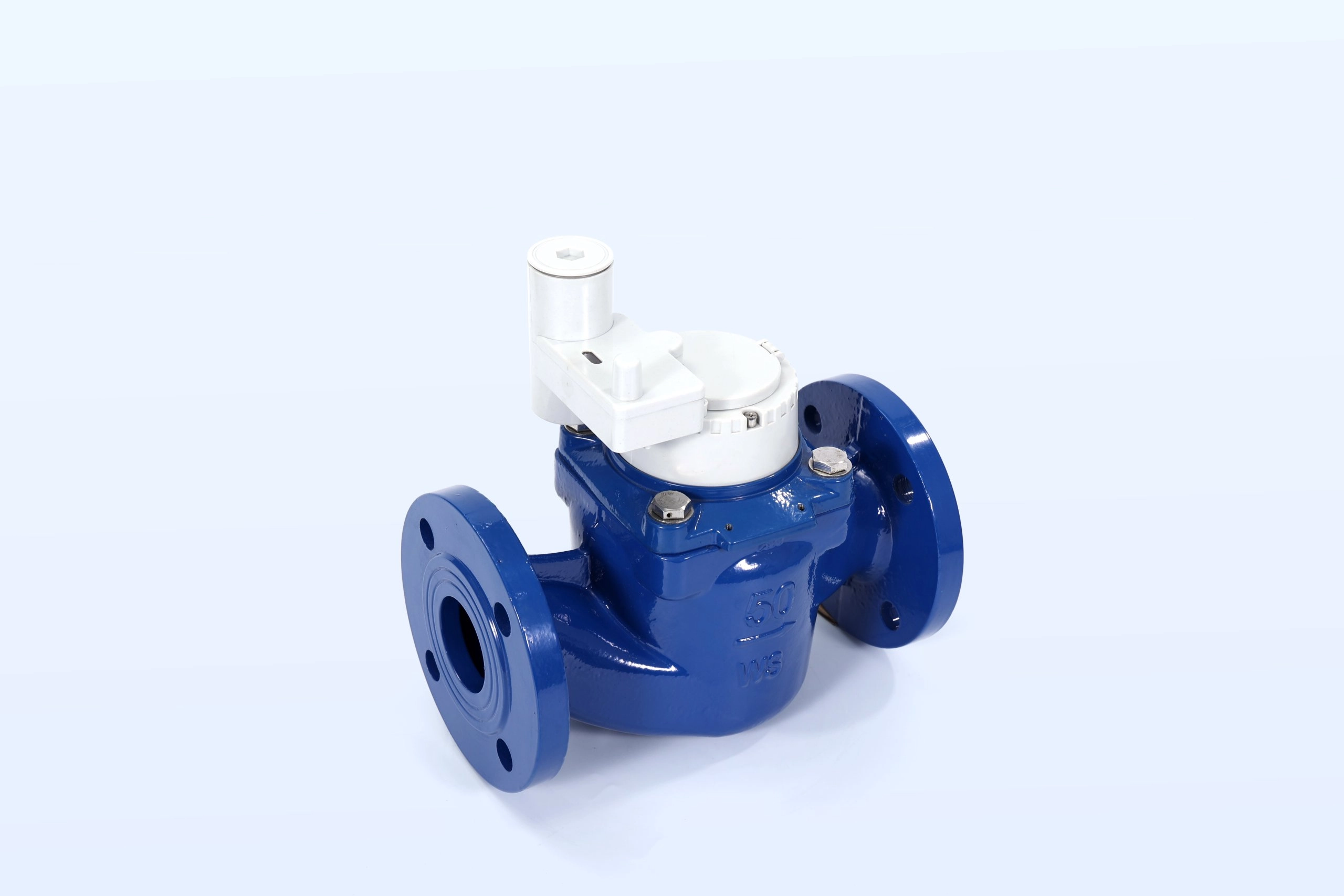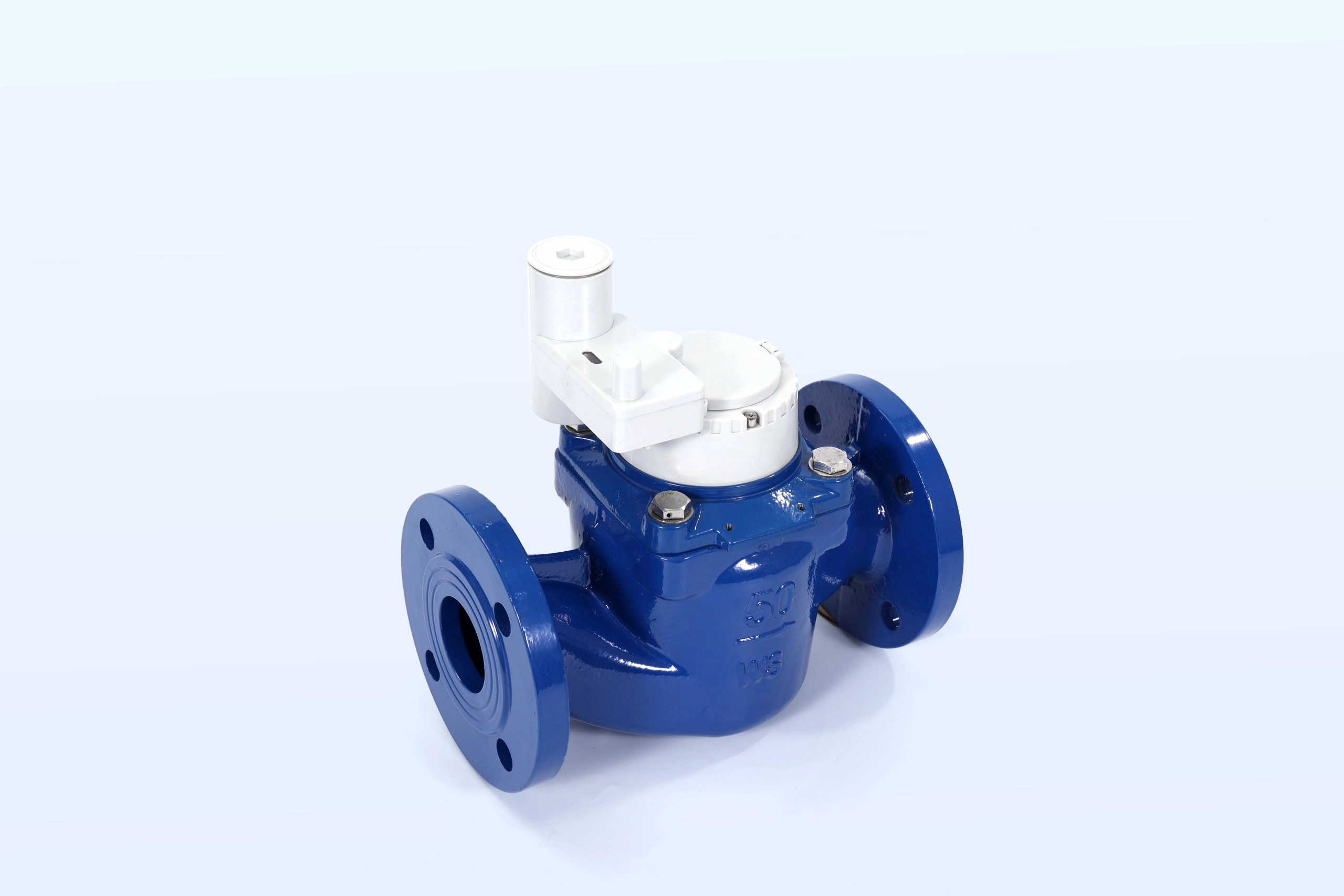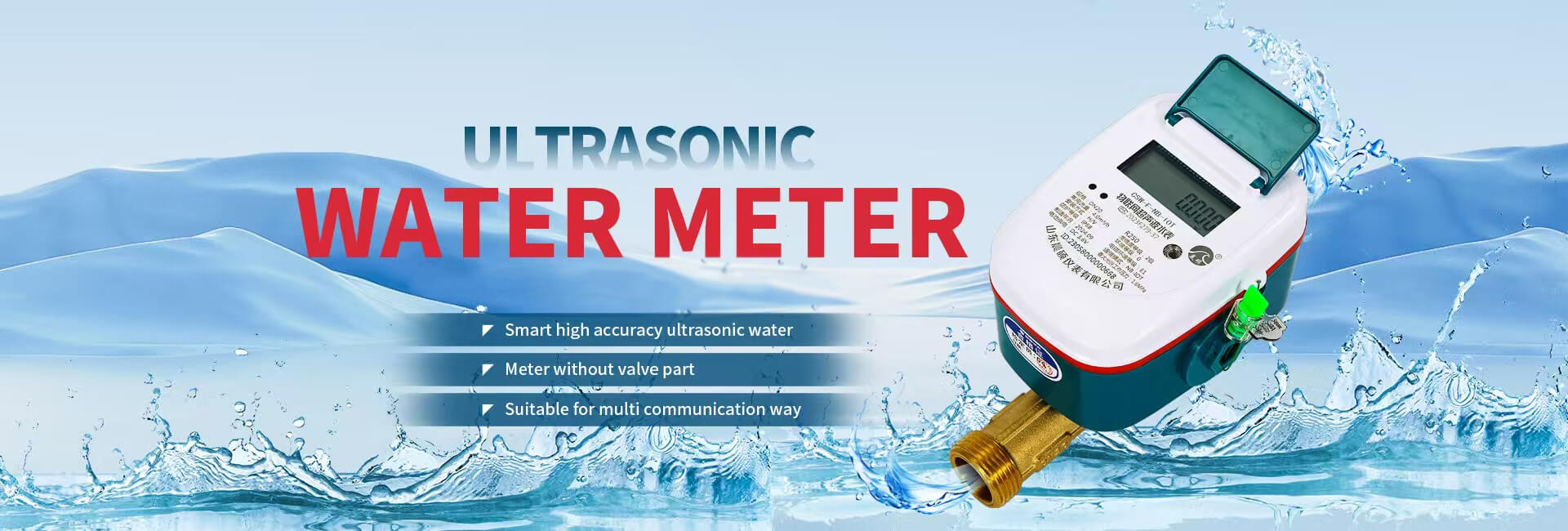


Water scarcity grows worse in dry areas like the Middle East. So, deploying smart water meters forms a key part of plans for lasting infrastructure. Utility providers face issues from intense heat to fitting with current setups. They need to focus on performance measures that match local conditions. Choosing the proper smart metering tech ensures exact readings. It also aids in upkeep predictions, spotting leaks, and boosting user contentment.
For planners looking for a reliable partner in smart metering, Chen Shuo shines. This company from Shandong focuses on top-notch smart meters. These integrate IoT links, instant data analysis, and sturdy builds. Its product range covers ultrasonic, electromagnetic, and mechanical meters. They suit city, factory, and far-off uses. With certifications such as ISO 4064 and OIML R49, Chen Shuo has supplied full solutions in more than 50 nations.
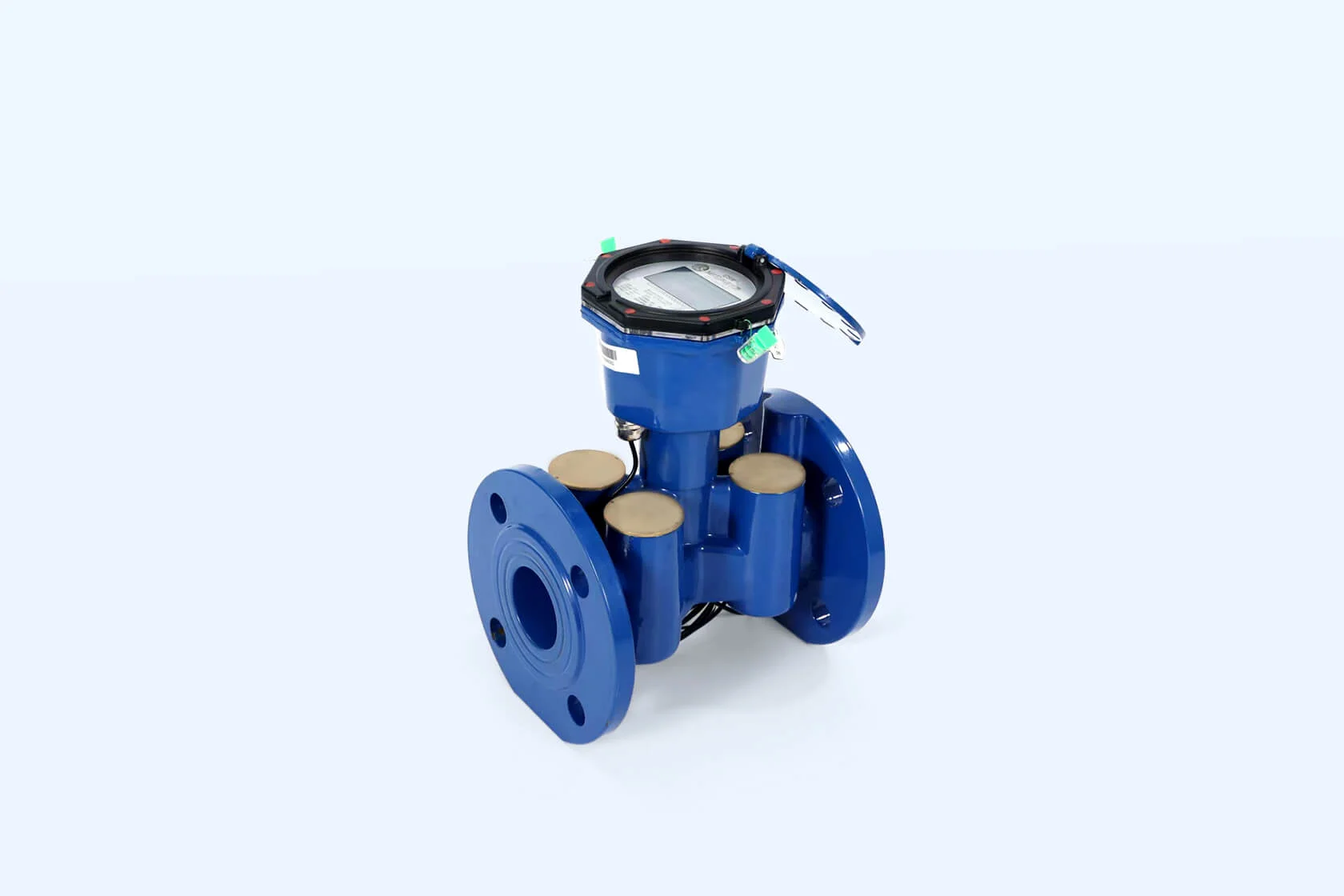
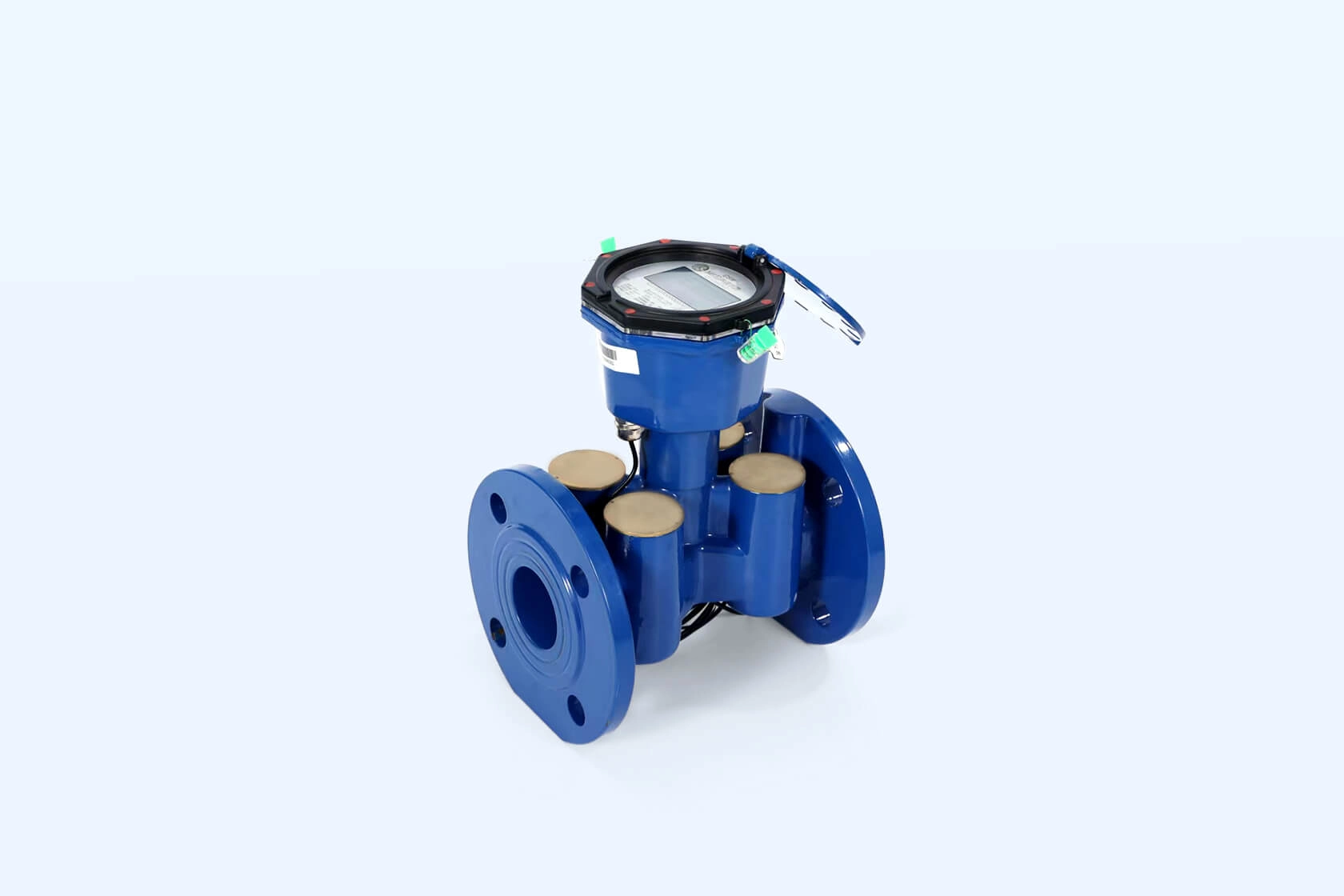
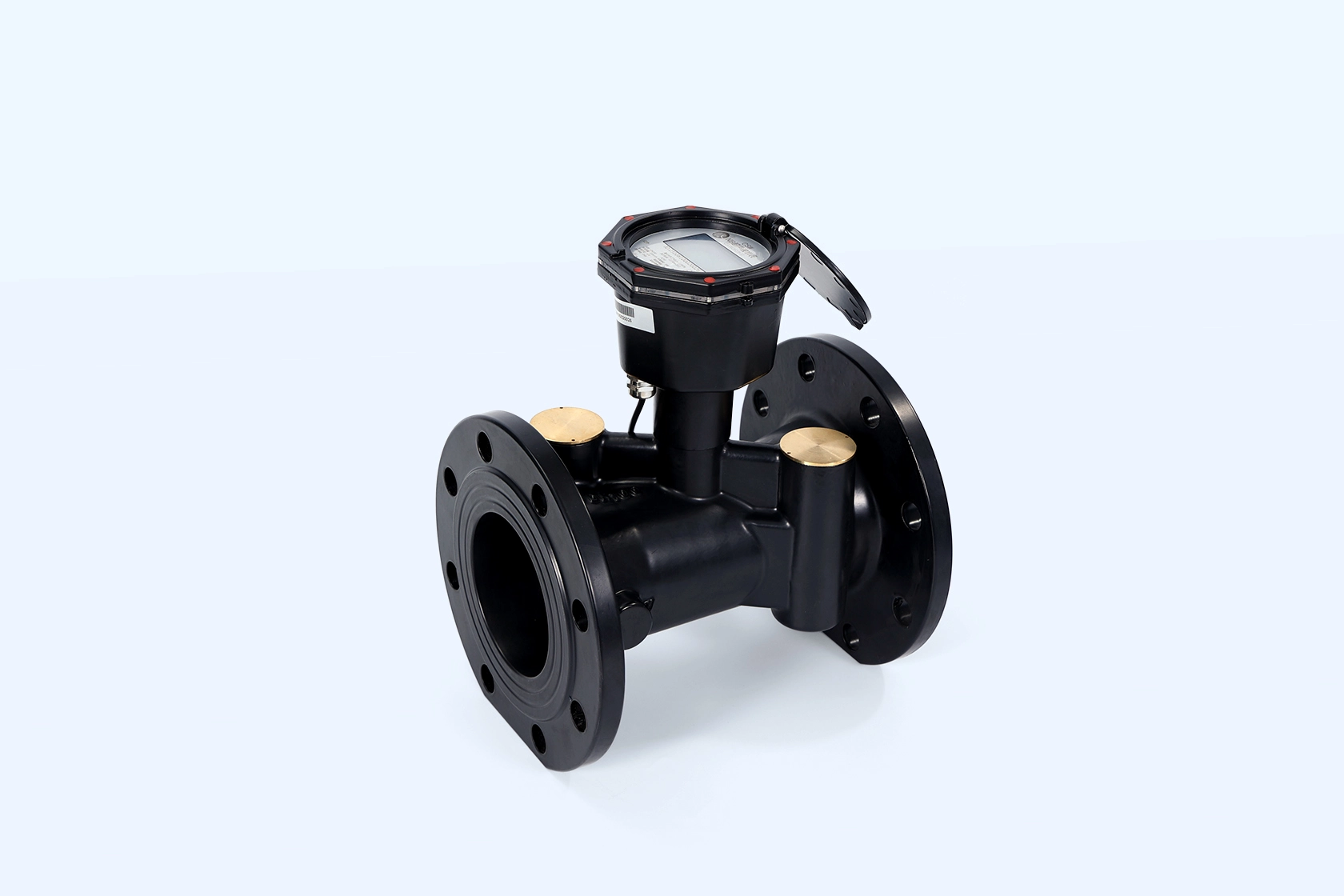
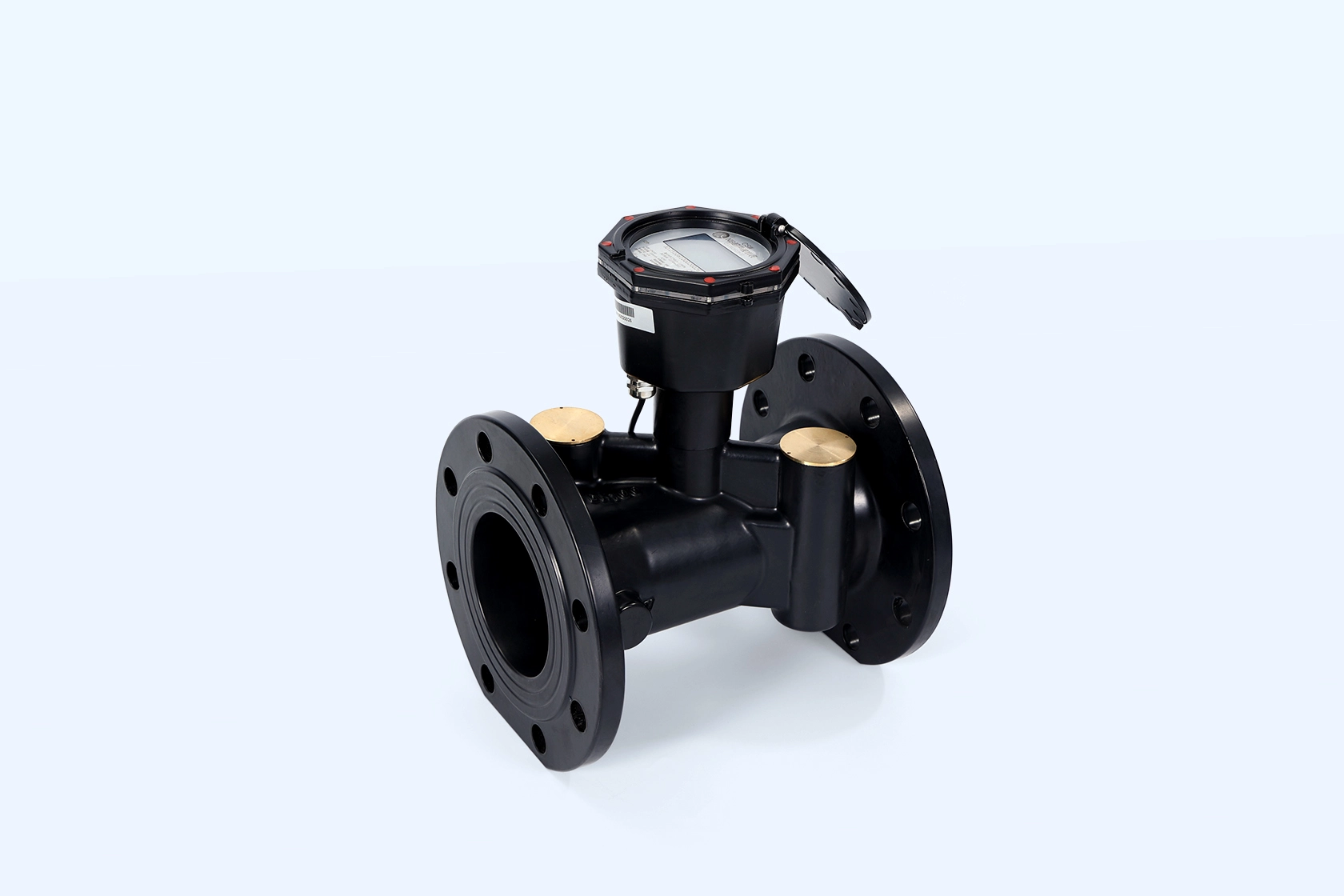
Exact metering ranks high in the Gulf. Heat can mess up standard readings there. Smart water meters handle long-term steadiness under tough heat shifts. They rely on modern sensor tech and precise calculation methods for water use readings. The Ultrasonic Water Meter DN80 shows this well. It offers ±1% to ±2% accuracy. Its gearless setup cuts down on part wear. Plus, it works over a broad turndown ratio, up to 400:1. This gives strong detection at low and high flows alike.
Delays in data can block quick upkeep and reactions. Thus, smart meters need to back real-time links through current methods like NB-IoT, LoRa, or M-Bus. In sending data, smart water meters apply fresh IoT comms tech. Examples include narrowband IoT (NB-IoT) and long-range wireless (LoRa). These allow steady, on-the-spot transfer of water use info. As a result, they fit well into main AMI or AMR setups. This supports ongoing watch and warning creation.
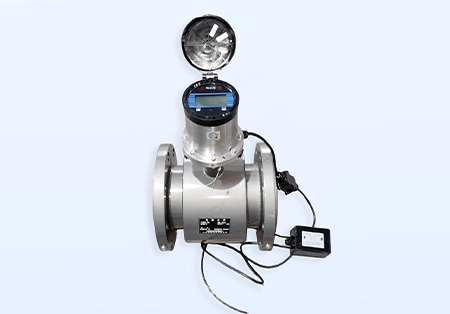
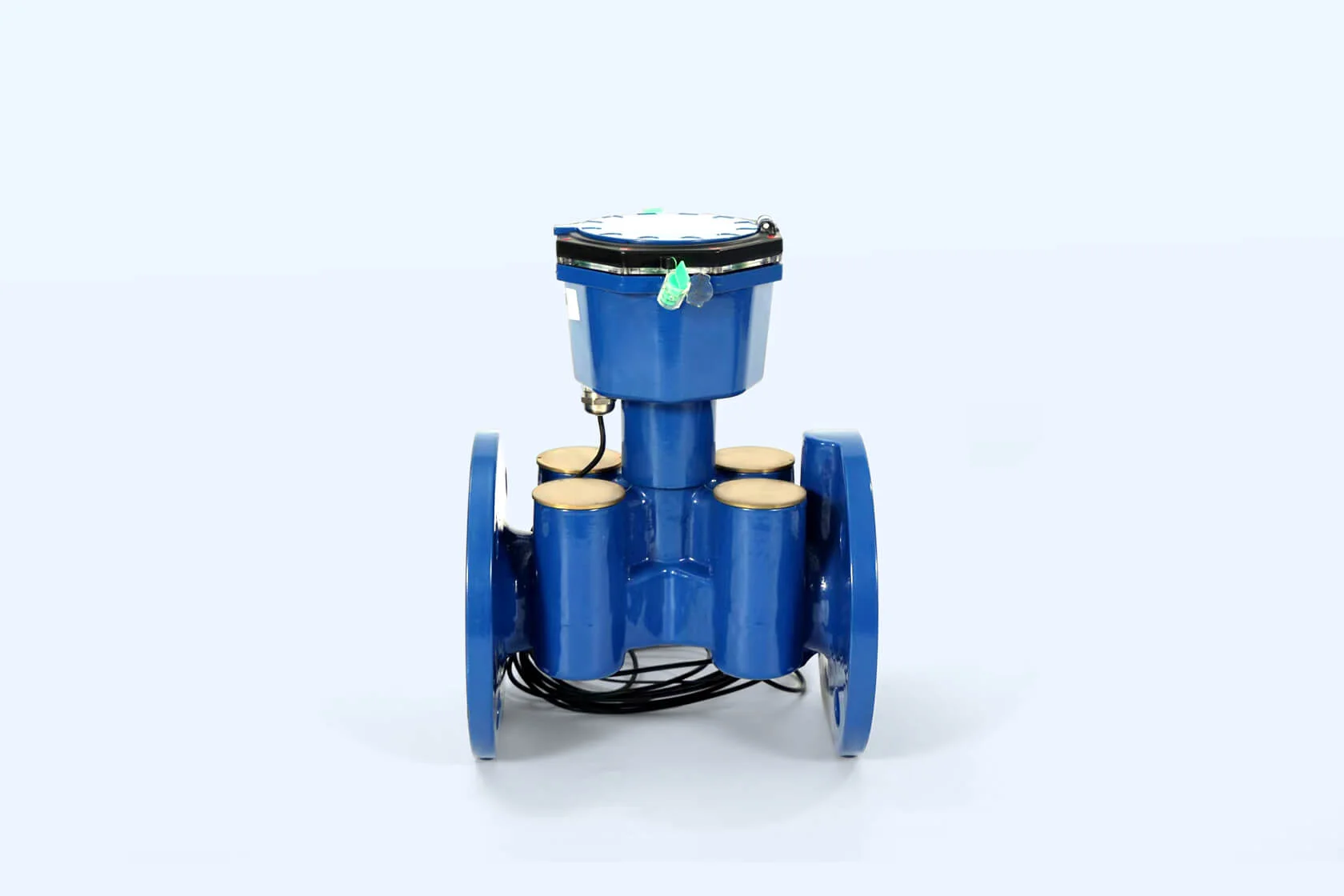
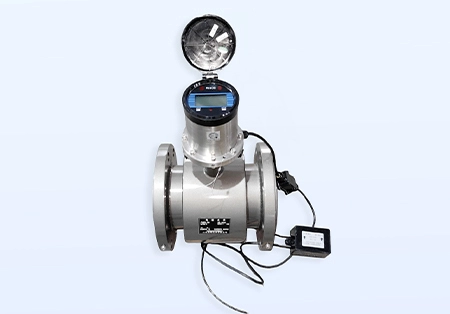
Outside setups in the Gulf call for smart meters that fight off dust storms, salt, and dampness. Guards against dirt and water entry matter a lot. The Electromagnetic Water Meter LXE-100 has IP68-rated casing. It uses rust-proof materials for city and factory spots. Its low-power setup and six-year lifespan lower upkeep needs and running costs.
Fitting new systems into old networks often proves tough in set utility lines. Experts must check matches in methods, materials, and data links carefully.
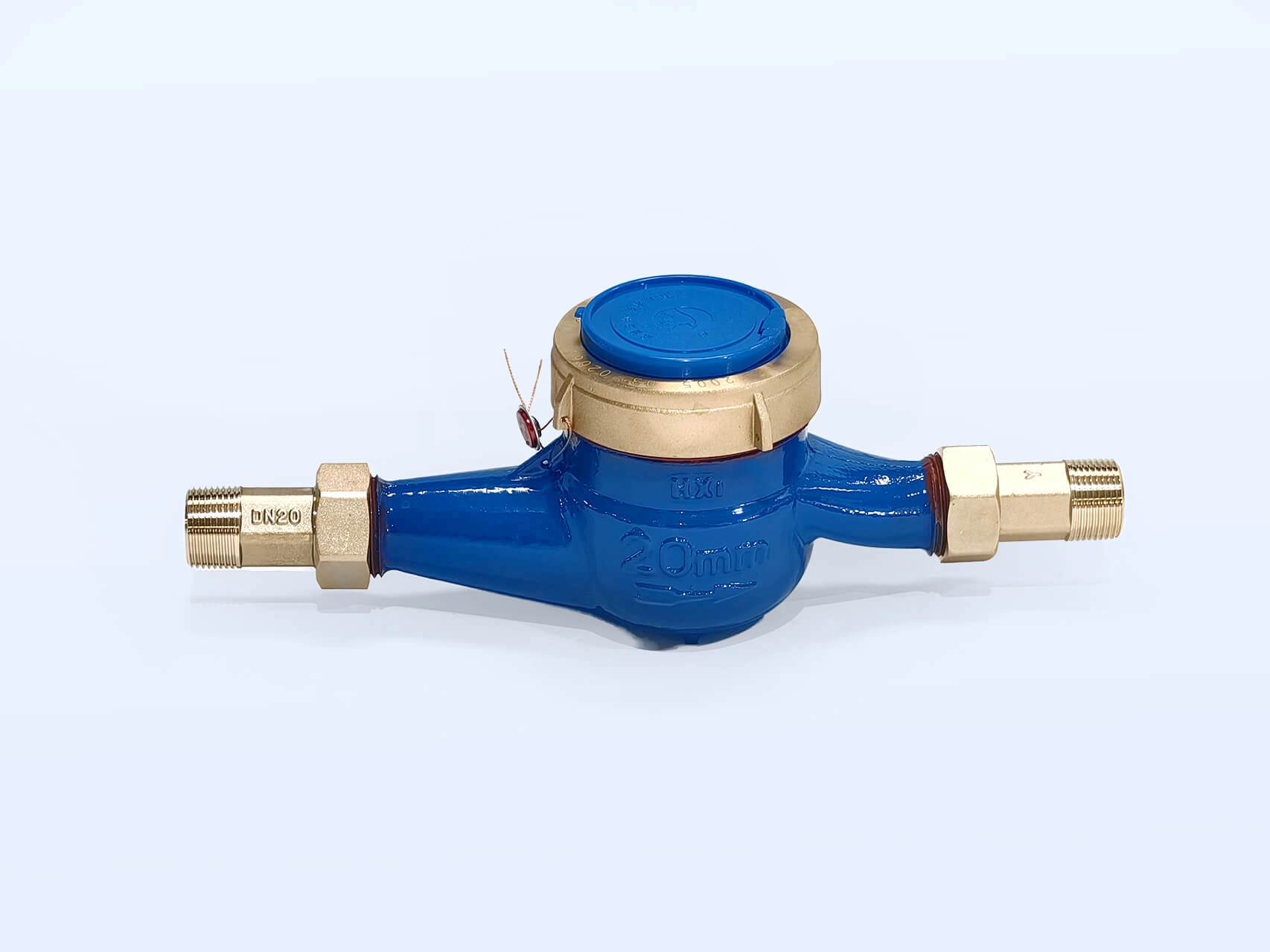
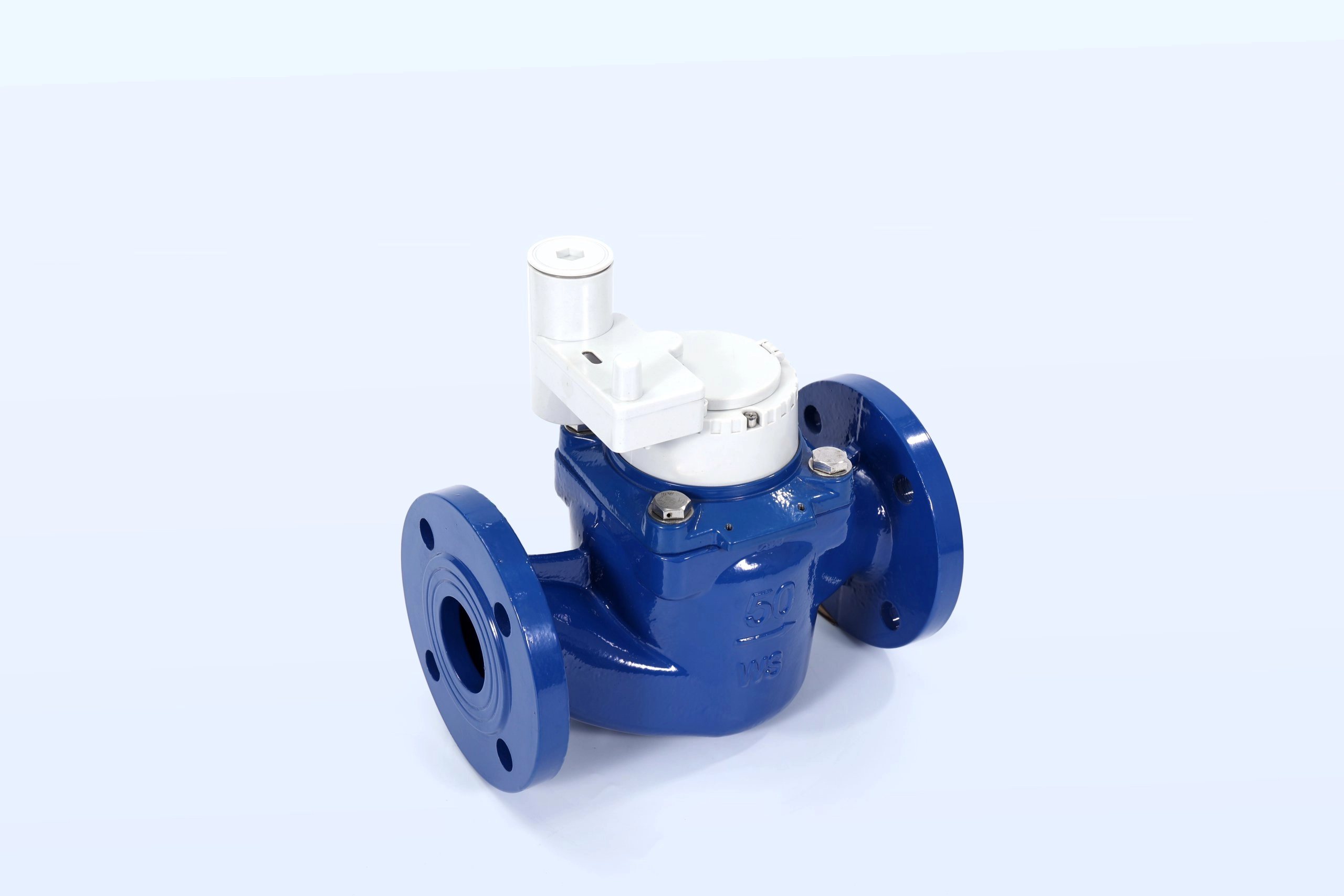
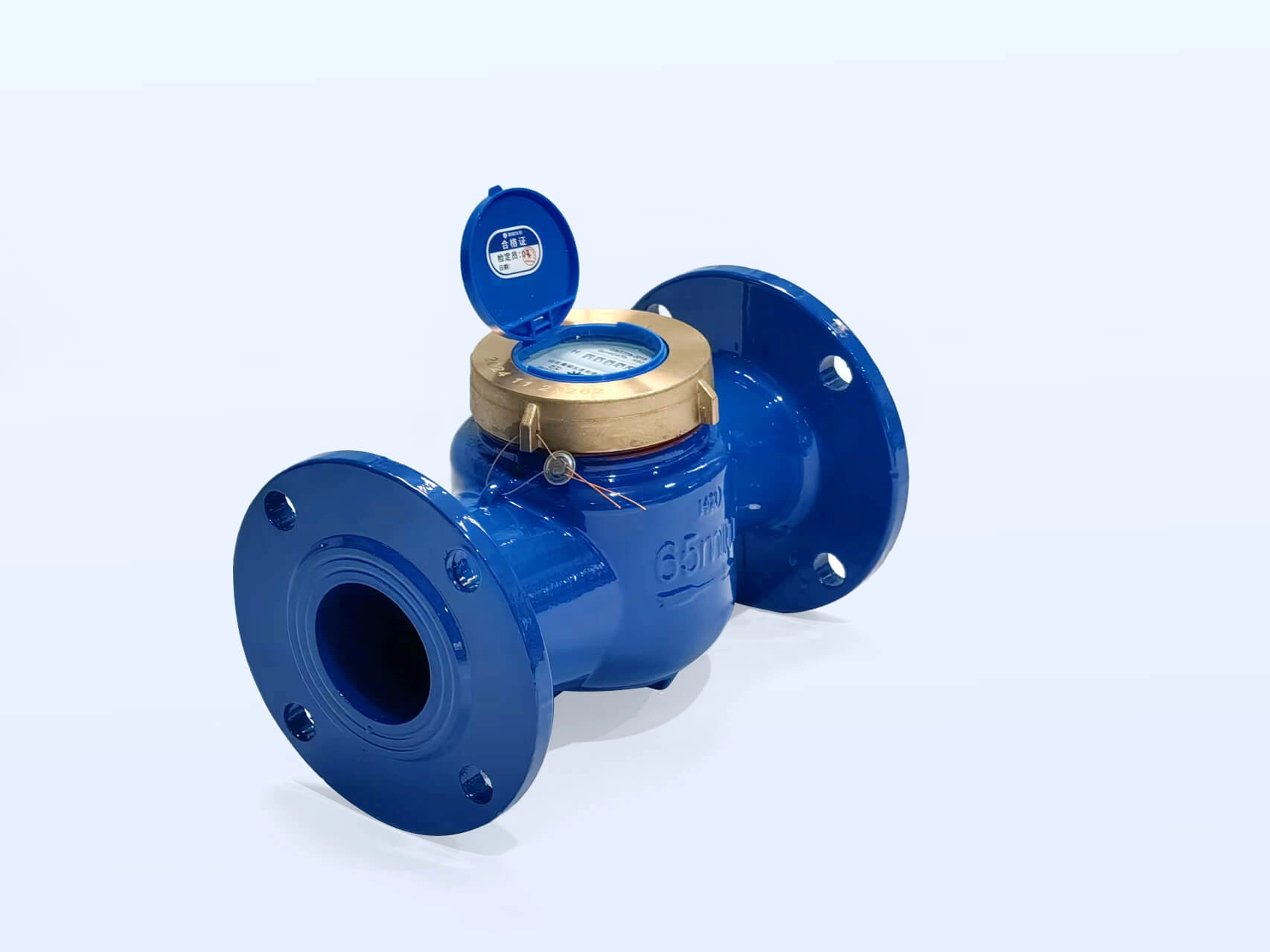
Matching older setups lets upgrades happen step by step. This avoids total overhauls. The Rotary Mechanical Water Meter allows add-on smart parts. So, it suits utilities moving from mechanical to digital. Its screw fittings ease refits. At the same time, they keep current pipe plans intact.
Meters have to meet Gulf Cooperation Council (GCC) tech rules for project okay. Every smart water meter and system gets nods from CE, MID, ISO 4064, OIML R49. Such rule-following also eases work across Gulf areas.
Easy-to-use software aids training speed and cuts on-site mistakes. Smart water meters come with LCD screens and full guide features. These help with checks and fixes. Arabic-English setups aid local handling. Meanwhile, setup tools speed up startup for teams speaking different languages.
Picking the right metering tech hinges on site setup maturity, flow traits, and work limits.
In packed cities with tight space and wild flow changes, ultrasonic meters bring main pluses. Ultrasonic water meters apply the ultrasonic method. They figure flow speed by gauging fluid movement. The DN80 version has a small build, little pressure drop, and far-off reading. It uses low power too. All this makes it great for tying into fresh city networks.
Big users such as desalination sites or factory zones need tough meters for rough flows. The Electromagnetic Water Meter LXE-100 gives steady readings even at slow speeds, from 0.003 m/s. It shows options for multi-unit views in global use. Its build skips pressure drops. Yet, it ensures exact checks on conducting fluids.
In far farm or low-fund spots with slim digital lines, mechanical meters stay useful. The Rotary Mechanical Water Meter LXS-65Brass has a basic frame, steady accuracy, and low price. It skips power needs. Plus, it runs well over six years with rare upkeep.
In the Gulf, saving water is a must, not a choice. Smart meters help utilities cut losses. They also get users into better habits.
Smart water meters offer strong real-time watch features. If odd water use shows up, the meter sends a quick alert. It goes to users and water teams via its comms part. This fast notice helps cut non-revenue water. It spots leaks or meddling soon.
Smart water meters create heaps of use data. Water firms can use big data checks to guess demand shifts. Then, they plan resource shares ahead. These views let utilities handle peak times better. They also fine-tune supply lines.
People can view their water use and bill logs anytime. This keeps info clear and payments easy. Instant feedback raises user knowledge of patterns. In turn, it pushes habit shifts for saving.
A supplier should give more than goods. They must bring worth via tweaks, steadiness, and full-life aid.
Suppliers ought to show wins in like spots. Products tested in the field, with records in hot, salty areas, cut rollout risks a lot.
Part-based designs let fits for pipe sizes and net types. Chen Shuo gives custom fixes, including OEM/ODM work. This offers bend from test runs to big launches.
Local help makes rollouts smooth, even in spread-out zones. Chen Shuo supplies full training aids, far-off help, and site talks as needed. This stretches aid past setup to ongoing wins.
Q1: What makes ultrasonic meters suitable for Gulf cities?
A: Their high accuracy at low flow rates, compact size, non-intrusive design, and remote reading support make them ideal for dense urban settings with varying demand.
Q2: How do electromagnetic meters perform in industrial environments?
A: They offer stable measurements even at low velocities without pressure loss and support large-diameter pipelines with highly conductive fluids.
Q3: Can mechanical meters be used in smart systems?
A: Yes. Mechanical meters like the LXS-65Brass can be retrofitted with smart modules for basic remote reading compatibility.
Q4: Are these smart meters compliant with GCC standards?
A: All referenced models are certified under ISO 4064 and OIML R49 standards, ensuring compliance with regional regulations.
Q5: How do smart meters help reduce water waste?
A: By enabling real-time monitoring and early leak detection through IoT communication technologies like NB-IoT or LoRaWAN.
 Address: Xiao'anzi Industrial Park, Baishabu Town, Lanshan District, Linyi City, Shandong Province
 Call us now:+86 15562945993
 Email: ivy@sdchenshuo.cn


Shandong Chenshuo Instrument Co., Ltd.