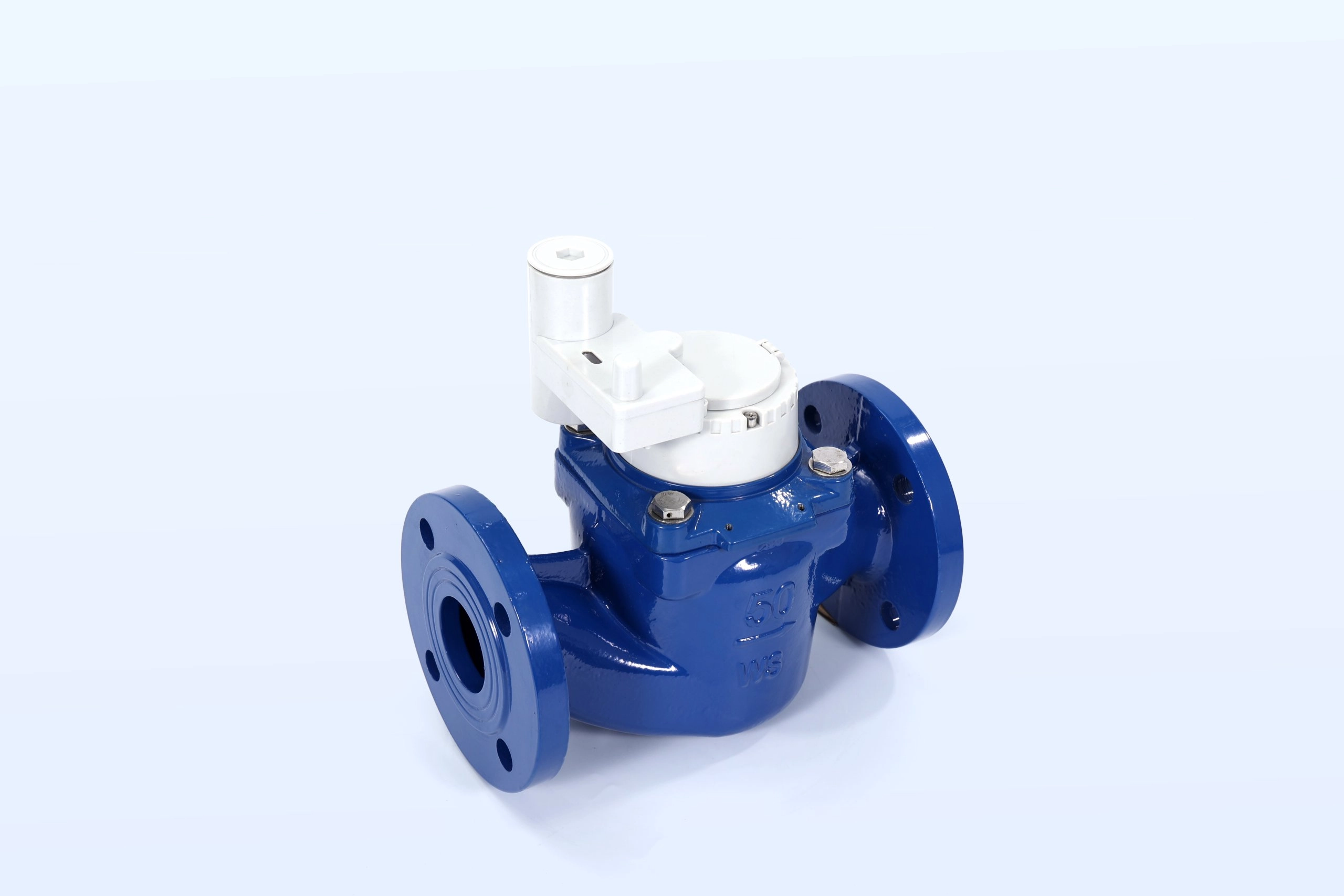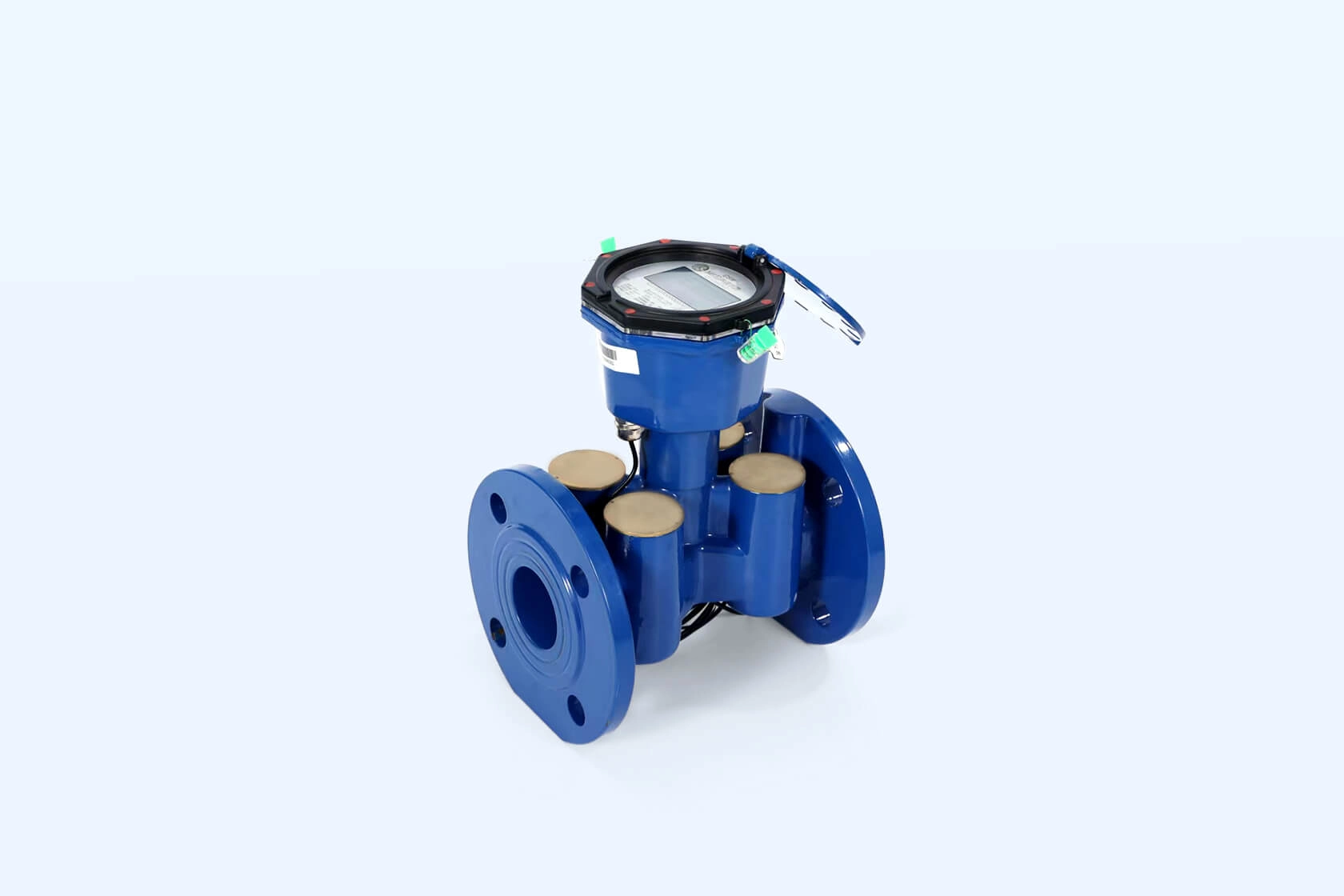


Picking a top-quality water meter covers just part of the task. If setup goes wrong, even costly gear turns into a basic pipe piece. Many managers see their first flow numbers look good, but then they shift or stop soon after due to simple setup slips. Before you start with the first screw, note that Chenshuo serves as a leading maker in Linyi, China—the well-known “Hometown of Water Meters.” With a yearly output of one million units and strong skills in ISO-approved smart metering, Chenshuo offers the key support for current water control. Their group works on building IoT-fit tools that hold up in real-world use, going past basic checks to give full DMA zone control and digital change aids.
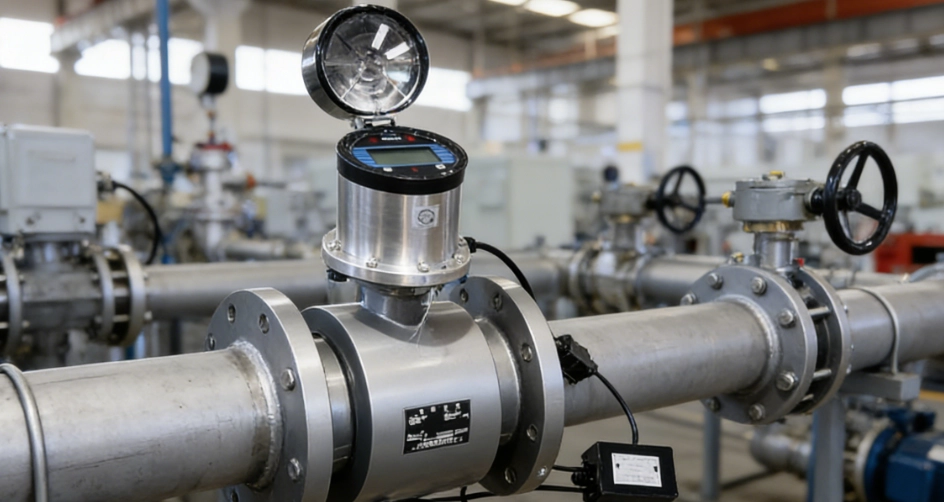
Steady flow checks rely on the surroundings as much as the sensor. When a meter gives wild readings or loses talk with the SCADA setup, the main issue often sits in the pipe plan or power ground. Exact tools need a firm base to work right.
Electromagnetic meters work by spotting small voltage shifts. If you skip a clear, set ground link to the liquid and the sensor shell, extra currents from close pumps or lines will flood the signal. As a result, readings jump around and never calm down. This problem makes data hard to trust over time.
Liquid swirls quietly harm exactness. You must have a set length of straight pipe ahead and behind the meter to let the flow shape settle. If you place the meter right after a sharp bend or partly shut valve, twists form that the magnetic field cannot read well. Therefore, numbers come out off and lead to wrong counts.
Choosing a meter just by pipe size is a usual pitfall. When real flow speed stays too slow, the clear-to-noise level falls, so data turns untrusty. At times, a smaller meter with add-on parts proves wiser to hold speed in the best zone. This choice keeps checks steady and true for daily use.
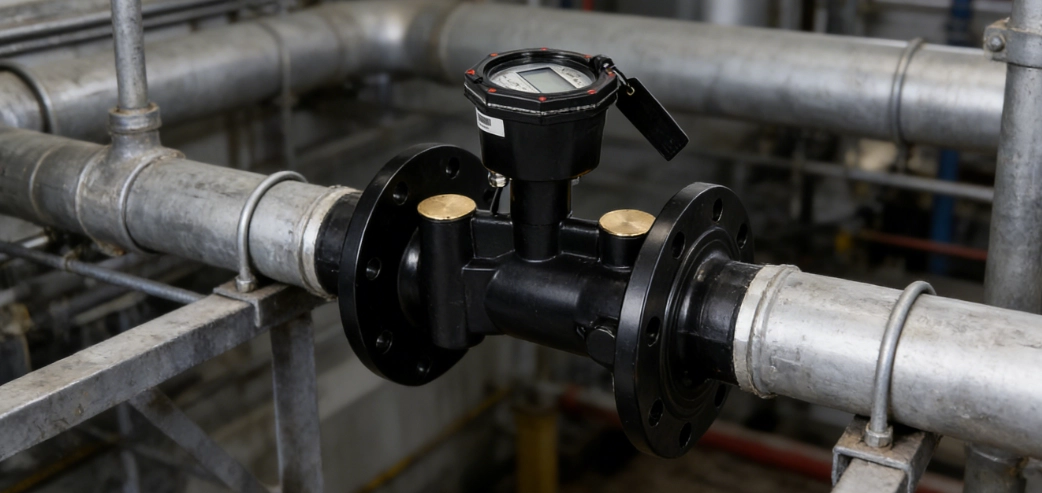
Body setup needs more than sliding a tool into a pipe break. The way electrodes point and how pipes hold the meter decide if it stays set or starts to leak in weeks.
You should always set the meter so the electrode line stays level. If you place it with electrodes up and down, dirt at the base or air at the top will hide the sensors. This causes quick shifts in numbers or full signal drop. As such, the whole system loses its point fast.
An electromagnetic meter needs to fill fully with liquid to run. If you put it at the top of the pipe path, air gathers there on its own. This makes a “half-full” state where the meter thinks the tube is packed, which leads to big over-counts of water use. To fix this, pick spots where flow keeps things full always.
Tightening bolts uneven or pushing a meter into a tight spot adds body strain to the inner coat. With time, this strain can break the PFA or rubber cover, above all in strong-pressure factory jobs, and cause a full inner short. Proper even pulls help avoid such breaks and keep the tool safe for years.
The wire step is where many smart parts get lost. Handling GPRS, LoRaWAN, or RS485 links calls for a fresh way over usual wire work. Clean data paths mark the line between far checks and hand reads.
Putting 24V or 220V power paths in the same tube as 4-20mA or pulse data lines spells trouble. The magnetic pull from power wires leaks into the info flow. It pays to split these routes from the beginning. This simple step guards against noise and keeps signals pure.
Even an IP68 meter quits if wire seals do not tighten right. Once wet gets into the link box, it rusts the ends. This hits hard for the Electromagnetic flowmeter DN50, which sits in wet factory holes with steady damp. Tight checks during setup stop these issues and lengthen tool life.
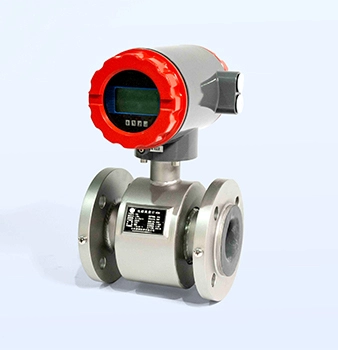
Big motors or power boxes near the spot can twist the meter’s magnetic pull. While new sensors stand strong, setting them in a clear magnetic area locks in long-term data health without hard code fixes. Such care ensures steady work without extra hassle.
A meter fine on day one may falter by day 300 if outside factors get ignored. Smart water tools are complex electric units, not plain metal casts. They require guard from weather to reach their planned life of ten years or longer.
Sun rays wear down plastic shells and screens bit by bit. While inside parts of the Electromagnetic water meter LXE-100 suit rough spots, a basic shade or cover stretches the show screen and battery life a lot. This easy add-on helps the whole unit last through seasons.
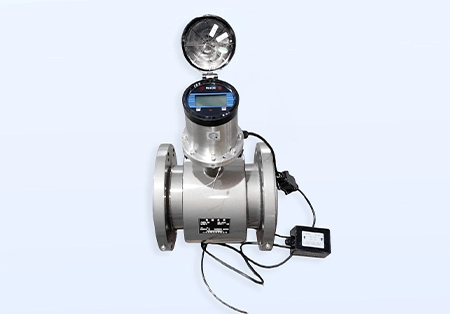
Steady shakes can loosen inside links or tire out the soldered electric parts. If pipes jolt when pumps start, add bendy joins or extra holds to cut off the meter from body hits. These steps keep the sensor firm and readings true amid daily work.
Most electric parts fit -20°C to 60°C. In spots with wild heat or cold winters, battery makeup and sensor feel can shift. Good wrap or bury at right depth holds a even work temp for the inner lithium source. Thus, the meter stays reliable year-round.
Work does not end when tools go down. Startup tells the meter its new spot. Skipping this means leaning on plant starts that may not fit your pipe truth.
Each setup has a small “base” hum. Do a zero check when the pipe fills but liquid stands still. This makes sure the meter does not “slip” or show small flow when gates close tight. Proper zeroing builds trust in all future numbers.
Plant sets for units, pulse matches, and talk times are just bases. Check that the meter’s inner size and K-factor fit the real pipe and liquid traits on site to skip a steady 2-5% slip in bills. Site tweaks make data spot on for your needs.
Smart meters seem “set and leave” in books. But in truth, plan checks for dirt build or battery state through the control hub. Spotting low power early via the LoraWAN part stops holes in monthly info. Regular looks keep the system running smooth without surprises.
Picking a group with full plan and build systems eases these setup tests. Chenshuo sells more than gear; they give tech facts and aid for good rollout in hard water lines.
The Electromagnetic flowmeter DN50 uses fine coats and ends that fight rust. Its strong build takes high pushes of factory water feed, so pipe strain does not harm sensor exactness. This toughness suits tough daily loads well.
For city water jobs, the Electromagnetic water meter LXE-100 gives low start flow and high check truth. It joins easy into DMA areas, sending live data to find leaks and cut lost water (NRW) over big zones. Such tools aid smart city growth.
Gear shines with the aid behind it. By contacting pros at the Linyi plant, you tap years of real-spot know-how. For hard setup places or far-read hub sets, their group makes sure your work wins out.
Q1: Does the electromagnetic water meter require a specific pipe material?
A: No, it works with plastic, steel, or ductile iron. However, for non-conductive pipes like PVC, you must use grounding rings to ensure the fluid is properly connected to the meter’s signal ground.
Q2: Can I install the meter in a vertical pipe?
A: Yes, but only if the water is flowing upwards. Upward flow ensures the tube remains full. Never install it in a vertical pipe with downward flow, as this often leads to a partially empty pipe and incorrect readings.
Q3: How often does the battery in a smart electromagnetic meter need replacing?
A: Most high-quality lithium batteries in these devices are designed to last 6 to 10 years, depending on how frequently the meter transmits data via GPRS or LoRaWAN.
Q4: What is the main advantage of electromagnetic meters over mechanical ones?
A: They have no moving parts in the flow stream. This means zero wear and tear, a much lower pressure drop, and the ability to handle water that might contain small amounts of debris or sediment without clogging.
Q5: Are these meters affected by changes in water conductivity?
A: As long as the conductivity stays above a minimum threshold (usually 5 μS/cm), the measurement remains accurate regardless of changes in the water’s chemical composition.
 Address: Xiao'anzi Industrial Park, Baishabu Town, Lanshan District, Linyi City, Shandong Province
 Call us now:+86 15562945993
 Email: ivy@sdchenshuo.cn


Shandong Chenshuo Instrument Co., Ltd.