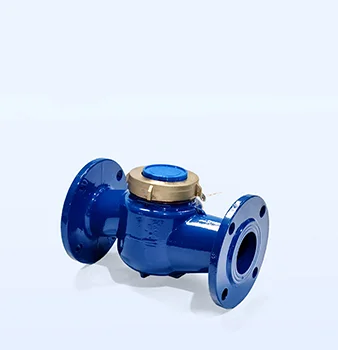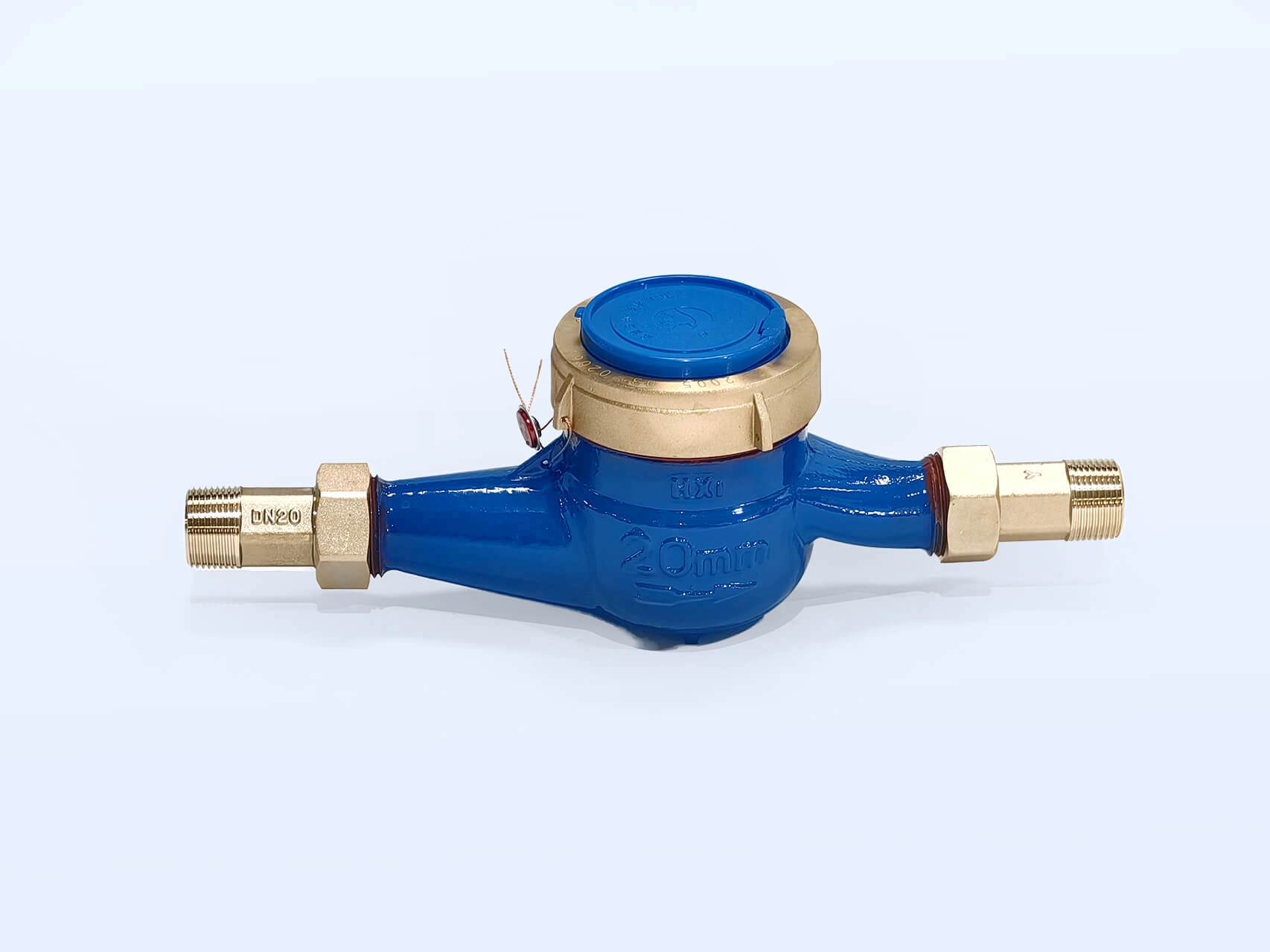


Smart water metering plays an essential role in current water management. Urban areas continue to expand, and the emphasis on sustainable utilities increases steadily. The transition from manual inspections to advanced systems represents more than a technological upgrade. It is indispensable for routine activities. Companies such as Chenshuo spearhead this transformation. Chenshuo functions as a dependable water meter producer in Shandong, China. The company distinguishes itself through designing, developing, manufacturing, and distributing superior smart water meters. It supplies comprehensive water metering solutions. These incorporate IoT technology, cloud services, and precise data analysis. They provide immediate monitoring and leak alerts for residential and industrial applications. Visit their About Us, Case Center, and Contact pages. There, one can observe how their integrated packages contribute to developing more intelligent cities globally.
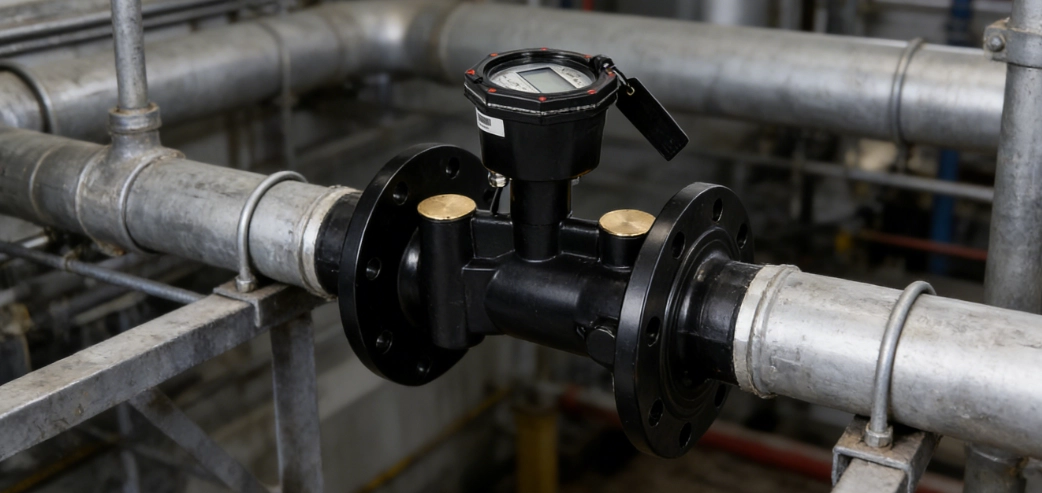 Features of Smart Water Meters
Smart meters advance from fundamental indicators to integral elements in digital infrastructures. Their design integrates sensors, microprocessors, and wireless components. These operate continuously to maintain reliable flow documentation.
Precise information is crucial for effective conservation initiatives. Urban development accelerates quickly. The population of urban water consumers expands rapidly. Deficiencies in legacy meters become increasingly evident. Billing disputes emerge frequently due to delayed or inconsistent readings. Municipalities pursue environmental objectives. Therefore, real-time visibility into resource consumption becomes essential. It facilitates better planning and equitable distribution.
Contemporary smart meters eradicate these shortcomings. They utilize connectivity networks to transmit data autonomously. Smart water meters forward usage metrics to cloud platforms via embedded wireless modules. Consider technologies like GPRS, LoRa, or NB-IoT. This configuration permits remote evaluations. It enables predictive repairs. Additionally, it issues prompt alerts for leaks or irregular patterns. Operating expenses decline consequently. Transparency enhances as well. In a specific municipal project, this innovation minimized unexpected water losses by identifying problems promptly.
Continuous surveillance enables water utilities to acquire usage details swiftly. Smart water meters record consumer water consumption accurately as events unfold. Technologies such as NB-IoT or LoRaWAN deliver this information directly to central control centers. Swift anomaly notifications detect leaks early. This prevents significant issues from arising. For instance, a household could receive an alert if a toilet leaks silently overnight.
Following collection, substantial volumes of usage data undergo analytical processing. Water supply teams can pinpoint urban water trends and variations through this examination. Predictive algorithms forecast peak periods or identify pipeline vulnerabilities. Both users and organizations benefit from lucid reports. These inform strategic decisions regarding resource allocation or infrastructure enhancements. Reports frequently highlight patterns such as seasonal peaks, which support improved planning.
IoT integrations extend smart meter functionalities beyond mere measurement. Smart water meters link to cloud systems using Internet of Things technology. This permits distant data retrieval and oversight. They also connect with home automation systems. Consequently, devices like sprinklers or heaters adjust according to usage behaviors. Such interconnections improve comprehensive resource management in networked environments. Envision a garden that waters less during rainy weather; this illustrates a practical integration.
Adopting smart metering technology delivers distinct advantages in billing accuracy, maintenance responsiveness, and environmental impacts.
Automated readings eliminate manual input errors entirely. Smart water meters employ robust sensor technology and calibrated measurement techniques for authentic water consumption figures. Transparent billing cultivates confidence between providers and customers. It also reduces administrative tasks associated with resolving disputes. Customers appreciate when bills align with their genuine usage, eliminating speculative arguments.
Immediate monitoring identifies unusual flow indicators early. If anomalous water usage occurs, the smart water meter dispatches an alert to the user and provider through its internal communication module without delay. Swift interventions reduce waste and repair costs. They prolong equipment longevity via preemptive maintenance strategies. In industrial contexts, this approach has preserved thousands of liters of water annually, as minor leaks otherwise accumulate.
Precise monitoring assists conservation by locating excess losses in pipelines. It supports smart city initiatives as well. The adoption of smart water meters represents a significant step in urban development. Data-informed strategies allow municipalities to outline future pipeline expansions judiciously. This corresponds to international sustainability goals. Furthermore, decreased waste ensures greater water availability for expanding requirements, such as in arid regions confronting shortages.
Prominent manufacturers advancing this sector include Chenshuo. Their portfolio illustrates how customized constructions address practical scenarios in diverse locations.
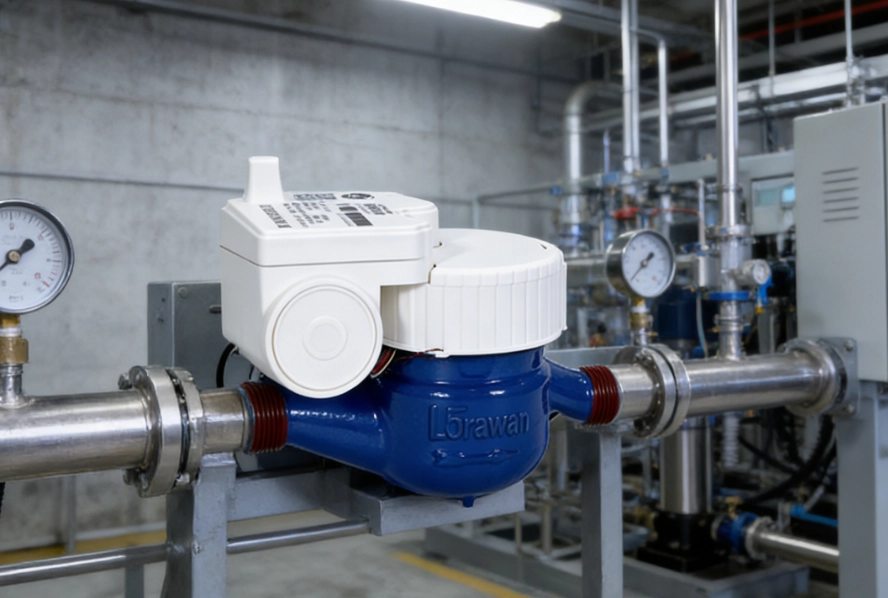
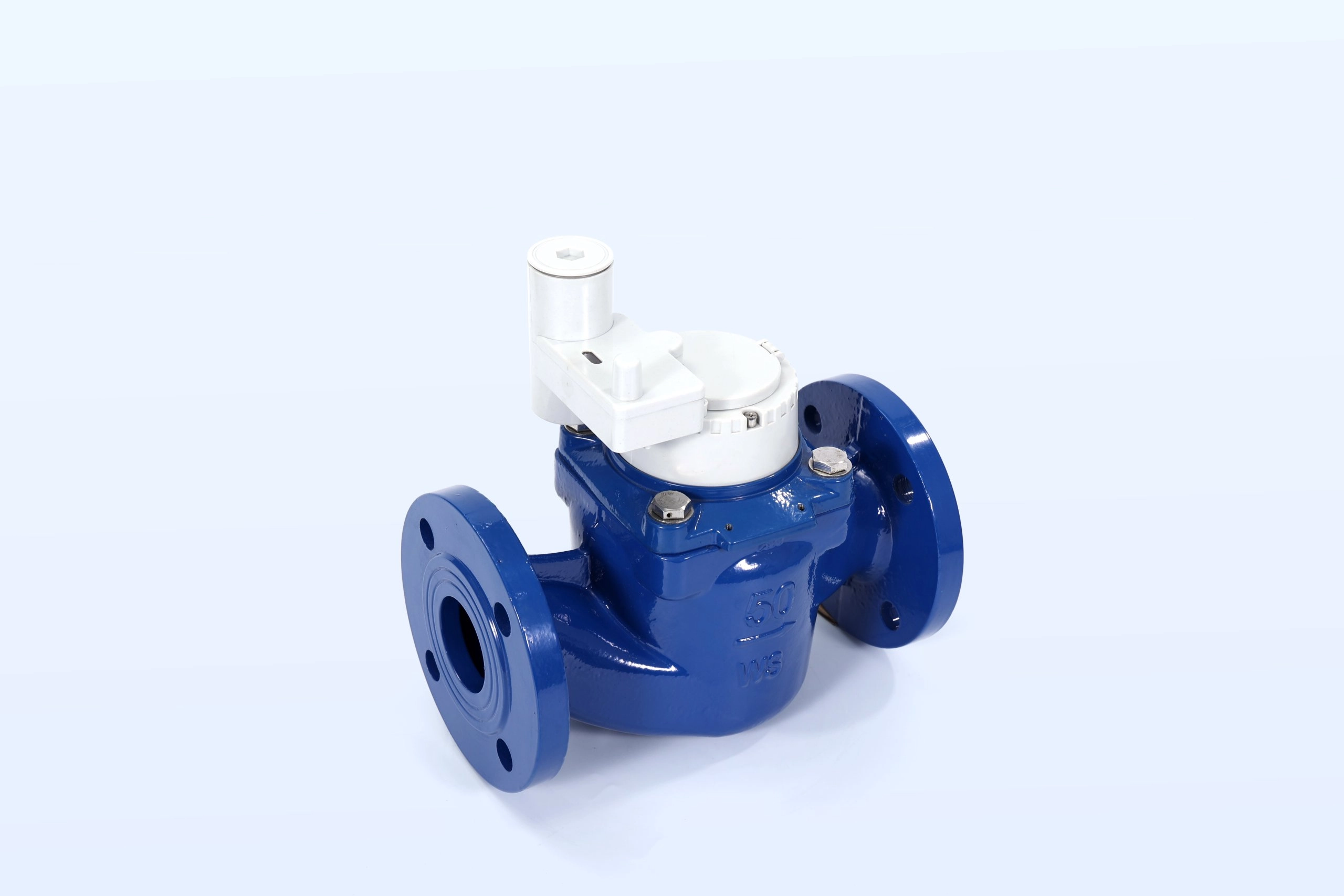
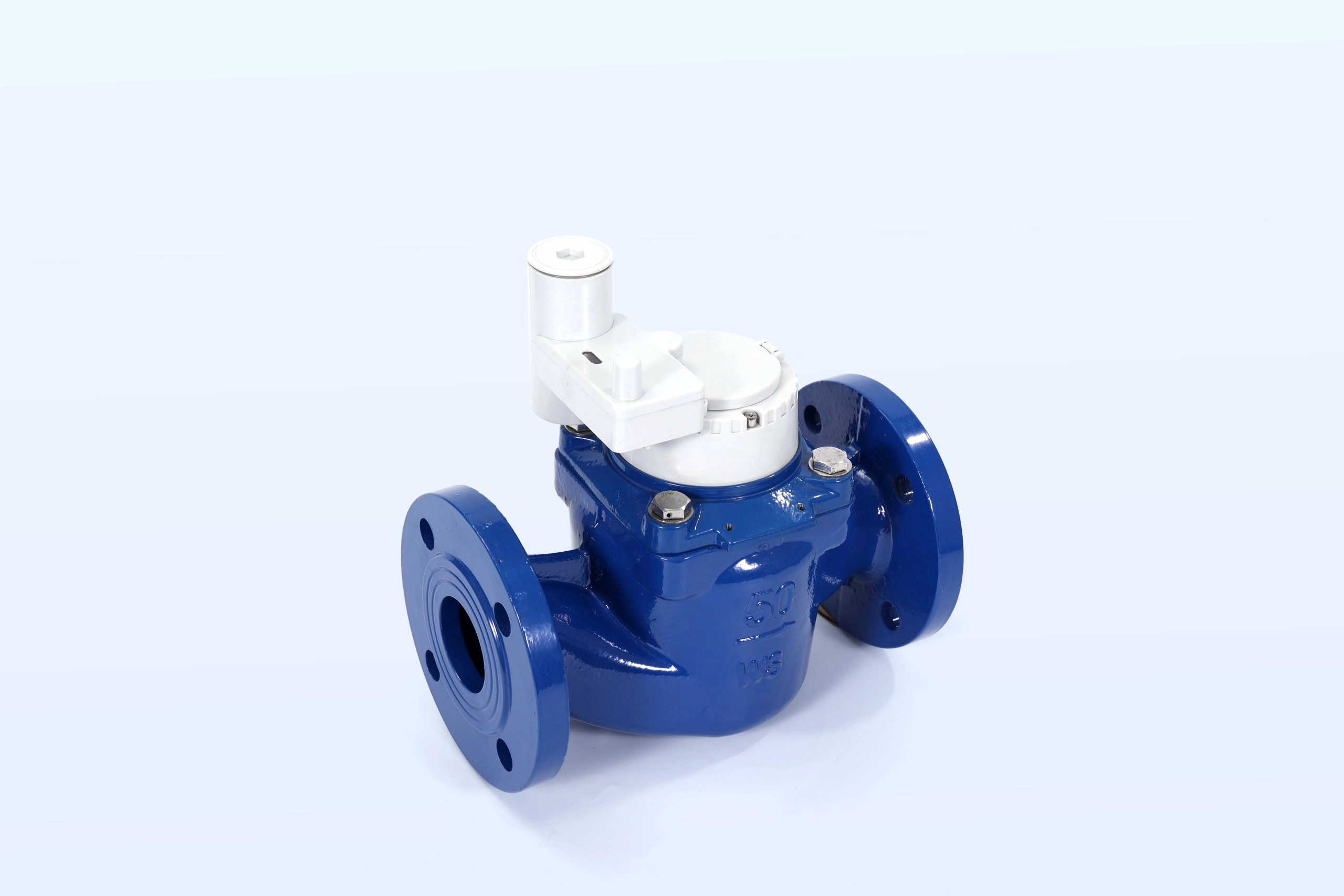
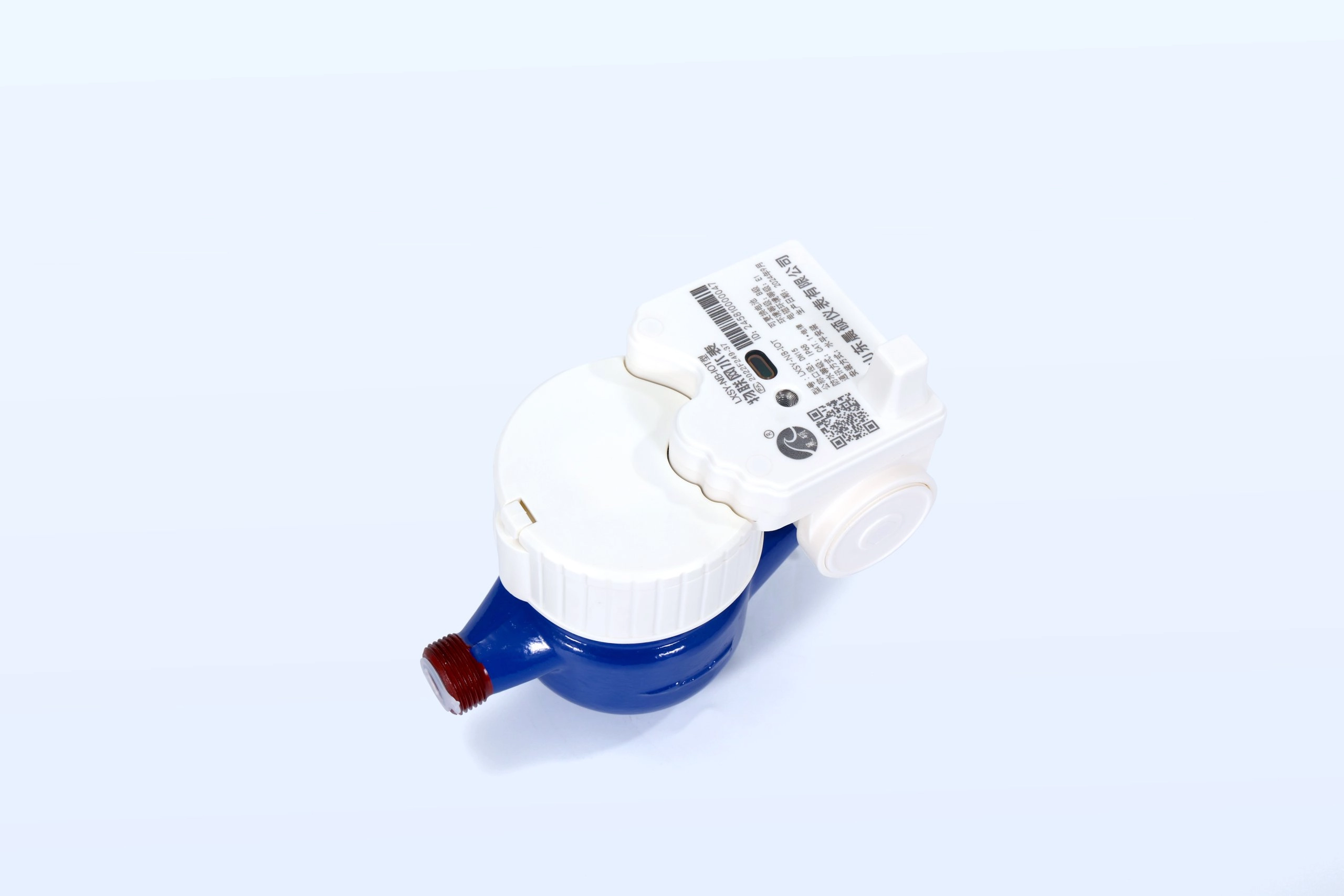
El Medidor de agua Lorawan DN15 accommodates small-diameter installations like residential complexes or extensive school campuses. This LoRaWAN wireless remote water meter functions as an intelligent instrument crafted for uncomplicated distant readings. It satisfies intelligent management demands for water utilities. Its IP68 waterproof rating endures challenging environments. Extended LoRaWAN connections sustain reliable performance over long distances. It excels in compact urban settings where space is constrained.
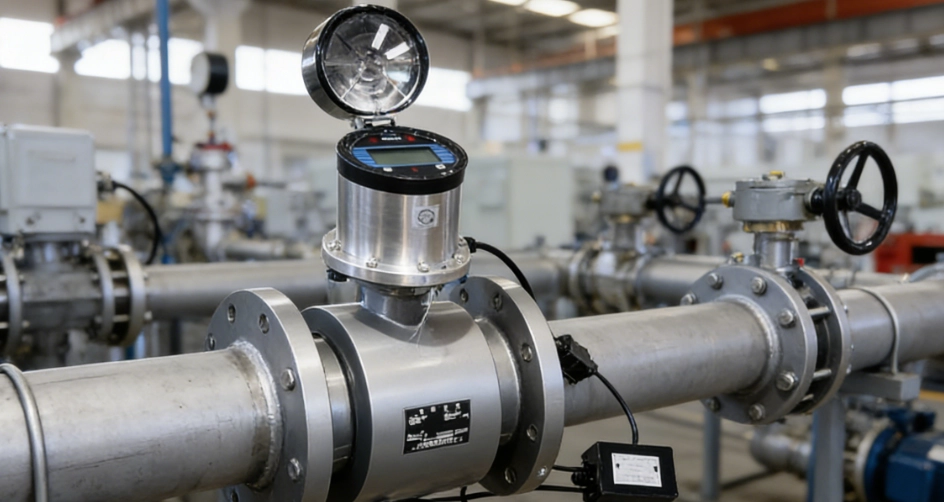
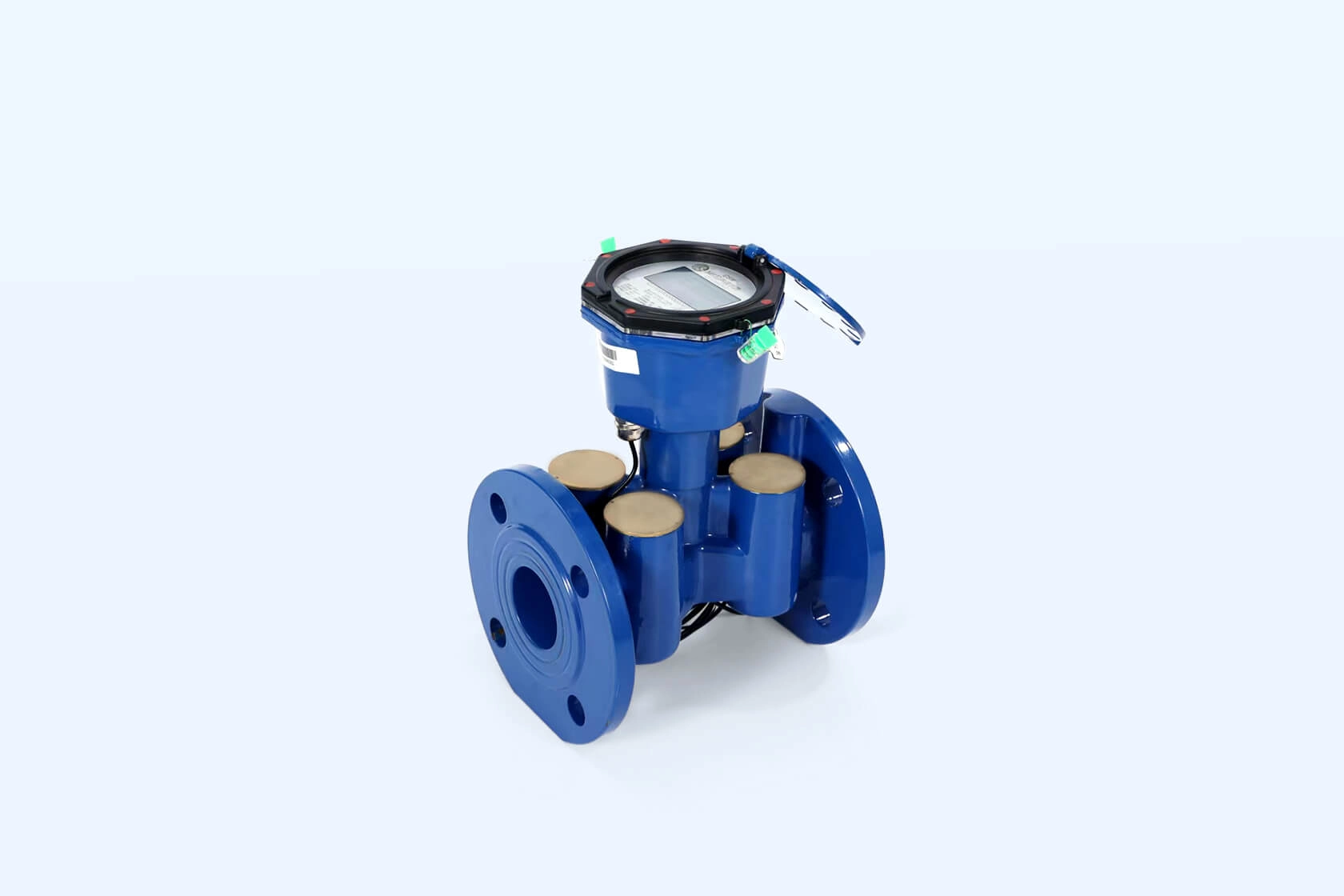
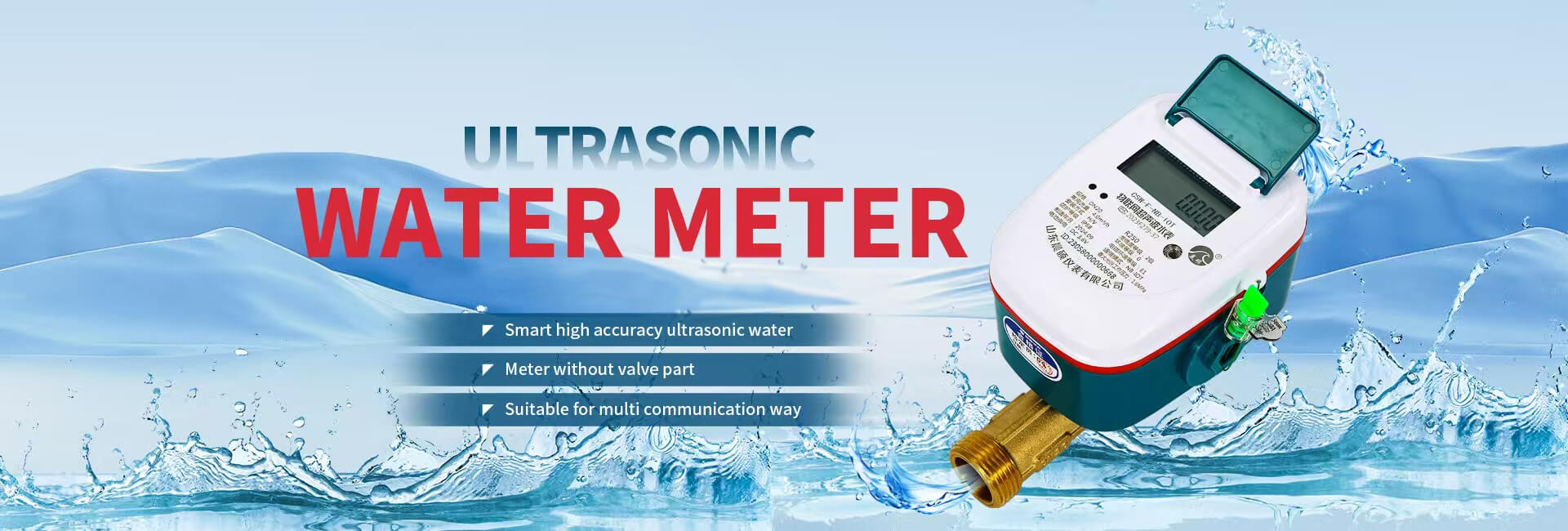
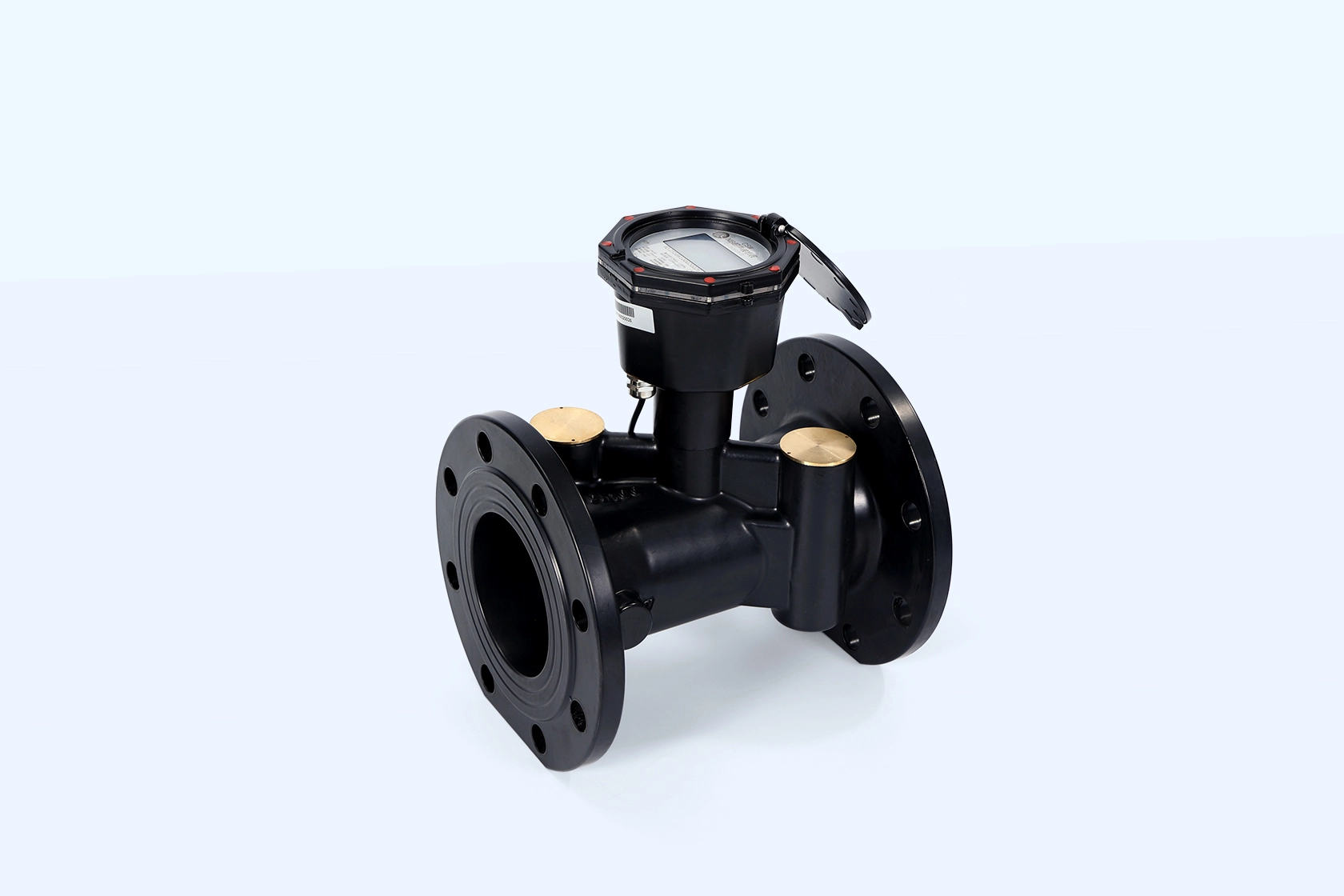
For industrial or municipal pipeline networks requiring precise readings across extensive flows, the Ultrasonic Water Meter DN100 delivers exceptional precision with ultrasonic time-of-flight technology. It calculates flow by timing sound wave variations in the fluid. The lack of moving parts minimizes maintenance. It offers a wide range, minimal pressure loss, accurate measurements, and extended service life. Its robust construction adapts to rigorous sites like regional inspections or industrial circuits. In a particular industrial instance, it identified flow discrepancies that traditional meters overlooked, thereby conserving energy.
As a technology-driven enterprise in smart instrument design and production, Chenshuo Instrument aligns with client and market requirements. The firm’s dedication to innovation ensures that each product, from modest residential variants to substantial industrial equipment, provides dependable operation. This is underpinned by consistent technical support. Throughout the years, they have refined designs in response to genuine feedback, establishing them as a preferred choice.
Selecting a proficient collaborator is critical when implementing extensive metering installations in environments like residential districts or industrial sites.
Chenshuo excels in complete water metering systems. These fuse IoT elements, cloud assistance, user-friendly mobile applications, and robust data analytics seamlessly. Extensive manufacturing experience coupled with targeted research efforts generate consistent innovations. These conform to evolving global standards. Their systems oversee all aspects from deployment to ongoing verifications without disruption.
Each project introduces unique climatic and topographic conditions, from dense urban cores to distant agricultural expanses. This necessitates adaptable design modifications. The company’s dialogue-oriented method configures systems precisely to meet client objectives. It upholds integrity and regulatory compliance. For isolated farms, they customize for dust and remoteness, guaranteeing uninterrupted service.
Environmental consideration permeates all production phases. They utilize benign materials like brass alloys or corrosion-resistant plastics. These adhere to CE and ISO 4064 standards. Long-term support initiatives encompass staff training and periodic software enhancements. These sustain installed equipment’s optimal performance over extended periods. It transcends mere products to cultivate enduring partnerships that foster reliability.
Q1: What makes smart water meters more reliable than traditional ones?
A: They rely on electronic sensors, not mechanical components that degrade. Real-time communication features eradicate human errors in readings.
Q2: Can smart meters detect hidden leaks automatically?
A: Yes. When irregular flow rates appear beyond standard patterns, internal alert mechanisms notify users promptly. Thus, repairs commence before substantial losses ensue.
Q3: Are these devices suitable for both homes and industries?
A: Absolutely. Compact variants like Lorawan DN15 suit households effectively. Larger ultrasonic types manage complex industrial networks demanding precise readings.
Q4: How long do modern ultrasonic models typically last?
A: With no internal moving parts, ultrasonic configurations commonly surpass 15 years under typical operating conditions.
Q5: Where can you learn more about installation options?
A: Detailed specifications and authentic cases reside on Chenshuo’s website. Contact details for technical consultations are available there too.
 Dirección: Parque Industrial Xiao'anzi, ciudad de Baishabu, distrito de Lanshan, ciudad de Linyi, provincia de Shandong
 Llámenos ahora:+86 15562945993
 Correo electrónico: ivy@sdchenshuo.cn


Shandong Chenshuo Instrument Co., Ltd.