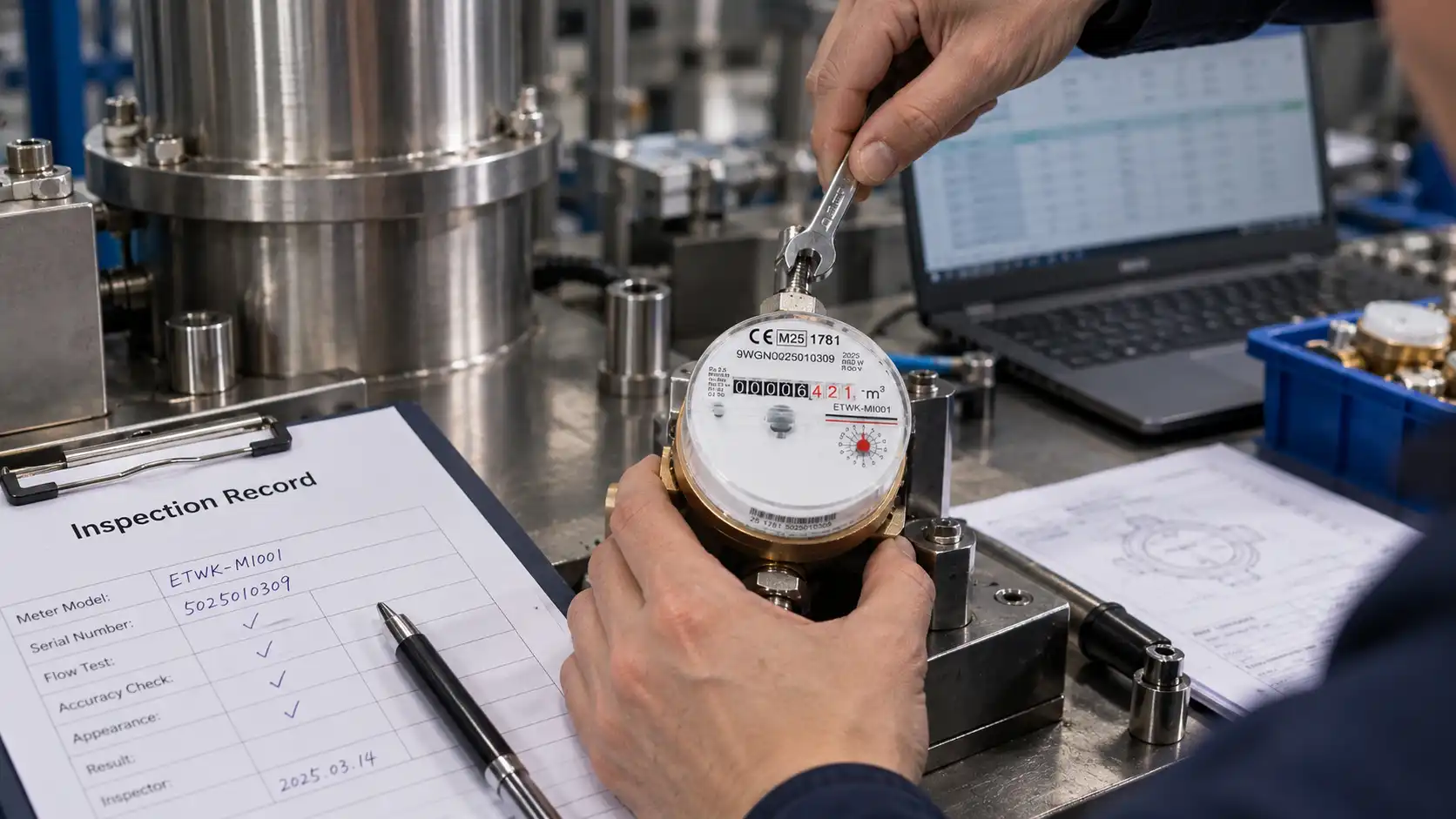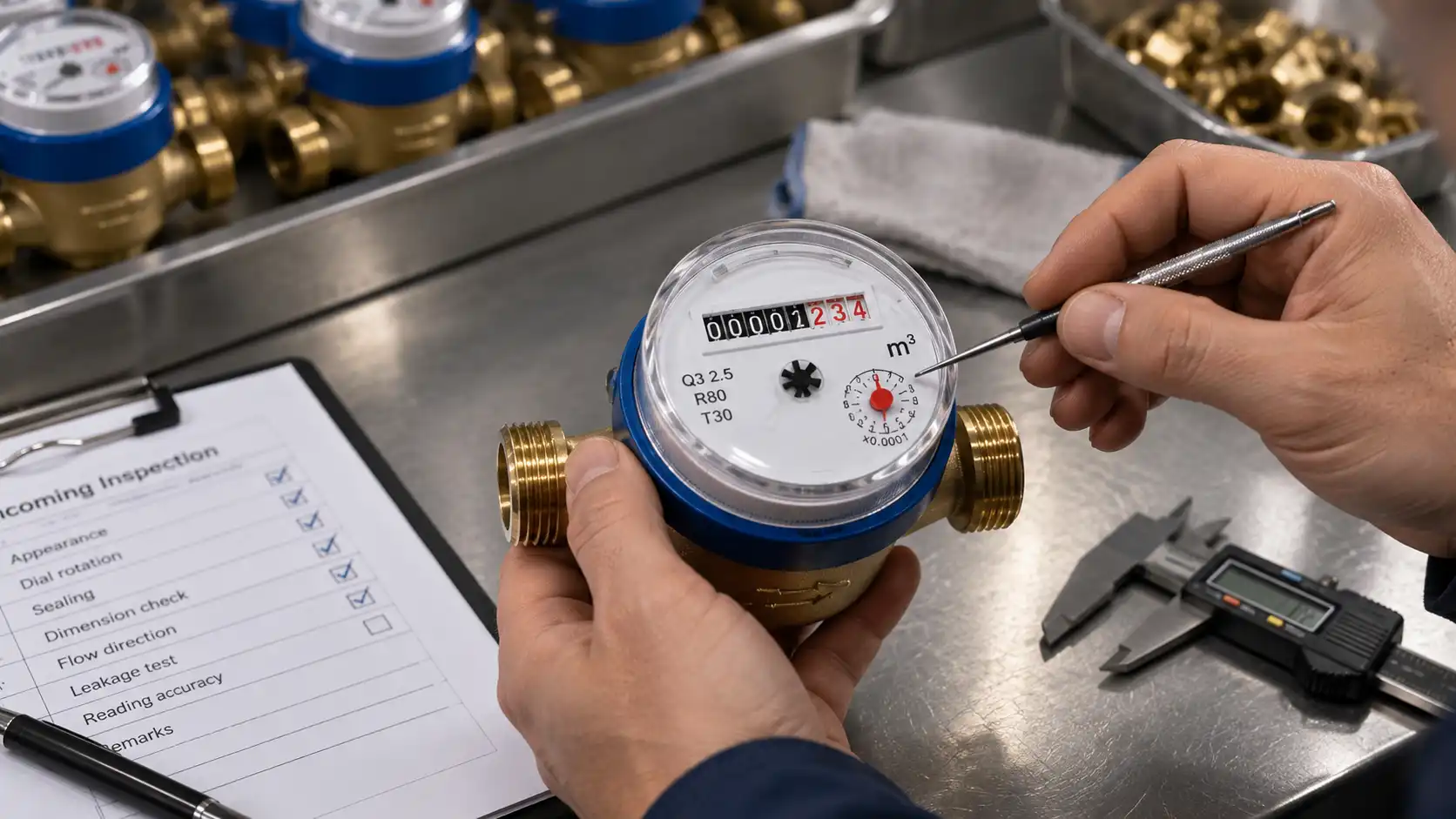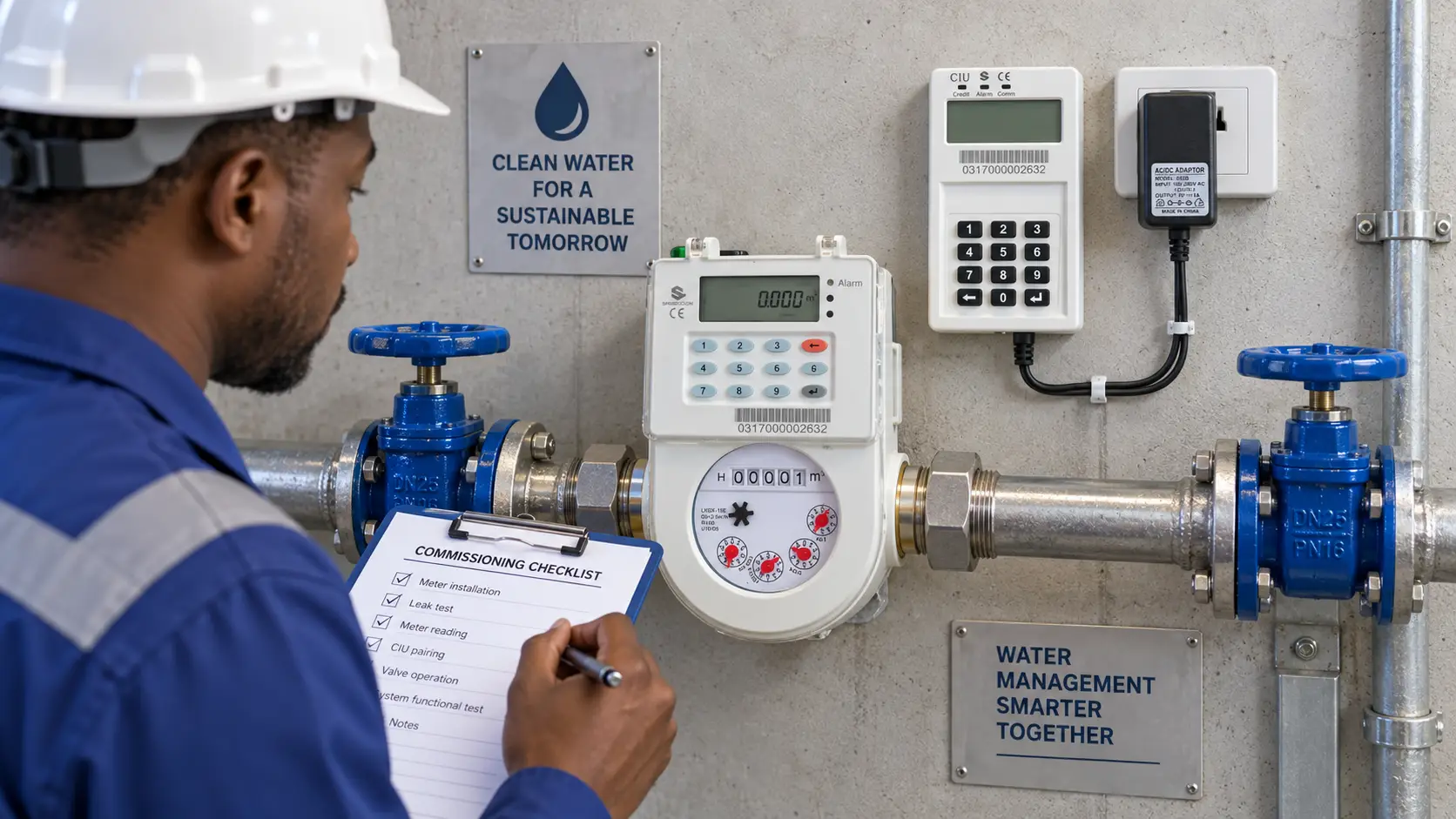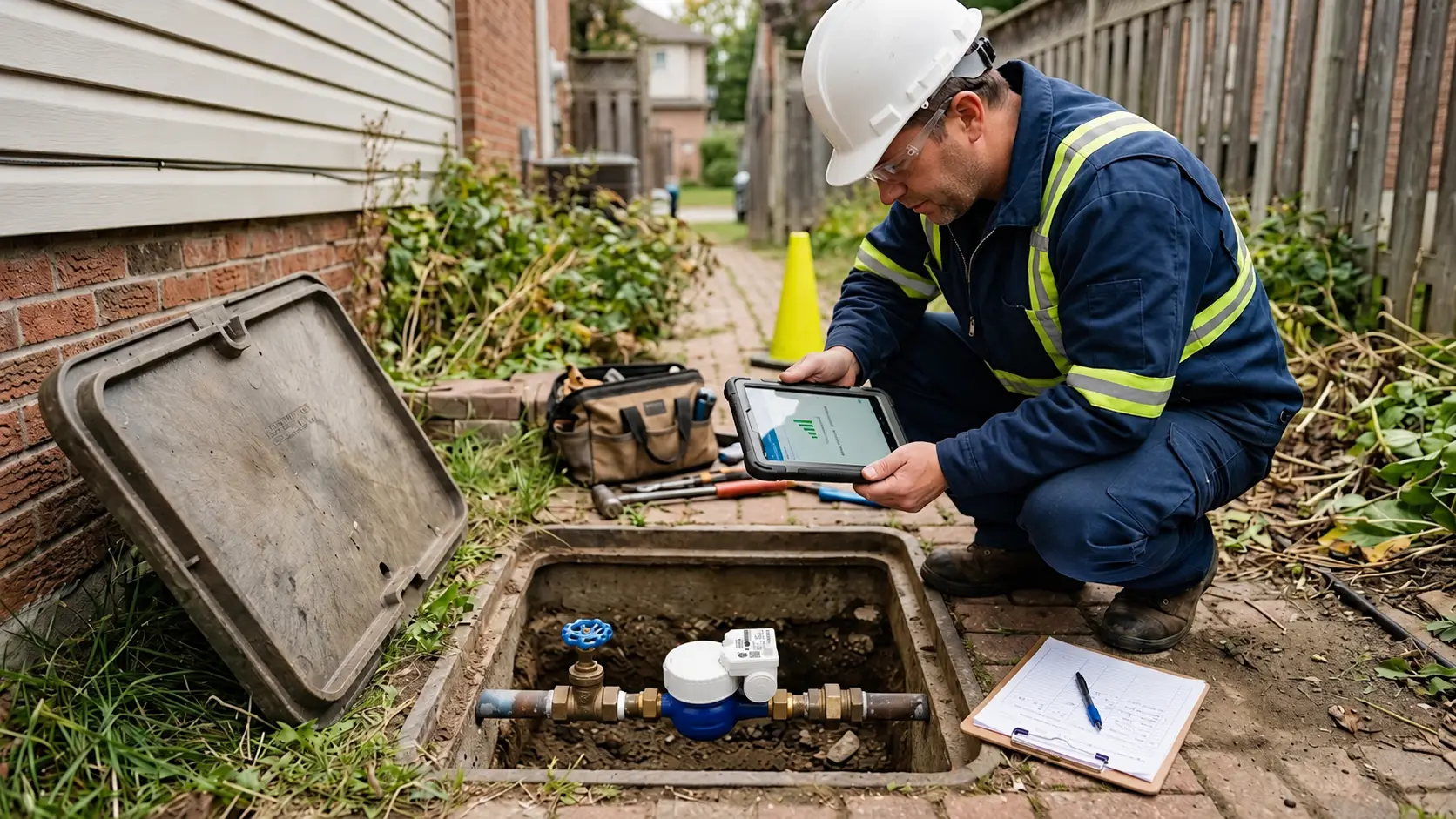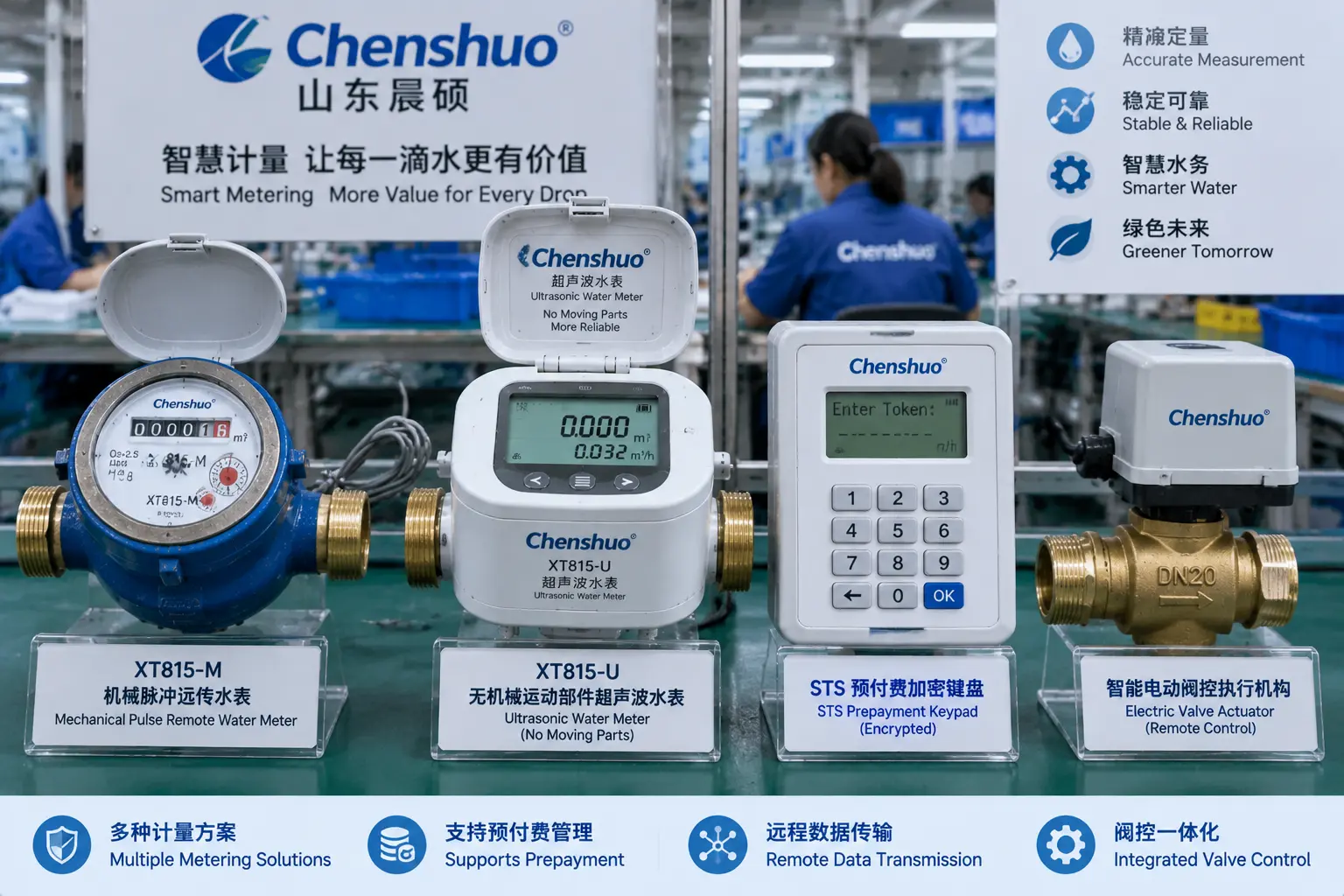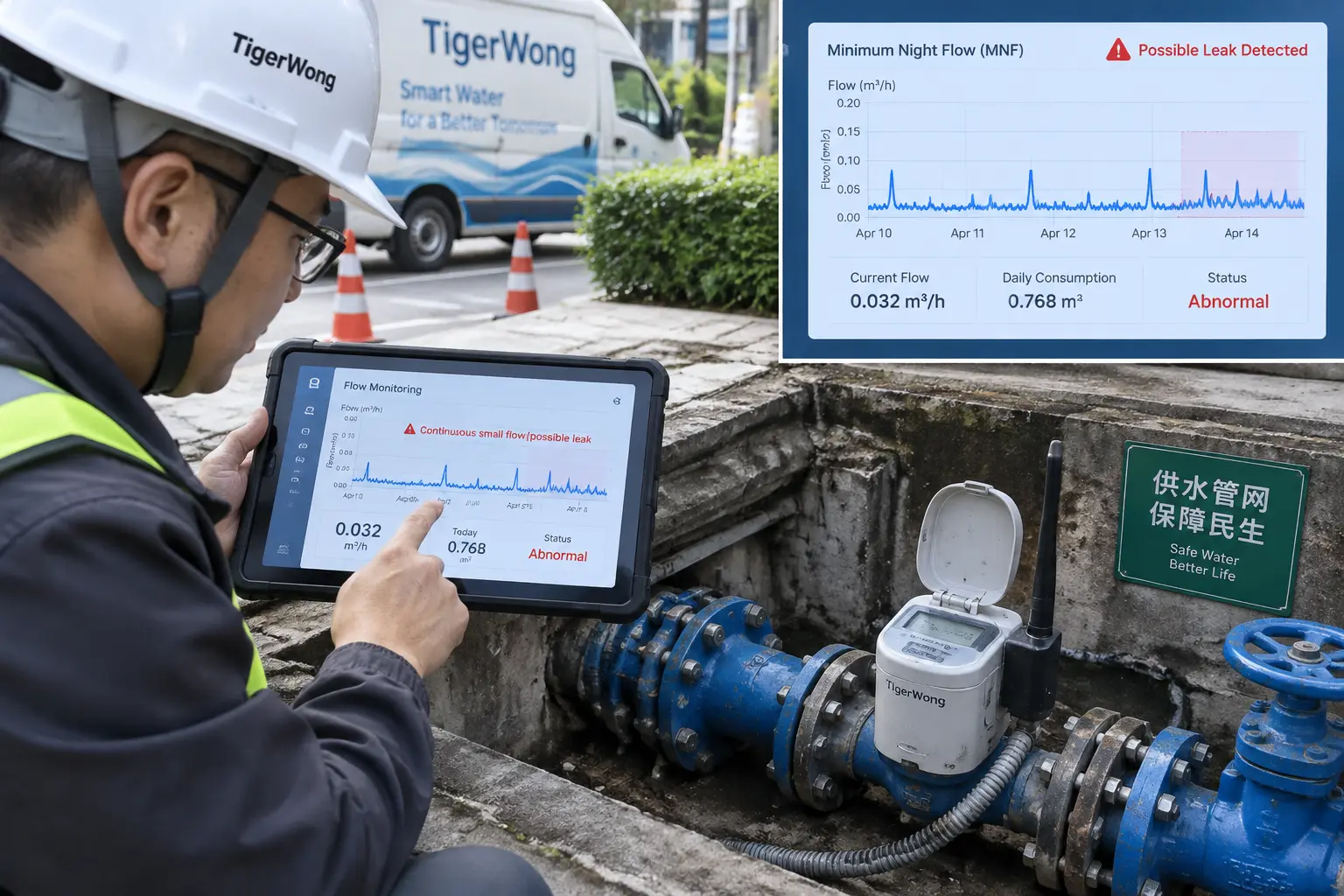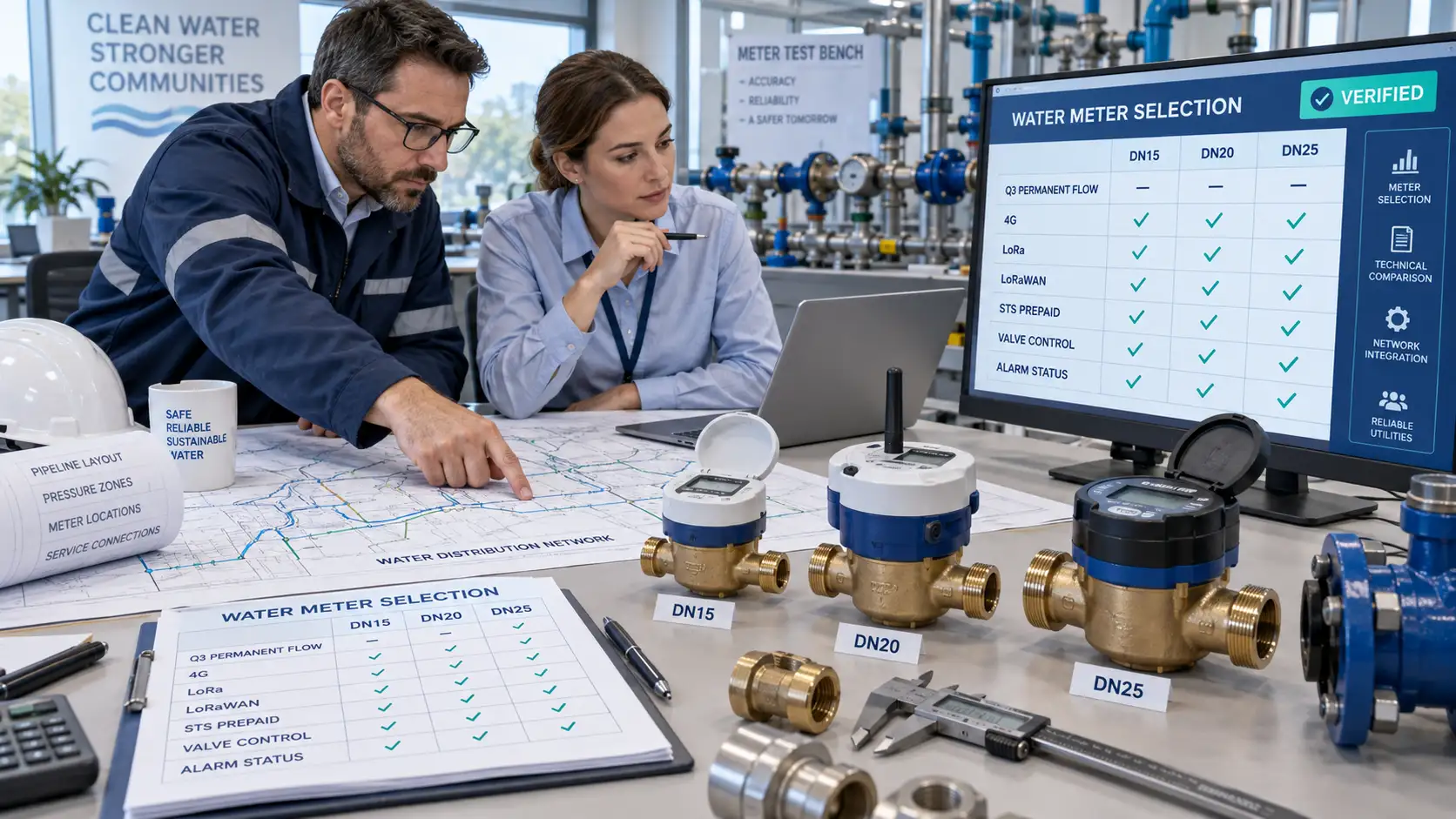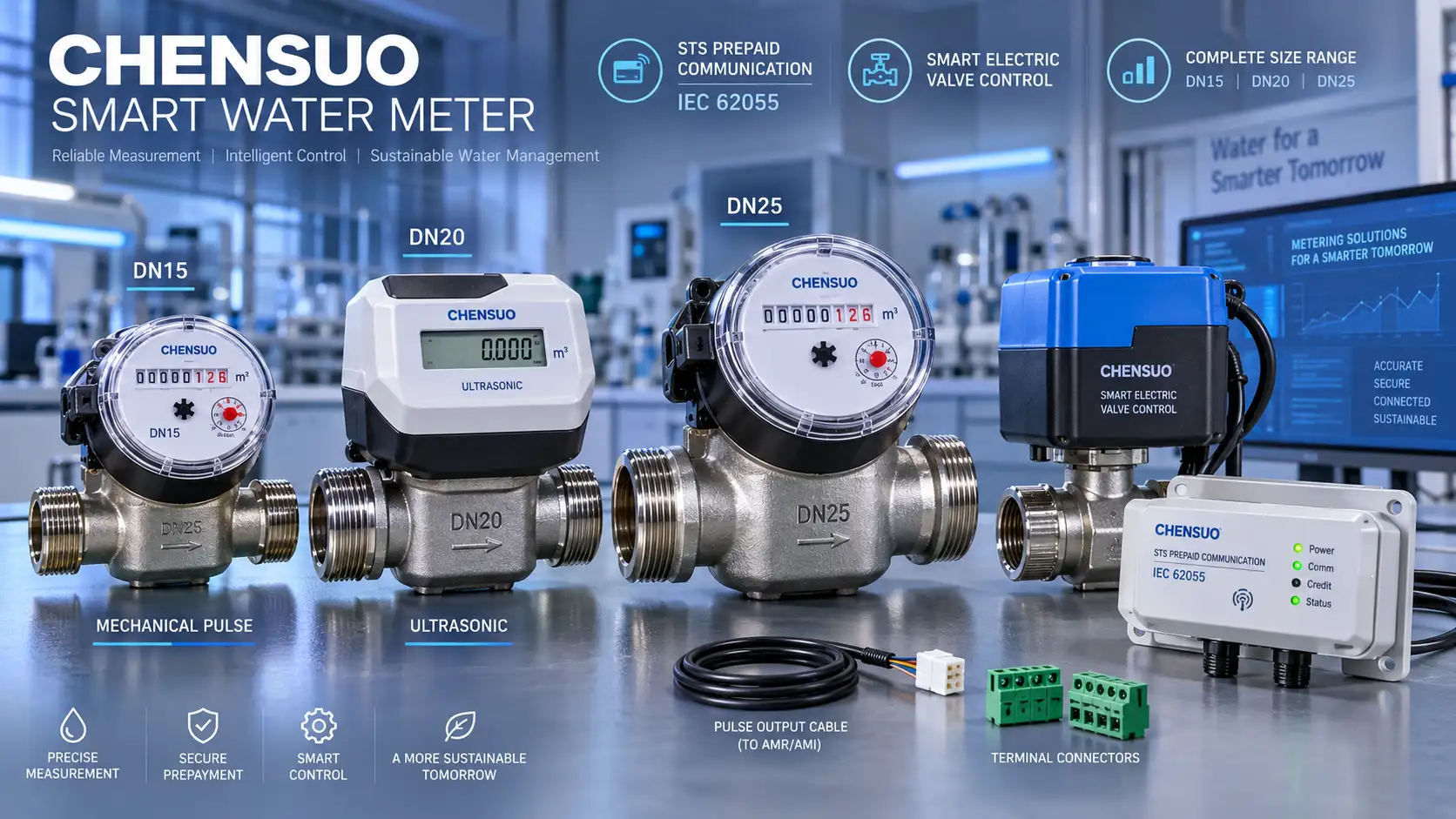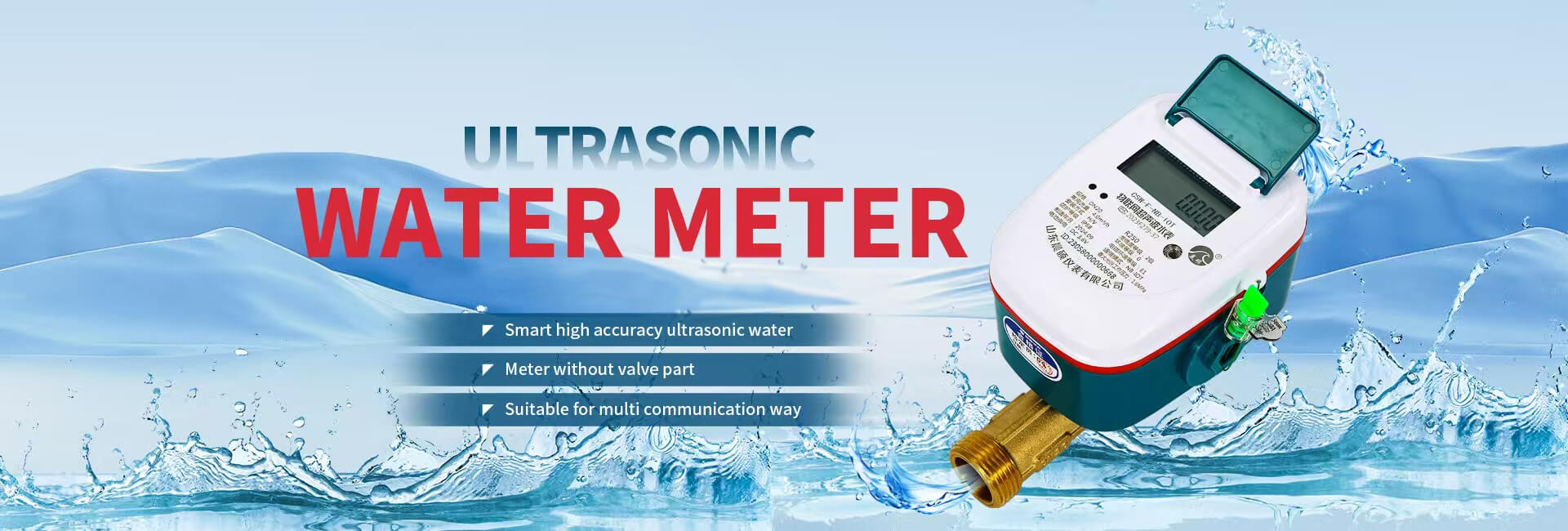


A medida que la gestión global del agua entra en una nueva era de digitalización, la demanda de comunicación fiable y de largo alcance ha hecho de LoRaWAN un estándar dominante. Sin embargo, el verdadero valor de un sistema de agua inteligente radica en su capacidad de operar de forma autónoma durante más de una década sin intervención humana. Para lograrlo, necesita un socio que combine una profunda experiencia en fabricación con una innovación de vanguardia en IoT. Chenshuo, un líder de alta tecnología con sede en “ Ciudad natal de los medidores de agua, ” entrega exactamente eso. Con una capacidad anual de un millón de conjuntos y certificaciones rigurosas, ofrecen soluciones integradas de medición inteligente que puentan la brecha entre la precisión mecánica tradicional y la red de datos avanzada. Su compromiso con la excelencia garantiza que cada gota de agua se mide con precisión manteniendo los más altos estándares de eficiencia energética.
Pasar de comprobaciones manuales a configuraciones automáticas plantea problemas con el manejo de fuentes de energía. Cuando coloca miles de unidades en un área urbana, los gastos continuos para mantener esos dispositivos en funcionamiento pronto pueden superar los costos iniciales si las piezas carecen de eficiencia. La fiabilidad en entornos difíciles y los puntos exactos para la colocación del medidor plantean barreras especiales para los circuitos accionados por batería.
Cambiar una batería en un medidor de hogar parece sencillo al principio, pero cuando se aplica en toda la ciudad, requiere enormes esfuerzos en mano de obra y planificación. Si la fuente de energía se desactiva demasiado pronto, el gasto de enviar a un trabajador a una ubicación lejana o a un sótano profundo con frecuencia excede el medidor; su propio costo. Por esta razón, un marco fiable es vital para que la batería interna coincida con el medidor’ período de trabajo completo.
Los medidores de agua a menudo se sientan en cámaras enterradas o detrás de barreras sólidas de hormigón. En tales áreas de señal débil, una unidad de radio básica podría luchar para conectarse, tratando una y otra vez de empujar los datos a toda la fuerza. Este envío repetido de alta potencia vacía rápidamente la batería, cambiando una operación de diez años prevista en solo un par de meses. En consecuencia, las empresas de servicios públicos se enfrentan a cargas de mantenimiento inesperadas que podrían evitarse con una mejor tecnología.
Existe una clara tensión entre el deseo de datos instantáneos y los límites de energía almacenada. Las actualizaciones frecuentes mejoran la detección de fugas y la correctez de la facturación, pero ocupan más tiempo de transmisión en el aire. Para manejar este equilibrio, se necesita un enfoque avanzado para controlar cuándo y cómo la unidad habla con el receptor central.
La velocidad de datos adaptativa sirve como la herramienta principal en la configuración de LoRaWAN para mejorar tanto la duración de la energía como la carga general de la red. Permite al servidor central ajustar la configuración de envío para cada medidor desde lejos, dependiendo de su entorno de radio único. Esta característica inteligente impide que un medidor cercano utilice energía adicional en señales fuertes, mientras mantiene a uno lejano accesible sin esfuerzo.
El proceso ADR examina la intensidad de la señal frente al ruido de los últimos mensajes. Cuando un medidor muestra una conexión clara y sólida, el servidor lo dirige para reducir su factor de propagación. Tal disminución en SF acelera el flujo de datos y reduce la duración de envío, lo que a su vez reduce el uso de la batería. Por otra parte, si la conexión se debilita, el SF aumenta para mantener el enlace estable con el tiempo.
El tiempo de aire es el factor más grande en el consumo de energía para las unidades LoRaWAN. A través de ADR, la red acorta el período en que la parte de radio permanece encendida. A medida que el tiempo de transmisión se reduce, el tiempo activo para cada mensaje cae bruscamente, por lo que el dispositivo puede volver al modo de descanso de baja potencia de inmediato, lo que ayuda a proteger la batería de litio. Este método resulta especialmente útil en configuraciones con muchos dispositivos que comparten los mismos canales.
El método ADR contiene un conjunto “ margen de enlace” para cubrir los cambios en el entorno, como los coches que pasan o los patrones climáticos cambiantes. Este ajuste incorporado omite la necesidad de configuración práctica en el momento de colocación. En efecto, terminas con una red que se arregla a sí misma, donde cada punto siempre escoge la mejor manera de enviar sus lecturas hacia adelante.
La adición de piezas listas para ADR convierte un esfuerzo de medición básico en una estructura de base duradera. Aborda las principales preocupaciones de los proveedores de servicios al reducir los costos totales de propiedad y aumentar la cantidad de unidades que caben en la red sin señales de choque.
Asegúrese de que la radio solo extrae la menor potencia necesaria para enviar claramente, se hace posible un período de trabajo de ocho a diez años. Esta longitud coincide con los ciclos de comprobación habituales para medidores finos, por lo que las visitas en el sitio ocurren solo una vez cada diez años aproximadamente. Esta extensión facilita la planificación a largo plazo para los manipuladores de agua.
Con cada medidor funcionando a la velocidad de datos más rápida a través de ADR, los choques en los rangos de 470-510 MHz o 868-915 MHz disminuyen en general. Esta configuración le permite agregar mucho más metros por punto receptor. El manejo adecuado del espectro es crucial para los planes de agua de las grandes ciudades, donde innumerables nodos comparten espacio sin sobrecarga.
Los medidores de agua inteligentes enfrentan humedad de hasta el 90% y calor de -20°C a 100°C. ADR ofrece el rango para superar estos obstáculos. Por ejemplo, si una unidad en un pozo húmedo pierde la fuerza de la señal a causa de la humedad, el sistema cambia automáticamente para obtener la información de facturación a la oficina principal intacta.
Para hacer pleno uso de la potencia ADR, la construcción debe incluir partes superiores y una estructura fuerte. El Medidor de agua Lorawan DN15 muestra esta coincidencia bien, construido para usos domésticos donde el espacio es apretado pero la exactitud importa más. Estas unidades combinan la radio sensible necesaria para que el ADR funcione bien a distancias de hasta 6 km.
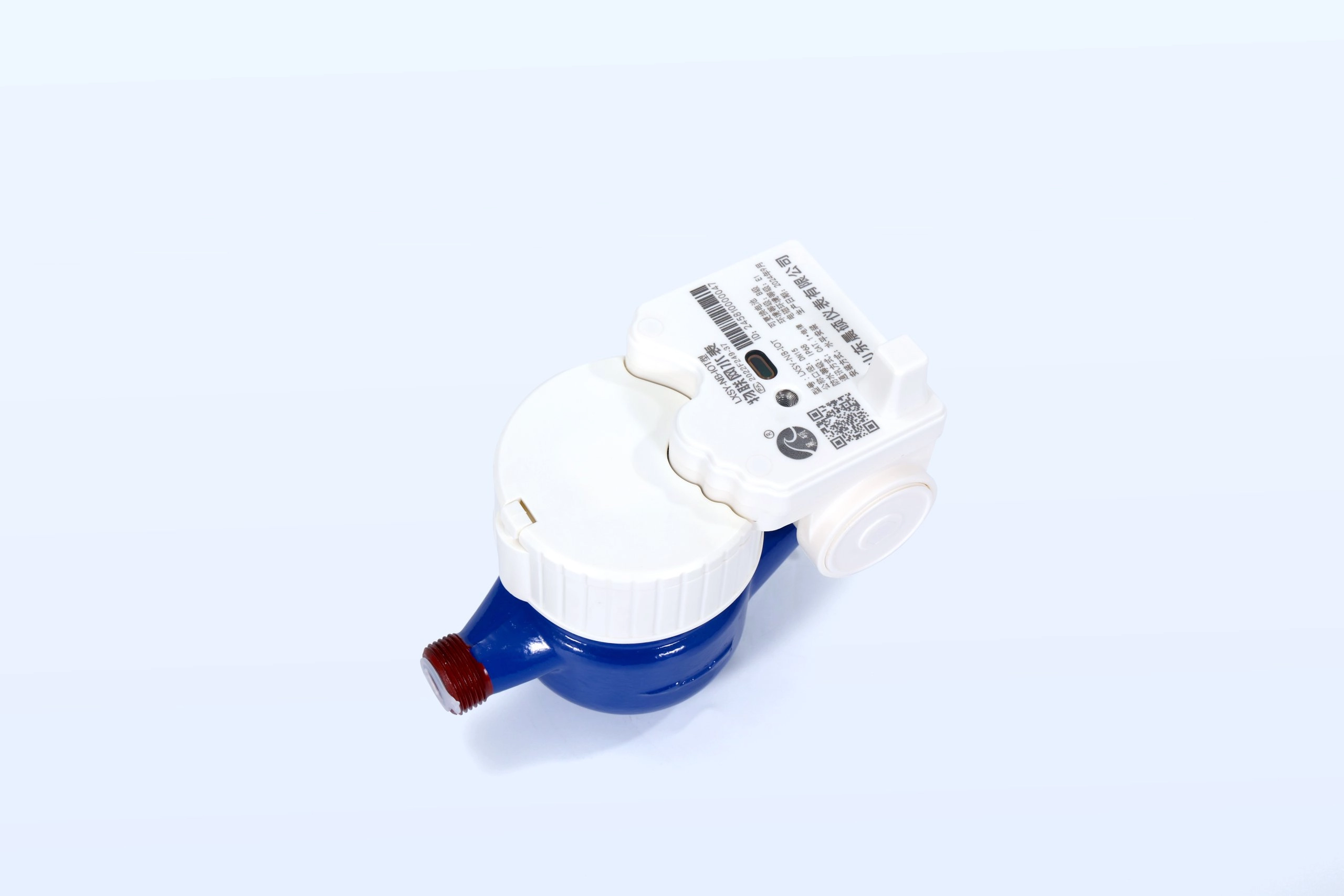
Las baterías especiales de litio ER26500 proporcionan una alimentación constante de 3,6 V con una pérdida mínima de auto. Esta base es clave ya que ningún plan ADR puede solucionar una batería pobre’ defectos s. El emparejamiento de células de gran capacidad con software inteligente mantiene la unidad funcionando a lo largo de sus años planificados sin fallar.
Los medidores inteligentes actuales aplican métodos de seguimiento de pulsos finos o ultrasónicos para eliminar errores de viejos controles mecánicos. Estas partes de circuito se despiertan brevemente para medir el flujo y conectarse con la sección LoRaWAN usando poca potencia adicional, lo que ayuda al impulso para ahorrar energía en todo el ámbito.
Dado que muchos medidores de agua inteligentes entran en pozos propensos a inundaciones, se requiere protección IP68. Evita que el agua llegue y dañe los circuitos delicados o la batería dentro. Una carcasa resistente asegura que las piezas sintonizadas con ADR sigan trabajando en los lugares exteriores más duros.
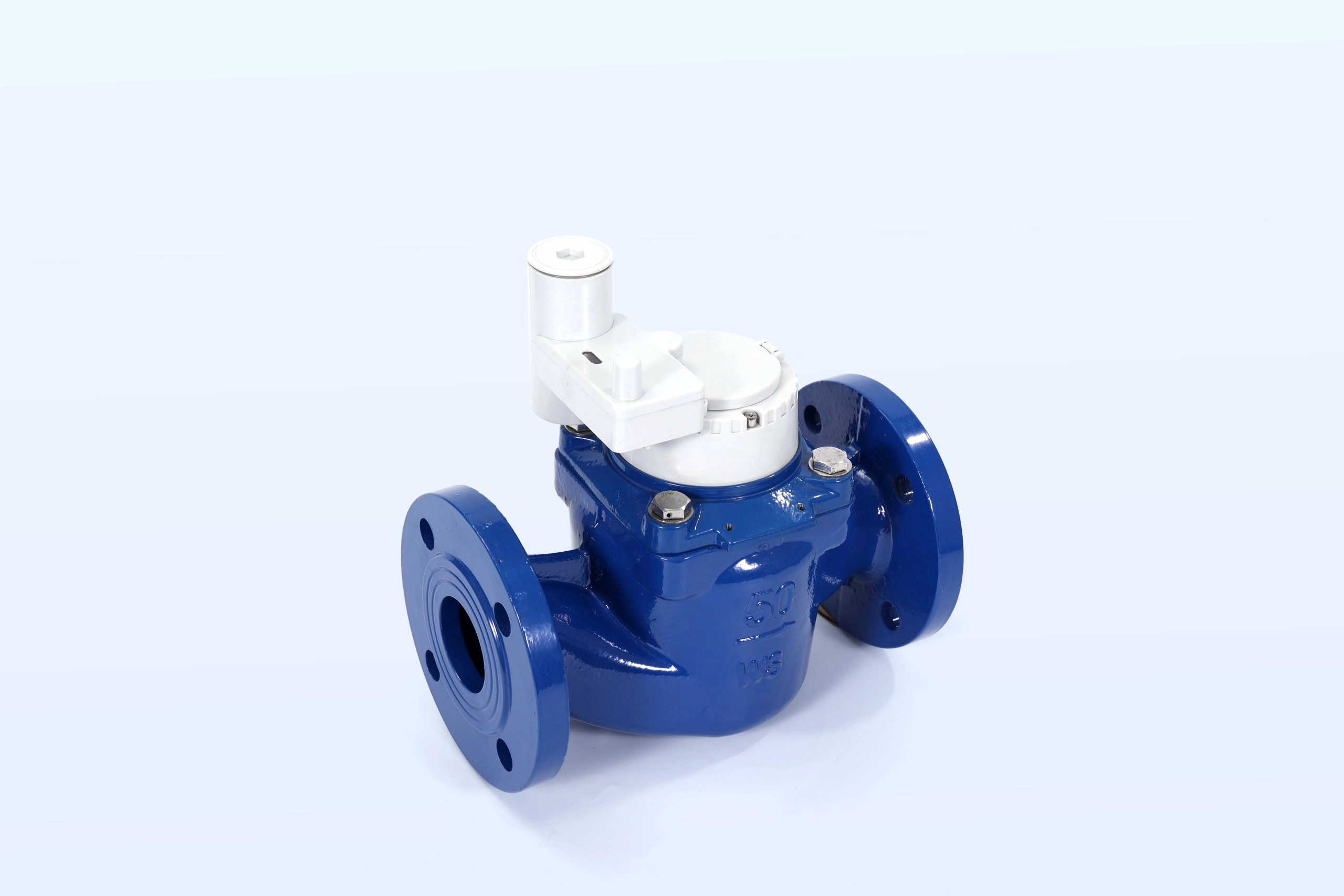
Elegir un proveedor va más allá de obtener un solo artículo; asegura su configuración de agua’ El camino adelante. Para la fábrica grande o el seguimiento principal de la tubería, el Medidor de agua Lorawan DN50 aporta la acción robusta adecuada para flujos pesados. Esta versión combina el envío de largo alcance con la fuerza de construcción necesaria para las comprobaciones de línea central.
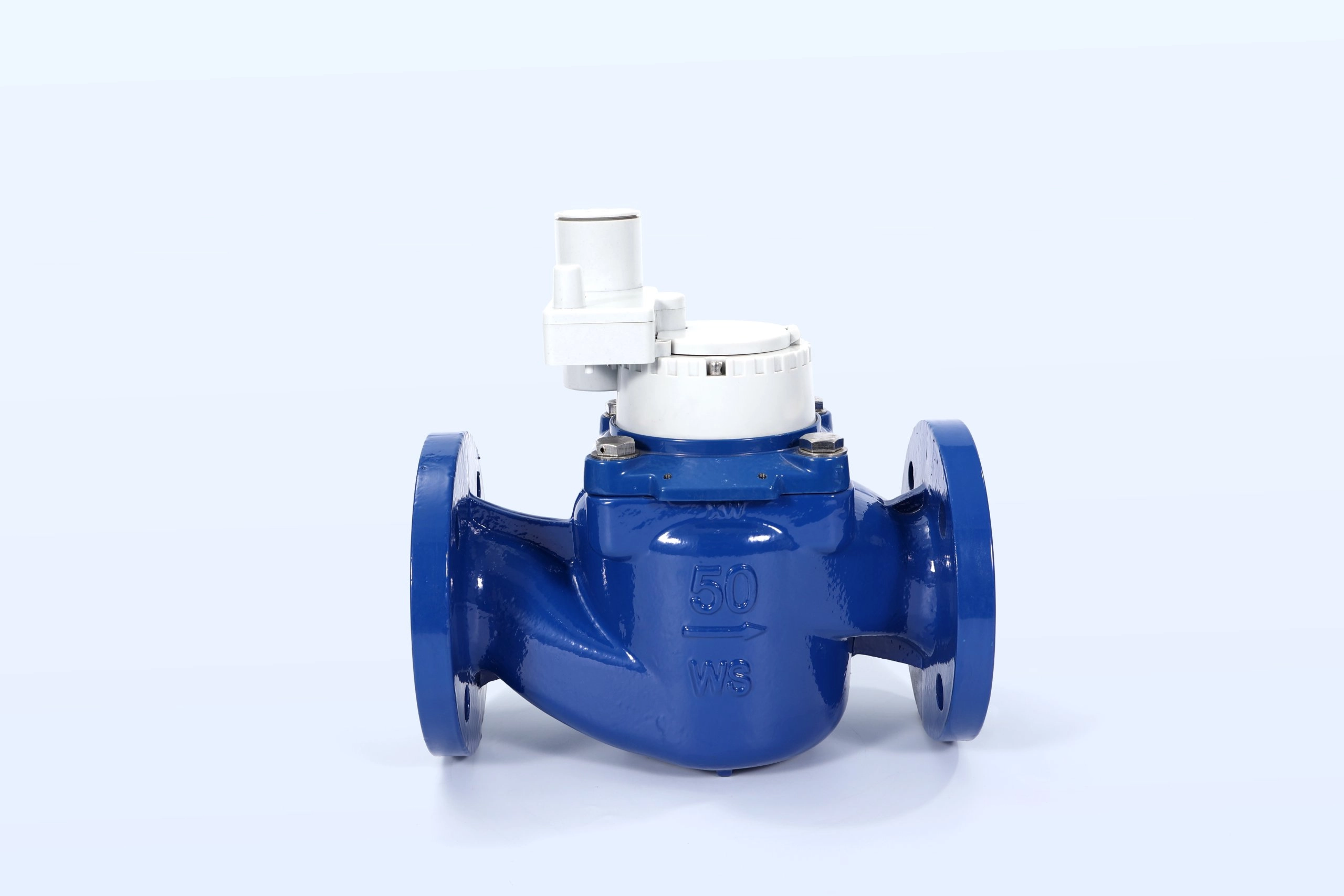
Estas versiones se han desplegado bien en diferentes estudios de casosdemostrando su habilidad en comprobaciones remotas automáticas y enlaces de datos. No importa si manejan un área doméstica modesta o un sitio de fábrica enorme, entregan la nitidez de lectura y envían estabilidad para hoy’ oficinas principales.
Para proyectos con necesidades de frecuencia fijadas o preguntas de software personalizado, la ayuda completa del OEM está disponible. Desde bandas personalizadas (470 MHz a 915 MHz) hasta controles de válvulas adicionales, la producción se ajusta a las diversas necesidades de los mercados mundiales bajo estrictas normas de calidad.
El manejo inteligente del agua marca una promesa duradera. El soporte va más allá de la primera compra, cubriendo consejos sobre el control de zona DMA (Área Medida por Distrito) y cambios digitales. Este know-how sintoniza sus enlaces LoRaWAN por ahora’ tareas de facturación y posteriores cazas de fugas.
Q1: ¿Cómo ahorra ADR específicamente la vida útil de la batería en un medidor de agua?
R: ADR corta la radio’ tiempo activo al moverse a velocidades de datos más rápidas cuando las señales se mantienen fuertes. Los breves períodos de envío significan que la batería pierde carga por mucho menos tiempo por informe.
Q2: ¿Pueden funcionar estos medidores LoRaWAN si están instalados en una caja metálica?
R: Aunque el metal debilita las señales, la fuerte captación -136dBm y ADR’ La potencia de los mensajes para aumentar el factor de propagación permite que los mensajes pasen las barreras que detienen el equipo inalámbrico habitual.
Q3: ¿Cuál es la distancia de comunicación típica para un medidor DN50 LoRaWAN?
R: En configuraciones estándar, estos medidores alcanzan de 1 a 6 km, en función del entorno y la altura del receptor.
Q4: ¿Es reemplazable la batería en un medidor de agua inteligente?
R: Los principales medidores inteligentes usan baterías de larga duración destinadas a coincidir con la unidad’ con una duración de 8 a 10 años para mantener el sello IP68, pero algunos tipos personalizados permiten intercambios de plantas.
Q5: ¿Estos medidores soportan el control de válvulas para servicios prepagados?
R: Sí, varios modelos agregan manejo opcional de válvulas, por lo que los servicios pueden controlar el flujo de agua desde lejos o configurar la facturación de pago por adelantado a través de la configuración LoRaWAN.
 Dirección: Parque Industrial Xiao'anzi, ciudad de Baishabu, distrito de Lanshan, ciudad de Linyi, provincia de Shandong
 Llámenos ahora:+86 15562945993
 Correo electrónico:info@sdchenshuo.cn


Shandong Chenshuo Instrument Co., Ltd.