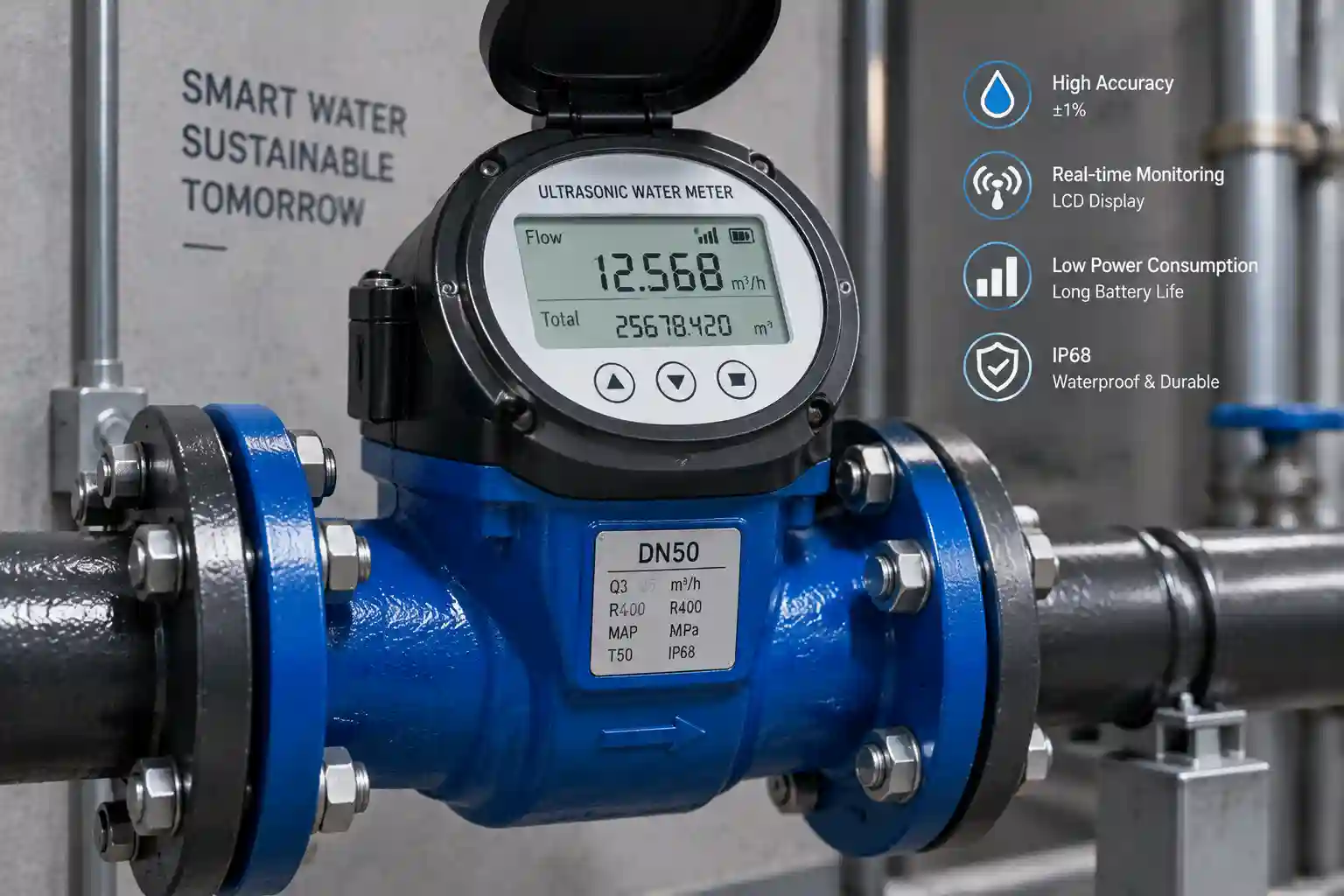


Ein Ultraschallwassermesser measures water flow by sending ultrasonic signals through a pipe and analysing their travel time. Compared with conventional mechanical meters, it uses electronic measurement and can be configured for digital display, remote reading, or smart water management.
The right model depends on more than the measurement principle. Pipe size, connection type, installation conditions, flow range, power supply, communication method, and platform requirements all need to match the project.
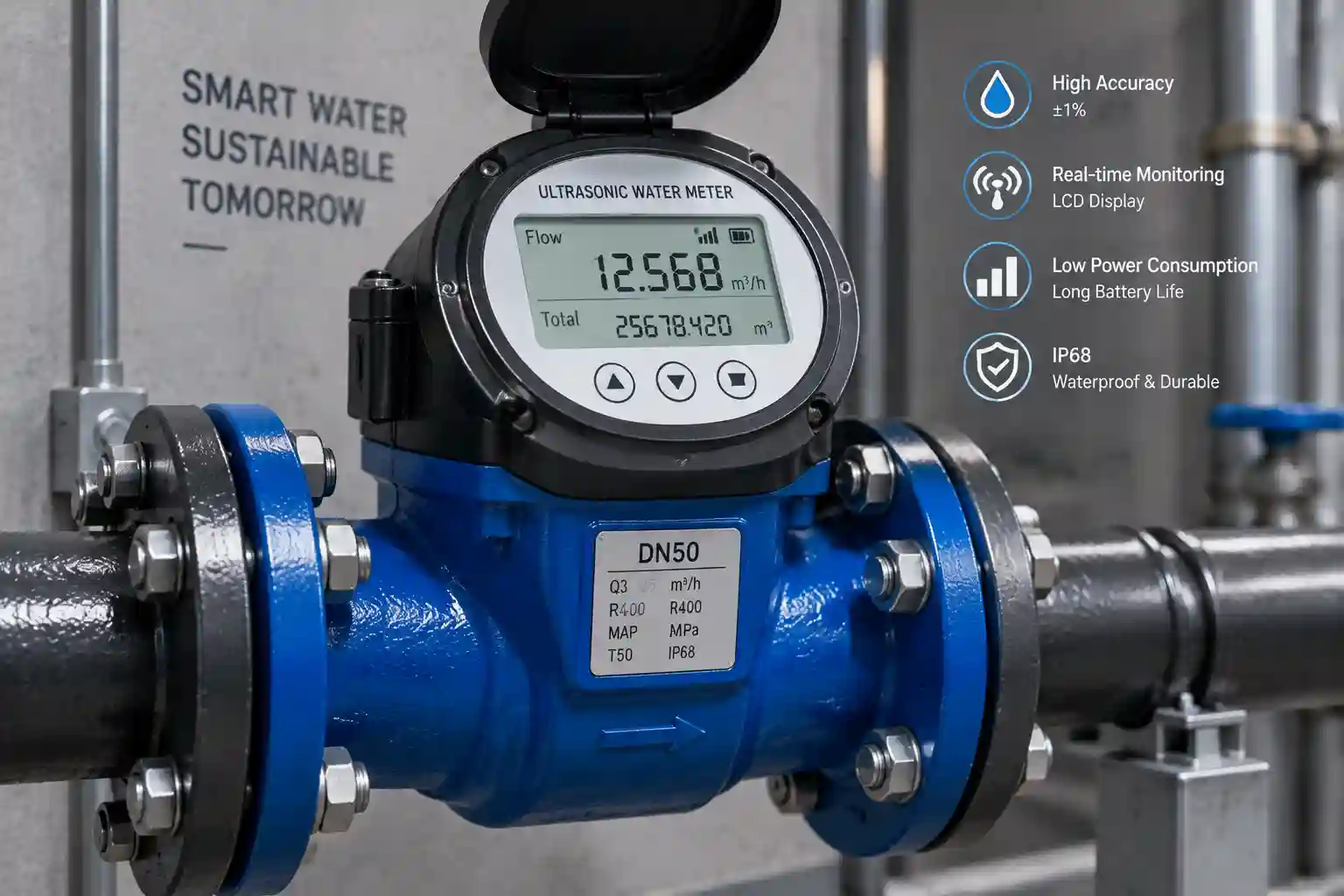
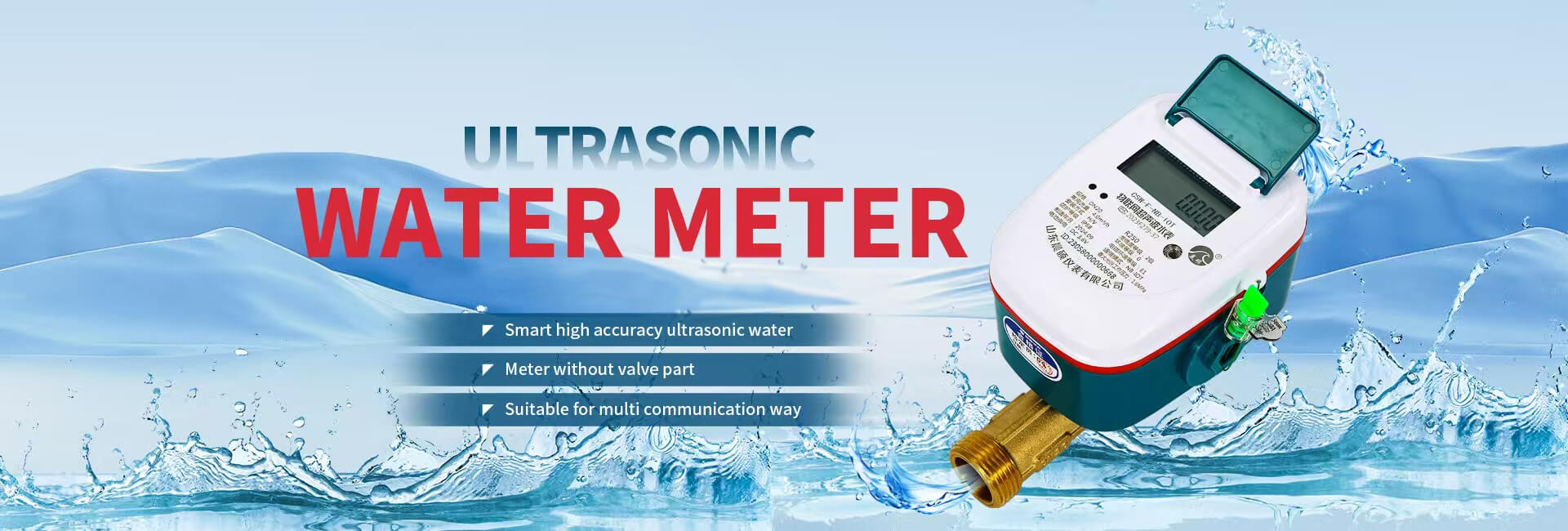
Ein ultrasonic water meter is a digital water meter that uses ultrasonic signals to measure the movement of water inside a pipe.
It is used in residential buildings, commercial properties, municipal water systems, industrial facilities, and other applications where water consumption needs to be recorded and managed.
The word “ultrasonic” refers to the measurement method. It does not mean that every ultrasonic meter has the same display, communication function, battery arrangement, or valve-control option. Those features depend on the selected model and configuration.
Many ultrasonic water meters use the transit-time principle. Sensors send ultrasonic signals through the water in different directions.
The signal travelling with the water flow and the signal travelling against it have different travel times. The meter analyses this difference and uses it to calculate the flow rate.
The calculation is electronic. It does not depend on a traditional mechanical impeller turning inside the pipe.
The meter can calculate the current flow rate and record the accumulated water volume.
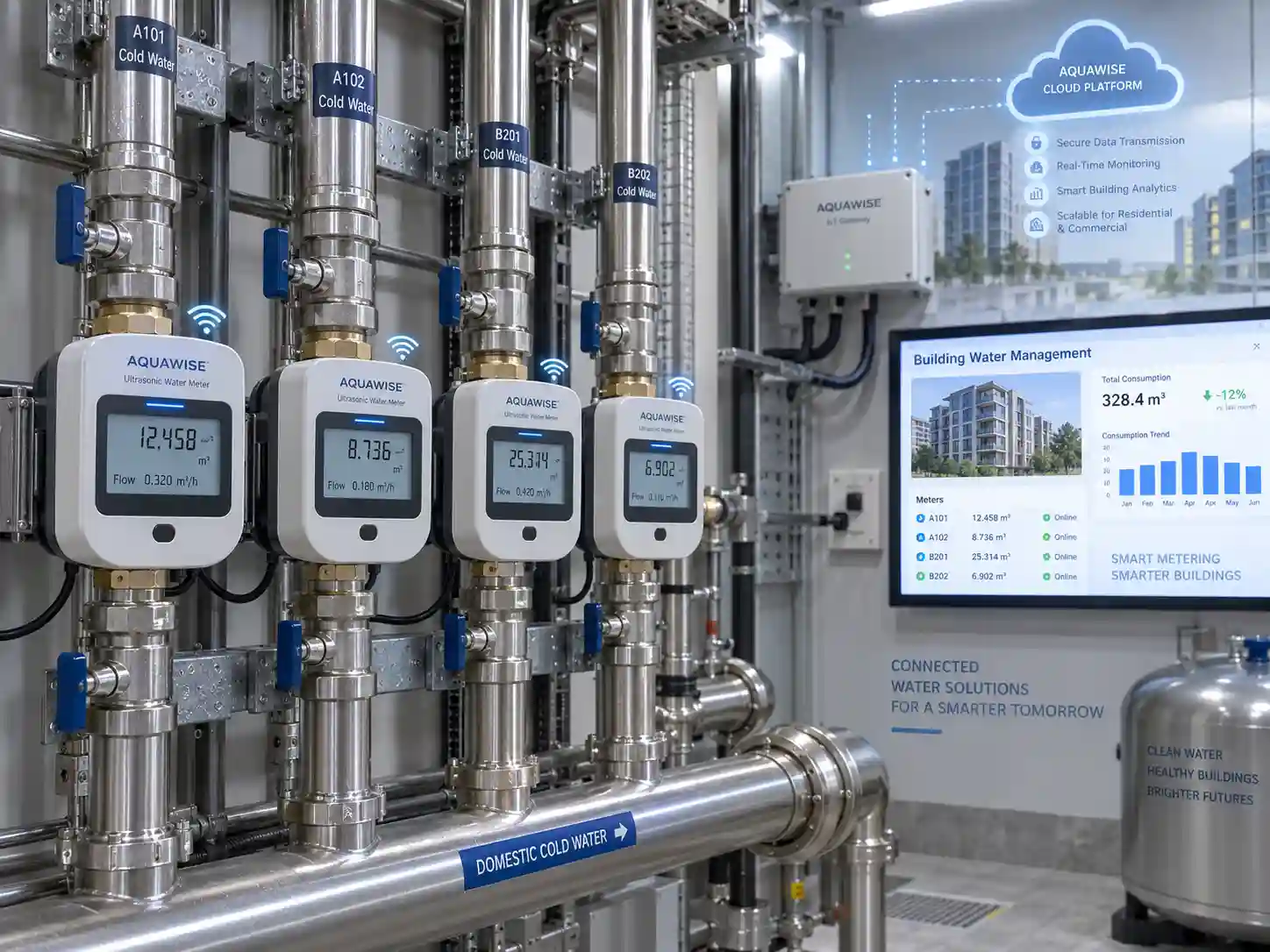
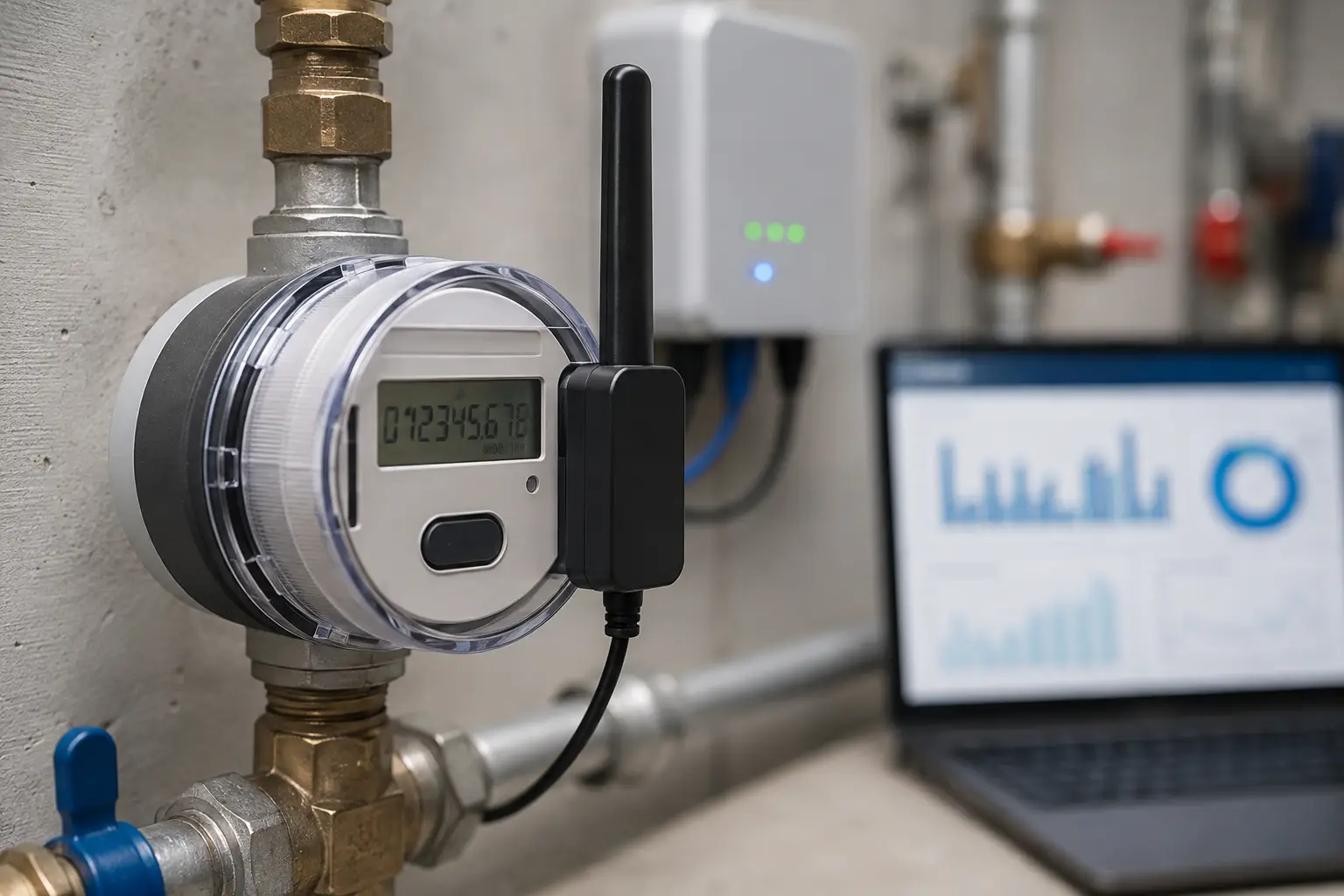
The display may show values such as current flow or total consumption, depending on the product design. Some models can also transmit readings to a remote management system when the required communication configuration is included.
The reporting interval, stored data, and communication interface should be confirmed from the technical documentation for the selected model.
Installation conditions still matter.
The pipe must be filled correctly, and the meter must be installed according to the specified flow direction and connection requirements. Air bubbles, an unsuitable installation position, or a mismatch between the meter’s flow range and the actual application may affect the result.
For this reason, the installation drawing and technical data should be reviewed before ordering.
Ultrasonic water meters can be selected for different project environments:
Each application may require a different meter size, communication method, installation arrangement, and data-management process.
The connection method must match the existing pipework or project design. Depending on the model, this may include threaded or flanged connections.
Pipe diameter is another basic selection point. The meter should be selected according to the nominal pipe size and the project’s expected operating conditions.
A replacement project may also need to consider the space left by the existing meter, while a new installation can be designed around the selected product.
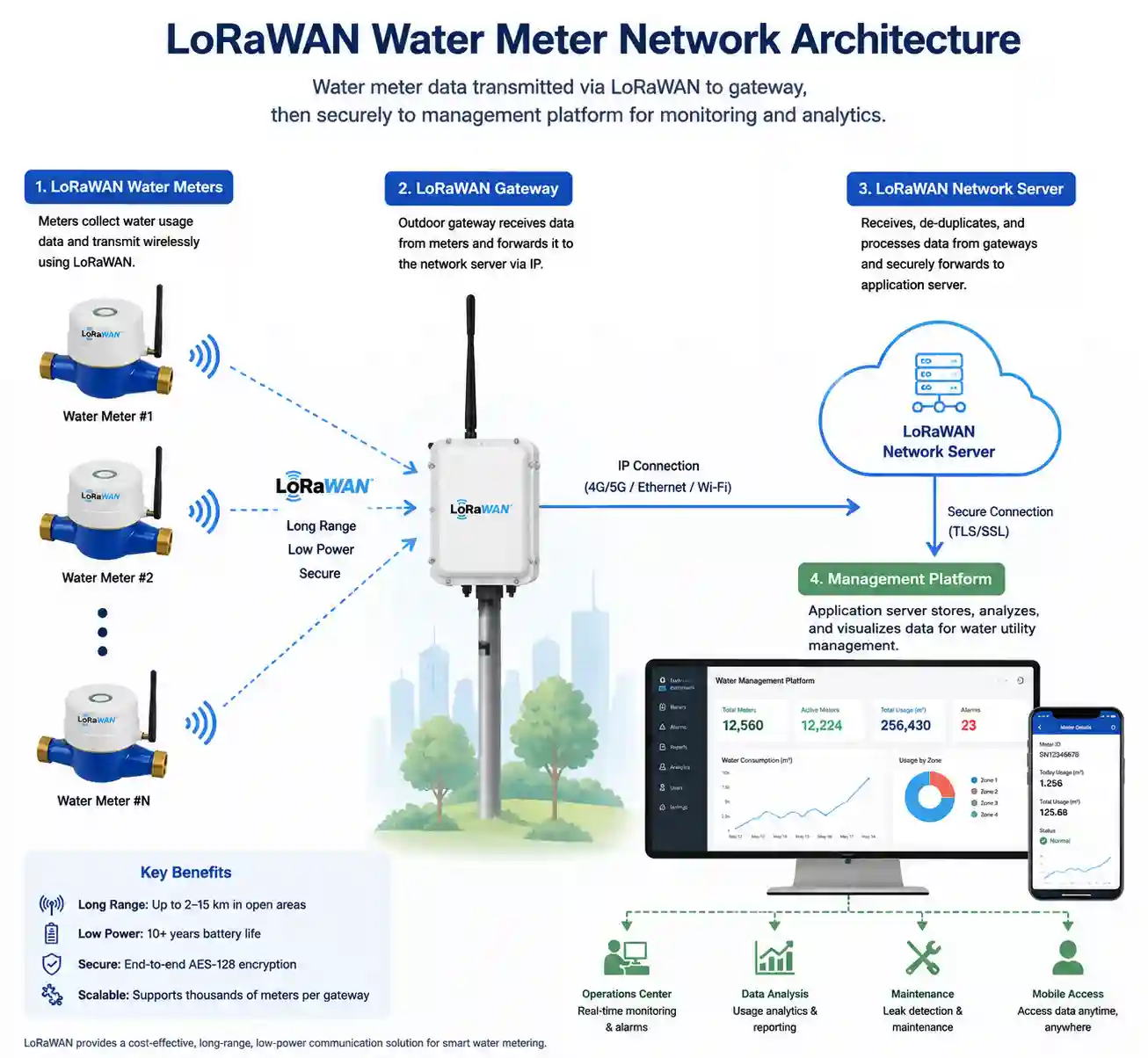
Some ultrasonic water meters are used for local reading through a display. Others are configured for remote data collection.
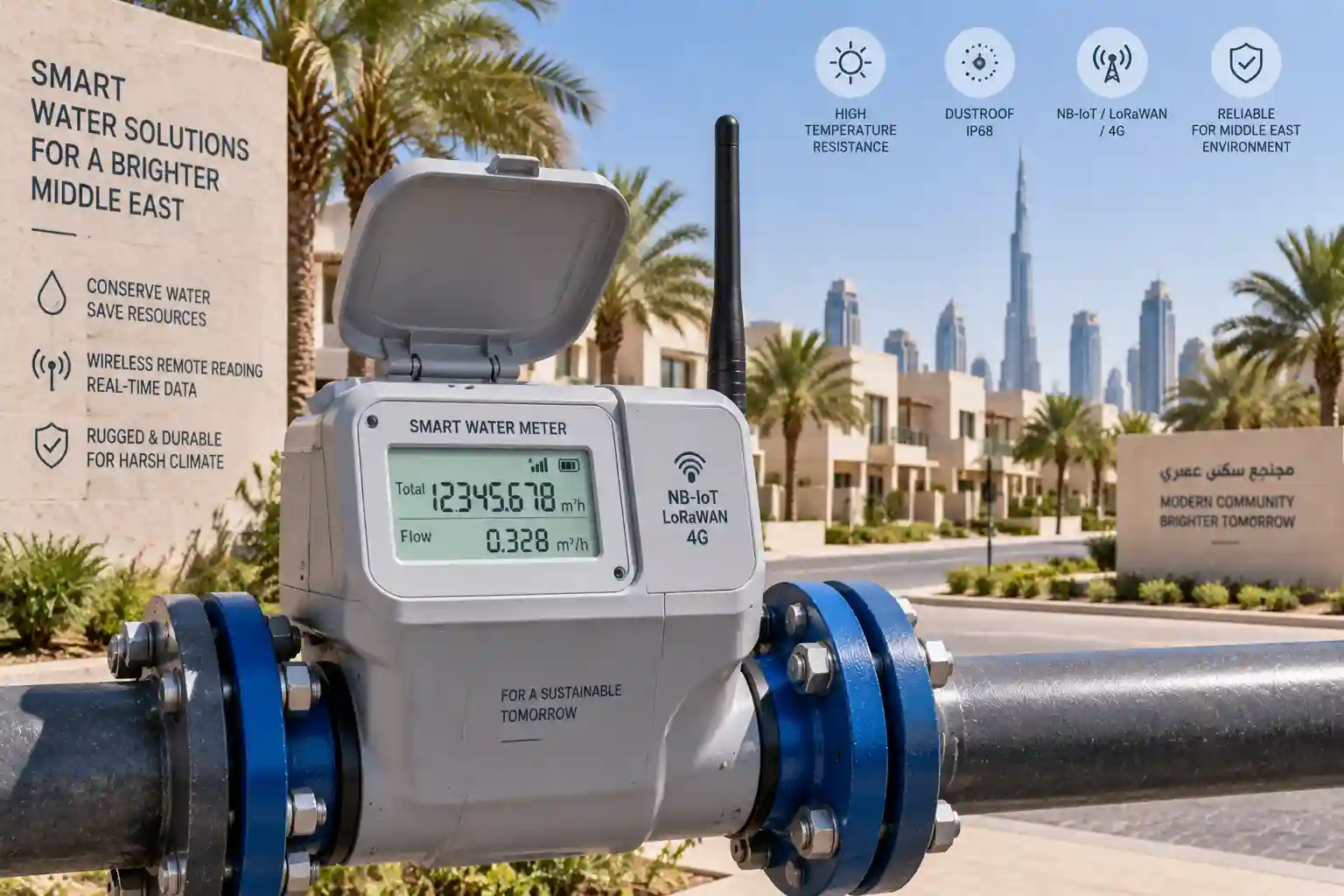
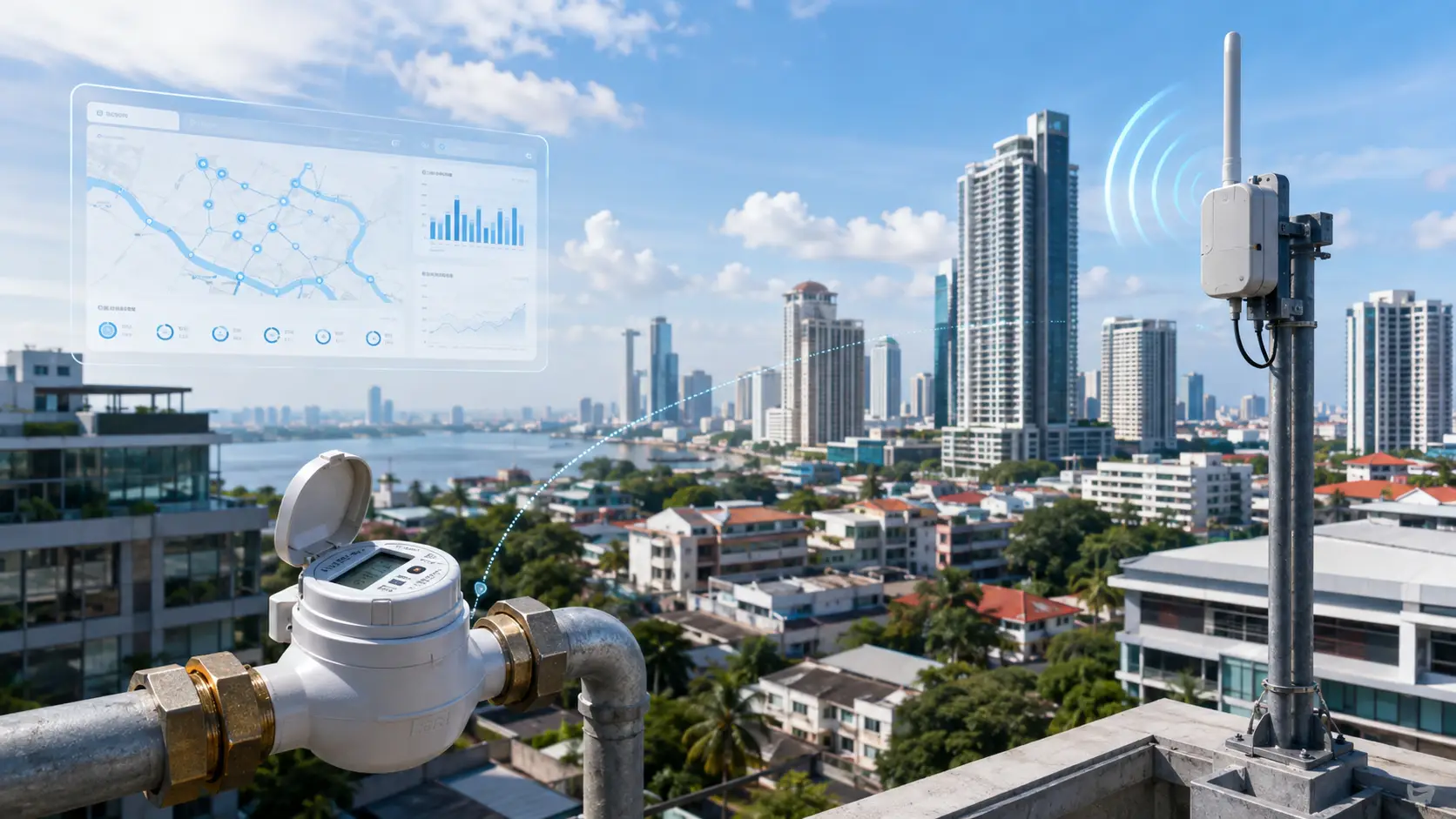
A smart ultrasonic water meter may work with a wireless communication network, gateway, or management platform. The communication method should be selected according to the project network and the required interface.
A meter should not be assumed to include remote communication simply because it is an ultrasonic model.
An ultrasonic water meter provides electronic measurement and digital data processing. This makes it suitable for smart metering projects where readings need to be collected, stored, or transmitted.
It can also be used in systems that require remote reading, provided that the relevant communication function is configured.
For operators, the key benefit is the ability to combine water measurement with a broader data-management process. That process may include local display, remote reading, consumption records, and platform integration.
Ultrasonic measurement does not remove the need for correct installation.
The project team still needs to confirm the pipe conditions, connection standard, flow range, power supply, and environmental requirements. Communication performance also depends on the network design and the position of gateways or other equipment.
The exact specifications must be checked by model. Avoid comparing ultrasonic meters only by general technology labels.
| Comparison Point | Ultraschallwassermesser | Mechanischer Wassermesser |
| Measurement principle | Ultrasonic signal timing | Mechanical movement |
| Measurement structure | Electronic measurement system | Mechanical measuring structure |
| Data output | Digital output depends on model | Depends on the selected configuration |
| Remote reading | Available when communication is configured | Requires a compatible remote-reading solution |
| Main selection factors | Pipe conditions, flow range, communication, platform | Size, connection, mechanical specification |
The better choice depends on the project. A local-reading replacement may have different requirements from a new remote-reading system for a large property or municipal network.
Ultrasonic water meters can be used for individual apartment metering and centralised reading.
For these projects, the buyer should confirm meter quantity, pipe sizes, installation space, display requirements, and whether readings need to be sent to a property-management platform.
Municipal projects may require large numbers of meters and a structured data-collection process.
The project brief should define the meter range, communication architecture, platform connection, installation locations, and maintenance arrangements. These items affect the final system design.
Factories, business parks, hotels, and campuses may use ultrasonic water meters to monitor different consumption points.
The meter selection should follow the application’s pipe size, flow conditions, installation environment, and data requirements. A general-purpose model may not be suitable for every point in the same facility.
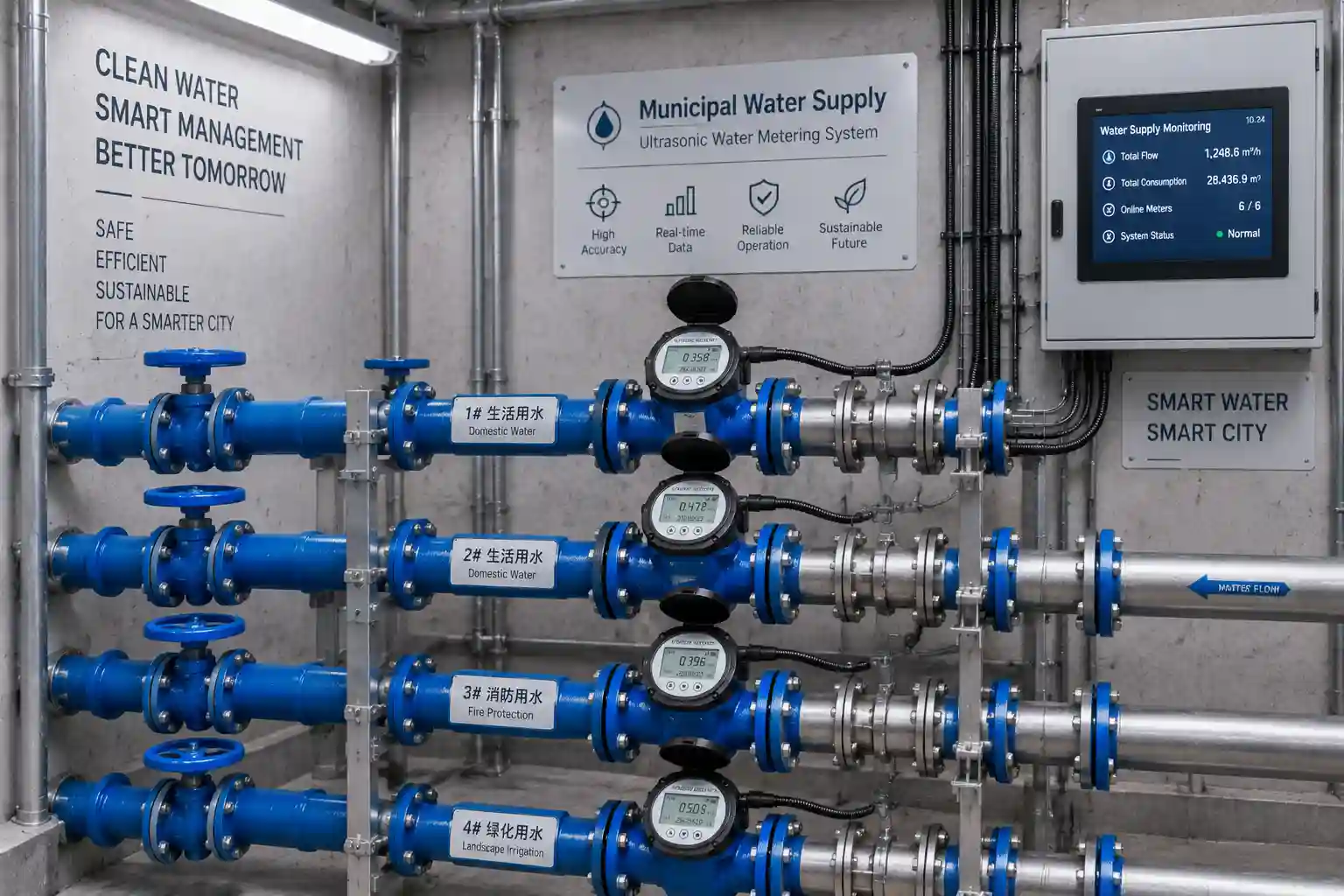
Before requesting a quotation, prepare the following information:
A clear project brief reduces the risk of selecting a meter that fits the keyword but does not fit the installation or management system.
Installation should follow the selected model’s technical documentation.
The installer needs to check the flow direction, pipe connection, available space, meter support, and protection of the electronic components. Communication equipment also needs a suitable position when remote reading is part of the project.
After installation, the project team should verify the meter reading, communication status, and platform data. For batch projects, installation records and commissioning information should be retained for later maintenance.
Maintenance requirements depend on the meter model and project configuration.
Operators may need to review readings, communication status, abnormal records, and power conditions. Battery replacement or other maintenance work should be planned according to the product documentation and site access conditions.
For large deployments, it is useful to keep records of the meter model, serial number, installation point, communication setup, and commissioning result. Small administrative details matter once hundreds or thousands of meters are involved.
A manufacturer should be able to review the complete project requirement, not only the requested meter size.
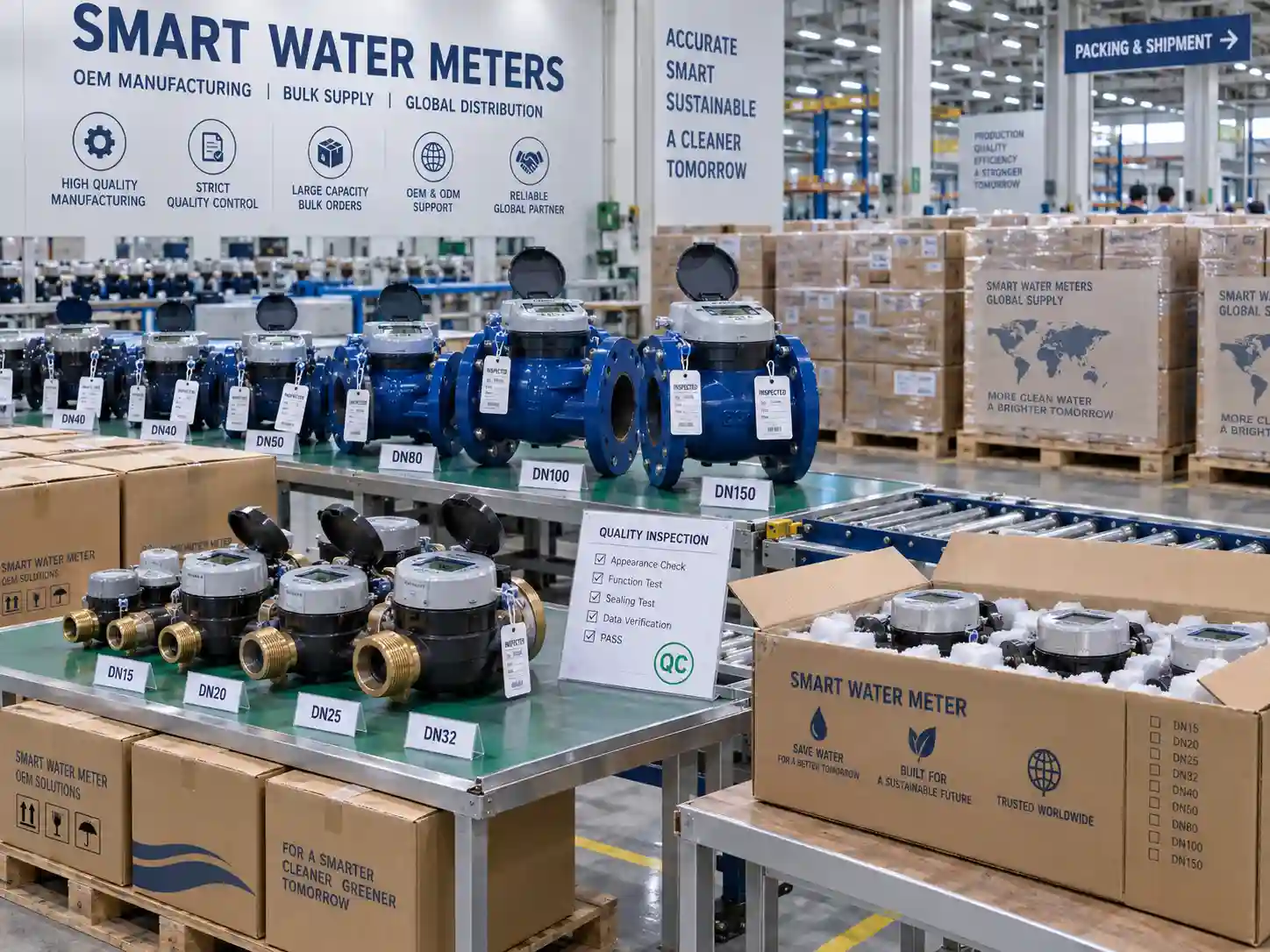
The buyer should provide the application, quantity, pipe information, installation conditions, communication preference, platform requirements, and any valve-control or STS functions. The supplier can then confirm the relevant model, connection arrangement, communication configuration, and technical documents.
Shandong Chenshuo Instrument Co., Ltd. supplies water meter products and supports projecT-based configuration according to the required application and functions. Product selection should be confirmed from the project data provided by the buyer.
More information is available on the Chenshuo official website.
An ultrasonic water meter measures water flow by analysing the travel time of ultrasonic signals through the water. It uses electronic measurement rather than a conventional mechanical impeller.
The meter compares the travel time of ultrasonic signals moving with and against the water flow. The time difference is used to calculate flow rate and accumulated water volume.
They can be used for remote reading when the required communication configuration is included. The network, gateway, platform, and data interface should be confirmed before deployment.
An ultrasonic meter uses electronic ultrasonic measurement, while a mechanical meter uses a mechanical measuring structure. The suitable option depends on the application, installation conditions, data requirements, and project budget.
The supplier normally needs the application, project location, quantity, pipe size, connection type, installation conditions, communication requirements, power arrangement, and any valve-control or STS functions. These details provide the basis for confirming the correct model.
An Ultrasonic Water Meter is a practical option for projects that need electronic measurement, digital data handling, or remote reading. Its suitability still depends on the full installation and management system.
Before placing an order, confirm the pipe size, flow conditions, installation space, communication method, platform interface, power arrangement, and required functions. This gives the supplier a reliable basis for model selection and project configuration.
For projects requiring coordinated meter specifications, communication options, valve or STS functions, and technical documentation, Chenshuo can review the submitted project details and confirm the next procurement step.
 Adresse: Xiao'anzi Industrial Park, Stadt Baishabu, Lanshan District, Linyi City, Provinz Shandong
 Rufen Sie uns jetzt an:+86 15562945993
 E-Mail:info@sdchenshuo.cn


Shandong Chenshuo Instrument Co., Ltd.