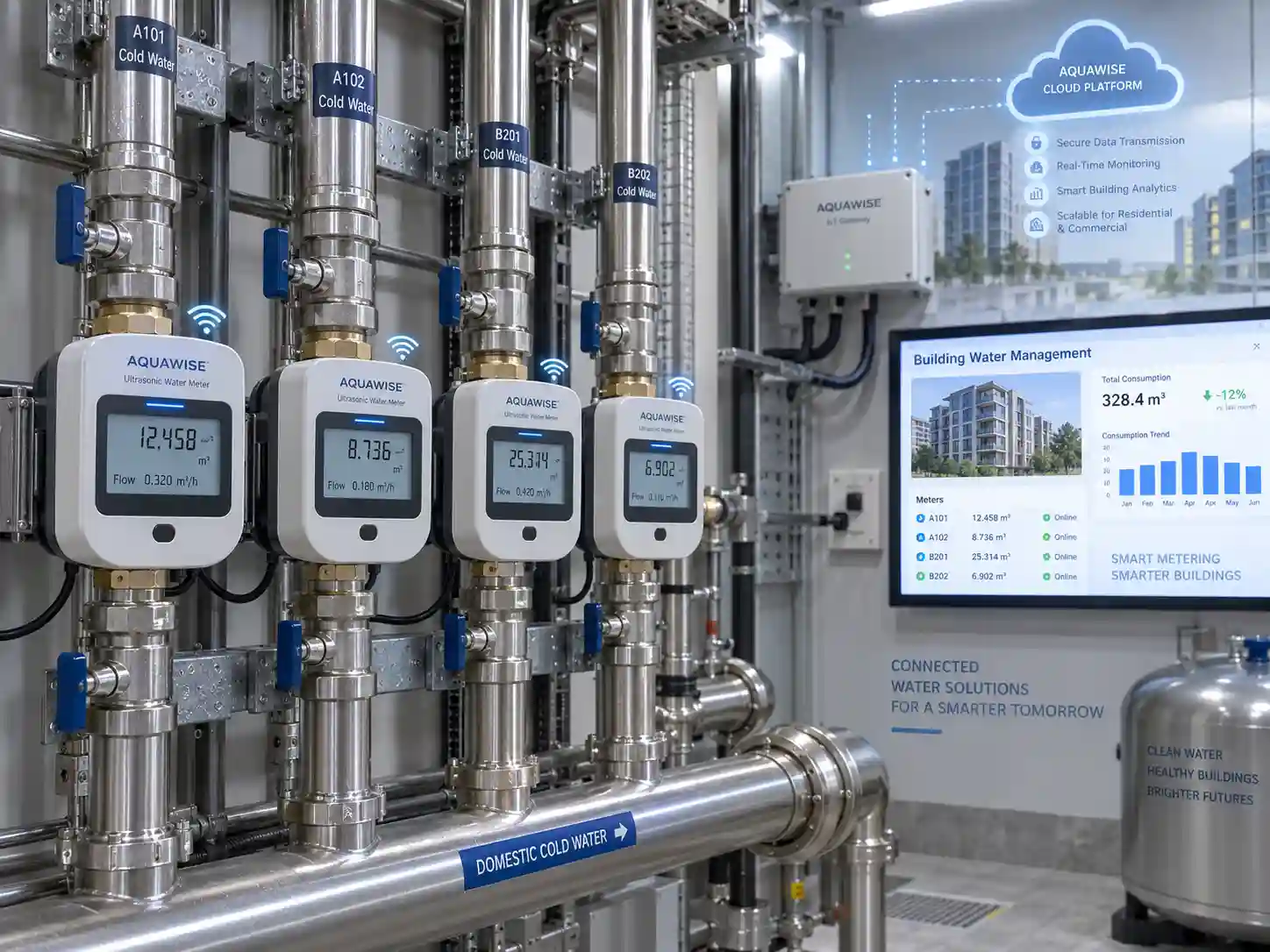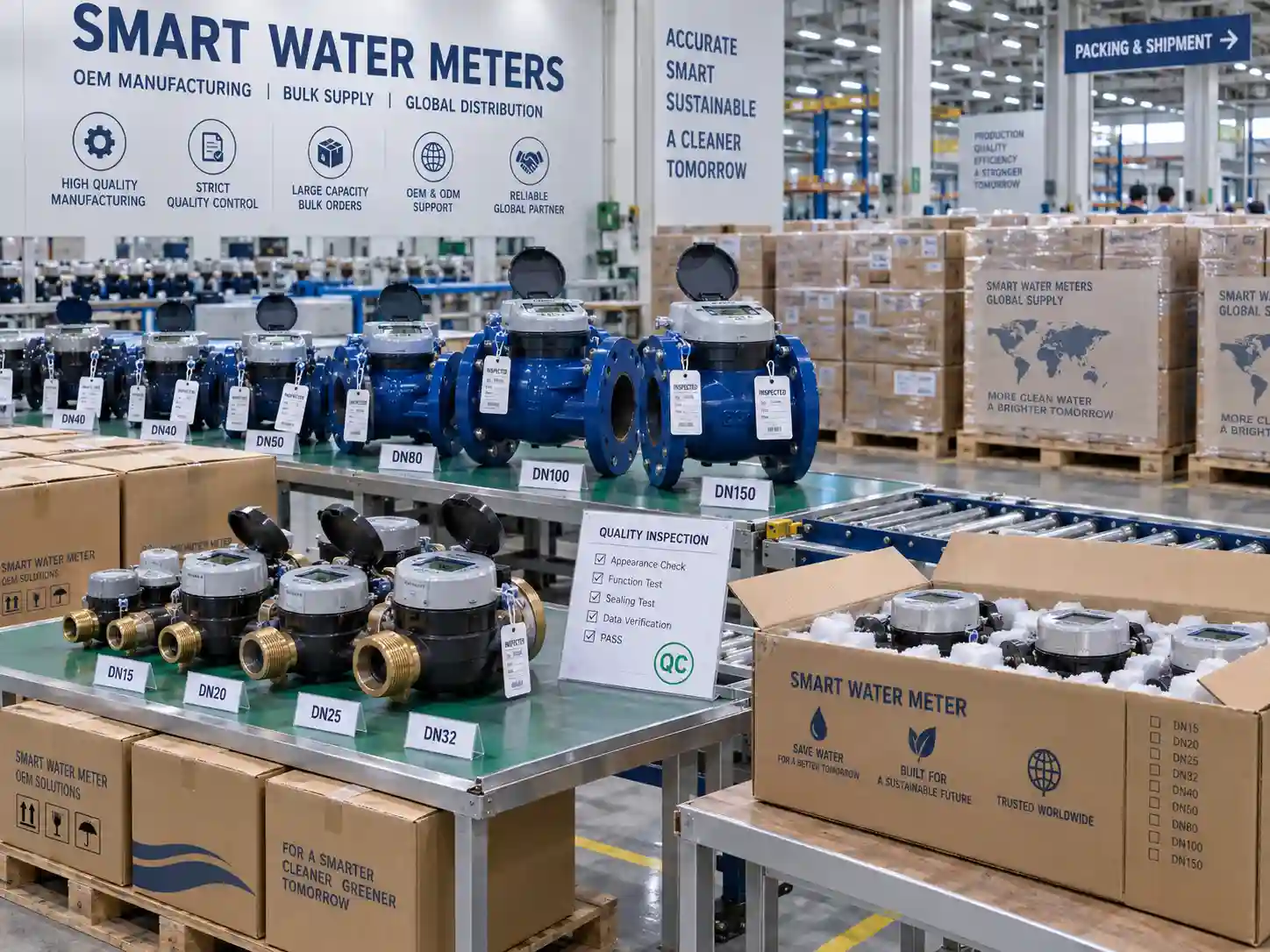


Managing water in big residential buildings is getting tougher as more people move in and costs keep rising. Smart water metering systems help solve this by giving accurate real-time readings, catching leaks fast, and making billing fair and automatic. Shandong Chen Shuo’s LoRaWAN meters, from small DN15 units for apartments to bigger DN50 models for main lines, bring long battery life, solid waterproofing, and easy cloud connection. This quick intro covers how these IoT setups work—from the meters themselves to gateways, cloud platforms, and user apps—so property managers and residents both get better control and lower waste.
As residential complexes grow larger and denser, handling water use well turns into a big task. Smart water metering systems work to fix this. They do so by tracking usage exactly, spotting issues right away, and offering central oversight. The main aims of these setups are simple. They include careful monitoring of water use, quick finding of leaks, and cutting down on running expenses.
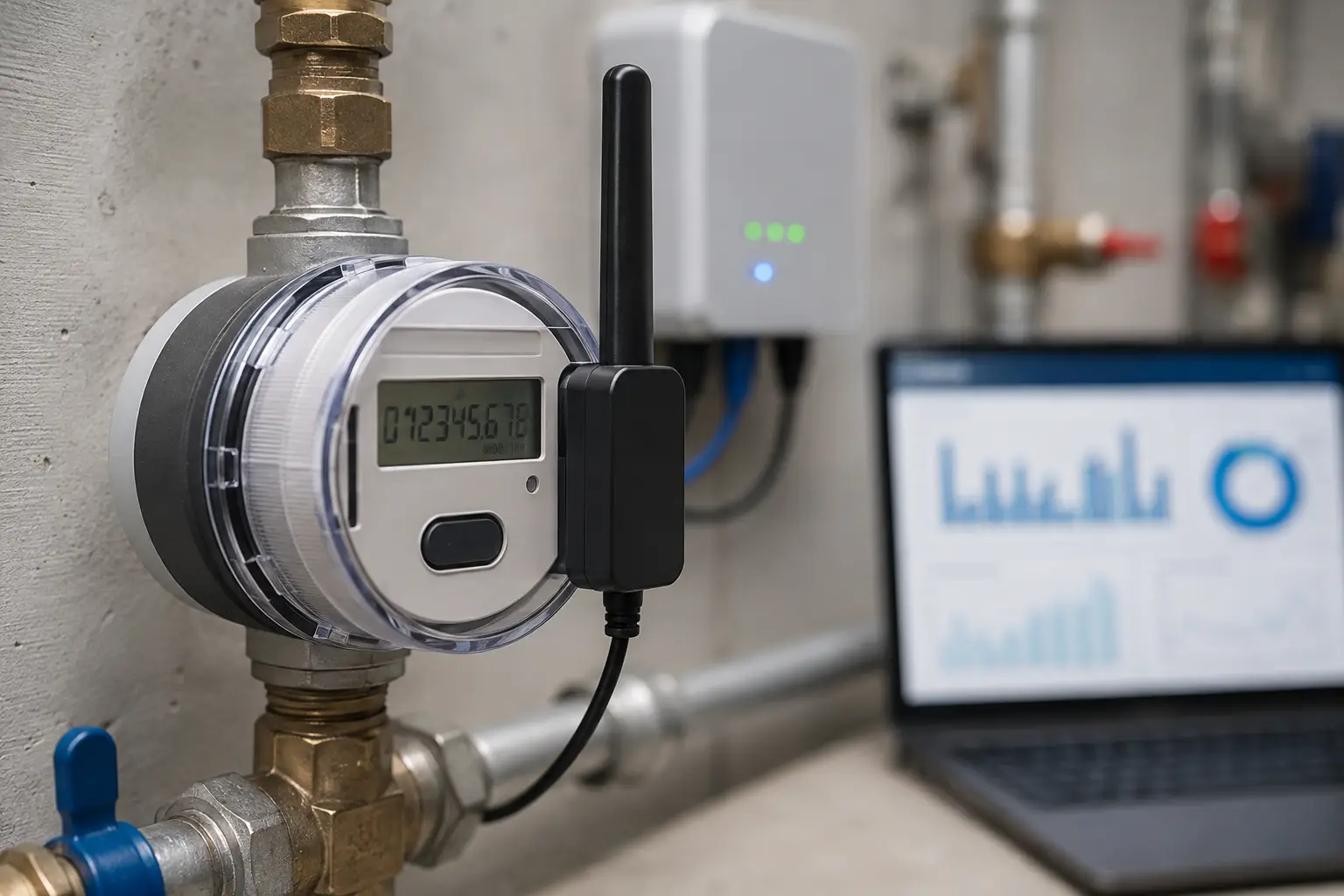
Smart water meters combine several modern tools. They act as clever devices for measuring. At their heart, they pick up changes in water flow as they happen. They use very responsive sensors for this. Then, they turn those physical water signals into electric ones with precision.
IoT technology forms the main support for this change. It allows wireless sensors in the meters to gather data live. They also handle checks from afar and automatic charging. When you put these in place across a whole residential complex, they need to work well with what is already there. Plus, they should grow easily as needs increase.
Tech like the Internet of Things, big data, and cloud computing keeps getting better. Because of that, smart water meters gain more uses. Their reach in different areas also widens over time.
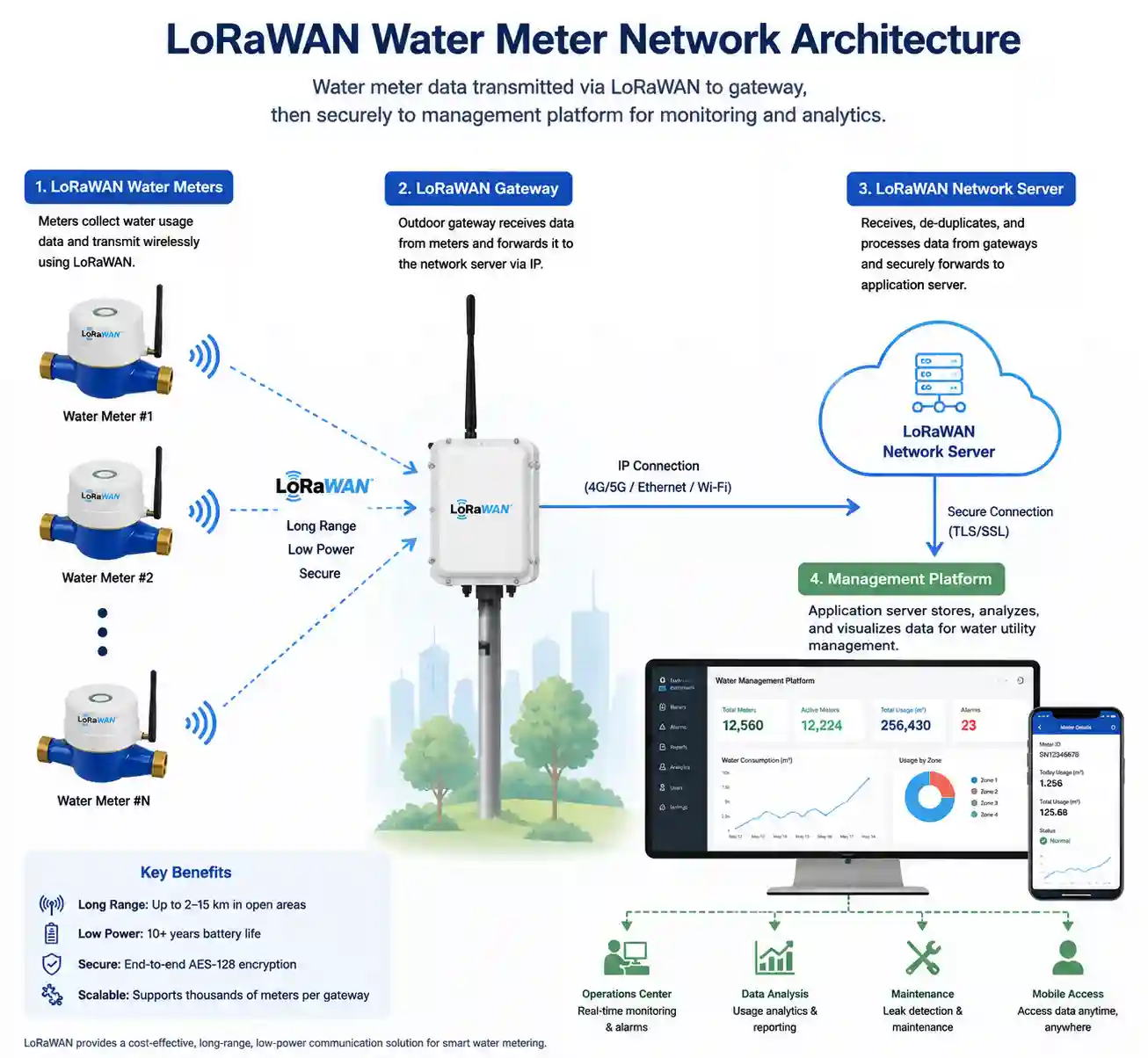
A smart water metering IoT system has four main parts.
All these parts need to work together smoothly. That way, everyone involved gets clear views and control without breaks.
If you need a solid team to set up this kind of setup, Shandong Chen Shuo provides a strong set of LoRaWAN smart water meters. These fit both home and work settings. The company has a good history of success. Their products follow world standards. So, they focus on growth potential, exact readings, and lasting strength.
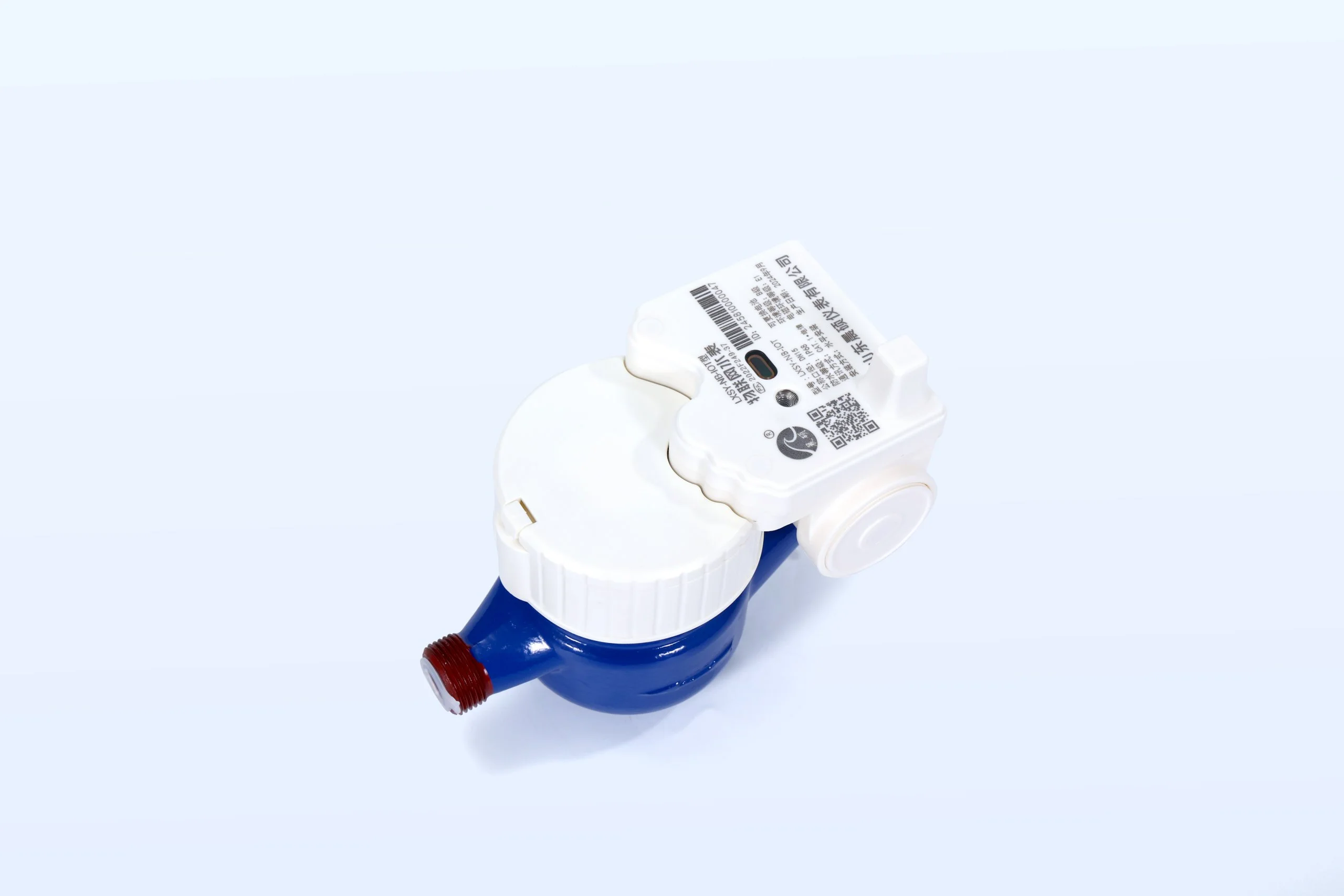
The DN15 model works best for single apartment spots. It has a small shape that suits tight indoor spaces. It catches low flow starts at just 0.01 m³/h. So, it records even small amounts of water use correctly.
Smart water meters rely on good sensor tech and sharp math methods. These help measure water use spot on. As a result, they stop arguments from wrong readings.
This model includes a LoRaWAN part for sending signals. It runs on a battery that lasts up to 10 years. That makes it great for setups that do not need much upkeep over long times.
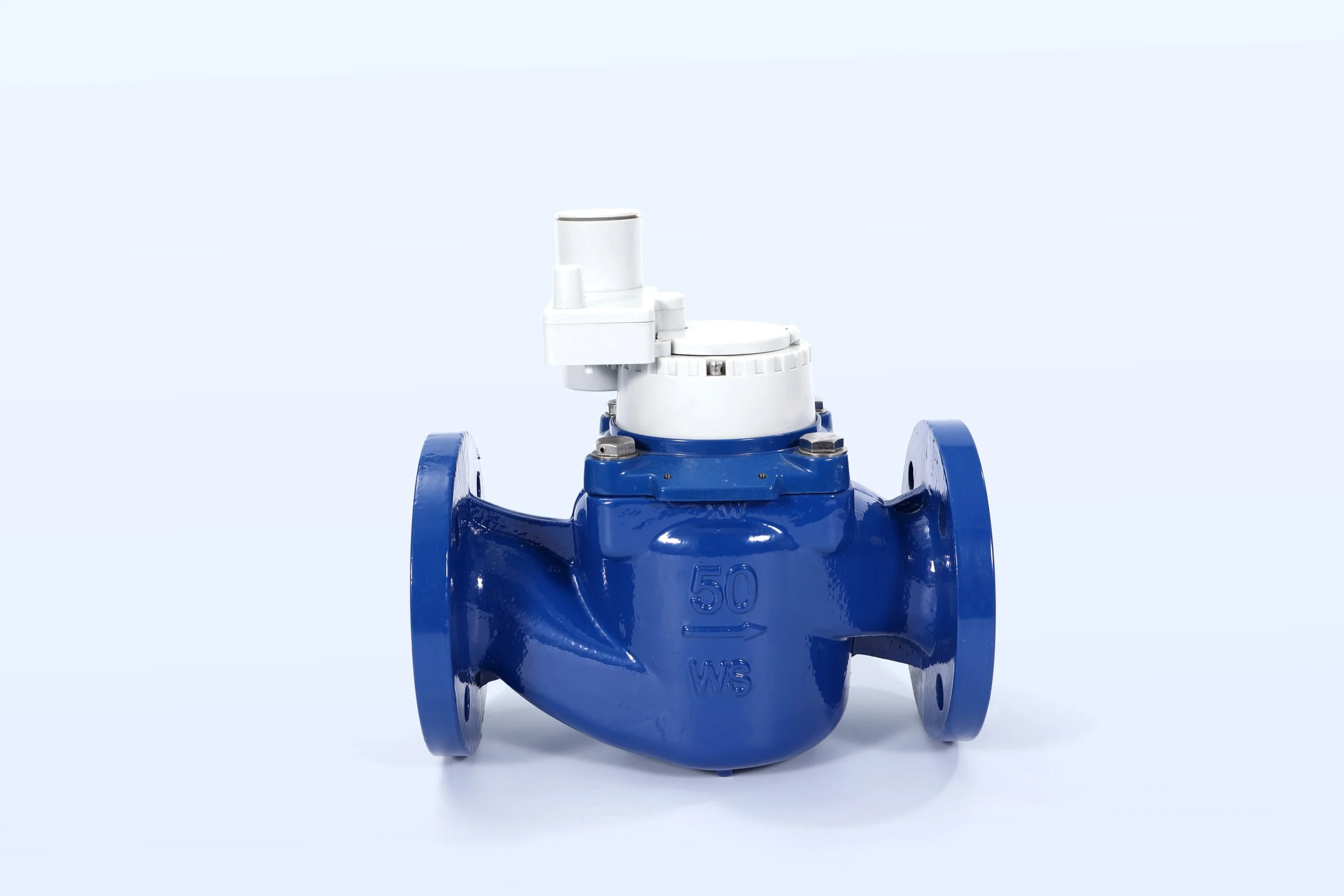
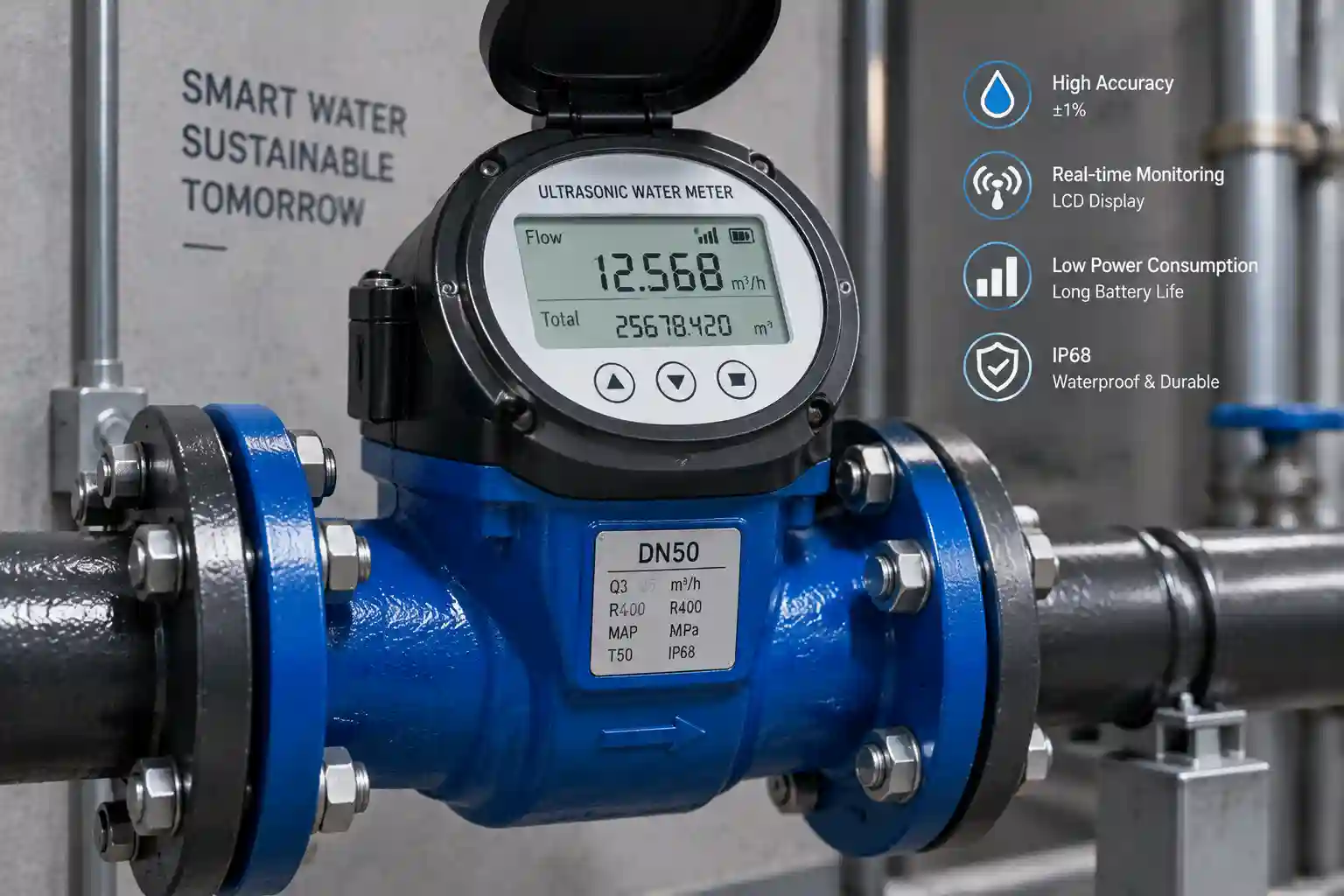
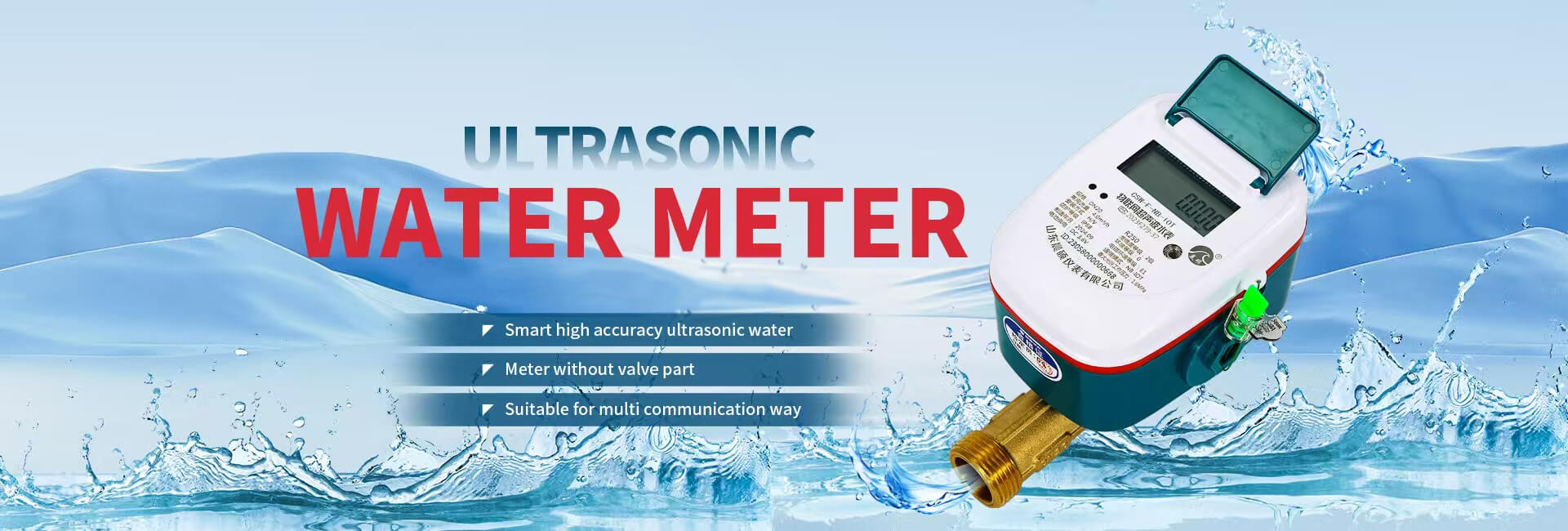
The DN50 type handles bigger water flows. It fits shops or whole buildings. It uses a separate setup. The electronic part sits in its own tight-sealed space. Its water resistance hits IP68 level. The tool uses either dry or wet spinning parts for measuring. These keep old-style accuracy. At the same time, they work with new signal methods.
You can add a valve control to it. It also has perks like a prepaid water meter. This means real-time watching plus far-off control. Both are key for managing buildings from one spot.
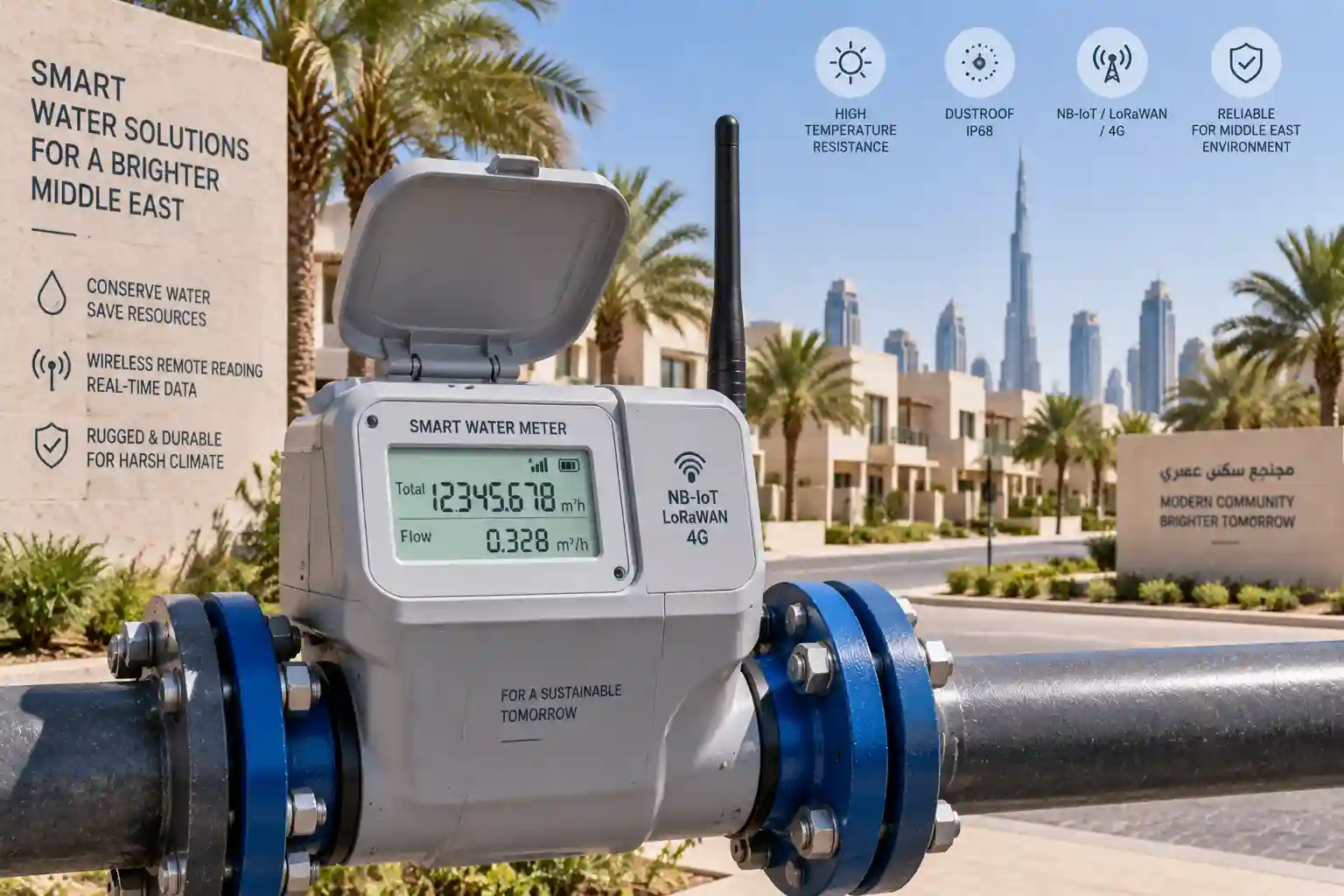
LoRaWAN shines as the best way to send signals in smart measuring. It covers long distances and uses little power. The main unit talks to the central base via GPRS or LoRaWAN parts. It sends data up to the base. This allows full automatic reading of water meter info from afar. It also links data to the payment center.
Smart water meters send their water use numbers to cloud spots. They do this through built-in wireless parts like GPRS, LoRa, or NB-IoT. So, service providers can watch use over wide spaces. They do not need extra boosters or power lines.
AES128 keeps all sends safe with locks. This stops unwanted entry or changes. It is vital in home setups where keeping data true matters a lot.
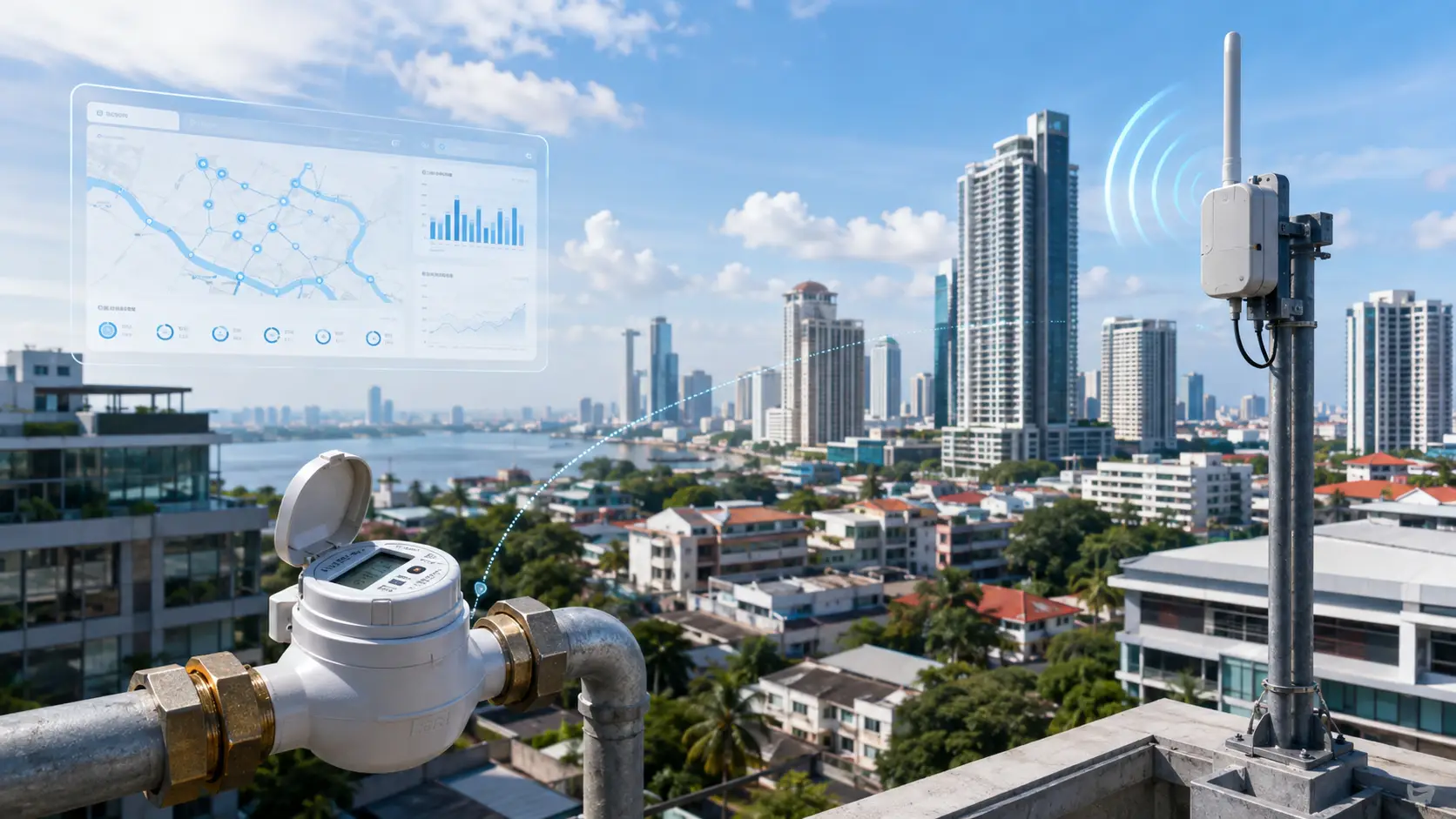
Putting gateways in the right spots ensures good signal reach over many floors and structures. Smart choices like roofs or main hallways keep talks between meters and clouds steady.
Extra gateways stop data from getting lost in blackouts or signal jams. They step in if one fails. Thus, gathering info keeps going without stops.
Gathered info flows into cloud systems through common links like MQTT or HTTPS. These setups work with many meter types. They also join bigger service frames easily.
The huge piles of water use data from smart meters offer useful info for water teams. They get this by digging deep with big data tools and cloud processing.
Databases for time-based records are common. They handle frequent sensor info well because they work fast.
Platforms use smart math from AI to spot odd use habits. For example, steady flow at night might mean a leak or extra use without permission.
Smart water meters watch user water amounts. They also catch strange patterns. These include leaks or too much water drawn.
No more guesses for bills based on set times. Real records from each meter go straight to charge systems. This cuts fights and boosts clear views.
By checking sensor actions over periods, the setup spots weird signs. These could point to wear on parts or tries to mess with the device. So, teams can fix things early before they break.
A full system needs different screens for each person’s job.
People living there can see daily or monthly summaries. They get warnings on leaks or set limits on use. All this happens through phone apps or web pages.
Residents can check their water usage and payment records anytime and anywhere through mobile phone APP.
Building overseers get one main view of all meters in a place. It shows total numbers, device checks, and far-off valve handling if needed.
The water supply department can easily realize the real-time collection of smart water meter data distributed in every corner of the city through a professional management system.
From DN15 for single spots to DN50 for big pipes, the options fit all needs in home areas. This keeps hardware the same and makes setup easier.
Its waterproof performance reaches IP68 level. You can place these meters in deep spots or open outside areas. They hold up without losing work quality.
All units meet LoRaWAN Class A rules. This means they work across borders. It is important for joining world control systems or sending products overseas.
Teams can help plan networks just for your building’s shape, unit count, or service links. They focus on best spots for gateways, less signal blocks, and lower setup costs.
Test runs check how the system works before going big. Working with support teams builds a strong plan for smart measuring that fits your aims long-term.
Q: How long does the battery last in typical smart water meters?
A: The DN15 model features a battery life of up to 10 years under normal usage conditions, making it ideal for maintenance-free operation over extended periods.
Q: Can these meters detect small leaks automatically?
A: Yes. With a starting flow detection as low as 0.01 m³/h, the system can identify abnormal usage patterns often indicative of leaks or drips.
Q: Is it possible to integrate the smart meters with existing billing systems?
A: Absolutely. The system supports standard communication protocols like MQTT/HTTPS that make it compatible with most modern billing platforms.
 Address: Xiao'anzi Industrial Park, Baishabu Town, Lanshan District, Linyi City, Shandong Province
 Call us now:+86 15562945993
 Email:info@sdchenshuo.cn


Shandong Chenshuo Instrument Co., Ltd.