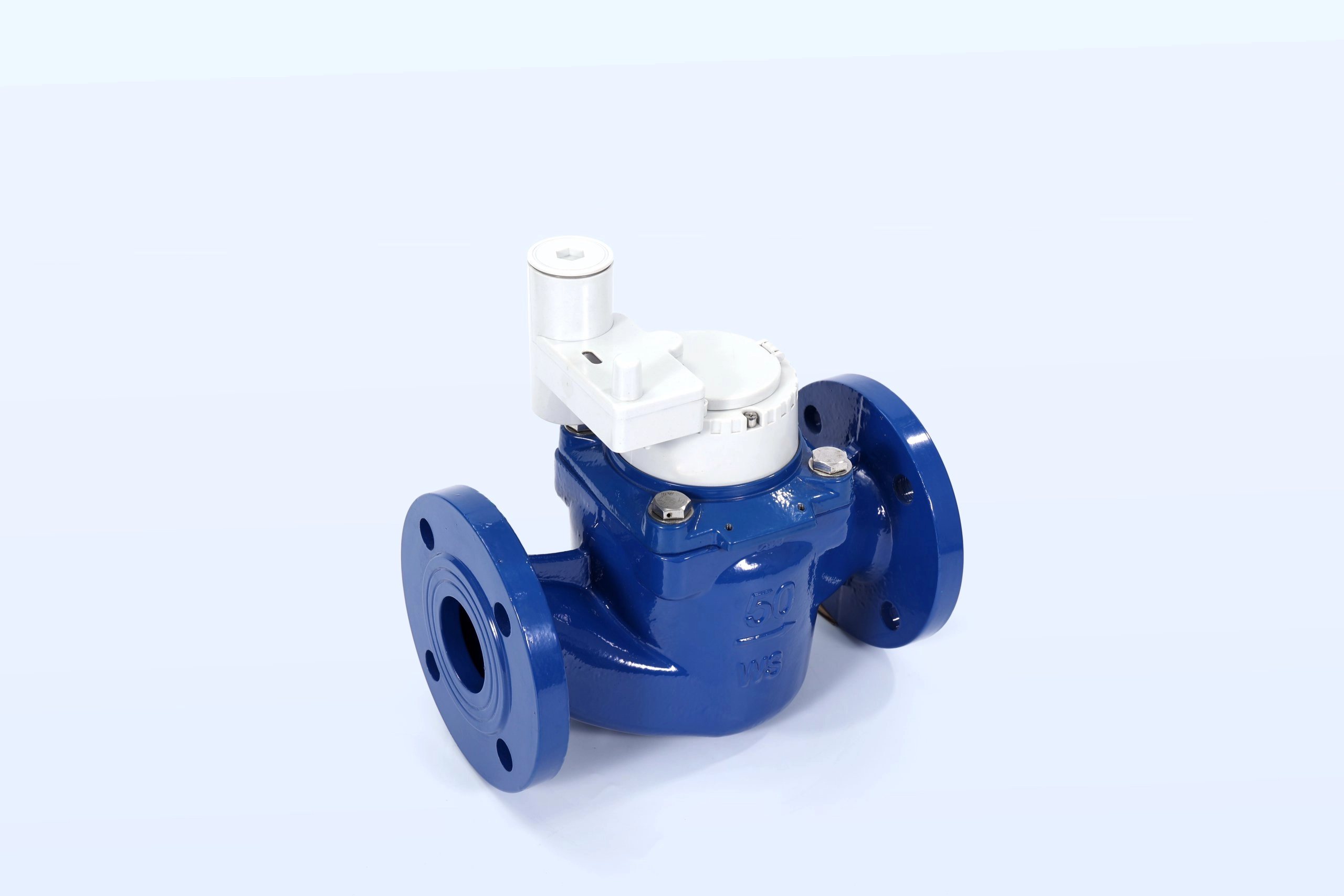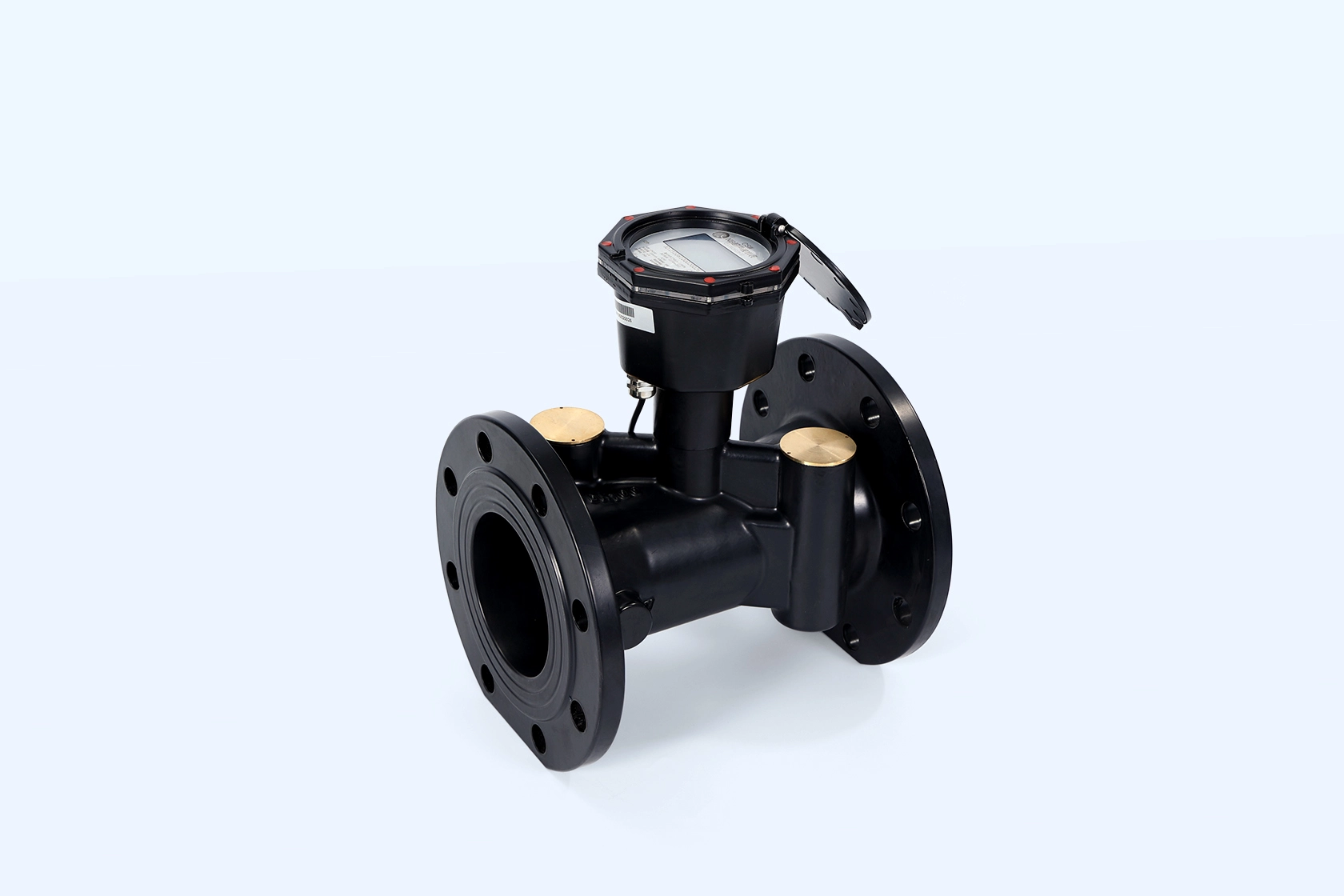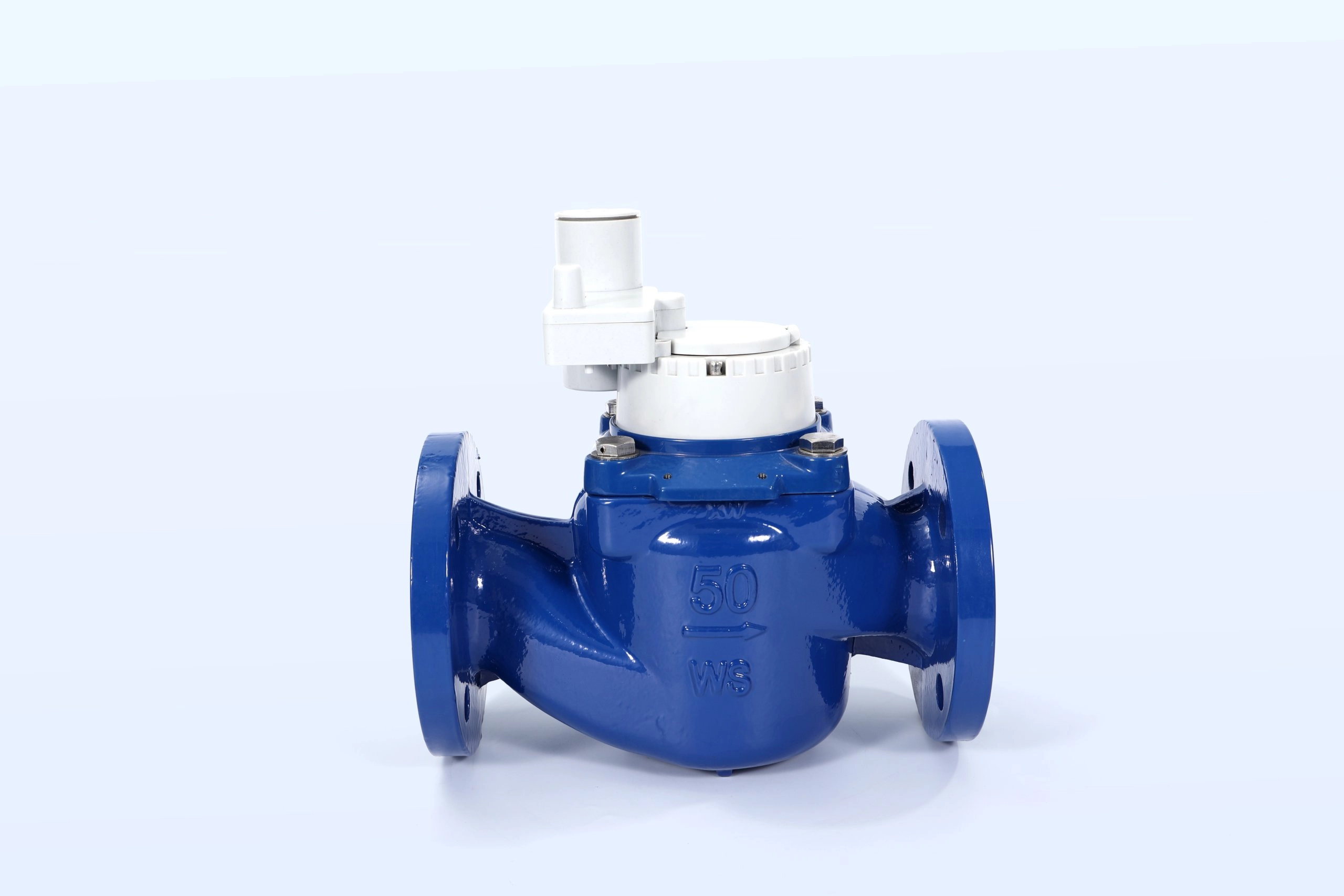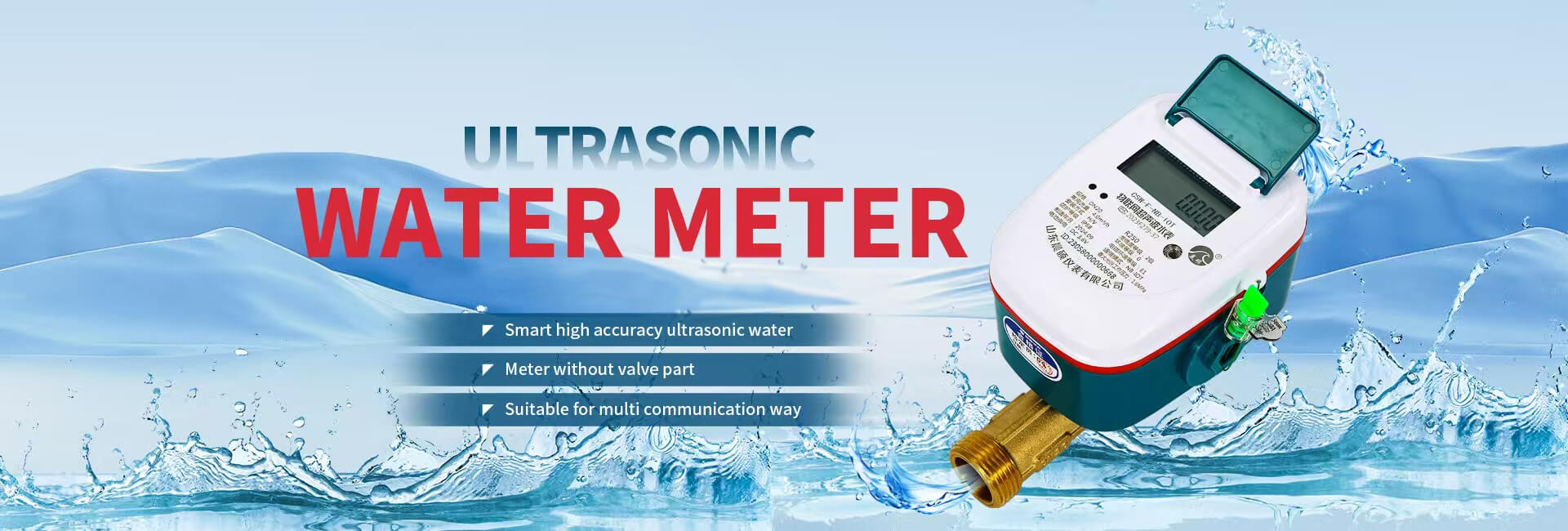


Moving to smart meters was meant to make water service easier, cut out hand checks, and give live info to help save water better. But many service heads and factory runners now deal with a tough truth. The smart shift brings a secret fix load. If you once sent a crew to swap batteries in many meters just three years after setup, you know the work and travel costs can soon top the first price of the gear. This hits budgets hard. Teams lose time on roads. The full spend grows fast. You seek ways to avoid this. Better picks change the game. Let us look at why this happens. Then we find solid fixes.
Early battery end is not only a tech slip. It pulls money away steady. When a meter stops, you miss info, charge truth, and the clear view you bought. To skip these traps, look past the first cost. Focus on how the electric build and power control work together. This mix matters most. Good design saves long. You gain steady runs. Teams handle less issues. The choice shapes your net. Now, think of the real price tag.
When you buy a smart water meter, you put money into a long hold item. Most money plans for smart water nets count on at least ten years of use. If the power part ends soon, your money back (ROI) falls apart. Swapping a battery out in the field means truck trips, work time, and maybe harm to the meter’s water block seal in the steps. The trips add gas costs. Workers wait on sites. Seals break easy. This leads to more fixes. The chain costs pile up. You need plans that last. Strong power helps that. The full view shows the need.
The issue often comes from a bad match between the gear’s power needs and the battery’s hold. In lots of basic tools, the send part, if it uses NB-IoT, LoRaWAN, or Sigfox, takes a lot of power in send times. If the soft code does not tune for these quick power pulls, the battery faces voltage falls and chem wear way before it should. The pulls drain fast. Code misses key saves. Batteries give out quick. You see dark meters soon. Teams chase replacements. This breaks flows. Better tunes fix it. The right build cuts waste.
Chenshuo fixed this exact hurt by changing how the sense part and power link. By putting work on very low power path builds, they make sure the held power goes only to key info jobs, not lost on bad back tasks. The change saves big. Paths run clean. Power lasts longer. Teams get true data steady. The focus brings wins. You build on that base. The gear fits real needs. Now, see how to spot the causes.
To fix the battery trouble, you first spot the reasons. Many things lead to early end of a meter’s power, and most can stop with good build work. The factors tie to design. You can change them. Teams gain from that. The steps lead to better nets. Let us break them down one by one.
Sending info is the top power eater in any smart tool. If your meter sets to send every hour without a tuned code, the battery runs down quick. Many makers use plain send parts that stay on longer than needed. You want a setup that wakes, sends a tight info pack in seconds, and goes to deep rest right after. The wake times stay short. Packs hold key facts. Rest saves power. This cuts drain. Batteries hold strong. Teams see less fails. The tune boosts life. You gain steady info flow.
Batteries run on chem work. In very cold, the in hold goes up, making it hard to get the flow for sends. In very hot, the self lose speeds up. If your meters sit in open holes or no cover spots, a plain battery will quit. Good fixes use work grade lithium-thionyl chloride (Li-SOCl2) power cells made to keep steady voltage over wide heat ranges. The chem holds firm. Voltage stays true. Sends work fine. The grade fits tough spots. Teams trust the run. The range covers most sites. This aids long hold.
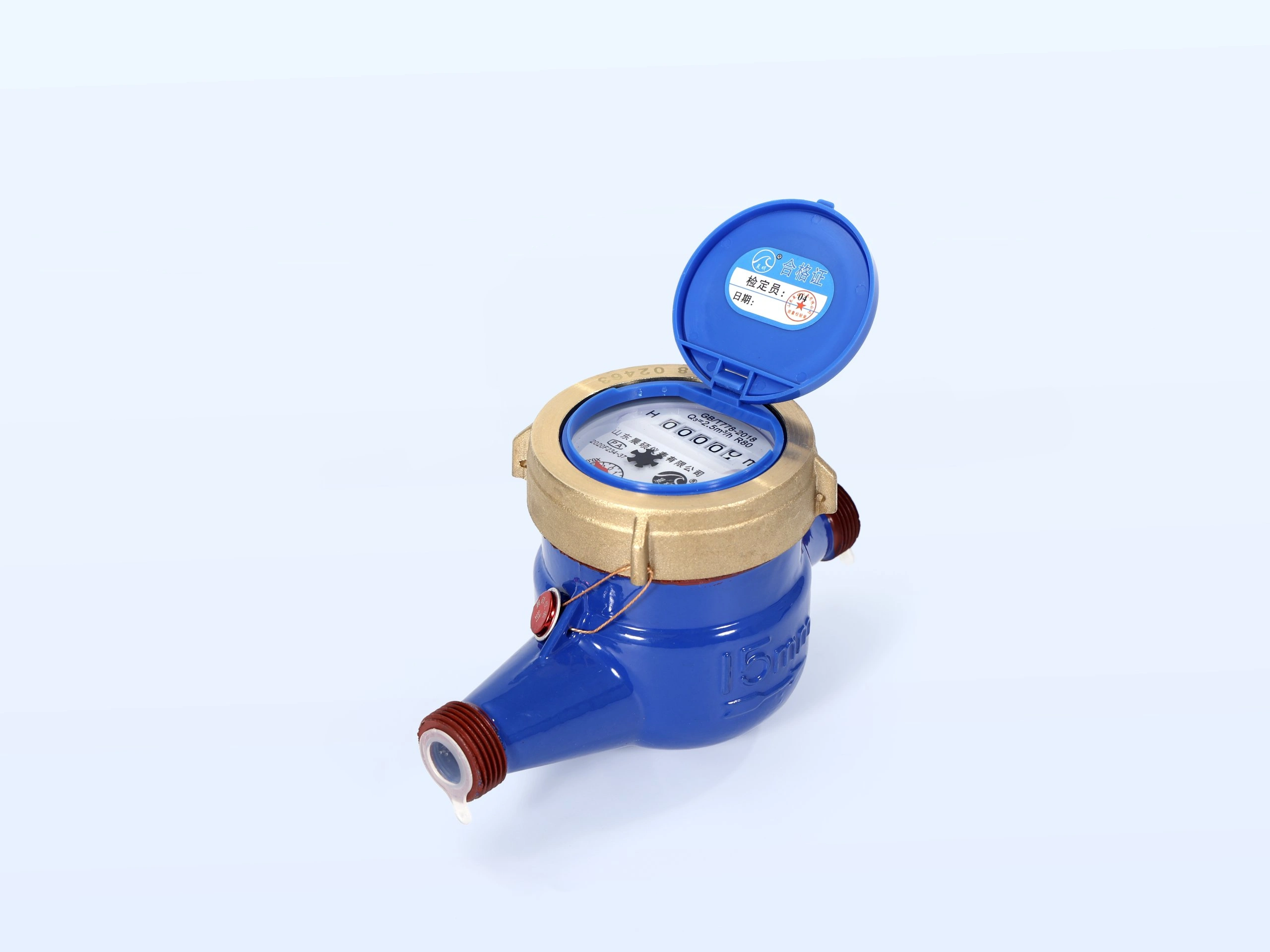
In old mechanical smart meters, the electric show must check a turning face or pulse pull. This real touch often needs more touchy (and power eat) senses to catch each turn. Over time, as real parts wear or fill with dirt, the rub grows, and the electrics may fight to keep truth, leading to higher base power use. The turns slow. Dirt blocks ways. Senses pull more. Power goes up steady. This shortens life. You see more work. Better ways skip this. The shift saves energy.
The best way to stretch battery time is to make the check job simple. This is where magnetic tech shifts things for your work. By cutting the real parts that bring rub and wear, you lower the electric work needed to track water move. The simple build saves power. No extra pulls. Tracks stay true. Teams handle easy. The change fits big nets. You gain from the ease.
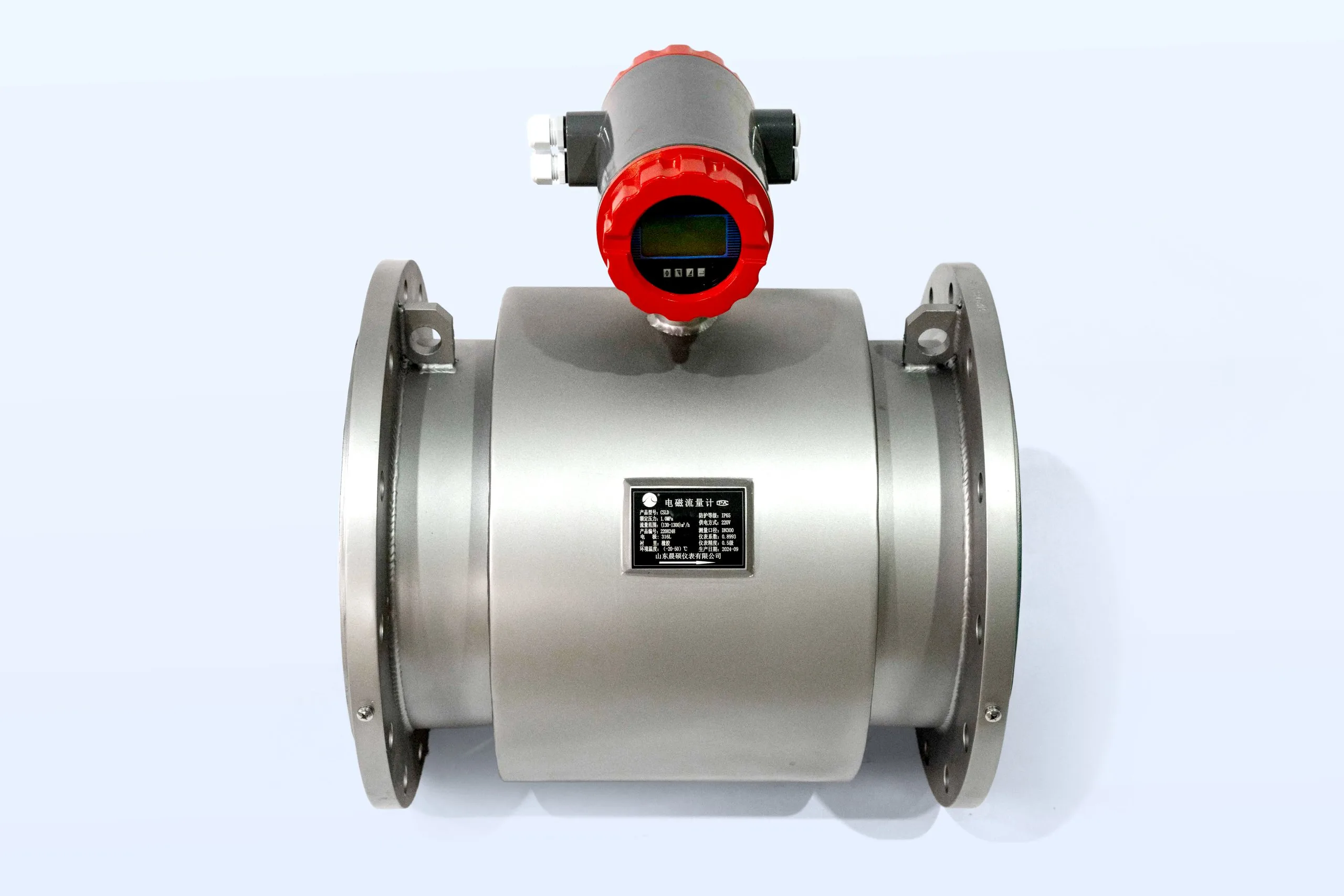
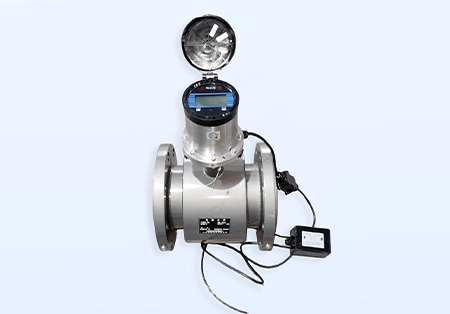
When you pick a fix like the Electromagnetic water meter, you choose a plan that uses Faraday’s Law of induction. There are no wheels to stick and no teeth to wear out. For you, this means the in battery only powers the magnetic field and the info send. Because Chenshuo puts work on high work magnetic loop builds, these meters run with sharp care while taking a small part of the flow needed by old, real mix models. The loops hold strong. Care stays high. Flow pulls low. This fits factory needs. You see less power use. The build aids long runs.
This no move also means the meter keeps its truth over the full ten year time. You skip the slow drop seen in real meters. This guards your money while fix costs stay close to none. The truth holds firm. Money flows steady. Fixes drop low. Teams focus on growth. The gain builds over time. You plan with trust.
For factory uses where water amount and push are much higher, the needs on the power setup grow tougher. In these cases, a home grade meter just does not work. You need strong gear that takes rough flows and hard chem spots without quit. The rough hits test limits. Flows push hard. Chems eat parts. Strong builds hold up. Teams rely on that. The pick shapes success.
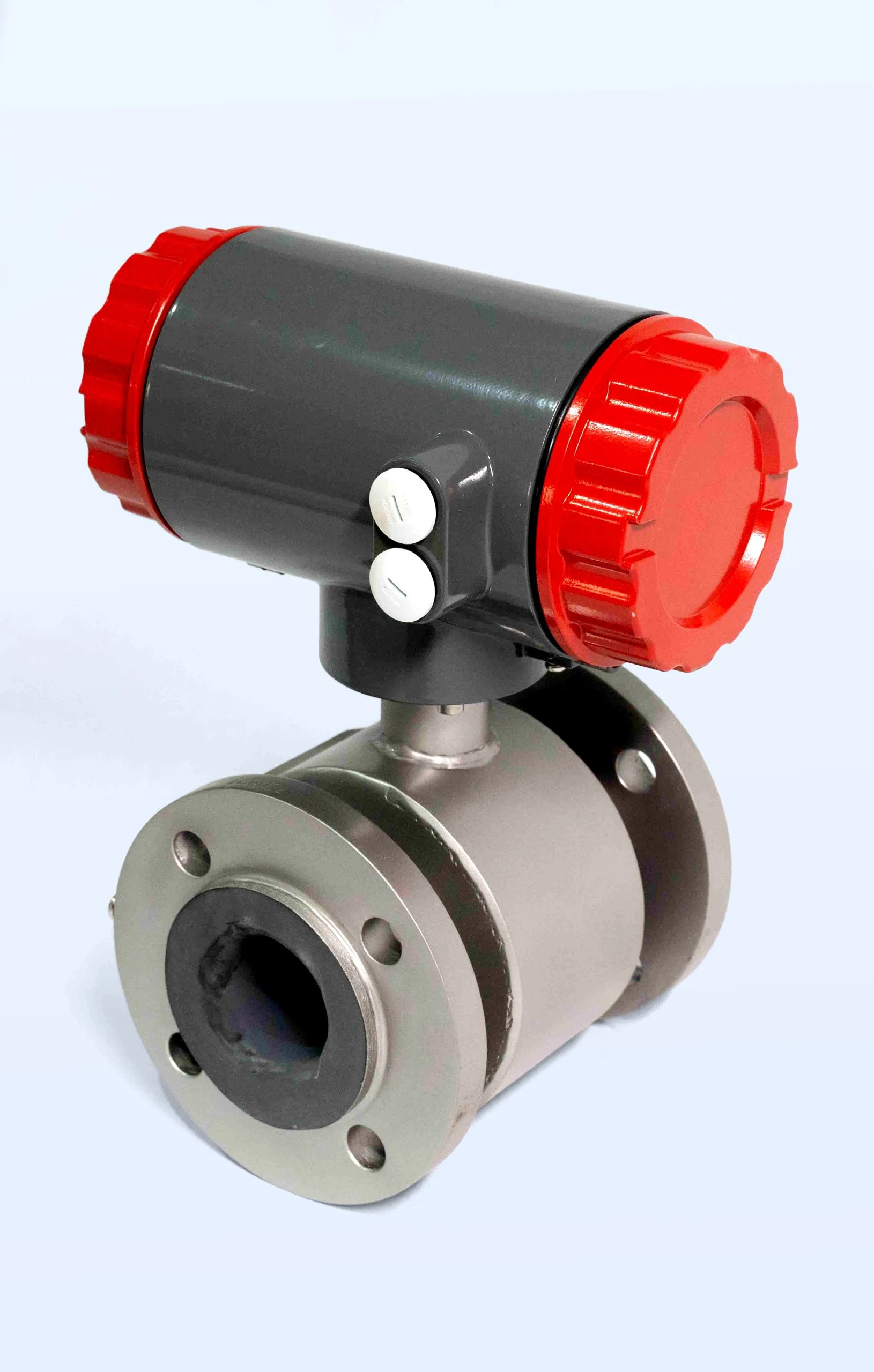
In bigger setups, the Electromagnetic flowmeter DN50 gives a clear case of work grade hold. These parts come made to face the hard of factory pipes and big spread nets. Even with more work power to figure flow in a 50mm pipe, the power control tunes for long life. The hold takes rough. Nets run wide. Power tunes smart. Life stays long. This fits big work.
By using new digital sign work (DSP), the meter cuts out rough from the flow sign more well. This lets the handler end its figures quick and go back to rest soon, saving the battery. For a factory runner, this steady means less stop and less time on hand checks. The cut works clean. Figures come fast. Rest saves power. Stops drop low. Checks need less. The steady aids daily runs. You gain time back. Teams do more.
If you aim to make your smart water meter net last ten years, you must check goods on set tech points. Do not trust only the maker’s sell words. Look at the build truth. The points guide picks. Truth shows real worth. You build on facts. The check leads to wins.
Ask for the rest flow or base power use numbers. This is the power the meter takes when idle. A good meter should show sleep flow in the small amp range. If this base runs high, the battery dies before it ships. The numbers tell truth. Low holds long. High drains quick. You spot good ones easy. The range fits needs. Teams use that info.
Wet is the main foe of electrics and batteries. If damp gets in the power spot, it can make small shorts that drain the cell in weeks. Make sure the meter fills full or seals to IP68 rules, meaning it lives through full wet hold. This guard is a key part in the Chenshuo line, making sure even in wet meter holes, the battery stays dry and works. The wet tests pass. Seals hold tight. Power stays safe. The rules meet high. Teams trust the guard. Daily, it runs strong.
How a meter links to the net counts. Look for tools that back change data speed (ADR) or like techs. These let the meter use the least power to hit the gate. If a meter sits near a tower, it should cut its send power auto to save. The change saves big. Power drops low. Hits stay true. The tech fits spots. You gain from saves. Nets run smooth.
Picking a smart water meter shapes your work money for the next ten years. It may pull to save at first by getting cheap, low work models, but the sure battery ends and swap costs will turn that save to loss quick. The pull tempts easy. Costs catch up. Losses grow fast. You need strong picks. The shift pays back. Teams see the change.
By putting focus on very low power magnetic tech and strong work build, you can make a water net that is real set and leave. Fixes like those from Chenshuo come made to link high work info and long power steady. When you put first the strong of the power setup and the work of the sense tech, you guard your money and your calm. The focus builds trust. Info flows true. Steady holds long. The link aids goals. You plan with ease.
If you stand ready to lift your setup with a power tuned fix that takes time tests, it is time to talk with pros who put hold first. The lift brings gains. Tests show worth. Pros guide well. The talk starts change. You move to better.
Contact us today to learn more about our 10-year battery solutions and how we can help you optimize your water management system. The contact opens doors. You learn key facts. Help comes custom. The system runs best. Teams gain full.
Q: Can I replace the battery myself if it fails early?
A: While some meters allow for battery replacement, doing so often voids the IP68 waterproof seal. It is always better to invest in a meter designed for a 10-year lifespan from the start. Opening the casing in the field risks introducing moisture, which can lead to total electronic failure shortly after the new battery is installed. The allow tempts quick. Seals break easy. Better picks last. Open risks wet. Fails come soon. The new holds short. You see full end. Teams avoid that. The start sets long.
Q: Why is an electromagnetic meter better for battery life than a mechanical one?
A: Electromagnetic meters have no moving parts, which eliminates mechanical friction. Mechanical meters often require more energy to detect the physical movement of components, especially as they age or collect sediment. The electromagnetic design maintains a consistent, low-power draw throughout its entire life, ensuring the battery lasts as long as the hardware. The no move cuts rub. Real ones pull more. Age adds load. Dirt builds up. The design keeps low pull. Life holds full. Hardware matches time. You gain steady. The better shows clear.
Q: How does temperature affect the 10-year battery claim?
A: Extreme temperatures can stress any battery. However, industrial-grade meters use specialized lithium chemistry that is rated for high and low temperature fluctuations. When combined with the ultra-low-power circuitry found in Chenshuo products, the system can compensate for these fluctuations without significantly reducing the overall service life of the device. The stress hits hard. Grade holds firm. Chem rates wide. Mix with low paths. The system tunes well. Life drops little. The claim stands true. Products show that. You trust the hold.
 Address: Xiao'anzi Industrial Park, Baishabu Town, Lanshan District, Linyi City, Shandong Province
 Call us now:+86 15562945993
 Email: ivy@sdchenshuo.cn


Shandong Chenshuo Instrument Co., Ltd.