

Water meter readings do more than track usage. They can act as early alerts for problems in pipeline systems. Small changes in flow patterns, when watched over time, often reveal hidden leaks. These issues might stay unnoticed until they cause major damage or high costs. Water networks grow more complex each year. Efficient resource management demands close monitoring of these flow issues.
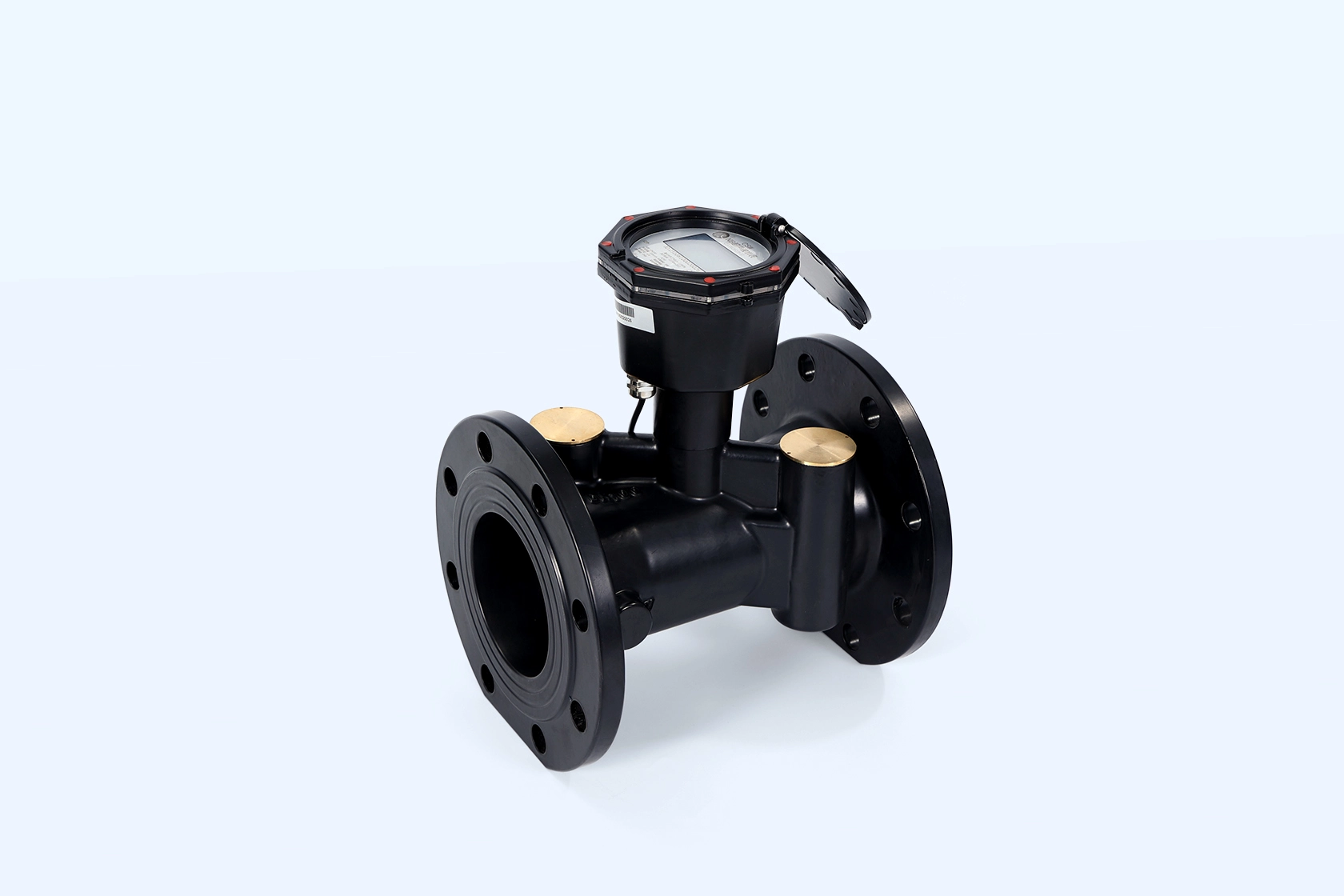
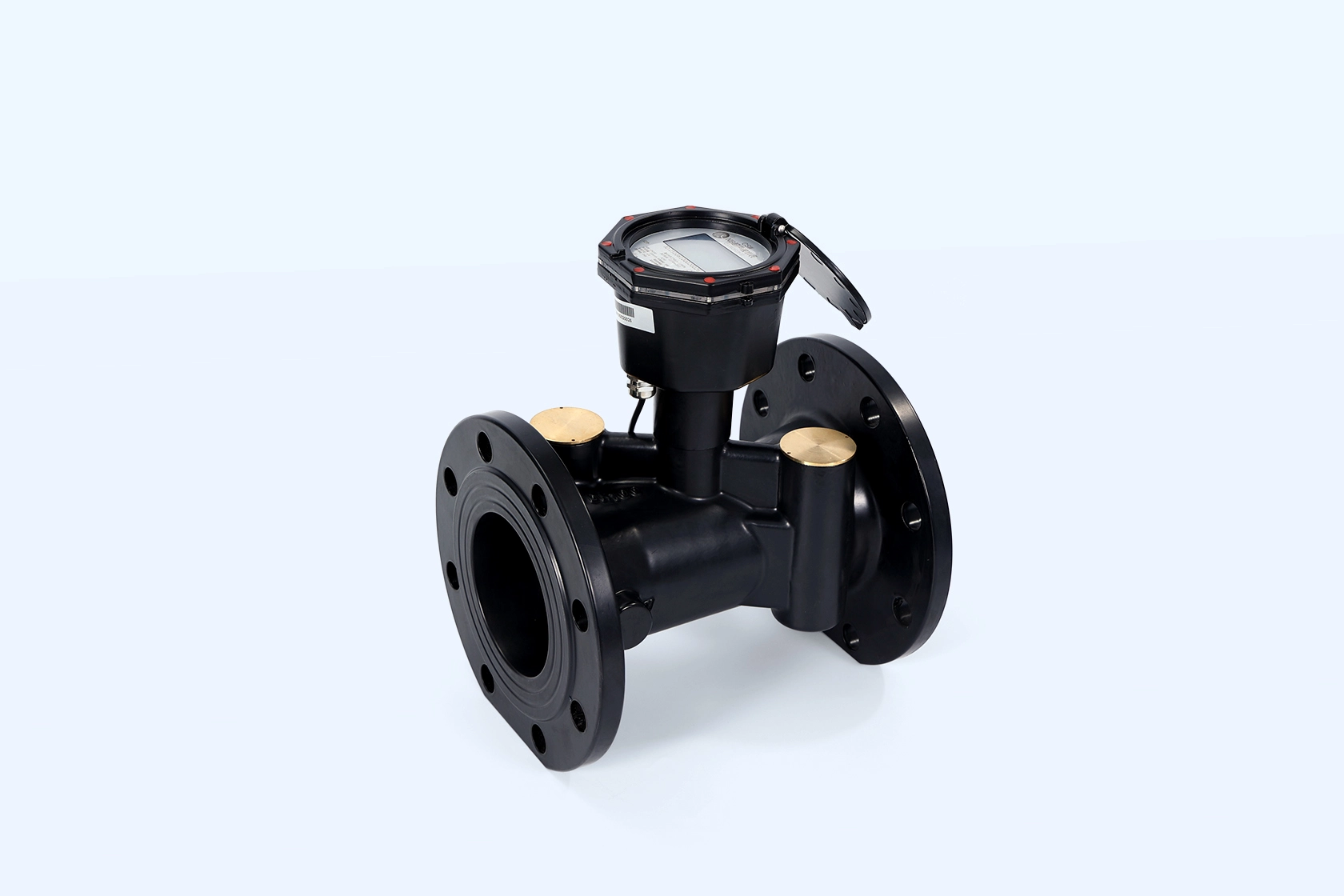
If you handle mechanical water meters in your work, consider options from Chenshuo. This top maker offers smart and mechanical water meters. Located in Shandong, China, Chenshuo draws on over ten years of know-how and strong production skills. They deliver precise, tough products for homes, businesses, and city systems. Global standards back their designs, with real-world use in over 50 countries.
These small flow changes often give the first clear signs of problems in pipelines that stay out of sight.
One key way to spot hidden leaks is to check your water meter when no one uses water. If flow shows up during quiet times, like at night or during planned stops, it points to a leak in the pipes. These flows tend to be minor yet steady. They slowly raise the base level of water use as time passes.
Sharp jumps in usage without any reason also warn of trouble. When no changes in operations explain the rise, such jumps often mean pipe breaks or sudden releases. Over longer periods, a gradual climb in the lowest flow rates can show wear or old pipes failing.
Pipes buried deep or built into structures block easy checks. That’s why solid, non-damaging tools matter for quick finds.
Most pipeline setups lie under ground or inside walls. This setup makes direct looks almost impossible. Manual reviews slow things down and risk mistakes. Old ways like pressure tests or sound-based leak hunts need experts. They also cut off service often, so they don’t fit daily checks well.
Mechanical water meters log usage via gear systems and counters. Outside factors like magnetic fields or signal shifts don’t affect their work. This strength lets them gather steady data in tough spots.
Leaks that slip by waste water and hit budgets hard. They also harm wider systems and setups.
Hidden leaks lead to real money losses. Water lost without count boosts bills and throws away supplies. Plus, steady leaks wear down pipes, erode soil, or harm nearby builds.
Leaks that last raise service costs and squander resources. Wrong usage data also muddles plans, skews charges, and delays fixes.
Mechanical meters shine in giving exact, reliable data. This helps spot leaks well.
New mechanical meters use sharp parts to catch tiny flow shifts. The common rotor-style meter runs this way: Water passing through spins the wheel inside. The water speed matches the wheel’s turn rate.
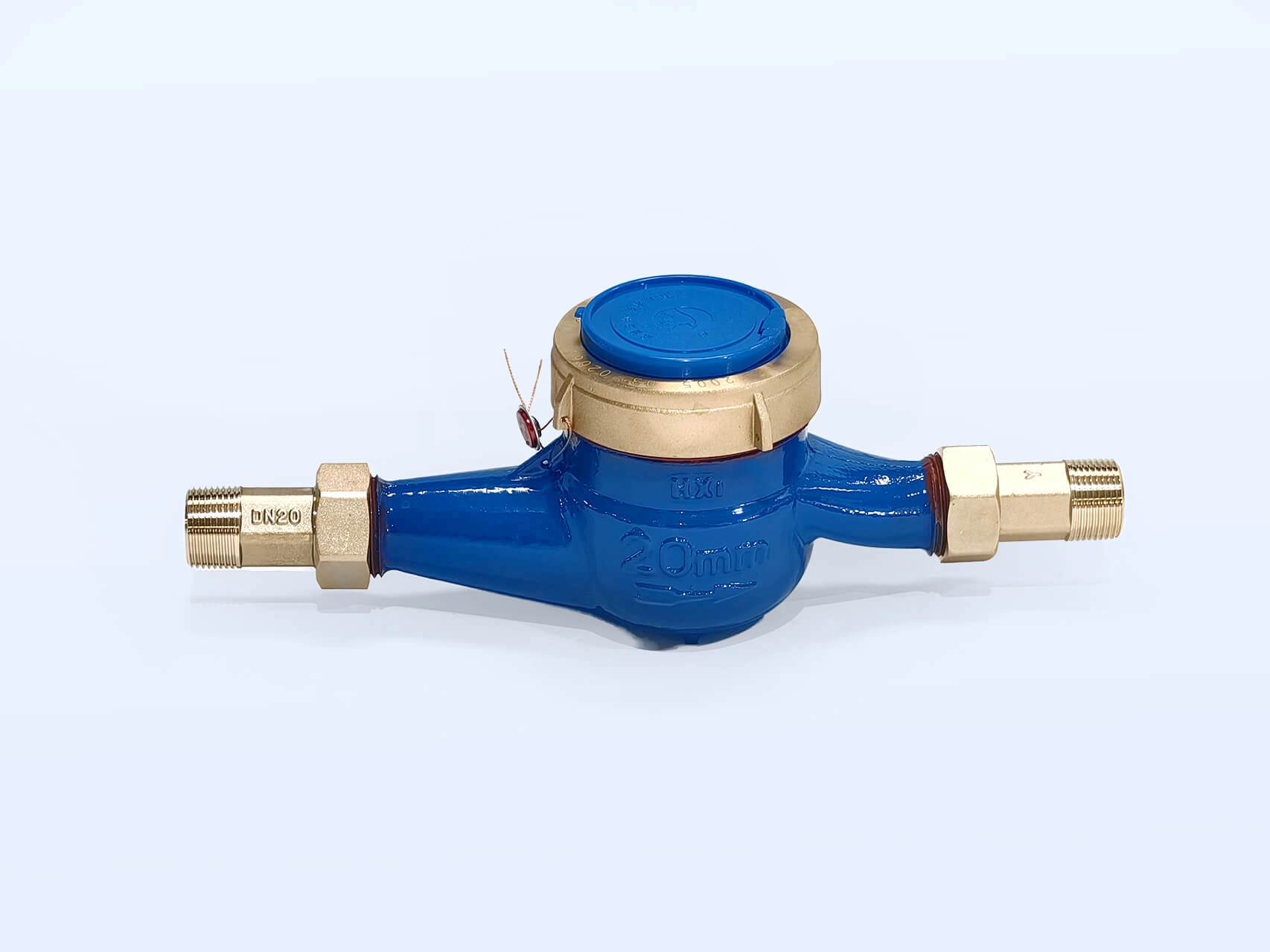
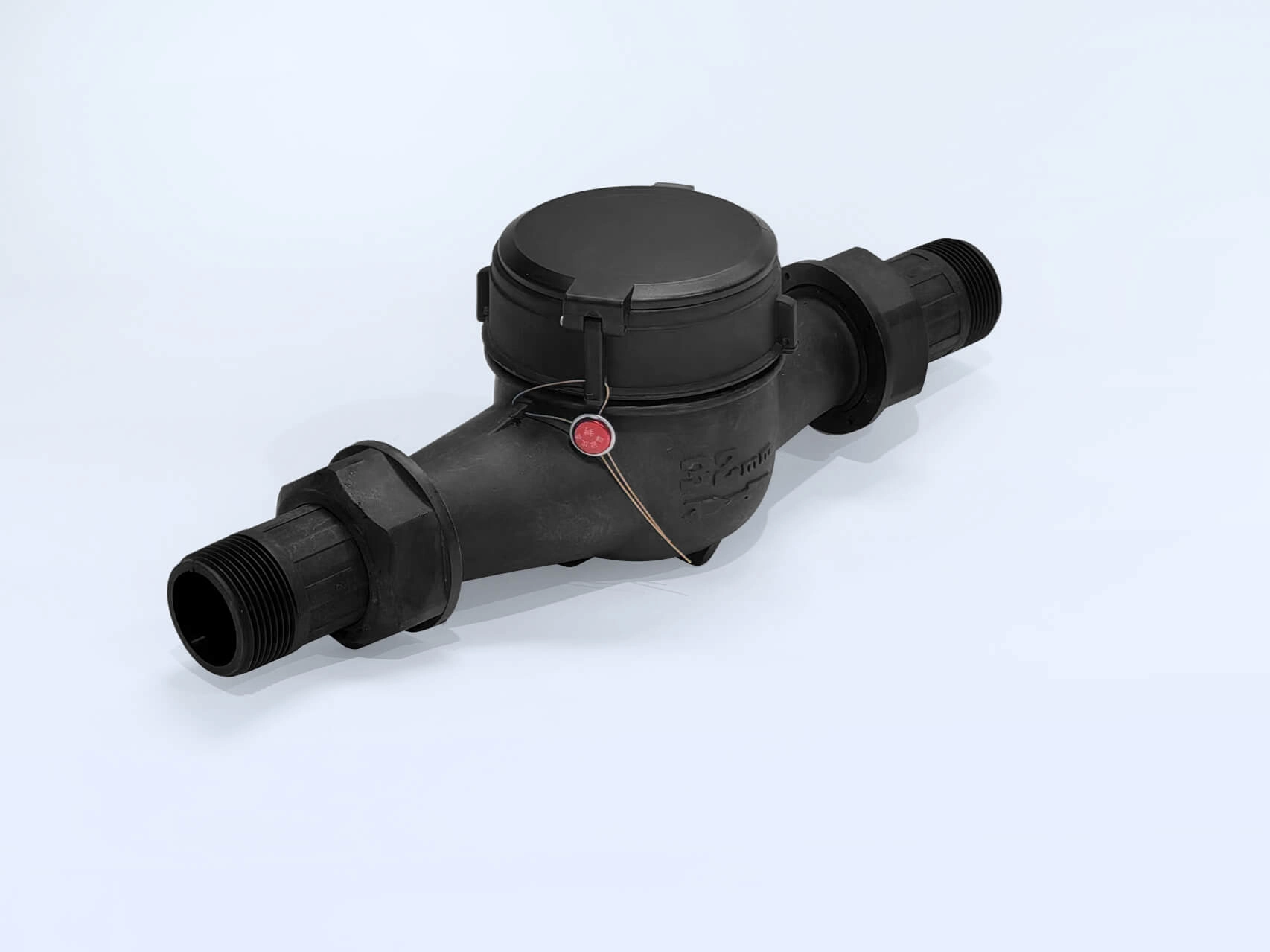
This setup works well in units like the Rotary Mechanical Water Meter LXS-32NYLON. It suits homes and businesses for picking up small leaks early.
Built to last, these meters hold steady with strong builds and basic designs.
The Rotary Mechanical Water Meter LXS-40NYLON has a straightforward build, even metering, and low price. Its nylon body handles pressure and heat changes while keeping parts solid over years.
Mechanical water meters offer top accuracy and strength in use. Their exact gear work and materials lock in true reads. They also run smooth for years in many settings.
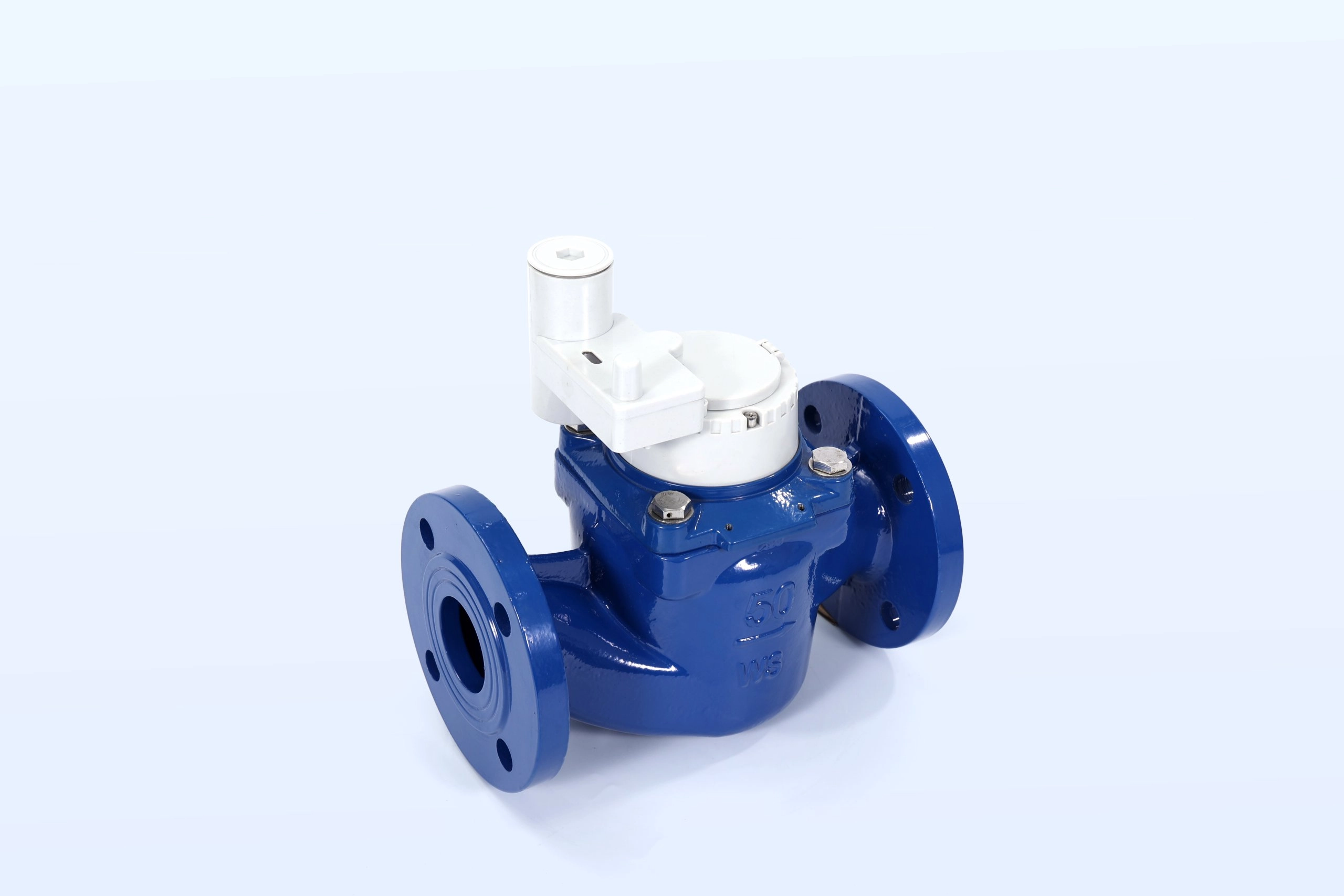
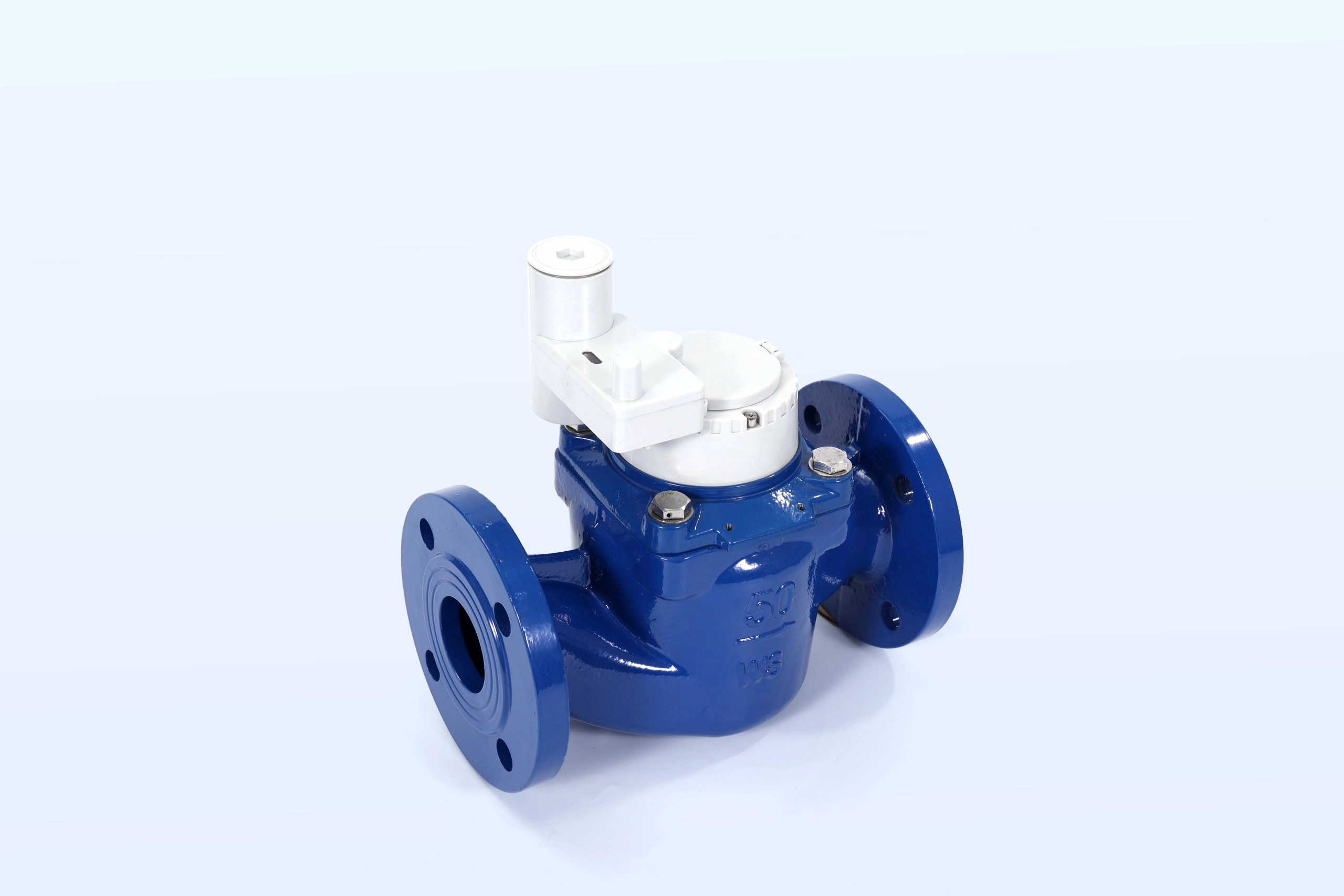
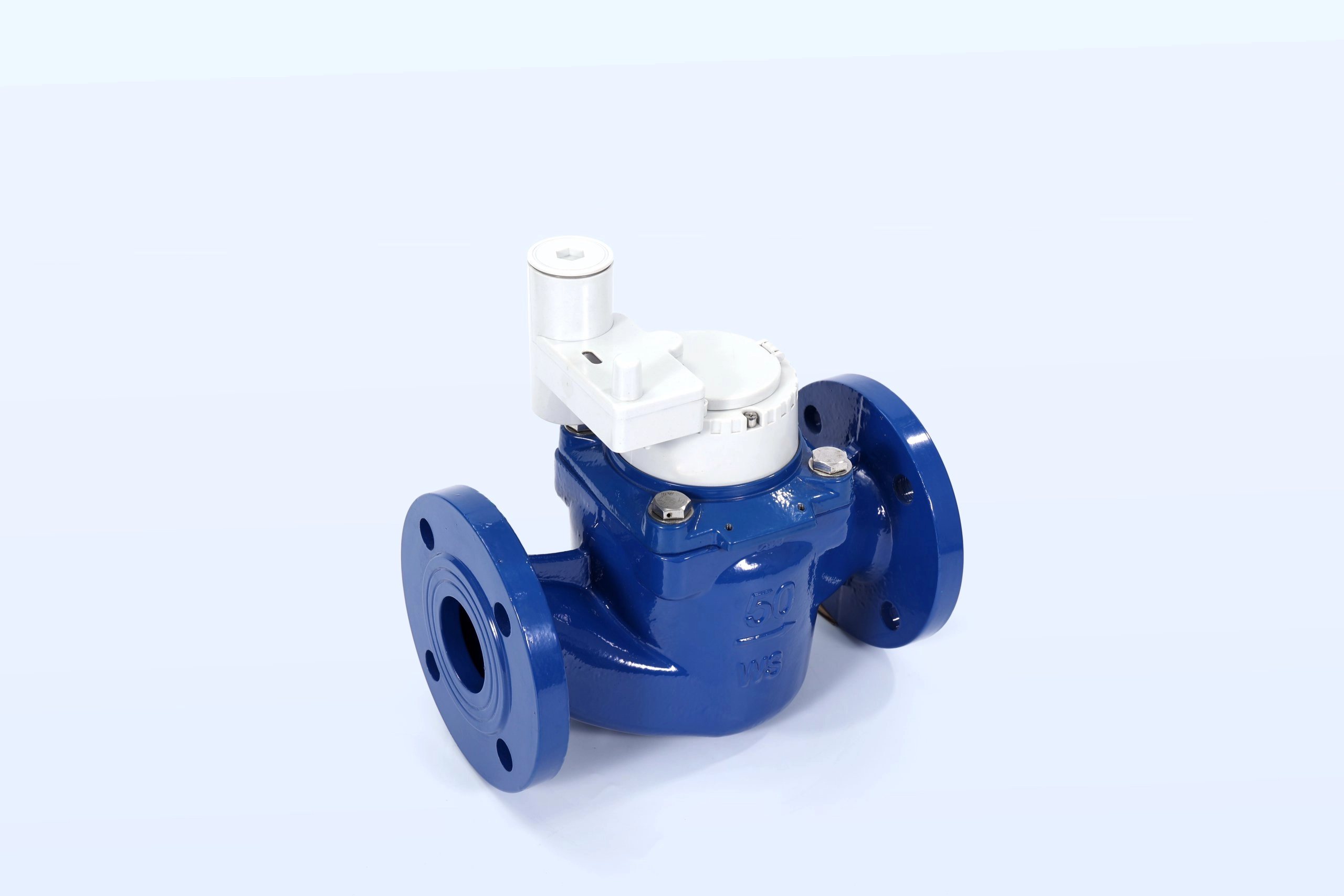
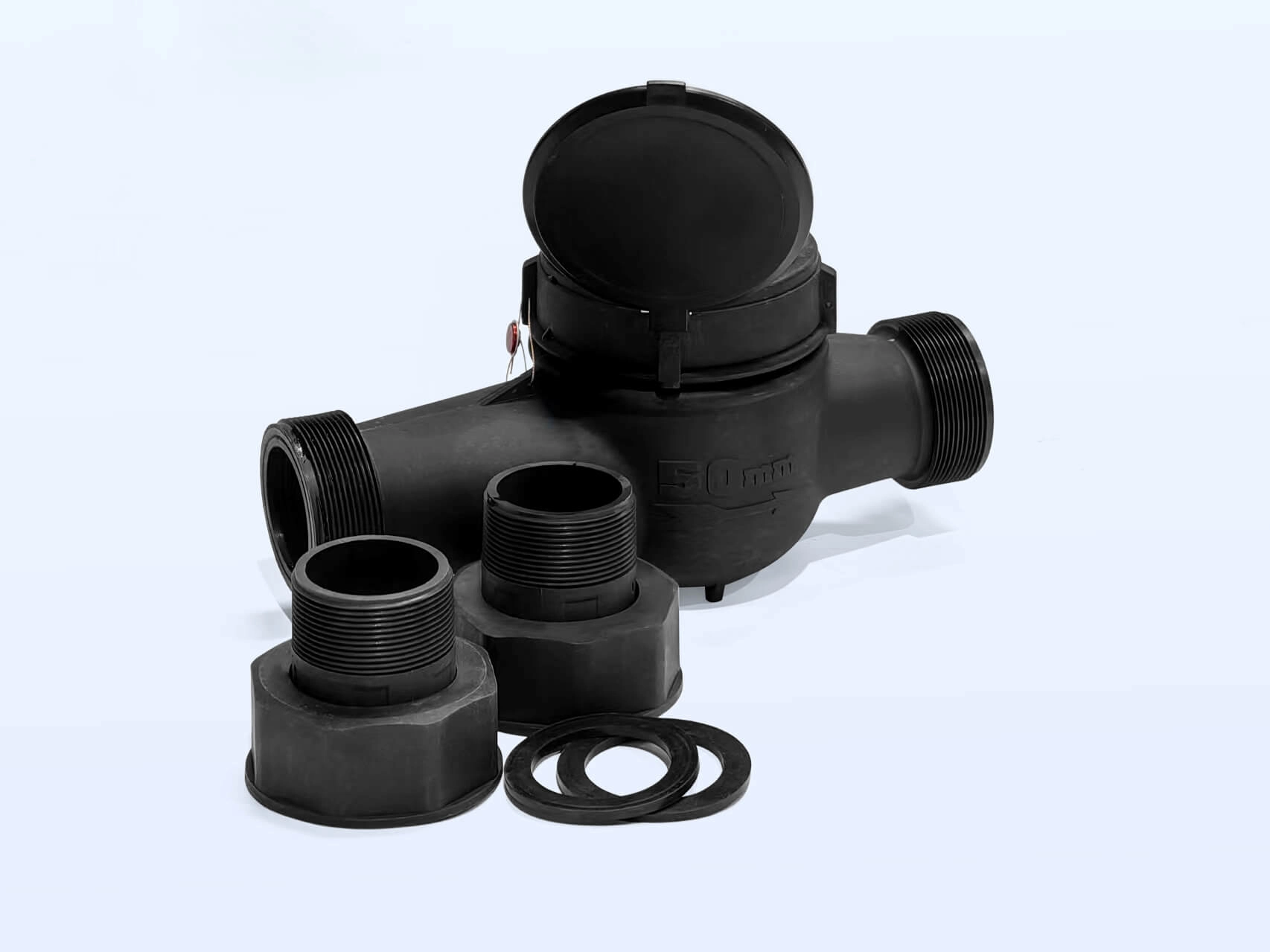
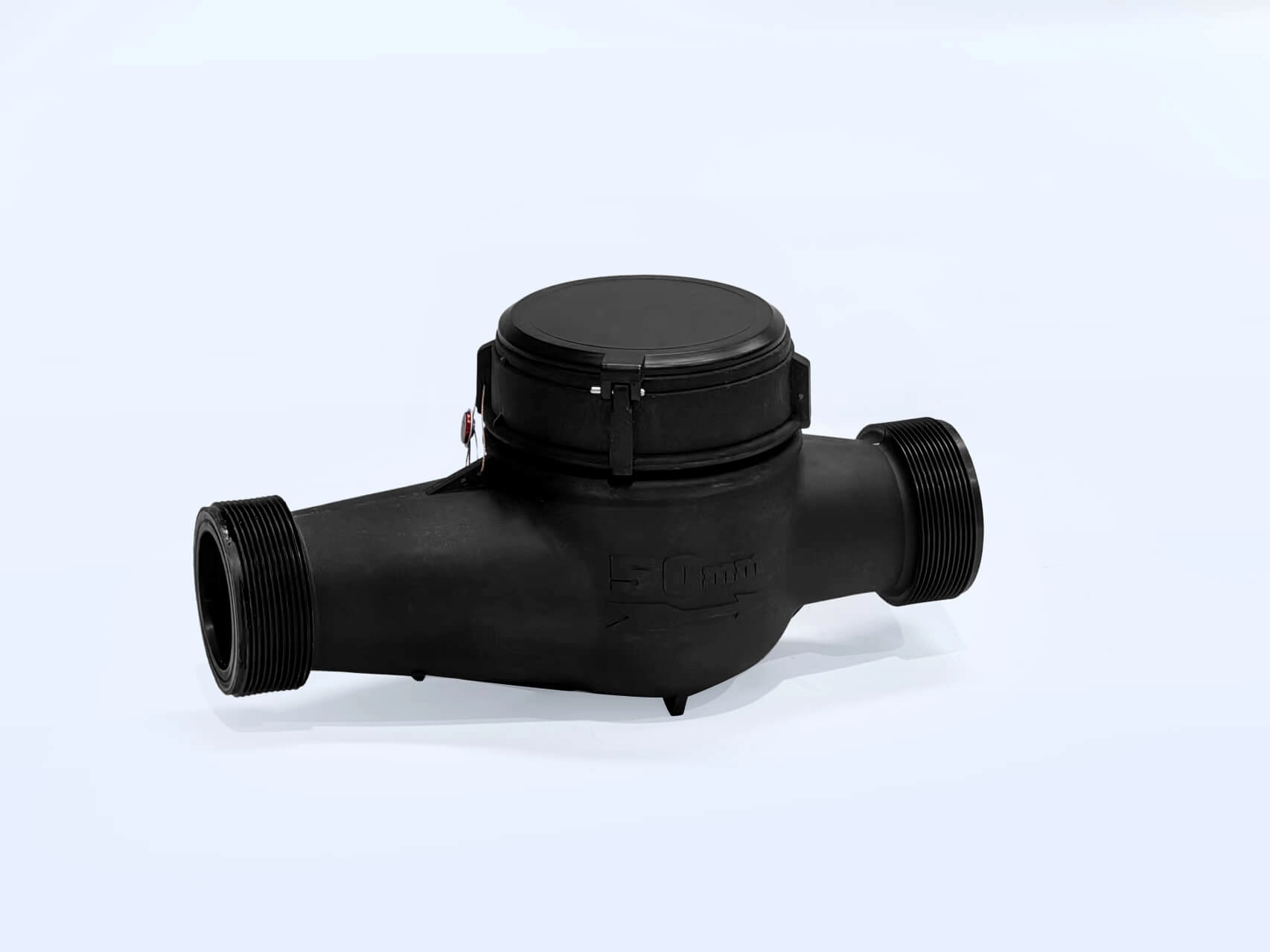
Sizes like the LXS-50NYLON fit bigger pipes and serve factories reliably.
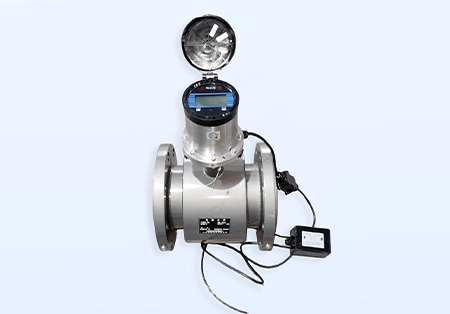
Linking to remote add-ons mixes old-school trust with fresh, live tracking.
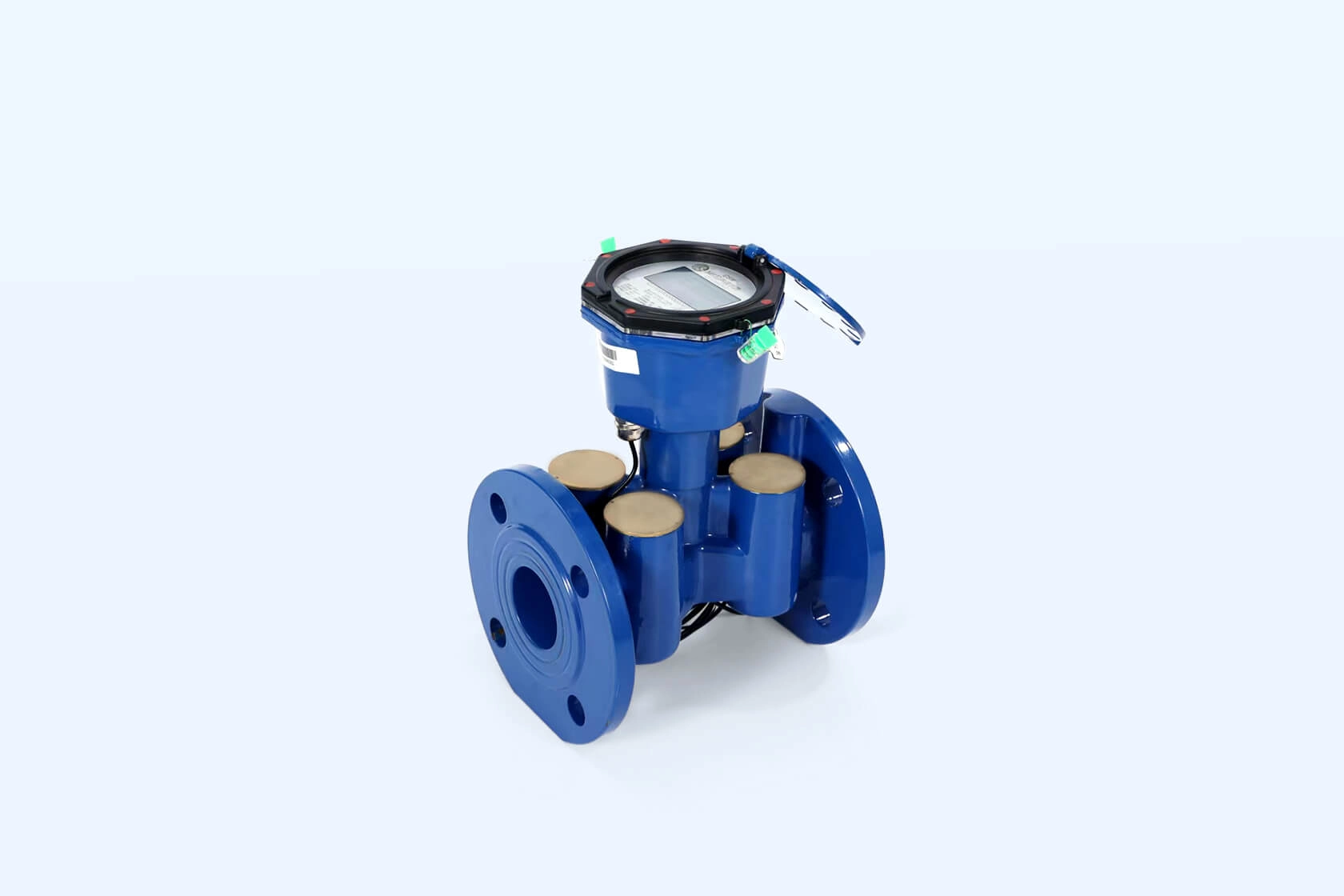
Basic mechanical meters lack built-in digital features. Yet many pair with remote units for auto logs and warnings. Operators get instant alerts on odd flows. This speeds fixes without trips to the site.
Spotting clear patterns in these changes speeds up and sharpens leak checks.
Steady flow in off times often means small leaks that never stop. This slow drip adds up to big losses over time.
Watch the meter’s dial or digits to see shifts clearly. This helps grasp your water use. It also pinpoints trouble areas fast and checks if repairs work.
Sudden high points in use can come from quick pipe fails, like joint breaks or bad valves. Match live data to past norms to tell real issues from normal needs. Mechanical water meters restart counting right away when water flows again after a cutoff. This keeps records straight after events.
Big shifts from past use levels, even if slow, often flag growing flaws or build problems in your lines. Account for time-of-year changes to skip wrong alerts. Studying patterns aids in planning fixes ahead. It stops small faults from growing.
The LXS-NYLON line excels in blending sharp sense, lasting build, and fit for leak watches.
The LXS-32NYLON uses fine-tuned rotor parts to note low flows key for early leak catches. It spots down to 0.125 m³/h with Class 2 precision, so it works sure in light leak cases.
The LXS-40NYLON takes up to 1.0 MPa pressure and lasts over six years in normal use. Nylon build fights rust, pressure swings, and part wear.
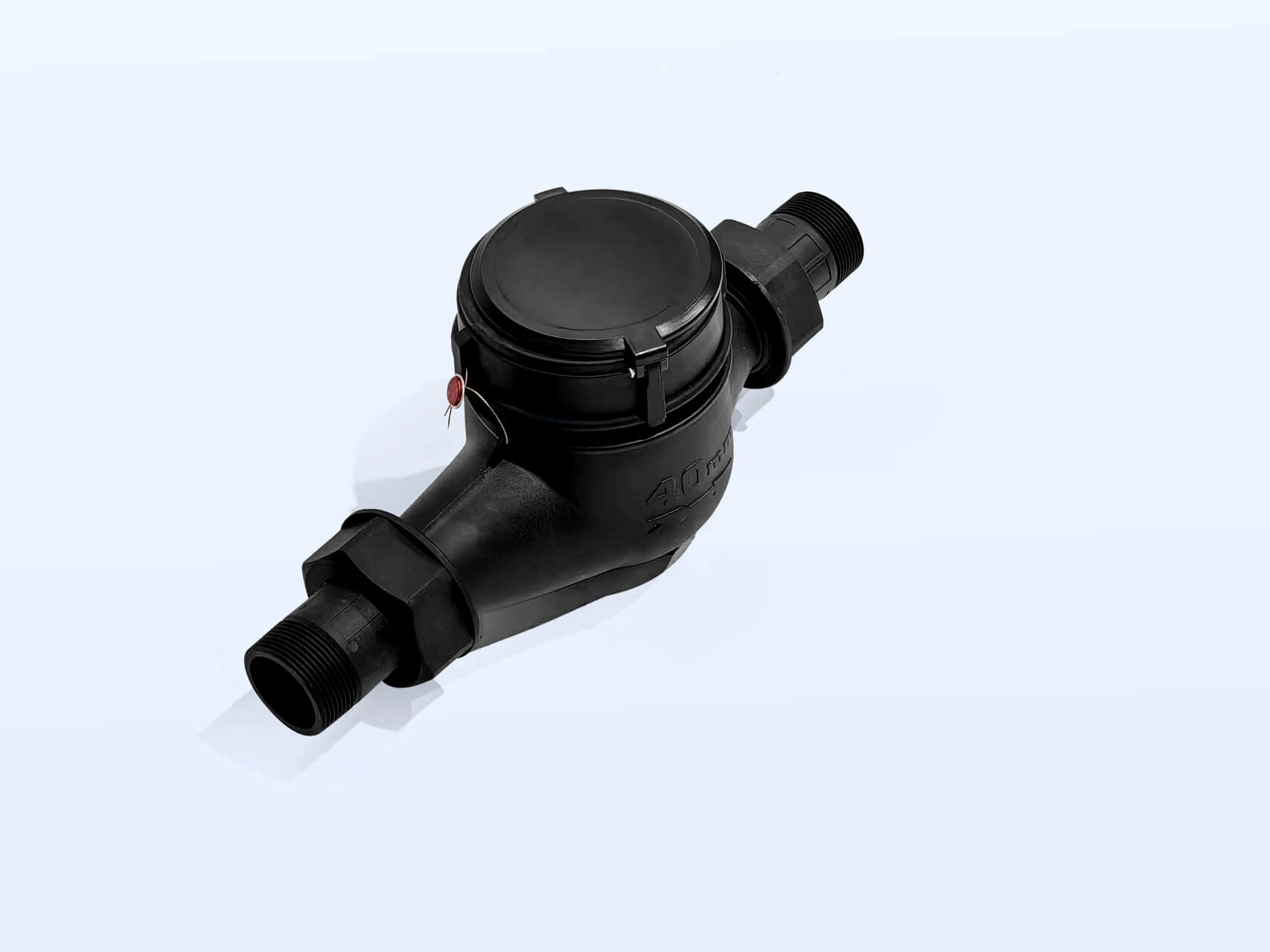
From home lines with DN15 sizes to factory needs with wider ones like the LXS-50NYLON, this line covers many setups. It keeps true reads and strong work across them. These meters fit homes, shops, and public spots thanks to low errors and steady runs.
Q1: How can I tell if my pipeline has a hidden leak?
A: Continuous low-level flow recorded during non-use hours is a strong indicator of a concealed leak.
Q2: Are mechanical water meters accurate enough for leak detection?
A: Yes. Mechanical water meters show extremely high accuracy and durability during the measurement process.
Q3: What size water meter should I choose?
A: Choose a meter whose flow range matches your typical usage. If the selected water meter diameter is not appropriate the water meter will be inaccurate or damaged.
 Address: Xiao'anzi Industrial Park, Baishabu Town, Lanshan District, Linyi City, Shandong Province
 Call us now:+86 15562945993
 Email: ivy@sdchenshuo.cn


Shandong Chenshuo Instrument Co., Ltd.