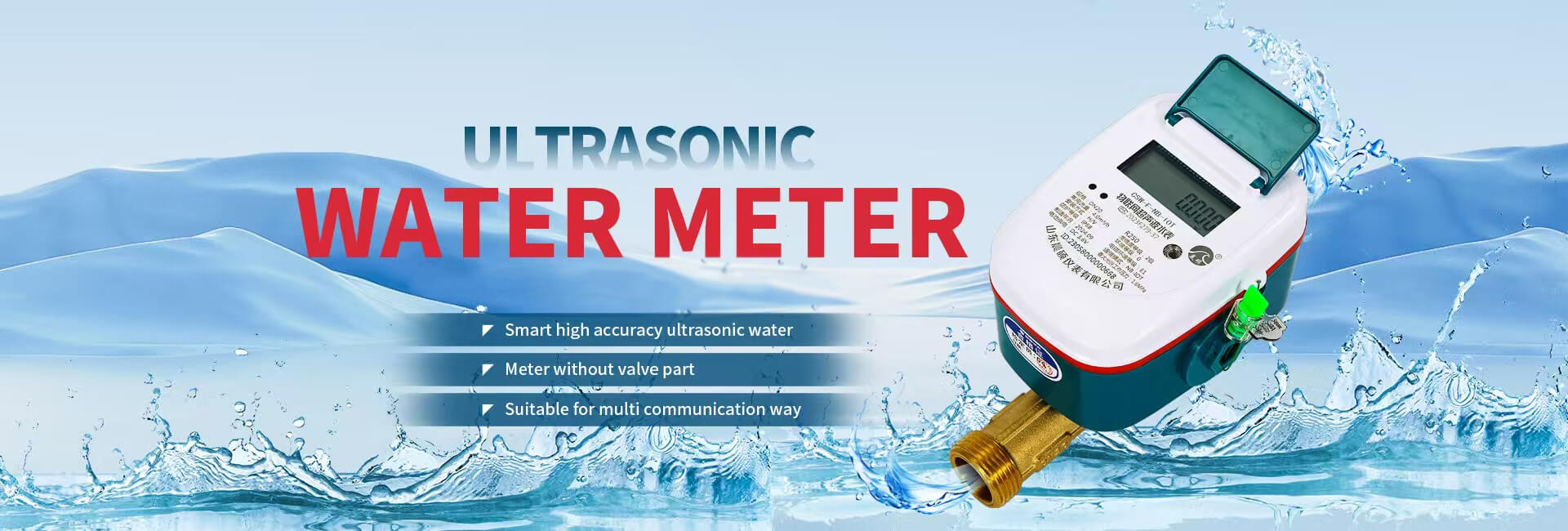


In 2025, precise water measurement remains vital for handling resources wisely as cities grow larger and water shortages become more common. Picking the suitable water meter type helps guarantee accurate billing, cuts down on wasted water from leaks, and promotes responsible usage over time. The four main categories include rotary mechanical, LoRaWAN smart, ultrasonic, and electromagnetic versions. Each brings unique strengths that fit various situations, ranging from home setups to large factory operations. Recent progress in IoT connections and static measurement methods pushes the move toward clever systems that deliver instant information and demand far less upkeep.
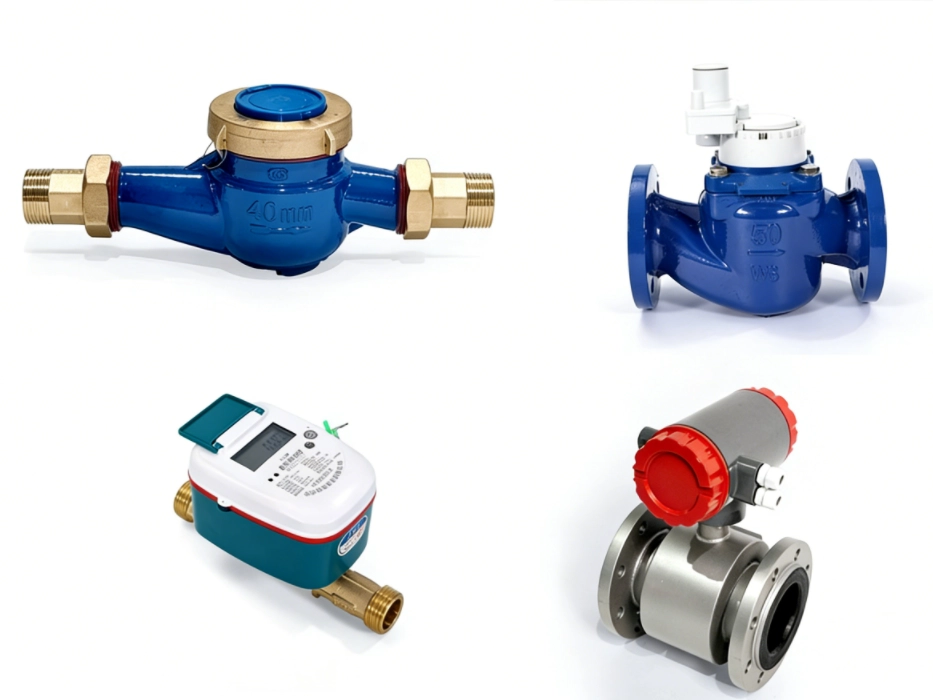
When looking for dependable options, think about working with an established producer such as Chen Shuo, a specialized high-tech company located in China’s main water meter production area in Linyi, Shandong.
Water needs around the world keep rising because of expanding populations and busy urban areas, so effective metering turns into a key tool for saving supplies and keeping expenses under control. Older styles gradually give way to modern smart units that connect smoothly with big data tools and IoT networks for smoother oversight. The four categories explored here match different demands, whether you need simple volume recording or detailed remote tracking within full smart water networks.
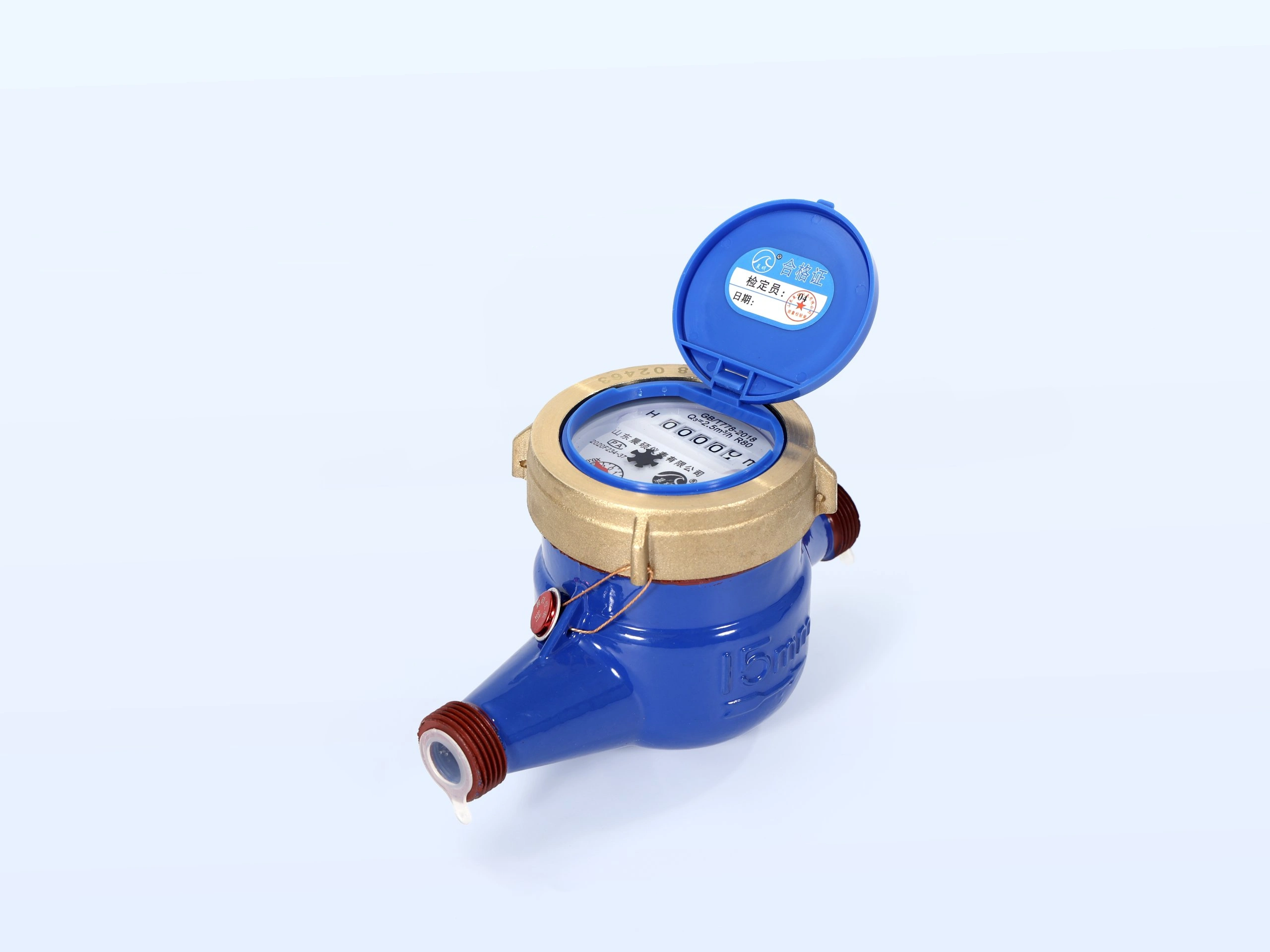
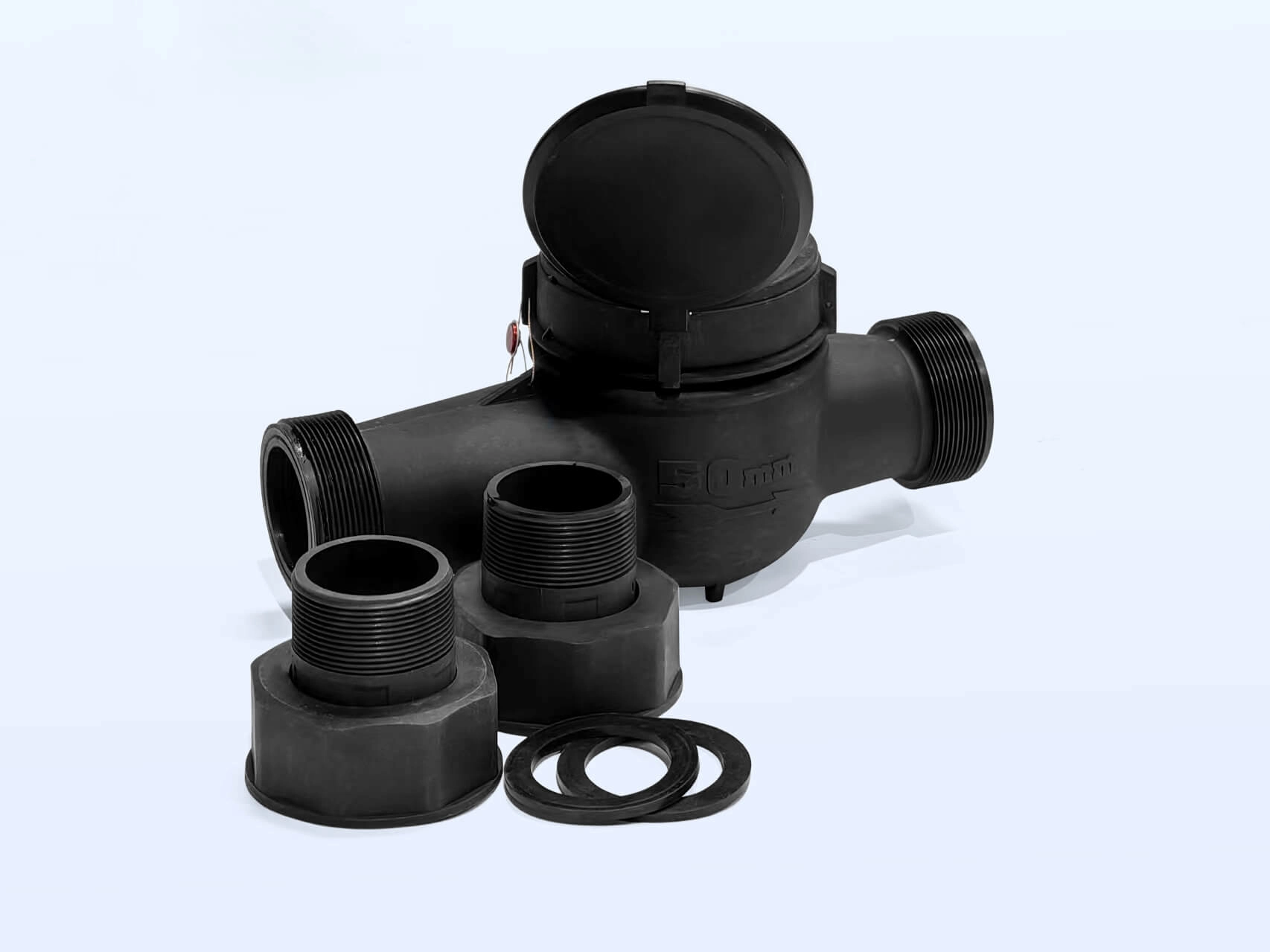
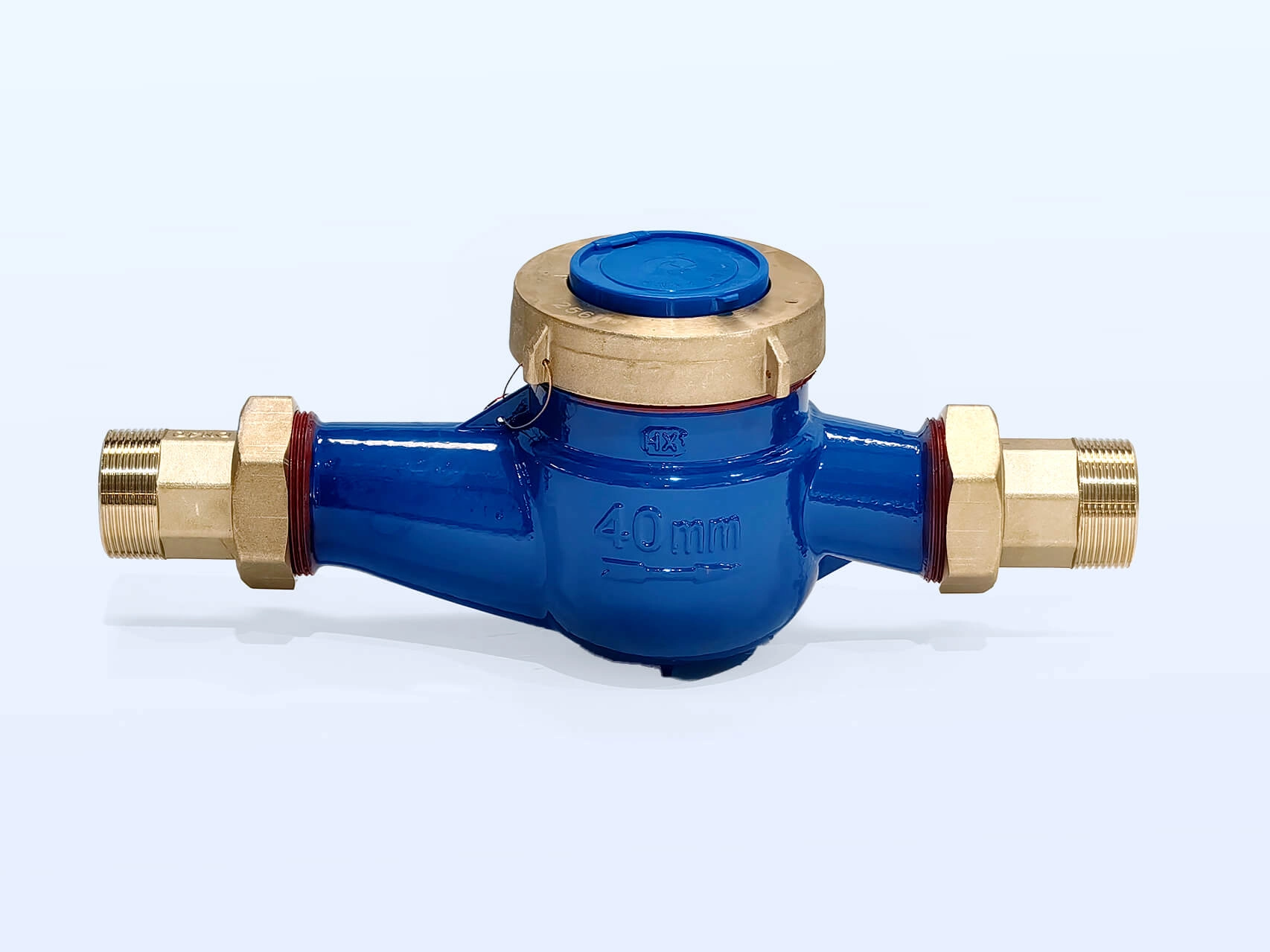
Rotary mechanical water meters continue to act as basic building blocks in countless installations thanks to their simple yet sturdy layout and consistent results over years of service.
Flowing water pushes an impeller to spin steadily, and connected gears carry that movement to a display counter that shows total volume clearly in cubic meters. Multi-jet versions spread the incoming stream evenly around the impeller, which boosts sensitivity greatly and limits wear much better than basic single-jet styles.
Such meters need no outside electricity, deliver steady operation with clean supplies, and hold accuracy levels around ±2% in higher flow zones while staying within ±5% for lower ones. Their typical working life stretches to six years or longer when verified regularly. On the other hand, the moving components may gradually wear down, and particles in the supply can shorten overall durability.
You often see these meters installed in private homes, apartment buildings, and modest business locations where affordable, standalone measurement meets everyday requirements perfectly.
For solid daily performance, look at choices like the LXS-40 Brass Rotary Mechanical Water Meter featuring DN40 diameter, Q3 value of 16 m³/h, sturdy brass construction that resists rust well, and reliable Class 2 precision.
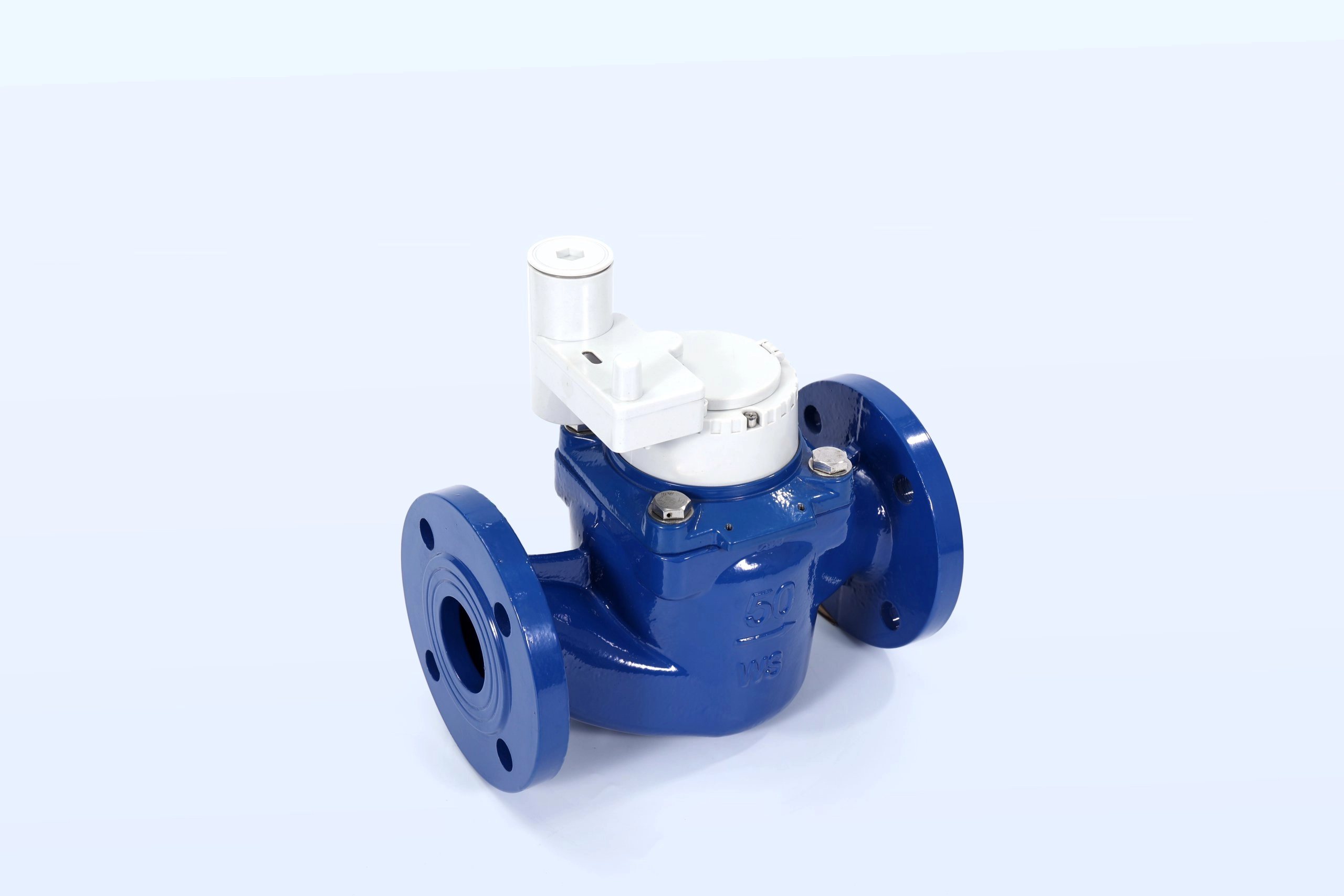
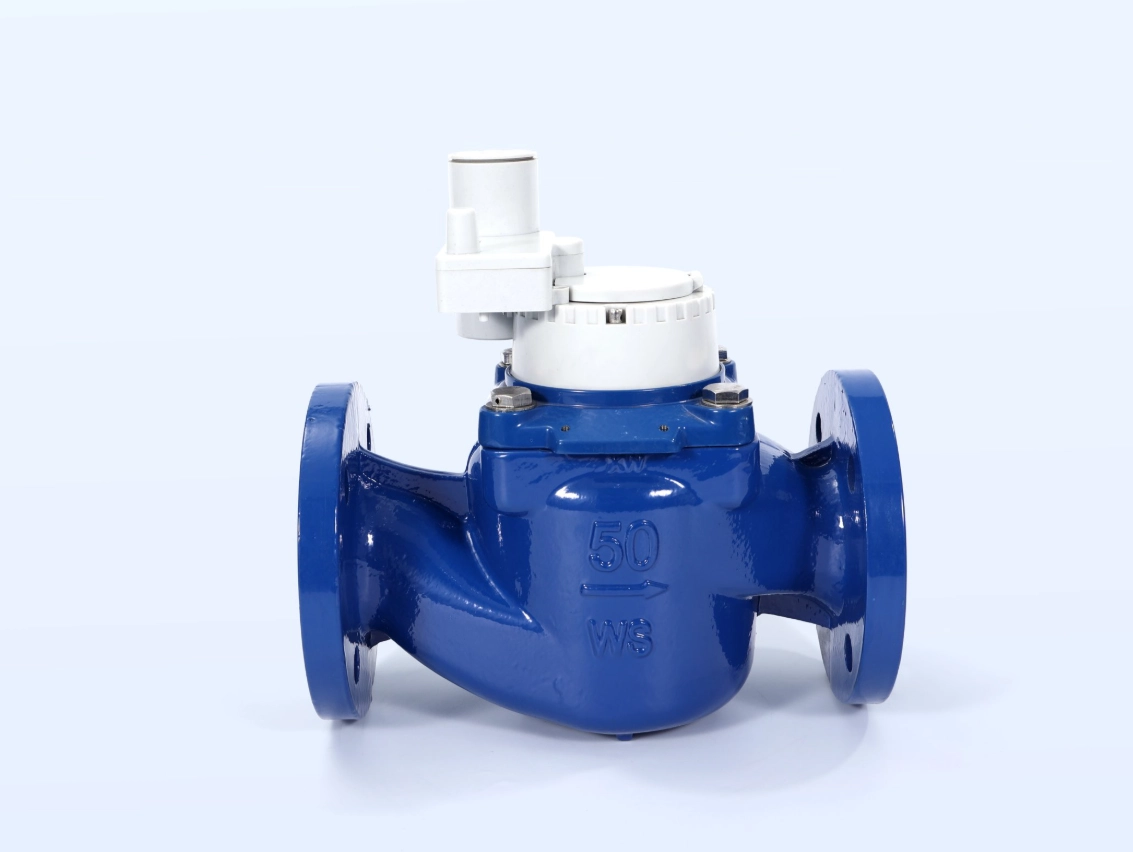
LoRaWAN smart water meters combine proven mechanical foundations with modern wireless features to make data gathering far easier for today’s utility companies.
The core meter tracks flow volume accurately, and a built-in LoRaWAN unit sends readings across considerable distances while using very little energy. This combination allows effortless remote access, optional valve operation, and direct links to central control platforms.
These units remove the need for on-site visits entirely, send immediate warnings about unusual patterns such as leaks, provide full IP68 waterproof sealing, and run on batteries that last many years. However, stable network signals are necessary, especially in outlying spots.
Municipal providers commonly place them in city developments, big housing communities, and advanced metering setups to streamline processes and lower unreported water losses noticeably.
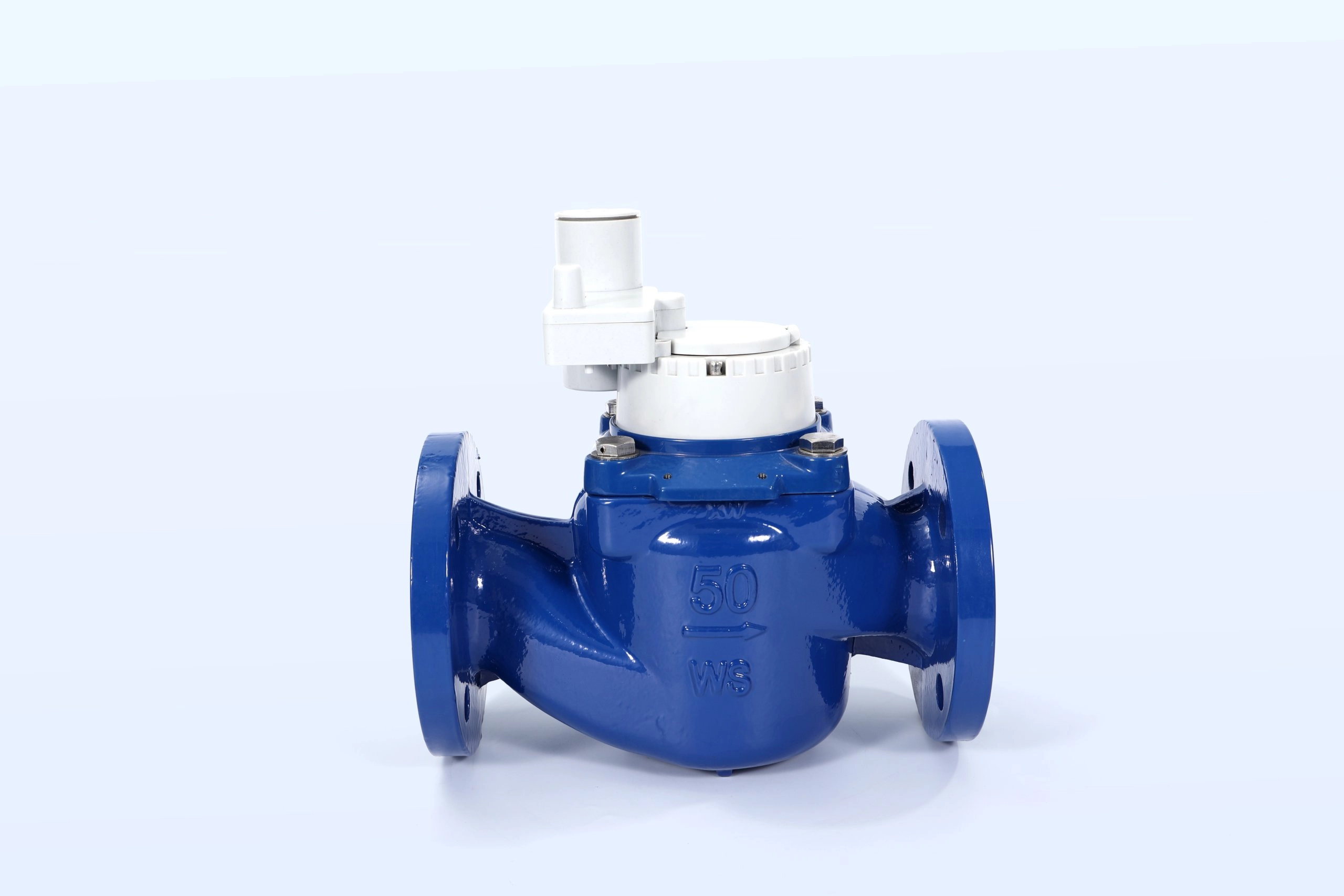
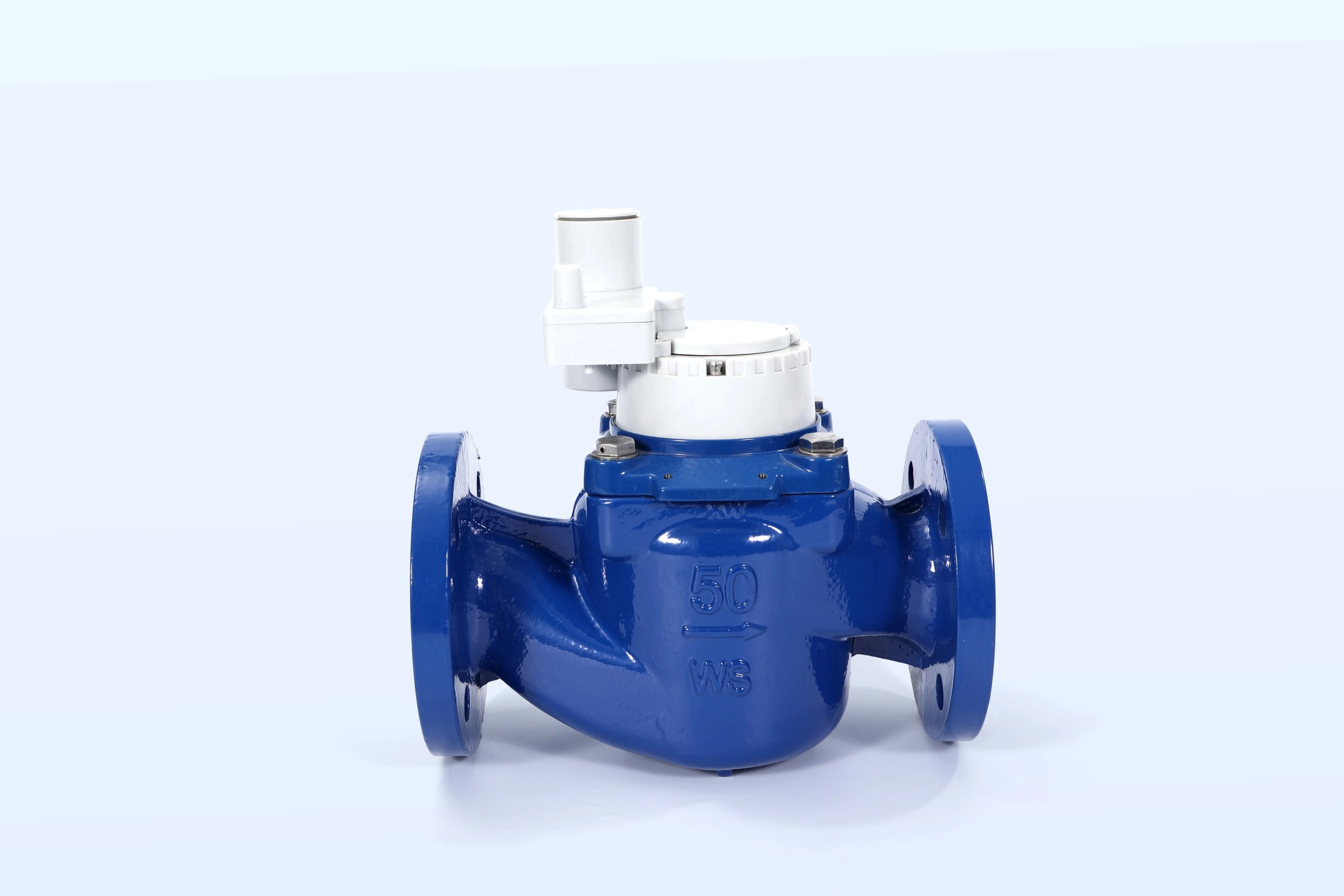
Reliable selections in DN50 LoRaWAN Smart Water Meter sizes offer excellent signal reach, built-in valve management, and smooth connections to cloud-based systems for thorough smart water oversight.
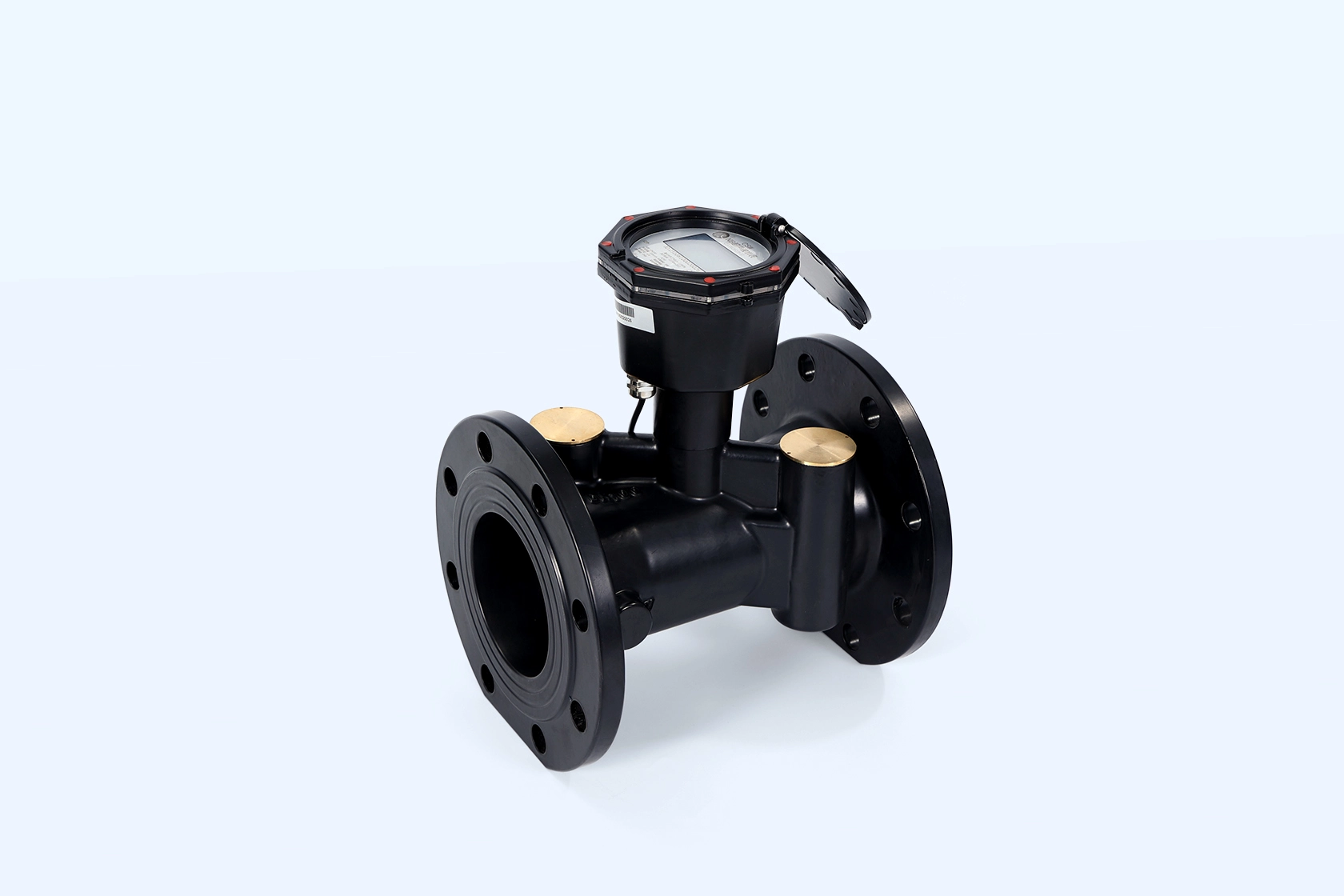
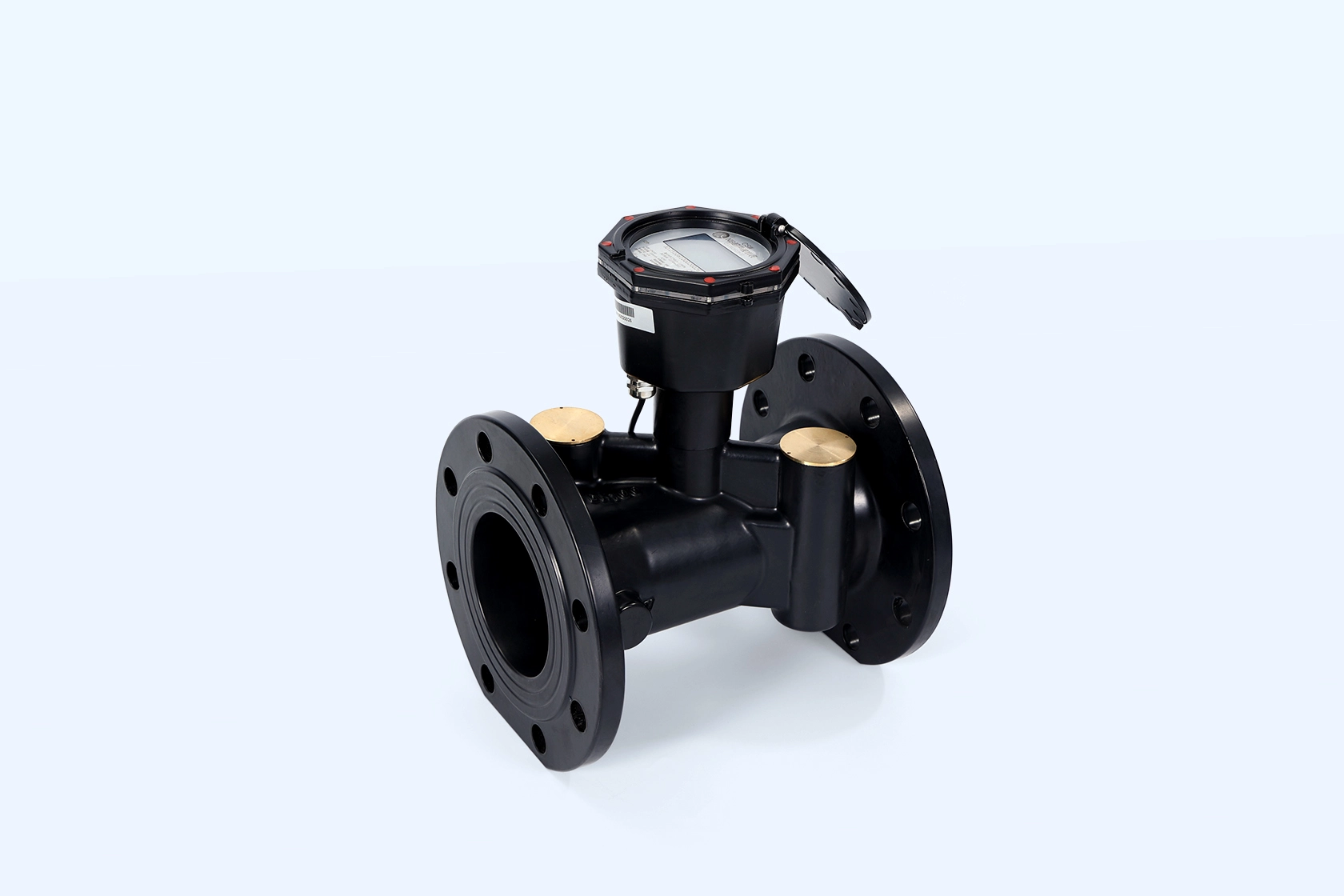
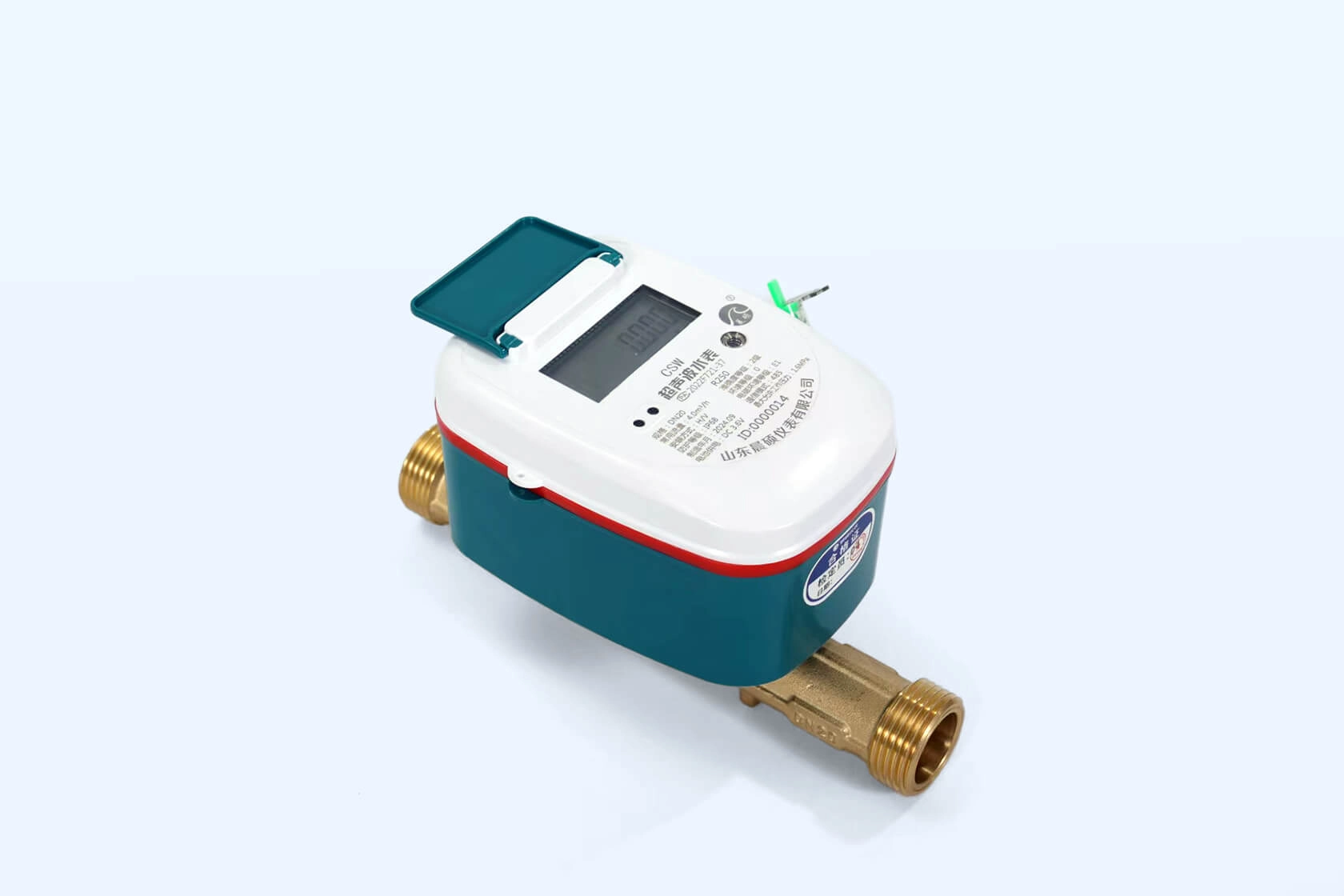
Ultrasonic water meters stand out as modern static solutions that shine brightly in settings requiring steady high accuracy over extended periods.
Special transducers send and catch ultrasonic pulses through the stream, and the slight time shift between upstream and downstream signals determines speed and total volume precisely without any internal moving elements. This clean approach avoids mechanical friction completely.
They supply outstanding ±1-2% precision, handle broad flow ratios up to 250:1 easily, create almost no pressure drop, and often serve reliably for over 15 years. Initial purchase prices run higher, yet they perform best with relatively clear fluids.
You typically install them in district metering zones, factory circulation loops, building climate control systems, and farm irrigation lines where catching tiny flows matters greatly.
Practical models such as the DN32 Ultrasonic Water Meter come with IP68 protection, helpful leak alerts, and ready support for intelligent data platforms.
Electromagnetic flow meters prove particularly useful when dealing with conductive liquids under tough daily conditions.
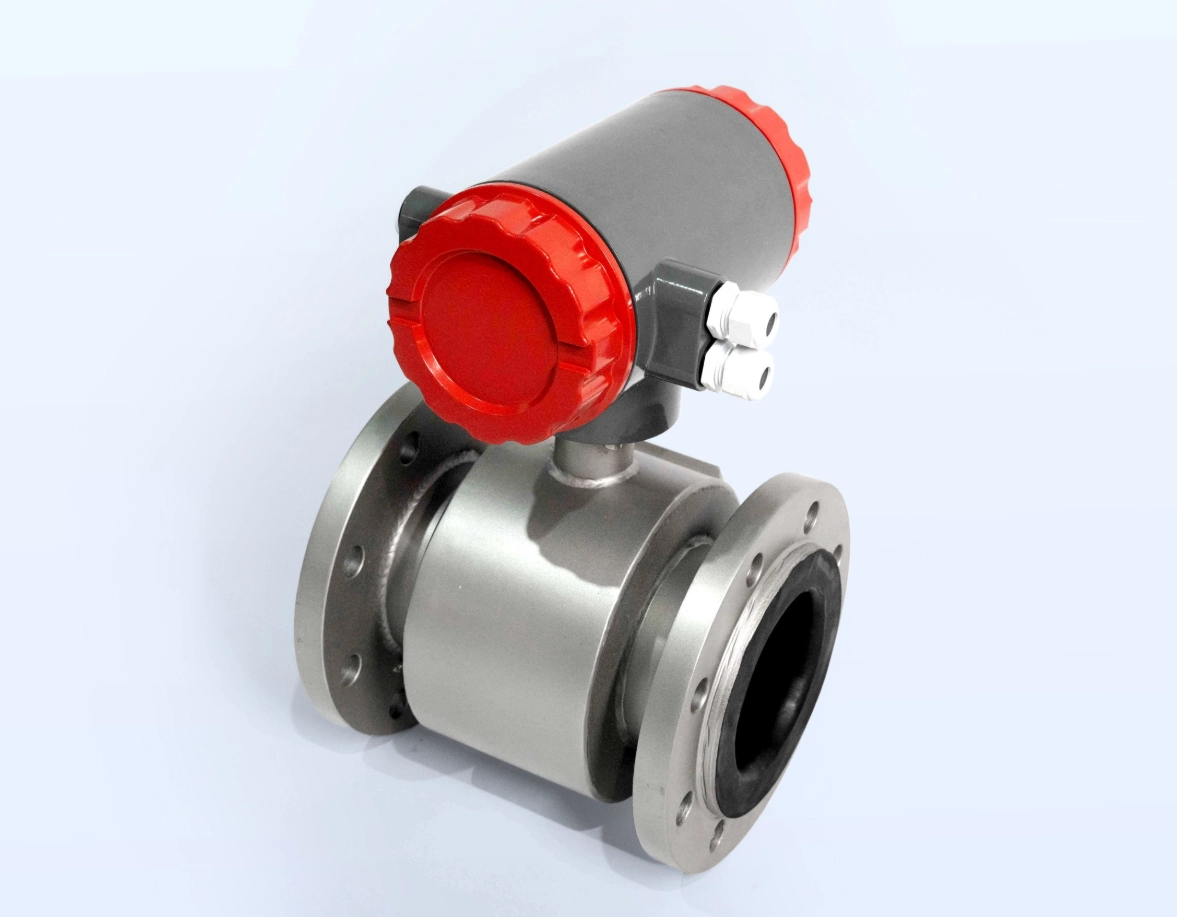
A steady magnetic field surrounds the pipe, and moving conductive liquid generates a small voltage directly related to its speed according to Faraday’s principle, which the device converts into accurate volume readings. No internal barriers interrupt the stream.
They cause virtually zero pressure reduction, measure in both directions smoothly, and special linings protect against harsh or contaminated contents effectively. Still, the liquid must conduct electricity above 5 μS/cm, so pure supplies limit their use.
Facilities often choose them for sewage processing plants, chemical production lines, major city supply pipes, and slurry handling tasks where toughness counts most.
The DN100 Electromagnetic Flowmeter delivers tight 0.3-1% precision, convenient RS485 communication, and secure flange fittings suited to heavy industrial lines.
Consider carefully the conductivity of your supply, normal flow speeds, surrounding conditions, and any wish for connected smart functions. Static designs generally save money over years because they need little servicing, and IoT-ready versions supply valuable insights that help spot leaks early and distribute resources wisely.
Q1: What accuracy level do most modern water meters achieve?
A: Class 2 meters usually keep errors around ±2% in higher flow areas and ±5% in slower ones, although newer ultrasonic and electromagnetic kinds frequently reach ±1% or even tighter tolerances.
Q2: Do smart water meters require frequent battery replacements?
A: LoRaWAN versions rely on efficient low-power designs, so their batteries commonly last several years and cause minimal downtime.
Q3: Can ultrasonic meters handle impure water?
A: Absolutely, because they lack moving pieces, these meters resist blocking from particles and keep steady readings much longer than traditional mechanical options.
Q4: Why choose electromagnetic flow meters for industrial use?
A: Their open-path layout manages aggressive or dirty liquids smoothly without dropping pressure, and they offer dependable two-way measurement for demanding jobs like sewage tracking.
 Address: Xiao'anzi Industrial Park, Baishabu Town, Lanshan District, Linyi City, Shandong Province
 Call us now:+86 15562945993
 Email: ivy@sdchenshuo.cn


Shandong Chenshuo Instrument Co., Ltd.