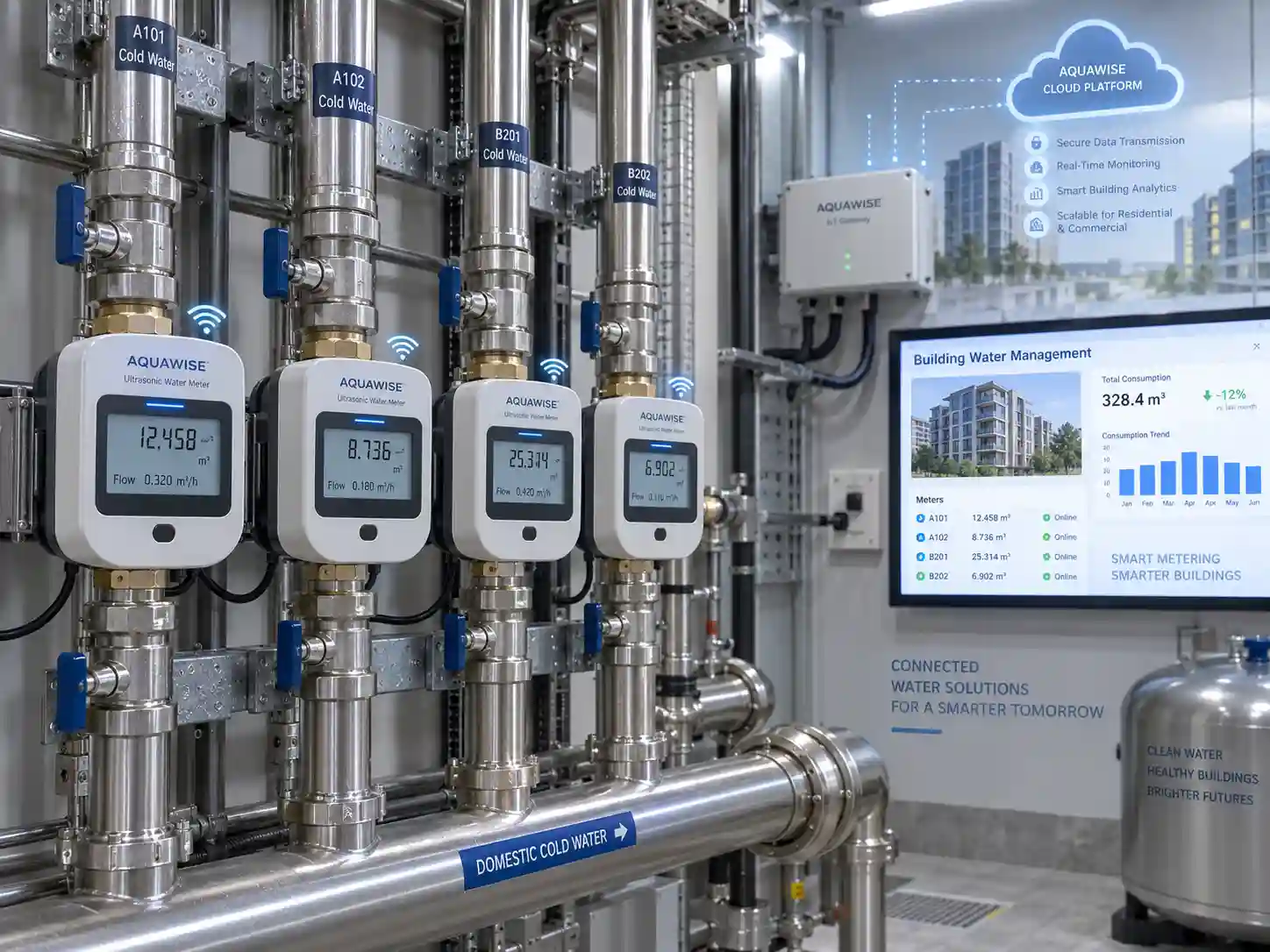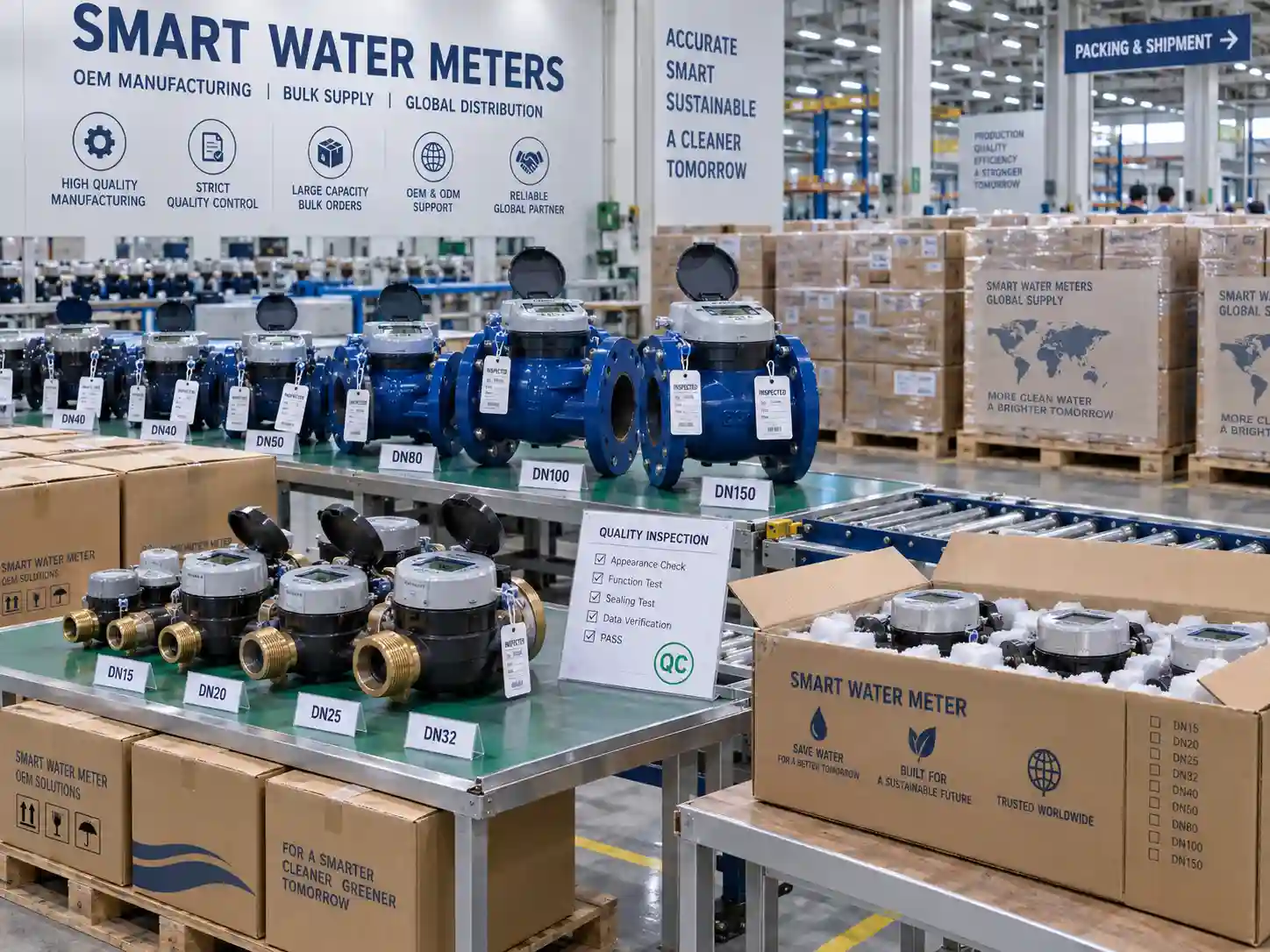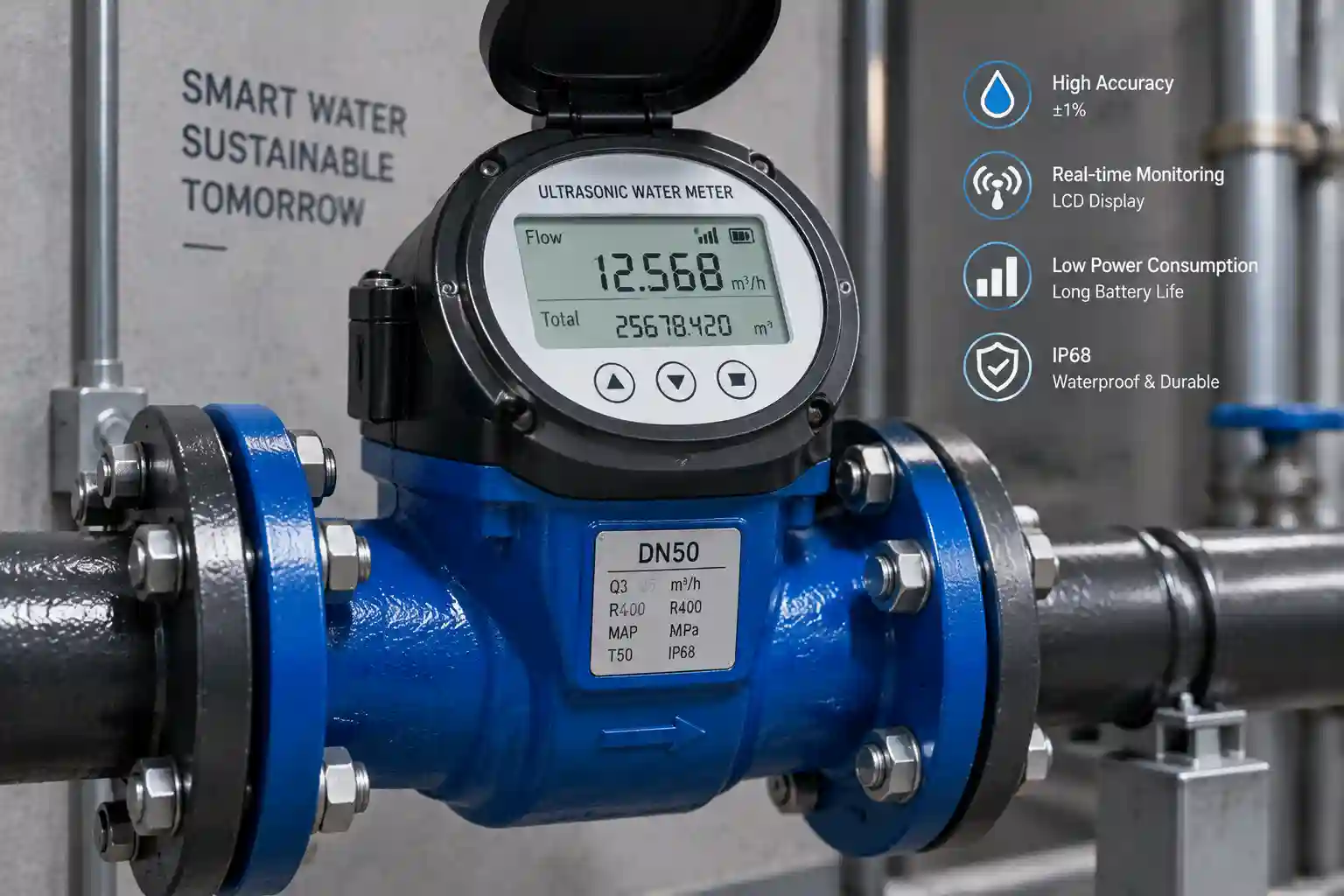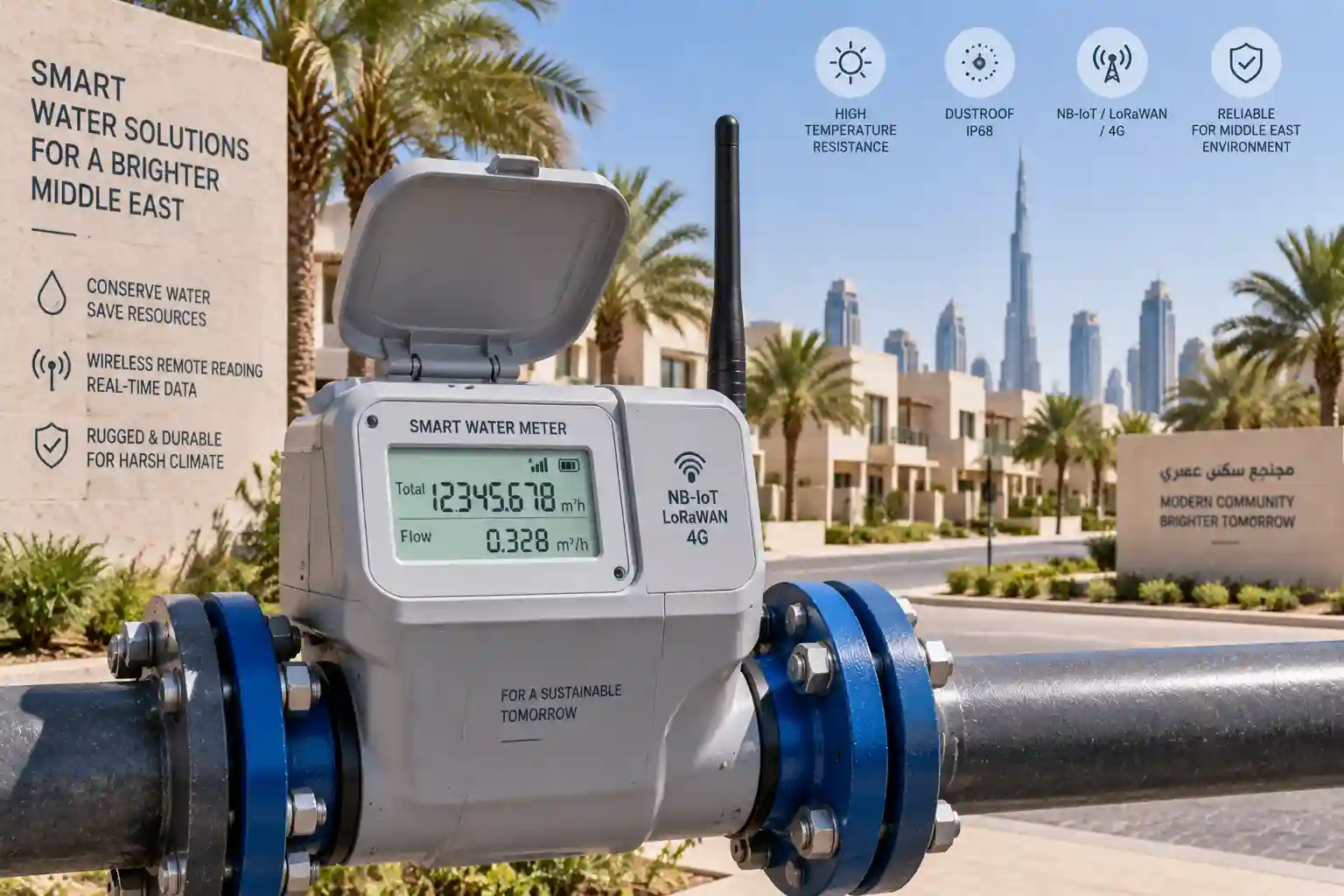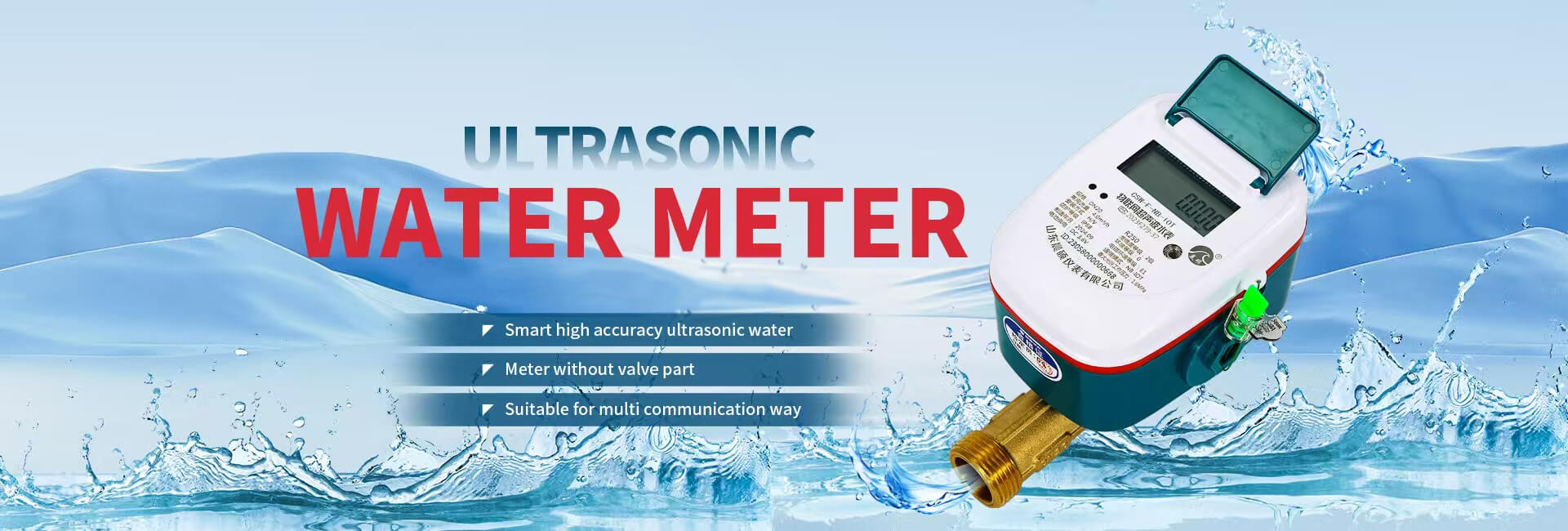


한 초음파 수량계 fits buildings that need digital measurement, low-flow detection, and a path to remote reading. In apartments, it can record consumption by dwelling. In offices, hotels, campuses, and retail properties, it can separate tenants, floors, or service areas.
Pipe diameter, expected flow, connection type, installation space, communication network, and platform interface determine the suitable model.
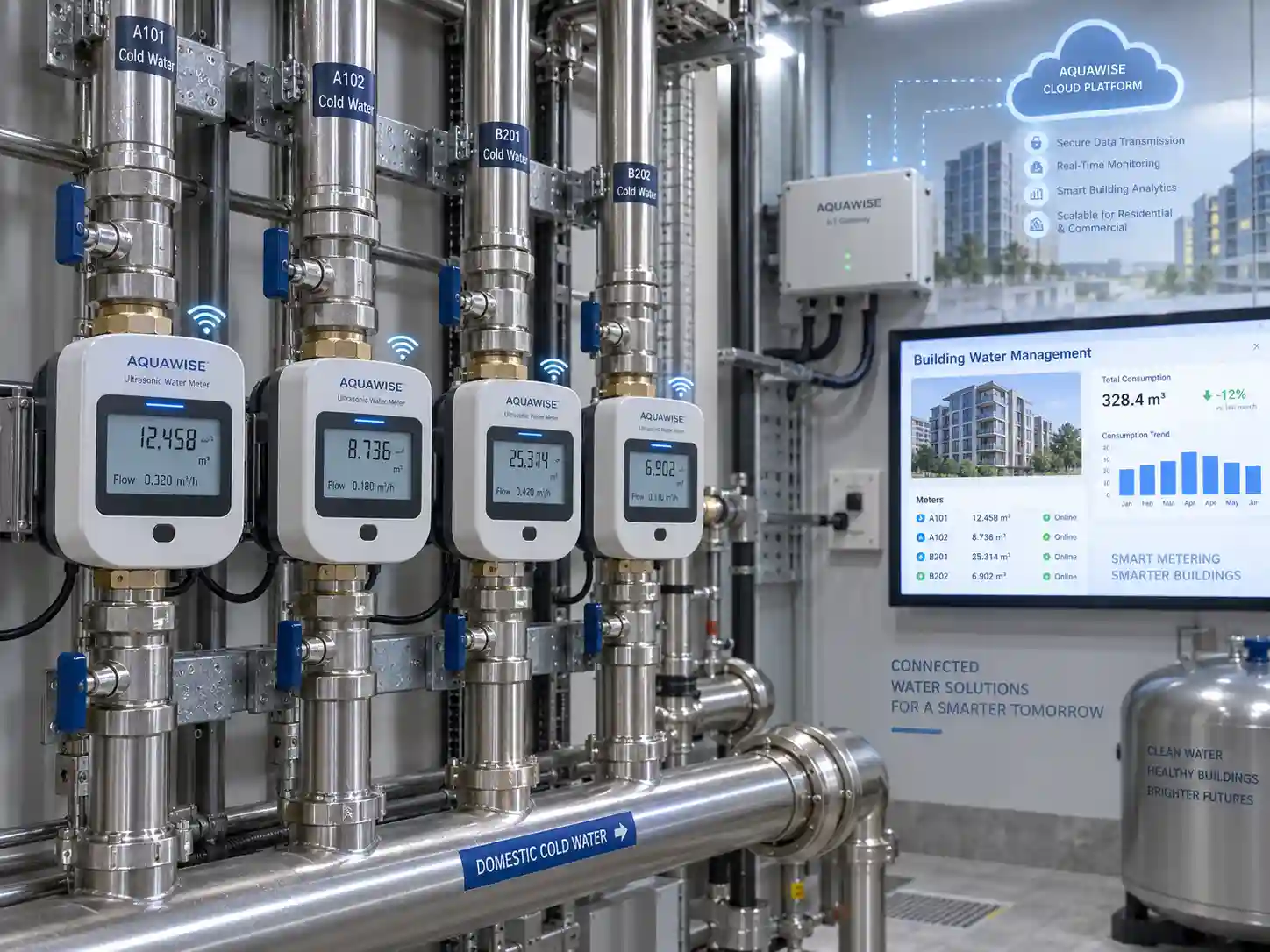
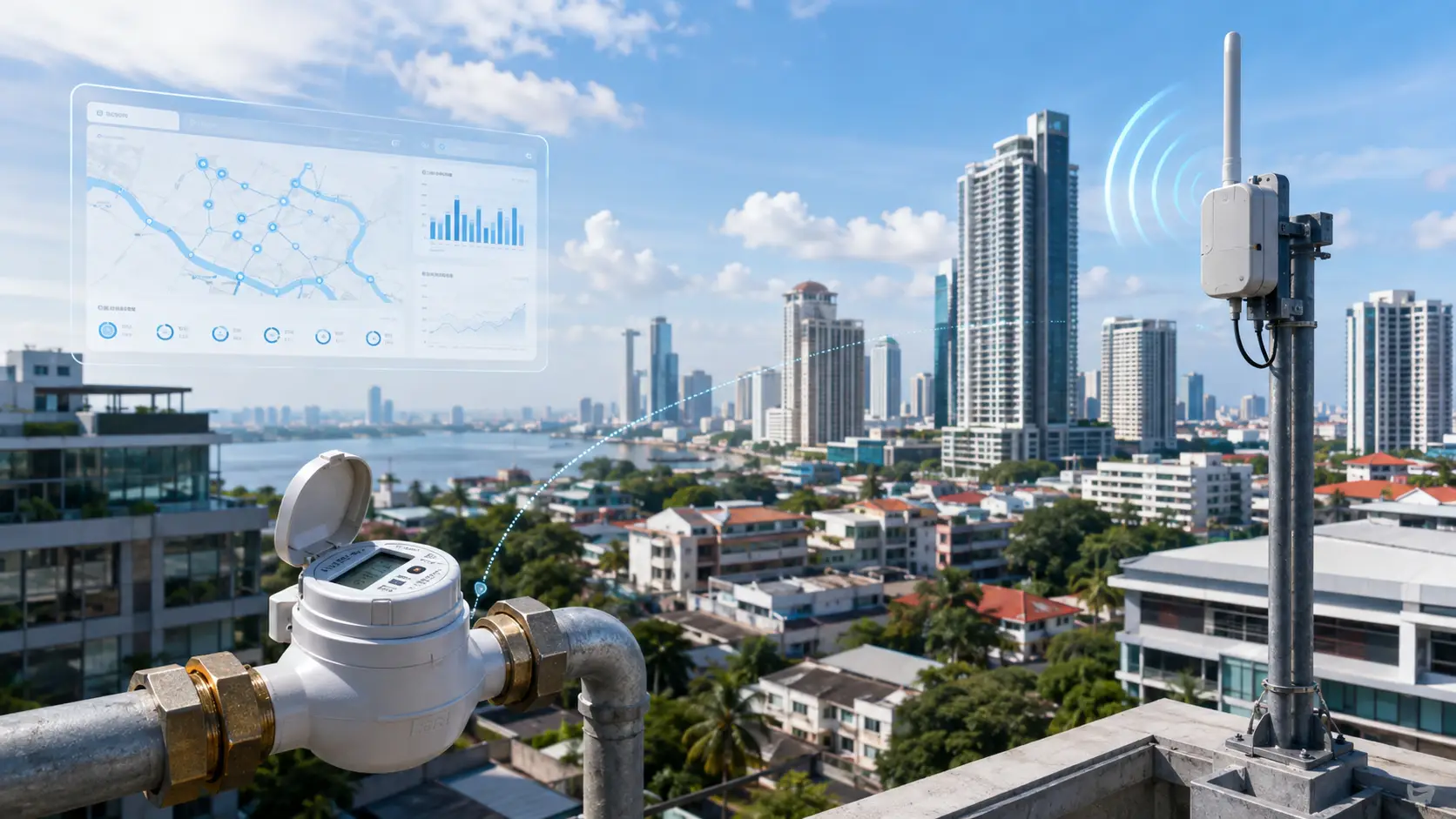
Residential and commercial buildings often contain many meter points. Manual reading takes access, records, and later data entry. A digital meter with a suitable communication setup can send readings to a central system and reduce the amount of site-by-site collection.
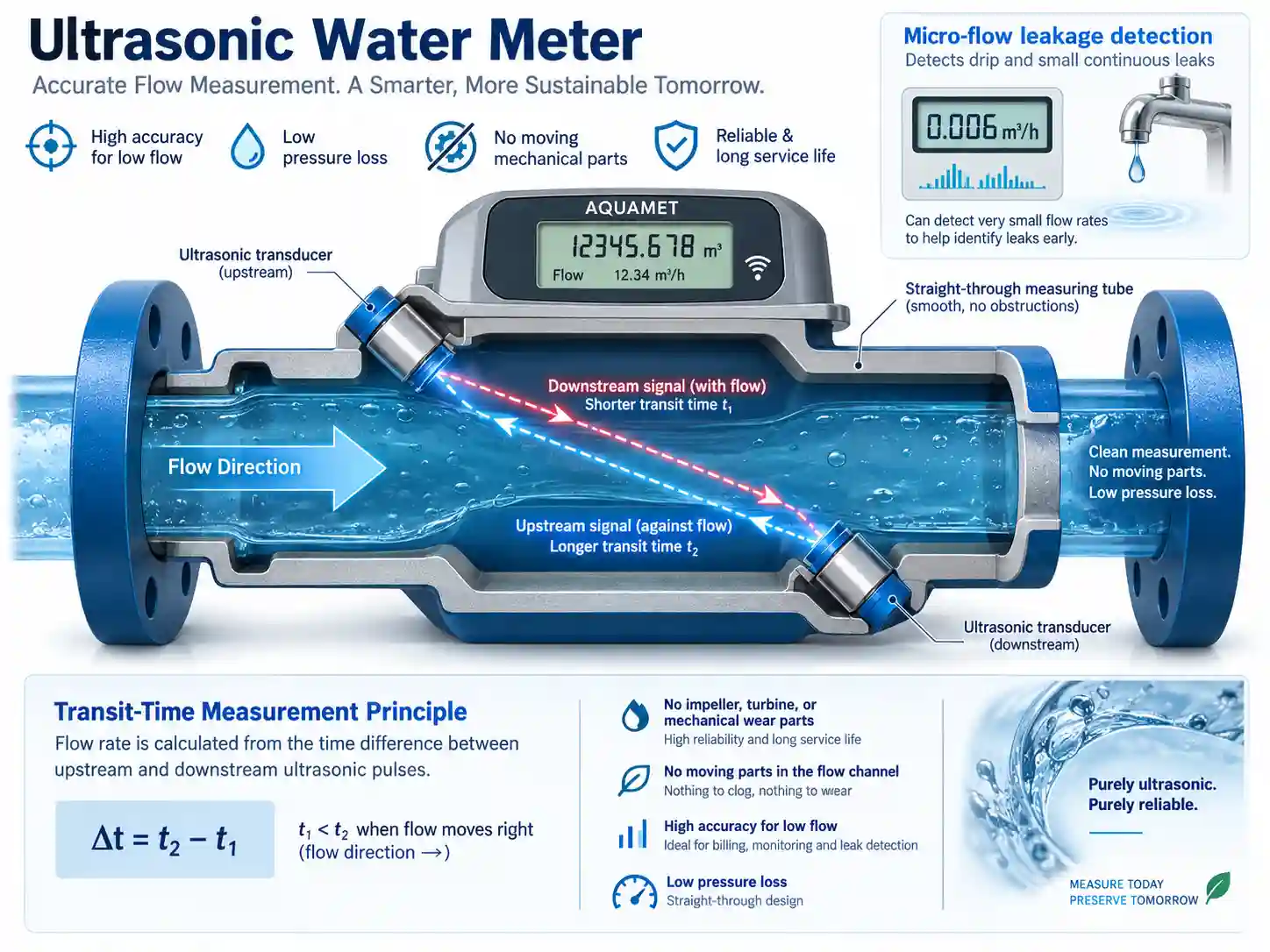
Small flows matter in buildings. A dripping tap, a leaking toilet, or a pipe that never fully closes may create a continuous low-flow signal. Ultrasonic measurement can identify these conditions when the selected model and installation meet project requirements.
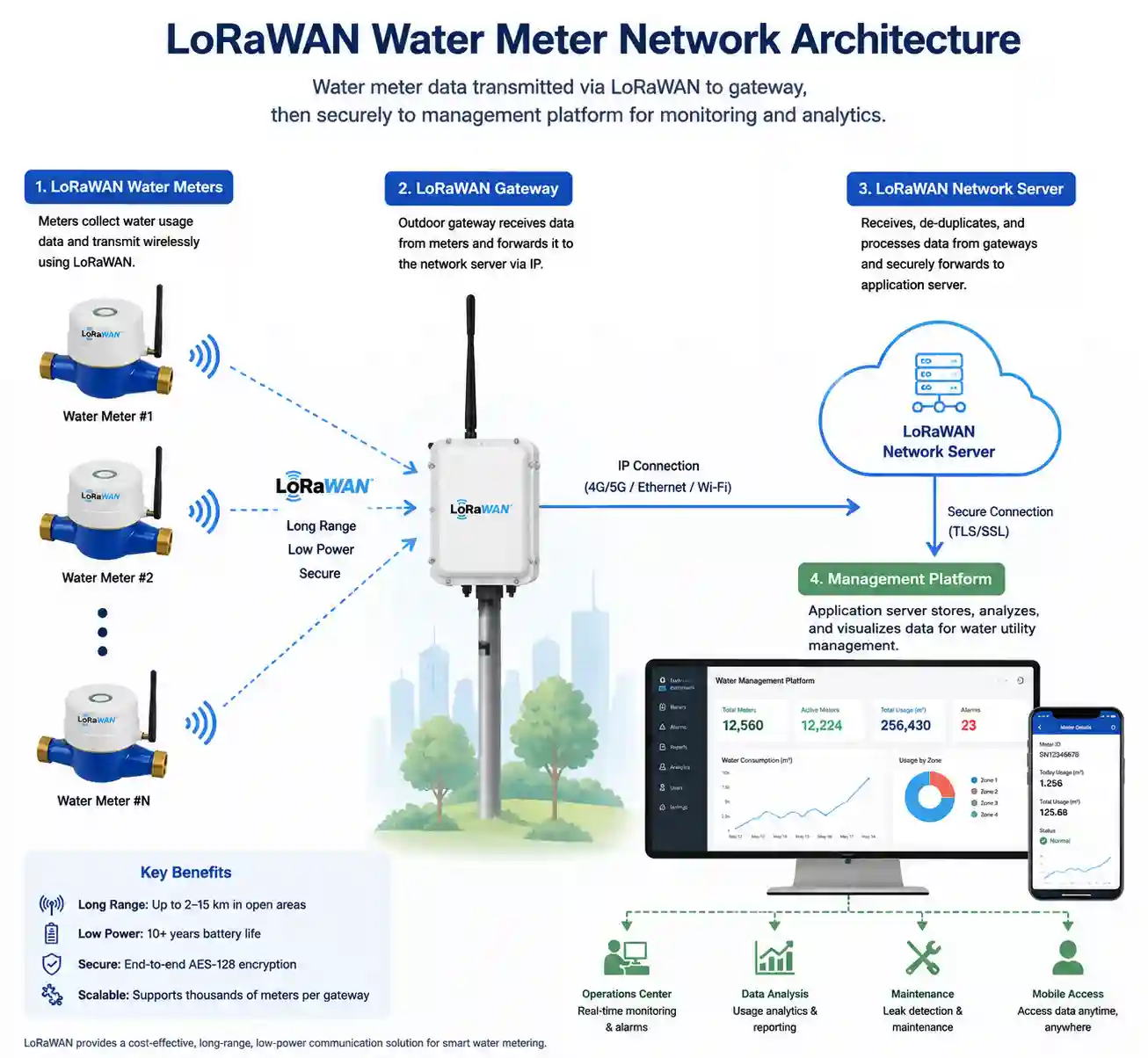
The meter, communication terminal, gateway, and platform must be planned as one system.
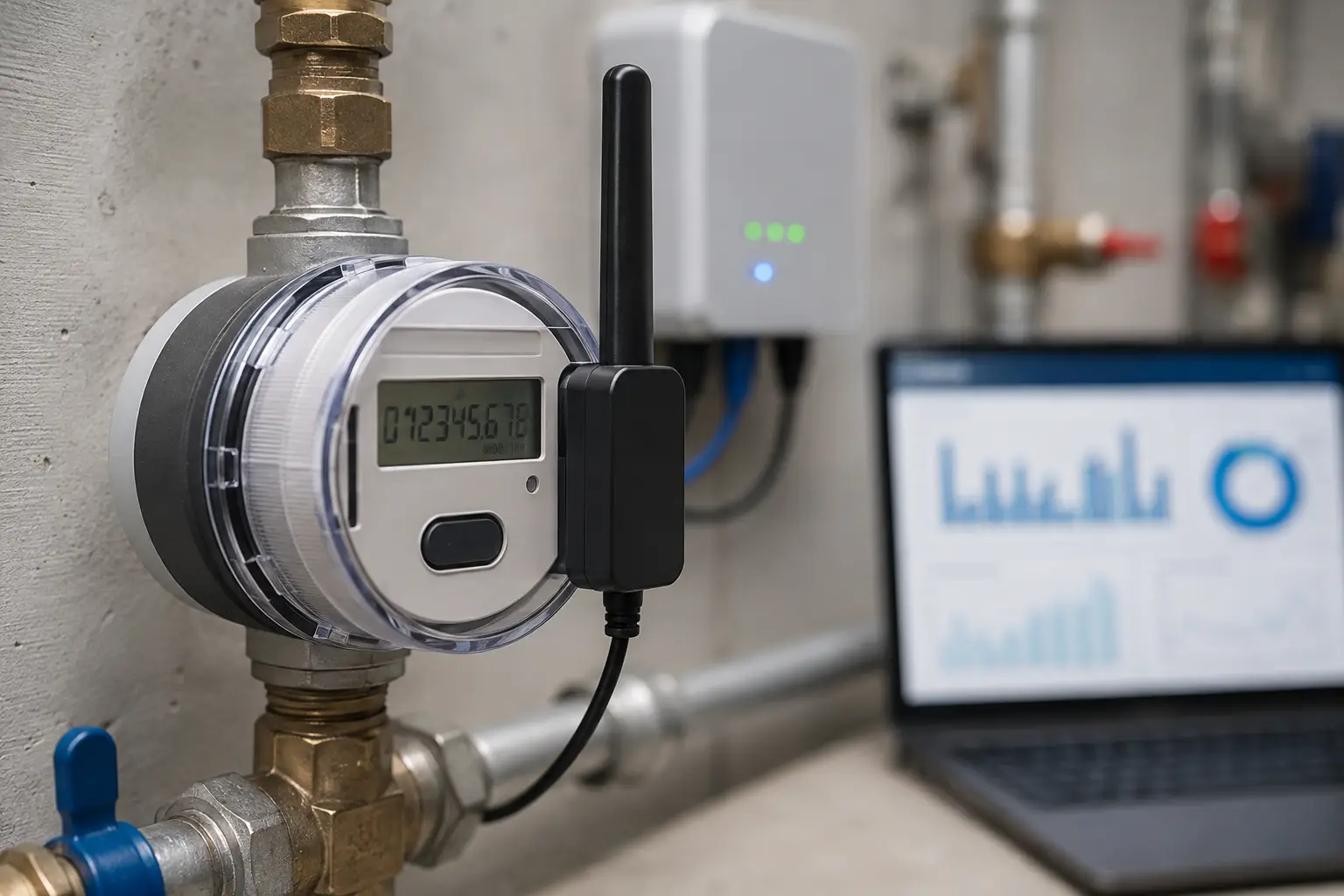
The meter records flow, then the configured system transfers the reading for building management.
An ultrasonic meter sends sound signals through the water in the pipe. Signals travelling with the flow and against the flow have different propagation times. The meter processes this time difference to calculate flow velocity and water volume.
The electronic method calculates instantaneous flow and accumulated consumption. Display resolution and reporting interval depend on the model.
Some building projects use the local display for inspection or billing checks. Others connect the meter to a communication terminal and upload readings to a data centre or management platform.
Chenshuo lists 4G, LoRa, and LoRaWAN options for the XT815 series. Confirm the network, gateway, data format, and interface for the building system.
Residential projects usually divide one supply network into many managed points. The meter schedule should connect each point to a unit, pipe size, and reading account.
An apartment project may need one meter for each dwelling or managed unit. The specification should list the number of points, nominal diameters, pipe connections, available installation space, and whether readings must reach a property platform.
The XT815-U ultrasonic model includes DN15, DN20, DN25, and other nominal diameter options. Its permanent flow rate (Q3) is 2.5 m³/h for DN15, 4.0 m³/h for DN20, and 6.3 m³/h for DN25. Other sizes require a project confirmation.
The XT815-U provides micro-flow detection and a leakage alarm that monitors continuous minute flow. The signal directs the operator to a unit or pipe section for inspection.
The alarm supports inspection. Define who receives the event, where it is stored, and what action follows a confirmed leak.
Some residential developments use prepaid water management. The XT815 series integrates 20-digit TOKEN encrypted prepaid functionality, smart valve control, and support for the STS (IEC 62055) prepaid communication protocol.
List remote reading, prepaid operation, and valve control as separate requirements so the supplier can confirm the configuration.
Commercial properties use meters to assign consumption to tenants, floors, buildings, or service areas. The data model should be agreed before devices are commissioned.
Commercial buildings may need readings by tenant, floor, shop, or service area. A meter schedule should link each point to its pipe size, location, and management account.
This supports billing and prevents a meter from being assigned to the wrong platform location.
| Selection Item | 확인해야 할 사항 |
| 미터 크기 | Nominal diameter and pipe connection |
| Flow conditions | Common flow, low flow, and expected variation |
| Installation | Horizontal or vertical arrangement, space, and pipe condition |
| 의사소통 | Local display, 4G, LoRa, LoRaWAN, or another required interface |
| 함수 | Leakage alarm, empty-pipe protection, valve control, or STS |
| Platform | Gateway, data format, interface, and management software |
| Documents | Technical data, installation drawing, testing, and commissioning records |
The XT815-U has a turndown ratio of R250, Class 2 accuracy classification, T30 temperature class, rated water pressure of 1.6 MPa, and IP68 protection rating. Confirm these values against the final model and project conditions.
The measuring tube must remain filled with water. An empty pipe or a large accumulation of air bubbles can stop ultrasonic signals from travelling correctly. The XT815-U includes empty-pipe detection and protection; when this condition is triggered, the meter can suspend measurement.
The product documentation strongly recommends a check valve at the outlet of the ultrasonic meter. The valve helps limit water movement in the measuring section when pipeline pressure changes. Chenshuo also offers pipe fittings with an integrated outlet check valve for compatible use.
Horizontal installation is recommended where the project layout allows it. If site conditions prevent the recommended arrangement, the downstream pipe still needs to be laid to reduce the chance of air collecting in the line. Confirm the installation drawing before work begins.
| Comparison Point | 초음파 수량계 | 기계적인 물 미터 |
| Measurement principle | 초음파 전파 시간 측정법 | Mechanical movement and pulse collection |
| Moving parts | No mechanical moving parts in the measuring method | Mechanical measuring structure |
| Low-flow work | Model-dependent micro-flow detection | Depends on the mechanical design |
| Water obstruction | No conventional impeller in the measuring section | Mechanical core and flow path affect resistance |
| Remote reading | Available with a configured communication option | Requires a compatible reading solution |
| Best selection basis | Pipe, flow, installation, communication, and platform | Size, connection, flow, and mechanical specification |
A replacement project, a new apartment development, and a multi-building campus can have different technical and commercial priorities.
Before requesting a quotation, prepare:
This information lets a supplier match the model to the building and prepare a complete quotation.
Shandong Chenshuo Instrument Co., Ltd. develops intelligent ultrasonic water meter products for data collection, data transmission, and data application. The XT815-U combines ultrasonic transit-time measurement with micro-flow detection, leakage alarm, empty-pipe protection, and communication options that include 4G, LoRa, and LoRaWAN. The XT815 series also supports STS prepaid communication and smart valve control.
For a residential or commercial building, submit the meter schedule, pipe sizes, installation drawings, communication preference, platform requirements, and required functions. Chenshuo can then confirm the applicable model, configuration, and technical documents. See the smart water meter product information for the next project review step.
Residential and commercial buildings benefit from ultrasonic metering when the application needs digital readings, low-flow identification, or a route to central data management. The decision still rests on the actual pipe, flow, installation, communication, and platform conditions.
The XT815-U provides a documented option for projects that need R250 turndown, micro-flow detection, leakage alarm, empty-pipe protection, and configurable communication. Its STS and valve-control functions address projects that require prepaid management as well as measurement.
Before ordering, send the building type, meter quantity, DN range, installation layout, communication network, platform interface, and acceptance requirements. Those details give Chenshuo a workable basis for confirming the meter configuration and the next testing or quotation step.
Q1: Are ultrasonic water meters suitable for apartment buildings?
A: Yes. They can be used for apartment sub-metering when the meter size, pipe connection, installation space, and reading method match the project. The XT815-U includes DN15, DN20, DN25, and other size options that require confirmation.
Q2: Can an ultrasonic water meter detect small leaks in a building?
A: The XT815-U provides micro-flow detection and a leakage alarm for continuous minute flow. The building operator still needs a defined process to check the relevant unit or pipe after an alarm.
Q3: What should be checked before installing an ultrasonic water meter?
A: Confirm the pipe is filled with water, follow the flow direction and installation drawing, and prevent significant air bubbles in the measuring section. Chenshuo documentation strongly recommends a check valve at the outlet of the XT815-U.
Q4: Can residential and commercial ultrasonic water meters use remote communication?
A: Yes, when the required communication option is configured. The XT815 series documentation lists 4G, LoRa, and LoRaWAN, but the gateway, platform, data format, and interface must be confirmed for each building project.
Q5: What information should be provided when ordering ultrasonic water meters for a building project?
A: Provide the building type, quantity, DN range, connection details, expected flow, installation conditions, communication network, platform requirements, and any leakage, valve-control, or STS functions. A complete meter schedule helps the supplier confirm the model and project documents.
 주소 : Xiao'anzi 산업 단지, Baishabu Town, Lanshan District, Linyi City, Shandong Province
 지금 전화주세요:+86 15562945993


Shandong Chenshuo Instrument Co., Ltd.