水メーター-山東Chenshuo
>ニュース>Water Meter Accuracy vs Pipe Pressure What Drives Your NRW Crisis

Water Meter Accuracy vs Pipe Pressure What Drives Your NRW Crisis

  • 28/05/2026
  • 共有:
                 

目次

    Running a water utility often seems like an ongoing fight against hidden losses. Non-Revenue Water (NRW) acts as the quiet drain on earnings that worries utility leaders. Many operators concentrate only on repairing obvious breaks. Yet the main causes tend to be minor technical issues in the system. To handle this challenge, you require a reliable partner with solid technical knowledge. Located in Linyi, known as China’s “Hometown of Water Meters,” チェンシュオ produces one million units each year. They specialize in smart metering development. As a high-tech company holding ISO9001/14001/45001 approvals, they offer more than basic devices. They deliver systematic solutions to update old systems. For industrial flow or home billing, their skills in IoT and smart water services connect supply to income.

    Water Meter Accuracy vs Pipe Pressure What Drives Your NRW Crisis

    Is Your Water Utility Trapped in a Cycle of Revenue Loss

    The difference between water pumped into the network and water billed creates the heart of the NRW problem. This often arises from physical leaks and unnoticed data mistakes that last for months. When figures fail to match, network running costs climb. This cuts into funds planned for improvements.

    Persistent Discrepancy Between Production and Billing

    The volume supplied exceeds the volume billed by a wide margin in many cases. This mismatch usually signals apparent losses. Water gets used but goes unrecorded due to theft or meter errors. Such issues build up over time and affect overall revenue.

    Inaccurate Measurement Data From Aging Infrastructure

    Old mechanical meters gradually lose their exactness. Internal parts wear down from constant use. As a result, they miss low flow amounts. This leads to under-recording and a false sense of water use.

    Undetected Leakages Caused by Excessive Pipe Pressure

    Strong pressure in pipes appears helpful for users at the end. However, it strains aging connections heavily. Tiny cracks remain stable at normal levels. But over-pressure turns them into leaking spots quickly.

    The Critical Role of Water Meter Accuracy in NRW Reduction

    Precise measurement forms the base of any plan to cut losses. Without exact flow tracking at usage points, identifying loss locations becomes impossible. New smart meters record every bit of water. They work even with very small streams.

    Minimizing Apparent Loss With High Precision Sensors

    Electronic sensors with fine detail replace outdated gears that jam easily. These devices hold their accuracy for long periods. Thus, utilities bill correctly for all water sent to customers. This step reduces unrecorded usage effectively.

    Impact of Low Flow Sensitivity on Billing Integrity

    Standard meters demand a certain minimum flow to start. A slow drip from a tap may not register at all. Ultrasonic methods lower this limit greatly. They catch small flows that accumulate into large losses citywide.

    Advanced Metrological Class Advantages of Chenshuo Solutions

    Using meters with better metrological ratings gives a sharper view of system status. Dependable readings help track patterns. Operators then focus on grid sections needing urgent fixes. This improves overall management.

    How Pipe Pressure Fluctuations Compromise System Stability

    Pressure serves as both a help and a harm. It pushes water to upper levels in tall buildings. At the same time, it speeds up pipe wear. Changes in pressure, with ups and downs, often cause more harm than constant high levels.

    Correlation Between Pressure Surges and Physical Pipe Bursts

    Pumps starting or valves shutting fast create pressure waves. These water hammer forces break weak old pipes readily. Bursts follow, causing sudden jumps in NRW. Systems suffer major disruptions from such events.

    Background Leakage Escalation Under High Pressure Zones

    Networks contain small joint leaks hard to find with usual tools. As pressure rises, water escapes faster through these gaps. The loss grows rapidly each day. Thousands of cubic meters vanish in high-pressure areas.

    Necessity of Real Time Pressure Monitoring and Control

    Live data alone spots pressure rises before harm occurs. Adding sensors to the meter setup allows changes in pumps and valves. This keeps pressure in a safe range. Infrastructure stays protected longer.

    Bridging the Gap With Lorawan Water Meter DN50 for Bulk Solutions

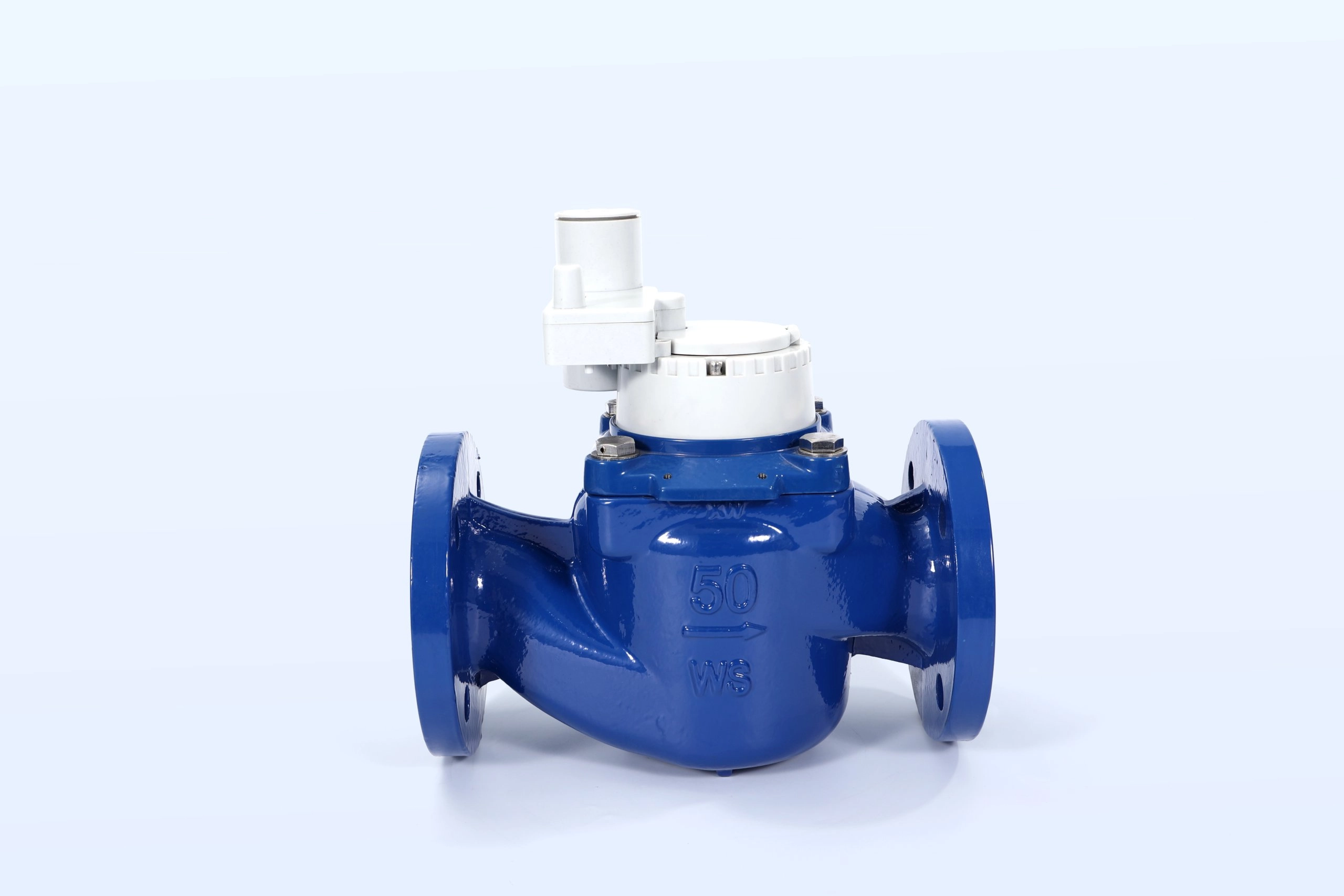
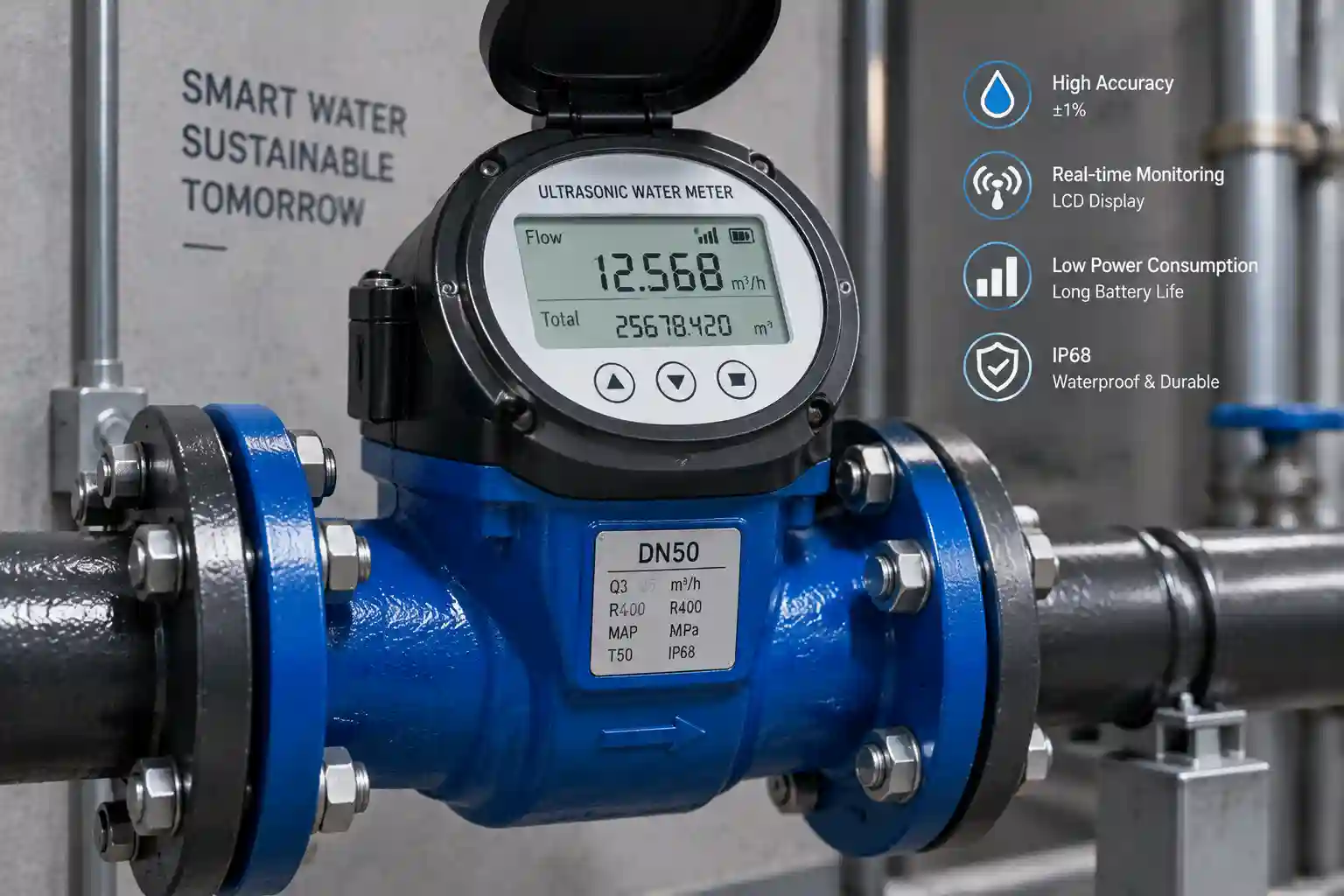
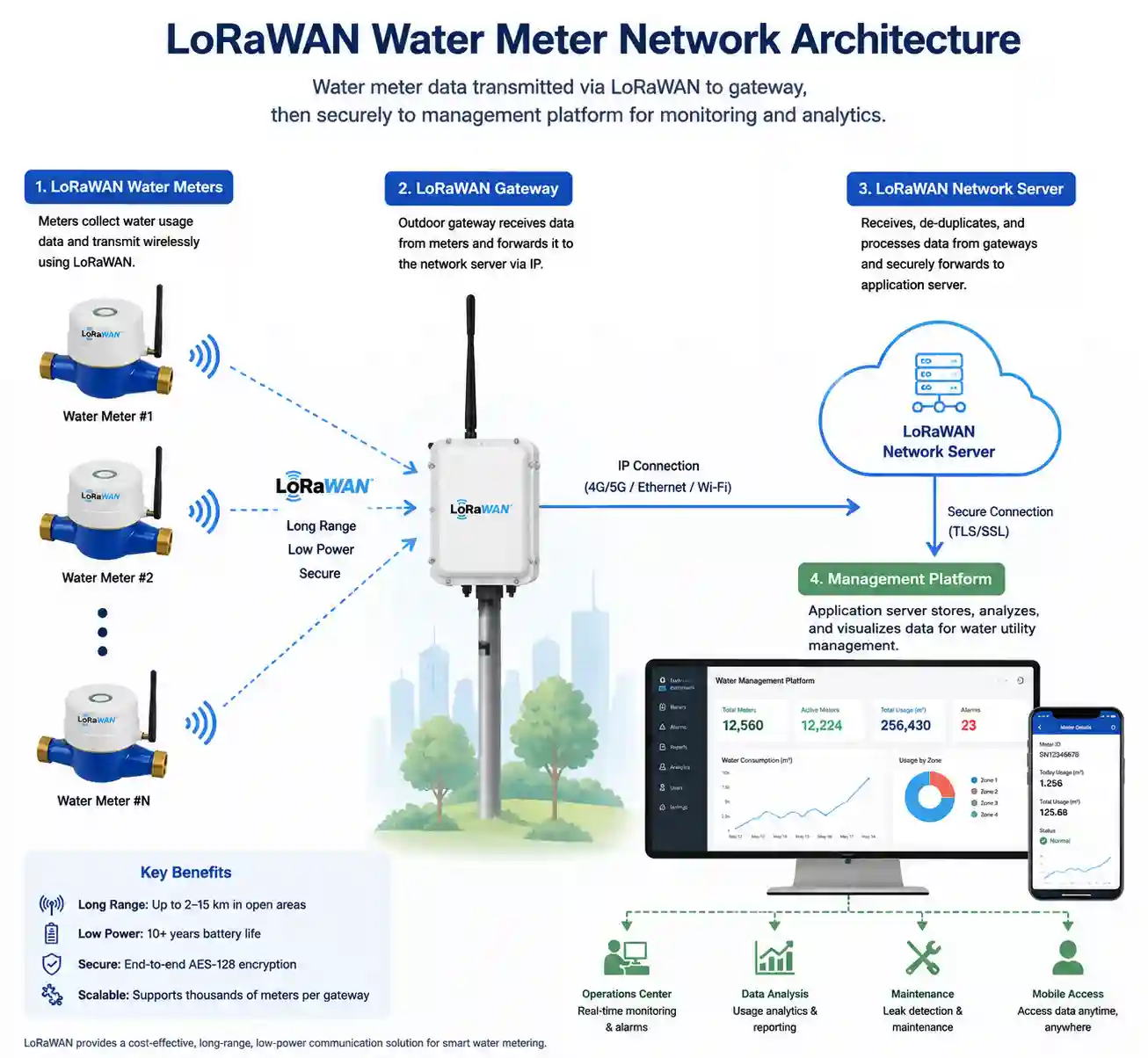
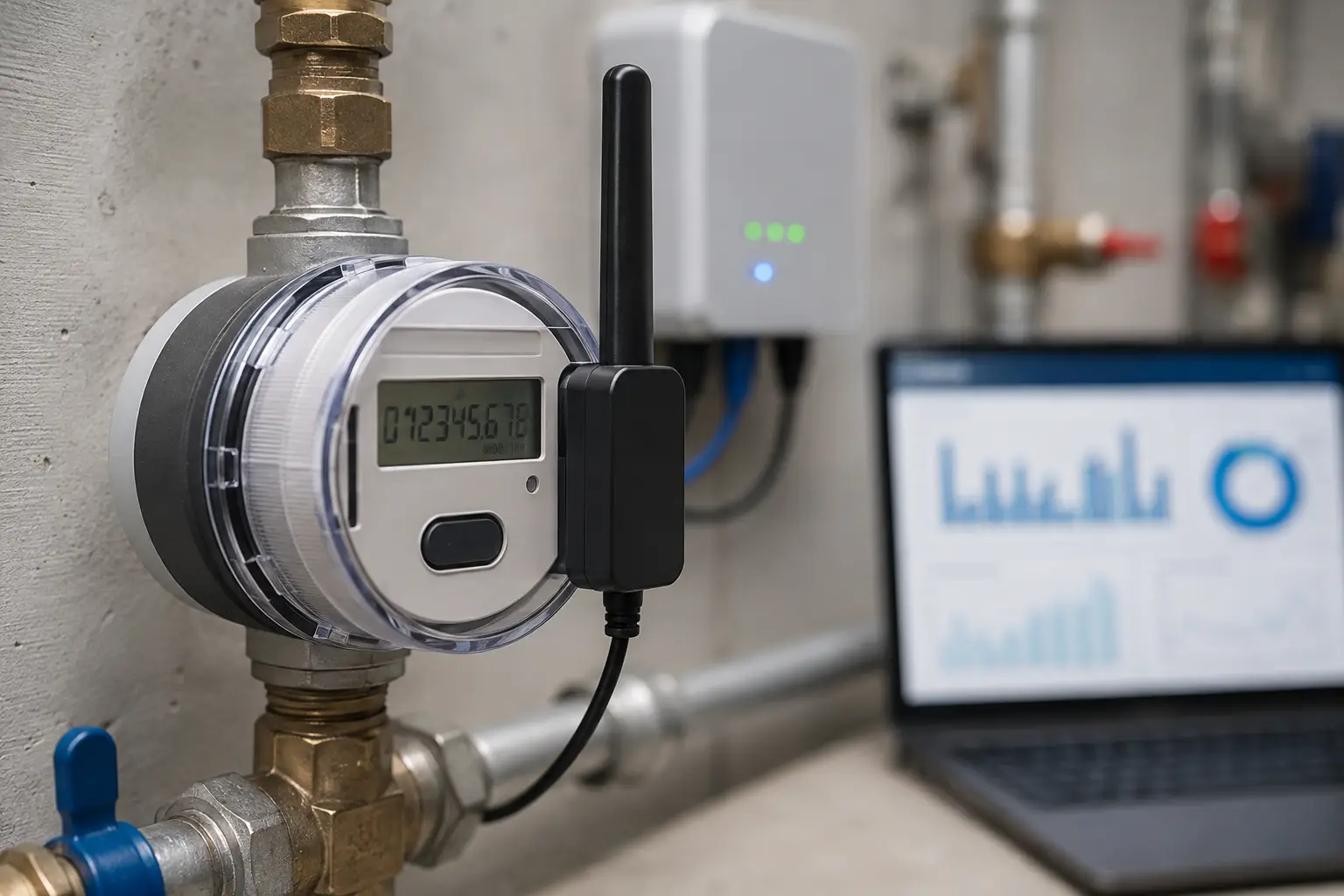
    Large industrial zones or area metering demand tools for high volumes and far data sending. The Lorawan 水計 DN50 fits this role well. It employs a rotor dry or wet setup with LoRaWAN for signals. Transmission covers 1 to 6 kilometers based on surroundings. Built for rough industrial spots, it resists interference and uses a 3.6V lithium battery for extended life. This device goes beyond measurement. It acts as a data center for large water systems.

    Lorawan water meter DN50 (4)

    Long Range Connectivity for Seamless Wide Area Coverage

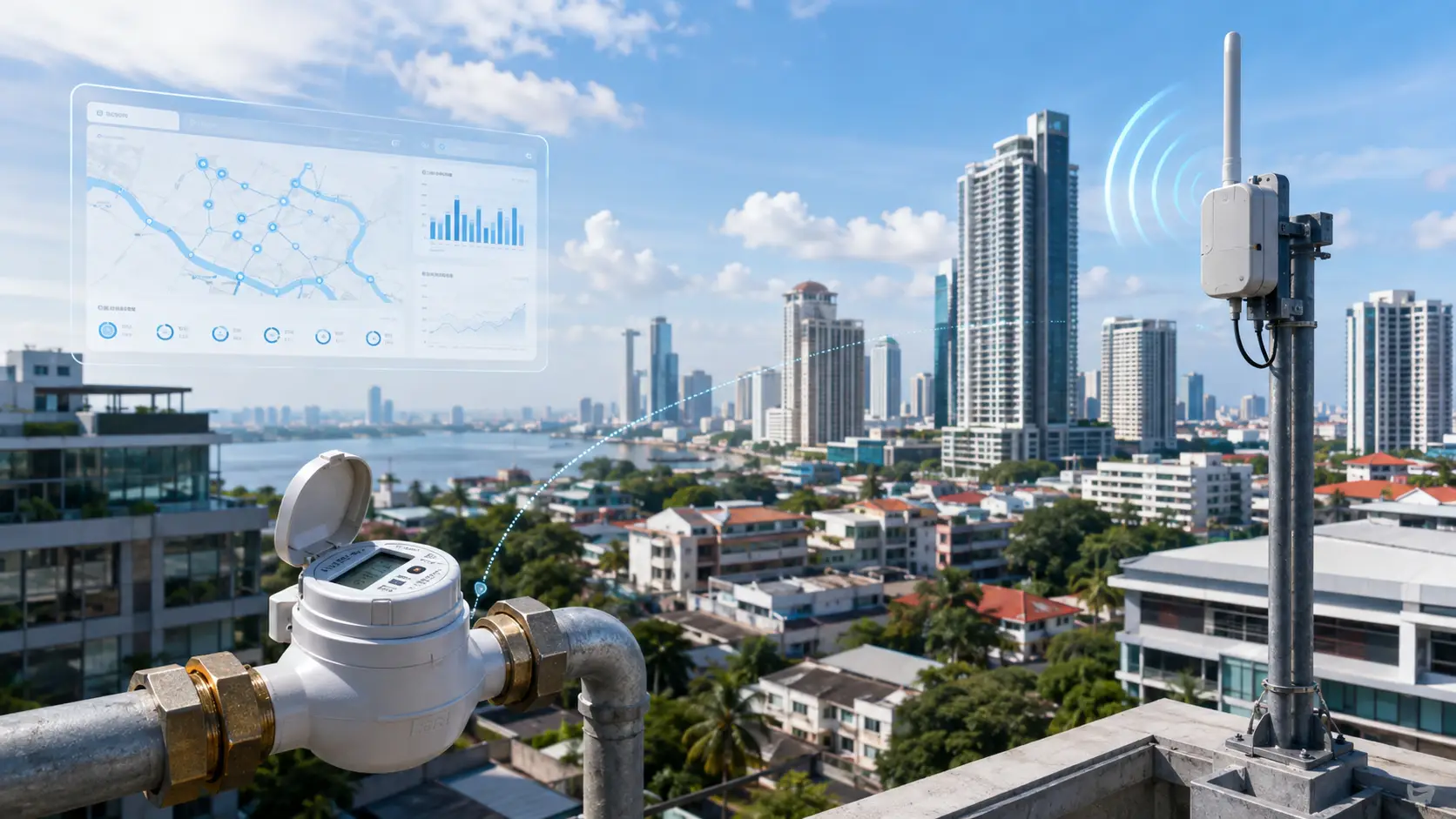
    Data travel over kilometers cuts the need for many costly receivers. A handful of units gather info from numerous meters in broad regions. This setup simplifies monitoring across districts. Coverage becomes efficient and cost-effective.

    High Durability Design for Industrial and Commercial Applications

    Factory settings bring tough conditions like heat shifts and disruptions. The DN50 endures temperatures from -20 to 100°C in its electronics. Such features ensure reliable work in demanding places. Durability supports steady performance.

    Integration of Flow and Pressure Data for Leak Analysis

    Linking flow data with LoRaWAN enables District Metered Area (DMA) oversight. Bulk readings compare to home meters easily. This reveals exact loss spots in the network. Analysis becomes precise and actionable.

    Mastering Residential Efficiency With Ultrasonic Water Meter DN20

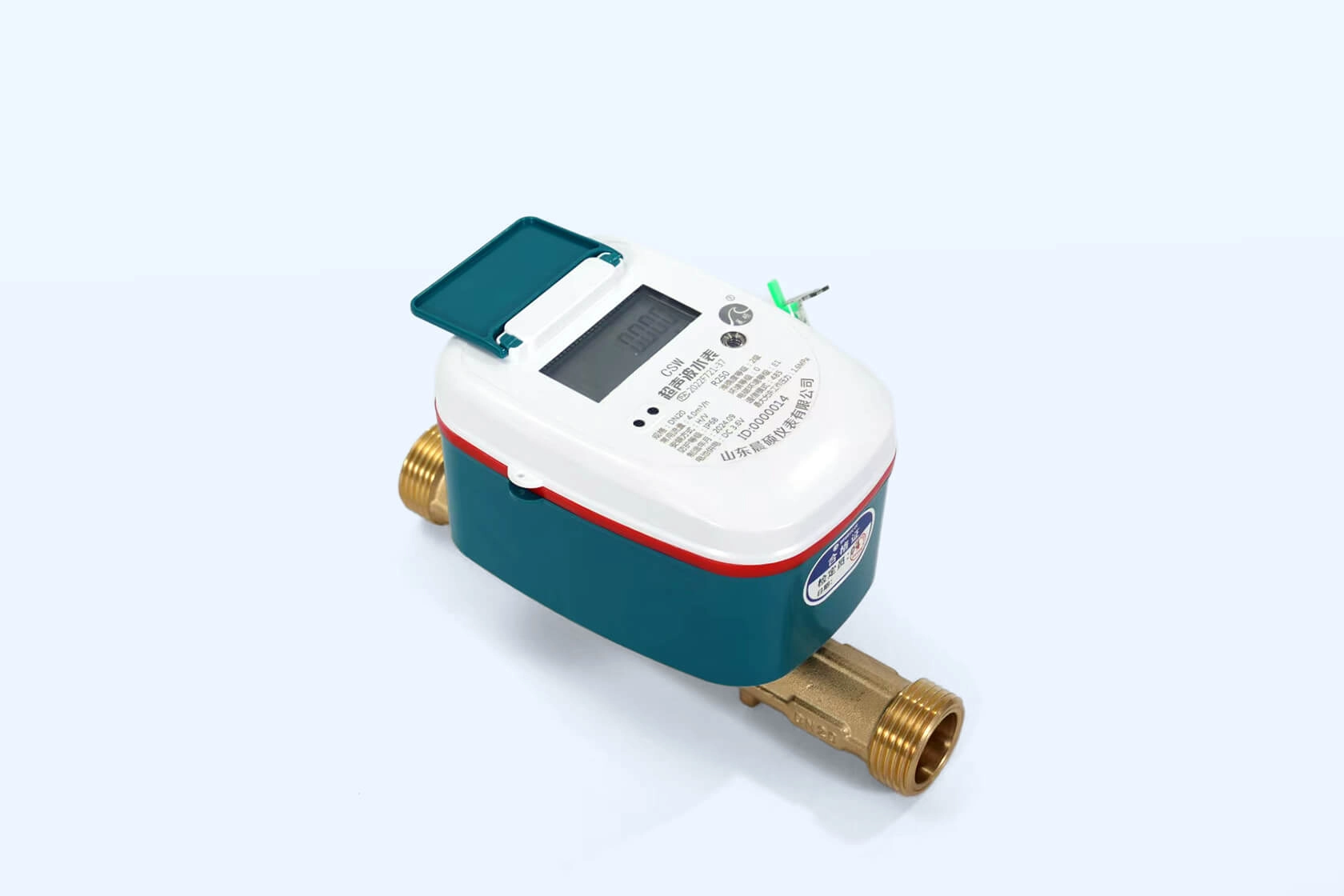
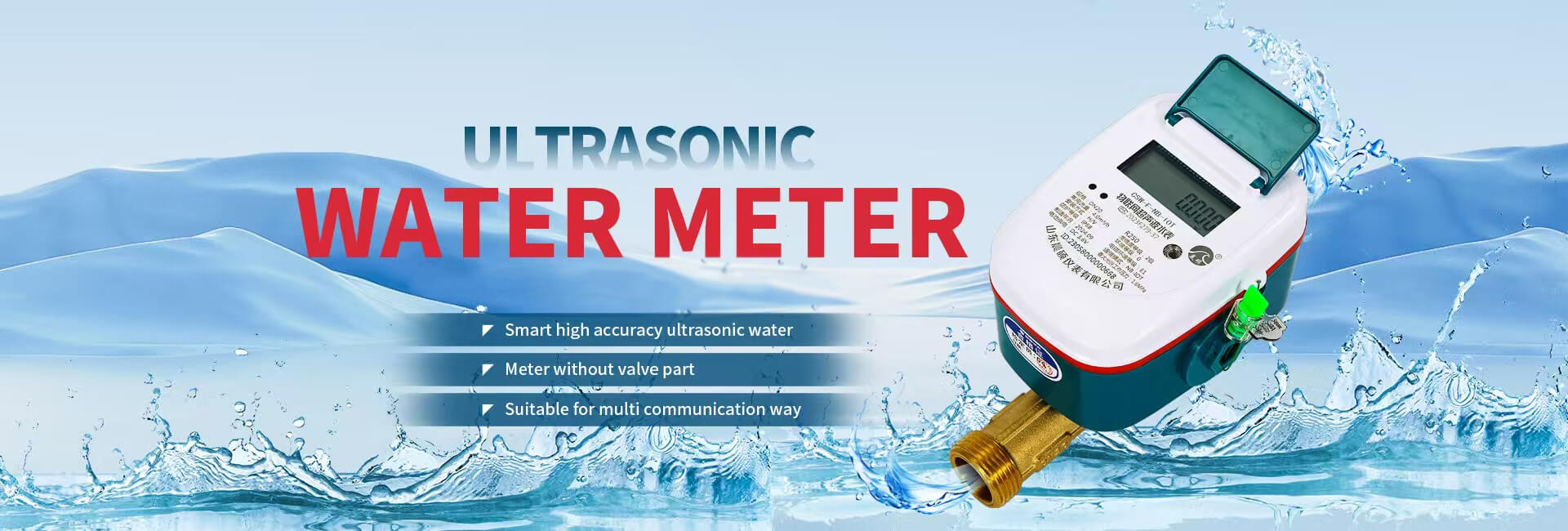
    Home areas present unique issues. Devices must sense finely and fit small spaces. The 超音波水メーター-DN20 addresses residential NRW effectively. Lacking moving elements, it avoids wear that slows older units. As IoT gear, it suits smart water setups. It supplies detailed data for city planning.

    Ultrasonic WateUltrasonic Water Meter-DN20 (1)r Meter-DN20 (1)

    Superior Accuracy Without Moving Parts to Prevent Wear

    No rotor means no clogging from dirt or particles. Accuracy stays consistent throughout its service life. Mechanical home meters often drift over time. This design avoids those common problems entirely.

    Smart Metering Features for Real Time Anomaly Detection

    These units spot odd flow patterns like steady streams hinting at home leaks. Early alerts to users enhance service and cut waste. Detection happens instantly, aiding quick responses. Overall efficiency improves noticeably.

    Compact Design Optimized for Modern Urban Water Networks

    Meter boxes in homes leave little room. The small electronic build eases fitting in place. It adds more features than large old models. Urban systems benefit from this practical approach.

    Data Driven Strategies to Optimize Network Performance

    Updating meters aims for a Smart Water Network. This means making the system smarter through devices. Pairing exact metering with pressure control shifts decisions to real data. Guesses give way to solid facts.

    Synergy Between Accurate Metering and Pressure Management

    Knowing flow and pressure at key points lets you compute zone leak rates. Repairs then target areas with best returns. This combination sharpens focus and boosts results. Management becomes more targeted.

    Utilizing Case Center Insights for Better Infrastructure ROI

    A ケースセンター shows how others applied DMA and smart tools successfully. Real examples guide your changes and skip errors. Transformations proceed smoother with these lessons. Investments yield higher gains.

    Transitioning From Reactive Maintenance to Predictive Management

    Flow oddities reveal silent leaks before big breaks occur. Addressing small issues now saves on future emergencies. Street floods and urgent fixes become rare. Costs drop while reliability rises.

    Partner With Chenshuo for Comprehensive NRW Management

    Selecting a strong partner matches picking good meters. The supplier must grasp digital trends worldwide and offer tech help. For advancing your utility, visit the コンタクト page. Start discussing your project details there.

    Proven Excellence in Smart Water Metering Technology

    Innovation drives their work with a strong research setup. Products match global market changes. The quality process checks every unit against world standards. Reliability comes built-in from the start.

    Tailored Solutions for Global Water Infrastructure Projects

    Adaptations suit regions from Southeast Asia to Europe. Options like LoRaWAN, GPRS, or NB-IoT fit local setups. Communication parts adjust to available networks. Projects integrate smoothly anywhere.

    Contact Our Engineering Experts for Professional Support

    Expert advice turns pilots into full successes. Talks help choose sizes, protocols, and software fits. Your setup gets matched to exact needs. Support ensures smooth rollout.

    FAQについて

    Q1: How does an ultrasonic water meter help reduce NRW?

    A: Ultrasonic meters have no moving parts, so they don’t wear out or lose accuracy over time. They are incredibly sensitive to low flow rates, capturing leaks and “drips” that traditional mechanical meters miss, which directly reduces apparent water loss.

    Q2: Why is LoRaWAN a good choice for industrial water meters?

    A: LoRaWAN offers long-distance transmission (up to 6km) with very low power consumption. This makes it perfect for industrial areas where meters are spread out and where you need a battery to last for several years without maintenance.

    Q3: Can high pipe pressure actually cause more water loss?

    A: Yes. High pressure puts stress on joints and can turn small “background” leaks into significant water losses. It also increases the risk of pipe bursts, which are a major cause of physical NRW.

    Q4: What is the benefit of a DMA (District Metered Area)?

    A: A DMA divides the network into smaller, manageable zones. By using bulk meters like the DN50 at the entry point and comparing it to residential meters, you can identify exactly which part of the city has the highest leakage.

    Q5: Is it difficult to switch from mechanical to smart meters?

    A: While it requires an initial investment, the transition is manageable with the right support. Smart meters are designed to fit into existing pipe configurations, and the data they provide usually pays for the upgrade through increased billing accuracy and reduced leak detection costs.