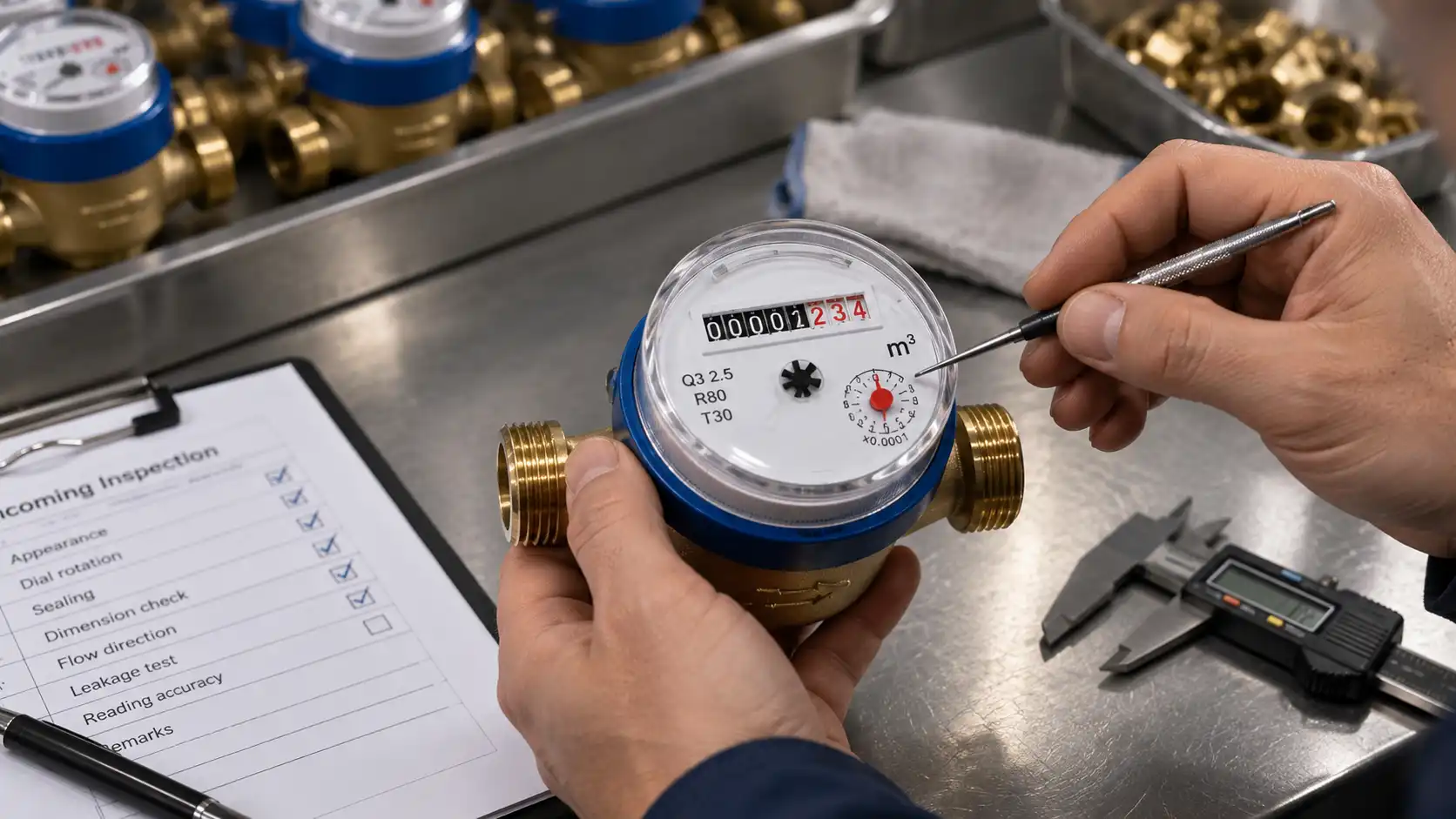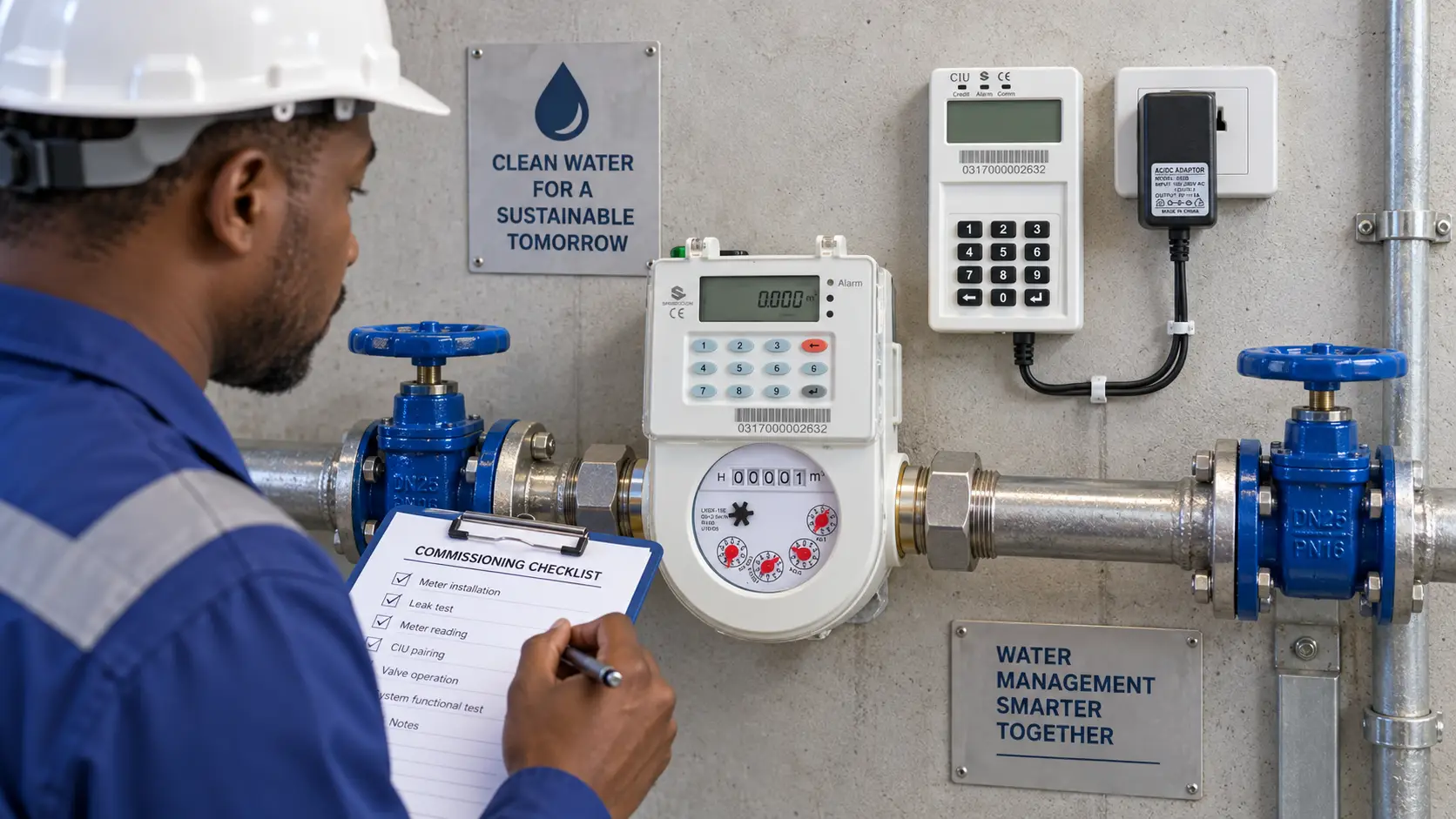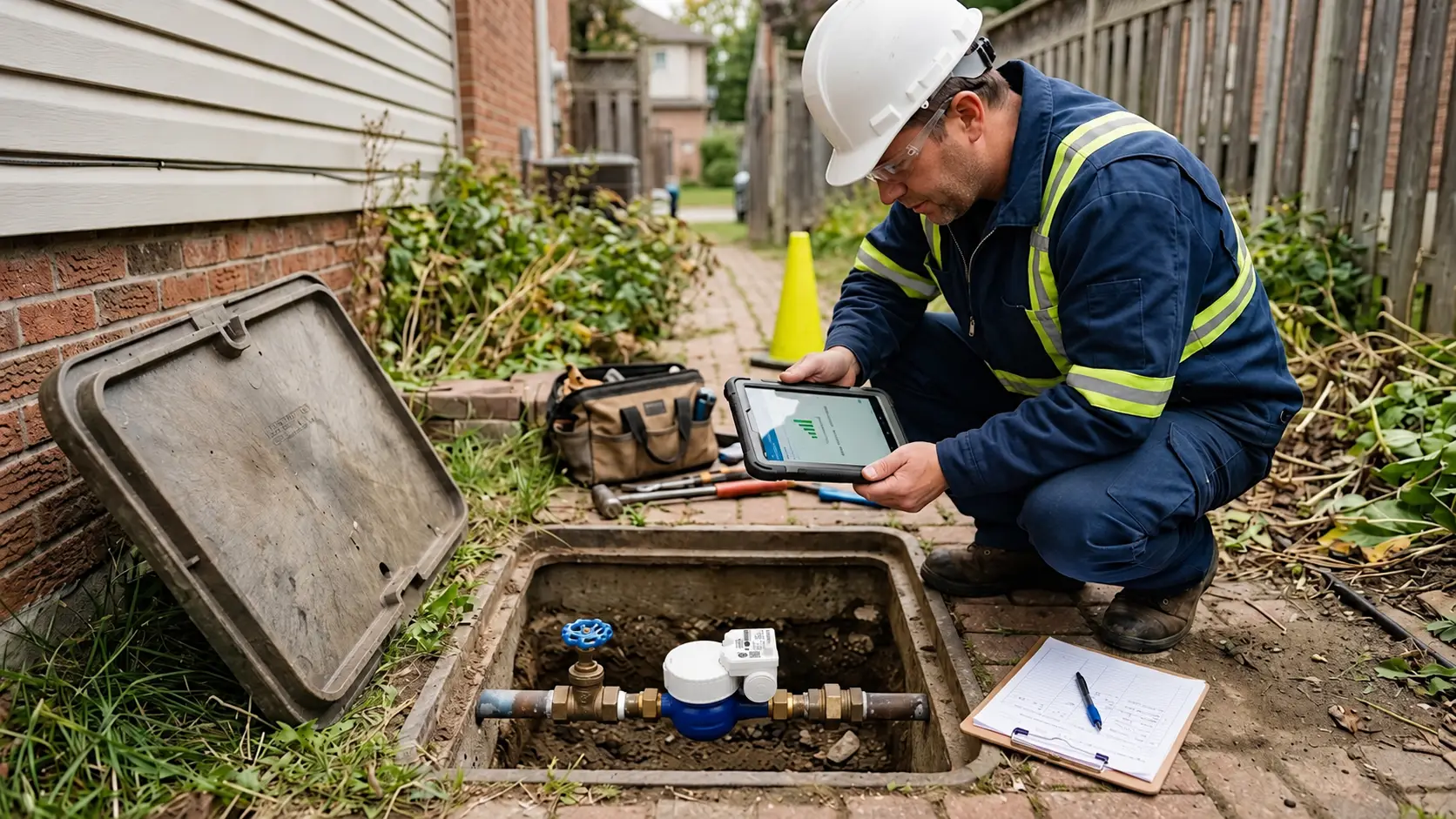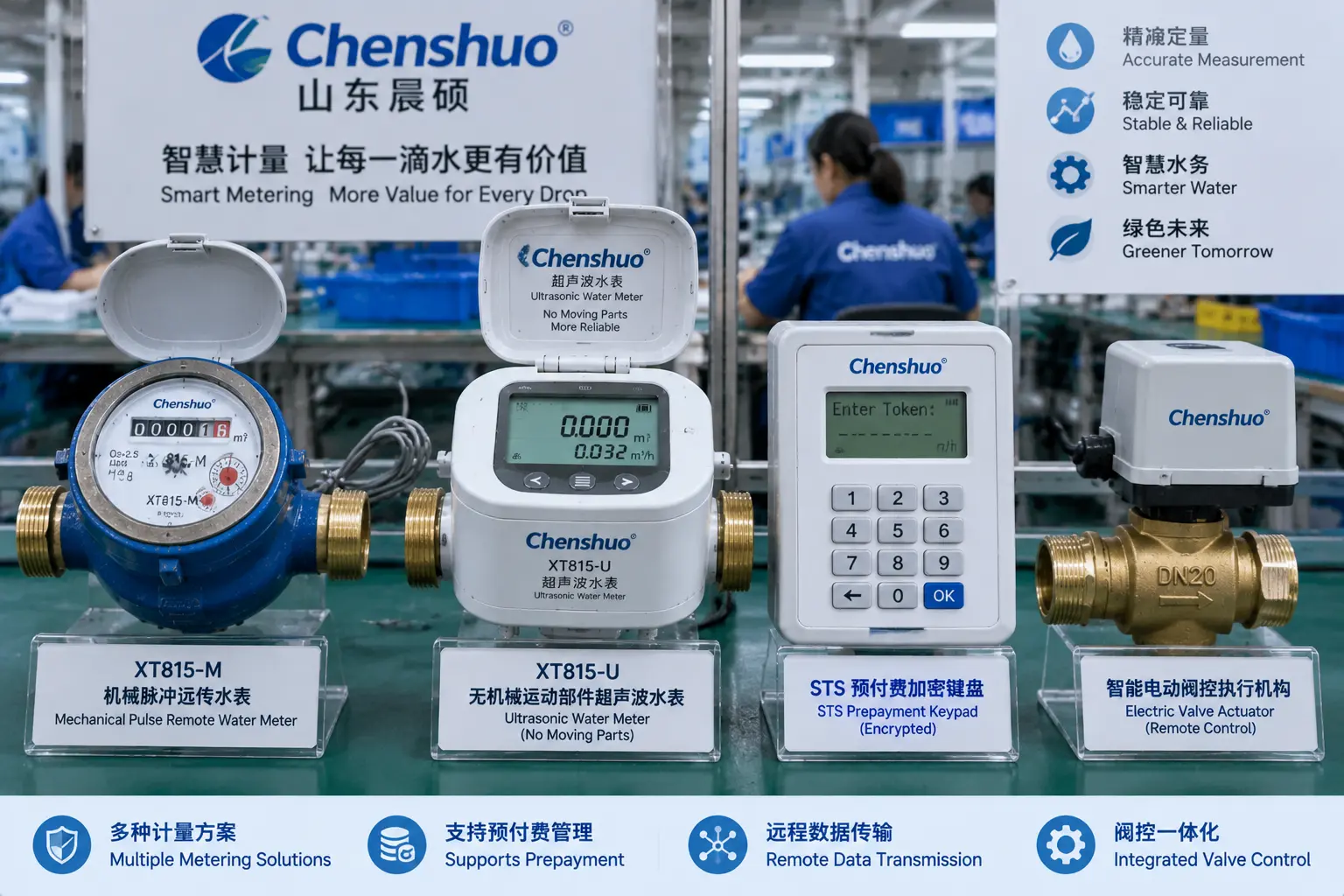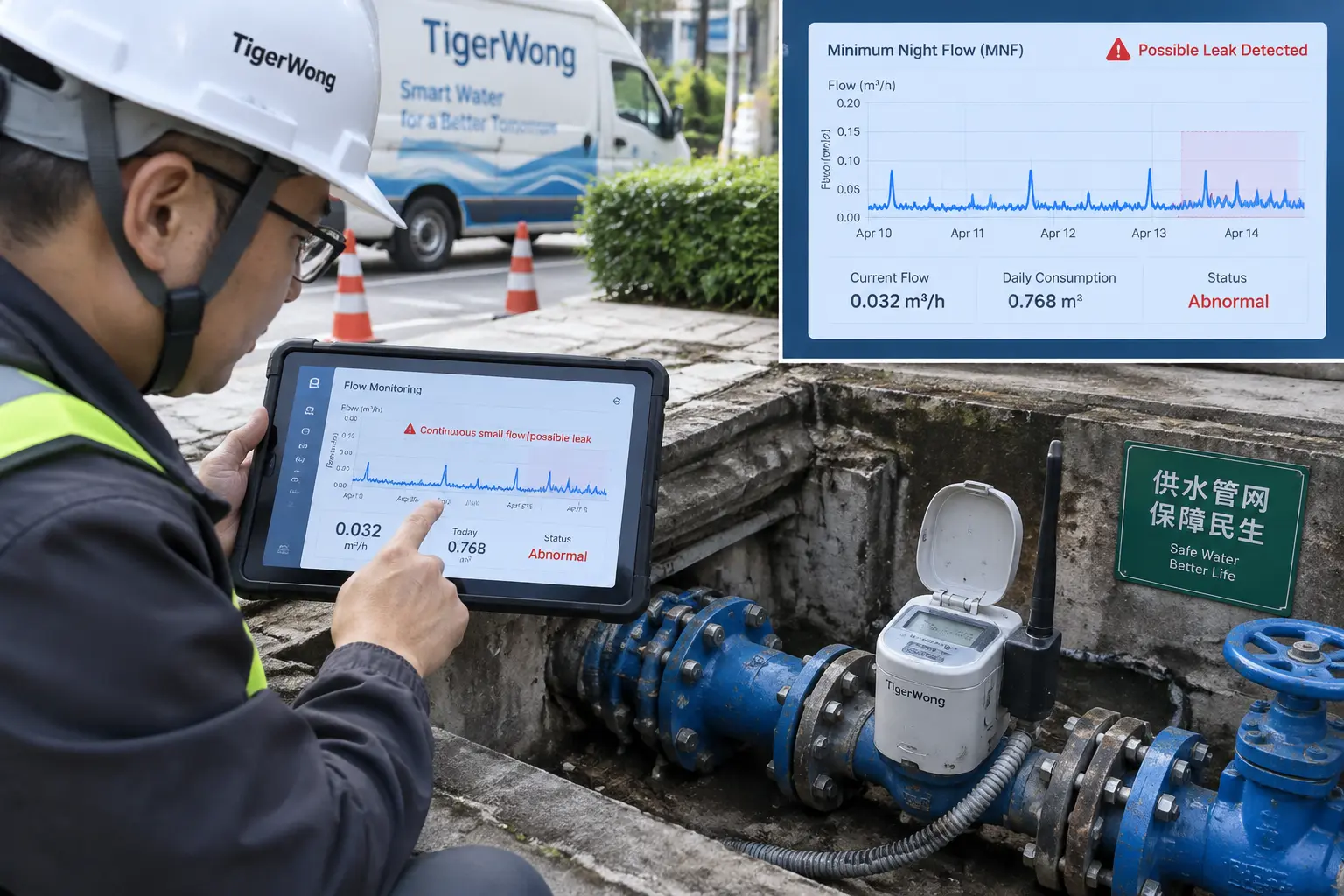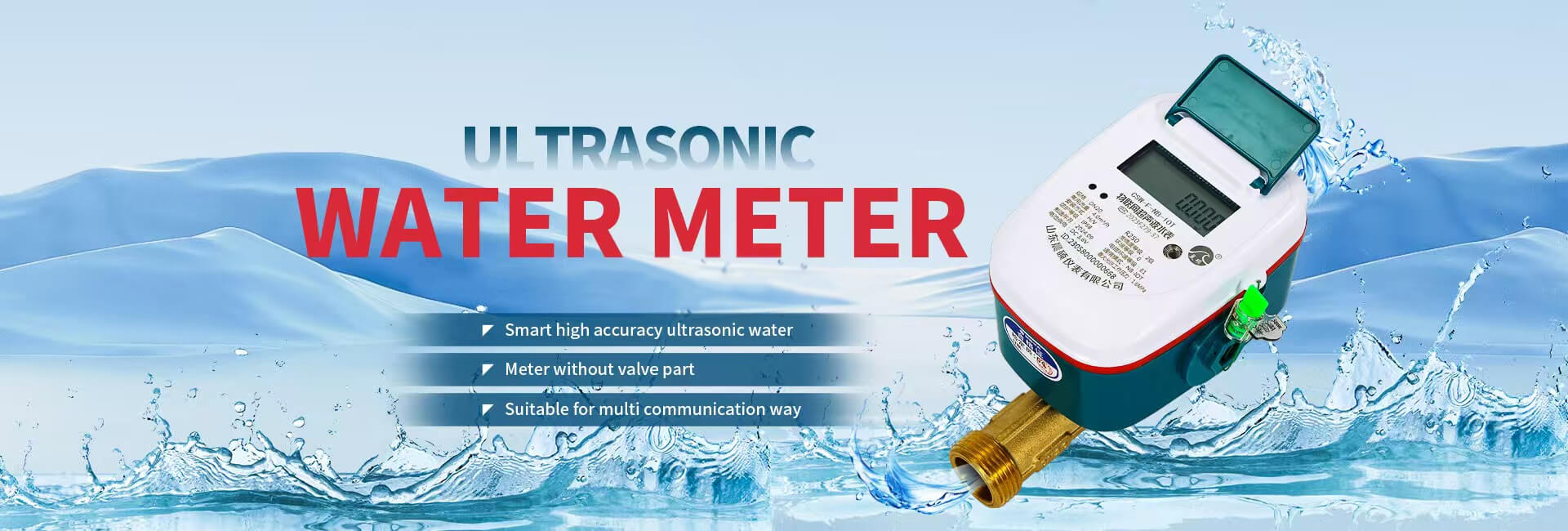


A スマート水道メーター can help identify a potential leak by monitoring continuous low flow, recording abnormal consumption, and sending data to a management platform. The meter does not repair the pipe or automatically prove the exact leak location. It gives the operator a timely signal for inspection.
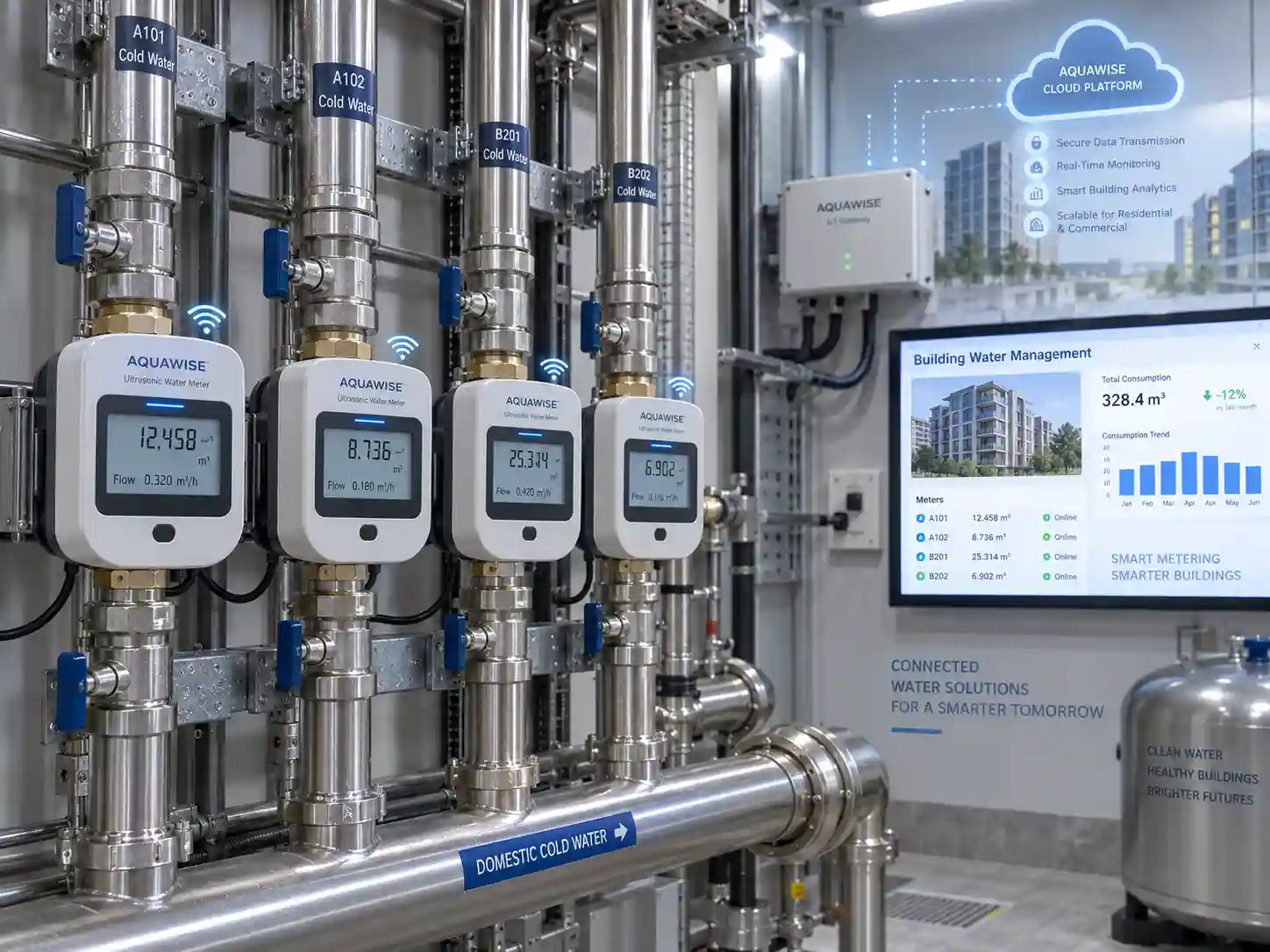
In an IoT Water Metering system, the meter collects the flow data, the communication layer transfers it, and the application platform stores or presents it. Leak management works when these three parts connect to a clear response process.
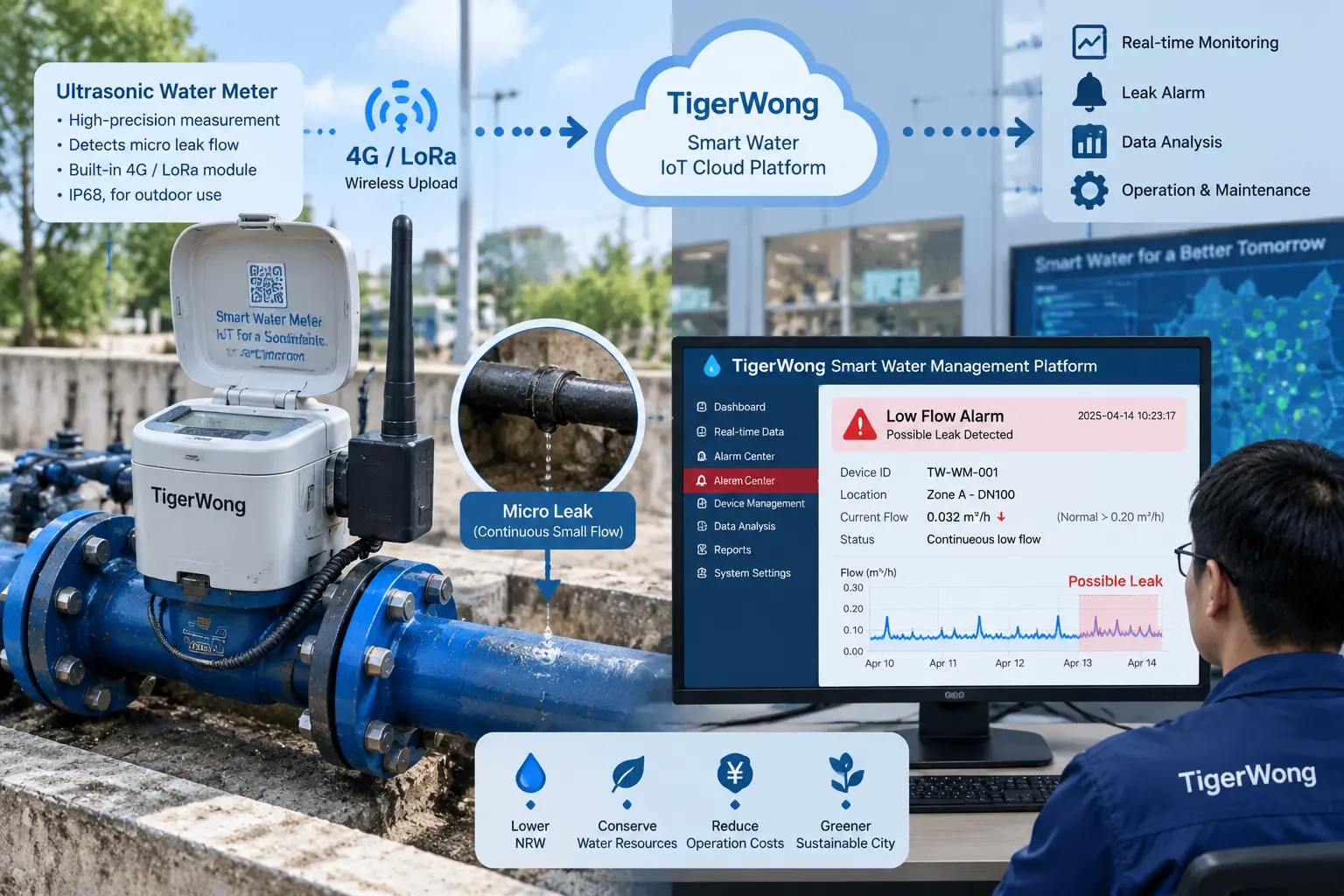
Small leaks often continue when a building, apartment, or facility appears to be using no water. A dripping fitting, leaking toilet, or pipe connection can create a steady low-flow signal that is easy to miss during occasional visits.
Traditional manual reading provides a cumulative value at a particular time. It does not show flow timing between visits.
The detection process begins with measurement. The meter records flow through the pipe and the configured system checks the resulting data for continuous or unusual activity.
Some smart ultrasonic water meter configurations include micro-flow detection and a leakage alarm. The function monitors continuous minute flow and can indicate a potential drip or pipe leak.
The alarm is an inspection trigger. Threshold, reporting interval, and notification method depend on the selected configuration and platform.
The meter can provide instantaneous flow and accumulated consumption data. A communication terminal can upload the records through a configured 4G, LoRa, or LoRaWAN connection.
The platform can show a persistent flow condition or an abnormal record. Define the data fields, user access, and response owner before deployment.
IoT Water Metering is a system arrangement with measurement, communication, and application layers. The meter needs a defined data path to support the workflow.
When a configured leakage alarm appears, check the meter reading, device status, and relevant pipe section. A valve fault, trapped air, or communication error may also require review.
IoT Water Metering connects measurement with communication and data application.
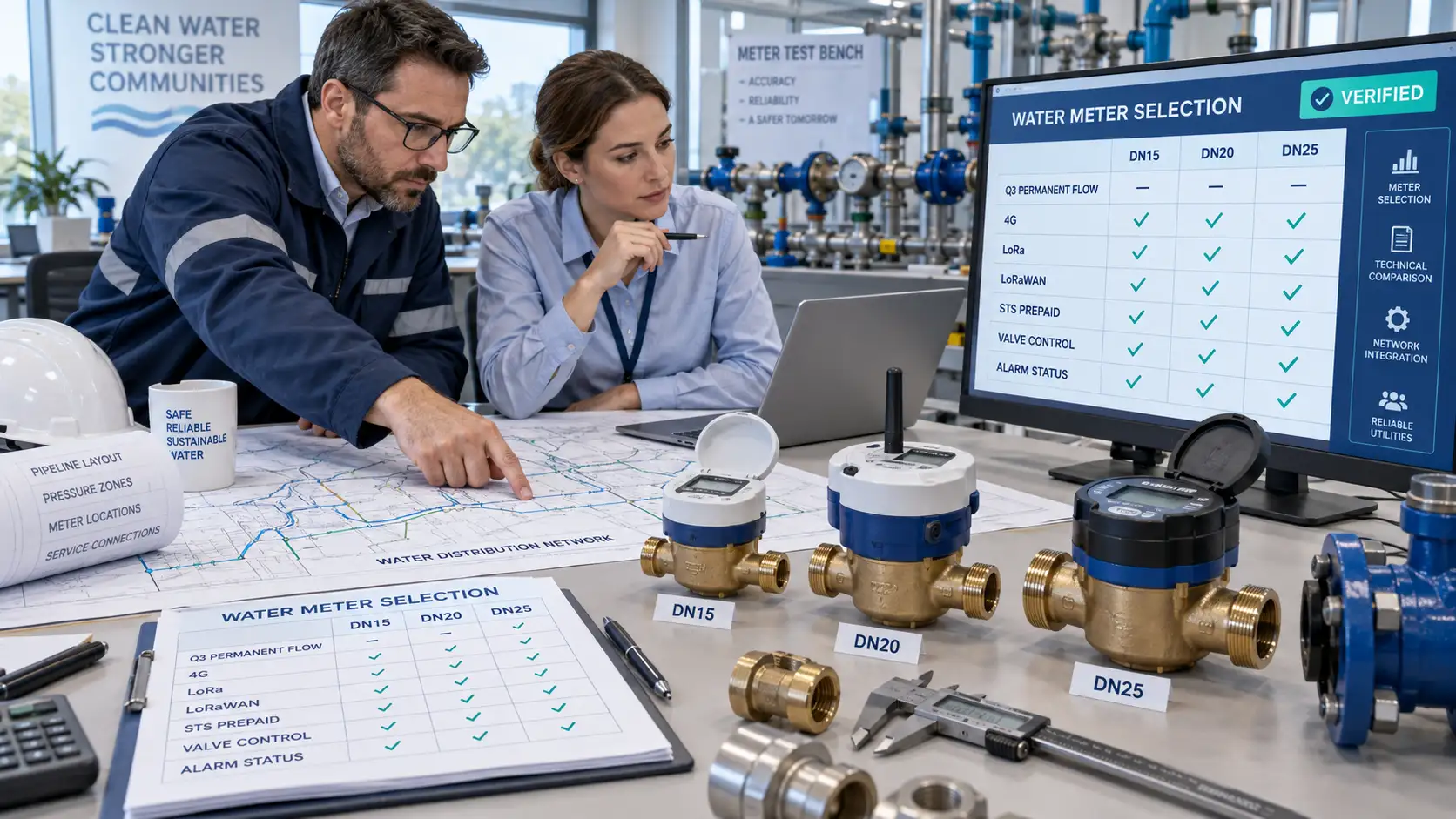
The communication choice depends on the project. Chenshuo list 4G, LoRa, and LoRaWAN options for documented smart water meter configurations. The gateway, platform, interface, and network responsibility should be confirmed for the selected product.
Use the alarm as a short inspection workflow: verify the data, check the valve and pipe, then record the result.
Check the current flow, accumulated value, alarm record, battery or power status, and communication state. Confirm that the device address and platform location match the physical installation.
Keep the device number and alarm time in the service record.
Inspect the valve position, visible connections, fittings, and nearby appliances. When the valve is closed but the indicator remains active, check the valve operating status and locate the leak on site.
Smart valve functions can report open, closed, or sticking conditions on supported configurations. Remote manual operation or scheduled activation may also be available when the selected system includes those functions.
Record whether the alarm was confirmed, which component was checked, what action was taken, and whether the flow stopped after repair. A final reading or communication check can close the event in the platform.
This record gives the next technician a usable history. It also helps the operator distinguish repeated leaks from one-time installation issues.
Valve control and leak detection are related functions with different jobs. The alarm identifies a flow condition. The valve changes the water path when the system and operating rules permit it.
Chenshuo’s smart water meter materials describe valve status detection, sticking-fault reporting, remote manual operation, and scheduled valve activation or deactivation for supported configurations. Whether an alarm should trigger a valve action must be defined in the project logic.
Confirm the valve type, control authority, safety rules, and manual override before enabling a response sequence.
Installation quality affects both measurement and alarm interpretation.
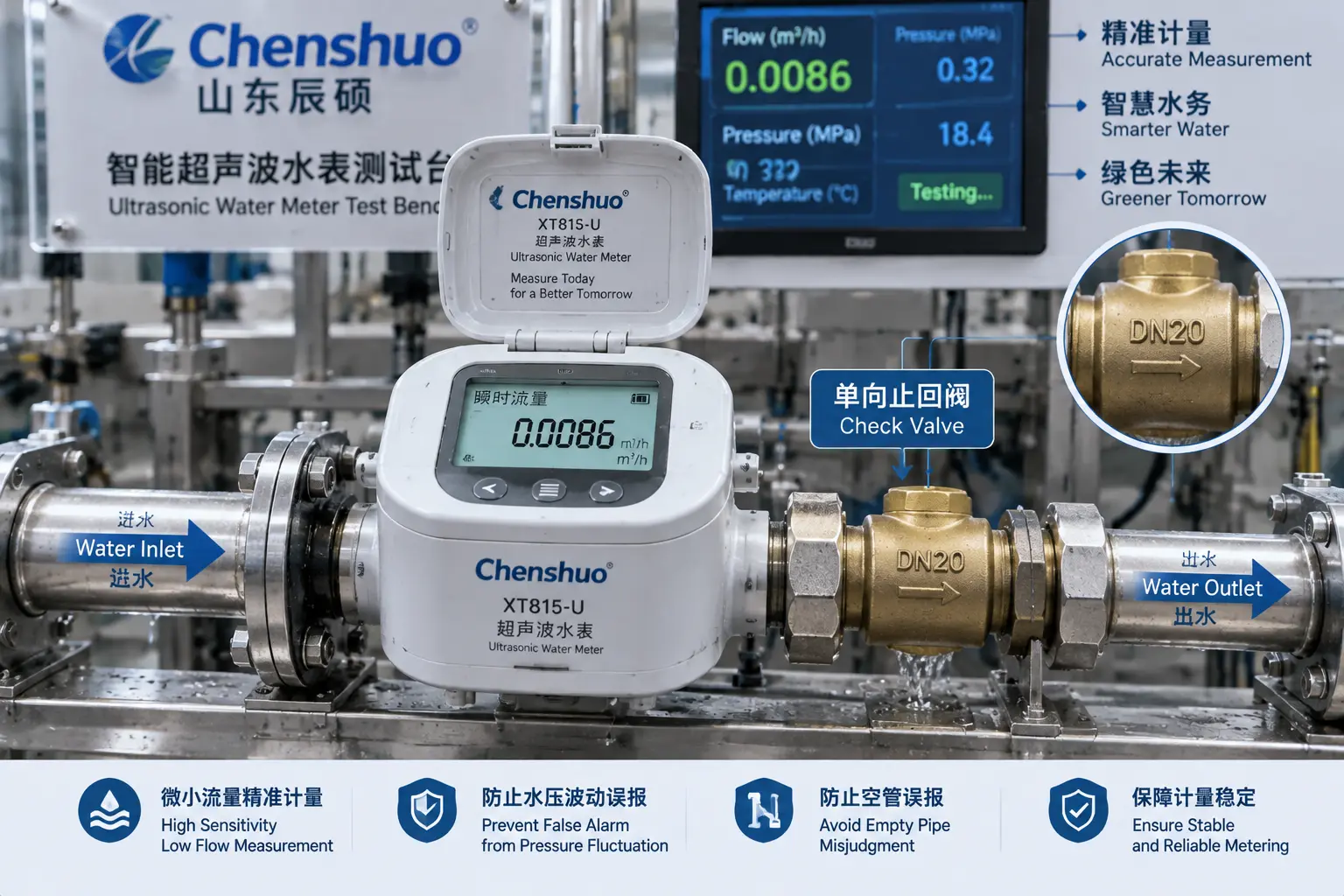
For smart ultrasonic water meter configurations, the measuring tube must remain filled with water. An empty pipe or significant air accumulation can interrupt ultrasonic signal transmission. The device may suspend measurement when an empty-pipe condition is detected.
The installation drawing should define the flow direction, pipe arrangement, and connection method. Chenshuo documentation strongly recommends a check valve at the outlet of the ultrasonic meter to limit water movement in the measuring section when pipeline pressure changes.
If an empty-pipe icon appears with zero flow, check for air, scale on the transducer, and an unsuitable installation position.
Smart leak monitoring can be considered for:
Define what counts as an actionable event and who handles the site inspection.
Before ordering or upgrading, confirm:
This checklist gives a supplier the information needed to confirm the configuration and data path.
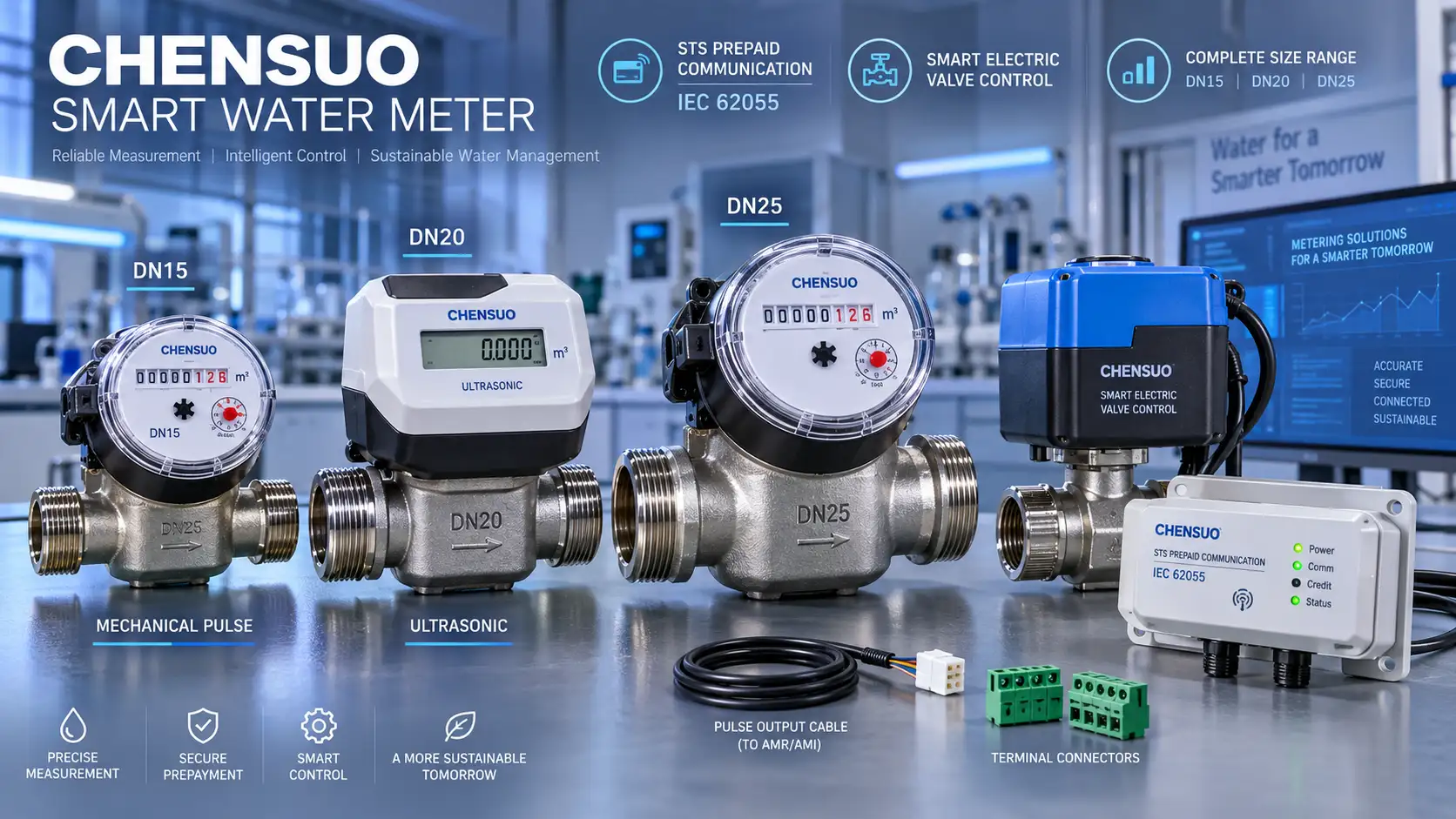
Shandong Chenshuo Instrument Co., Ltd. develops intelligent water meter products that combine data collection, data transmission, and data application. Its documented smart ultrasonic water meter configurations include micro-flow detection, leakage alarm, empty-pipe protection, and communication options such as 4G, LoRa, and LoRaWAN.
Supported smart meter configurations also include valve status detection and smart valve control. STS (IEC 62055) prepaid communication is available within the documented XT815 series, while the exact model and functions should be confirmed from the project brief.
Submit the application, meter quantity, pipe sizes, communication preference, platform requirements, valve logic, and alarm workflow through the Chenshuo official website.
A Smart Water Meter helps detect potential leaks by showing continuous low flow and sending an alarm or abnormal record through an IoT Water Metering system. The useful result is a clear inspection lead: a meter point, a time, a flow condition, and a response record.
Leak monitoring still depends on installation and operations. Keep the ultrasonic measuring tube full, manage air conditions, check valves and pipe connections, and define who closes the alarm after site work.
チェンシュオ’s smart ultrasonic water meter configurations provide a documented path for micro-flow detection, leakage alarms, empty-pipe protection, communication, and supported valve functions. Send the project layout, quantities, network, platform, and acceptance requirements to confirm the appropriate configuration and test scope.
Q1: Can a Smart Water Meter detect a water leak?
A: A supported Smart Water Meter configuration can detect continuous low flow and issue a leakage alarm. The alarm indicates a condition for inspection; the pipe or valve still needs to be checked on site.
Q2: How does a smart water meter identify continuous low flow?
A: The meter monitors flow data over the configured reporting process and identifies a persistent minute-flow condition. The exact threshold and notification method depend on the selected meter and platform configuration.
Q3: Does an IoT Water Metering system automatically locate the leak?
A: It can identify the meter point and time associated with an abnormal flow record. Physical inspection is still needed to locate the leaking fitting, appliance, valve, or pipe section.
Q4: What should operators check after receiving a leakage alarm?
A: Check the current reading, alarm status, communication state, valve position, visible connections, and relevant pipe section. Record the result and confirm that flow stops after the repair or corrective action.
Q5: Can valve control be used with smart water leak monitoring?
A: Valve control can be included in supported smart meter configurations. The project must define the valve status, manual or scheduled control, alarm response logic, safety rules, and override process before operation.
 住所:Xiao'anzi Industrial Park、Baishabu Town、Lanshan District、Linyi City、Shandong州
 今すぐお電話ください:+86 15562945993


Shandong Chenshuo Instrument Co.、Ltd。