

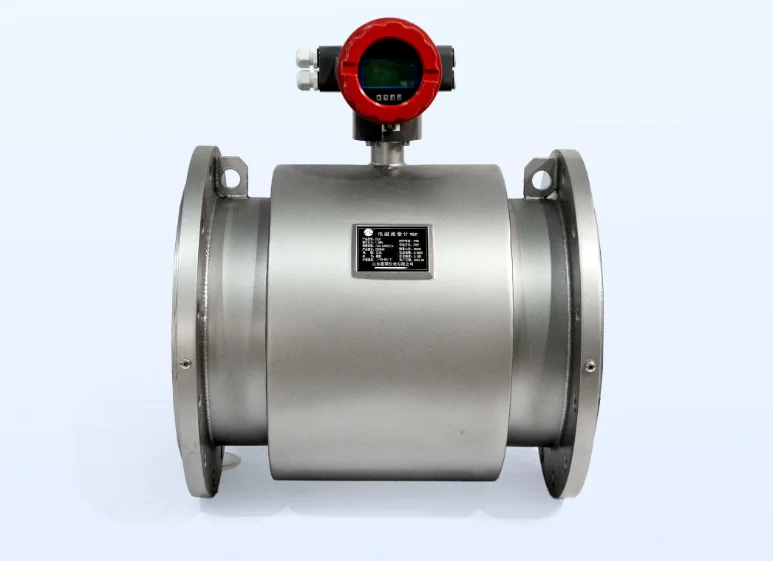
Acquisto misuratori di portata elettromagnetici Acquistare un flussimetro elettromagnetico dalla Cina può essere una scelta intelligente quando si necessita di una misurazione affidabile del flusso industriale senza sforare il budget del progetto. I flussimetri elettromagnetici cinesi sono ormai ampiamente utilizzati nel trattamento delle acque, nella misurazione del flusso di sostanze chimiche e fanghi, e nei progetti idrici municipali. Tuttavia, un buon acquisto non si basa solo sul prezzo più basso. È necessario verificare anche il fluido, il diametro del tubo, la precisione, i materiali, le certificazioni e l'assistenza.
Per molti acquirenti, il motivo principale è semplice: la Cina offre un ottimo mix di prezzo, gamma di prodotti e velocità di produzione. Se il vostro impianto necessita di 20 unità per le condotte delle acque reflue, la differenza di costo può essere significativa. Tuttavia, i contatori economici possono rivelarsi costosi in seguito se non sono adatti al sito.
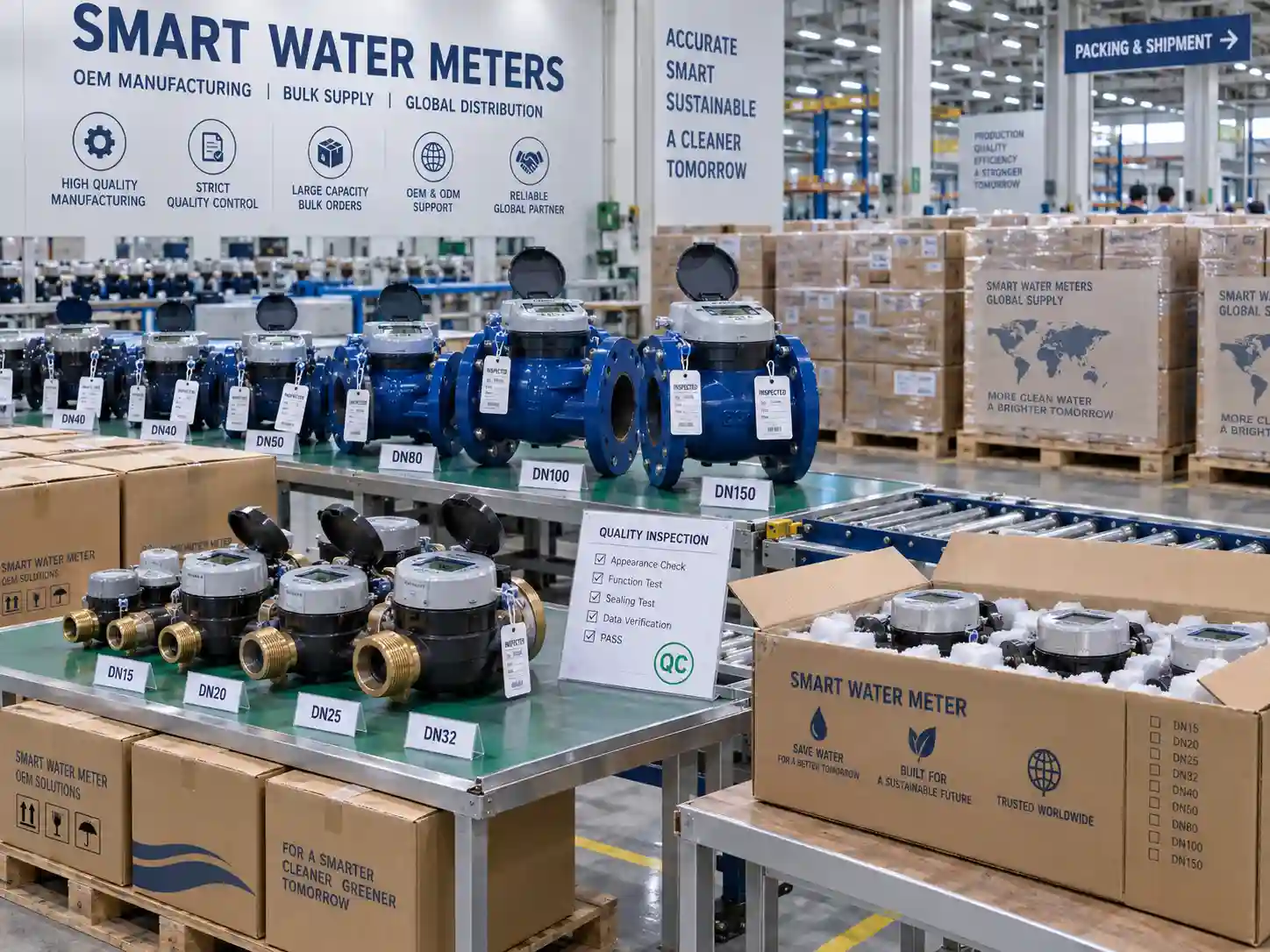
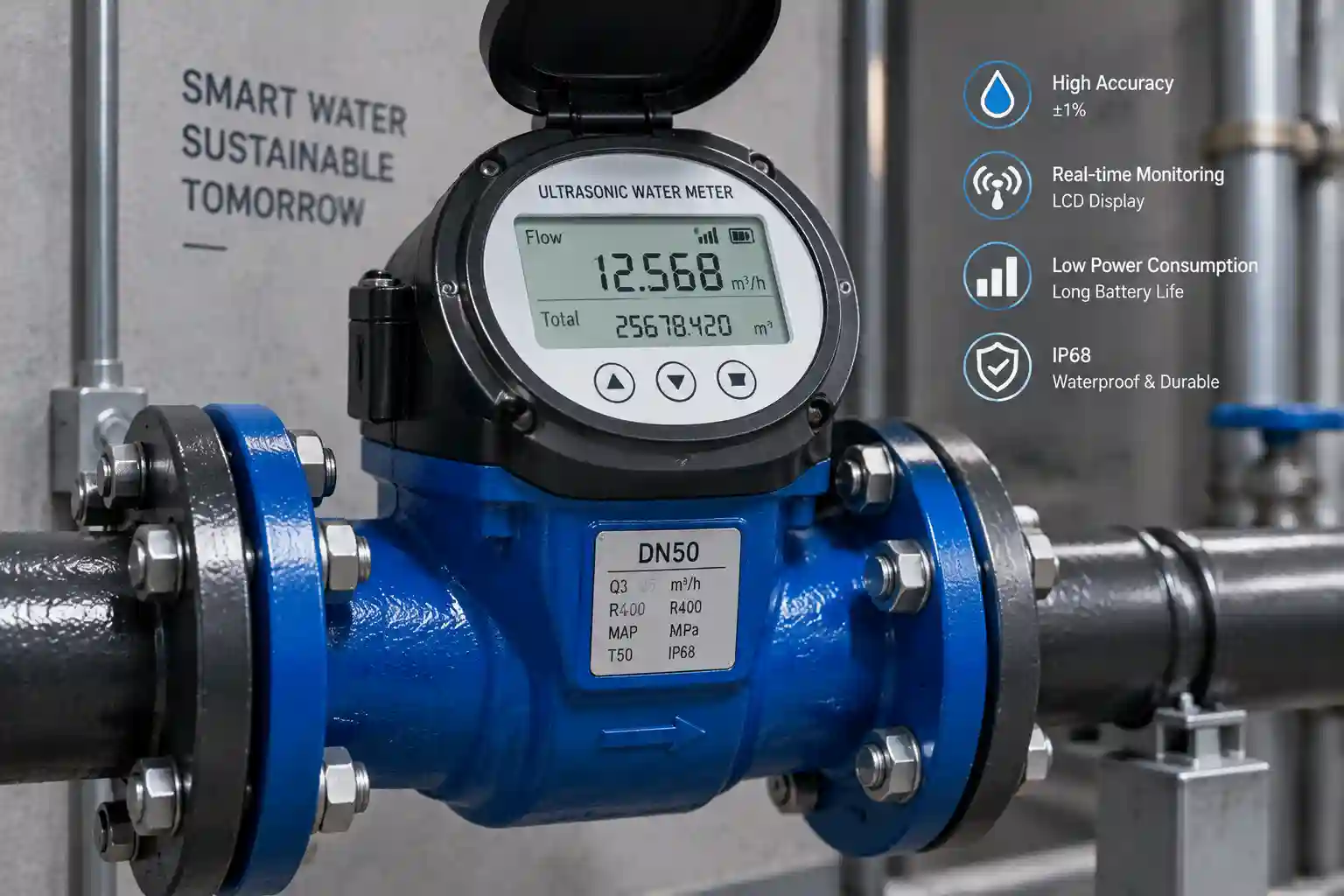
I produttori cinesi di flussimetri offrono solitamente flussimetri economici per applicazioni standard di misurazione della portata di liquidi conduttivi. È possibile trovare spesso flussimetri di dimensioni DN15, DN50, DN100, DN300 e superiori, oltre a modelli compatti o con display remoto. Questo offre maggiore flessibilità nella scelta del flussometro più adatto al progetto, evitando di dover installare un unico modello in ogni tubazione.
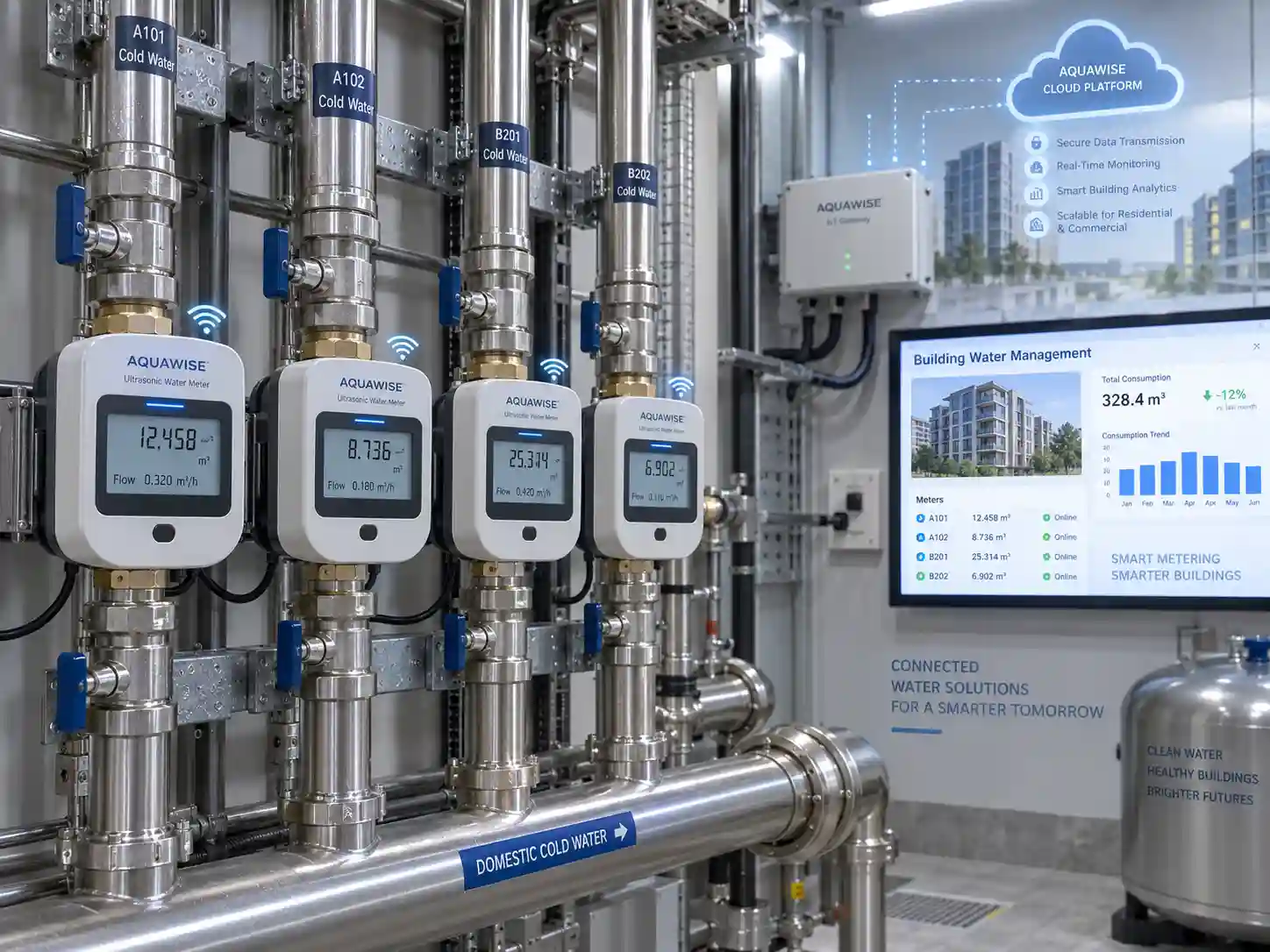
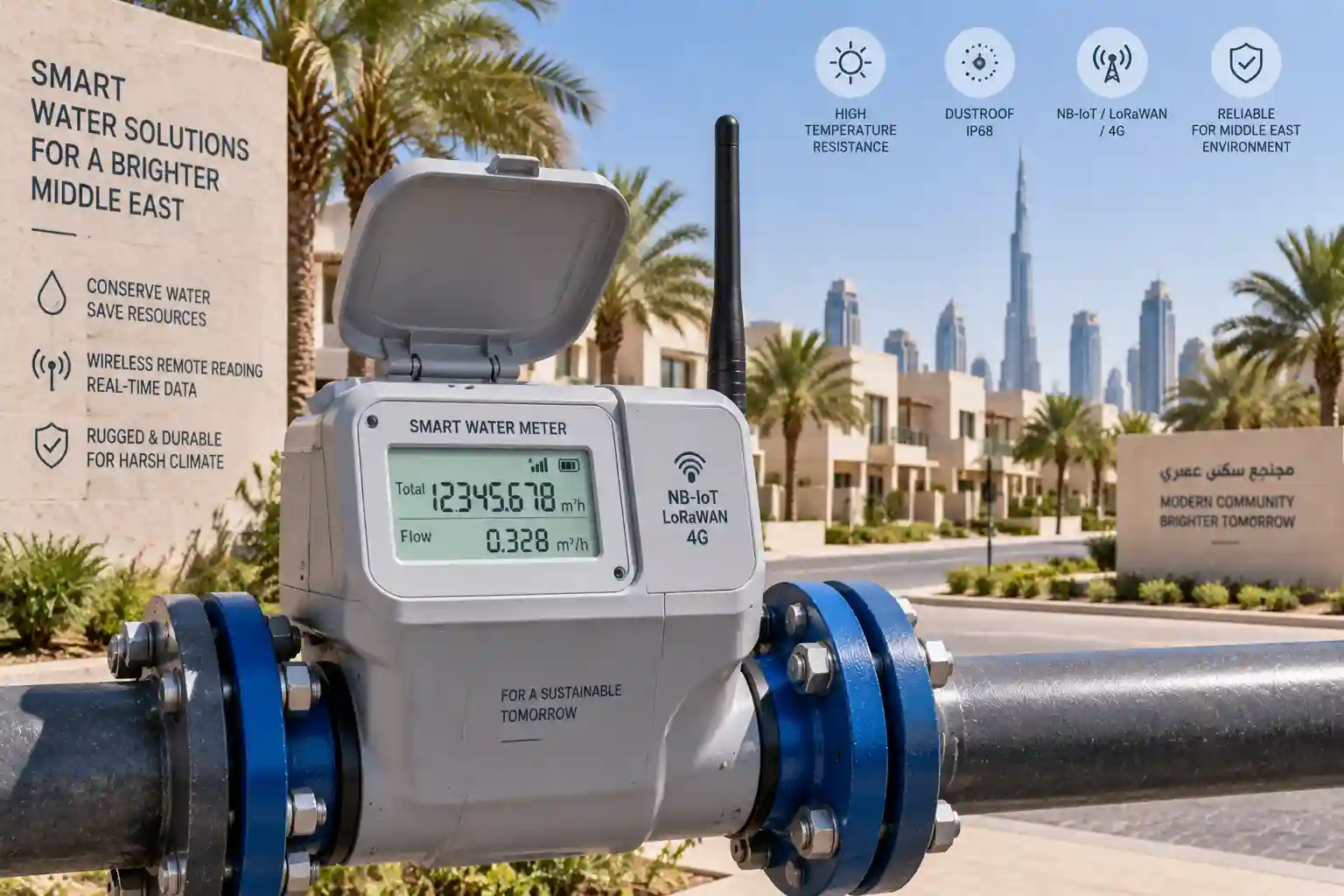
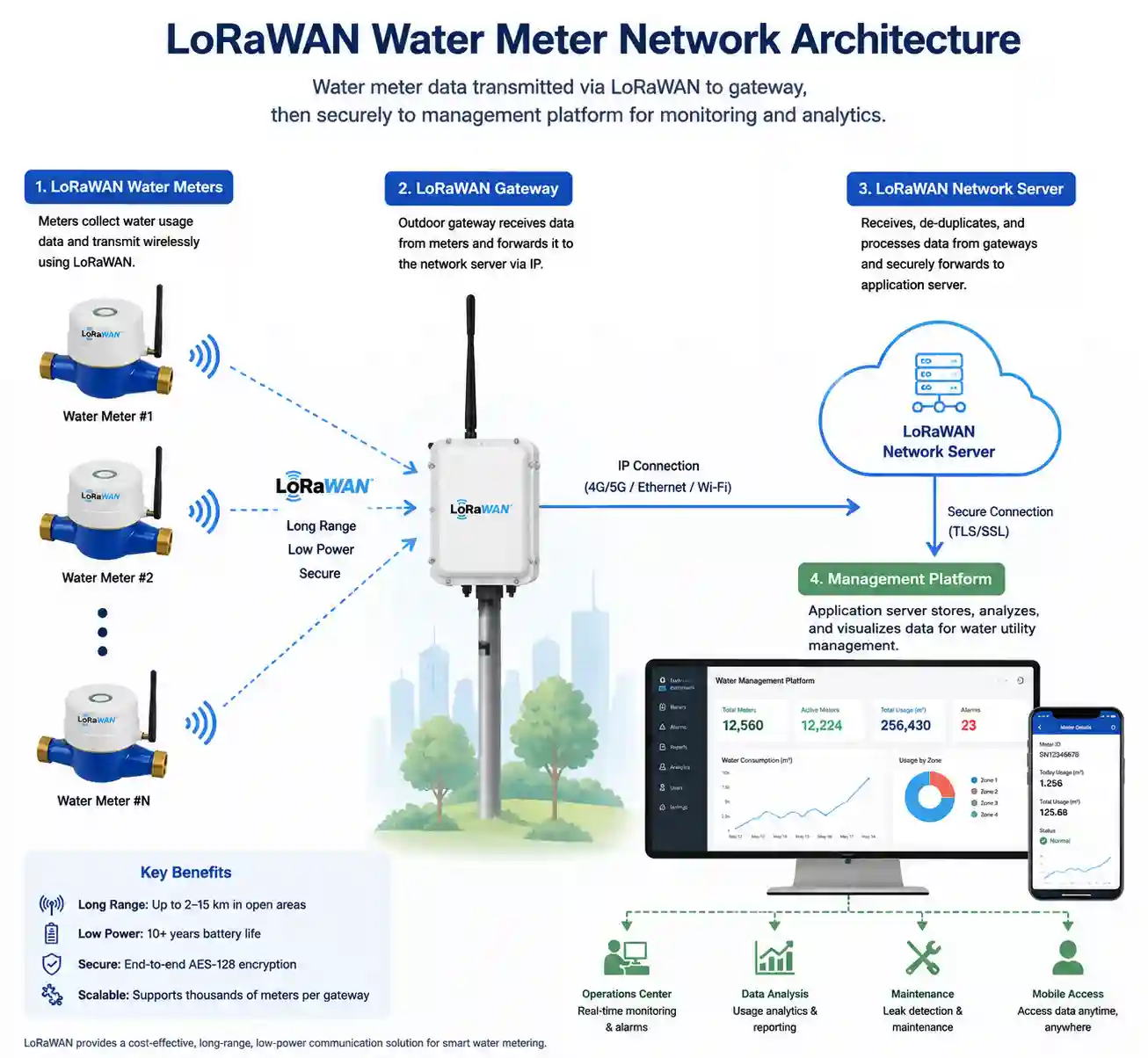
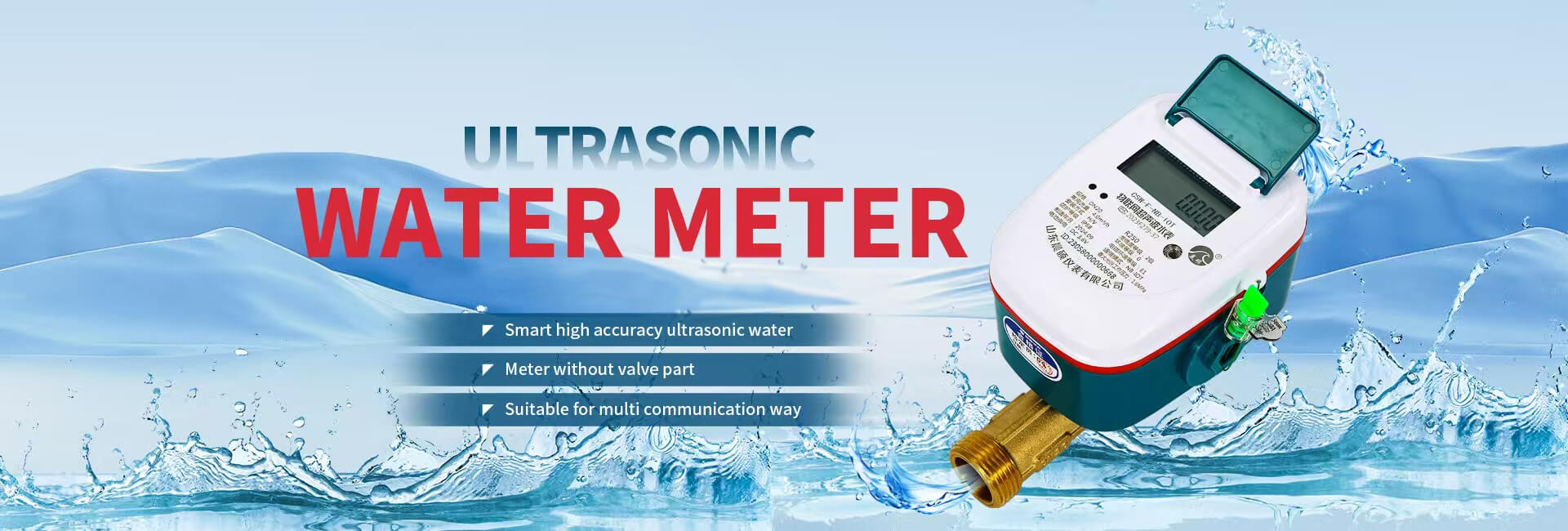
Un fornitore con un'ampia gamma di prodotti può semplificare l'approvvigionamento. Ad esempio, Chenshuo opera nel settore della misurazione intelligente e della portata, con prodotti che includono flussimetri elettromagnetici, contatori d'acqua elettromagnetici, contatori d'acqua a ultrasuoni, contatori d'acqua meccanici e sistemi di misurazione intelligente dell'acqua a distanza. Il suo sito web indica inoltre come casi d'uso comuni la misurazione di fluidi misti, come acque reflue, processi chimici, scarichi industriali e fanghi o sospensioni minerali. Questa ampia gamma di prodotti è utile quando si ha bisogno di contatori sia per una linea di impianto che per un progetto idrico cittadino.
Un flussometro elettromagnetico misura il flusso di liquidi conduttivi tramite induzione elettromagnetica. Non avendo parti in movimento, presenta un'usura meccanica inferiore rispetto a molti misuratori tradizionali. Questo è particolarmente importante nelle condotte idriche sporche, dove possono passare sabbia, fanghi o piccole particelle solide.
Questo misuratore è adatto per la misurazione di liquidi conduttivi, flussimetri per il trattamento delle acque, liquidi corrosivi e applicazioni di misurazione di fanghi. Un esempio comune è un impianto di trattamento delle acque reflue che misura lo scarico di diverse officine. Il liquido è sporco, il flusso varia durante il giorno e le parti meccaniche possono usurarsi rapidamente. misuratore di flusso magnetico è spesso la soluzione migliore.
Non utilizzare con gas, vapore, diesel, olio puro o liquidi non conduttivi. Se la conduttività del fluido è troppo bassa, il segnale potrebbe essere debole o instabile. Per questo motivo, i requisiti di conduttività del fluido devono essere verificati prima di effettuare qualsiasi ordine.
Una scheda tecnica pulita è utile, ma i dati sul campo sono ancora più importanti. Prima di chiedere un prezzo, inviate al fornitore le vostre reali condizioni di processo. Un piccolo dettaglio mancante, come lo standard della flangia, può bloccare un intero impianto per giorni. Accade più spesso di quanto si pensi.
Le specifiche del flussometro elettromagnetico devono includere il diametro del tubo, la precisione del campo di misura, la pressione di esercizio, la temperatura, la conduttività, l'alimentazione, il segnale di uscita e l'ambiente di installazione. È inoltre necessario specificare se il flussometro è destinato al monitoraggio, alla misurazione a lotti, alla fatturazione o al controllo di processo. Le applicazioni di fatturazione richiedono in genere una maggiore precisione e una documentazione di prova più chiara.
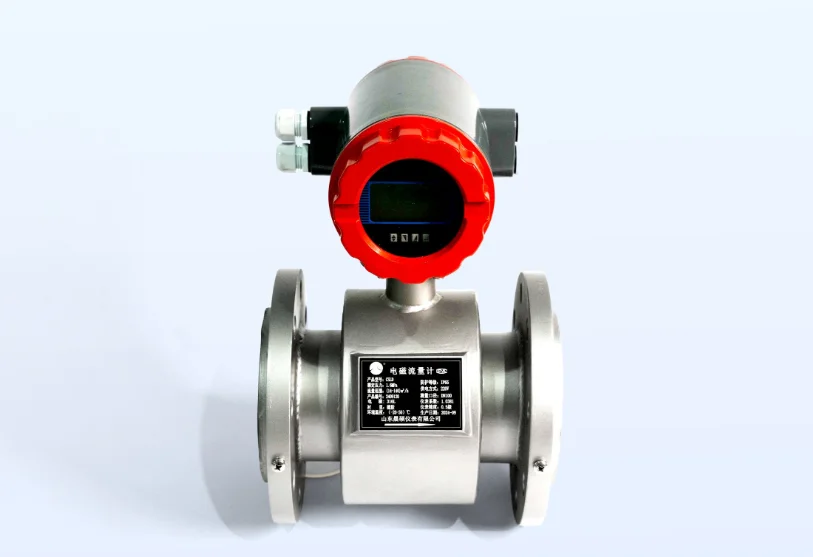
Il materiale del rivestimento e degli elettrodi influisce sulla durata di servizio. Per l'acqua pulita, un materiale standard potrebbe essere sufficiente. Per acque reflue acide, alcaline o ad alta concentrazione salina, una scelta errata del materiale può causare corrosione, deriva del segnale o guasti prematuri. Chiedete al fornitore di spiegare la scelta del materiale degli elettrodi in base al fluido utilizzato, e non limitatevi a proporre l'opzione più economica.
Un affidabile fornitore di misuratori di portata Dovrebbe aiutarvi a scegliere, non solo a vendere. Quando si acquistano flussimetri elettromagnetici dalla Cina, il processo di verifica del fornitore dovrebbe includere esperienza produttiva, test, documentazione e un reale supporto tecnico.
Richiedete il certificato di calibrazione del flussometro e i registri dei test di calibrazione effettuati in fabbrica. Molti flussimetri cinesi per uso industriale offrono una precisione di circa lo 0,5%, sufficiente per molte linee di processo. Se avete bisogno di un controllo più preciso, specificatelo fin da subito. Richiedete inoltre manuali in inglese, schemi elettrici e istruzioni di installazione. Una documentazione incompleta può rallentare il lavoro dell'elettricista in loco.
Verifica se il fornitore offre contatori correlati oltre a un singolo modello. Il centro prodotti mostra come un unico fornitore di contatori possa soddisfare diverse esigenze di misurazione del flusso e del consumo idrico. Per i team di approvvigionamento, questo può ridurre il rischio di fornitori misti. Non è sempre necessario avere un unico fornitore per tipologie di contatori correlate, ma spesso semplifica la formazione, la gestione dei pezzi di ricambio e l'assistenza post-vendita.
Anche un buon misuratore può fornire letture errate se installato in modo scorretto. I requisiti di installazione del flussometro devono essere verificati prima della spedizione, non dopo l'arrivo della merce.
Verificare la necessità di un tubo rettilineo, il metodo di messa a terra, la direzione del sensore e se il tubo rimane pieno. Evitare, se possibile, forti vibrazioni e bolle d'aria. In una tipica stazione di pompaggio, un misuratore posizionato troppo vicino a una curva può mostrare letture instabili durante l'avvio della pompa. Spostarlo o aggiungere un tratto di tubo rettilineo sufficiente può risolvere il problema, ma nessuno gradisce dover rifare le tubature.
Quando si confrontano i preventivi per i flussimetri, non bisogna fermarsi al primo dato. Due flussimetri con la stessa dimensione DN possono avere rivestimenti, elettrodi, trasmettitori, gradi di protezione e rapporti di calibrazione differenti.
Una checklist pratica per la richiesta di offerta di un flussometro dovrebbe includere il nome del fluido, il campo di misura della portata, la dimensione del tubo, lo standard di connessione della flangia, la pressione, la temperatura, la conduttività, il rivestimento interno, l'elettrodo, il segnale di uscita, il tipo di display, i requisiti di certificazione, la quantità, i tempi di consegna e la garanzia. Prima della spedizione, richiedere un'ispezione pre-spedizione con foto della targhetta, della flangia, del display, del terminale di cablaggio e del rapporto di calibrazione.
Per gli acquirenti industriali o municipali, la categoria dei misuratori di portata elettromagnetici è utile per verificare le dimensioni disponibili e la direzione di applicazione. Se il tuo progetto si concentra sulla fatturazione della fornitura idrica o sulle aree con contatori distrettuali, contatore d'acqua elettromagnetico La pagina potrebbe essere più pertinente.
D1: Un flussometro elettromagnetico può misurare il petrolio?
A: No. Serve principalmente per misurare liquidi conduttivi. L'olio è solitamente un liquido non conduttivo.
D2: Il misuratore di portata elettromagnetico con il prezzo più basso è una buona scelta?
R: Non sempre. Prima di tutto, verifica il materiale, la precisione, la calibrazione, i requisiti di certificazione e l'assistenza tecnica.
D3: Qual è la precisione tipica dei flussimetri elettromagnetici cinesi?
A: Molti modelli industriali hanno una precisione di circa lo 0,5%, che è adatta a molte applicazioni di controllo di processo. Conferma questo dato con il fornitore.
D4: Avete bisogno di un ordine di campioni?
R: Sì, per i nuovi fornitori o per progetti critici. Un ordine di campioni di flussometro aiuta a testare la stabilità, la documentazione e il servizio.
D5: Qual è il più grande errore da commettere in fase di acquisto?
A: Inviare solo la dimensione del tubo e chiedere un preventivo. Un buon fornitore ha bisogno di dati completi sul processo per scegliere il misuratore giusto.
 Indirizzo: Xiao'anzi Industrial Park, Baishabu Town, Lanshan District, Linyi City, Provincia di Shandong
 Chiamaci ora:+86 15562945993
 E-mail:info@sdchenshuo.cn


Shandong Chenshuo Instrument Co., Ltd.