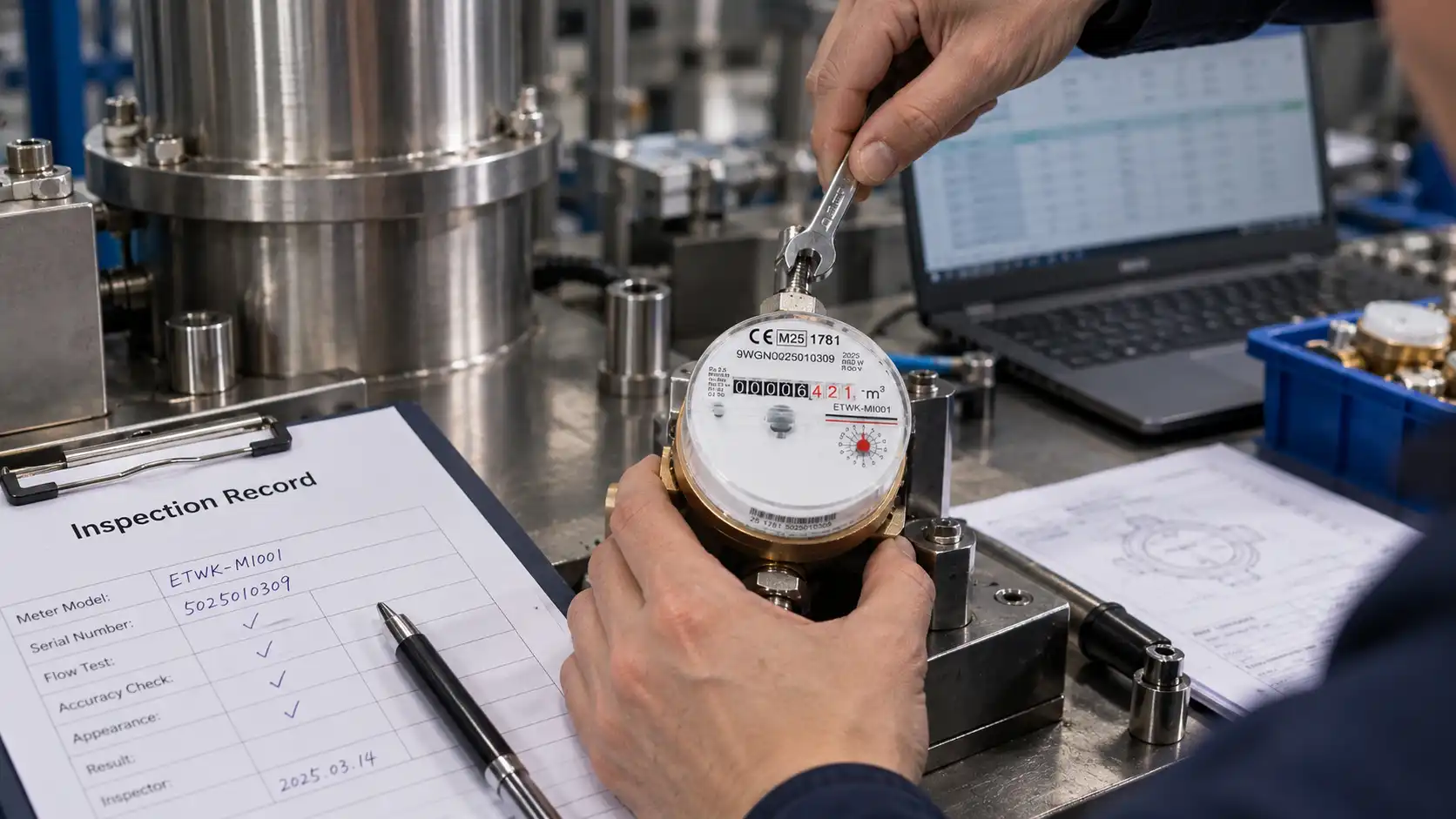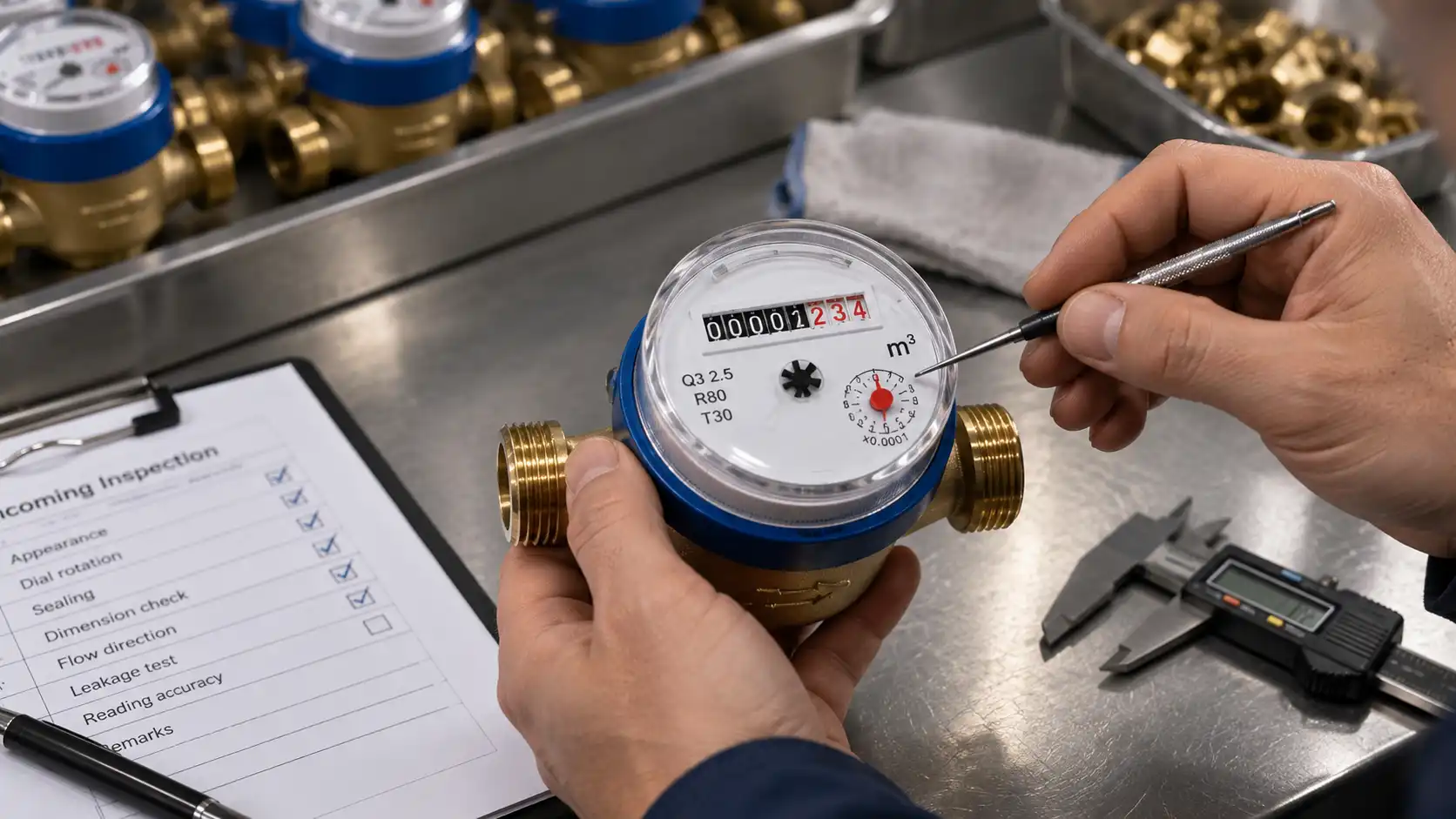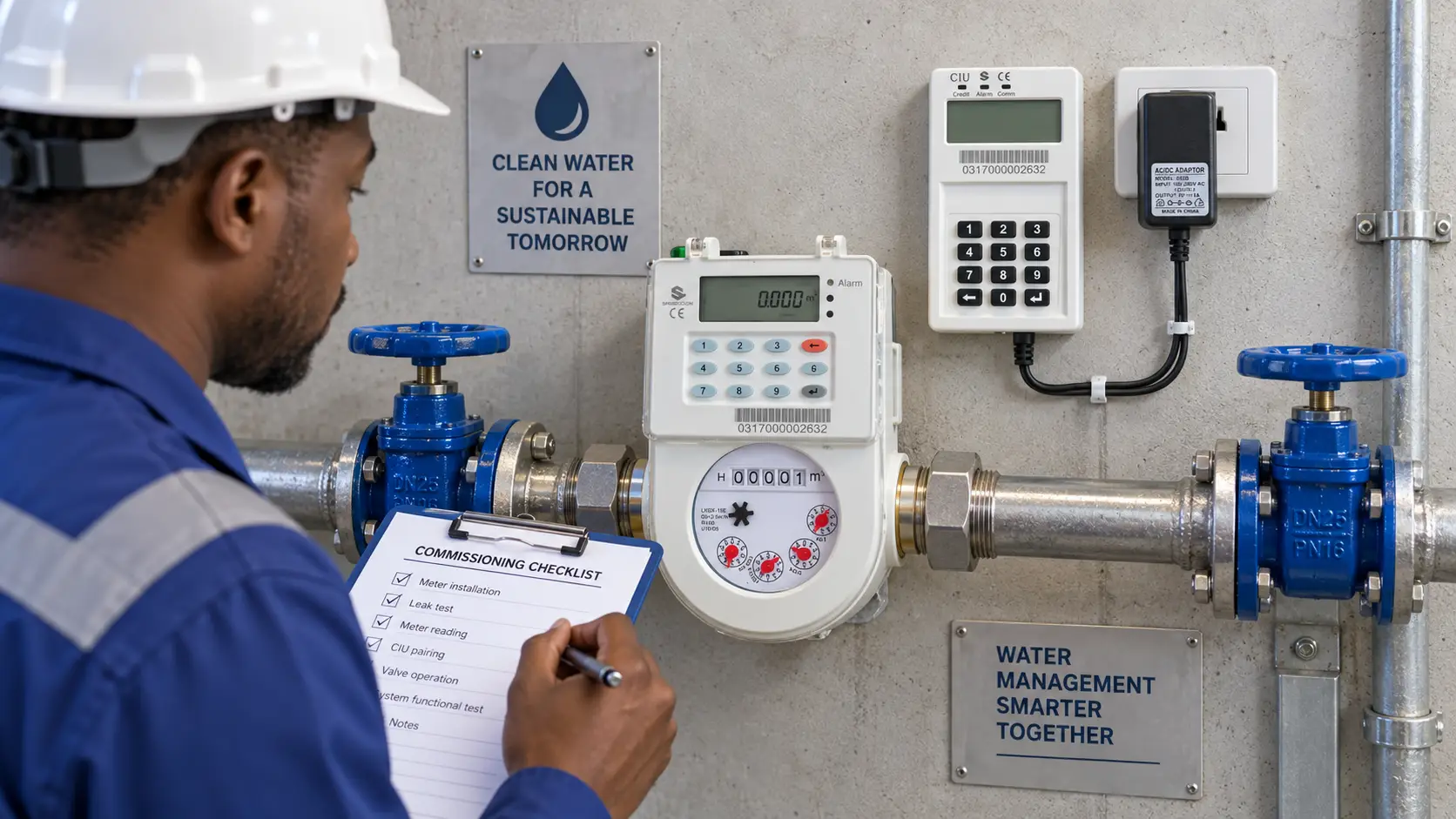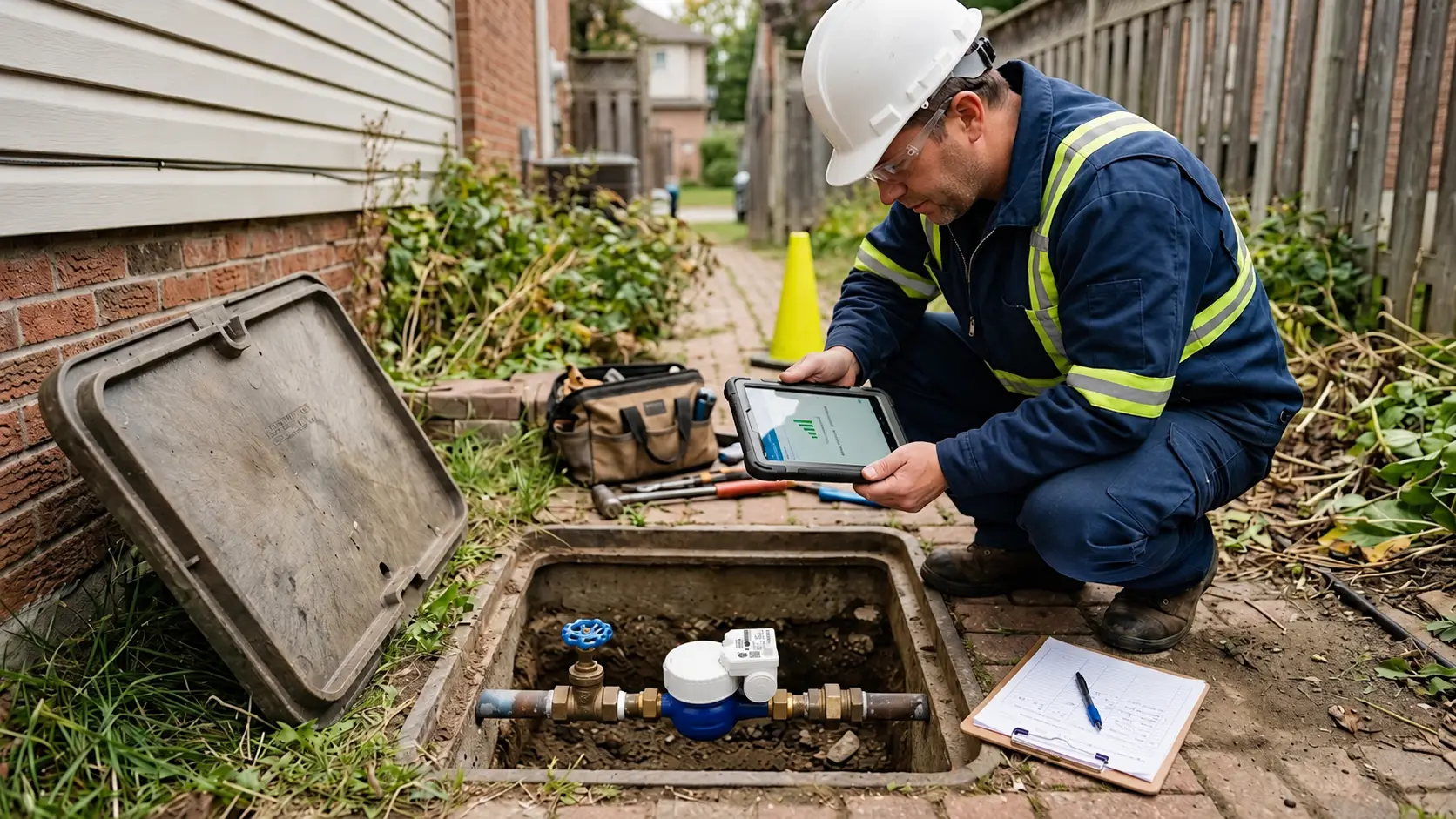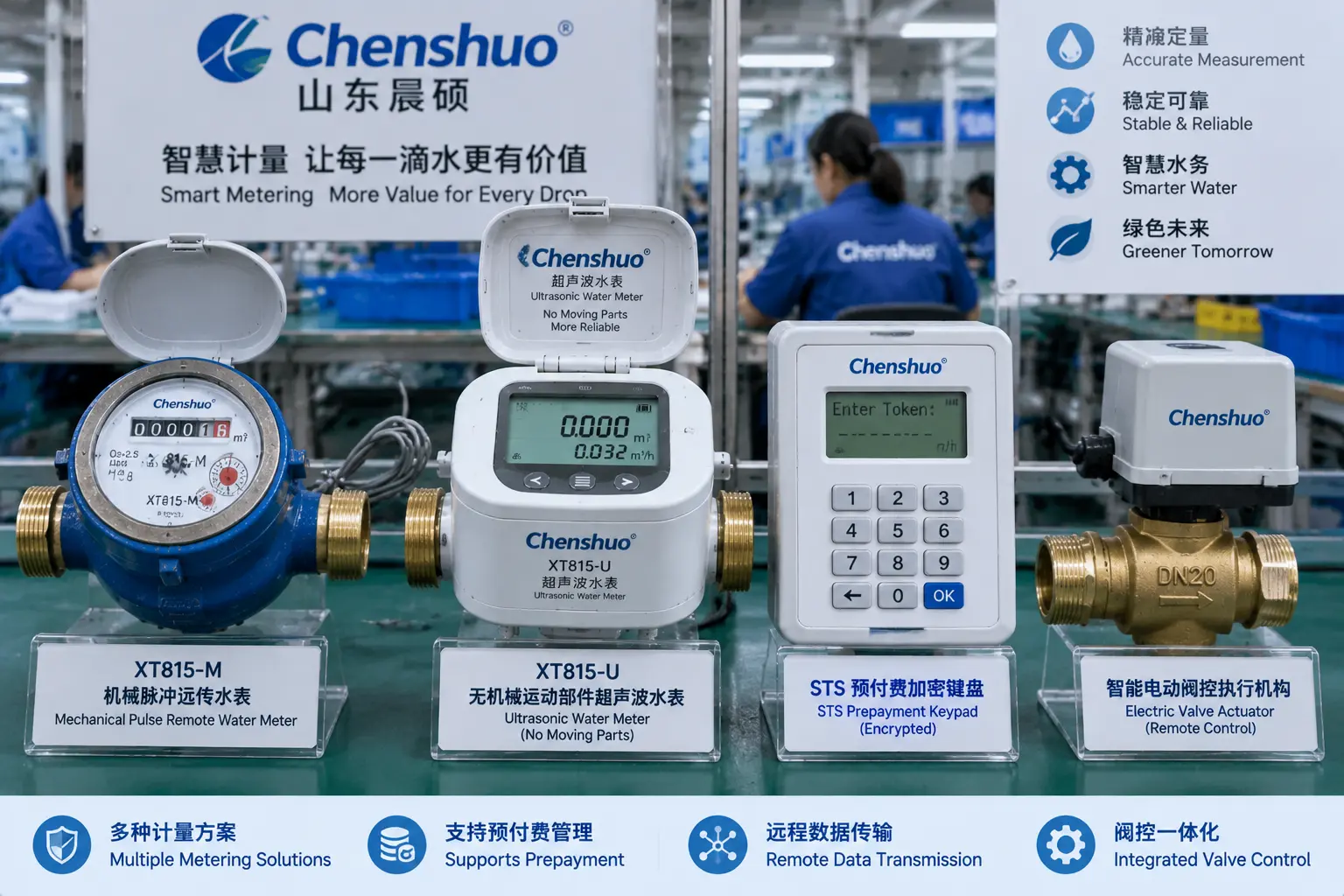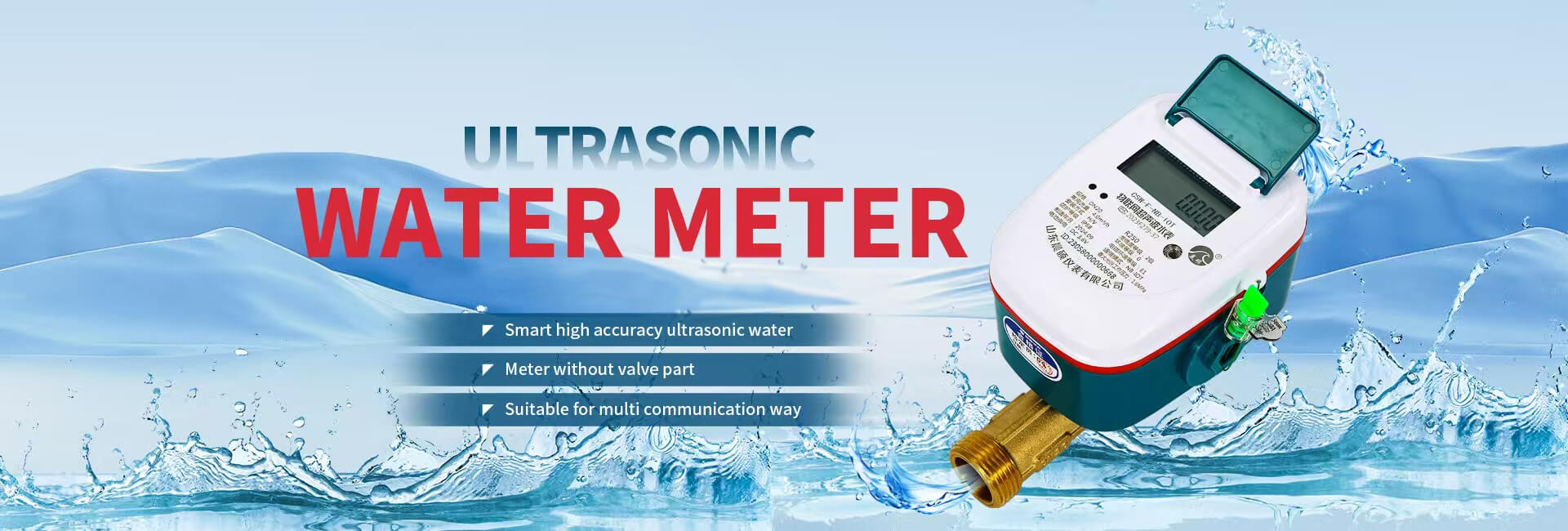


Les fortes concentrations de minéraux dissous comme le calcium et le magnésium constituent un risque opérationnel permanent pour les réseaux de distribution d'eau potable. Dans les régions d'Afrique, d'Asie du Sud-Est et d'Amérique latine fortement dépendantes des eaux souterraines, l'entartrage dû à l'eau dure et les importantes charges sédimentaires entraînent des défaillances prématurées des équipements et des pertes de revenus considérables. Pour les services des eaux qui adoptent des systèmes de prépaiement afin de sécuriser leurs flux de trésorerie, le choix de la technologie de comptage est déterminant pour la réussite du projet d'infrastructure et sa transformation en un véritable cauchemar en matière de maintenance. Alors que les compteurs mécaniques classiques tombent fréquemment en panne dans ces conditions d'eau difficiles, l'intégration d'une solution avancée à semi-conducteurs, telle que… Compteur d'eau ultrasonique STS XT815-U offre une solution robuste et de haute précision qui préserve les revenus des services publics sur une longue durée de vie opérationnelle.
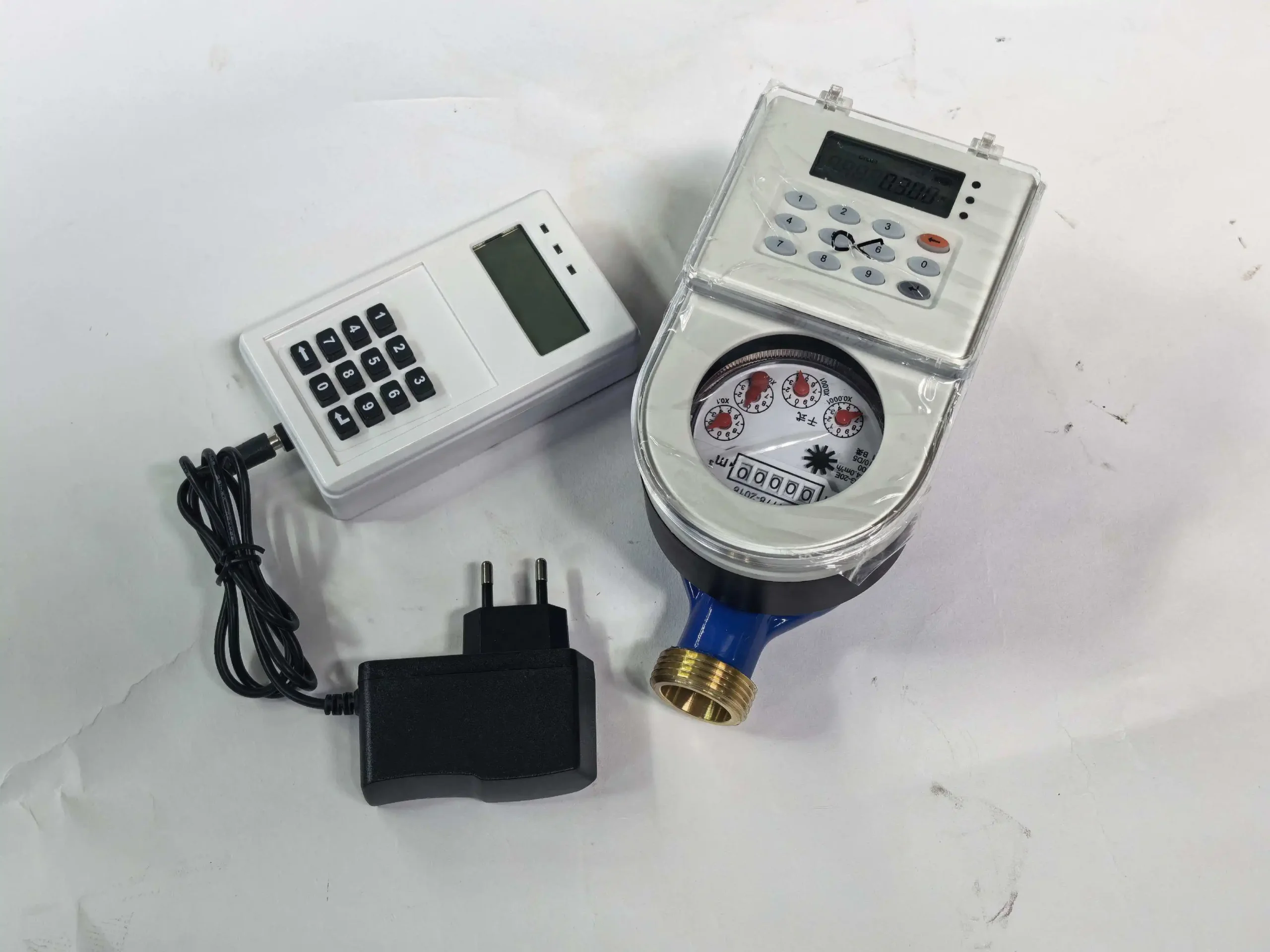
Les fournisseurs de services d'eau opérant dans les régions où l'eau est dure sont confrontés à un défi majeur lors du déploiement de compteurs prépayés mécaniques traditionnels. Ces appareils utilisent des pièces mobiles internes, telles que des hélices et des turbines, pour mesurer le volume d'eau circulant dans la canalisation. Lorsque l'eau dure subit des variations de température ou de pression, le carbonate de calcium dissous précipite et forme une couche de tartre extrêmement dure sur ces composants internes.
Lorsque des dépôts de calcaire s'accumulent sur les pales délicates d'une turbine mécanique, l'espace libre à l'intérieur de la chambre de mesure diminue rapidement. Cette accumulation engendre un frottement mécanique important, contraignant le compteur à sous-estimer la consommation d'eau réelle, voire à se bloquer complètement. Lorsqu'un service des eaux, soucieux de son budget, entreprend une rénovation massive de son réseau de canalisations en utilisant des solutions mécaniques économiques, il constate fréquemment qu'en douze à dix-huit mois, des dépôts minéraux bloquent les mécanismes internes. Une fois la turbine immobilisée, la vanne motorisée interne ne reçoit plus de données volumétriques précises, ce qui provoque des coupures d'eau et des gaspillages d'eau pour les consommateurs, tandis que leur crédit prépayé reste intact. Ce dysfonctionnement compromet directement l'objectif principal d'un investissement dans une infrastructure de prépaiement sécurisée.
Les interruptions de la distribution d'eau, fréquentes dans les réseaux d'infrastructures en développement, introduisent d'importantes quantités d'air dans les canalisations. Lors du rétablissement du service, un mélange d'eau et de bulles d'air, contenu dans les conduites vides, se propage à grande vitesse. Les compteurs mécaniques classiques, basés sur la vitesse, ne peuvent distinguer ces poches d'air du débit réel. Le volume d'air actionne la turbine à une vitesse extrême, générant des relevés erronés qui gonflent artificiellement les données de consommation des clients. Ce phénomène provoque des litiges immédiats, érode la confiance du public dans le système de facturation et oblige les équipes techniques à consacrer un temps précieux au traitement des réclamations, au lieu de la gestion du réseau.
Pour pallier les faiblesses inhérentes aux composants mécaniques dans les environnements aquatiques agressifs, les gestionnaires de services publics modernes se tournent vers les technologies de comptage statique. Des fabricants comme Shandong Chenshuo Instrument Co., Ltd. ont mis au point des solutions à semi-conducteurs avancées, telles que leur série phare XT815, spécialement conçues pour maintenir l'intégrité structurelle et métrologique dans des conditions de qualité d'eau extrêmes.
La principale protection contre l'entartrage minéral réside dans l'absence totale de composants mécaniques internes. Le modèle ultrasonique XT815-U utilise le principe du temps de vol des ultrasons : des transducteurs électroniques émettent des signaux acoustiques en amont et en aval de la colonne d'eau. La vitesse du fluide est calculée à partir de la différence précise de temps de propagation entre ces ondes sonores. Grâce à un profil d'écoulement interne parfaitement lisse et dégagé, le XT815-U ne présente aucune surface susceptible de retenir et de retenir les sédiments, le sable ou les cristaux de calcium en suspension. Cette conception structurelle garantit le maintien de l'étalonnage d'usine du compteur pendant une longue période, offrant ainsi une solution de comptage d'eau véritablement sans entretien pour les réseaux de distribution soumis à d'importantes charges minérales.
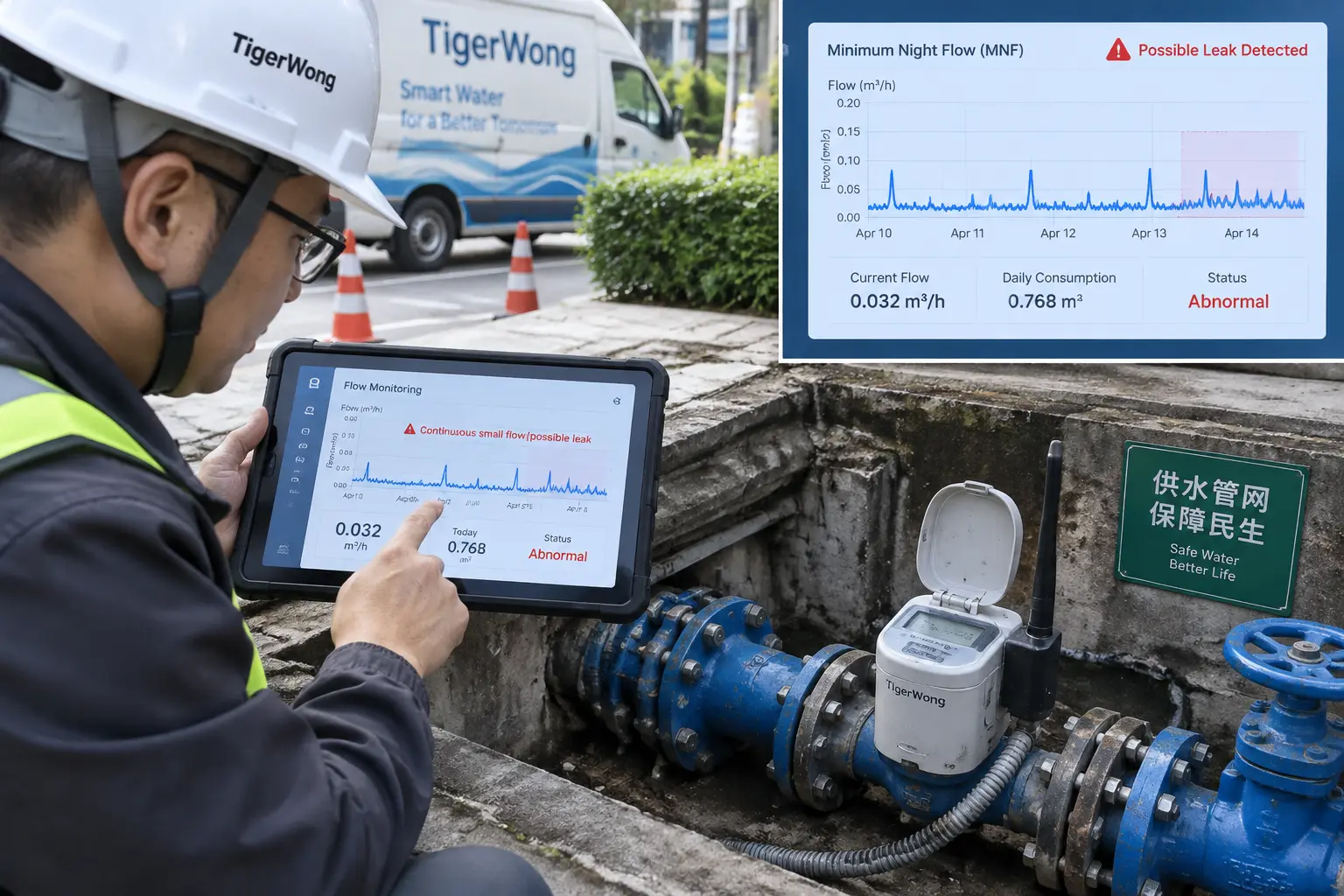
L'une des principales avancées commerciales de cette architecture à semi-conducteurs réside dans sa large plage de mesure, certifiée à une plage dynamique élevée de R250. Dans les installations municipales classiques, les anciens modèles mécaniques voient leur sensibilité chuter à R100, voire moins, après une brève exposition à l'eau dure, ce qui les empêche de détecter les faibles débits. Un modèle avancé comme le XT815-U, conservant une sensibilité de R250, peut détecter un débit initial minimal de seulement deux à quatre litres par heure, mesurant avec précision le volume d'eau jusqu'à 0,0001 mètre cube. Cette sensibilité exceptionnelle permet de détecter les fuites les plus subtiles, comme un robinet qui goutte ou une chasse d'eau qui coule en continu, qui échappent généralement aux compteurs mécaniques. En mesurant chaque goutte d'eau, des micro-fuites jusqu'aux pics de consommation résidentielle, les services des eaux peuvent réduire efficacement les pertes d'eau non facturées et préserver leurs actifs de facturation.
Pour garantir une précision durable avec les compteurs électroniques de pointe, il est impératif de respecter scrupuleusement les protocoles d'installation hydraulique. Même les compteurs statiques les plus sophistiqués peuvent subir des pertes de mesure si des poches d'air se forment dans la zone de détection acoustique.
Pour éviter les défauts liés à une canalisation vide, où l'accumulation d'air interrompt la zone de détection acoustique (un scénario où le XT815-U déclenche automatiquement une alerte de canalisation vide sur son écran LCD à huit chiffres et interrompt la mesure), les techniciens de terrain doivent respecter des configurations de tuyauterie spécifiques. Pour les segments de canalisation horizontaux, les ingénieurs recommandent d'installer le compteur dans un point bas, créant ainsi une configuration en U. Cette géométrie garantit que la gravité maintient le tube de mesure constamment rempli d'eau, évacuant ainsi les bulles d'air transitoires sans risque pour les capteurs. Lorsque les contraintes du site imposent une installation verticale du compteur d'eau, celui-ci doit impérativement être positionné sur une colonne montante avec un flux ascendant. Le flux d'eau forcé de bas en haut permet d'éliminer l'air emprisonné par le haut du compteur, évitant ainsi les pertes de signal qui se produisent lorsque l'eau s'écoule vers le bas contre la poussée d'Archimède.
Les fluctuations de pression dans la conduite principale provoquent fréquemment un mouvement de va-et-vient de la colonne d'eau à l'intérieur du circuit de plomberie résidentiel. Ce mouvement peut perturber les capteurs électroniques sensibles. Afin d'éviter que le reflux d'eau n'entraîne des cycles de facturation irréguliers ou ne déclenche de fausses alertes de fuite, il est fortement recommandé d'installer un clapet anti-retour robuste directement à la sortie du compteur. Pour la série XT815, l'utilisation de raccords de tuyauterie spécifiques avec clapets anti-retour intégrés simplifie l'installation sur site, réduit le risque de fuites au niveau des joints et isole le tube du transducteur sensible des coups de bélier.
Un écoulement de fluide stable et non turbulent est essentiel pour une mesure acoustique précise. Les techniciens doivent impérativement respecter les longueurs de conduite droite requises en amont et en aval du corps du compteur. Dans des conditions de fonctionnement normales, un appareil à ultrasons nécessite une section amont dégagée d'au moins dix fois le diamètre nominal de la conduite et une section aval d'au moins cinq fois ce diamètre. Si le compteur est installé immédiatement en aval de composants susceptibles de perturber l'écoulement, tels que des détendeurs, des pompes ou des coudes à grand rayon, la section droite doit être prolongée à plus de vingt fois le diamètre nominal afin de permettre une stabilisation complète de l'écoulement turbulent.
Le déploiement de technologies de prépaiement intelligentes repose sur un équilibre entre robustesse mécanique et sécurité des données. Les systèmes statiques modernes intègrent la norme internationale CEI 62055 et utilisent un système de jetons sécurisé à 20 bits pour gérer le crédit à la consommation sans connexion réseau active. Lors du choix d'un partenaire de fabrication, les équipes d'approvisionnement des entreprises de services publics doivent évaluer la robustesse physique du matériel produit et les capacités d'intégration logicielle du fournisseur. En cas de problème opérationnel lors de la mise en service, un système professionnel permet aux ingénieurs de saisir des codes courts spécifiques, comme 103 suivi de la touche Entrée, pour déclencher un test de diagnostic automatique d'ouverture et de fermeture des vannes.
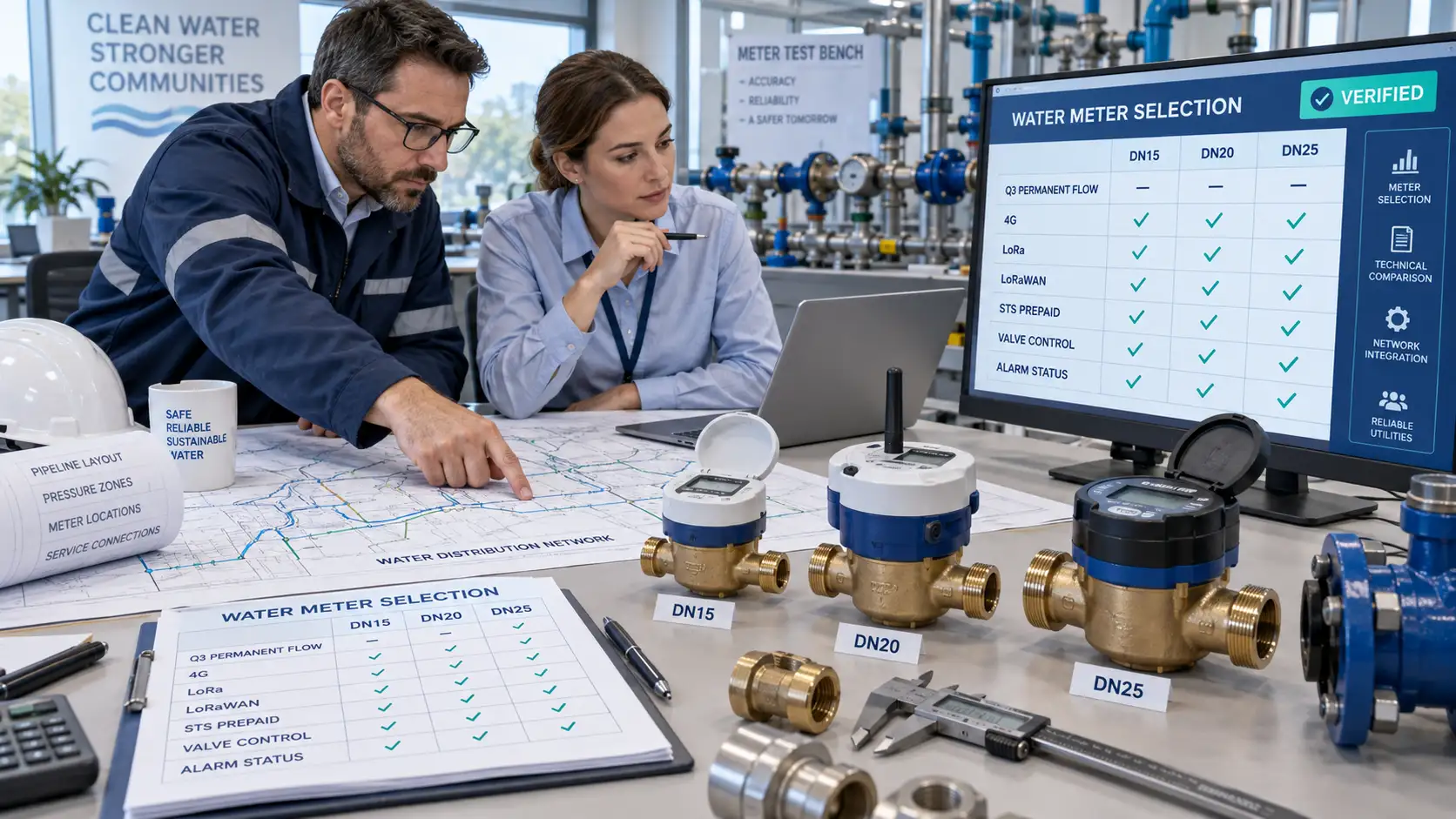
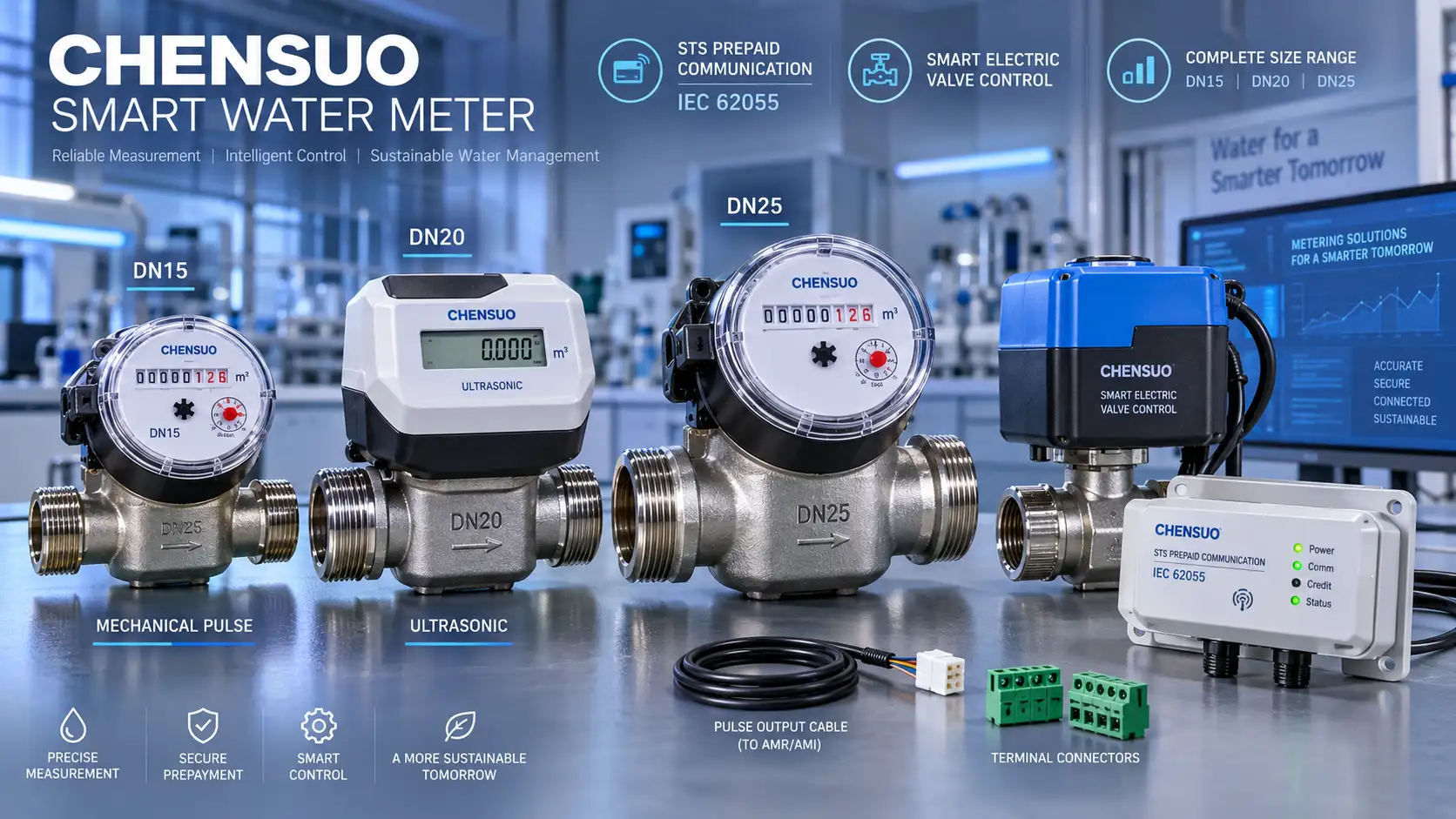
En tant que dévoué fabricant de compteurs d'eau intelligents, des entreprises comme Shandong Chenshuo Instrument Co., Ltd. Nous proposons des solutions entièrement certifiées qui allient une ingénierie ultrasonique de haute performance à des modules de communication flexibles, notamment les technologies 4G, LoRa et LoRaWAN. Nos lignes de production XT815 utilisent des matières premières de première qualité, des batteries au lithium haute capacité d'une autonomie allant jusqu'à dix ans et des boîtiers étanches IP68 robustes, capables de résister à l'immersion en puits profonds. Collaborer avec un fabricant reconnu vous garantit un support technique à long terme, une disponibilité fiable des pièces détachées et une compatibilité logicielle AMI évolutive pour votre projet d'infrastructure municipale.
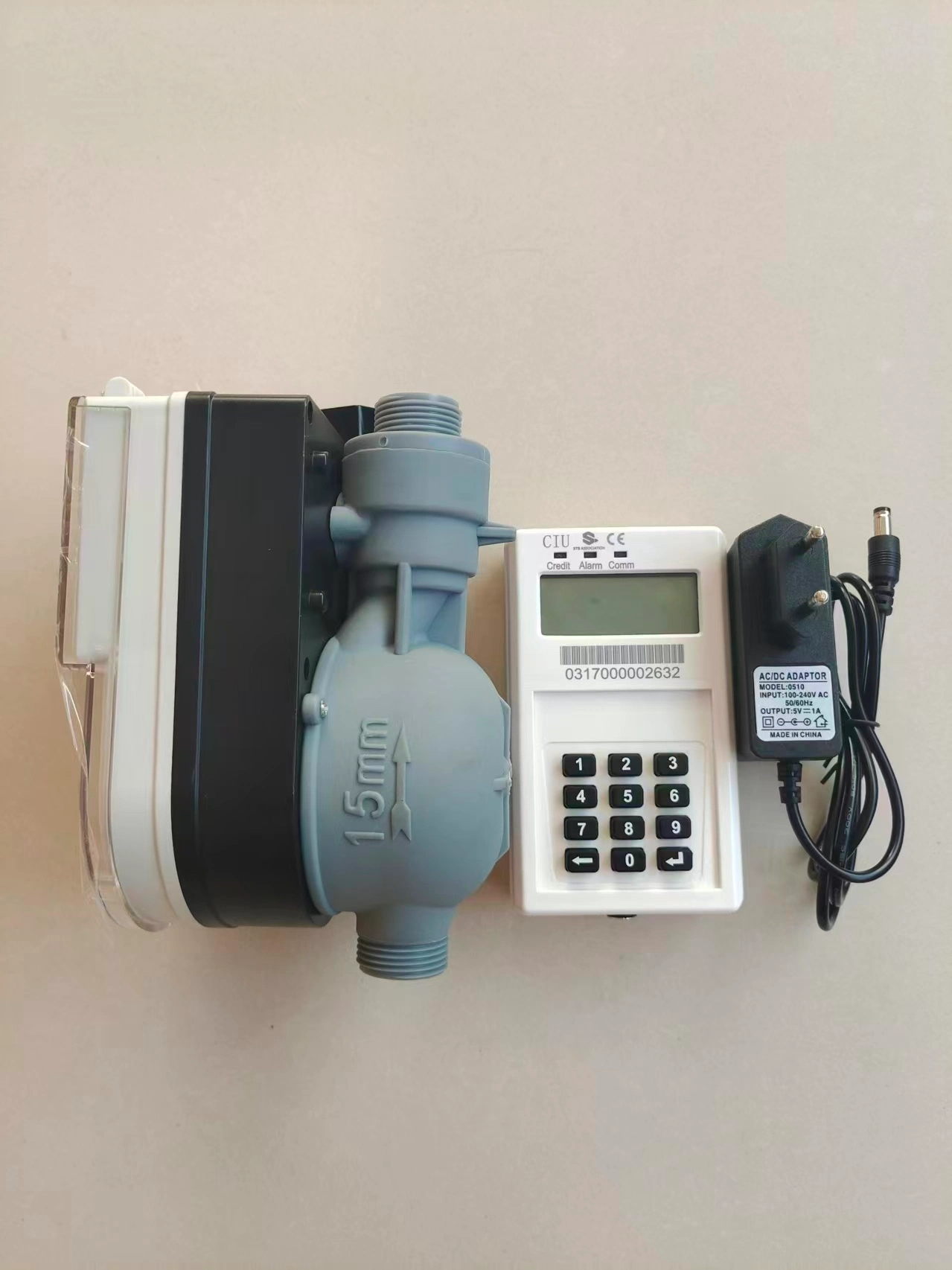
La gestion des réseaux d'eau dans les régions à forte concentration de minéraux exige de remplacer les composants mécaniques vulnérables par des systèmes de mesure électroniques robustes. Le passage à une architecture ultrasonique comme la série XT815 élimine efficacement les pannes mécaniques dues à l'entartrage et à l'obstruction par des particules. Associés à des pratiques d'installation hydraulique appropriées et à un système de jetons reconnu internationalement, ces appareils à semi-conducteurs offrent aux services publics une maîtrise totale de leur facturation, réduisent leurs coûts de maintenance et garantissent des revenus d'infrastructure pérennes.
Q1 : Pourquoi mon compteur d'eau à ultrasons XT815-U affiche-t-il une erreur de tuyau vide pendant les heures de distribution normales ?
A : Une erreur de tuyau vide indique que des bulles d'air ou d'importantes poches de gaz se sont accumulées à l'intérieur du tube de mesure acoustique, perturbant ainsi le passage des signaux ultrasonores. Ce problème survient généralement si le compteur est installé au point le plus haut d'une boucle de tuyauterie ou si la longueur de tuyau droit en amont est insuffisante pour purger l'air du fluide. Pour résoudre ce problème sur le XT815-U, il est recommandé de réinstaller le compteur dans une section de descente en forme de U ou d'ajouter une purge d'air automatique à environ 50 cm en amont de l'appareil afin de purger la conduite.
Q2 : Comment l'entartrage dû à l'eau dure affecte-t-il la précision d'un compteur à ultrasons par rapport à un modèle mécanique ?
A : Dans les compteurs mécaniques, le tartre recouvre physiquement les hélices rotatives, augmentant la friction et pouvant entraîner une sous-estimation du débit, voire un arrêt complet du compteur. Un compteur à ultrasons comme le XT815-U possède un canal d'écoulement interne entièrement ouvert, sans aucune pièce mobile, ce qui élimine tout risque de blocage. Bien qu'un tartre important et persistant puisse légèrement modifier le diamètre intérieur du tube, les compteurs électroniques modernes utilisent des algorithmes logiciels intelligents pour corriger automatiquement les variations mineures du signal, garantissant ainsi une mesure précise pendant des années d'utilisation.
Q3 : Quel est l'avantage pratique d'une plage dynamique R250 pour un projet d'adduction d'eau municipale ?
A : Une plage dynamique R250 signifie que le compteur peut mesurer avec précision la consommation d'eau sur une large plage de débits, entre son débit minimal et maximal. Concrètement, cela permet au fournisseur d'énergie de détecter les débits extrêmement faibles, jusqu'à quelques litres par heure, comme les petites fuites de canalisations résidentielles ou les faibles écoulements du réservoir des toilettes, tout en mesurant avec précision la consommation importante aux heures de pointe. Les compteurs mécaniques classiques ont généralement des difficultés en dessous d'une valeur R100, ce qui peut entraîner la non-facturation des fuites de faible volume.
Q4 : Un compteur d'eau prépayé à ultrasons peut-il fonctionner de manière fiable s'il est installé dans un regard de vannes inondé ?
R : Oui, à condition que l'appareil soit certifié IP68 (indice de protection contre les infiltrations). La série XT815 est dotée d'un boîtier totalement hermétique, protégeant ainsi l'électronique interne, la batterie au lithium et la vanne de régulation motorisée contre une immersion prolongée dans l'eau. Toutefois, pour une fiabilité à long terme et une communication sans fil optimale via 4G ou LoRa WAN, les techniciens doivent éviter d'installer les compteurs dans des boîtiers exposés à des effluents chimiques hautement corrosifs ou à des eaux usées industrielles épaisses.
 Adresse: Xiao'anzi Industrial Park, Baishabu Town, Lanshan District, Linyi City, Province du Shandong
 Appelez-nous maintenant:+86 15562945993
 E-mail:info@sdchenshuo.cn


Shandong Chenshuo Instrument Co., Ltd.