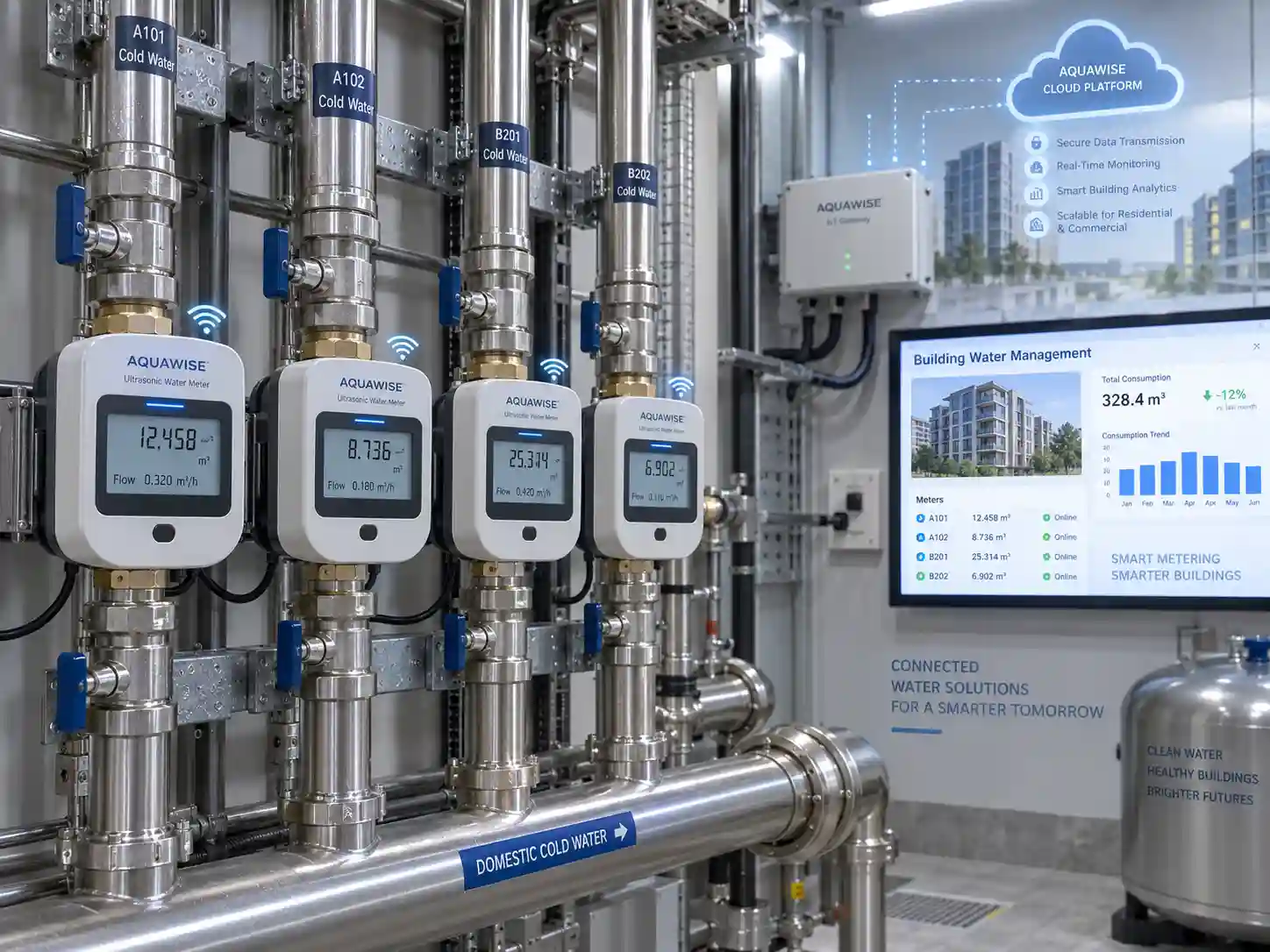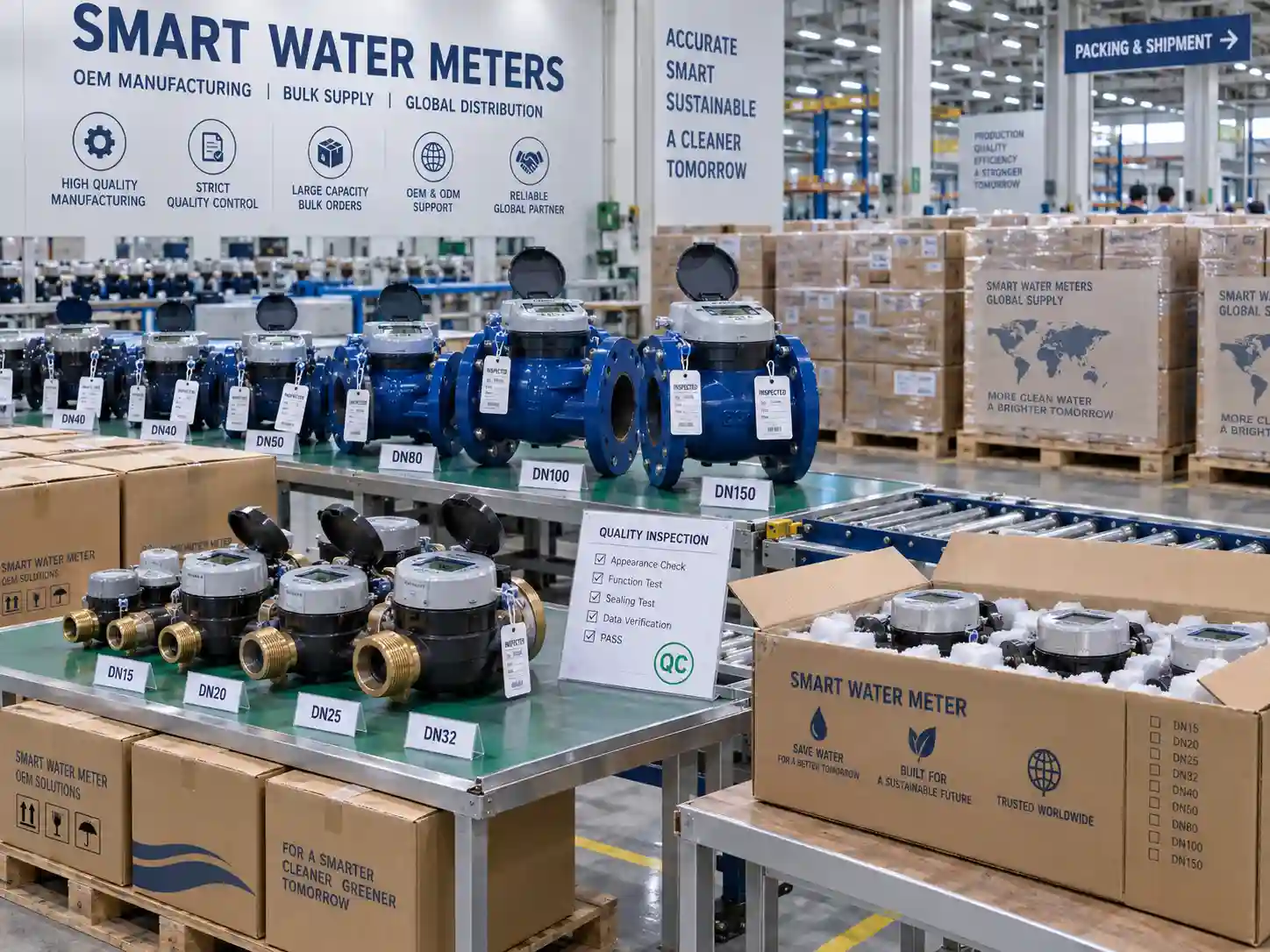


Handling the specialized language in the water measurement field can seem like a major task. If you plan to improve your site’s setup, selecting the incorrect tech causes more than minor issues. It results in money losses. Before checking the detailed features, note that Chenshuo ranks as a leading maker in China’s “Hometown of Water Meters.” The company produces one million units each year. It focuses on smart water services. Thus, it connects old-style parts with current IoT demands. Their production in Shandong follows ISO rules. This ensures all meters, from basic mechanical types to modern ultrasonic ones, match worldwide strength standards. Whether you oversee a modest business site or a large factory system, their expertise in smart metering delivers the steady info needed. You can end estimates and begin accurate tracking.
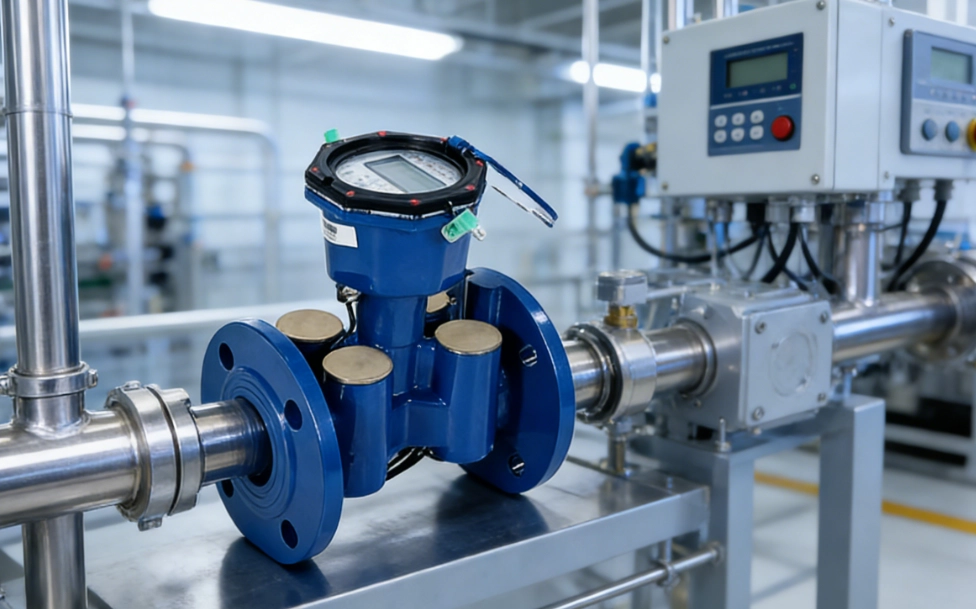
Mechanical meters have worked in the field for many years. However, they now pose risks in a facts-based setting. The steady damage to inner moving elements causes a slow loss in correctness. Most site operators fail to spot this until bills rise sharply. Using old equipment means you operate without clear views.
Parts such as rotors and gears get blocked or slowed by mineral deposits over time. When they break down, costs arise from hands-on checks and regular swaps. These expenses grow quicker than the first buy cost. As a result, upkeep becomes a heavy burden.
Mistakes by people quietly reduce earnings. If workers still note figures from a dial, info arrives late. This delay prevents quick responses to use changes. Therefore, real-time actions stay out of reach.
A minor break in a business pipe wastes lots of water before any visible sign appears. Without notice systems, you learn of these hidden issues only at bill time. Thus, losses pile up unnoticed for weeks.
Shifting from mechanical elements calls for solid-state approaches. These new ways apply physics instead of actual motion to follow flow. It may sound complex, but it builds a stronger system. The focus lies on signals that resist wear as time passes.
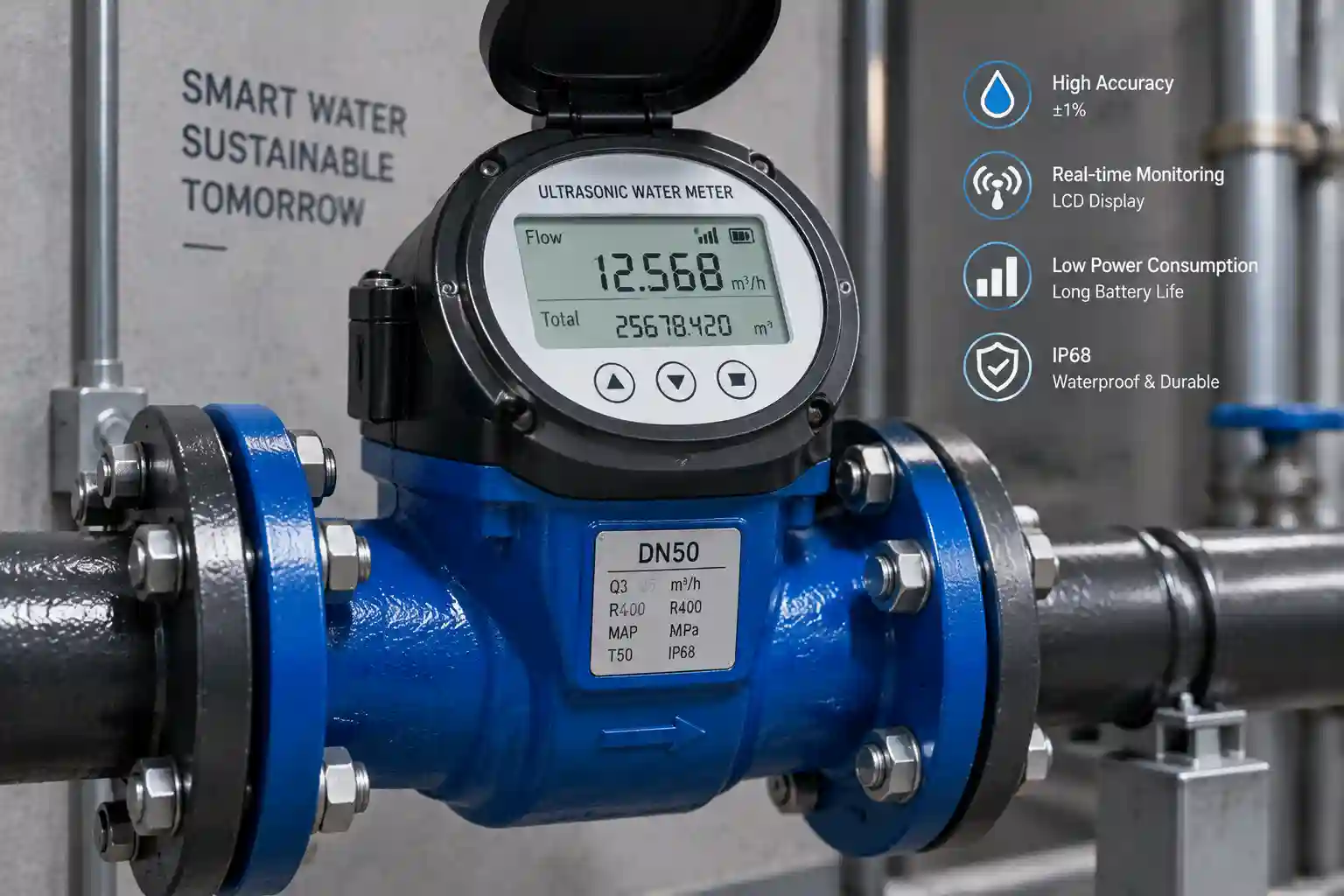
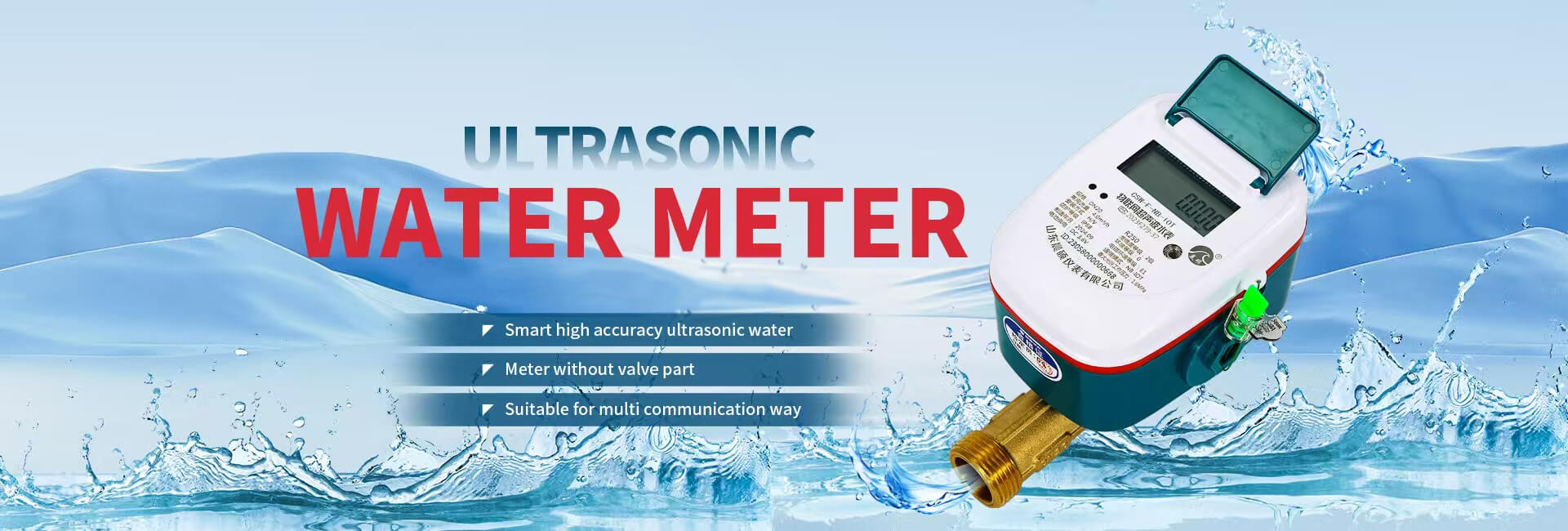
Ultrasonic meters employ transducers to direct sound waves across the water. They gauge the time gap for waves traveling against or with the flow. From this, the unit figures flow with fine detail. It works somewhat like timing a boat against the stream to find its pace.
Electromagnetic meters follow the rule that a conductor like water creates voltage in a magnetic area. This voltage links straight to flow speed. In factory settings with flowing conductive fluids, it sets the top mark for steadiness. Hence, it suits demanding uses well.
Mechanical meters may fail or speed up wrongly during pressure changes. In contrast, electronic sensors keep signals even. They deliver clear data amid pipe noise or rough flows. So, reliability holds firm under stress.
Datasheets often show too many figures to grasp easily. Yet, certain key measures decide if a meter fits your conditions. It goes beyond top flow limits. You need to see how it acts at its limits.
A solid meter requires a broad “Turndown Ratio.” It must detect a small tap leak as well as a big cooling line flow. If the minimum flow threshold sits high, small uses lead to lost funds. Thus, wide coverage saves costs on minor events.
Many smart meters use lithium batteries since running wires to each pipe proves difficult. Aim for a setup lasting 6 to 10 years. Changing batteries often in tight spaces frustrates teams. For this reason, energy use matters greatly.
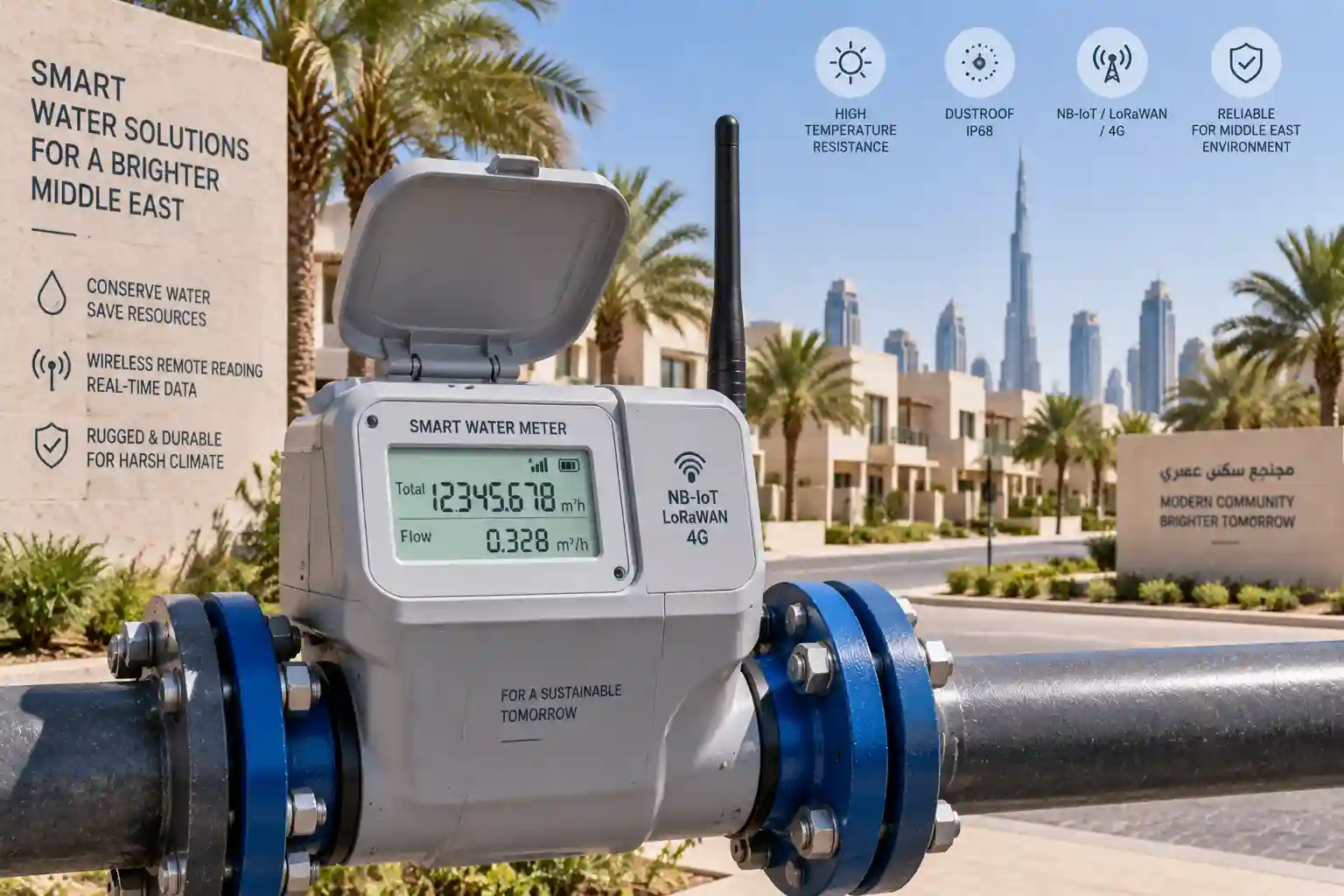
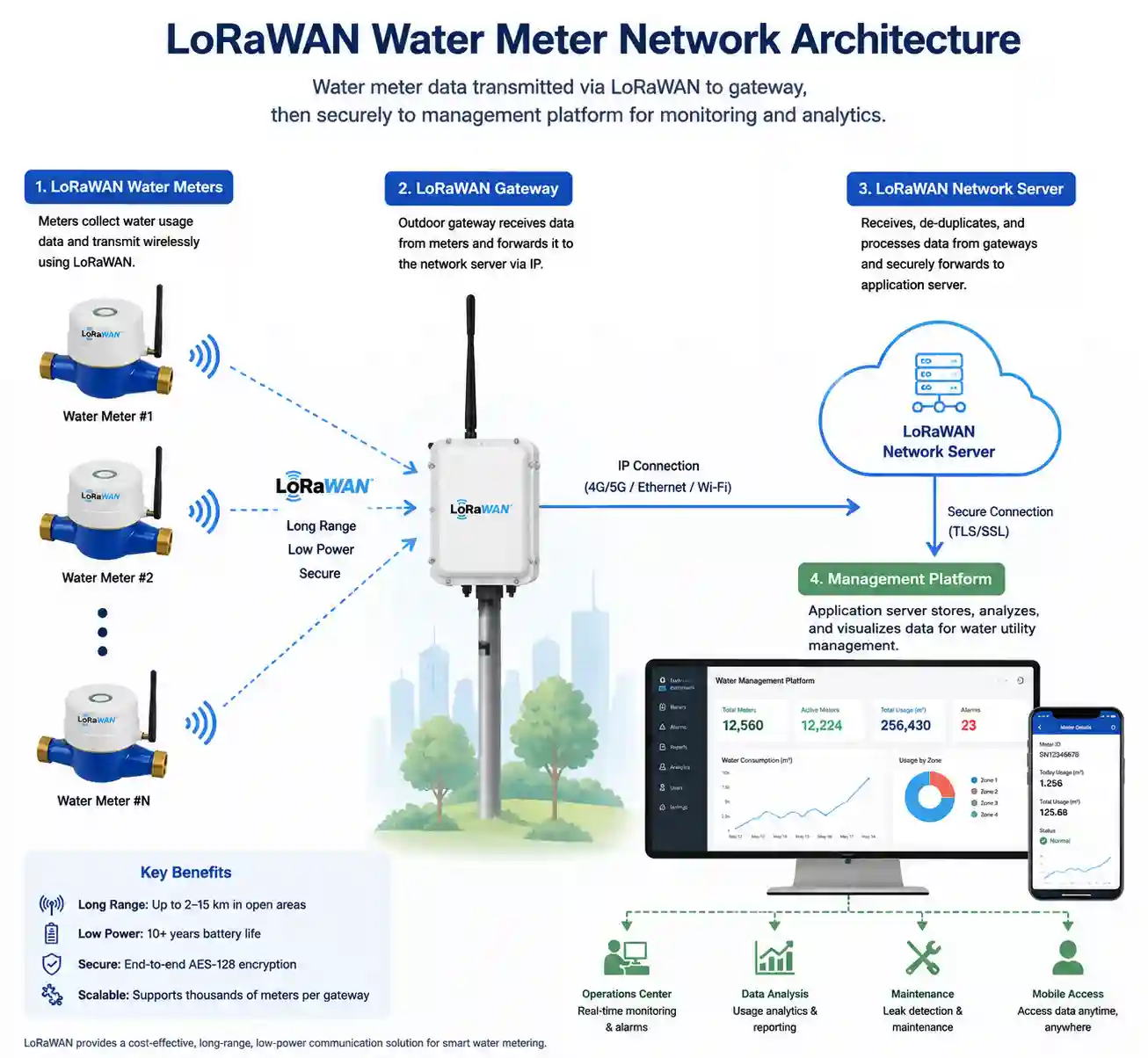
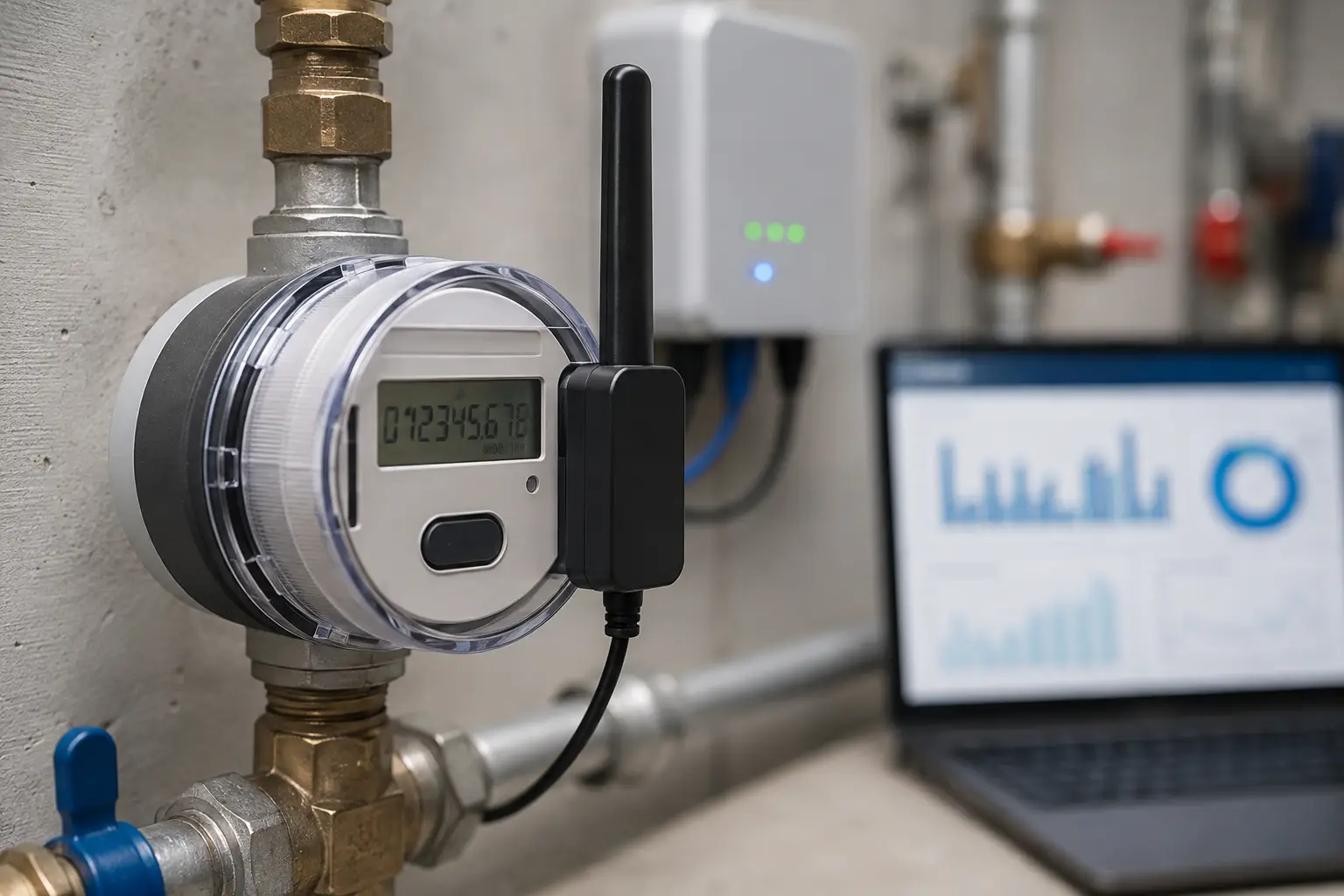
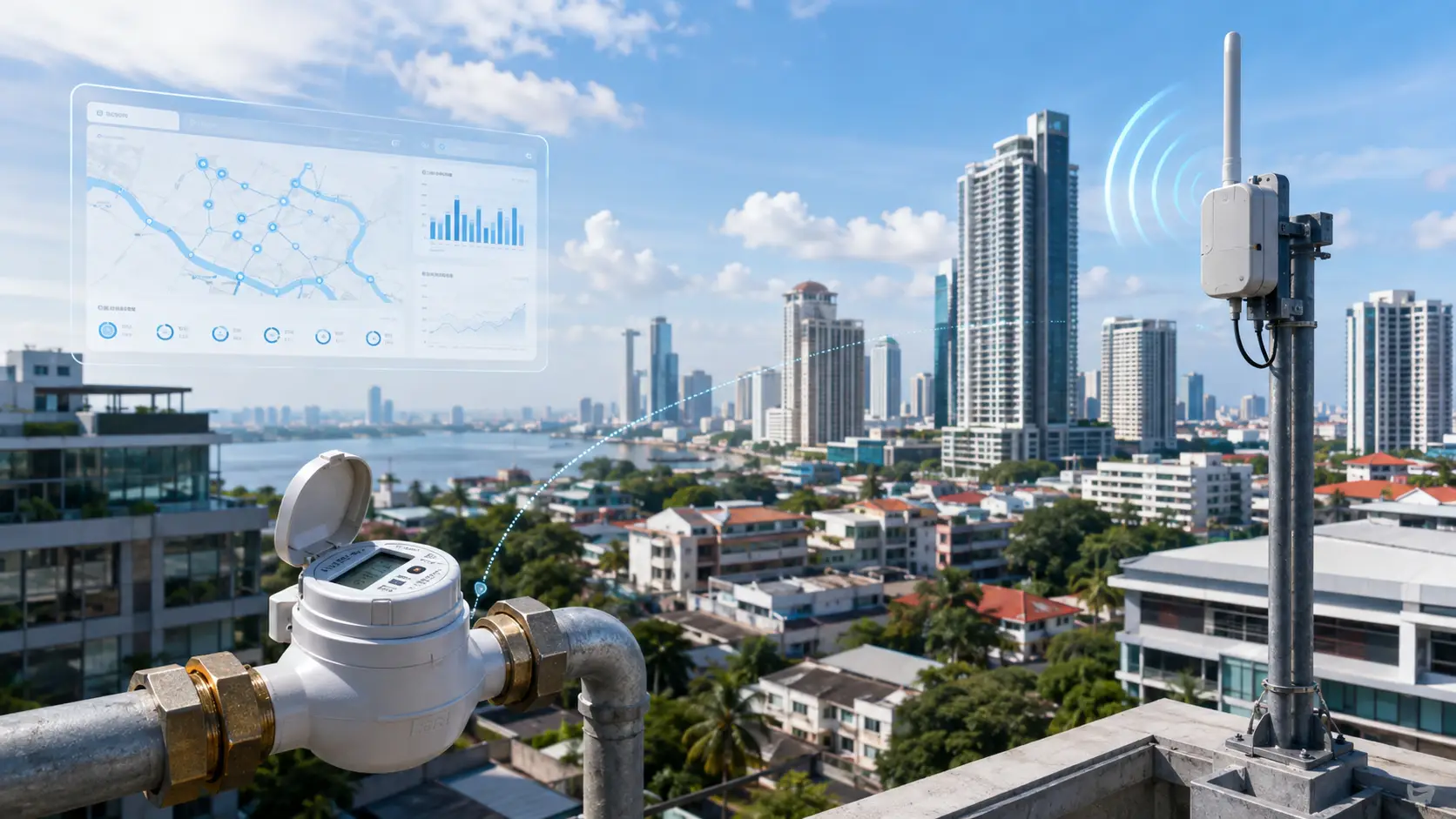
The smart feature relies on how the meter links to your setup. Options like GPRS, LoRaWAN, or NB-IoT must fit your area network. If signals fail through walls, even the finest sensor loses value. Therefore, matching protocols ensures smooth links.
The outer shell matters as much as inner parts. These units often face wet areas or strong light. So, the body material must fight rust and hits. Basic plastic or weak metals fail in business settings over time.
Stainless steel shells block rust and dirt entry. In factory tasks, water rarely stays clean. A tough cover keeps inside circuits dry and working for ten years or longer. This protection extends device life significantly.
Seek an IP68 level always. It shows full seal against dust and water submersion. Such a rating stops water damage in flooded spots. As a result, installs in open areas stay safe from common threats.
Factory tuning sets sensor accuracy at start. Yet, they must keep that level over years. Strong design prevents shifts in the base reading. This gives trust that today’s measure matches one in 2030. Hence, data stays reliable long-term.
Picking correct gear means aligning size and style to your flow needs. Here, case studies and technical support prove helpful. Avoid general options. Choose items made for current factory demands.
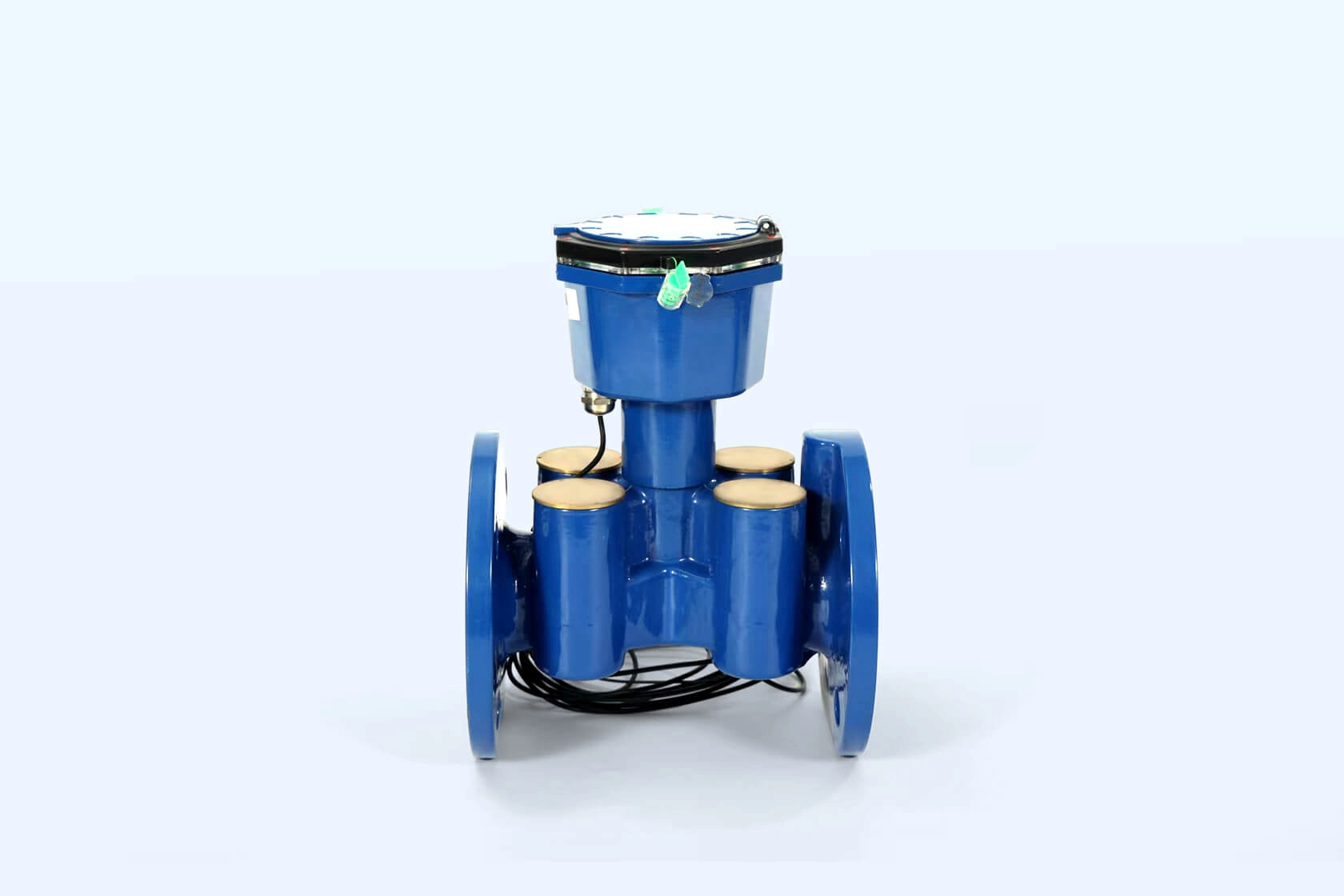
The Ultrasonic Water Meter-DN80 excels in medium business pipes. Lacking moving parts, it copes with grit or bits without accuracy drops. Many site leads view it as an easy, lasting pick.
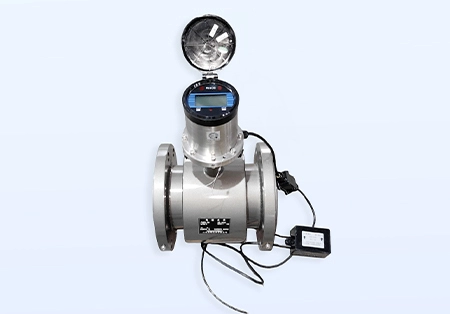
In big factory flows, the Electromagnetic water meter LXE-100 gives top steadiness. It works well for strict checks where even flow aids safety. Thus, it meets high-stakes monitoring needs.
Each plant design varies. Access to different fittings and link modules lets you add meters to current SCADA or control systems. This avoids full changes. So, setups integrate smoothly across sizes.
Water control success involves more than a product. It needs backing knowledge. A group skilled in District Metered Areas (DMA) and smart networks makes your spend worthwhile. They guide effective results.
Knowledge matters in fluid behavior tasks. The staff’s work in old and new metering spots common errors. Newer tech firms might overlook these. Therefore, their broad view aids better choices.
These items serve from home areas to big plants. Real tests show cuts in “Non-Revenue Water” (NRW) via improved tracking. Such examples offer paths for your site. They build clear plans.
Problems arise in big rollouts. A quick link to engineering experts helps fix signal or tune issues. This support eases setup stages. As such, operations run with less hassle.
Holding off until the next big bill shows a wait-and-see approach. The change to smart water services marks a lasting move. It begins with proper gear now. Treat water as a handled item, not a set expense.
Each task faces specific limits. Contact them for a clear match of meters to your pipe size and flow needs. This ensures a good fit.
Check the broad set of innovative monitoring tools. See how ultrasonic or electromagnetic types aid various setup parts. It helps spot useful options.
Seek pro input on DMA setup for quick leak finds. It boosts water use efficiency overall. This step sharpens your system.
Q1: What is the main difference between ultrasonic and mechanical water meters?
A: Ultrasonic meters use sound waves and have no moving parts, which means they don’t wear out or clog like mechanical meters that rely on physical rotors.
Q2: How long does the battery typically last in a smart water meter?
A: Most high-quality smart meters are designed to last between 6 and 10 years, depending on how frequently the device transmits data.
Q3: Can these meters detect very small leaks in a commercial building?
A: Yes, because they have a very low start-up flow rate, they can detect minor drips that traditional mechanical meters usually ignore.
Q4: What does an IP68 rating mean for my installation?
A: It means the meter is completely waterproof and dustproof, making it safe for installation in outdoor pits or areas prone to flooding.
Q5: Do I need special software to read the data from these meters?
A: You can integrate the data into most existing management systems via protocols like LoRaWAN or NB-IoT, or use a dedicated cloud platform for monitoring.
 Address: Xiao'anzi Industrial Park, Baishabu Town, Lanshan District, Linyi City, Shandong Province
 Call us now:+86 15562945993
 Email:info@sdchenshuo.cn


Shandong Chenshuo Instrument Co., Ltd.