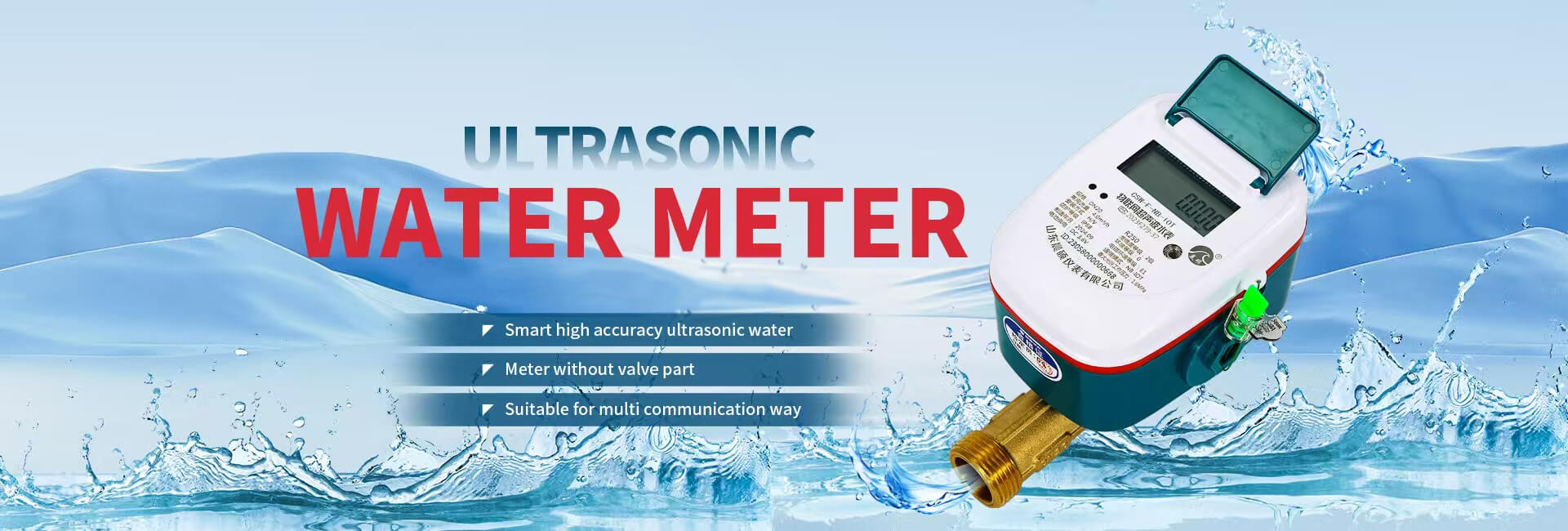


Solid flow measurement forms the core of every effective water management setup. In cases involving factory liquids or city water lines, the main threat often comes from the fluid itself that needs measuring. Selecting proper materials goes beyond a simple engineering choice. It shapes a cost-based choice that decides if your gear endures a decade or just a few months. For those seeking a reliable collaborator who understands this well, Chenshuo stands out as a top option. Located in Linyi, known as China’s “Hometown of Water Meters,” the company excels at mixing advanced research with sturdy production methods. They manage a wide range, from intelligent ultrasonic devices to tough electromagnetic units. Plus, they make more than one million units each year. The about-us section highlights their strong focus on ISO standards. Yet, what matters most is their practical OEM assistance. This help lets you tackle real on-site issues instead of just getting a basic product.
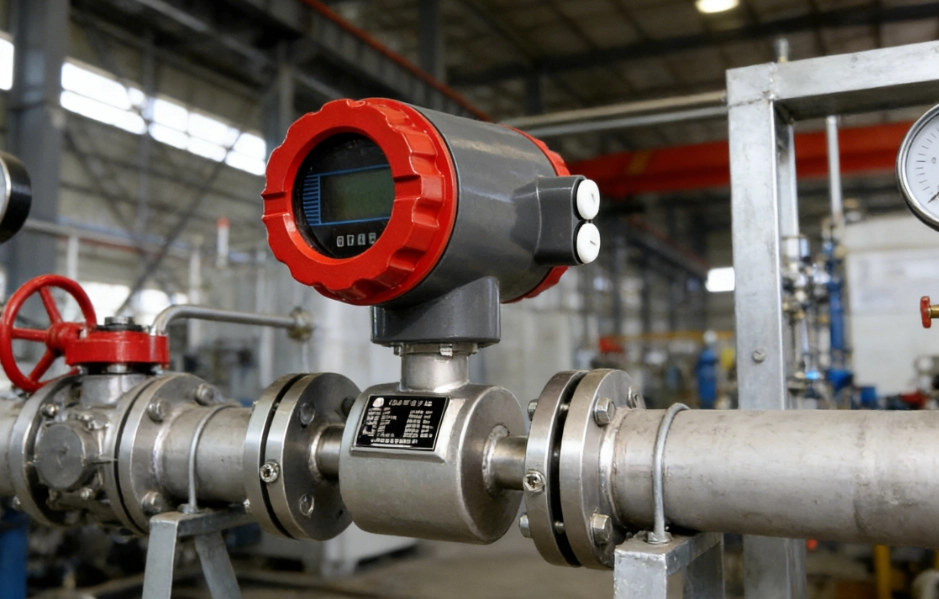
Basic water meters frequently struggle with anything besides pure, balanced water. Reactions between chemicals and the sensor surface cause quick wear. Most ready-made items fail to cope with this. Such issues begin mildly. However, they often lead to a full system halt.
Swapping out a rusted meter expenses far more than the unit’s initial cost. You must account for worker time, halted operations, and risks from escaped chemicals. These can harm other costly parts of your setup. Thus, the true price adds up quickly over time.
Poor liners often expand or split under shifts in heat or harsh particles. As a result, your staff must do repeated adjustments and fixes. This setup drains resources heavily. Moreover, it cuts into overall work flow smooth.
When rust takes hold, the flow channel’s size alters. A small pit on electrodes or an uneven liner causes flow disturbances. Consequently, your advanced readings become worthless for exact charges or control tasks. And this leads to poor decisions based on faulty info.
The liner acts as the primary shield within an electromagnetic flow meter. It guards the main body and keeps the magnetic field steady. Your pipe contents dictate the material pick. And that choice can determine if your effort meets lasting aims.
PTFE earns its strong reputation for good cause. It manages nearly every chemical type and performs fine in hot conditions. Many factory users choose it since it remains smooth. Thus, it avoids deposits that could block the sensing part. This quality boosts reliability in tough spots.
F46 provides extra strength against physical stress compared to regular PTFE. It suits places with both harsh chemicals and some rubbing wear. Even if the liquid mix varies, it holds its form and traits. Therefore, it offers steady service over extended periods.
Hard rubber works well for city waste or big drain systems. It saves money and deals with rough bits in waste water better than fragile options. So, it serves as a sensible option for city setups that need to last. This makes it ideal for ongoing urban needs.
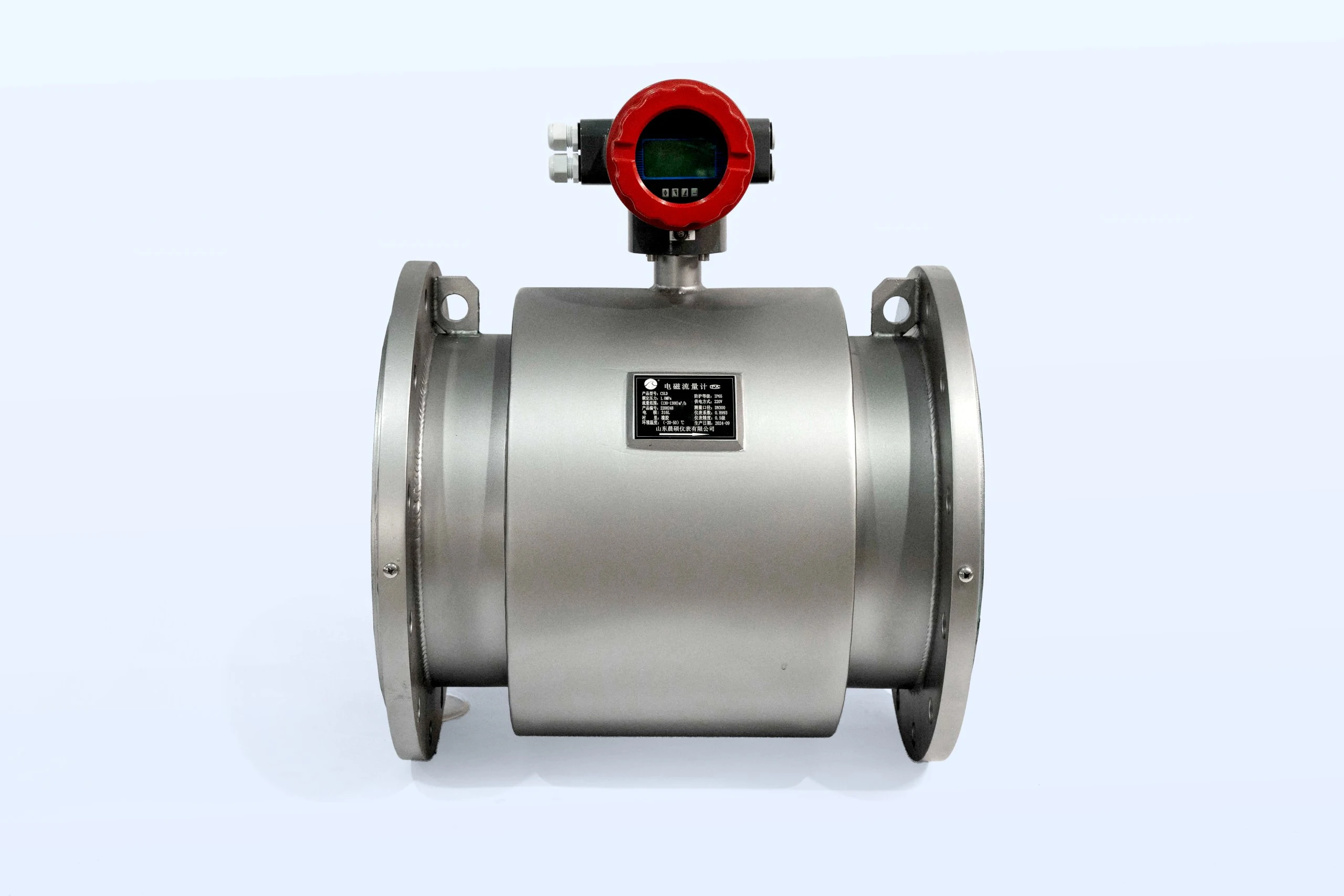
Think of the liner as the outer layer. Then, electrodes serve as the key sensors in the setup. They detect the signal showing water movement amount. Should these small metal pieces give out, your entire Electromagnetic flowmeter DN300 turns into a pricey useless tube.
These metal mixes stand as top performers. Hastelloy C stands up to acids that oxidize and salt types. Meanwhile, Titanium shines in sea water or areas with high chloride levels. They demand higher starting costs. But they deliver lasting results without failing soon.
Tantalum shows near-total resistance to chemical changes, much like glass. You select it for lines with strong acids. It acts as the best safeguard in focused chemical flows. And in spots where breakdowns cannot happen, it provides full assurance.
In routine water uses, 316L serves as a dependable basic choice. It balances cost and function nicely. You often find it in quality city meters. That’s because it manages daily rust issues without exceeding funds. Hence, it fits broad needs effectively.
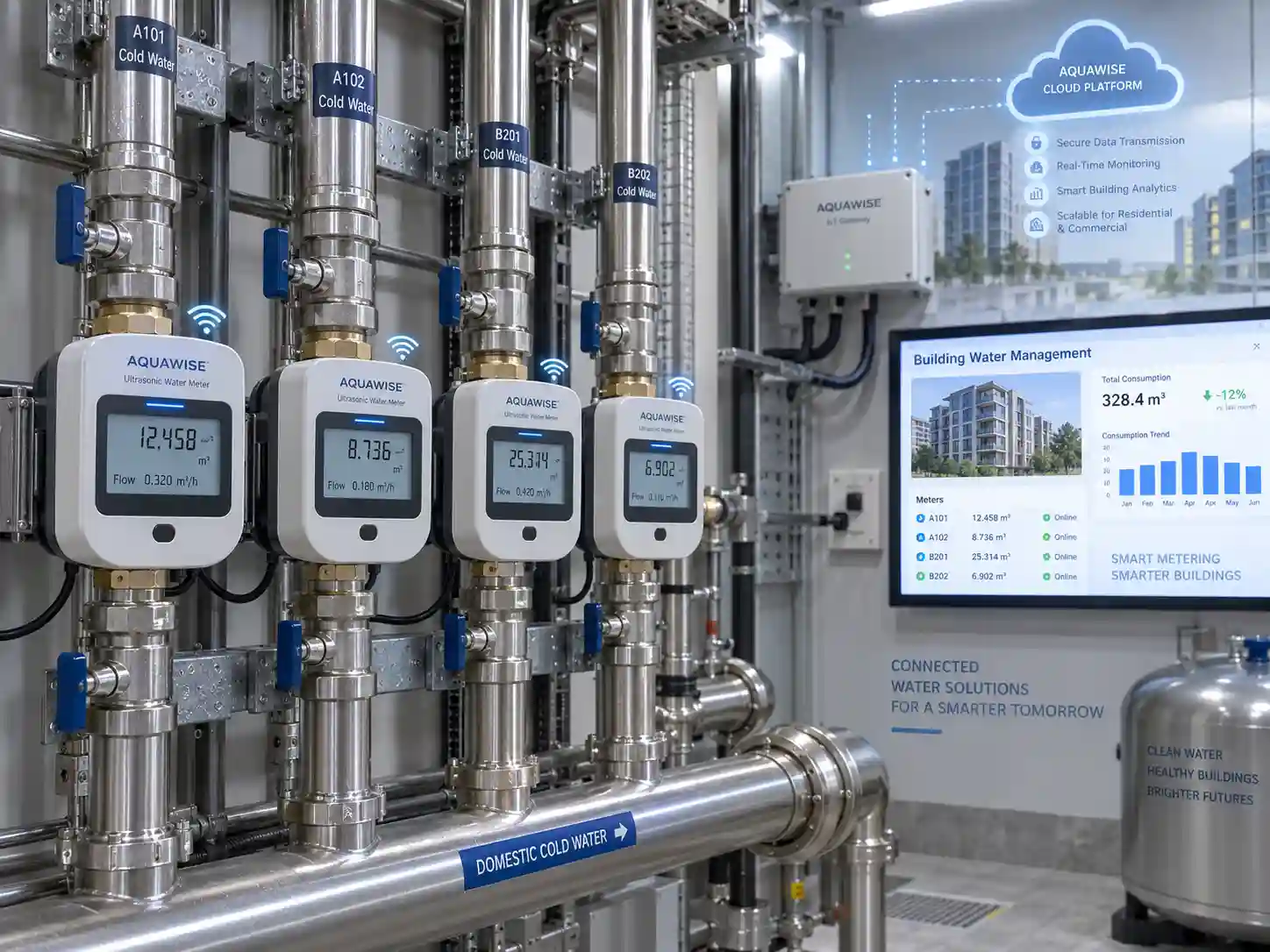
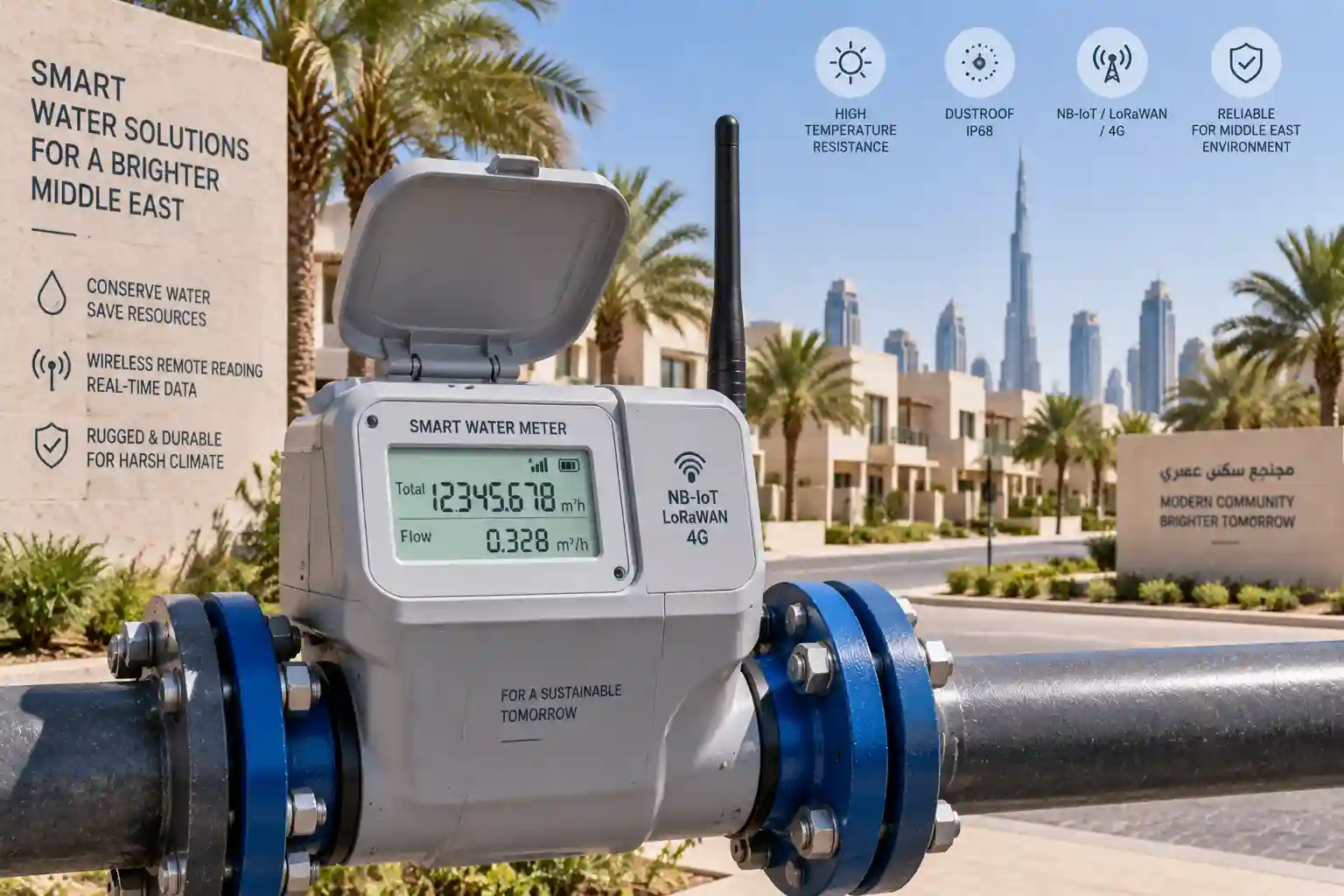
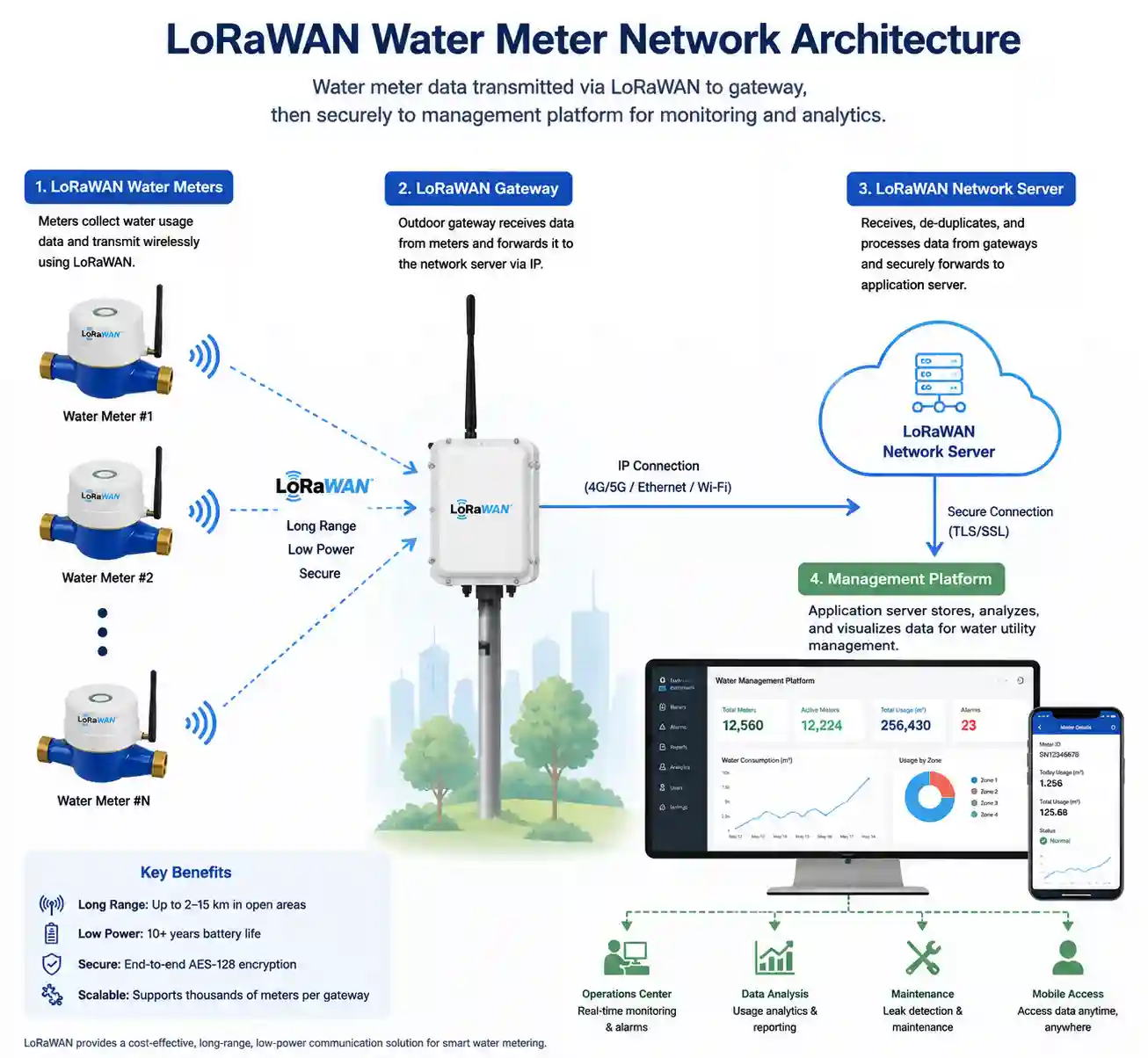
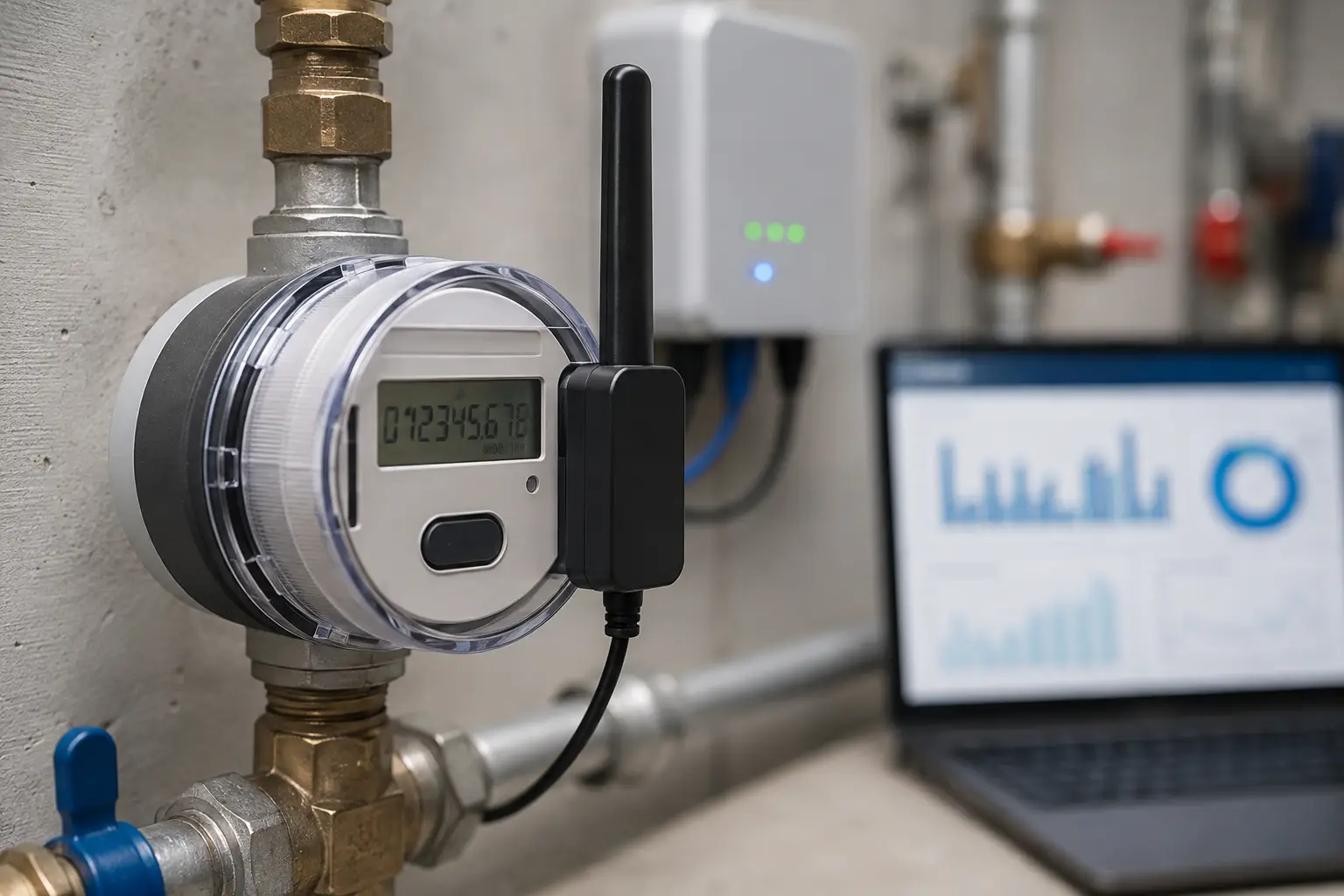
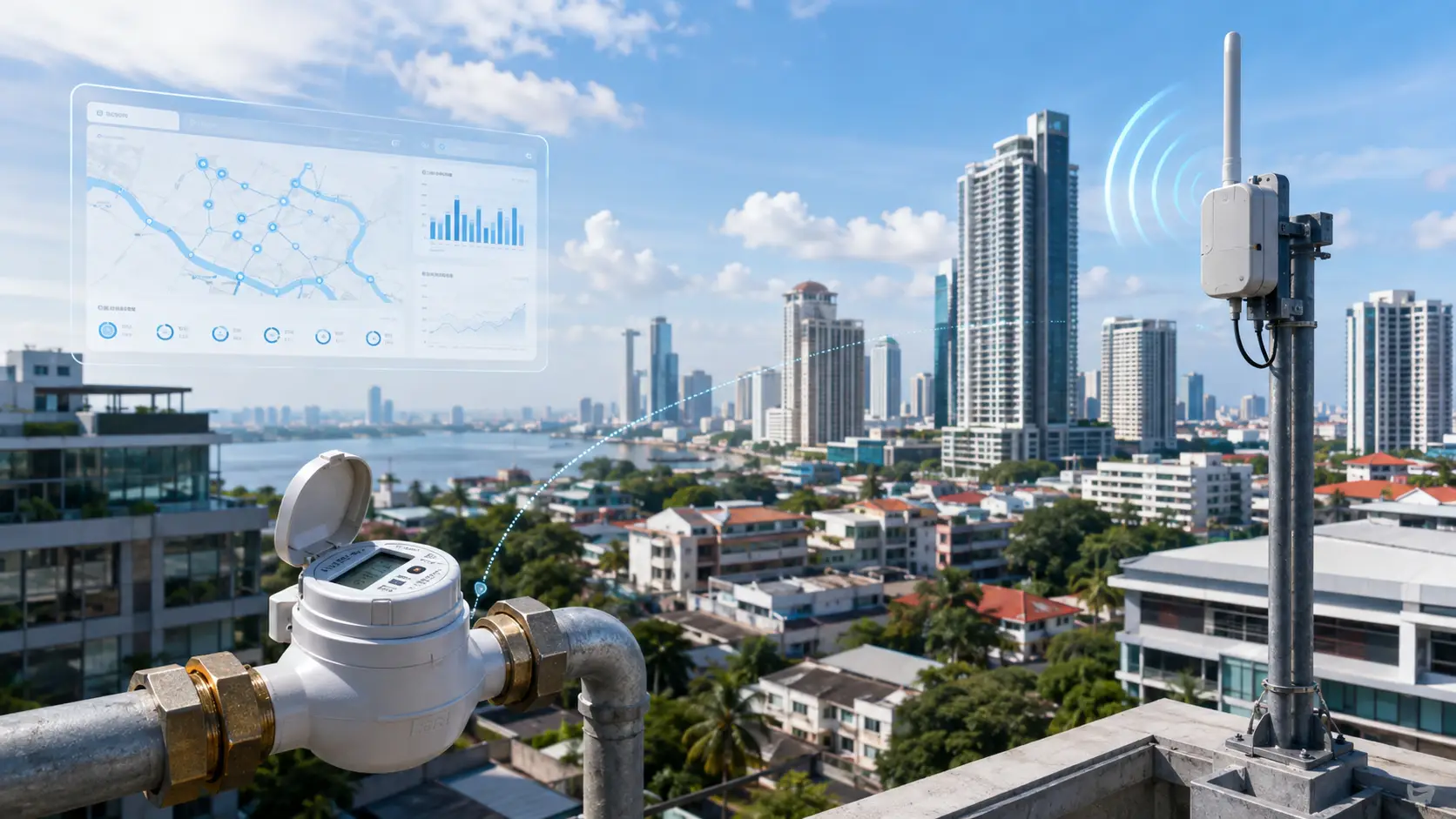
Tech must aid the operator, not complicate things. A review of the casecenter reveals practical design focus. These items blend firm material knowledge with digital features. Examples include GPRS and LoRaWAN for distant monitoring. So, they suit everyday demands well.
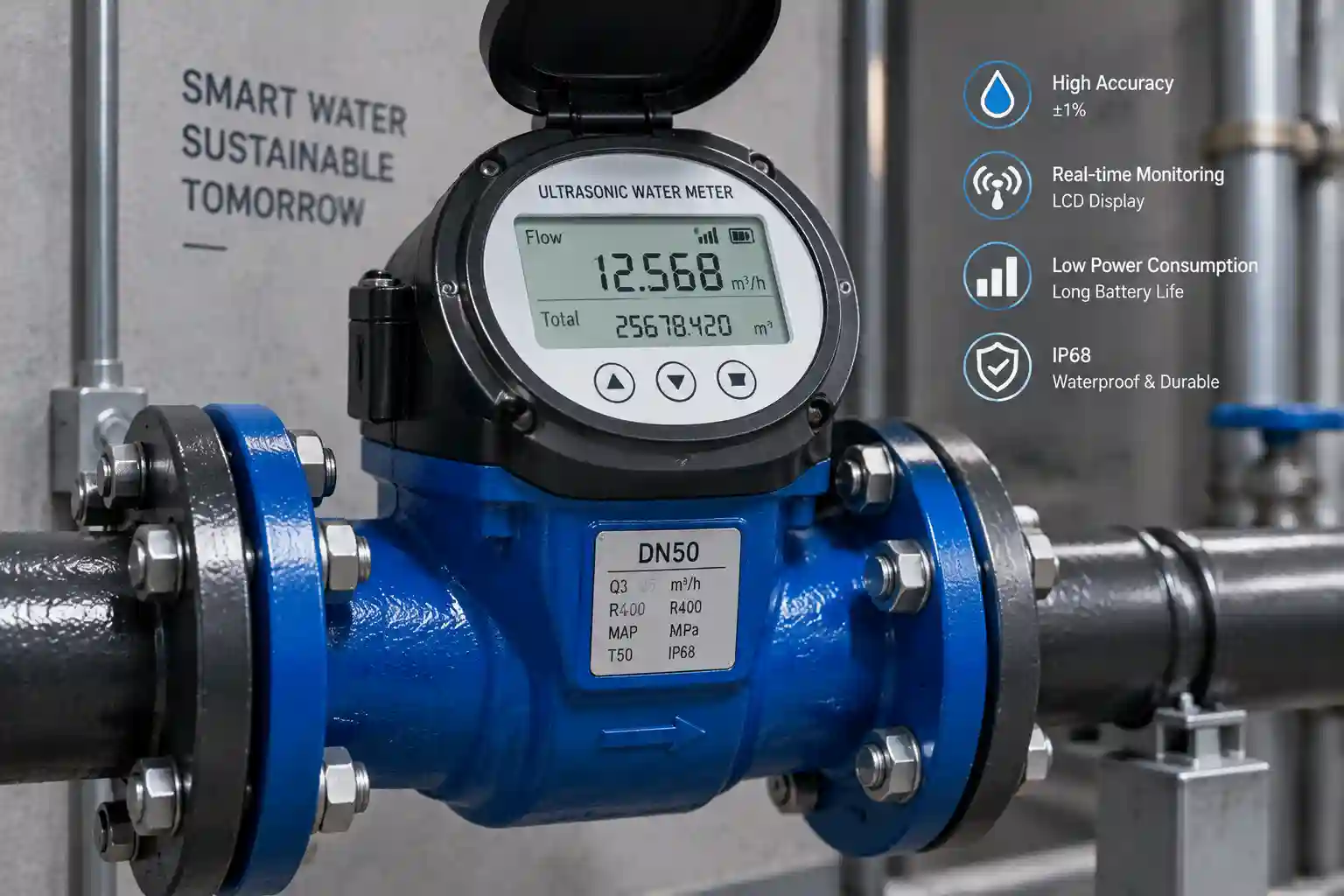
The Electromagnetic flowmeter DN300 handles demanding tasks. It has a strong case and solid seals. These keep water away from inner circuits. Such protection avoids common failures in factory sensors. As a result, it ensures longer uptime.
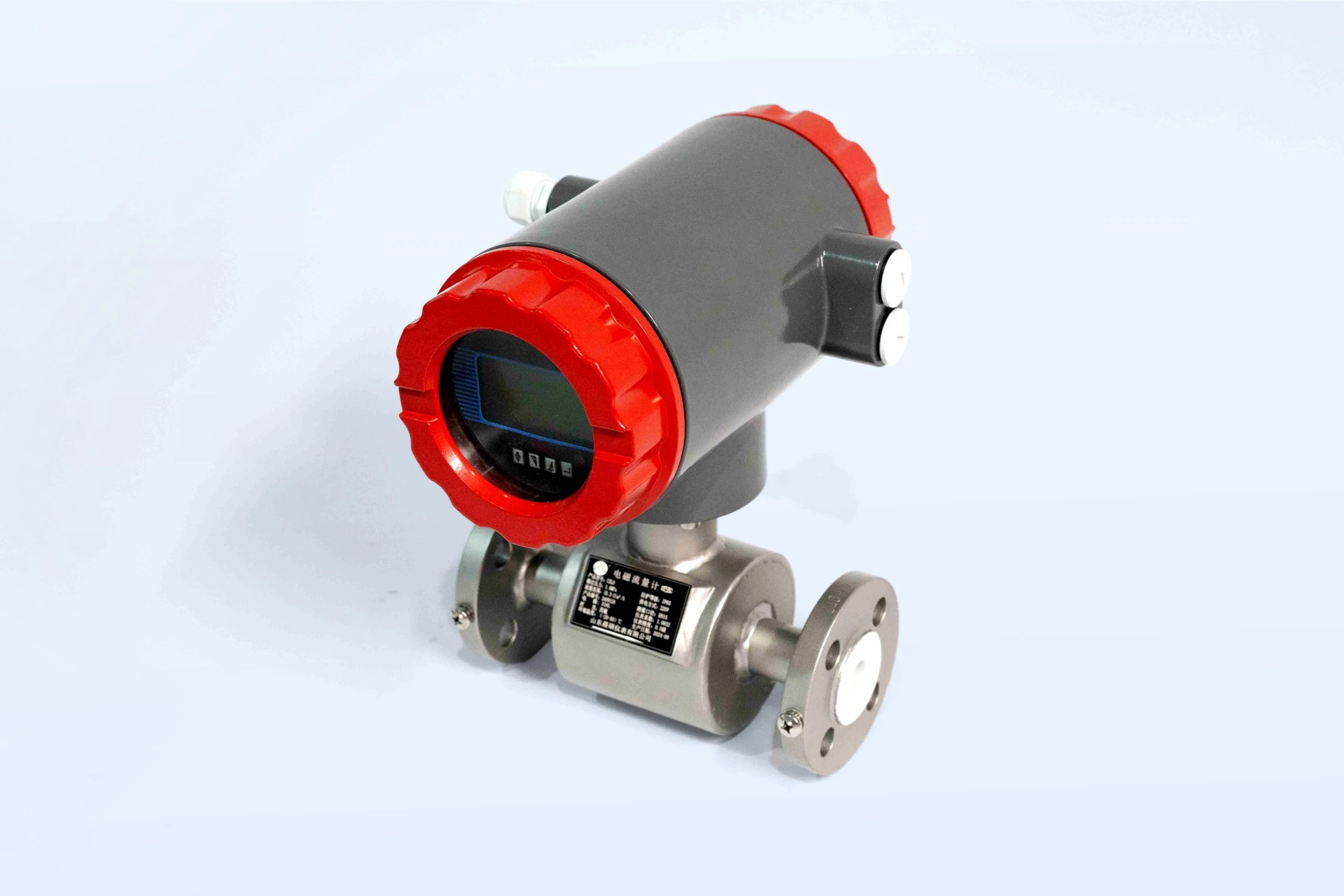
In narrow pipes, the Electromagnetic flowmeter DN15 delivers sharp results at slow speeds. Though compact, it employs top electrode methods. These match those in larger factory models. Therefore, it maintains high standards across sizes.
No need to settle for a standard fit. If you require a tailored liner for warm acid pipes or a special electrode for salty flows, the experts assist. Reach out via contact to adjust details for your location. This way, you get precise matches for unique challenges.
True sustainability means building for endurance. Smart meters that avoid frequent swaps cut down on trash and costs. This holds true in dry areas where each bit of water impacts profits. Hence, durable choices pay off big.
Factory water seldom stays pure. It carries waste remnants. Proper installs prove that early material selection stops poor oversight. In such cases, you avoid guessing on water paths. Thus, tracking improves greatly.
Steady output matters in chemical work. A minor shift in flow info can spoil a whole run. Materials like PTFE and Hastelloy keep signals clear. They do so even through constant daily use for years. So, operations run without hitches.
Durable devices reduce site visits and upkeep needs. Integrating meters into a DMA (District Metered Area) setup relies on each piece’s strength. This keeps the whole grid steady for spotting leaks. As such, overall efficiency rises.
Choosing a provider involves both staff and tools. Seek a group familiar with the “Hometown of Water Meters” details. Factory-direct knowledge skips extra fees and talk barriers from agents. It leads to better outcomes.
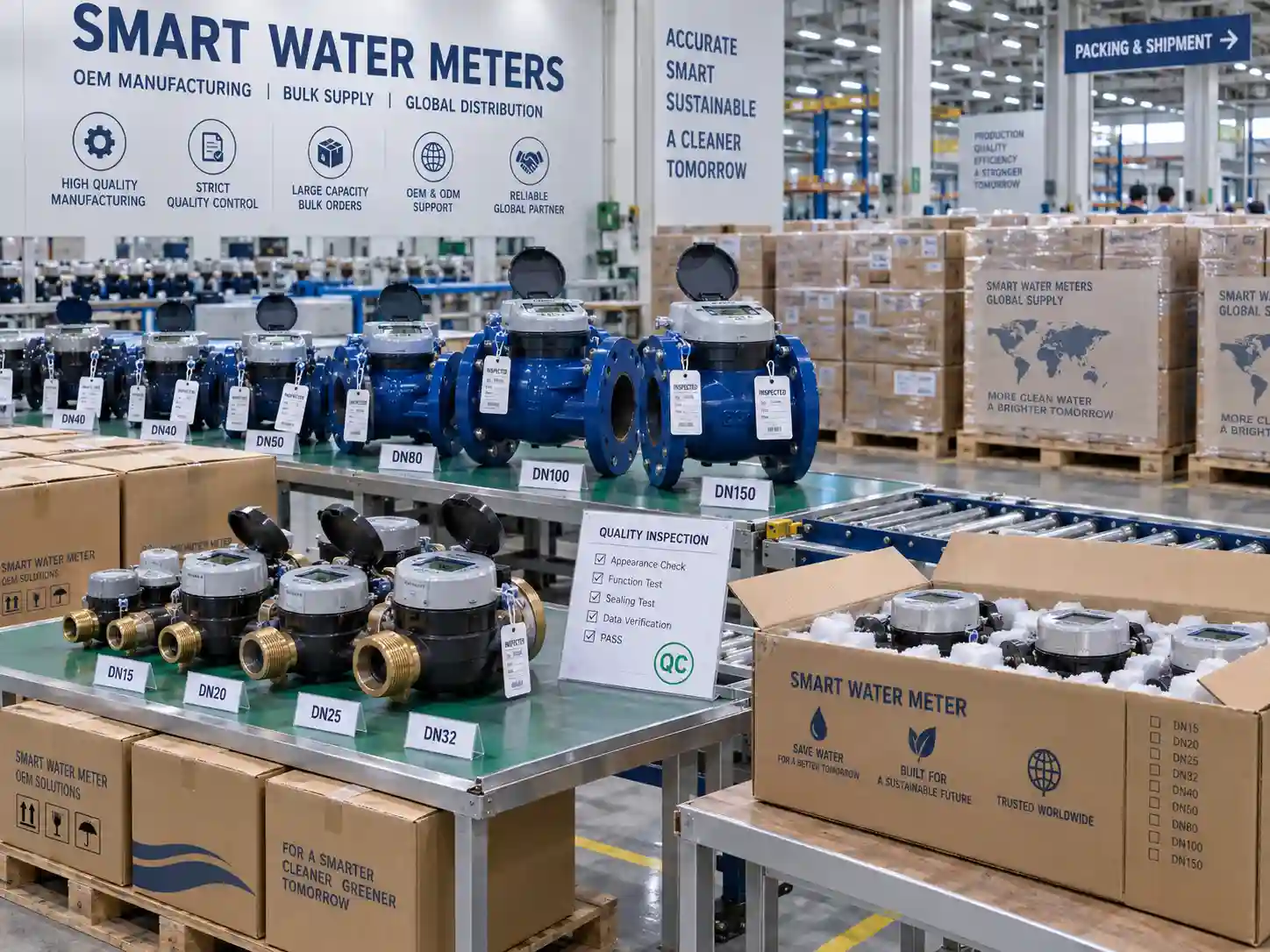
Dealing with a maker producing a million units yearly brings scale benefits. They have faced most breakdown types. And they craft designs to sidestep them with tested mixes. Therefore, you gain from their broad experience.
Adhering to ISO9001 and ISO14001 goes beyond forms. It guarantees today’s unit matches tomorrow’s in function. Such consistency supports big build efforts. Without it, planning becomes tough.
Shifting to “Smart Water” demands effort. A collaborator offering full OEM aid and advice eases the move from old mechanical types to new digital ones. This cuts risks and smooths the path. In turn, it builds confident setups.
A shift to lasting water practices begins with solid tracking. Your tools must withstand the demands. Avoid low-cost material picks that harm info quality or long-term spending. Smart choices secure better results.
The official site holds detailed info on meter varieties and link methods. It serves as a fine tool for matching models to your setup. Use it to explore options clearly.
When your liquid proves tough or conditions are severe, reach out. The group guides you through picks like PTFE, rubber, or alloy types. They help spot the best fit for your use. This ensures targeted solutions.
Asking for costs starts the path to a steadier network. Pick the large Electromagnetic flowmeter DN300 or small Electromagnetic flowmeter DN15 as needed. You receive clear pricing fast. It simplifies your planning.
Q1: How long does a typical electromagnetic flow meter last in corrosive conditions?
A: If you pick the right liner and electrode materials, like PTFE and Titanium, these meters can easily last 10 to 15 years with minimal maintenance, whereas the wrong materials might fail in months.
Q2: Can I use a standard rubber liner for acidic wastewater?
A: It is usually not a good idea. While rubber is great for abrasion, acids will degrade it quickly. For acidic conditions, PTFE or F46 liners are much safer bets to ensure your meter doesn’t leak.
Q3: What is the benefit of the DN300 size for industrial use?
A: The DN300 is designed for high-volume flow. It provides very low pressure loss and is built to handle the mechanical stresses of large-scale industrial piping while maintaining high accuracy.
Q4: Do these smart meters require special software to read data?
A: They are designed to be flexible. Many use standard protocols like Modbus, LoRaWAN, or GPRS, meaning they can plug into your existing SCADA system or a new smart water platform quite easily.
 Address: Xiao'anzi Industrial Park, Baishabu Town, Lanshan District, Linyi City, Shandong Province
 Call us now:+86 15562945993
 Email:info@sdchenshuo.cn


Shandong Chenshuo Instrument Co., Ltd.