

Global water management confronts growing needs for precision, productivity, and digital shifts, so the devices that track water consumption now act as vital backbone structures. Conventional mechanical water meters undergo more frequent comparisons with current smart methods like ultrasonic and electromagnetic setups. Every approach provides distinct benefits, constraints, and suitable fields of use.
For those seeking a dependable ally to handle water metering requirements—from outdated setups to smart IoT-linked grids—consider Chenshuo. Chenshuo functions as a dedicated water meter producer located in Shandong, China. The firm excels in research, development, production, and distribution of superior smart water meters. Drawing on knowledge in mechanical, ultrasonic, and electromagnetic options, it supplies household, business, and factory areas globally.
Conventional metering approaches encounter hurdles in the current tech-focused period, particularly in precision, access, and rule adherence. The following subsections examine these core difficulties in greater depth.
Mechanical meters depend on tangible elements that deteriorate gradually, leading to shifts in reading exactness. Mechanical water meters record water consumption through mechanical transmission and counting devices, and their measurement process is not affected by external factors such as electromagnetic interference and signal fluctuations. Yet wear and tear diminish measurement precision as time goes on, which leads to under-registration or over-registration of flow and in turn causes income shortfalls for service providers. Moreover, forecasting turns challenging because of irregular data, thereby affecting day-to-day operations planning, while upkeep grows more regular and expensive owing to components in motion that demand swaps or adjustments.
Mechanical arrangements call for hands-on readings, a process that proves labor-heavy and prone to delays. The maintenance of mechanical water meters does require a certain amount of manpower, material and financial resources, which is a considerable economic burden for users. Furthermore, the absence of distant oversight features prevents service operators from spotting leaks or unauthorized use swiftly or delivering instant updates to end-users, and this shortfall also hampers efforts to roll out stepped billing or usage-driven rates.
Authorities impose tougher rules on water preservation, compelling service firms to embrace tools that aid in following these guidelines. Capturing data in real time proves crucial not just for precise charging but also for satisfying inspection needs. Meanwhile, the move to intelligent urban areas requires plug-and-play systems that match domestic and worldwide eco-friendly objectives.
Even with their drawbacks, mechanical water meters hold value in certain situations thanks to their basic nature and affordable pricing. The upcoming details outline their workings, examples, and boundaries.
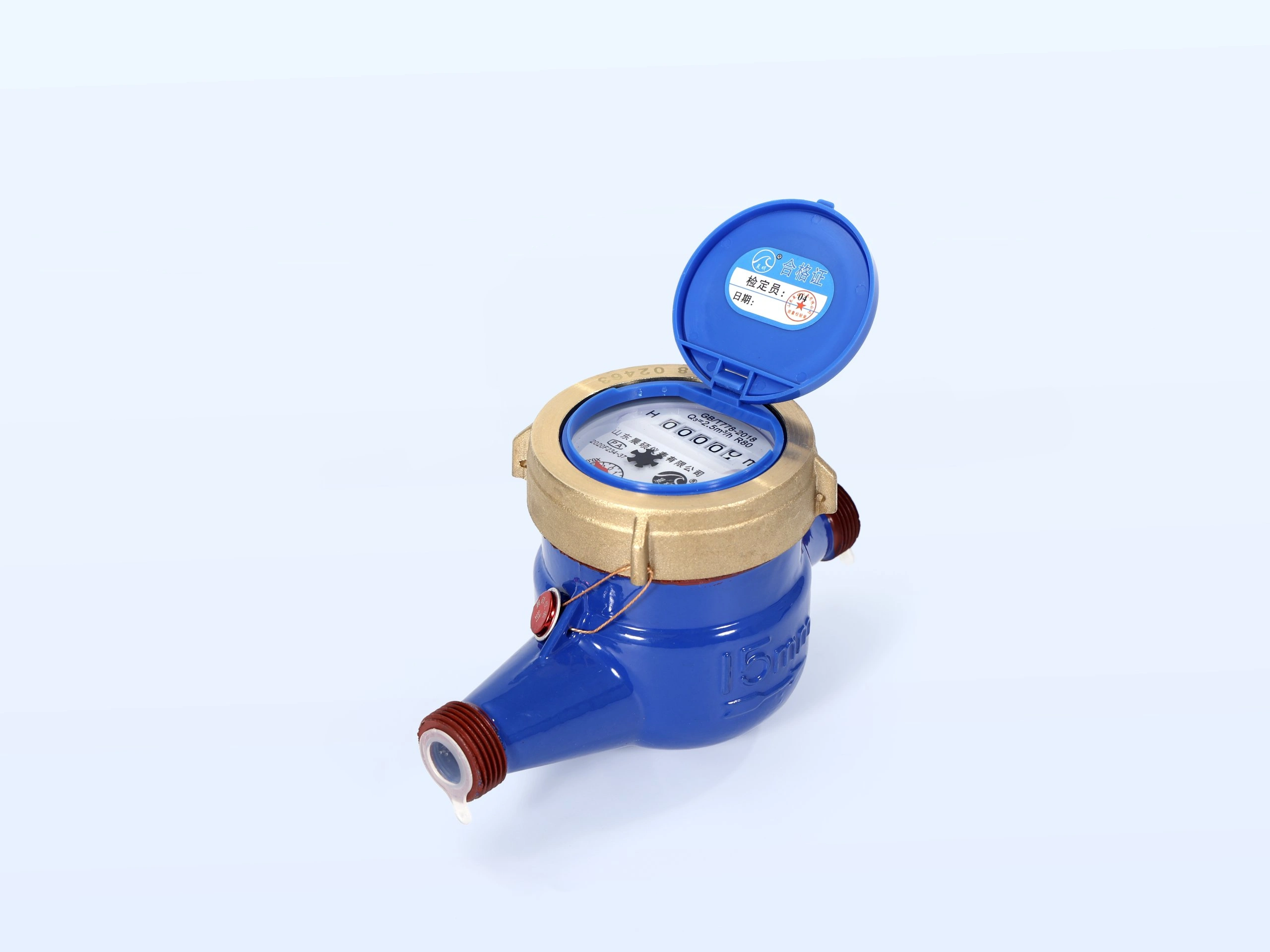
The commonly applied rotor-type mechanical water meter operates via this core concept: when water passes through the water meter, it propels the impeller (rotor or propeller) into rotation, with the water’s flow rate directly linked to the impeller’s rotation pace. Consequently, this movement passes along to a counter that shows total consumption. Such a direct layout renders these meters budget-friendly and fitting for zones featuring consistent flow speeds and slight pressure changes.
The Rotary Mechanical Water Meter LXS-15 BRASS stands as a prime instance in this group. It includes a straightforward build, reliable counting precision, and modest expense. Tailored for home settings, it delivers strong accuracy alongside tiny margins of error, a minimal starting flow of 0.03 m³/h, and a working duration surpassing six years. Additionally, its small brass frame aids straightforward fitting in living spaces.
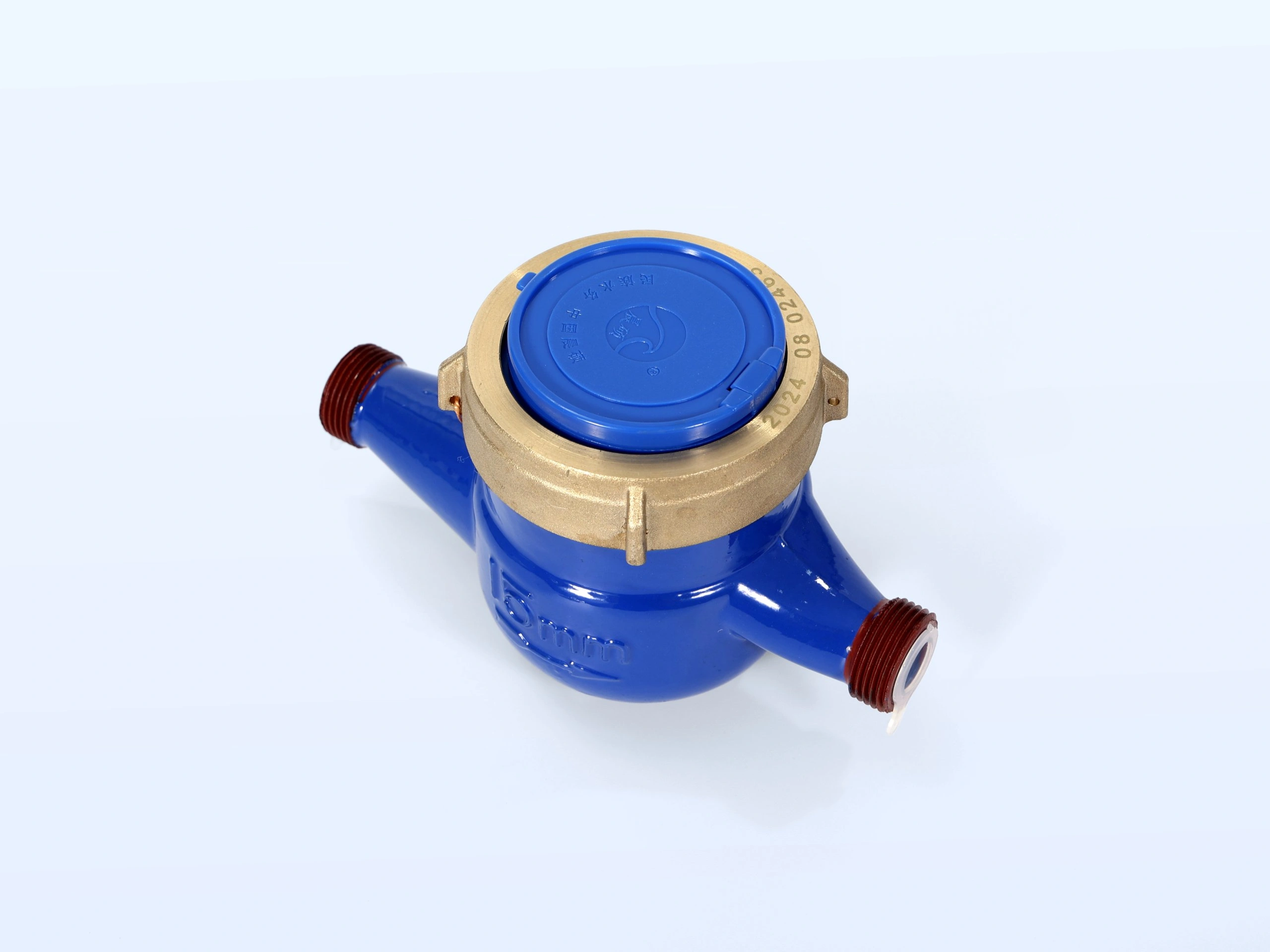
The lack of connection features restricts blending with contemporary IoT frameworks. On top of that, routine hands-on upkeep stays necessary to preserve operation, including tasks like filter clearing and impeller examination. Although they perform well in unchanging conditions, these meters fall short of addressing the rising call for digital linking or forward-looking data review.
Ultrasonic metering stands out as a top smart approach for exacting tasks that require far-off handling and enduring dependability. The sections that follow delve into its measurement methods, model perks, and expansion potential.
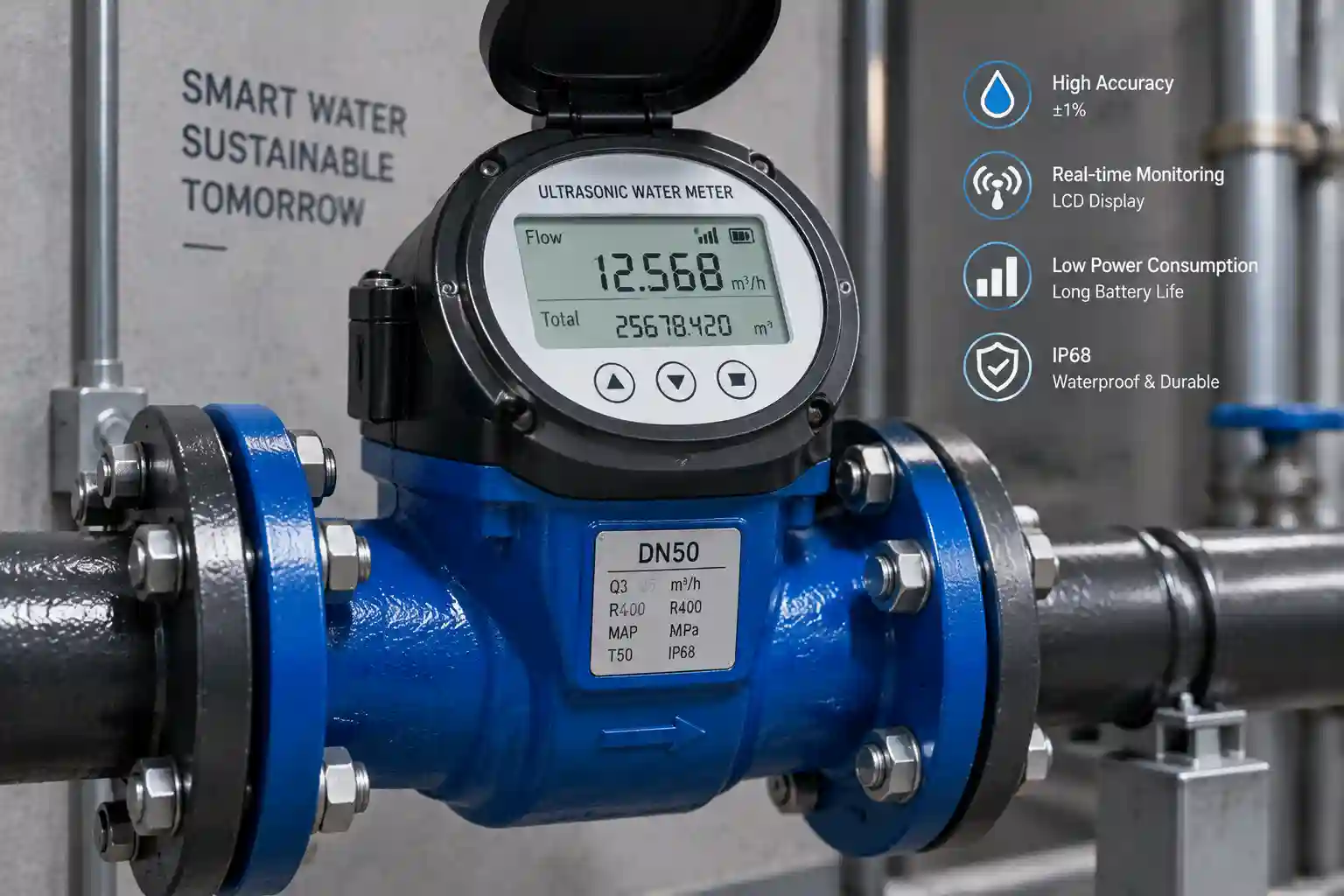
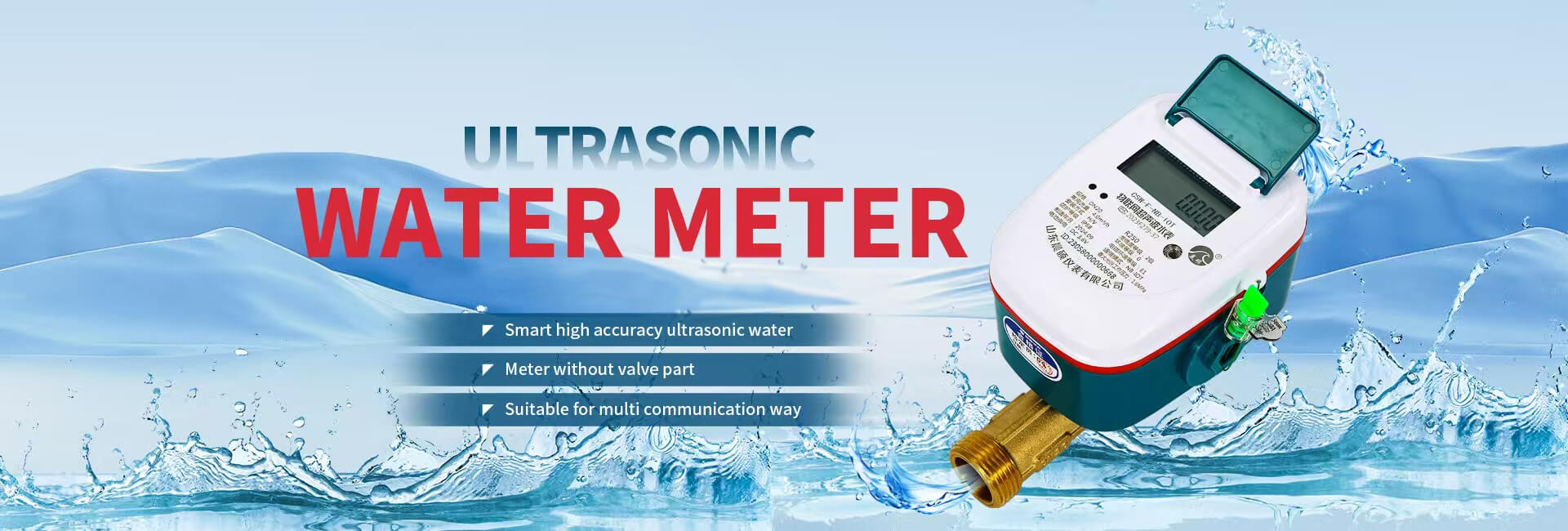
Ultrasonic meters determine flow by assessing the timing gap between forward and backward sound pulses. An ultrasonic water meter is a high – precision electronic water metering device that operates on the ultrasonic time – of – flight principle. Without any moving elements, mechanical breakdown vanishes, yielding strong steadiness across years of service.
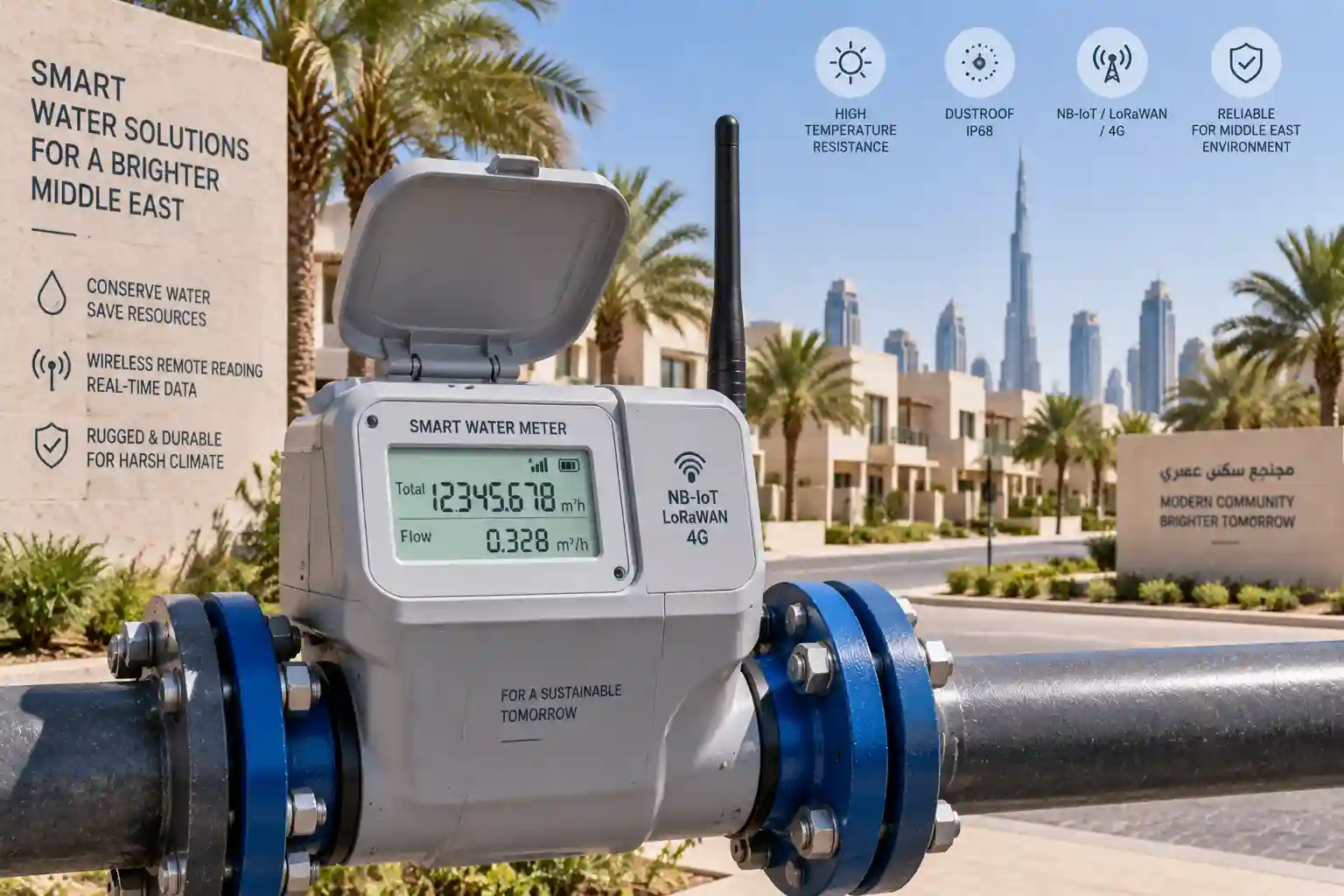
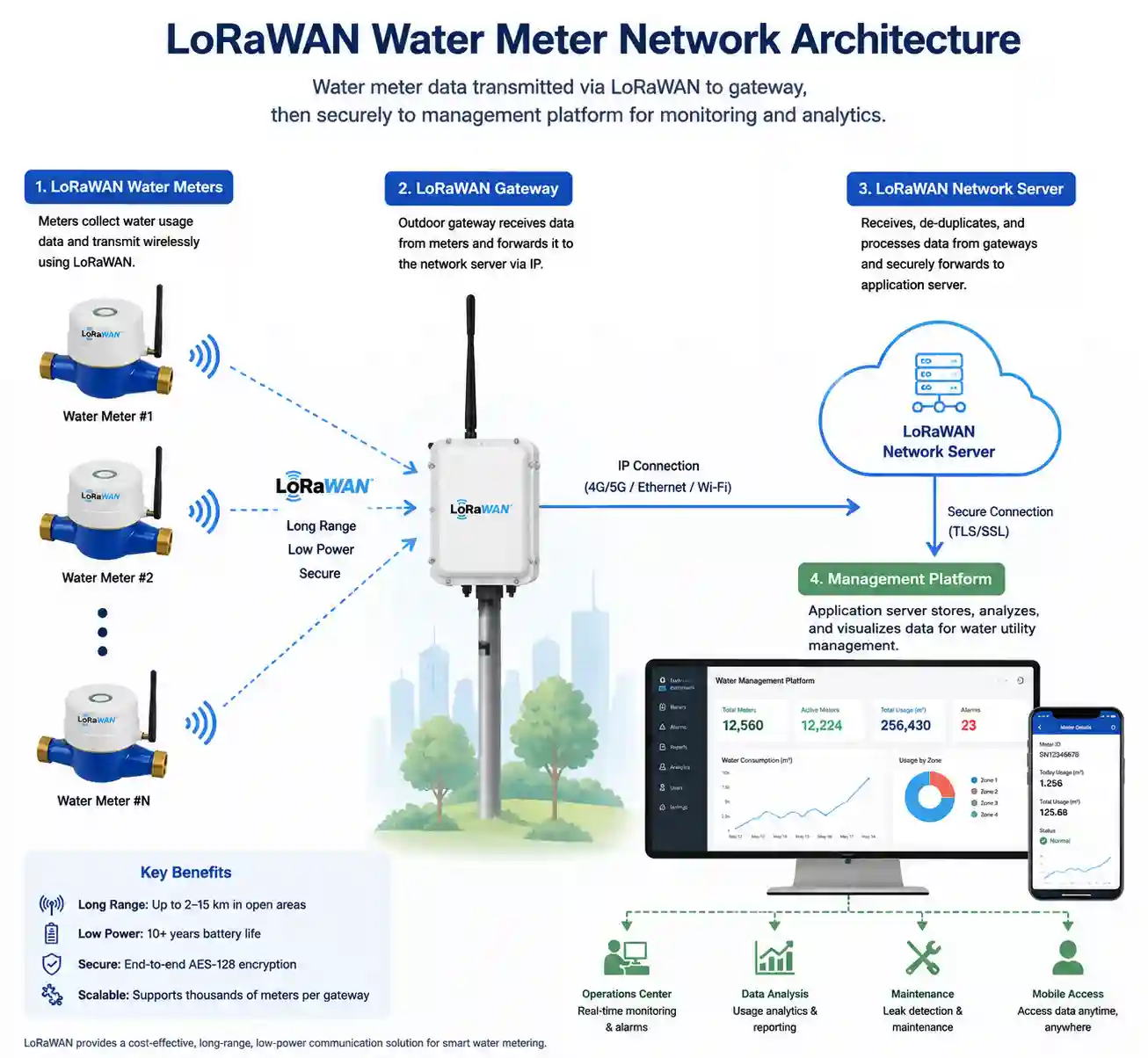
The Ultrasonic Water Meter-DN100 exemplifies wide-pipe answers crafted for factory districts or regional oversight. It determines the flow rate by measuring the propagation time difference of ultrasonic waves in the fluid. Moreover, it enables distant access through NB-IoT or LoRa modules and includes sophisticated checks for leak spotting. Its no-wear structure guarantees a duration beyond 15 years alongside no pressure drop, positioning it perfectly for intense applications.
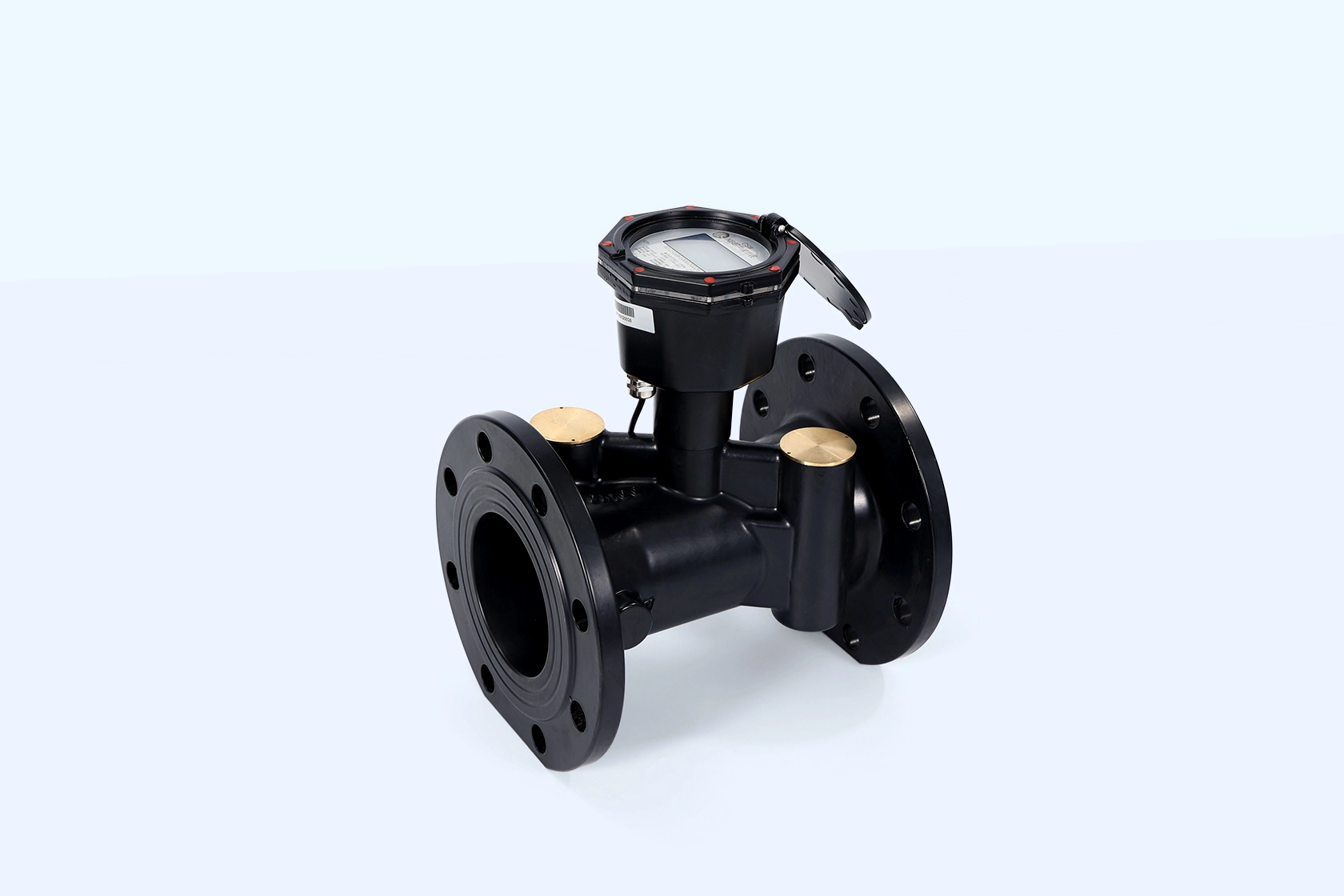
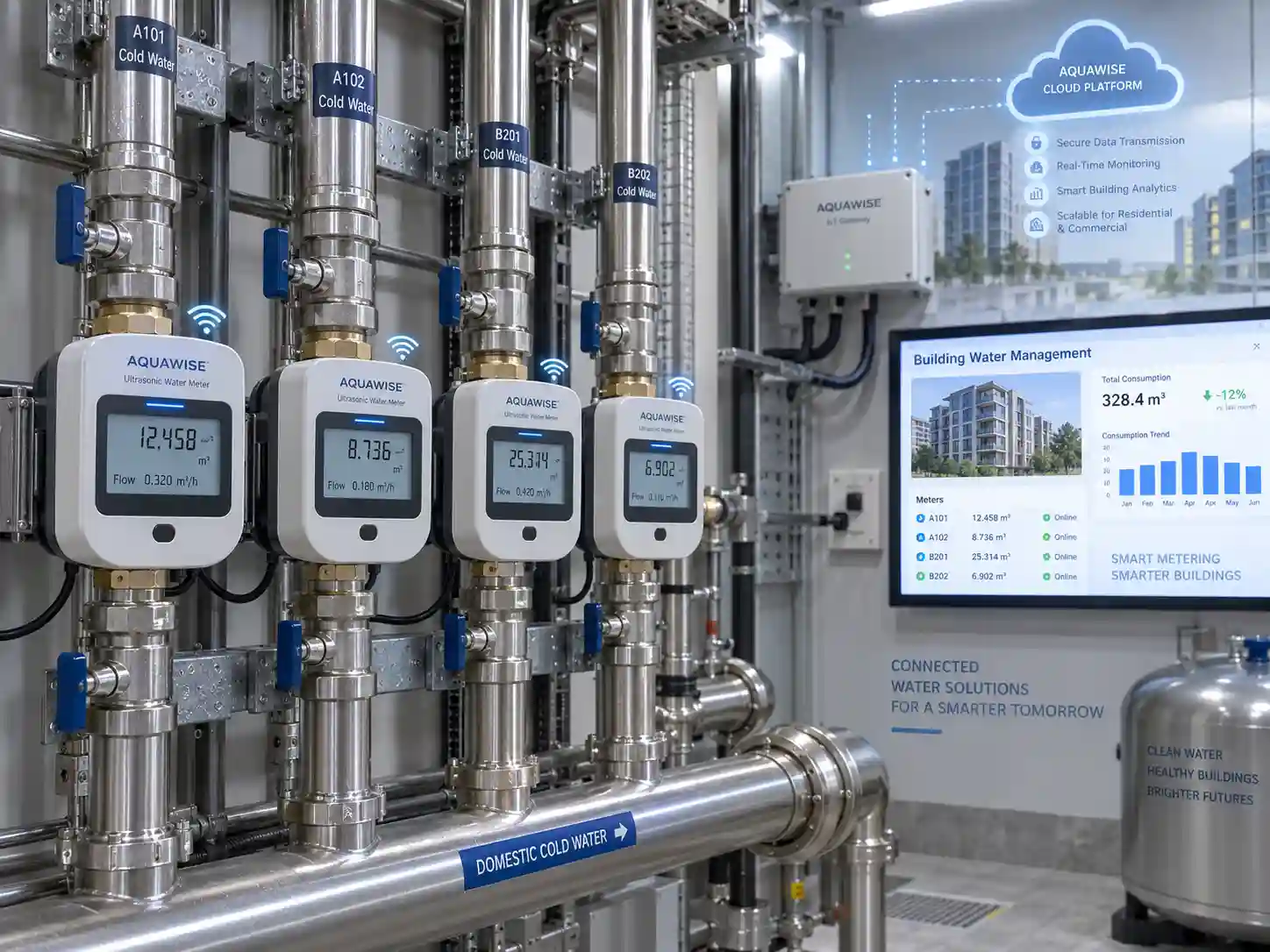
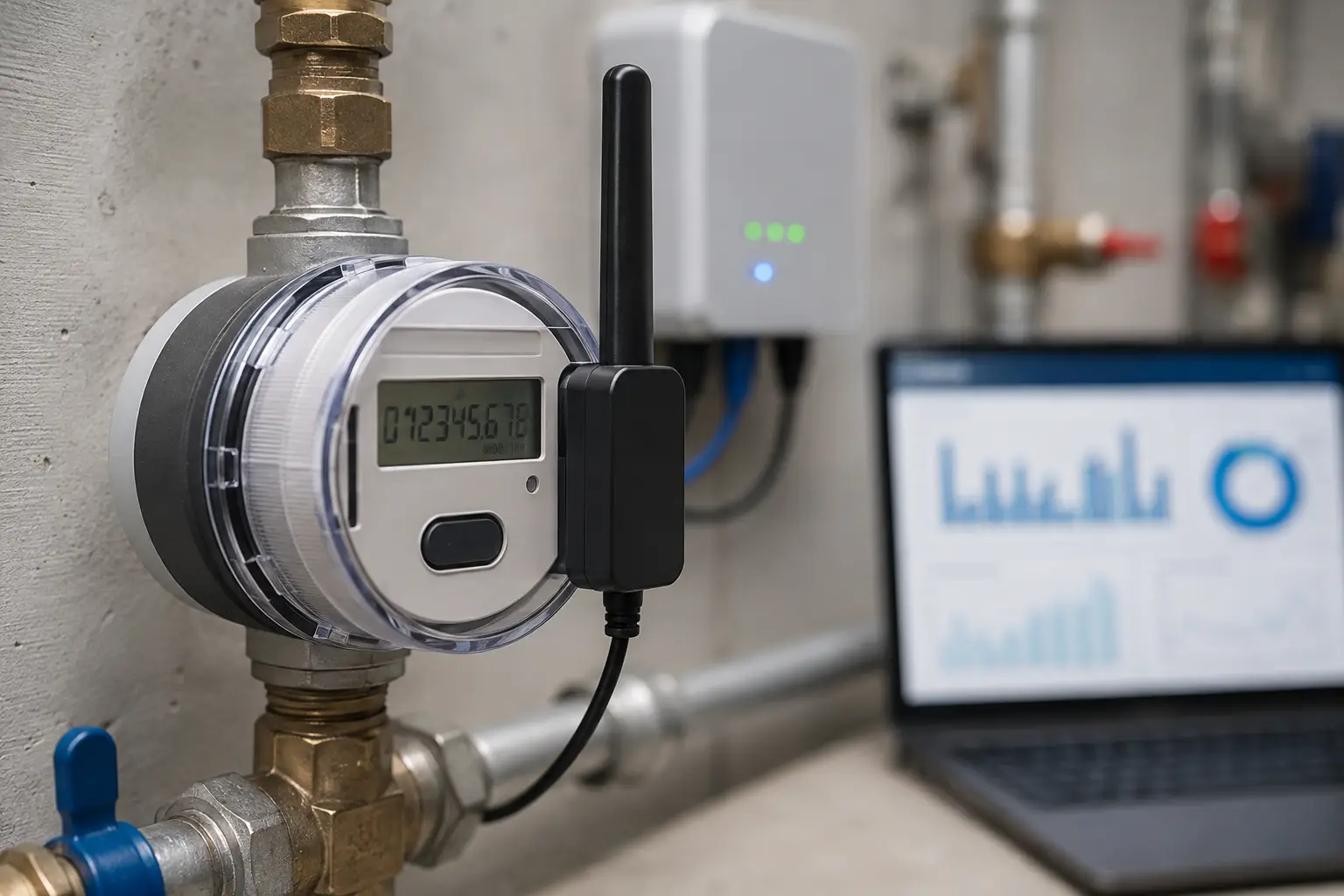
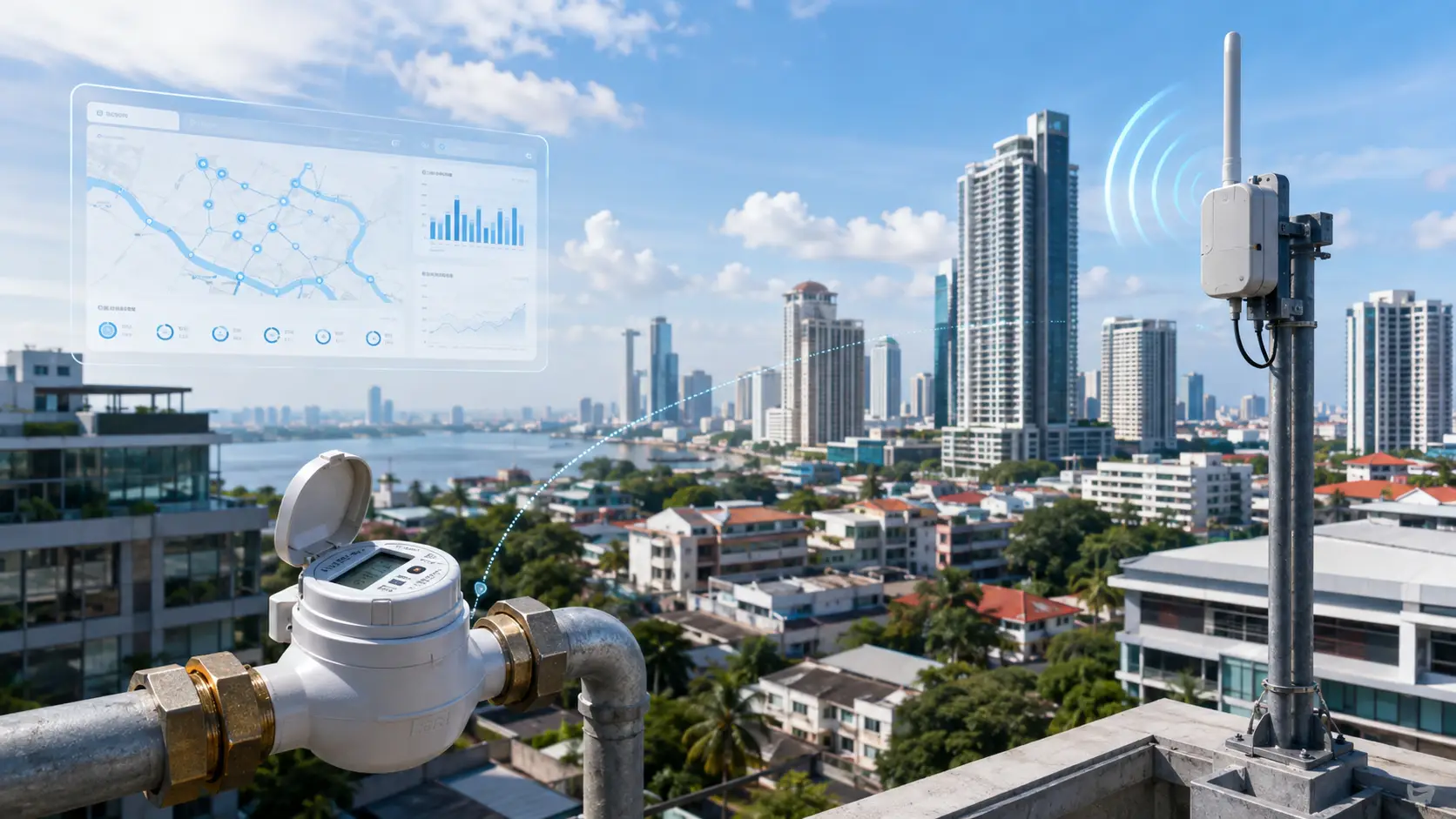
Smart ultrasonic meters get built to mesh smoothly with SCADA setups, cloud bases, and handheld applications. These solutions seamlessly integrate IoT features, cloud services, handy mobile apps, and powerful data analysis. They back forward upkeep via live checks, whereas automatic records ease adherence to oversight reviews.
Electromagnetic meters prove best for gauging conducting liquids in intricate factory surroundings where exactness matters most. Subsequent parts cover their foundational ideas, tech upsides, and practical deployments.
These meters function according to Faraday’s Law. When the conductive liquid flows through the measuring tube in the magnetic field, it produces a flow perpendicular to both the direction of flow and the magnetic field. Electrodes capture this voltage to calculate flow velocity. This technology requires no mechanical movement, ensuring minimal wear and uninterrupted function even under varying temperature or pressure.
The Electromagnetic Water Meter LXE-100 gets designed for exact gauging on factory levels. It provides solid straightness over its entire span without needing various adjustment points. The unit handles RS485 link methods and arrives in an IP68 shell apt for underwater use. The lowest detectable flow stands at just 0.003m/s, rendering it apt for leak finding in extensive grids.
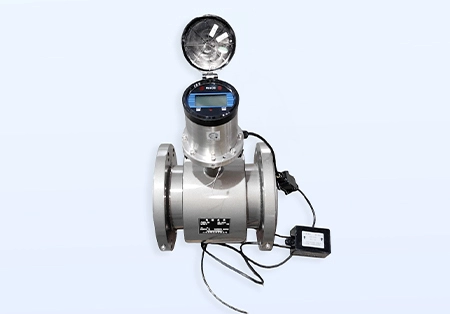
These systems find broad placement in wastewater treatment plants, chemical processing units, irrigation schemes, and commercial buildings where regulatory compliance hinges on precise discharge measurement. Their durability reduces workflow hazards linked to faulty charging or eco breaches.
Selecting Chenshuo as a metering tech collaborator offers clear advantages in range, production skill, and aid. The details below highlight these aspects.
Chenshuo’s broad assortment of water meter kinds includes ultrasonic smart water meters, electromagnetic versions, NB-IoT and LoRaWan remote smart water meters, classic mechanical meters, and prepaid options. All products conform to international standards such as ISO 4064 certification.
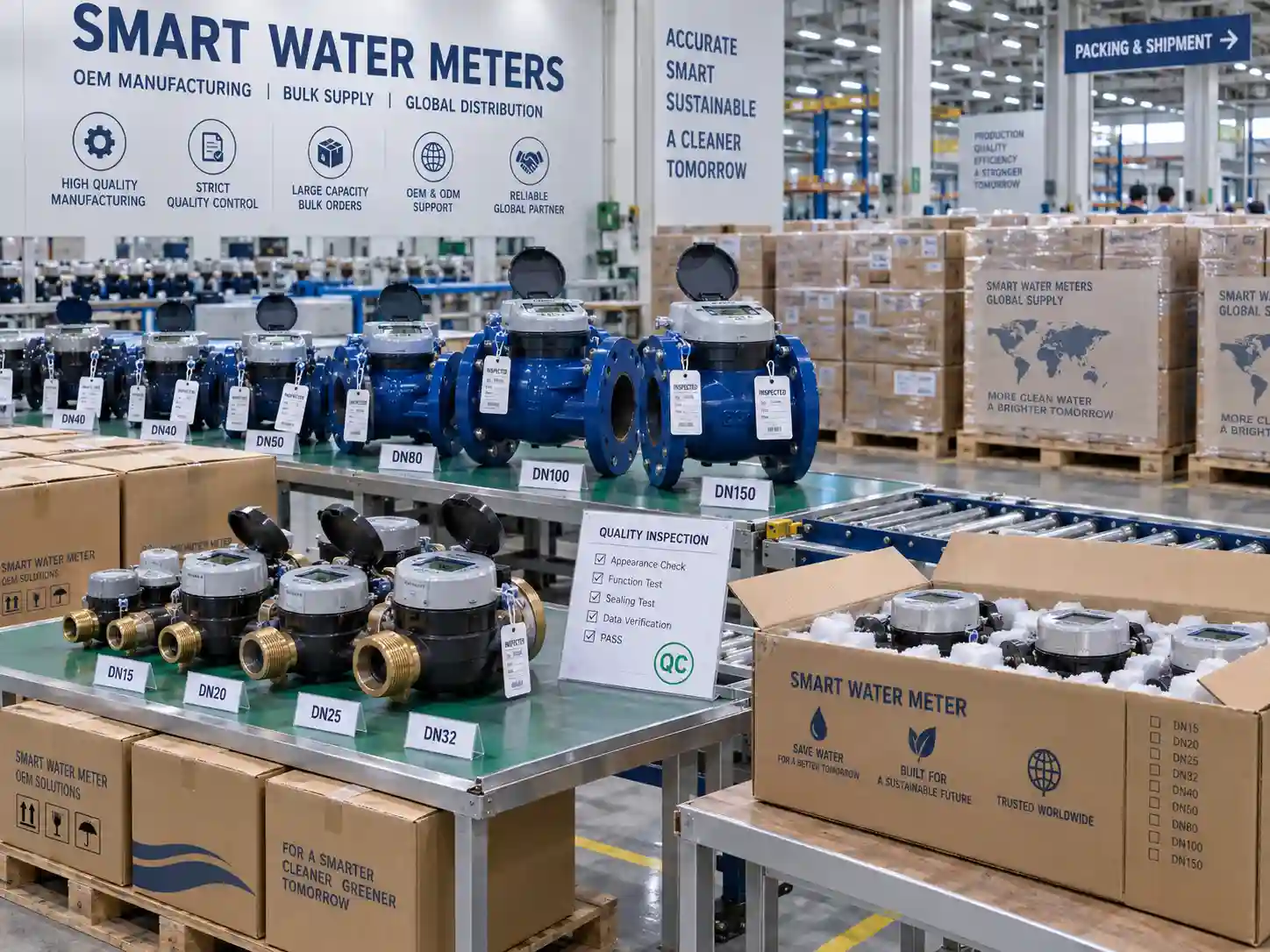
Chenshuo operates current plants: these sites equip with automatic production paths. The firm also upholds thorough quality verifications at every phase. Internal R&D enables quick advancements while upholding uniform standards across offerings.
Chenshuo’s crew assembles capable engineers, informed sales specialists, and useful aid personnel. Clients gain from customized choice suggestions through after-setup help, encompassing fitting directions and issue checks.
Q1: What is the primary difference between mechanical and ultrasonic water meters?
A: Mechanical meters rely on moving parts like rotors to record usage; ultrasonic meters use sound waves without any moving components.
Q2: Can smart meters help detect leaks earlier than traditional systems?
A: Yes, smart meters like ultrasonic models enable real-time leak detection by continuously monitoring flow irregularities.
Q3: Are electromagnetic meters suitable for residential use?
A: They are typically reserved for industrial or commercial environments due to their higher cost and complexity.
Q4: How long do mechanical meters last compared to smart meters?
A: Mechanical meters usually last 6–10 years with proper maintenance; smart ultrasonic meters can exceed 15 years without mechanical degradation.
 Address: Xiao'anzi Industrial Park, Baishabu Town, Lanshan District, Linyi City, Shandong Province
 Call us now:+86 15562945993
 Email:info@sdchenshuo.cn


Shandong Chenshuo Instrument Co., Ltd.