

In industrial settings where liquids move under strong pressure, picking a solid flow measurement tool turns out to be key. Such high-pressure setups bring special issues that call for tough, exact, and easy-to-keep instruments. Among different options, electromagnetic flow meters shine because of their steady work in tough jobs.
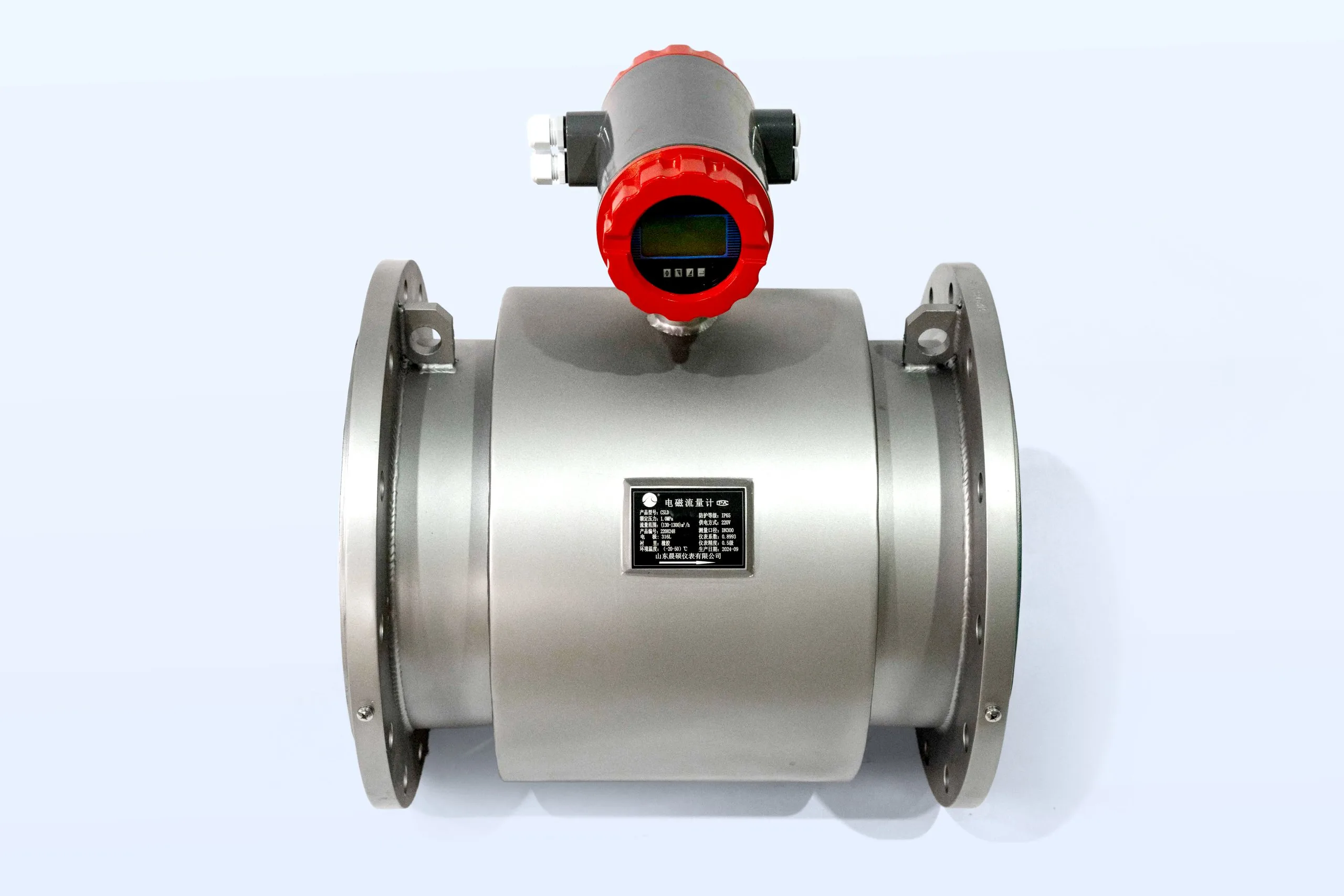
If your work includes high-pressure pipes in chemical work, city water setups, or power fields, choosing an electromagnetic flow meter made for these situations matters a lot. As a top maker of smart metering tools, Chenshuo provides many flow meters from DN15 to DN300, built to fit needs for performance and strength in specific industries. Known for dependable products and combined research, development, and making skills, Chenshuo helps businesses with project advice, custom making services, and shipping worldwide. No matter if you handle city water flow or factory slurry moves, their modern tools keep exact results over time.
Working in high-pressure systems means flow meters must endure rough physical and chemical settings, and they need to give steady exactness all along.
In places with high pressure, physical strain can bend or break down flow sensors, which leads to wrong readings or full system breakdowns. Materials not built for these strains might split or wear out too soon. Factory jobs often need devices that last and can take high pressure well.
Exact flow measurement counts a great deal when handling reactive chemicals or vital services. Exactness across a broad flow range can reach ± 0.5% of flow rate or finer, and this makes it vital for tasks like custody transfer and chemical dosing. Any shift from this could cause safety risks or expensive waste.
High-pressure pipes usually run without stops. Breaks from sensor upkeep or breakdowns bring big money and work costs. Mag flow meters lack moving parts, so they need little upkeep or part swaps.
Electromagnetic flow meters fit high-pressure jobs well because of their no-moving-parts build and careful electronic signal handling.
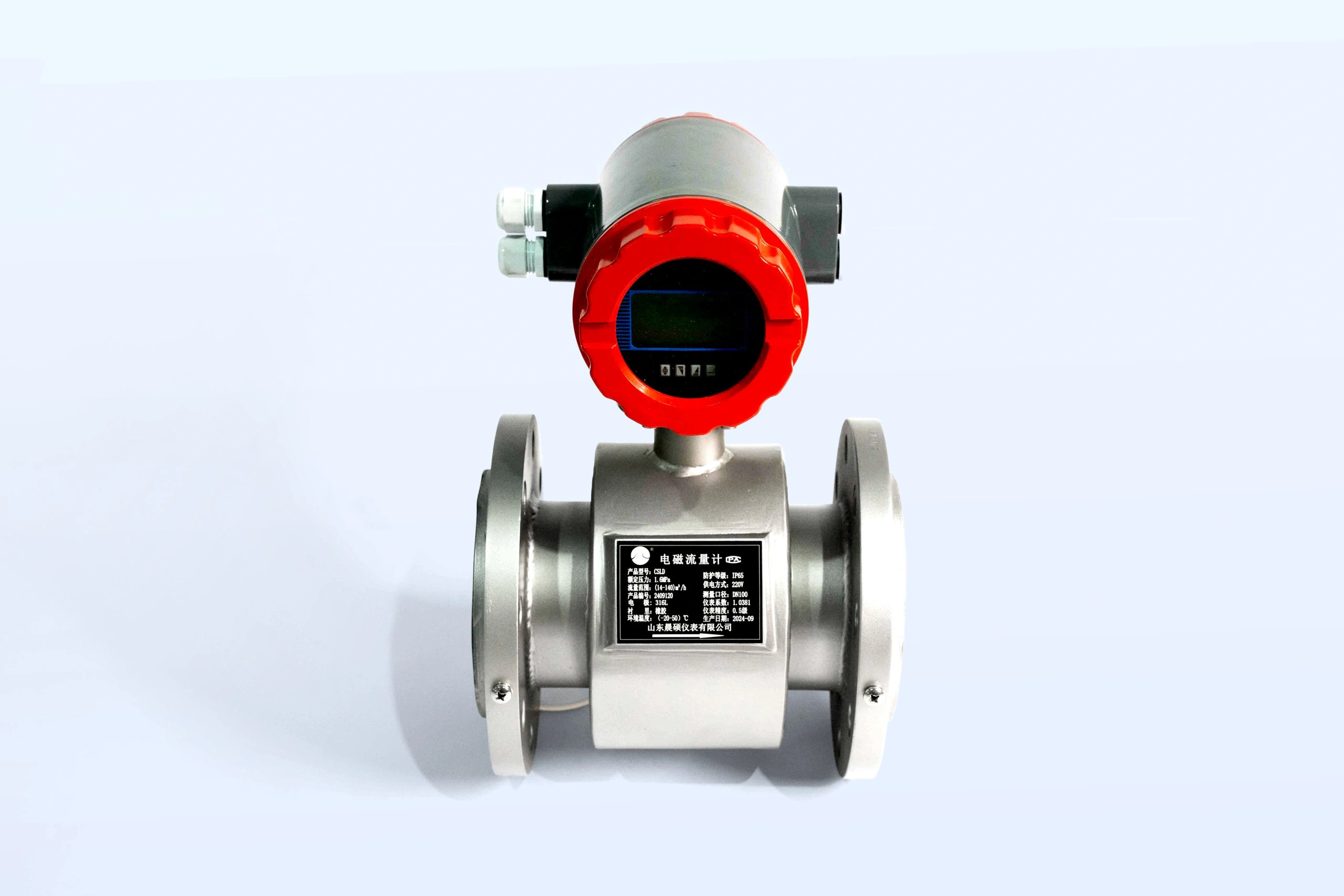
Electromagnetic flow meters have a clear-path design that avoids blocking the flow, and they work with electrodes set on opposite sides of the flow tube or sensor to catch the signal. This setup makes sure the inside pressure stays unchanged by the meter, so it cuts down on turbulence and lessens wear.
Modern signal handling makes sure electromagnetic meters give firm readings even when pressure changes in the pipe. This matters most in systems prone to surges. Mag meters run on the principle of Faraday’s Law of Electromagnetic Induction to gauge liquid speed.
Top-quality liners like PTFE and electrodes from stuff like titanium and 316L stainless steel offer great defense against pressure wear and rust. Corrosion Resistance: Customizable liners (rubber, PTFE) and electrodes (316L, titanium, tantalum).
The build of the mechanical parts and electronics in electromagnetic flow meters must get planned just right to handle high-pressure spots without losing their main functions.
Strong housing keeps inside parts steady under outside mechanical pushes. This proves vital when fitted in pipes with pressurized fluids such as slurries or chemicals. The solid magnetic circuit setup in sensors stops shifts or bends under strain.
Electromagnetic flow meters often use flanged links that line up with standard industry ways for tight fits into pressurized lines. Electromagnetic flowmeter DN100 and other types give small designs that work in close setup areas, yet they hold sealing strength.
The inside converters and circuit boards sit in closed spaces and get rated for work over a wide temperature and pressure span. Things like data save after power loss and far-off talk methods boost work steadiness even when conditions shift.
The size of a flow meter shapes its use range and how it acts in high-pressure systems.
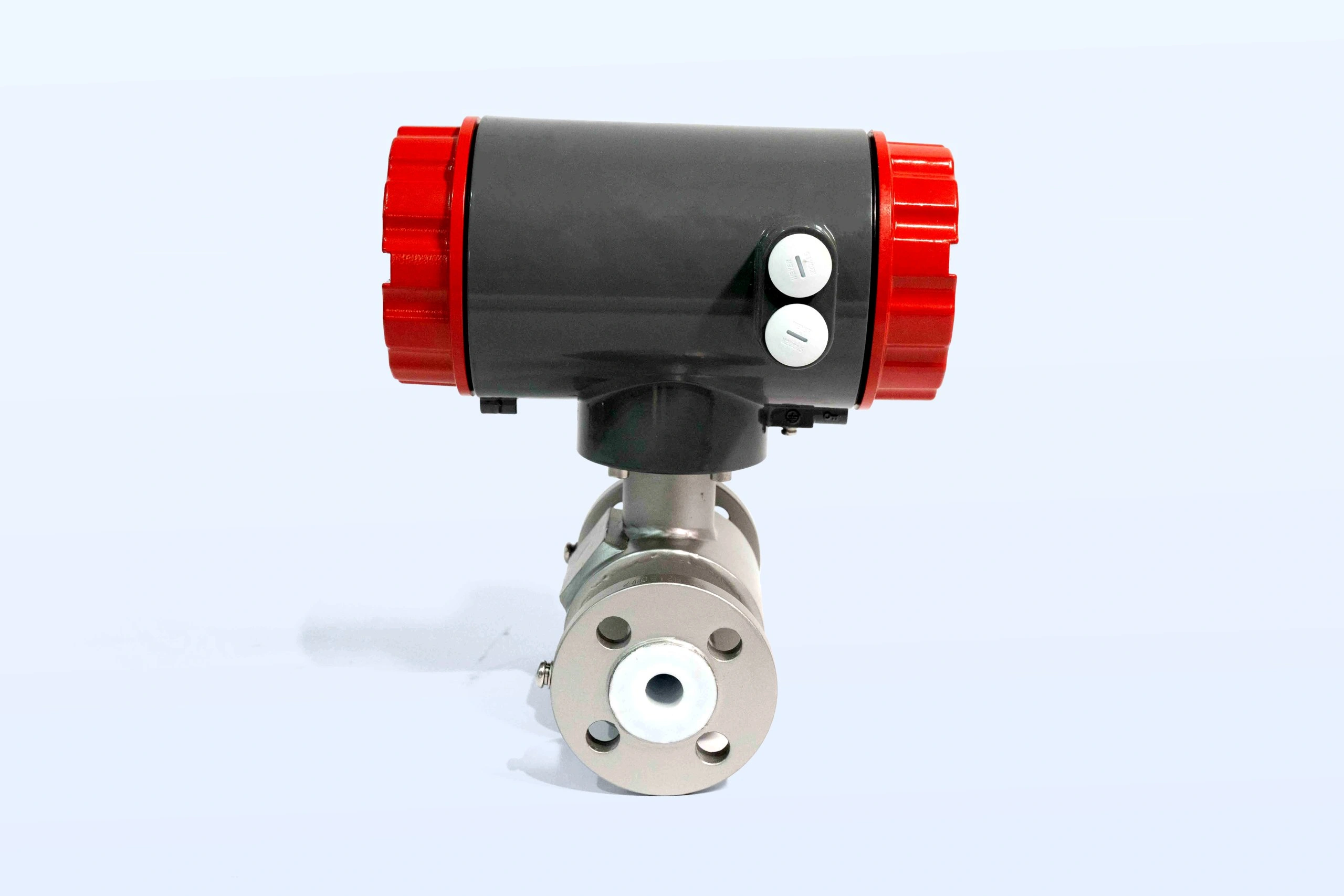
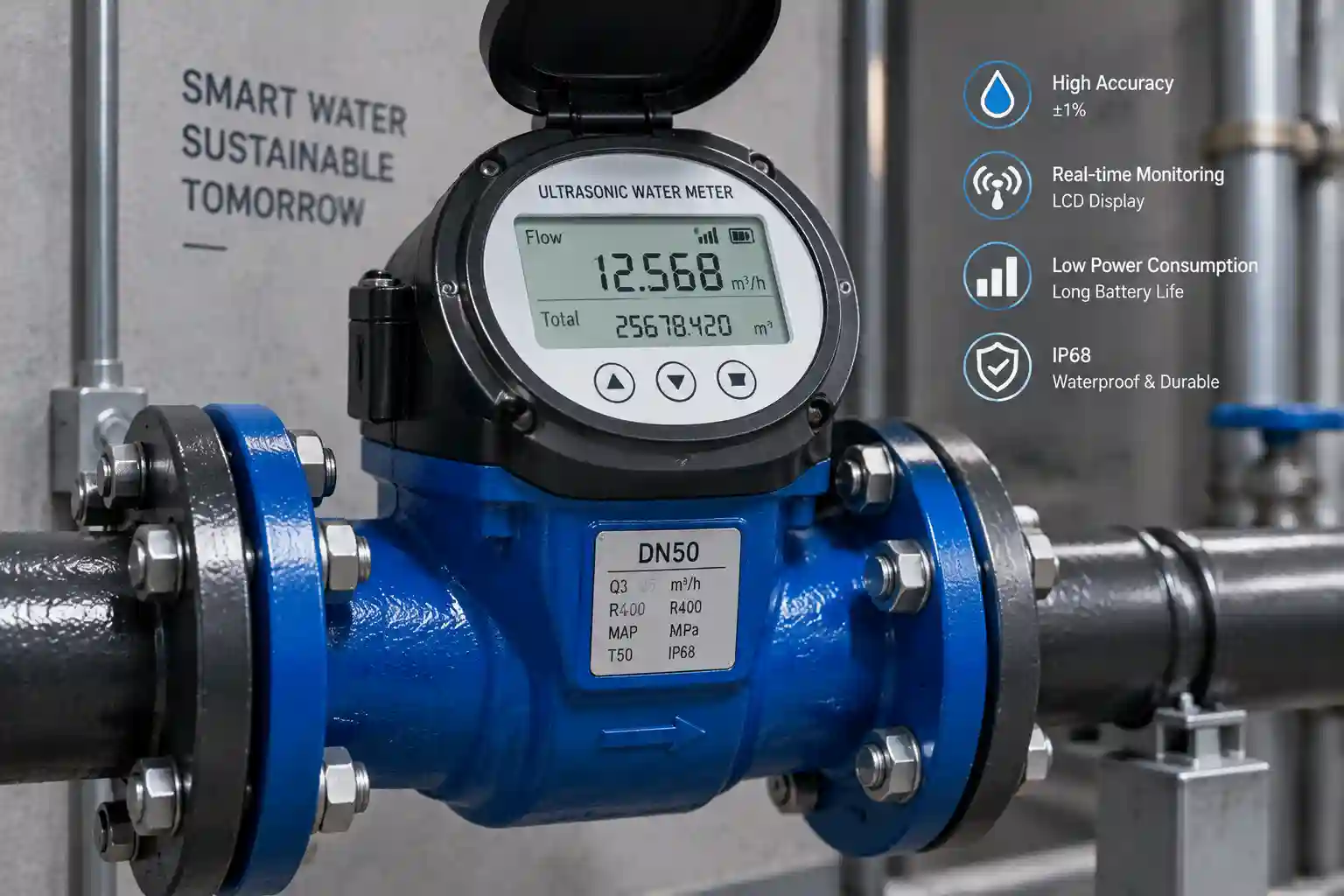
In tight-space spots where exact measure of small amounts is needed, Electromagnetic flowmeter DN15 and DN50 models work best. These come with pressure levels up to 4.0 MPa, which lets them join safely into small but high-need systems.
Electromagnetic flowmeter DN100 strikes a good mix of feel and toughness, and it suits city water clean plants and mid-size chemical sites. It manages flow speeds up to 15 m/s with fine straightness and steady output signals.
For jobs needing big fluid shifts under pressure—like factory wastewater out or slurry carry—the Electromagnetic flowmeter DN300 gives top work with little signal drop. Its strong build fits pipe sizes up to 300 mm, and it keeps ±0.5% exactness even in high-pressure spots.
When running in pressurized systems, teaming with a maker that brings deep engineering know-how and solid product quality proves important.
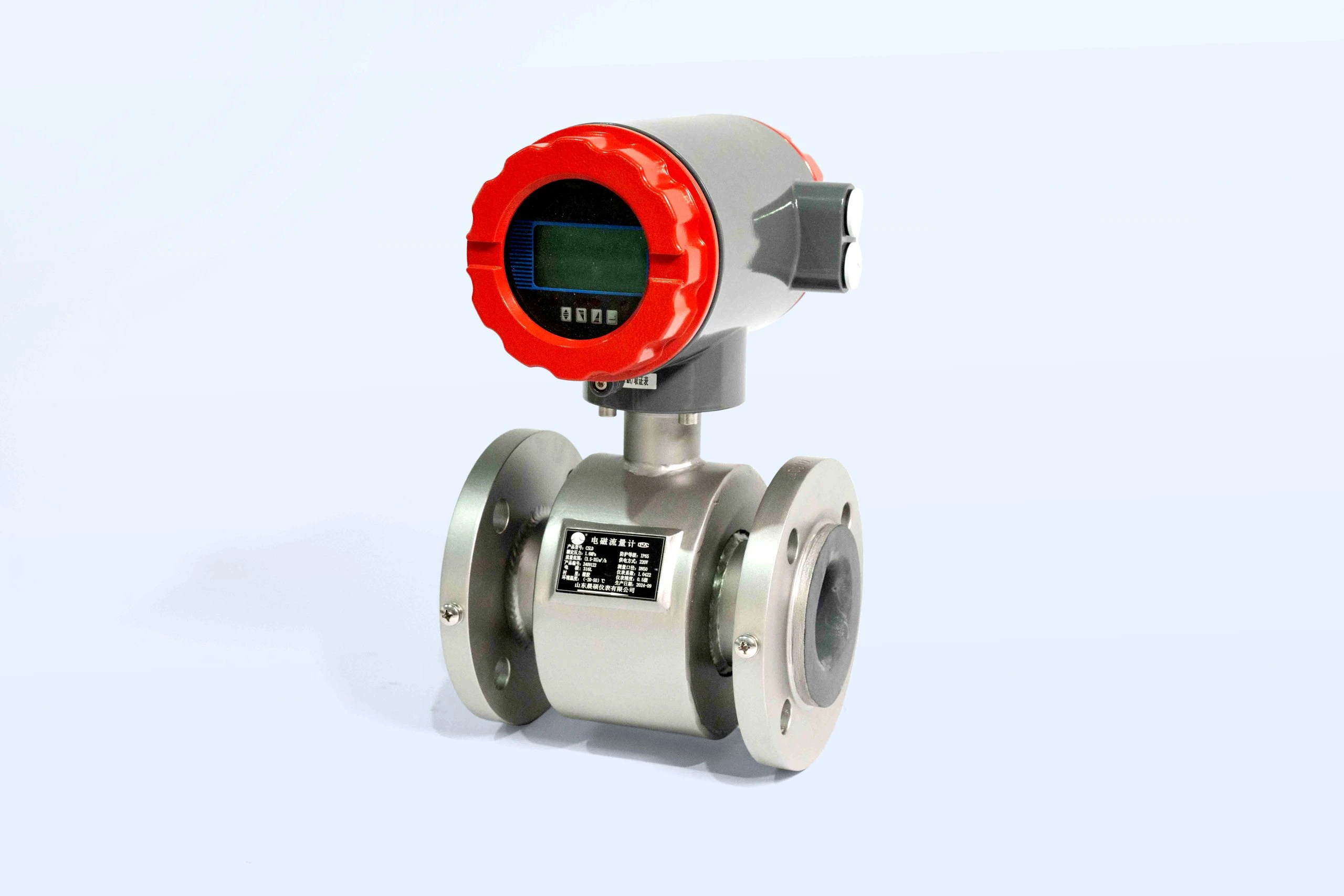
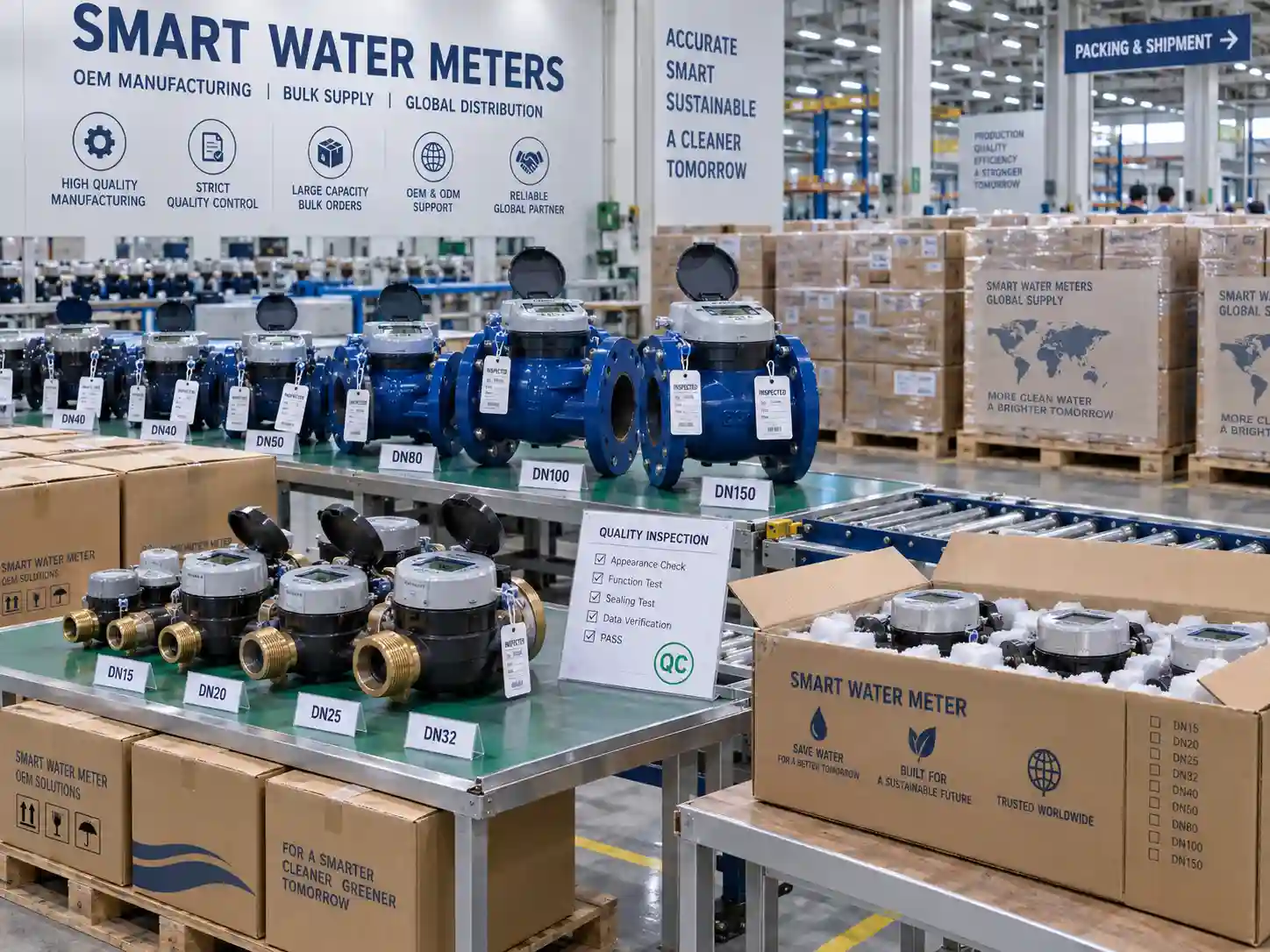
Chenshuo’s line covers DN15 to DN300 models that fit different system sizes and pressures. Each meter gets built to hit strict exactness needs, and it offers setup ease.
With a full setup for research, making, and sales, Chenshuo gives tech help matched to your exact pipe conditions. Their fixes handle hard needs from slurry watch to trade billing uses.
All smart water meters and metering systems are internationally certified. Parts get made with rust-proof materials, which ensure long-run work even under strong fluid moves.
Q1: What makes electromagnetic flow meters suitable for high-pressure applications?
A: Mag meters do not have any moving parts, so there is minimal need for maintenance or replacement, and their liner and electrode materials are engineered to resist high-pressure fatigue.
Q2: Can electromagnetic flow meters handle corrosive fluids under pressure?
A: Yes. Corrosion Resistance: Customizable liners (rubber, PTFE) and electrodes (316L, titanium, tantalum) make them suitable for acids, alkalis, and slurries.
Q3: How accurate are these meters in fluctuating pressure environments?
A: Accuracy over a wide flow range can be as good as ± 0.5% of flow rate or better, even with variable pressure.
Q4: What sizes are available for high-pressure electromagnetic meters?
A: Models from DN15 to DN300 are available, each designed for specific pipeline diameters and pressure ratings up to 4.0 MPa depending on the model.
Q5: Where can I find tailored solutions or product support?
A: You can visit the Case Center or reach out through the Contact Page for personalized consultation.
 Address: Xiao'anzi Industrial Park, Baishabu Town, Lanshan District, Linyi City, Shandong Province
 Call us now:+86 15562945993
 Email:info@sdchenshuo.cn


Shandong Chenshuo Instrument Co., Ltd.