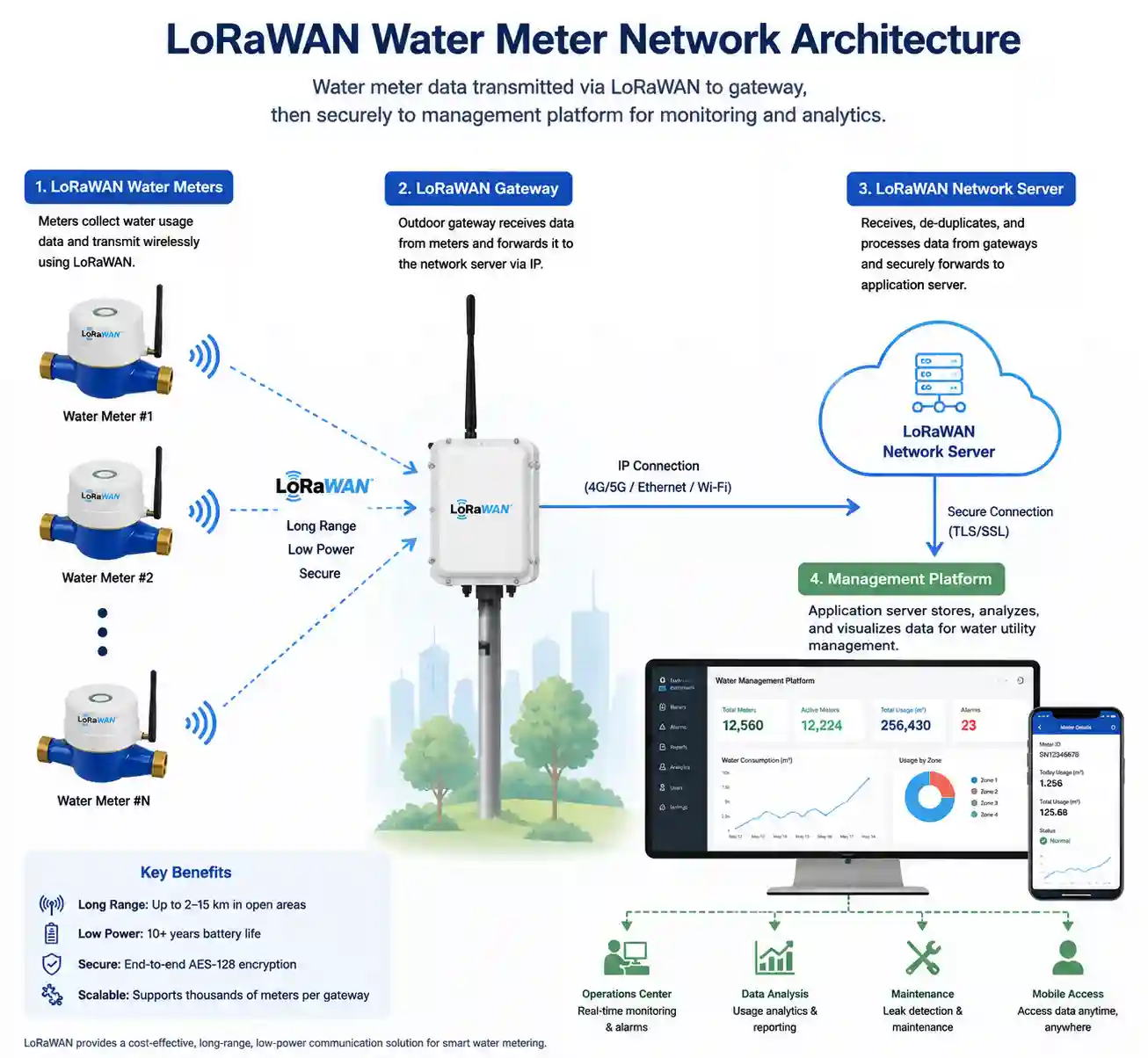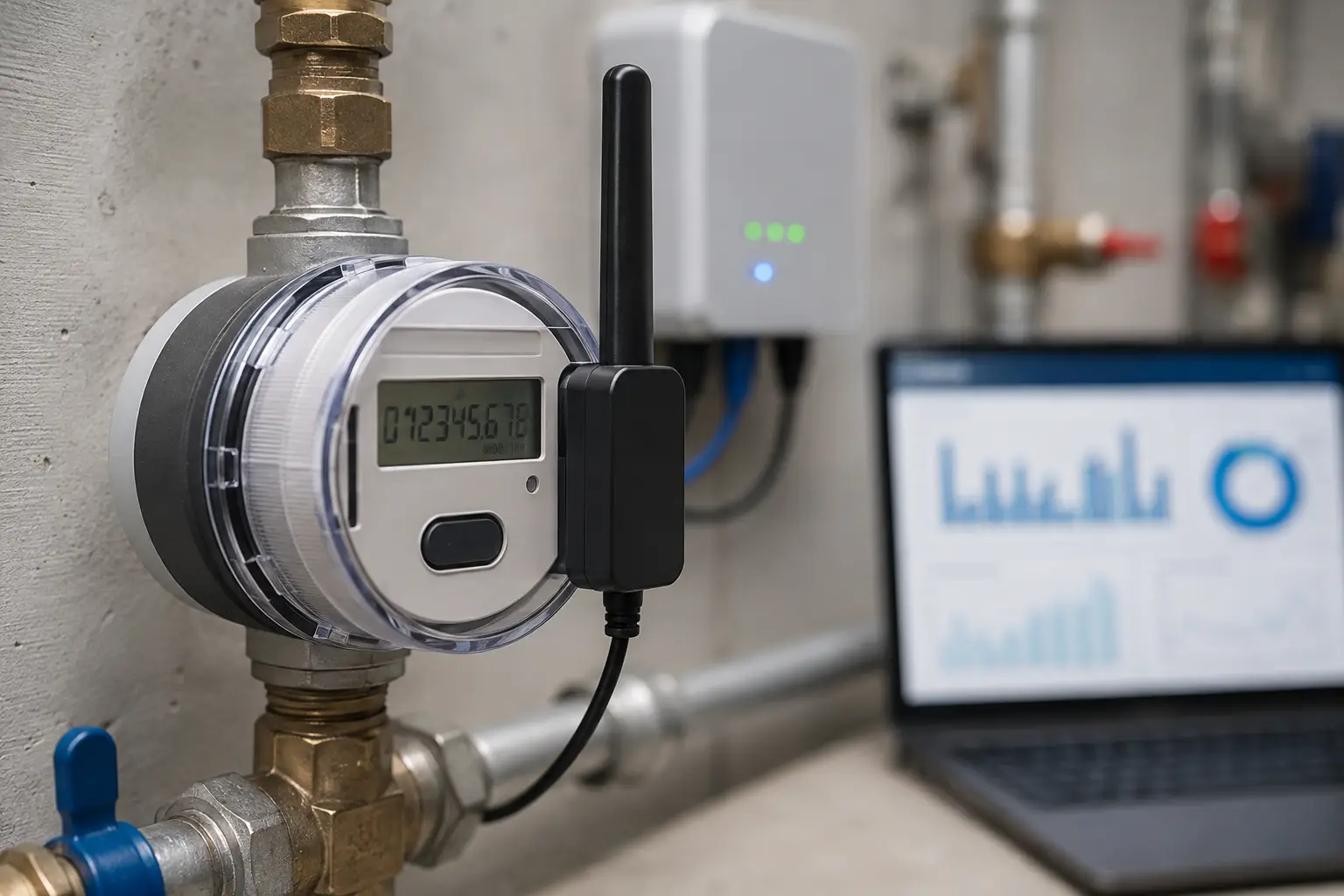


Mechanical water meters remain a practical choice for metering in homes, businesses, and factories. Their basic setup, easy-to-understand structure, and strong build make them popular for everyday use. Yet, if you skip proper care, these meters can drive up running expenses through damage, wrong measurements, or early breakdowns.
To avoid such problems and make your equipment last longer, pick a reliable maker with solid experience. Chen Shuo runs as a skilled water meter producer in Shandong, China. Backed by more than ten years in the field, modern assembly lines, and global approvals, the firm supplies dependable mechanical and smart water metering options.
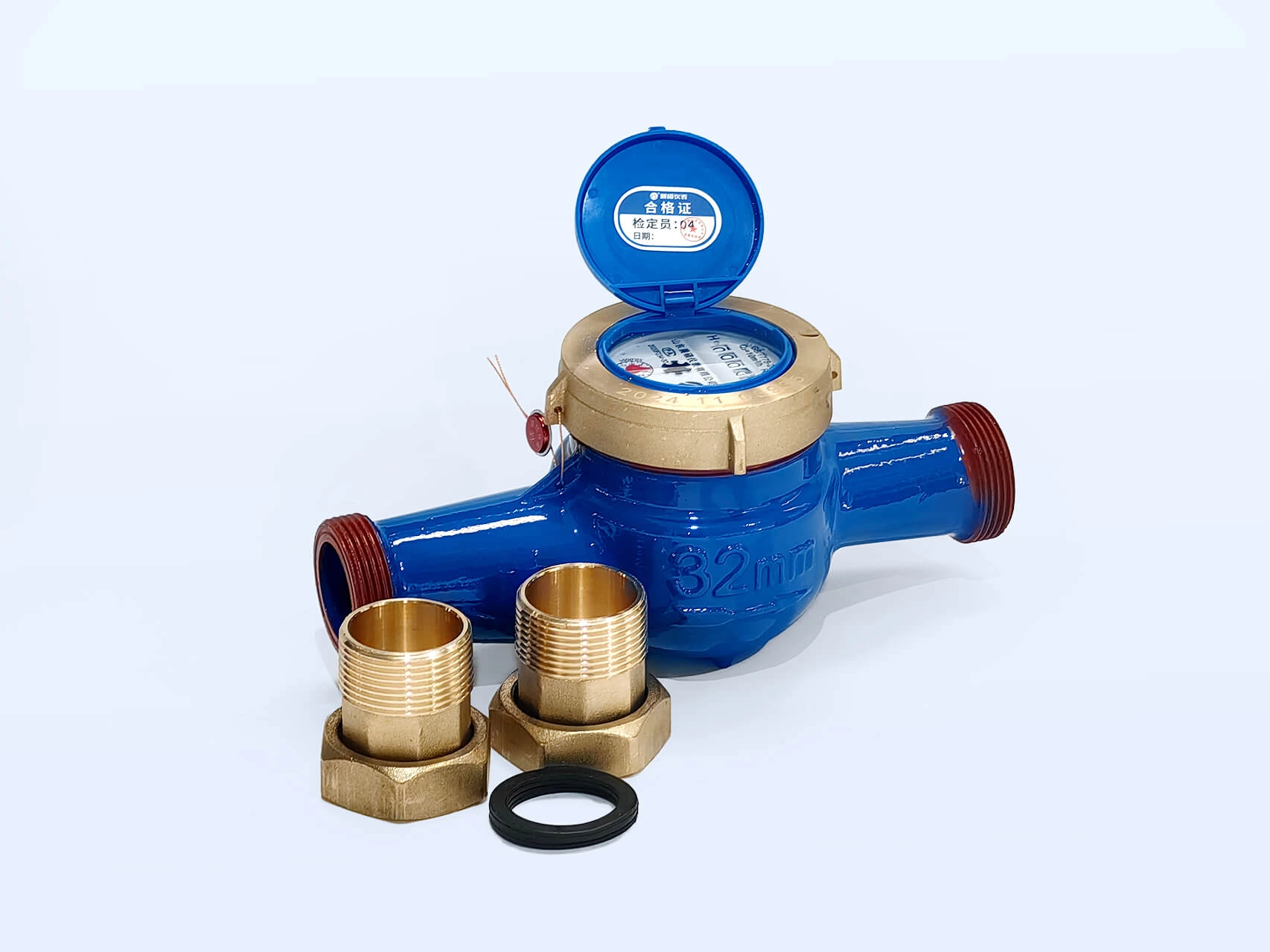
Mechanical water meters use moving parts inside to track water flow. Since they lack electronic bits, they resist electrical noise and outages well, but certain issues can harm their work and precision if left alone.
Mechanical water meters tend to lose accuracy, need frequent checks, and break down quicker because of those turning elements. As time passes, scale from minerals or shifted parts inside can throw off the numbers. If you don’t plan regular checks and adjustments, bills might come out wrong, or water use plans could go off track.
Keeping mechanical water meters in shape calls for some labor, supplies, and money, which adds up to a real cost for owners. When inside damage goes unnoticed, the meter might keep running poorly for a long while before anyone spots it, causing big losses from missed readings or extra use without fixes.
Going with cheap or mismatched meters for your setup speeds up the damage. Owners ought to select sturdy, well-made water meter items. If not, constant swaps raise not just the price of new parts but also the time spent on installs.
Regular checks form the base for keeping measurements straight and stopping lasting harm to the mechanics.
Run flow checks at set times to confirm the meter matches expected levels. Matching its output to proven flow amounts makes sure water use gets charged right.
Owners just have to wipe down and inspect the water meter now and then to keep it working smoothly. Spotting off-center impellers, stuck dirt, or slow gears ahead of time stops sudden fixes when you need the system most.
Stick to the setup and care rules from your meter provider. For example, screw fittings need to line up with the pipe flow, and units should stay clear of shakes or magnetic pulls.
Bits of junk from city pipes can wear out or jam the moving insides of mechanical meters too soon.
Putting screen filters before the meter cuts down on grit or rust harming the wheel or blocking the gears.
Steady, smooth water movement boosts even turns in mechanical meters. With less dirt in the flow, the setup holds its tune over years without constant tweaks.
Filters stop backups from built-up sludge inside—and this matters a lot in weak-pressure setups, where blocks can mess up the counts.
How long a meter lasts ties closely to the materials picked and how tough the inner design stands up.
Units like the Rotary Mechanical Water Meter LXS-32BRASS use brass body material that fits safe drinking water rules. It has a plain layout, steady measure accuracy, and an affordable price tag.
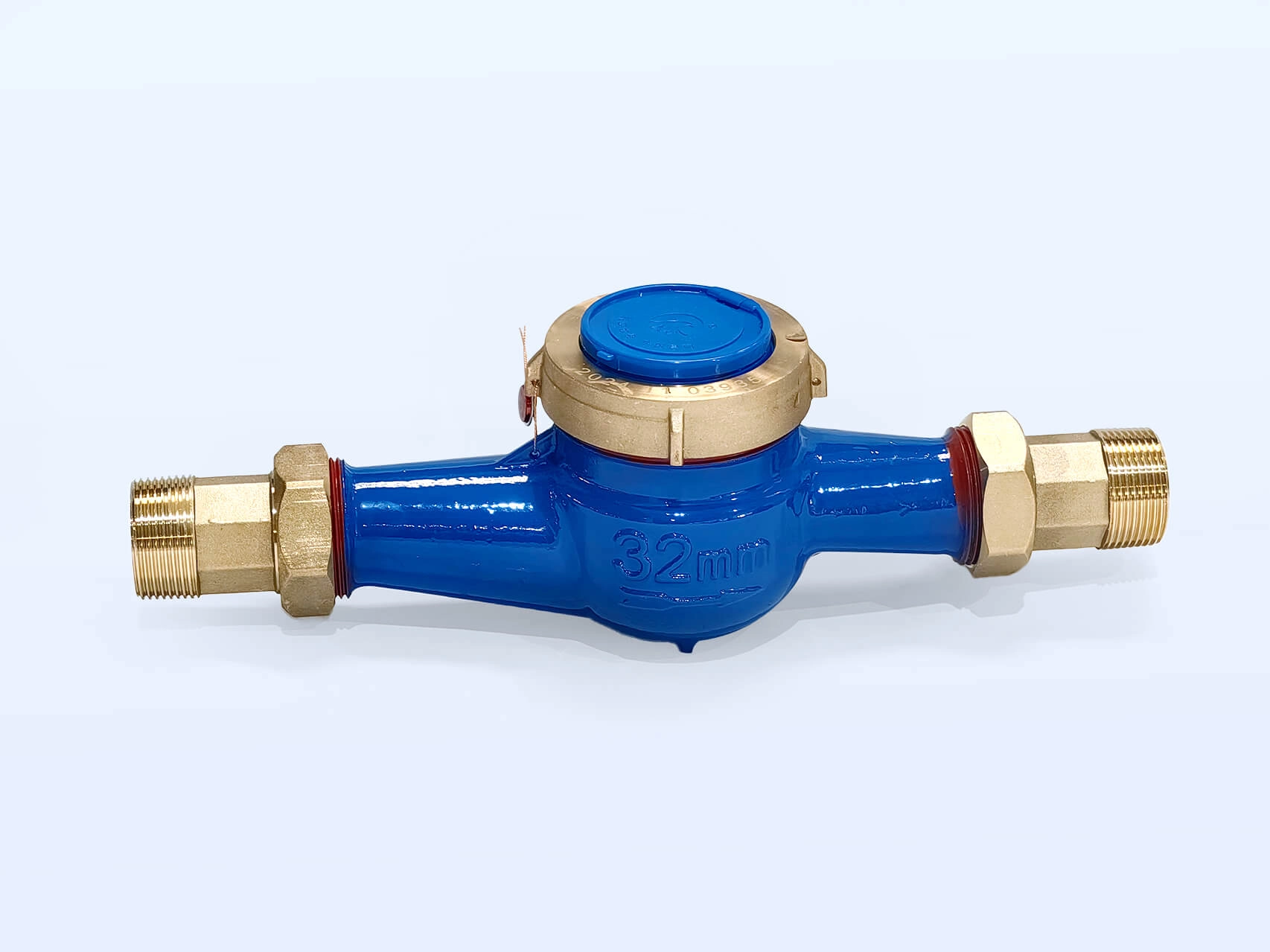
The Rotary Mechanical Water Meter LXS-25BRASS runs on a wheel-driven system with magnetic links and reliable gear shifts. It offers a basic build, firm metering precision, and low expense.
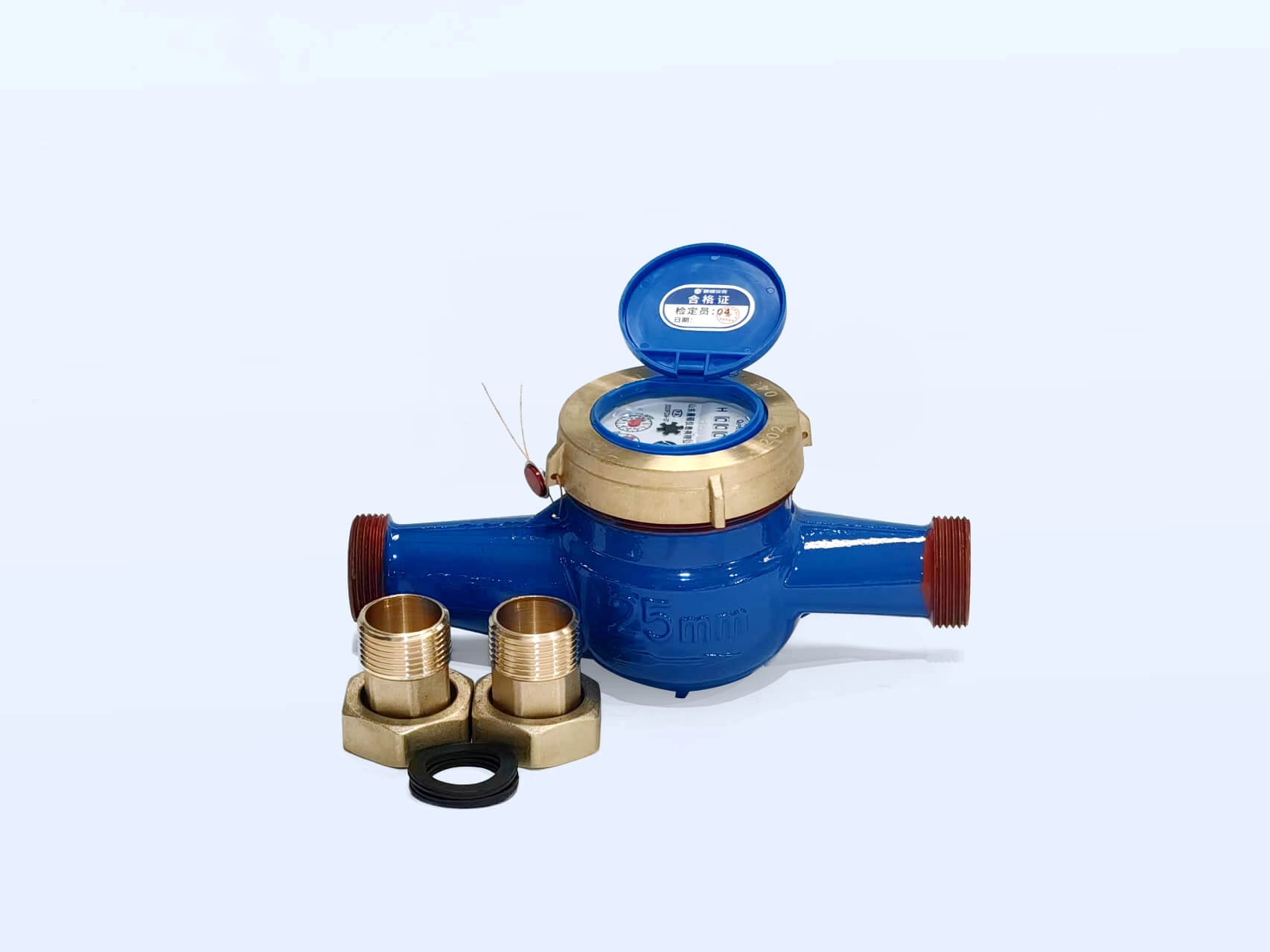
These two hit Class 2 accuracy marks and handle pressures up to 1.0 MPa without trouble. With lifespans over six years under routine checks, they suit home or small business water needs well.
Building a watch plan into your water setup keeps use habits inside the gear’s limits.
Sudden jumps or falls in flow might point to leaks, extra taps, or bad meters. Quick action cuts down on waste.
Each mechanical meter sets a Q₄ max flow limit. Pushing past that often wears the inner bits faster.
Linking meter info to real conditions lets you time checks by actual patterns, not just fixed dates.
Mechanical meters wear down steadily as years go by. Swapping them out by age guides cuts unseen costs.
Mechanical water meters track use via mechanical links and counters. As those bits grind down, the unit might miss some flow, leaving water unbilled.
Switching to easy-swap setups like the Detachable Woltman-Type Water Meter LXLC-150 boosts upkeep ease. The DN150 Detachable Helical Turbine Water Meter works as a side-axis mechanical water meter with a pull-out core for simple fixes and swaps.
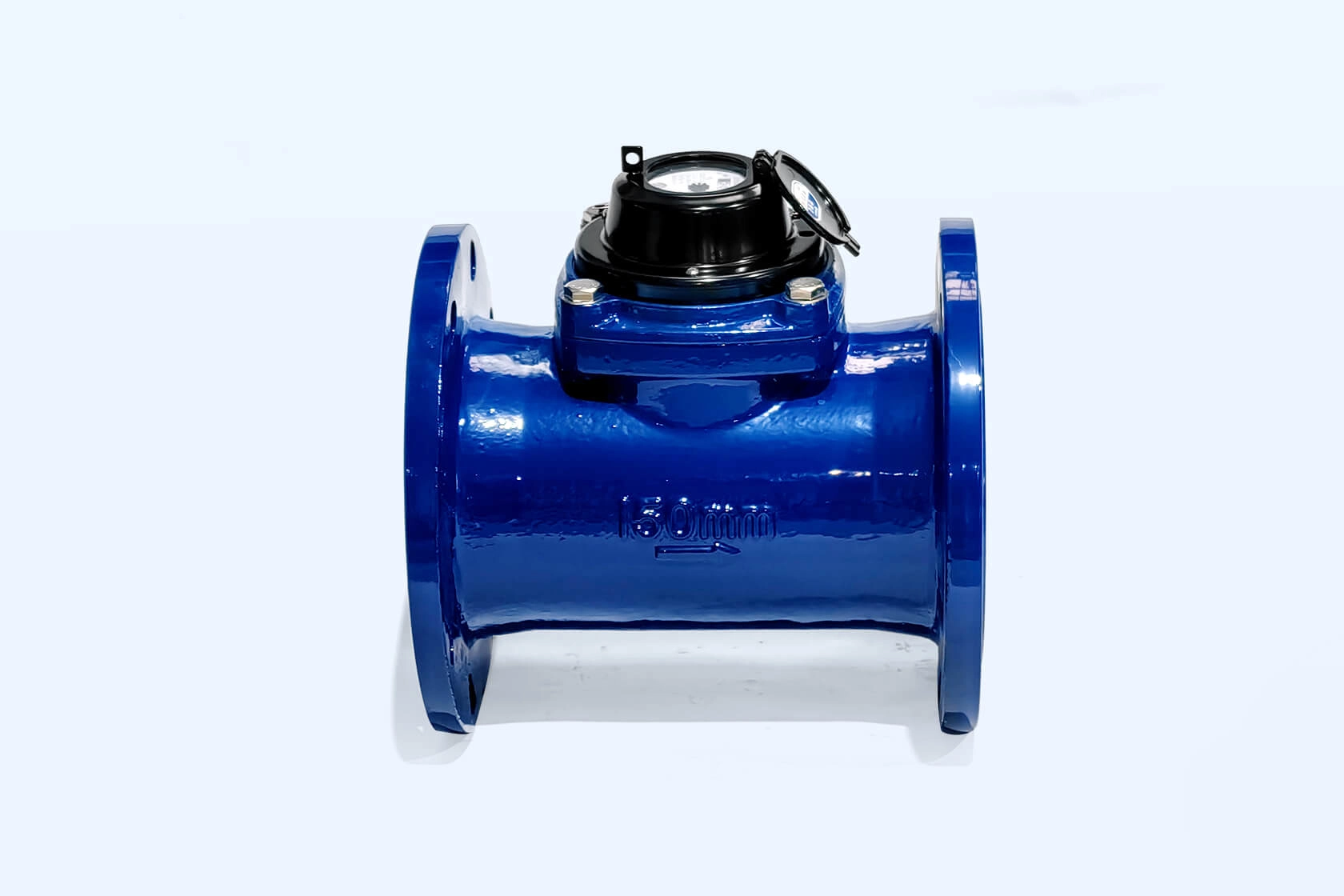
Its swapable core cuts stop time while keeping pipes whole. Built for big flows, it covers ranges from 5–312.5 m³/h with little pressure drop.
Picking a partner strong in planning, building, and after-service support trims total ownership costs.
Chen Shuo lines include ultrasonic smart water meters, electromagnetic types, NB-IoT and LoRaWan remote smart water meters, standard mechanical meters, and prepaid kinds.
Every Chen Shuo water meter type follows global rules and often tops them. You get solid gear made to last, checked through tough quality steps.
Chen Shuo items now serve over 50 nations. For home jobs or big public bids, Chen Shuo provides fitting answers with quick tech aid.
Q1: How often should a mechanical water meter be calibrated?
A: Calibration should be performed annually or biannually depending on usage intensity to maintain Class 2 accuracy standards.
Q2: What are signs of mechanical wear in a water meter?
A: Decreased reading accuracy, irregular dial movement, or noise during operation can signal internal wear requiring inspection.
Q3: Can I install a mechanical meter outdoors?
A: Yes, but ensure protection against freezing temperatures and vibration. Use insulation jackets or enclosures where necessary.
Q4: What’s the typical service life of a mechanical meter?
A: With regular verification and maintenance, high-quality models can exceed six years of accurate operation.
Q5: Are detachable cartridge models worth the investment?
A: Yes. They allow partial replacement without full reinstallation, lowering long-term service costs in high-volume systems.
 Address: Xiao'anzi Industrial Park, Baishabu Town, Lanshan District, Linyi City, Shandong Province
 Call us now:+86 15562945993
 Email:info@sdchenshuo.cn


Shandong Chenshuo Instrument Co., Ltd.