

For communities managing aging residential water systems, the transition to smart water meters represents more than just a technology upgrade—it’s a fundamental shift in infrastructure management. These devices tackle the core challenges of old neighborhoods: inaccurate billing, undetected leaks, and inefficient resource allocation. By delivering real-time insights into water consumption patterns, smart meters enable utilities to move from reactive repairs to predictive maintenance. This article examines how modern metering solutions, such as electromagnetic flowmeters, are transforming renovation projects in older urban areas, creating more sustainable and data-driven water networks for the future.
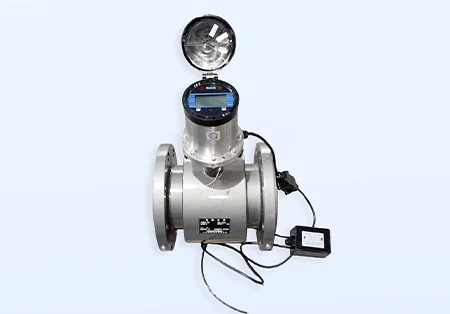
If you deal with older residential neighborhoods, you probably know about ongoing problems like worn-out pipes and old-fashioned water meters. These setups often fail to measure water use correctly, leading to gaps in information and lost income. Without exact and up-to-date details, planning for upkeep becomes hard. Plus, high leak levels in damaged pipe lines, along with slow manual checks, drive up daily expenses even more.
Standard mechanical water meters have handled water tracking for years. But as cities grow faster, the count of urban water customers has jumped a lot, and the built-in flaws of those old meters stand out more clearly. Taking readings by hand takes too much time and often leads to mistakes, which blocks good water resource handling. This issue hits harder in dated areas where pipe layouts are missing parts or wrong.
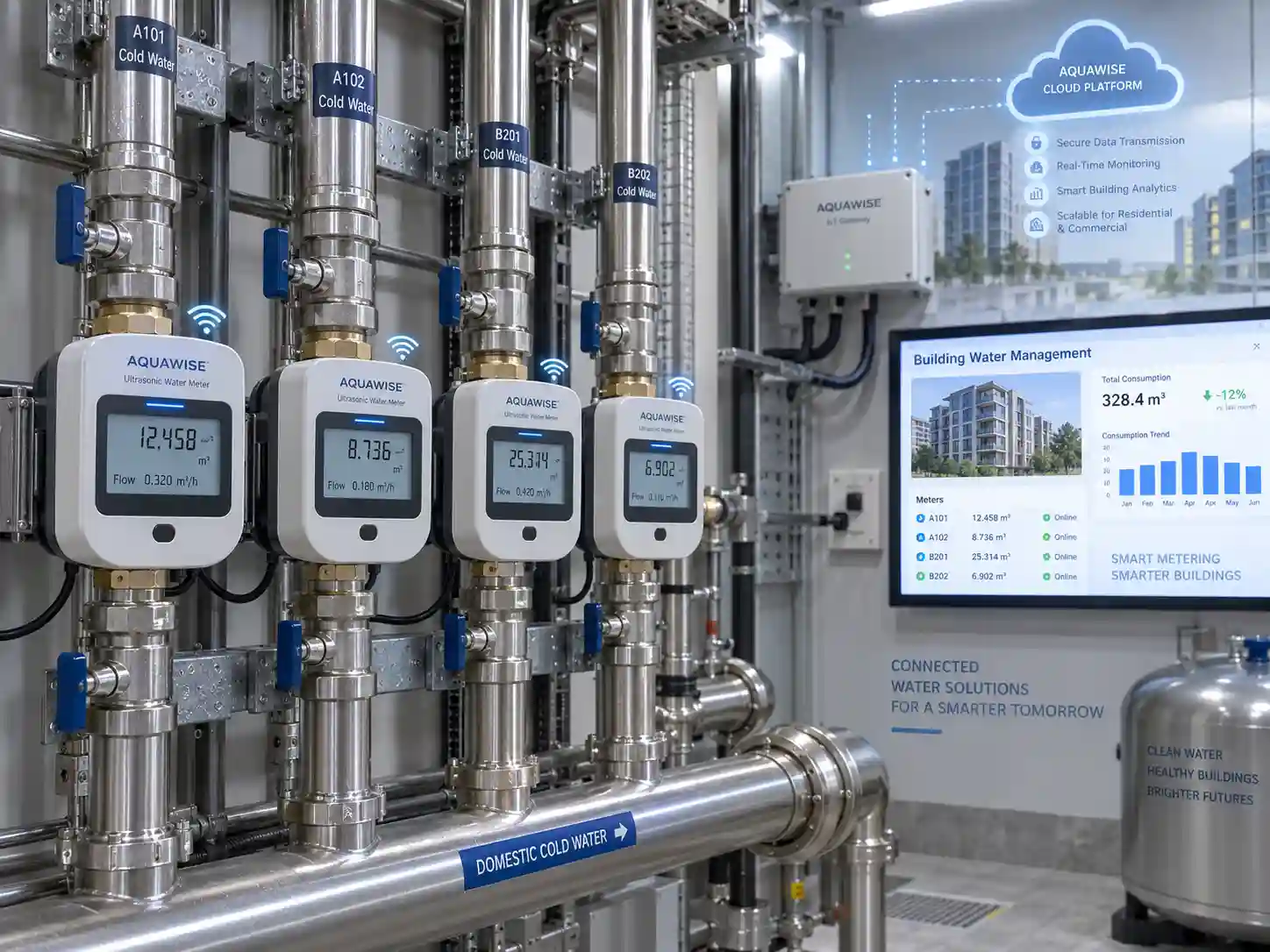
Switching to smart water meters is not just a choice anymore—it is essential for turning water services digital in old systems. These devices change fixed, response-only utilities into active setups that react in real time. Smart water meters go beyond basic tools now; they form a vital part in smart water networks, offering plenty of benefits and shifts to city water handling and daily life for people. Their skill in spotting leaks soon, predicting needs well, and allowing upkeep ahead of time marks a big step up.
This change boosts how things run smoothly and fits into larger smart city plans. As tech like the Internet of Things, big data, and cloud computing keeps moving forward, the roles and uses of smart water meters keep growing wider too.
When handling updates in busy city spots, picking the right tech matters a great deal. Shandong Chen Shuo provides focused fixes for these situations, built for exactness and simple setup.
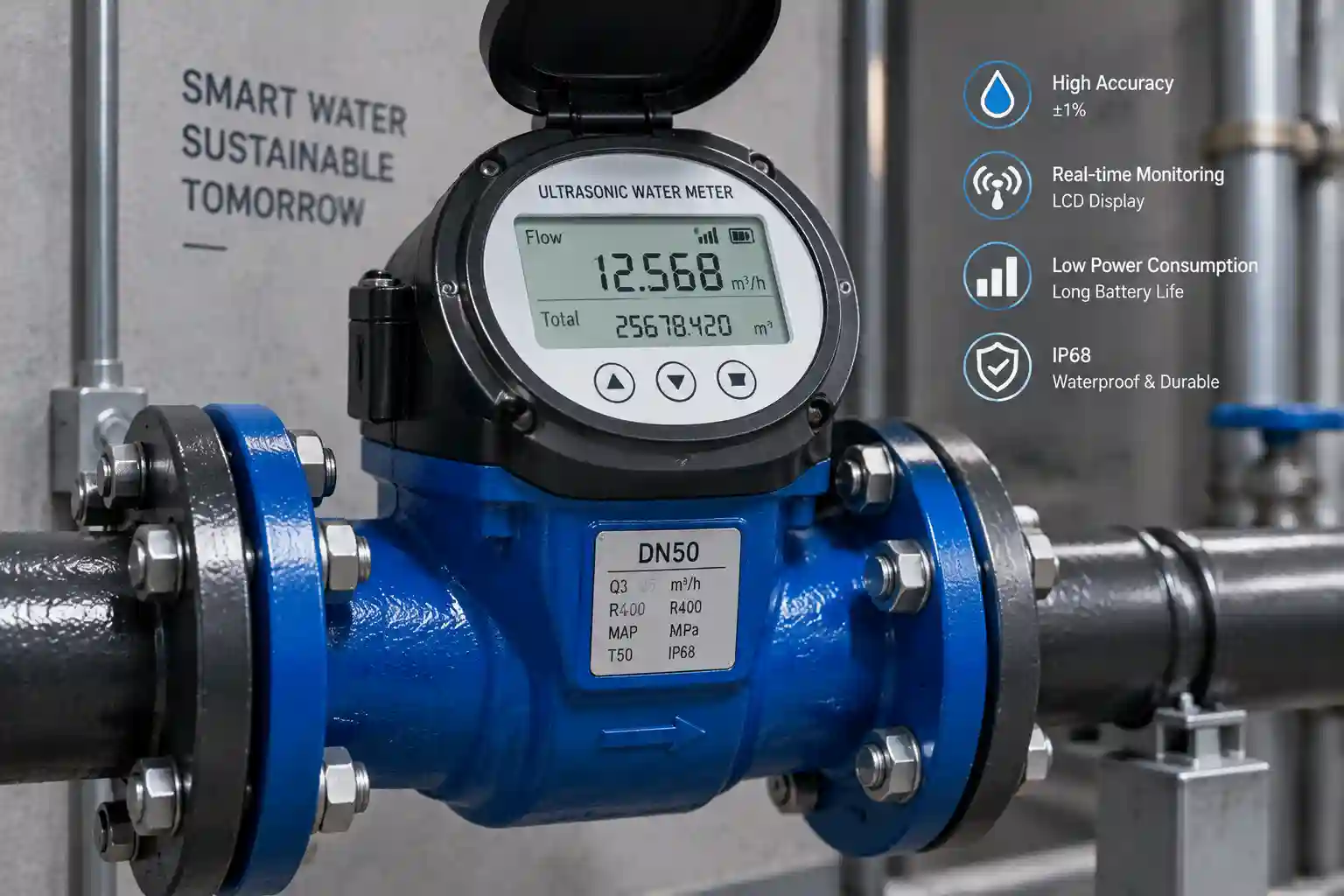
The Electromagnetic Flowmeter DN100 fits main pipes you often see in older living areas. Its setup that does not interfere lets you install it without stopping water flow—a key plus during ongoing changes. It gives precise readings that stay steady no matter changes in pressure or water full of dirt particles.
This type works well for controlling water sharing between buildings where pipes are middle-sized to big. The way it keeps working in shifting flow cases makes it a solid base for overall improvements.
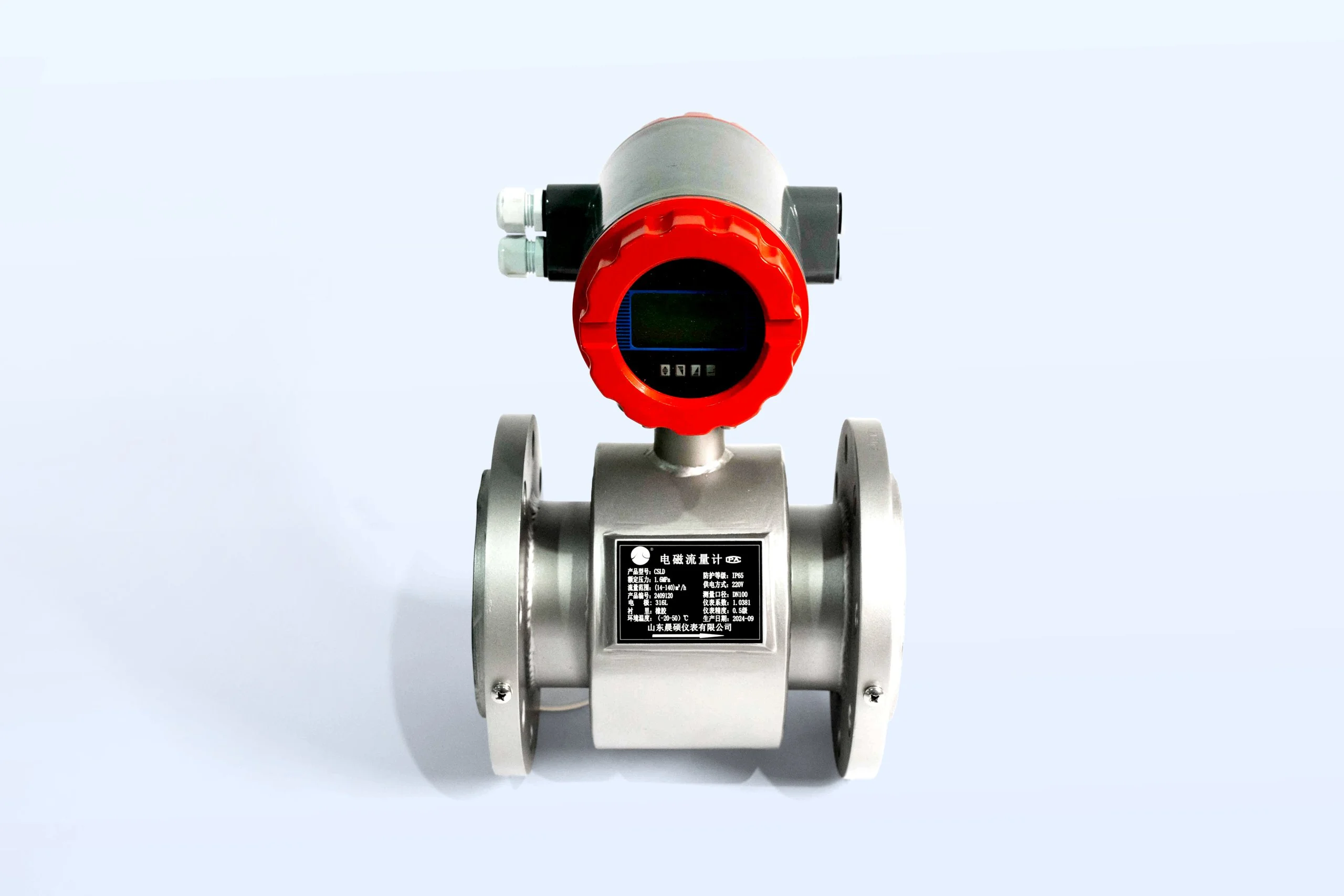
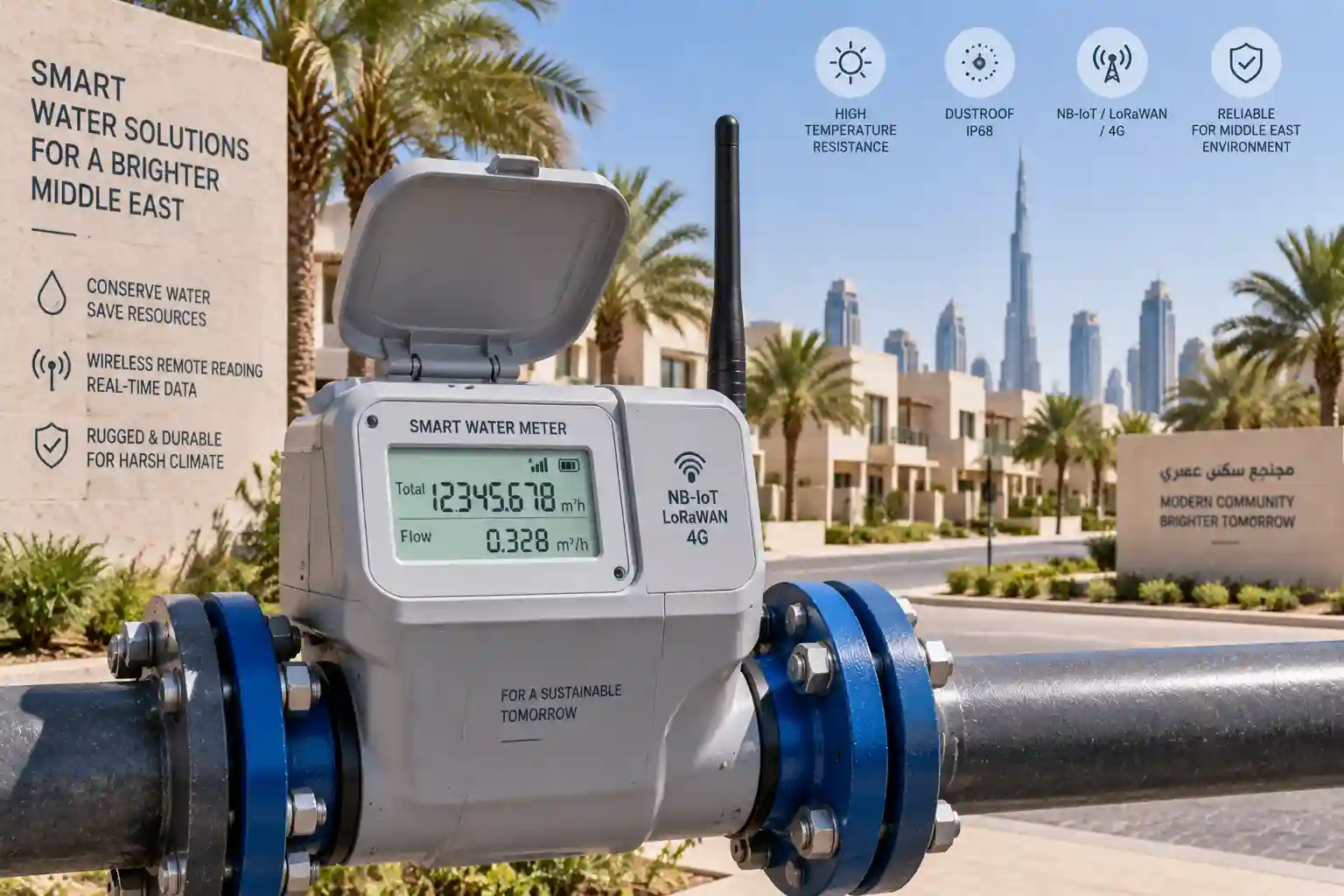
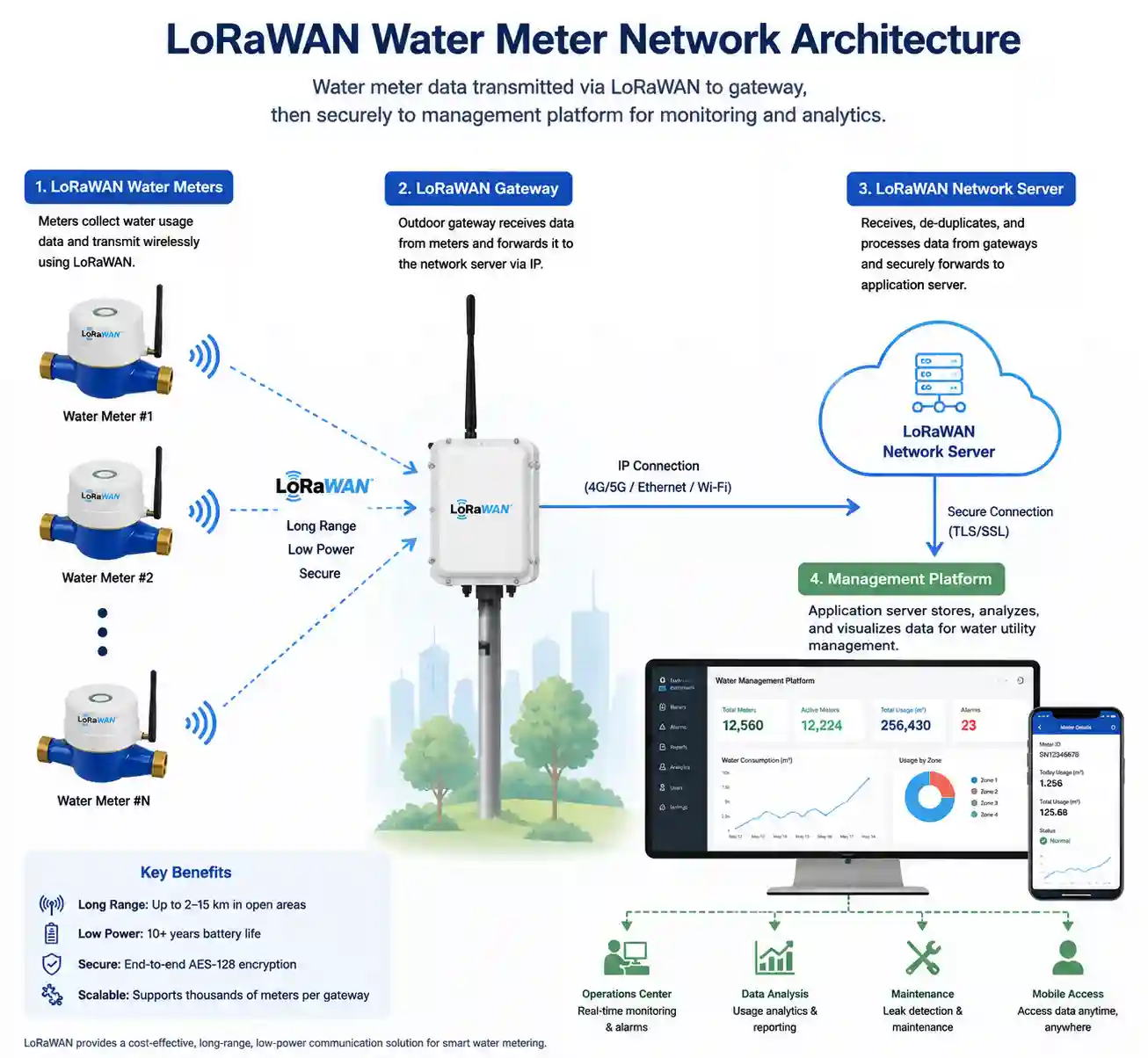
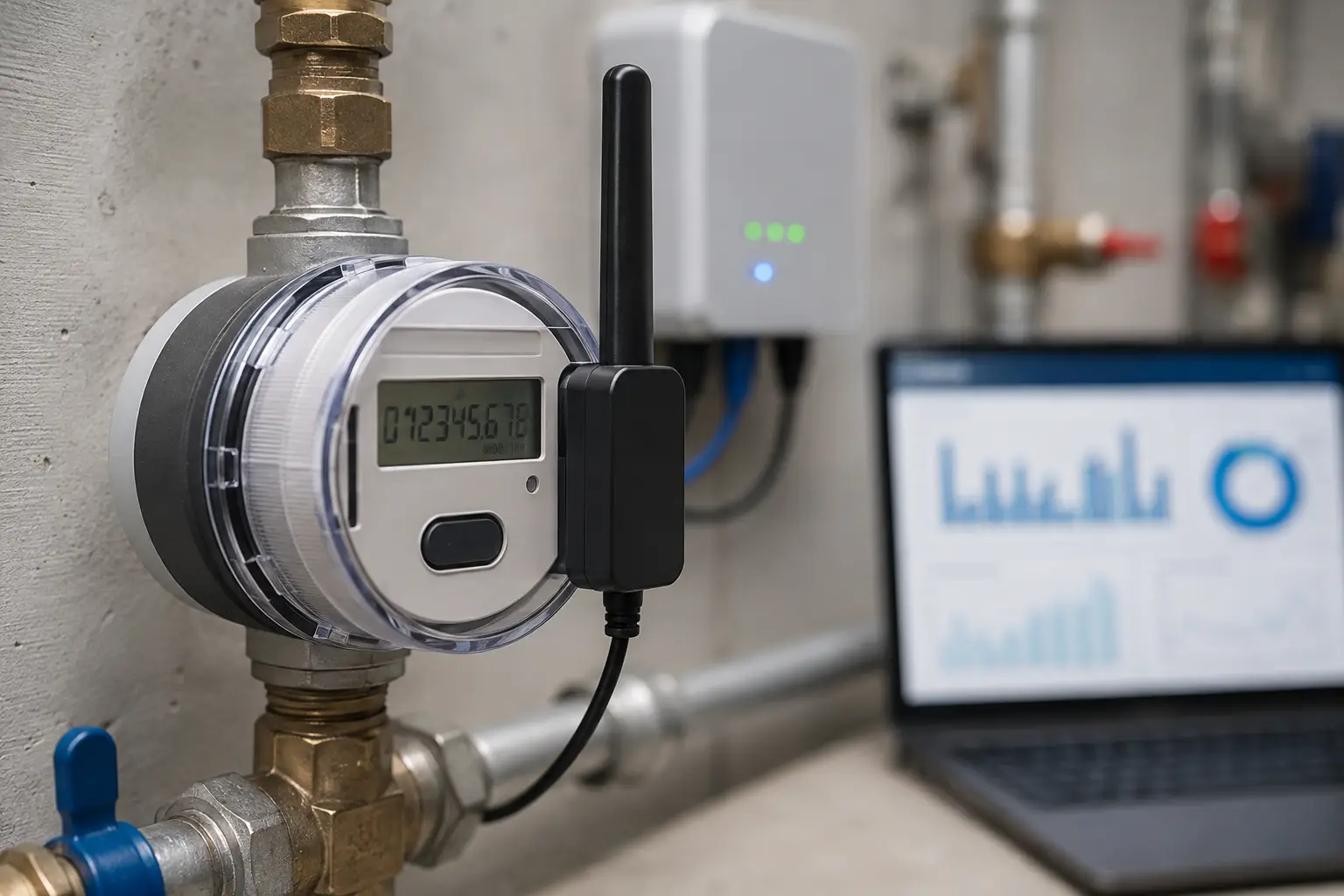
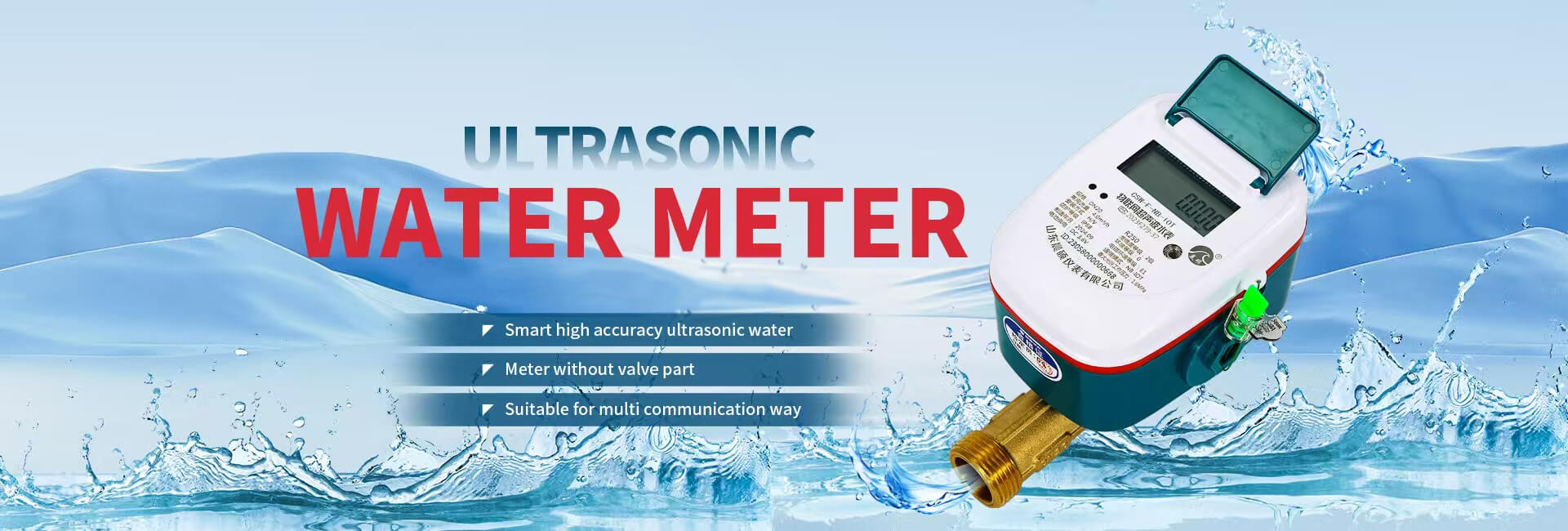
For tight spots or single building links, the Electromagnetic Water Meter LXE-100 does a great job. Its small size matches limited areas usual in dated structures. Built-in smart link parts allow instant data sending to service systems through NB-IoT or LoRa methods.
In the part where data moves, smart water meters rely on strong IoT link tech, like narrowband IoT (NB-IoT) and long-range wireless (LoRa), to make sure water use info travels in real time and stays reliable. Its IP68 rating against water keeps it running well even in below-ground spots at risk of floods, and its battery run avoids needing power changes—a usual roadblock in old setups.
One of the strongest parts of smart measuring is how it gives steady watch over things. Smart water meters keep an eye on water use right away and spot odd patterns like leaks or strange habits through checking the data. Service providers can now catch issues such as quiet leaks or quick jumps in use before they turn into big problems.
Info gathered every hour or day lets water firms create aimed saving plans based on real habits. This smart info aids both daily control and goals for keeping the environment safe.
Besides everyday tasks, building up data over time aids big-picture planning. The huge amounts of water use info from smart water meters give useful bases for choices in water supply teams, thanks to deep digging and handling by big data tools and cloud setups. Past use patterns help decide which pipe parts need quick fixes over those that wait longer.
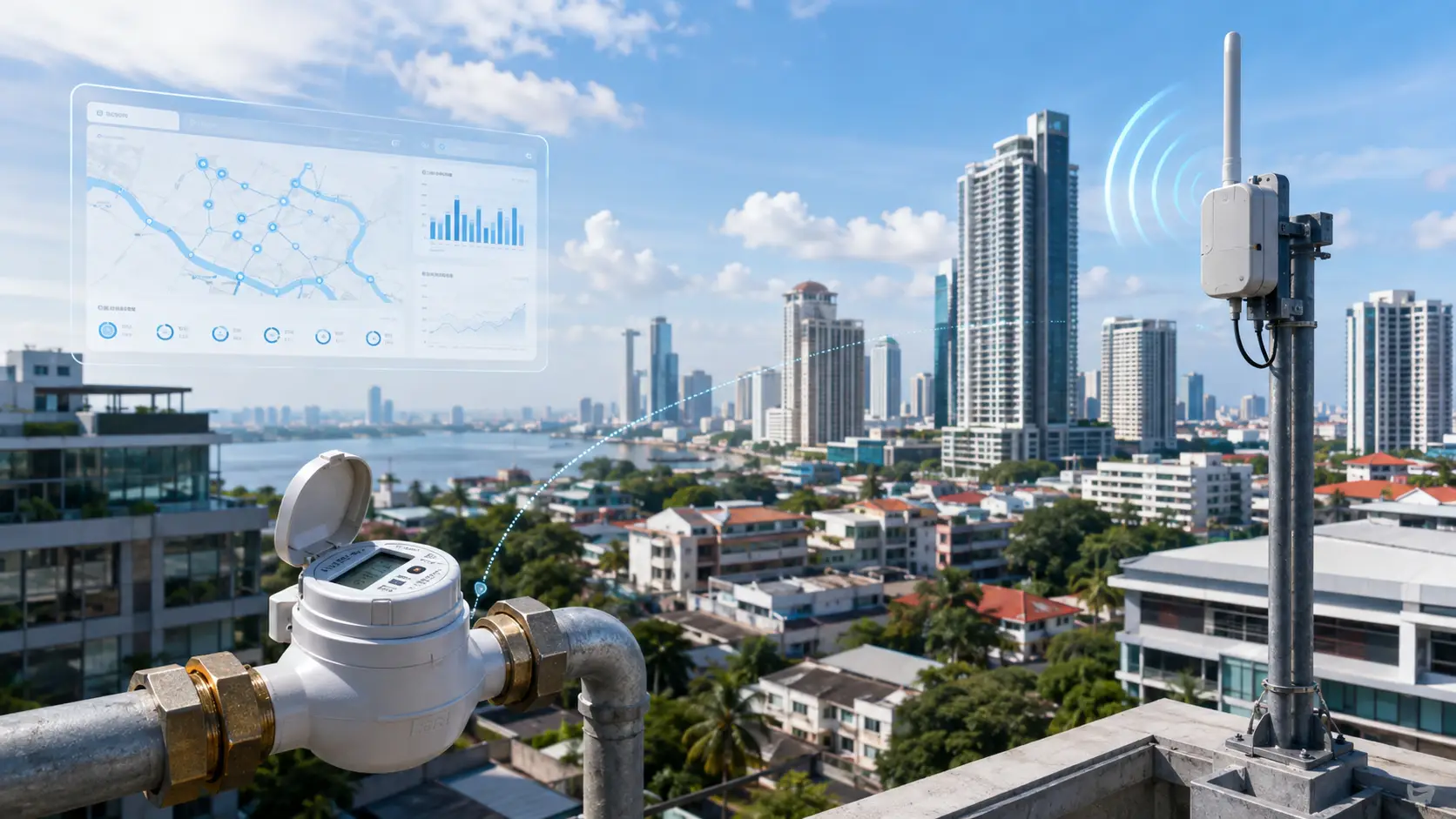
On top of that, linking with GIS systems lets you see system work on maps—finding zones with steady losses or high demand pressure—and guides money spending plans in a smart way.
These days, smart meters need to connect easily with main platforms like SCADA or AMI. This setup allows far-off settings, software updates, checks, and group actions over whole areas. Smart water meters tie water meters to cloud systems via Internet of Things tech, making far-off info gathering and review possible.
This kind of link cuts down on trips to sites and gives control teams a main hub—very important when running large old neighborhoods where getting in by hand is tough or expensive.
From a neighborhood view, smart measuring also gives power to those living there. People can look at their water use and bill records any time from anywhere via phone apps, which keeps water info clear and payments simple. Instant back-and-forth builds habit changes by showing use patterns right away.
Users get warnings when use goes over limits or strays from usual—pushing them to mend leaks or pick saving ways. This basic involvement boosts total water-saving results without needing rules to force it.
Putting in smart meters shows clear drops in water losses that do not bring money. Smart water meters keep watch on customer water use and point out odd uses, like leaks or too much water. Spotting leaks early cuts waste a lot and stops later harm such as ground washing or building wear.
Also, exact billing from real-time use ends arguments and brings fairness to residents—key in shared living where group meters used to cause fights.
Digital measuring lets modernization happen without full system rebuilds. It gives a step-by-step path to better where firms can add digital tracking while putting off big pipe change costs. This builds city strength by adding smarts to what already exists.
Smart water meters push water handling toward smarter and finer ways with their strong roles and broad uses. They match lasting goals by allowing fair sharing of resources and backing climate plans through better setups.
Shandong Chen Shuo brings tested fixes made for city update jobs. Their line of items works for both large-scale system control and small-unit handling.
In groups of buildings where main pipes link many structures, the Electromagnetic Flowmeter DN100 handles big line flow checks without stopping services.
In short apartments or old stair buildings with slim utility paths, the LXE-100 meter slots in neatly while keeping top accuracy—perfect for close fits that need no drop in work or links.
Want to set up a ready-for-tomorrow smart measuring fix? Shandong Chen Shuo mixes tech know-how with real-world practice to help every part of your job—from choosing items to blending systems. Their group provides steady check services, training on platforms, and fix help to make sure your smart update plan reaches its best.
Q1: Can smart water meters function reliably in areas with unstable power supply?
A: Yes. Battery-powered models like the LXE-100 operate autonomously for years without requiring electrical rewiring, making them ideal for older neighborhoods lacking modern power infrastructure.
Q2: How do smart meters help identify hidden leaks?
A: They provide continuous flow monitoring and can detect abnormal consumption patterns even when usage is minimal—signaling silent leaks behind walls or underground.
Q3: What makes electromagnetic flowmeters suitable for old residential trunk lines?
A: These meters offer non-intrusive installation, high accuracy regardless of flow conditions, and durability against sediment-rich or inconsistent pressure—common challenges in legacy systems.
 Address: Xiao'anzi Industrial Park, Baishabu Town, Lanshan District, Linyi City, Shandong Province
 Call us now:+86 15562945993
 Email:info@sdchenshuo.cn


Shandong Chenshuo Instrument Co., Ltd.