

Accurately measuring water use in rural and agricultural settings presents unique challenges that go beyond simple meter reading. Traditional mechanical meters often fail due to sediment, wear, and the variable flow rates typical of irrigation systems, while remote locations complicate power supply and data collection. This article explores how modern ultrasonic metering technology addresses these issues by offering precise, durable, and remote-enabled solutions. We will examine specific applications—from large-scale canal monitoring with the DN100 model to household-level tracking with the DN20—and demonstrate how intelligent systems can transform water management into an efficient, data-driven process for rural communities.
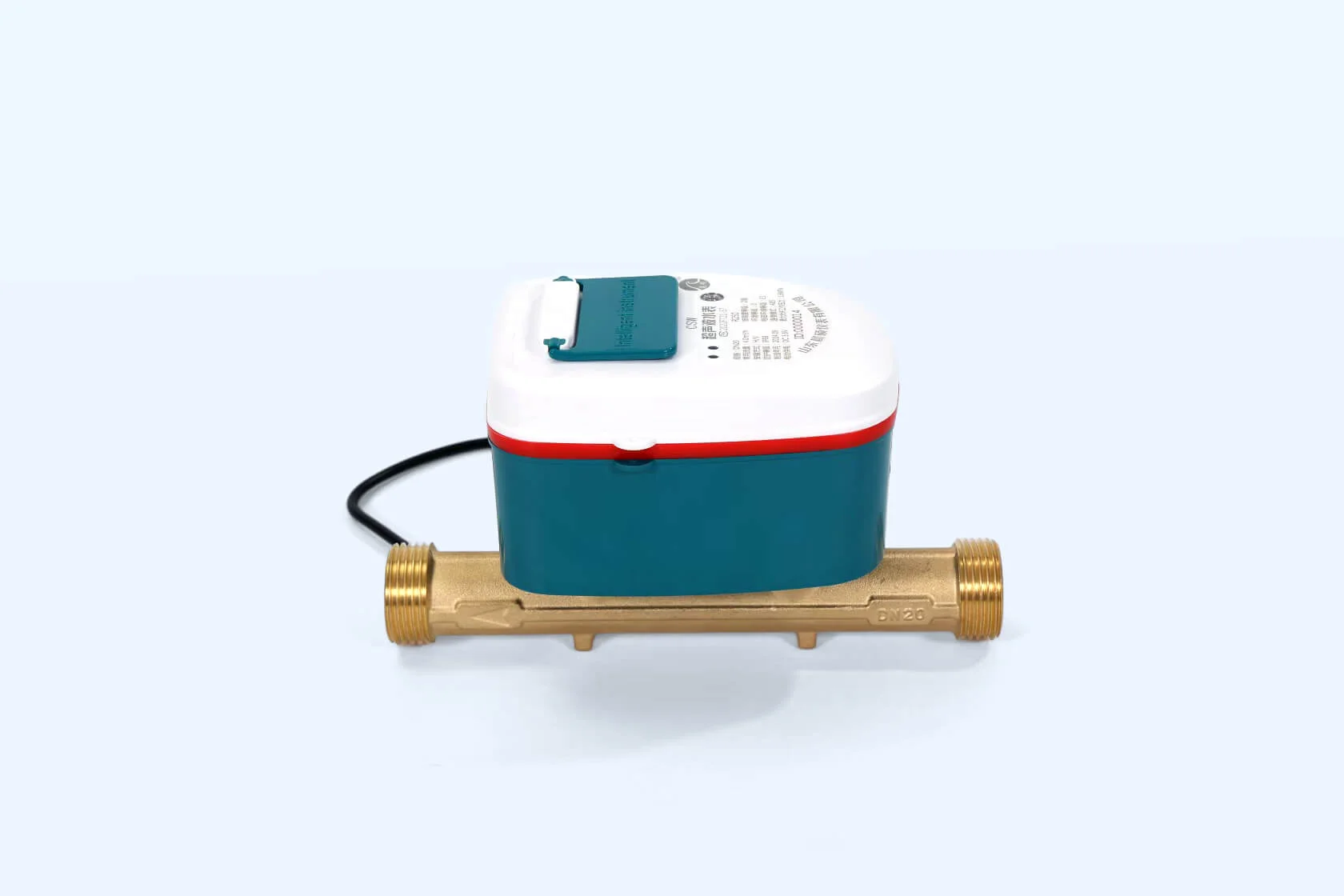
In rural and farming areas, measuring water flow comes with its own tough problems. Old-fashioned mechanical meters, like rotary vane and propeller kinds, have served for years to track water usage. Yet these mechanical meters often give wrong readings because of regular wear, particularly when they face dirt, trash, or harsh water in irrigation setups that are typical in farming. Such devices depend on parts that move, such as impellers, which get blocked or broken quite easily.
Hand-operated reading ways make the issue even worse. Many countryside places do not have automatic setups, so workers in the field need to go to every meter spot to note down the amounts. This causes wasted effort in labor, slow gathering of information, and a big chance for mistakes by people. Without up-to-the-minute details, it becomes hard to divide resources in the best way and fix issues like leaks or too much use right away.
Countryside landscapes usually miss the steady power sources and connection systems required for basic smart metering tools. In those spots, putting in cable lines for signals or counting on main power grids just does not work well. Farming water systems in these regions also deal with changing speeds of flow based on planting seasons, so meters must work right over a wide set of amounts.
Plus, water needs in farm tasks change a lot with the seasons. This pattern calls for flexible plans to handle data that record use and look at patterns over time for better future steps. Lacking a system that responds well leaves gaps in knowledge that slow down saving water and clear billing practices.
Farm setups do not keep steady flow speeds all the time. Drip watering might use very small amounts, but big pipes for sharing can handle huge loads at once. So, meters should have a strong range for different flows—able to give exact numbers over this whole span. The DN100 ultrasonic meter offers a broad range of 160:1 to 400:1, which means it works dependably from tiny streams to big rushes.
In particular, farm water often holds bits of dirt or tiny air pockets. Meters need to stay true in those situations. Ultrasonic methods do great here since they avoid mechanical pieces that these things could block or harm.
Watching in real time matters a lot for running things smoothly and using resources wisely over time. Features for sending data from afar let main teams keep an eye on how much is used, spot odd patterns, and set off warnings on their own. This helps in smart sharing of water during dry spells or busy times.
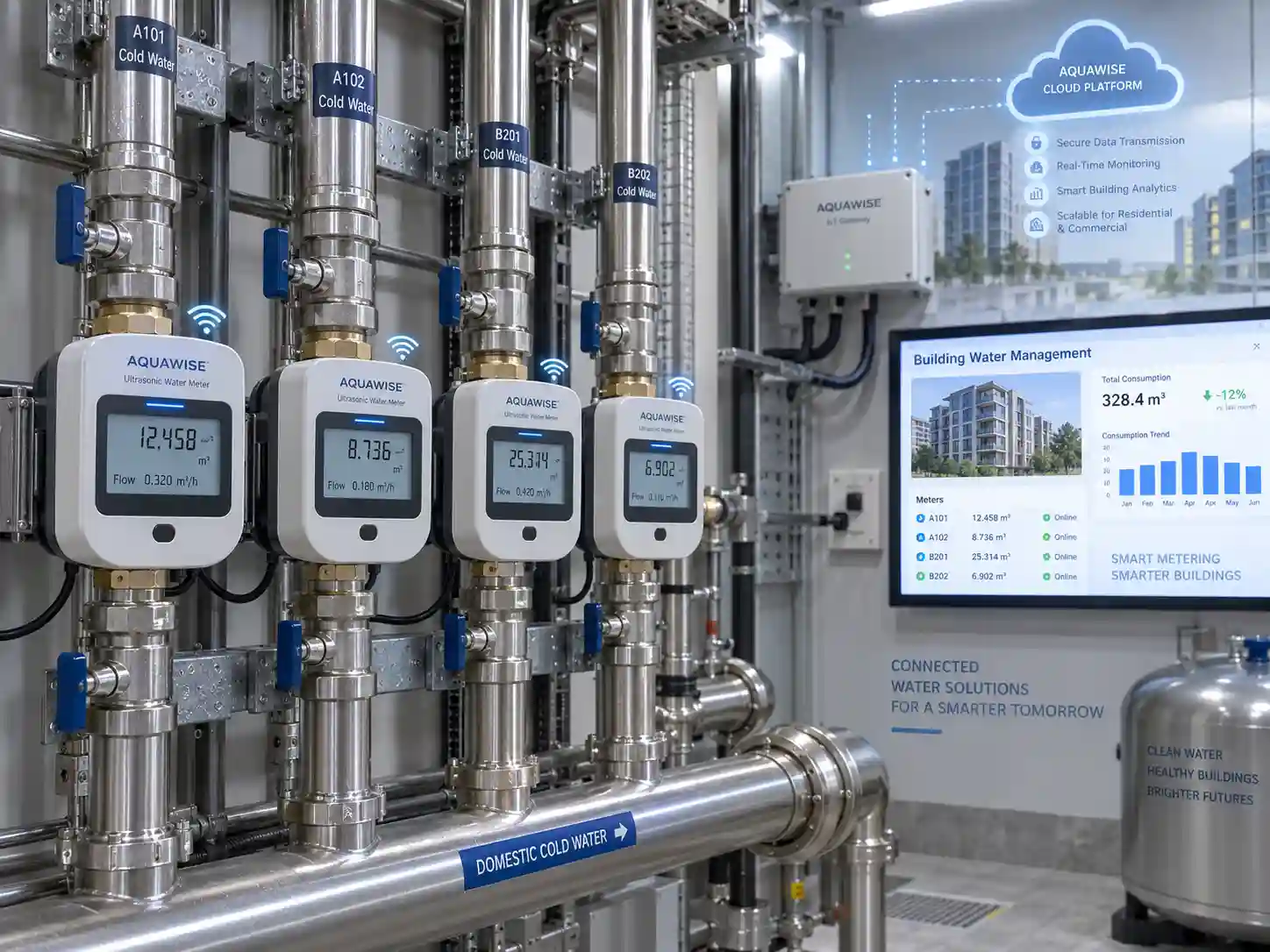
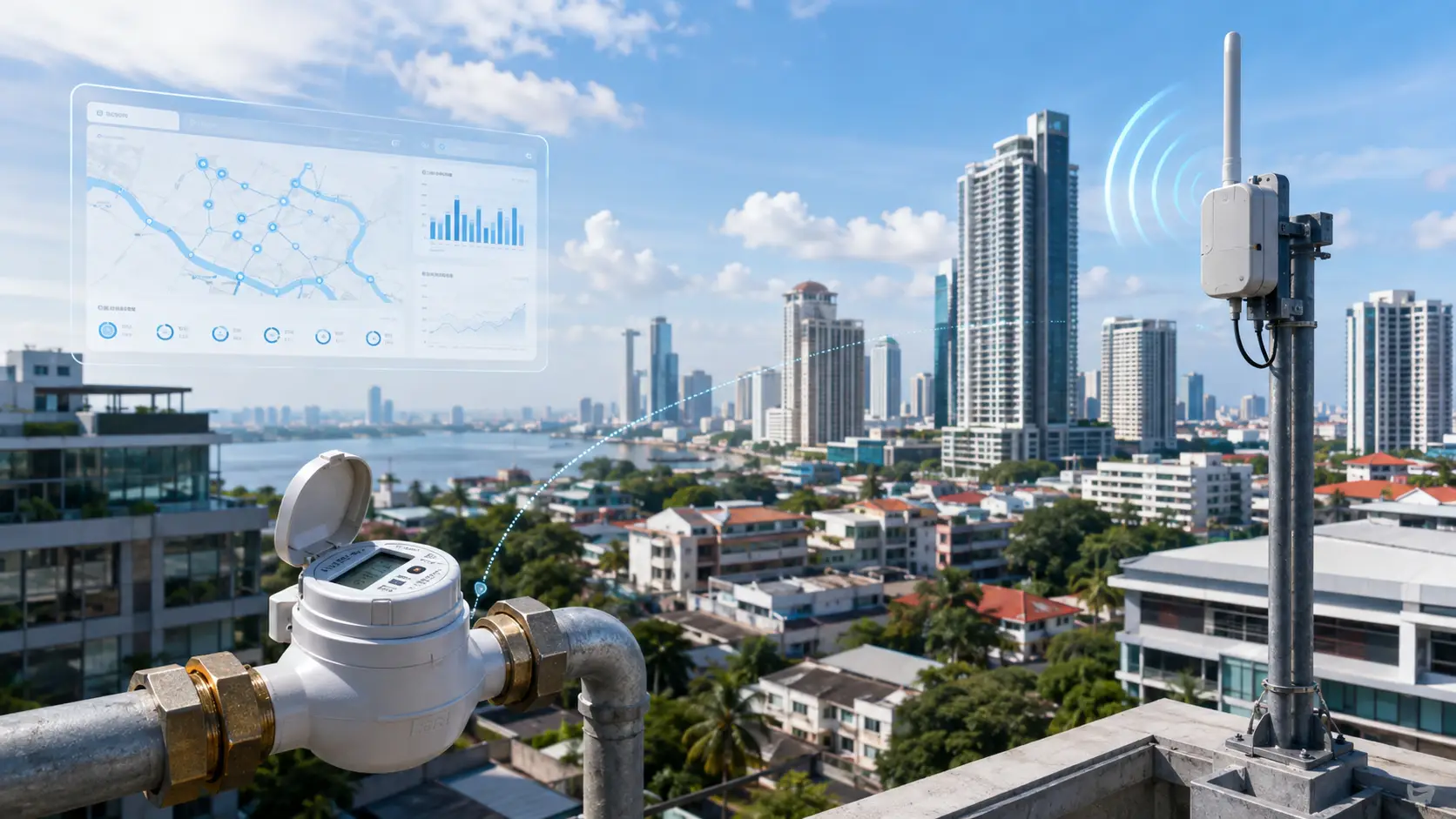
Linking to cloud services or SCADA setups turns smart meters into the main support for changing rural areas to digital ways. These setups also give past records that help guess when to fix things and run pumps better.
Putting devices in countryside spots requires tough tools with little need for fixes. These places often do not have experts right there, so meters must run steadily for long stretches without help. Products with IP68 rating block all dust and stay safe even under water.
On top of that, designs powered by batteries or helped by solar fit best for spots without power lines. The money saved from fewer trips for checks and less need to swap out parts brings real benefits in the long run.
Shandong Chen Shuo leads in smart metering tech with a strong set of products made just for hard farm demands. Their focus on careful building and real-world setup plans makes their tools perfect for countryside water lines and field watering systems. If you want a solid teammate to update your metering setup, check out what they offer here: Shandong Chen Shuo.
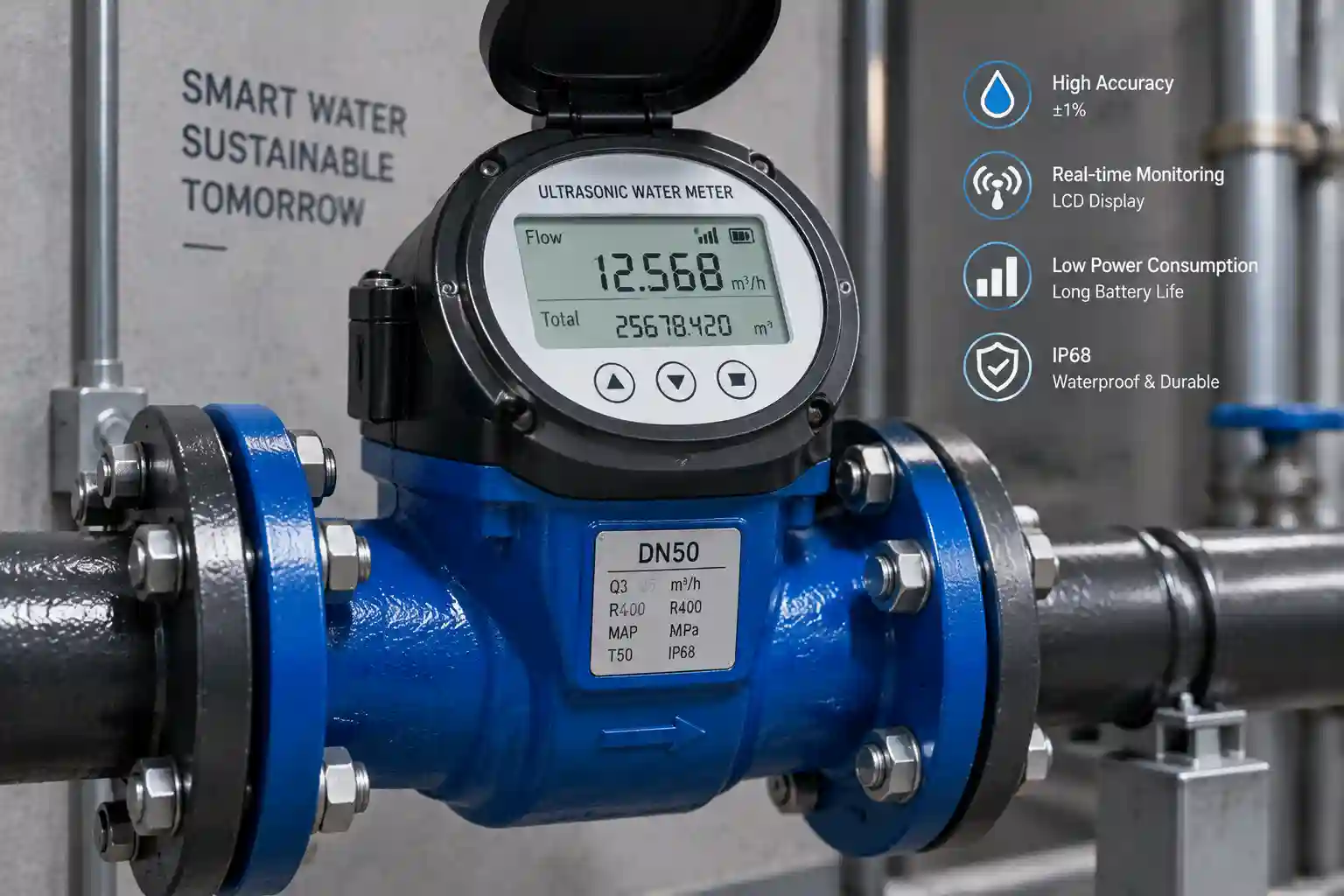
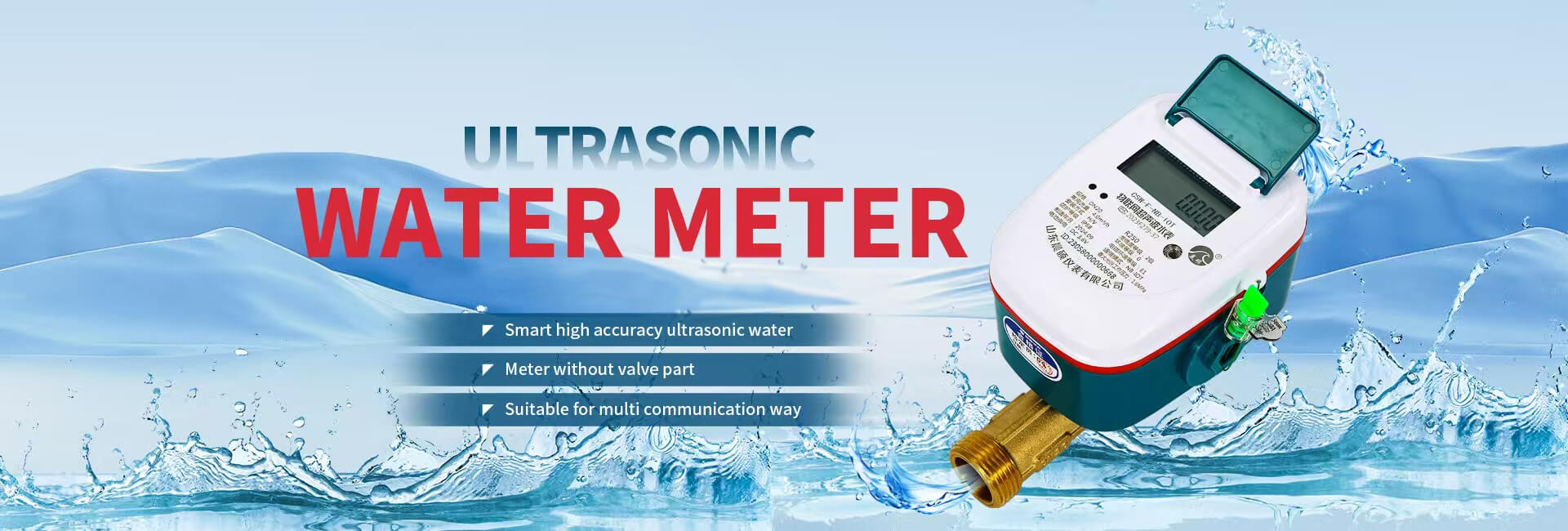
Ultrasonic meters stand apart from old mechanical sorts by using the idea of how long sound waves take to measure flow speeds. They lack any moving pieces and give much better exactness—up to ±1% against ±5% in earlier types. This build stops breakdowns from regular use, letting them work without stops for more than 15 years.
Their ability to measure flow in both directions allows easy placement, even in cases where water flows backward like in sharing or pump returns. The direct path design causes no drop in pressure—key when water must travel far in systems that use gravity.
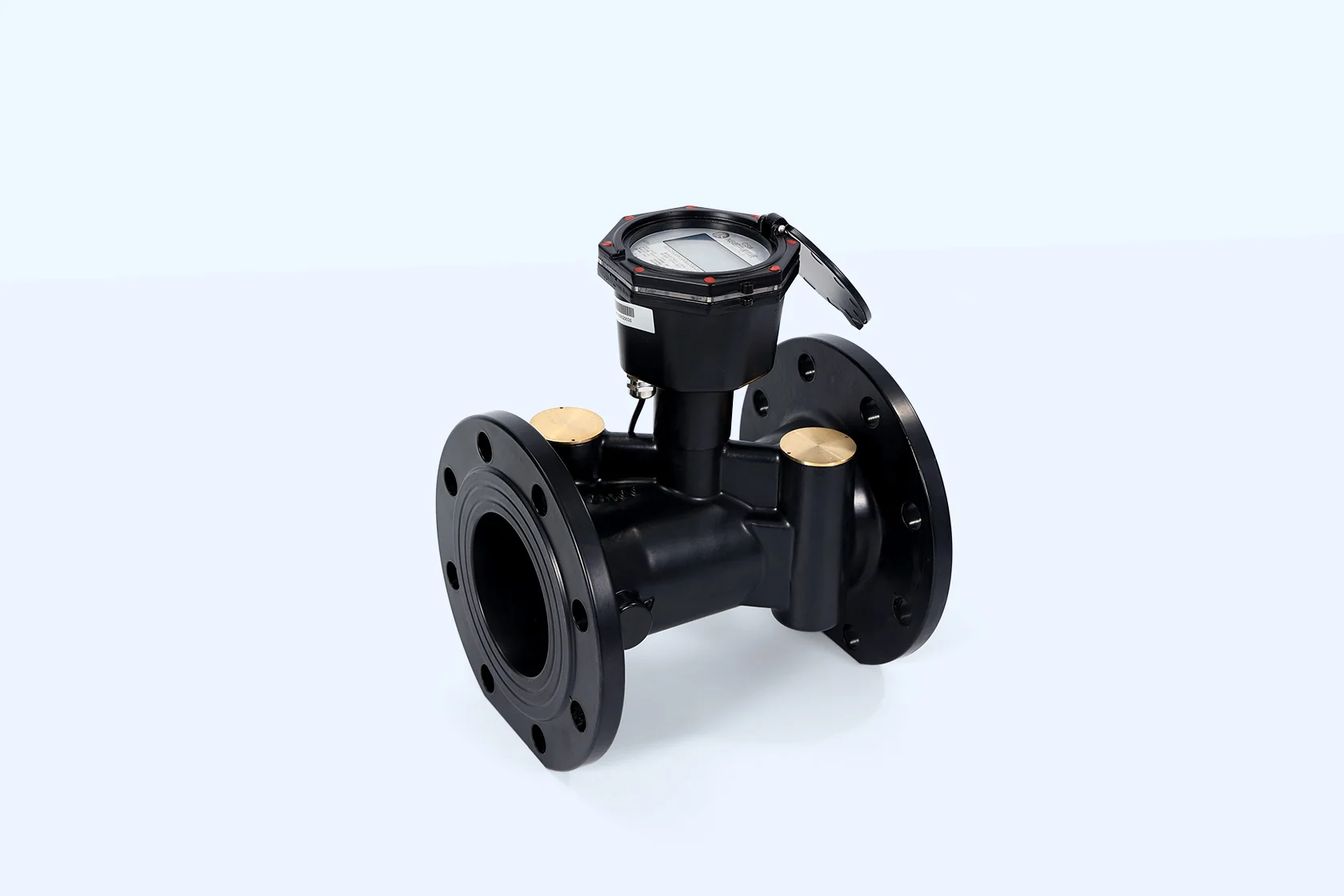
The Ultrasonic Water Meter-DN100 suits well for checking main watering lines, village water sharing nets, and pump areas. Its two-channel ultrasonic parts keep high exactness even with shifting pressure or on-off flows—usual in farm pump times.
Farm lands bring weather issues like pooled water or floods. The DN100 handles these with an IP68 rating that guards against full dipping in water. The unit works on its own with batteries that last long and has choices for solar power, fitting spots far from grids.
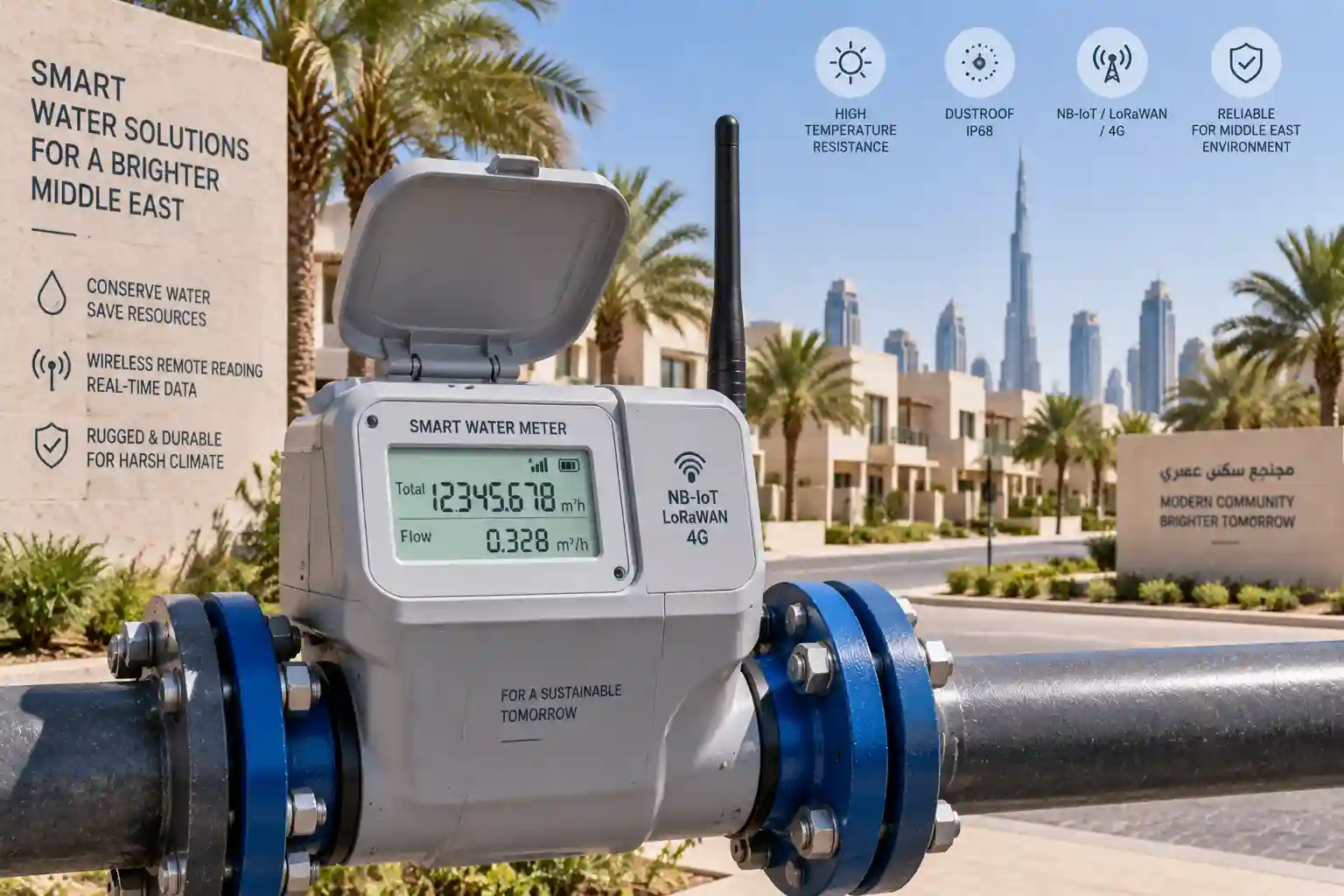
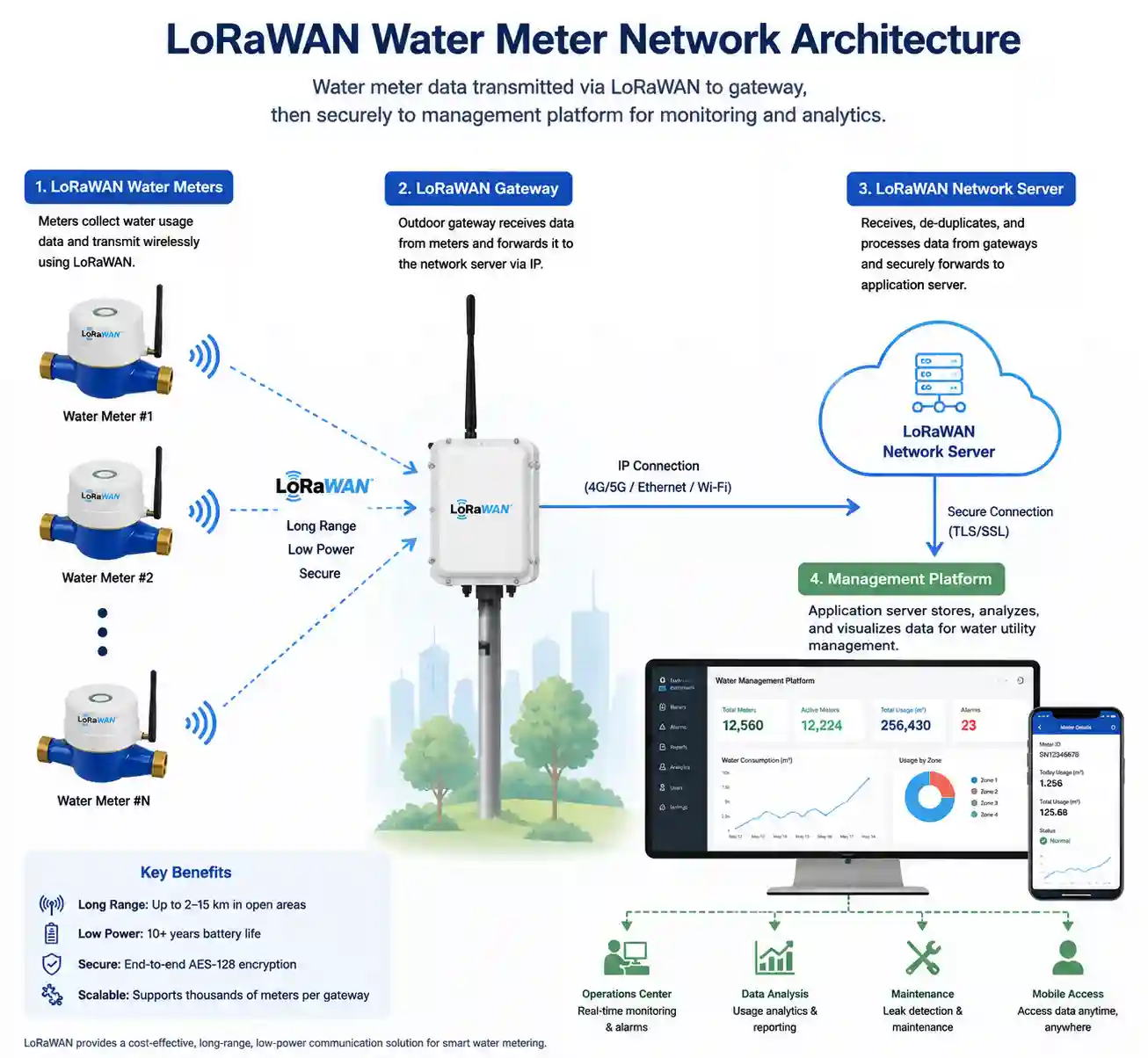
To match different levels of setup readiness, DN100 works with RS485/M-Bus/Lora/NB-IoT ways. This lets it join smooth into current signal systems or cloud views without big extra costs for changes.
The Ultrasonic Water Meter-DN20 gives close control at small sharing levels. Whether handling tiny farm plots or home taps in a group village plan, the DN20 makes sure to track use exactly for fair charges and finding leaks.
Its small and light build slides right into current pipe setups without big changes to structures. Even though it is not large, it keeps steady exactness at slow flows common in home use, which cuts arguments over guessed charges or unseen leaks.
You can create a layered net where DN100 units gather big-picture details at water stores or main sharing spots, while DN20 meters take care of close-up checks at field controls or end-user homes. This stepped plan gives clear sight from the start point all the way to where it is used.
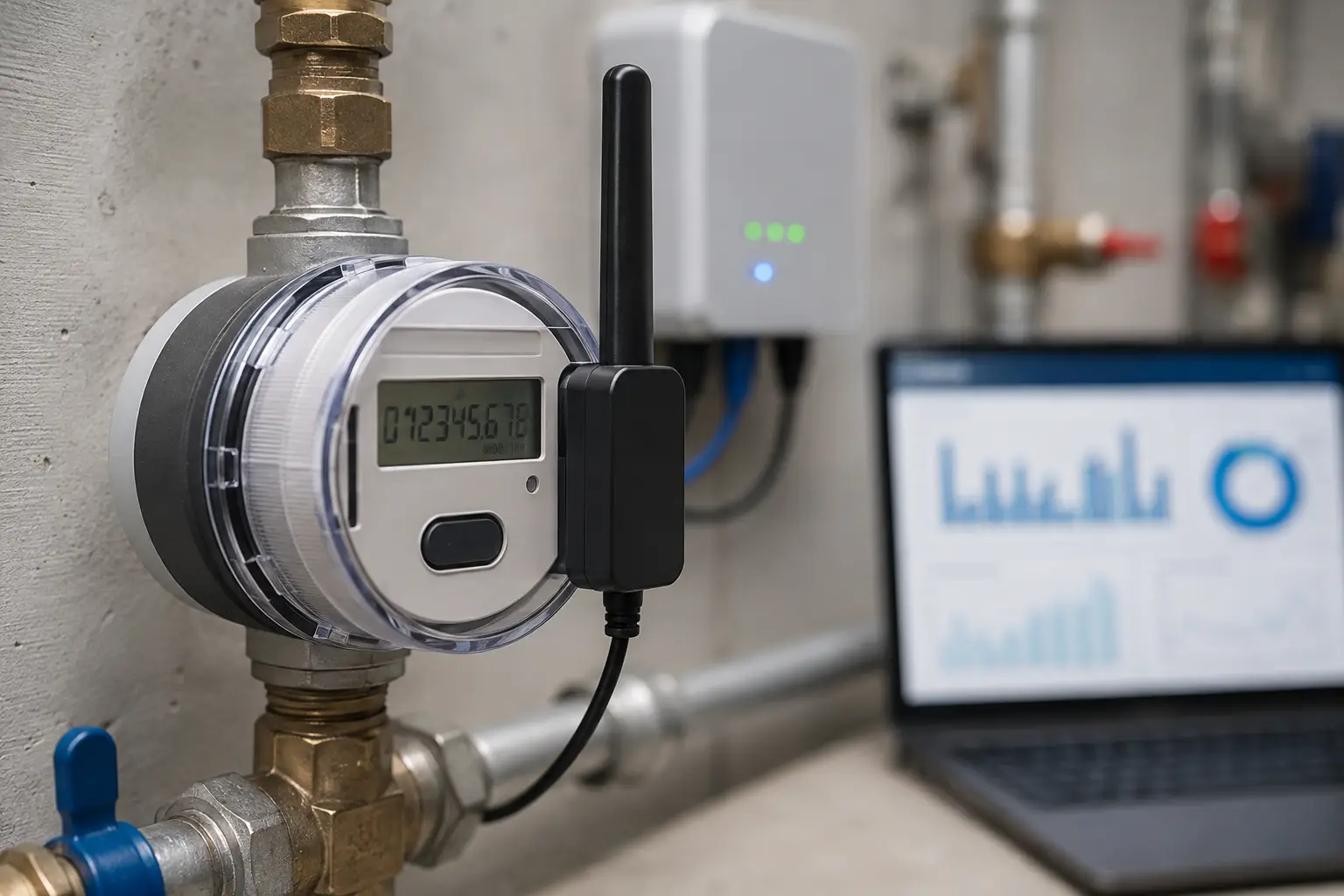
Once linked through cloud bases, your group can see live use shapes via easy-to-use screens. This aids in planning steps like setting watering times or backup plans for dry weather. Past number checks also let you predict when to maintain things—cutting lost time over the whole net.
With ways to read from afar and auto warnings, your group uses less time on hand checks and more on big-picture jobs. Auto steps cut costs in hand labor for reading meters, while live warnings let quick fixes for strange use or pipe breaks.
Exact measuring forms the base for fair water sharing rules. Charges based on real use push people to save water, making them use less on their own without strict orders.
The flexible nature of these ultrasonic meters lets you grow from one small farm use to wide area plans without trouble. Water groups should pick a big-flow meter based on daily water needs of users in the zone, and these tools back that with their adjustable sizes and signal ways.
You get not just top products but also a group skilled in planning countryside metering fixes. They offer advice on system builds, picking items fit to your land and users, and help with joining including guides for APIs and online training.
For help in building your next smart metering plan, reach them by email or phone +86 15562945993. You can also send questions straight via their main site’s form. Local helpers stand ready for on-site looks if asked.
Q: Can these ultrasonic meters function without electricity in remote areas?
A: Yes, both DN20 and DN100 models operate on long-life batteries and support optional solar power integration for fully off-grid functionality.
Q: How do these meters handle dirty water commonly found in irrigation systems?
A: Ultrasonic meters have no moving parts and are unaffected by sediment or debris in water, ensuring long-term accuracy and minimal maintenance.
Q: Are these meters suitable for both main pipelines and individual user points?
A: Absolutely. DN100 meters are designed for high-volume monitoring at main junctions, while DN20 units offer precise control at the household or small-plot level.
 Address: Xiao'anzi Industrial Park, Baishabu Town, Lanshan District, Linyi City, Shandong Province
 Call us now:+86 15562945993
 Email:info@sdchenshuo.cn


Shandong Chenshuo Instrument Co., Ltd.