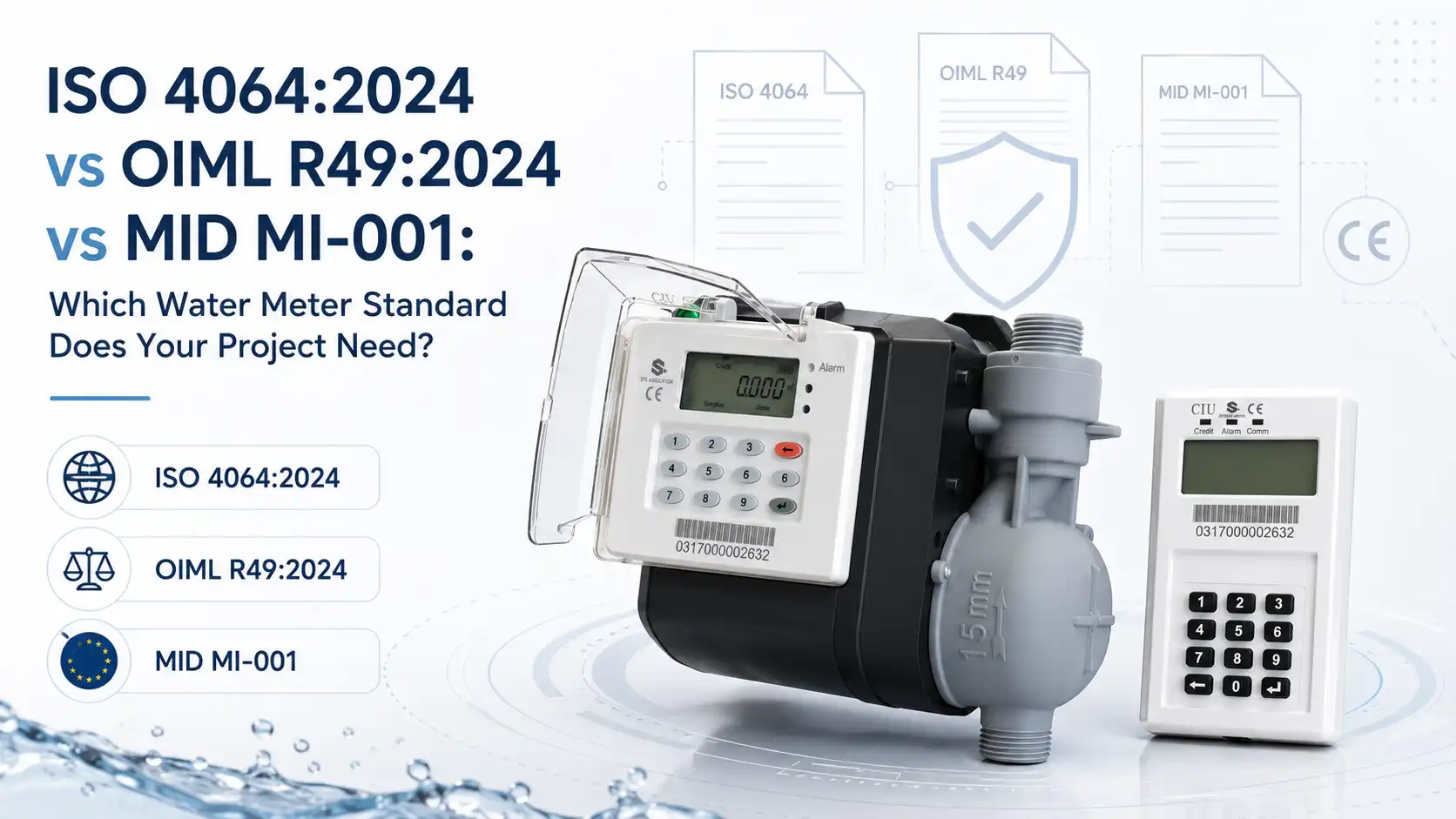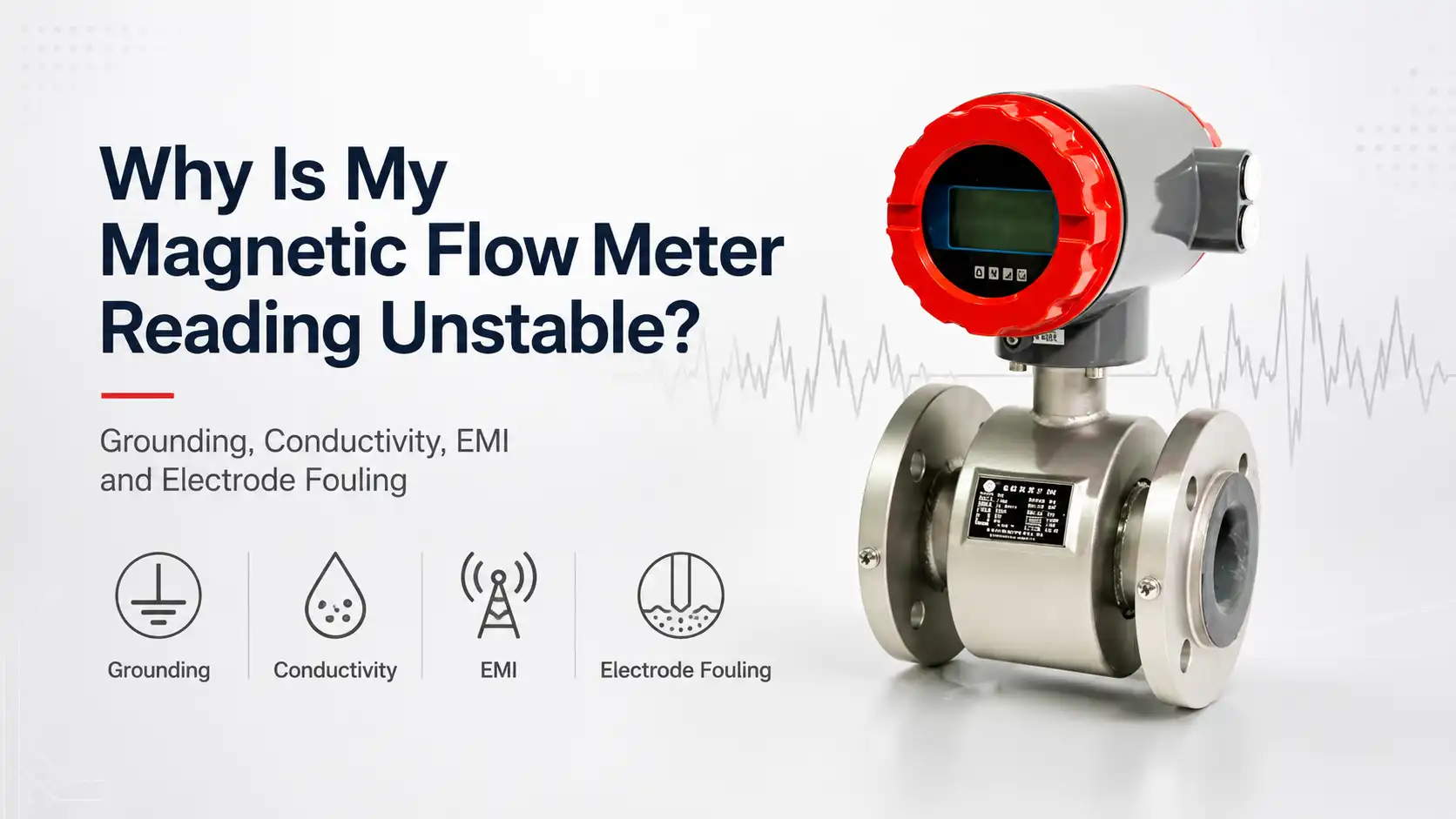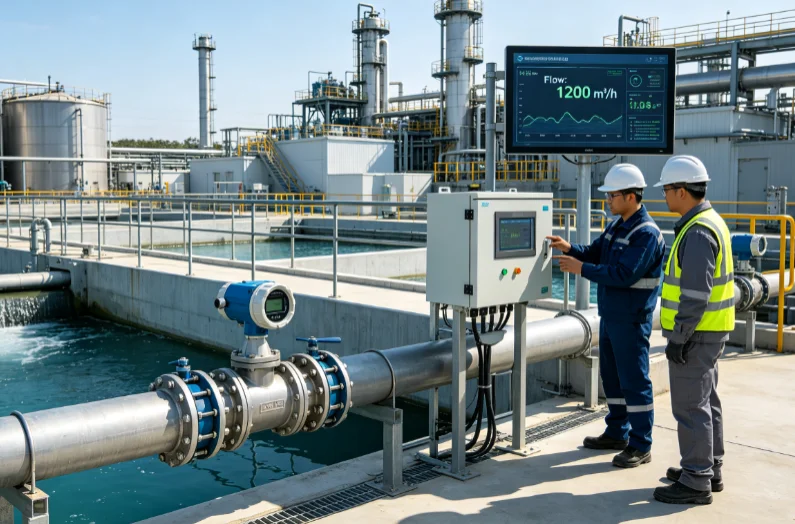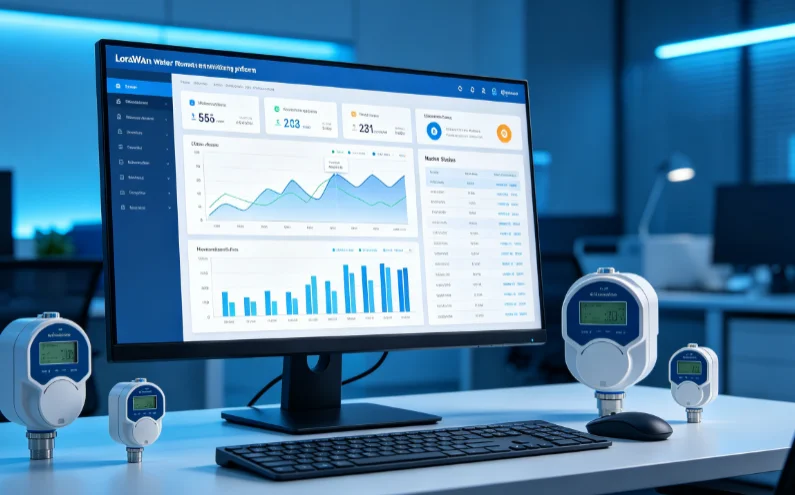


A escolha de um medidor de água ultrasônico adequado depende frequentemente de um aspecto técnico chave: o número de “ caminhos que as ondas sonoras seguem. Essa escolha afeta fatores que vão desde o custo avançado até a confiabilidade contínua de uma rede pública ou fabricante de água. Ao obter dispositivos de medida precisos, parceriar com um produtor experiente simplifica a mudança para uma supervisão inteligente da água. ChenshuoCity name (optional, probably does not need a translation), situada no “ Nação de lar dos metros de água em Shandong, China, oferece mais de um milhão de unidades em produção anual. Seu pessoal enfatiza pesquisa e desenvolvimento eficazes, estendendo os componentes básicos passados para fornecer quadros completos de TIO. Se você busca um dispositivo doméstico comum ou uma configuração industrial robust a, cadeia de abastecimento integrada gerencia tarefas desde a fabricação parcial até a integração do OEM, permitindo o cumprimento de exigências ISO exigentes sem complicações.
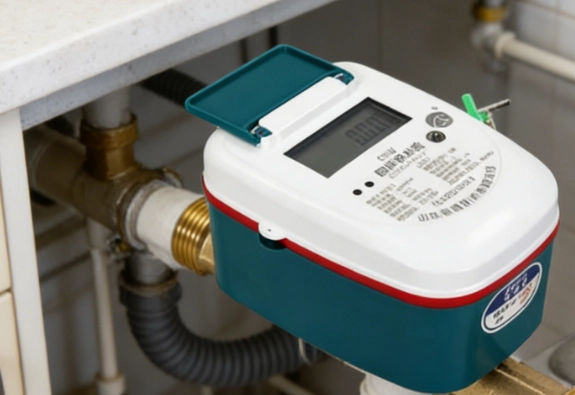
Medições desconfiantes raramente surgem apenas de um dispositivo defeituoso. Frequentemente, as condições no conduto se mostram irregulares demais para um detector básico gerenciar eficazmente. Enquanto a água navega dobra ou encontra equipamentos, ela gera vórtices e perturbações que perturbam avaliações simples.
Os metros convencionais são frequentemente insuficientes porque assumem um movimento linear uniforme de água. Na prática, movimento irregular ocorre comumente. Um detector de caminho único captura apenas um segmento estreito do fluxo, então se essa área em particular variar em velocidade devido a uma curva próxima, o resultado geral se torna impreciso. Consequentemente, essa limitação leva a discrepâncias consistentes na coleta de dados em várias instalações.
Enquanto os elementos mecânicos se degradam ao longo do tempo, os modelos eletrônicos iniciais também apresentam certos desafios. Quando a construção falta de força, os depósitos e camadas minerais podem interferir na transmissão. Como resultado, o pessoal de serviço deve visitar sites mais regularmente para ajustes, o que prejudica as vantagens financeiras da adoção de soluções digitais. Além disso, essas intervenções repetidas aumentam as despesas operacionais e reduzem o tempo de utilização do sistema.
A água não contabilizada representa um dreno silencioso de ganhos. Se um aparelho não registrar uma semente menor ou escapar gradualmente, esse volume escapa da contagem inteiramente. Muitas configurações legais apresentam limiares mínimos elevados, então permanecem inactivas até que ocorra um fluxo considerável. Portanto, essas deficiências contribuem significativamente para perdas gerais na distribuição de recursos.
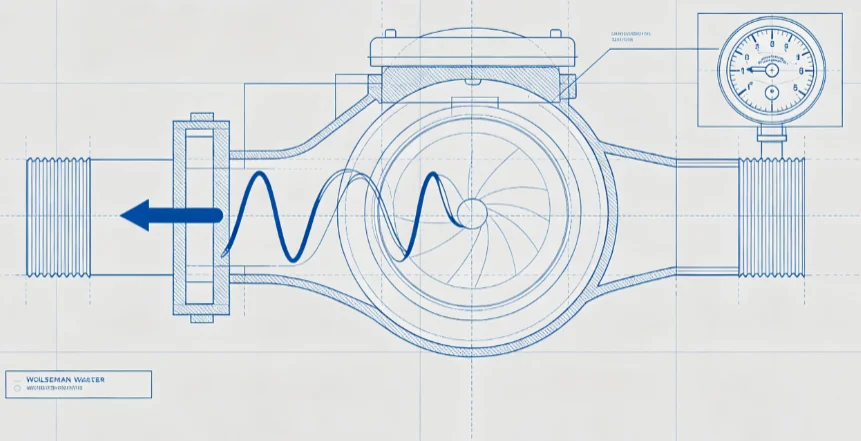
A abordagem fundamental depende do “ tempo de trânsito técnica. - Pulsos sonoros se movem em ambas as direções; Elas aceleram com a corrente e deceleram contra ela. A variação em durações fornece a informação de velocidade.
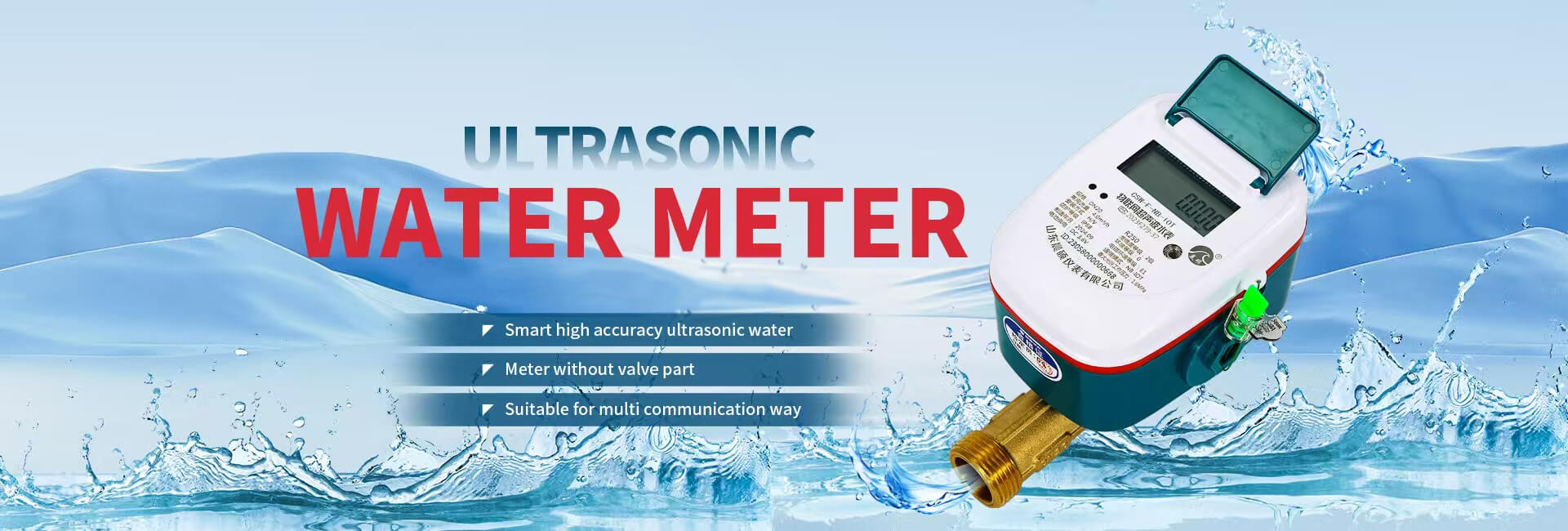
Este método oferece um processo direto. Um único conjunto de convertedores direciona um pulso através do conduto em um ângulo. Ela promove eficiência e mantém uma pequena pegada, como se vê na Água Ultrasônica Meter-DN20que se adapta às zonas domésticas onde os padrões de movimento permanecem constantes e espaço é limitado. Nesses ambientes, o design assegura um desempenho confiável sem complexidade desnecessária.
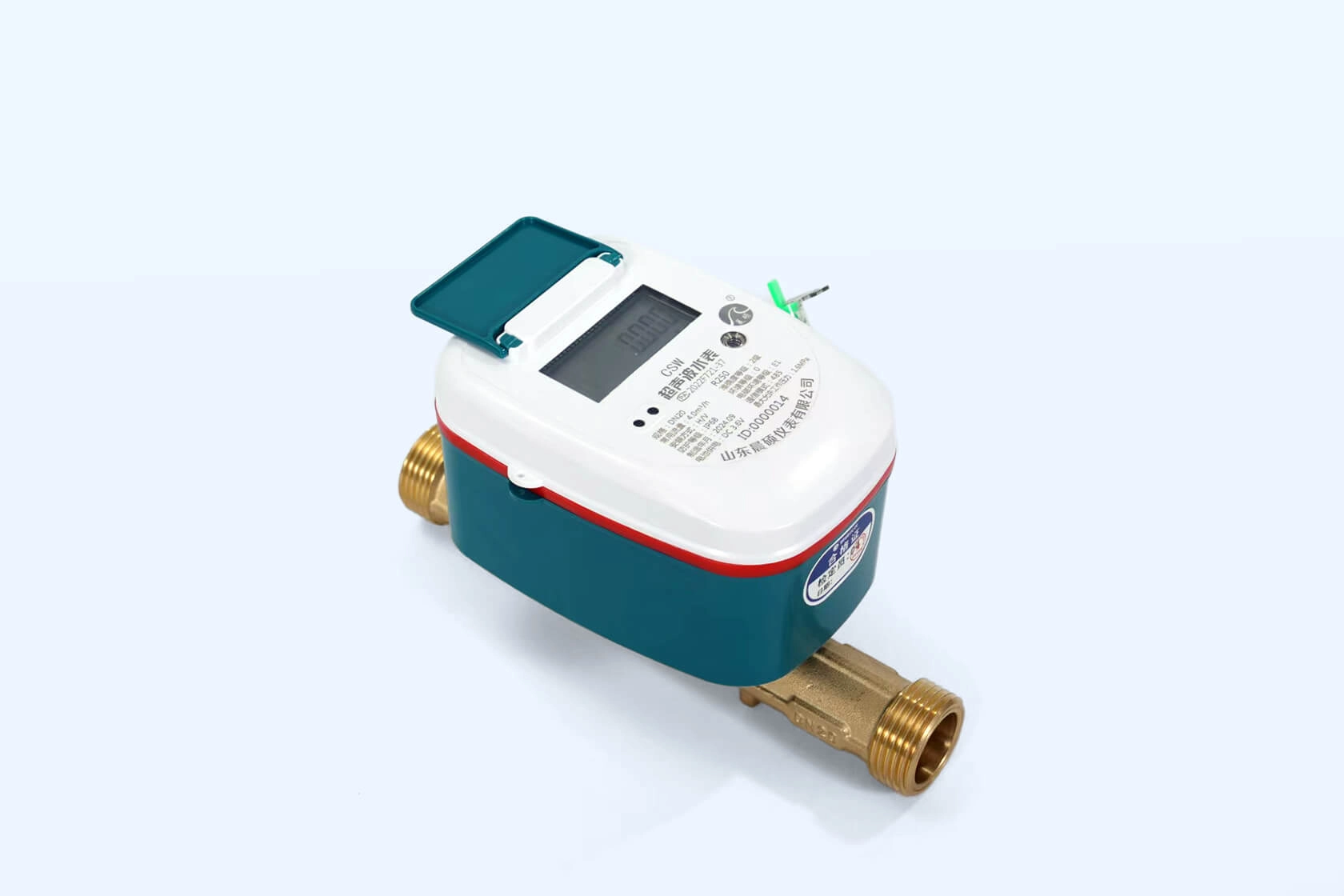
Em tubos maiores, depender de uma rota raramente suficiente. Designs com múltiplos caminhos incorporam vários pares de conversores posicionados em orientações distintas. O dispositivo o processador s então calcula uma média a partir dessas entradas. Isso resulta em um perfil abrangente do líquido’ o movimento, aumentando a dependibilidade em condições irregulares. Além disso, minimiza a influência das perturbações externas nos resultados de medição.
A posição dos detectores tem importância comparável à sua quantidade. Os especialistas determinam lugares de rebound e inclinações para evitar áreas ineficazes. Assim, esse cuidadoso planejamento mantém a precisão consistente em aplicações práticas.
As diferenças entre essas configurações aparecem claramente ao examinar a relação R, o que indica o intervalo entre as taxas de fluxo mais baixas e as mais altas manejadas com fidelidade.
Dentro das linhas urbanas de abastecimento, assegurar seções retas estendidas antes da instalação prova-se difícil. Os métodos multicaminhos gerem esses fluxos perturbados mais eficazmente. Elas equilibraram as irregularidades, mantendo assim os níveis de erro abaixo dos limiares especificados. Além disso, essa capacidade suporta monitoramento preciso em diversas disposições de rede.
Dispositivos ultrasônicos avançados alcançam um padrão R400. Essas avaliações refletem uma resposta excepcional. Um arranjo multi-caminho permite que o equipamento produza resultados exatos sobre um amplo espectro de velocidades, abrangendo pequenas gotas de noite a demandas intensas no dia em instalações. Consequentemente, ela aborda necessidades operacionais diversas sem compromisso.
O movimento rápido gera oscilações e perturbações. Uma unidade de caminho único pode falhar em meio dessa interferência. Sistemas com múltiplos caminhos incluem copias de segurança inerentes; se uma rota experimentar distorção, os restantes sustentam o fornecimento de informação. Essa redundância assegura funcionalidade não interrompida durante as cargas máximas.
A construção física corresponde à importância do processamento interno. Se o encerramento se enfraquecer ou o poder falhar, até detectores superiores se mostram ineficazes. Os locais de fabricação apresentam configurações severas, incluindo encerramentos húmidos ou mudanças súbitas de pressão.
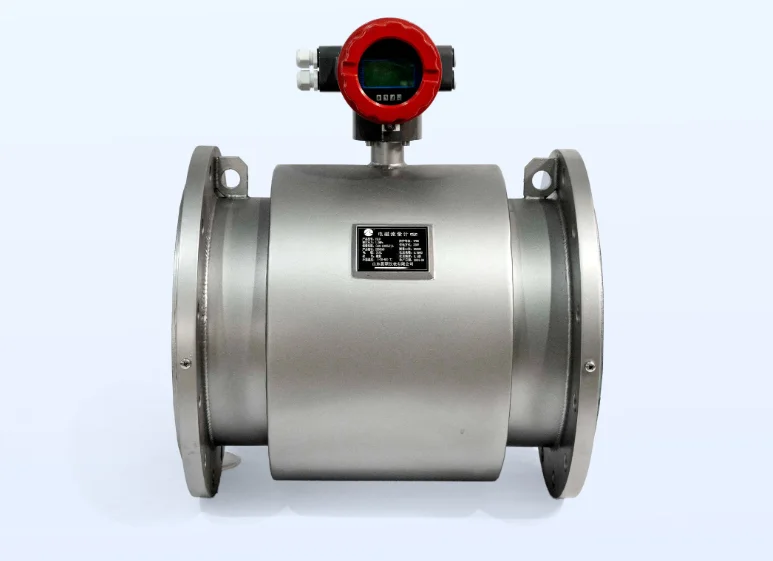
Para aplicações extensas, opções como Ultrasônico Water Meter-DN100 empregam substâncias duradouras para combater a degradação. Só a força não é suficiente; O canal interior requer uma superfície polida para evitar resistência ao fluxo, que conserva energia para operadores de distribuição. Essas características se combinam para prolongar a vida de serviço e reduzir os custos a longo prazo.
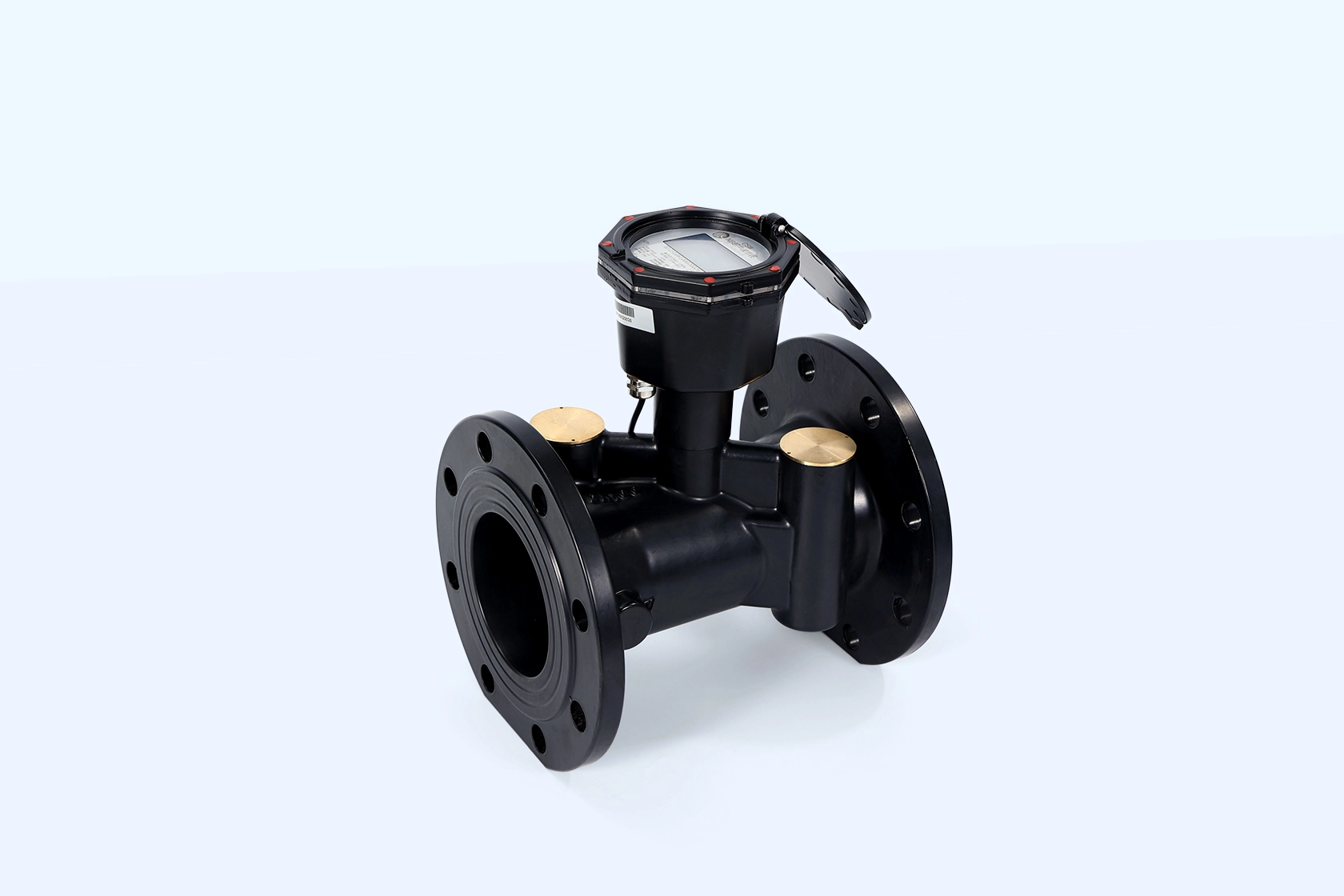
Colocações expostas ocorrem rotineiramente. As unidades devem suportar uma imersão prolongada. Uma autêntica certificação IP68 garante que os circuitos permanecem isolados de elementos externos, evitando condensação ou falhas elétricas comuns em produtos menores. Assim, essa proteção mantém a integridade operacional em cenários meteorológicos adversos ou inundações.
As substituições regulares de energia incomodem os usuários e aumentam as despesas. Modelos ultrasônicos contemporâneos têm como objetivo mais de dez anos de serviço. Incorporar circuitos energéticos eficientes e células substanciais de lítio permitem relatar contínuamente através da LoraWAN ou NB-IoT, eliminando a necessidade de visitas frequentes no local. Esse design sustenta a implantação sustentada em redes remotas ou em grande escala.
Identificar um fornecedor familiar com complicações de produção transforma aquisição. Em uma área industrial dedicada, eles acessam ferramentas de teste de alto nível e materiais localmente.
A tecnologia foi validada em ambientes diversos, incluindo as plantas do Sudeste-Ásia e os distritos europeus de moradia. Além dos dispositivos de fornecimento, eles fornecem especialização em rede para ligar unidades com plataformas centrais de supervisão (SCADA), centrais a qualquer Gestão de partições DMA plano. Essa integração facilita o rastreamento e o controle eficientes dos recursos.
De unidades compactas de 20 mm para habitações a variantes de 100 mm para rotas primárias, o assorte abrange todos os tamanhos. Essa uniformidade simplifica o tratamento de a ções e o treinamento de pessoal em um sistema unificado. Como resultado, organizações alcançam operações racionalizadas em toda sua infraestrutura.
Os compradores comerciais frequentemente requerem elementos adaptados, como bandas de transmissão alteradas ou conexões especializadas. O grupo fornece apoio direto para ajustar componentes ou programação, garantindo a incorporação sem problemas nos quadros de facturação atuais. Essa flexibilidade atende eficazmente às exigências únicas do projeto.
Q1: Qual é a aplicação ideal para medidores de caminhos únicos?
A: Estes fatos são condutos mais estreitos, como ligações de casa, onde padrões permanecem mesmo e os fundos representam um fator chave. Sua simplicidade assegura uso custo-efetivo em cenários estáveis e de baixa demanda.
Q2: Como a tecnologia multirota melhora a confiabilidade?
A: Capturar dados de múltiplas direções permite compensação de erros de giros ou desequilíbrios, prevalentes em tubos de fabricação consideráveis. Este processo médio aumenta a coerência geral de medição.
Q3: Por que Chenshuo é o fornecedor preferido para compradores ultramarinos?
A: Elas combinam volumes substanciais de produção, supervisão rigorosa verificada pela ISO e opções para se adaptar às regulamentações locais. Essa mistura sustenta a implementação internacional de forma confiável.
Q4: Estes metros podem conectar às redes de cidades inteligentes existentes?
A: Sim, a compatibilidade com protocolos como LoraWAN, NB-IoT e GPRS permite adição simples a configurações de leitura automatizada (AMR). A integração ocorre sem grandes reformas.
Q5: Qual é a vida típica de um metro de água ultrassônica?
A: Falta de uso mecânico, esses dispositivos geralmente duram 10 a 15 anos, limitados principalmente pela duração da bateria. A manutenção regular prolonga esse período mais.
 Endereço: Parque Industrial Xiao'anzi, cidade de Baishabu, distrito de Lanshan, cidade de Linyi, província de Shandong
 Chame-nos agora:+86 15562945993
 Email:info@sdchenshuo.cn


Shandong Chenshuo Instrument Co., Ltd.