물 미터 산동 Chenshuo
>소식>Ultrasonic vs. Electromagnetic: Which High-Accuracy Meter Fits Your Industry?

Ultrasonic vs. Electromagnetic: Which High-Accuracy Meter Fits Your Industry?

  • 06/03/2026
  • 공유하기:
                 

목차

    In industrial water management, choosing the appropriate metering technology represents a choice that influences operational expenses and resource use in a direct manner. As smart water management advances rapidly, conventional mechanical meters, which suffer from degradation, limited precision, and absence of immediate data, fail to satisfy the needs of contemporary industry. For those seeking a collaborator to address this shortfall, Chenshuo는 serves as a prominent high-tech company situated in China. Whether pursuing digital upgrades or requiring sturdy components for intelligent utility networks, their knowledge guarantees that each unit of water receives exact tracking.

    Ultrasonic vs. Electromagnetic Which High-Accuracy Meter Fits Your Industry

    Why Is Your Current Metering Strategy Costing You Money?

    Industrial water networks span wide areas and involve intricate setups, so even minor errors in measurement expand considerably as time passes. Numerous plants continue to depend on obsolete metering techniques that raise water charges and conceal basic system defects. Unless the core precision and linkage of meters receive attention, efforts toward digital water control will miss the essential data base required for effective results.

    Inaccuracy in low-flow detection leads to significant non-revenue water loss

    Non-Revenue Water (NRW) functions as a major drain on finances for industrial zones, since meters that overlook slow flows allow leaks to persist unnoticed and permit water use without charges. High-precision intelligent meters detect these small flows effectively, which transforms concealed losses into assets that can be reclaimed. This detection process supports better financial recovery in operations.

    Mechanical wear and tear result in frequent maintenance and downtime

    Standard meters depend on components that move and thus deteriorate inevitably amid high stress or substandard water conditions. The expenses for labor and halted production needed to fix or swap these mechanical elements frequently surpass the original cost of the unit by a wide margin. Such recurring issues disrupt overall workflow continuity.

    Fragmented data collection hinders real-time industrial process optimization

    Meters lacking IoT functions provide no insight into patterns of use on an hourly or daily basis, which leaves management unable to adjust supply according to production surges. This shortage of detailed data restricts the capacity to enhance the efficiency of industrial procedures in a timely way. Consequently, overall performance suffers from these limitations.

    Key Advantages of Ultrasonic Technology for Industrial Precision

    Ultrasonic measurement applies the time-difference approach, whereby sound waves pass through the liquid to determine flow speed. This contactless method has established new benchmarks for accuracy in sectors demanding sustained reliability and reduced upkeep.

    Excellent measurement sensitivity for detecting minor leaks in complex systems

    Ultrasonic technology provides a strong turndown ratio that enables capture of the smallest initial flow rates, so it identifies tiny leaks in distribution lines before they develop into major pipe failures. This level of sensitivity proves vital for maintaining system integrity in intricate setups. As a result, preventive actions become feasible early on.

    Maintenance-free operation due to the absence of moving mechanical parts

    Since the inner measurement pipe stays entirely smooth and free of barriers, no mechanical degradation occurs and no drop in pressure arises. This configuration allows the meter to retain its initial calibration accuracy throughout a lifespan exceeding ten years. Such durability minimizes long-term operational interruptions.

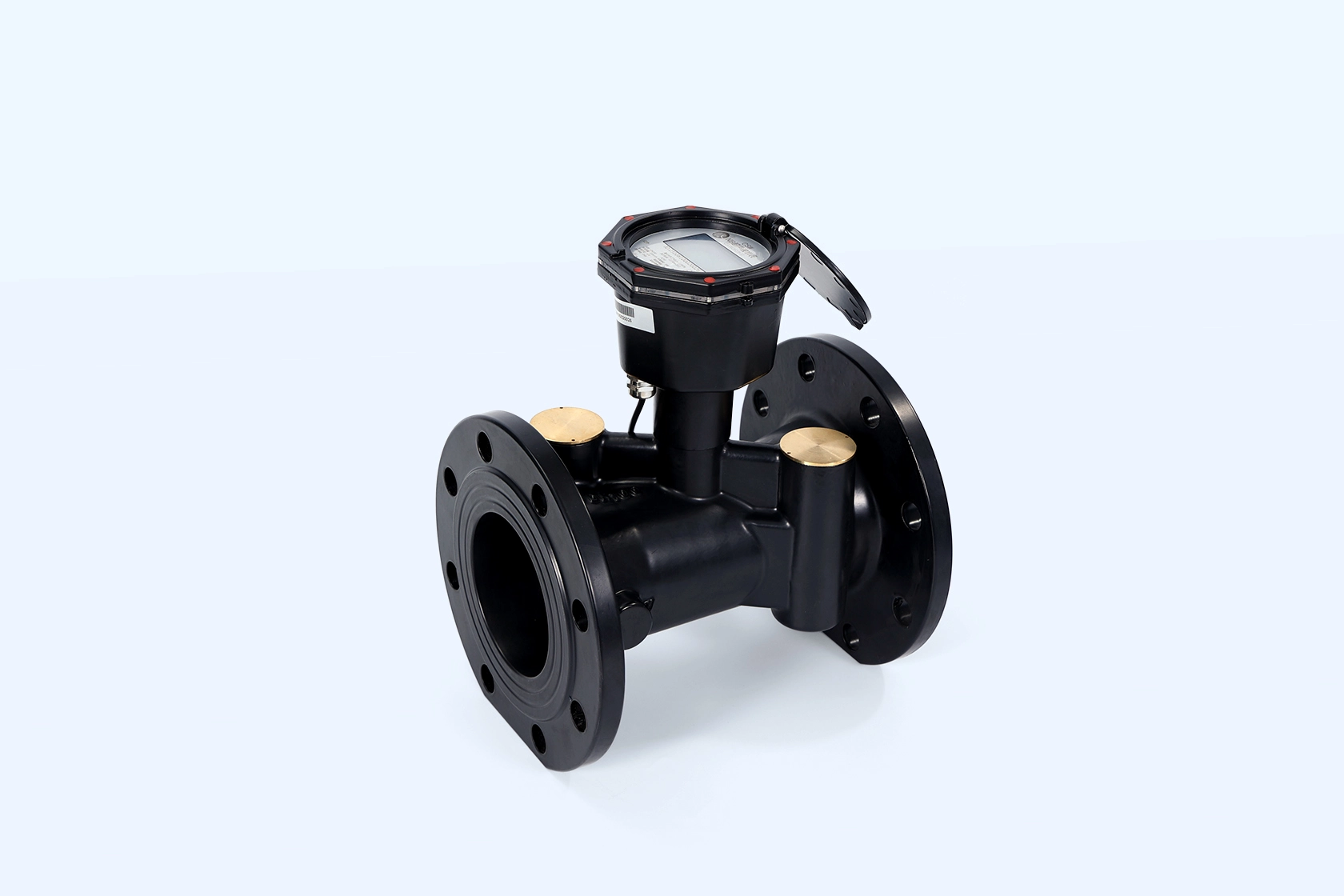
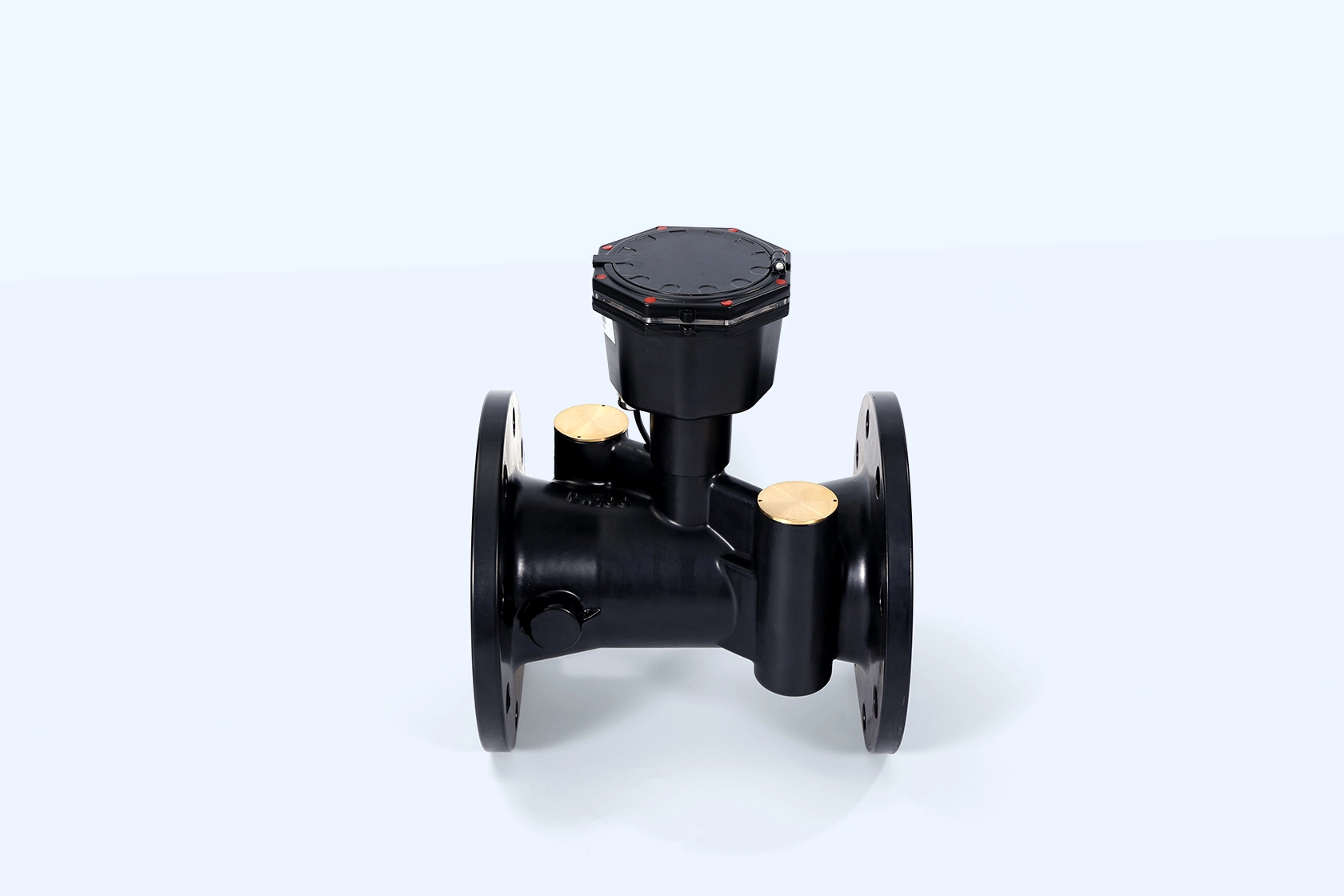
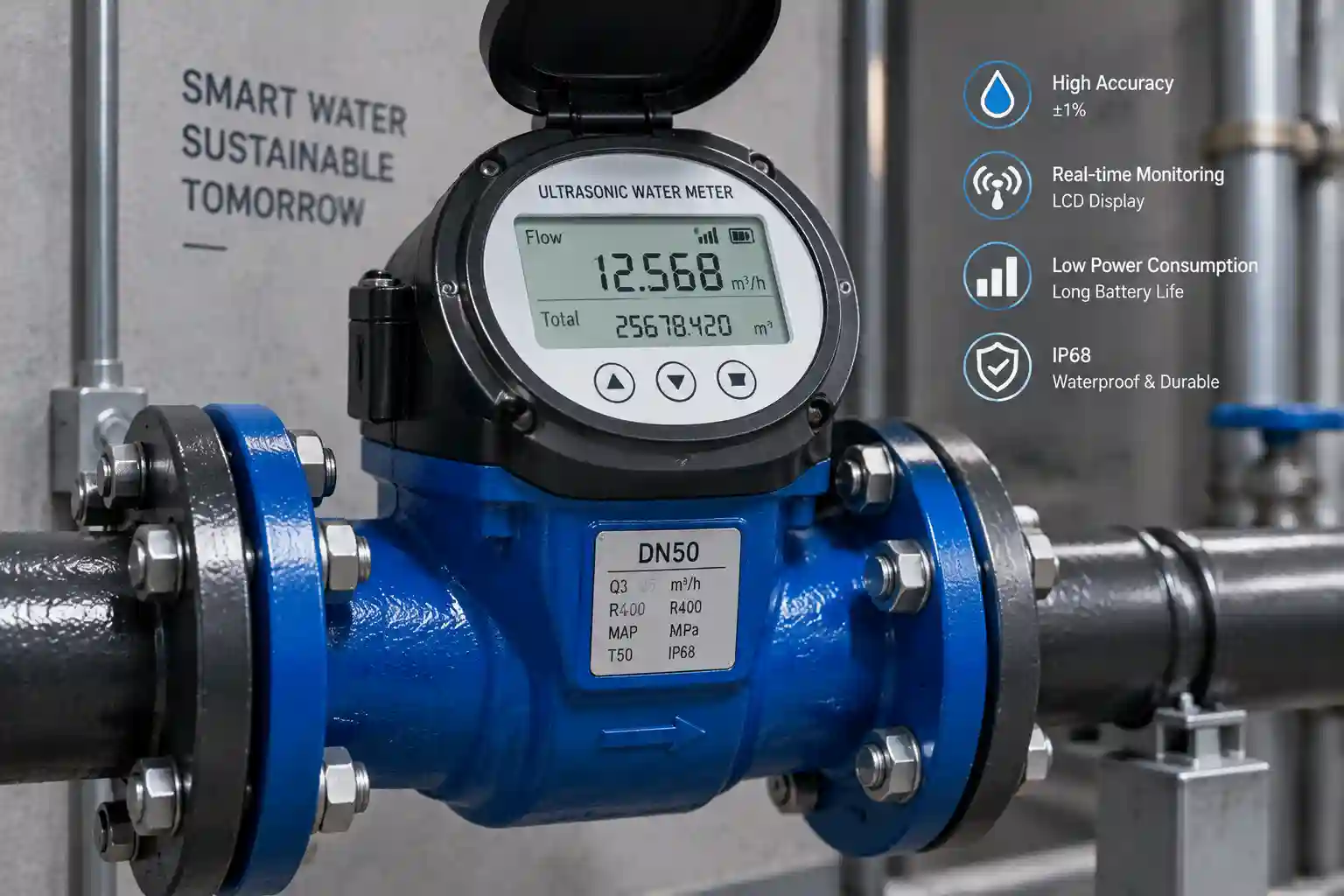
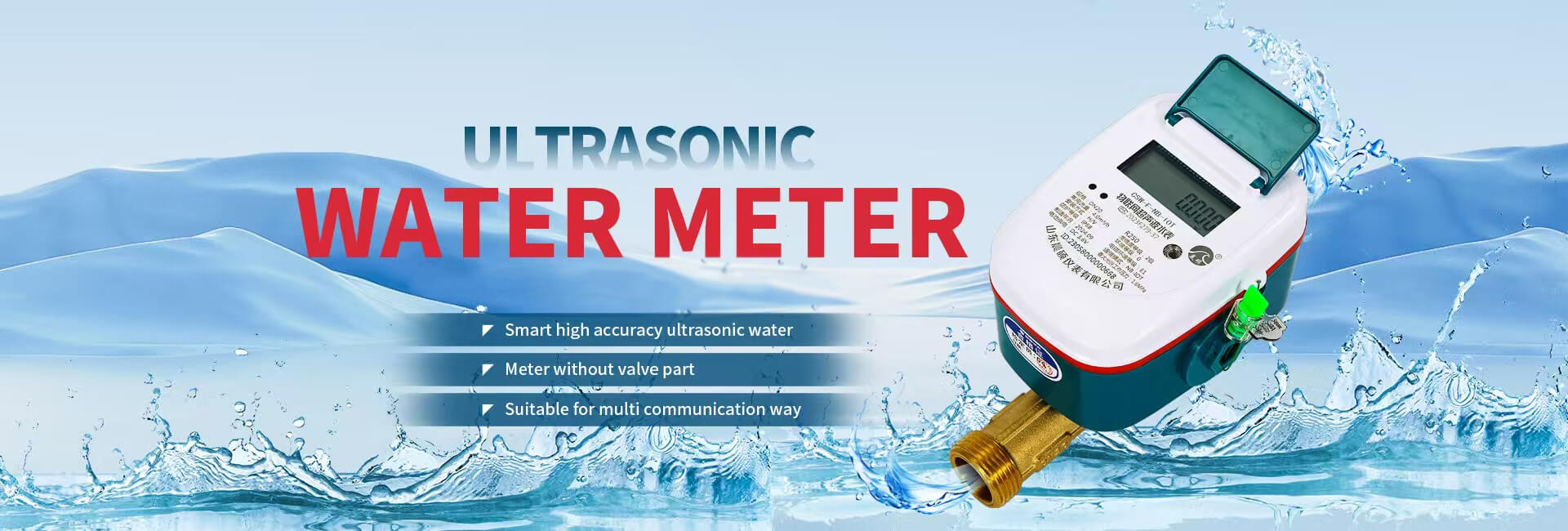
    초음파 물 미터-DN100 ensures long-term R400 accuracy

    This particular model employs dual-beam ultrasonic technology along with an IP68 waterproof standard, which contributes to its exceptional stability in various conditions. It suits monitoring of large-scale industrial pipelines and aids District Metered Area (DMA) initiatives effectively. Therefore, it supports precise data collection over extended periods.

    초음파 물 미터-DN100

    Unique Strengths of Electromagnetic Meters in Heavy Industries

    Electromagnetic metering relies on Faraday’s Law of Induction and suits conductive liquids that include particles or contaminants. Its toughness in severe settings renders it essential for heavy manufacturing and urban wastewater handling.

    Obstruction-free pipe design prevents pressure loss and clogging issues

    Electromagnetic meters contain no moving elements or flow barriers inside the pipe, so liquids move through with almost no reduction in pressure. This feature lowers energy needs for pumping and avoids accumulation of waste or deposits. In turn, it promotes smoother fluid movement in demanding applications.

    Superior performance in measuring conductive fluids with high solid content

    In handling reused industrial water or discharge with floating solids, electromagnetic technology delivers reliable readings without disruption. It ignores the cloudiness or thickness of the water, which guarantees steady information in unclean conditions. This reliability enhances monitoring in challenging fluid types.

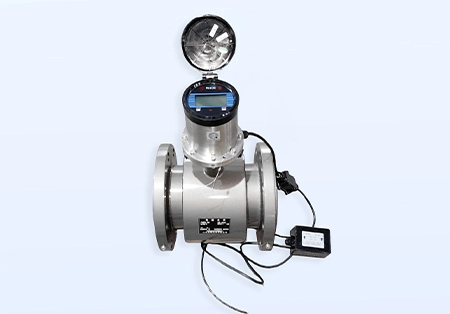
    전자기 물 미터 LXE-100 delivers robust data via IoT modules

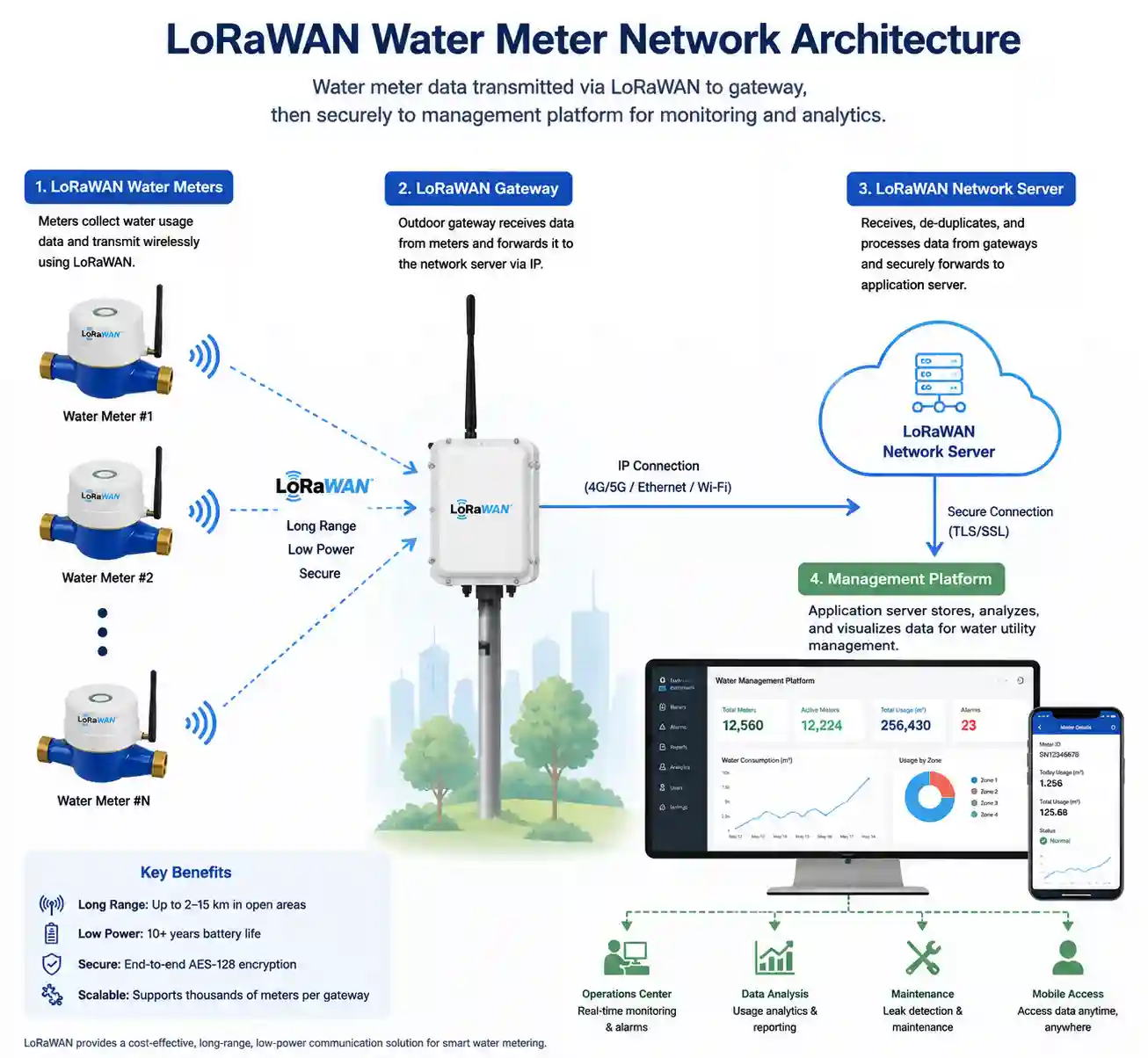
    This unit combines various communication methods such as GPRS, LoRaWAN, and NB-IoT, which facilitate transmission of current flow and pressure details to cloud storage. It enables automatic distant reading and smooth connection with settlement systems. Thus, it streamlines data management processes.

    전자기 물 미터 LXE-100

    Critical Comparison Between Ultrasonic and Electromagnetic Solutions

    Choosing between these technologies demands thorough review of energy supply, placement conditions, and funding limits. Although both offer strong performance, their benefits appear in varied ways according to the particular industrial use.

    Power consumption differences affecting remote installation and battery life

    Ultrasonic meters generally feature very low energy use and operate on built-in batteries for more than ten years, which fits isolated locations lacking outside power sources. Electromagnetic meters, despite their precision, demand higher power for regular data sends or external supply during frequent checks. These variations influence suitability for different sites.

    Installation environment requirements regarding straight pipe sections and grounding

    Electromagnetic meters need firm grounding to block electrical disturbances and preserve accuracy, whereas ultrasonic meters resist such interference but require defined straight pipe lengths before and after for steady flow patterns with sound waves. These setup needs shape the ease of deployment in pipelines. Proper adherence ensures optimal function.

    Cost-effectiveness analysis based on specific industrial application scenarios

    Ultrasonic options prove economical for tracking clean water in pipes of moderate sizes, while for intense industrial tasks with wide pipes or highly conductive liquids bearing solids, electromagnetic methods yield superior value over time. This assessment aligns choices with operational demands. It helps maximize returns on spending.

    Partnering with Chenshuo for Future-Proof Smart Water Management

    Within an international market, picking a provider with essential research abilities and a full service framework proves crucial for initiative outcomes. By merging advanced sensors with IoT links, facilities shift from hands-on supervision to automated, information-based functions.

    Customizable OEM services tailored to diverse global industrial standards

    Metering devices can adapt to particular regional rules and data exchange methods, which allows seamless fitting into current structures irrespective of location. This adaptability supports worldwide deployment without complications. It fosters compliance and efficiency alike.

    Integrated DMA solutions and digital transformation support for smart utilities

    Using intelligent meters to form District Metered Areas provides real-time oversight of network condition, which cuts risks in operations and enables smart distribution of water across production areas. This integration enhances resource planning significantly. It drives sustainable practices forward.

    연락하다 Chenshuo expert team for high-performance metering consultations

    Skilled engineers stand ready to examine unique site factors, from choosing initial models to linking systems, and they offer the expertise needed to maximize investment worth and endurance. Their input guides decisions effectively. This ensures lasting benefits.

    FAQ는

    Q1: Can impurities in the water damage an ultrasonic water meter?
    A: No. Ultrasonic meters contain no moving parts within, so deposits or minor particles cause no mechanical damage. Provided that impurities fail to block the signal entirely, the meter continues to function with precision.

    Q2: Which communication protocols does the LXE-100 electromagnetic meter support?
    A: It accommodates various IoT protocols such as NB-IoT, LoRaWAN, and GPRS, which permit selection of the optimal network according to local coverage. This versatility aids reliable connectivity.

    Q3: How do smart meters actually reduce Non-Revenue Water?
    A: They identify tiny leaks via sensitive detectors and issue immediate data notifications. This enables prompt location and correction of leaks, rather than relying on periodic manual checks to uncover differences. Such responsiveness saves resources.