

상업용 부동산 프로젝트에서, 상업용 건물용 수도 계량 솔루션 건물 관리자는 보통 여러 문제를 동시에 해결해야 합니다. 임대인은 공정한 요금 청구를 원하고, 시공업체는 실제 배관 배치에 맞는 계량기가 필요하며, 유통업체는 안정적인 제품 공급, 명확한 사양, 그리고 사후 문제 감소를 중요하게 생각합니다. 건물에는 사무실, 식당, 소매점, 공중 화장실, 장비실, 지하실 펌프실, 공용 시설 등 다양한 공간이 있을 수 있으며, 각 공간은 물을 매우 다른 방식으로 사용할 수 있습니다.
단일 주 급수 계량기는 총 사용량은 보여줄 수 있지만, 물이 어디에서 사용되는지 또는 특정 달의 수도 요금이 비정상적으로 보이는 이유는 설명할 수 없습니다. 바로 이러한 점에서 계획적으로 설계된 상업용 건물용 수도 계량 시스템이 중요해집니다. Shandong Chenshuo Instrument Co., Ltd. 당사는 부동산 관리, 시공업체 조달 및 상업 프로젝트 공급을 위해 기계식 수도 계량기, LoRaWAN 수도 계량기, 초음파 수도 계량기, 전자기식 수도 계량기, 전자기식 유량계 및 수도 계량 시스템을 공급합니다.
상업용 건물의 사용 패턴은 단순한 경우가 드뭅니다. 사무실 층은 평일에는 꾸준한 물 사용량을 보일 수 있지만, 레스토랑은 식사 시간에 급격한 사용량 증가를 일으킬 수 있습니다. 헬스장, 카페, 슈퍼마켓, 호텔식 휴게 공간 또는 공중 화장실은 특정 배관 구간에 더 많은 물 사용량을 집중시킬 수 있습니다. 건물이 메인 계량기만 사용하는 경우, 관리팀은 구역별, 임대료 분담 비율 또는 추정치를 기준으로 수도 요금을 분할해야 할 수 있으며, 이는 종종 분쟁으로 이어집니다.
보다 실용적인 건물 용수 사용량 모니터링 계획은 주요 사용 지점을 구분하는 것에서 시작됩니다. 임대 공간, 층, 공용 공간, 설비실, 그리고 주 급수구를 검토한 후 계량기를 선정해야 합니다. 이를 통해 건물 관리자는 더욱 정확한 요금 청구 근거를 확보할 수 있고, 유지보수팀은 비정상적인 사용량을 조기에 파악할 수 있습니다. 신축 건물의 경우, 벽체, 배관, 천장 공사가 완료된 후에 계량기를 설치하는 것보다 시공 단계에서 계량기 설치 위치를 계획하는 것이 훨씬 효율적입니다.
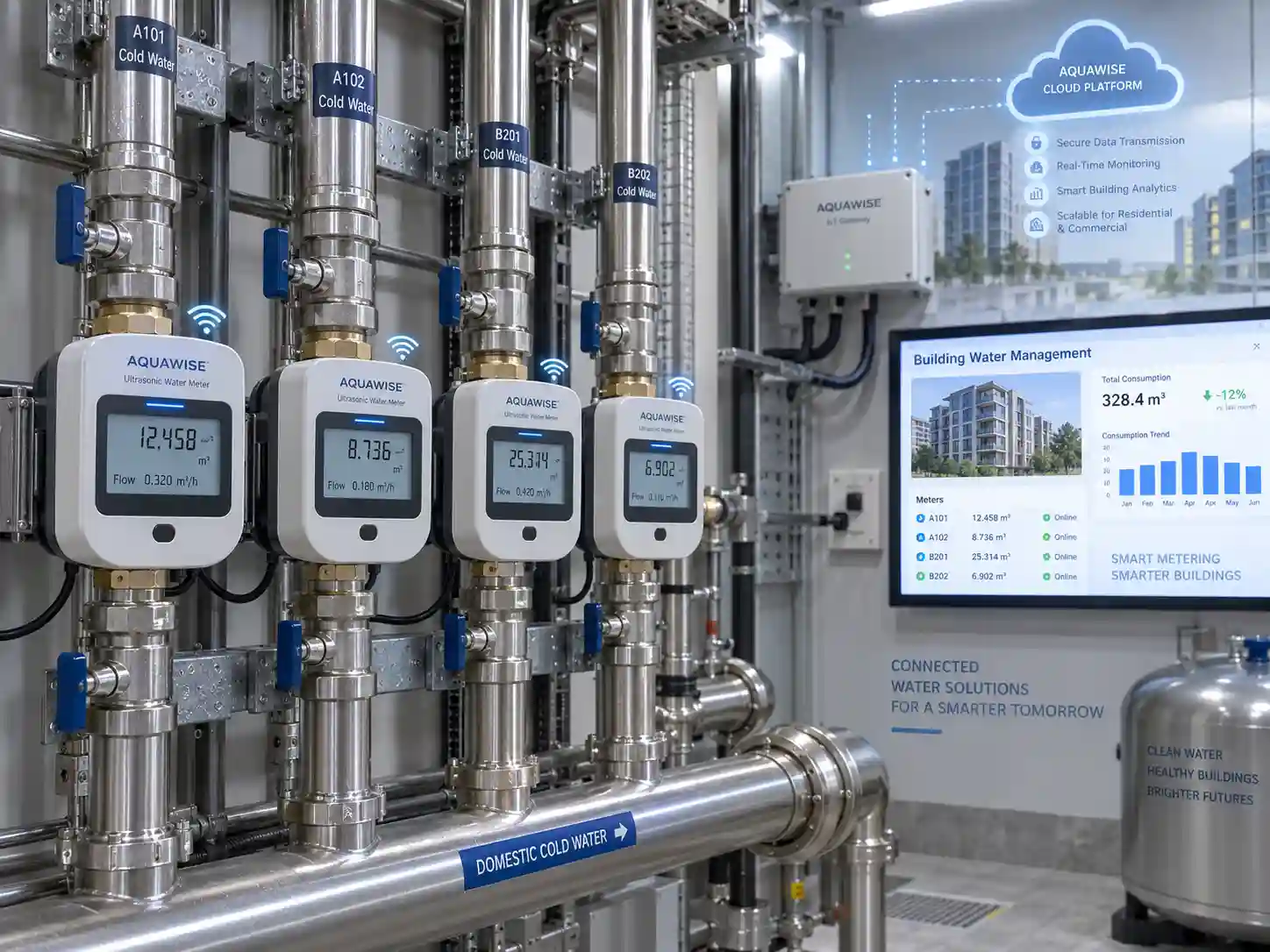
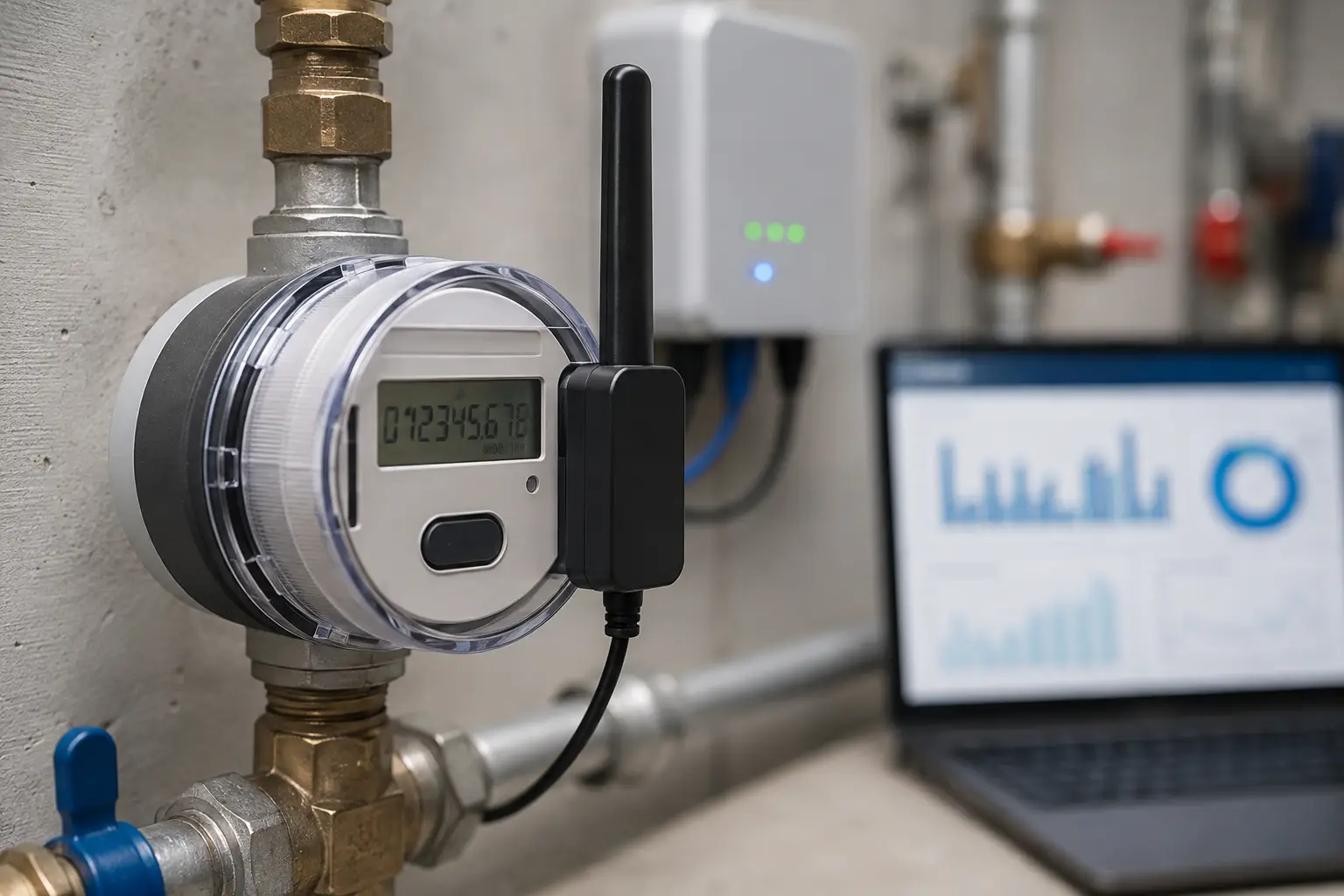
상업용 건물에 스마트 수도 계량기를 설치하면 임차인이 많거나, 계량기 보관실이 잠겨 있거나, 요금 청구 주기가 잦거나, 유지보수 인력이 부족한 경우에 유용합니다. 원격 검침 시스템을 통해 건물 내 수도 계량기는 수동 점검 횟수를 줄이고 월별 또는 분기별 요금 청구에 필요한 기록을 더욱 일관성 있게 제공할 수 있습니다. 이는 특히 임차인들이 공동 비용에 대해 의문을 제기할 수 있는 복합 용도 건물에서 매우 유용합니다.
스마트 수도 계량 시스템은 실시간 추적, 원격 밸브 작동, 누수 경보, 데이터 분석 및 유연한 요금 청구 기능을 지원할 수 있습니다. 이러한 기능은 단순히 기술적인 부가 기능에 그치지 않습니다. 실제 건물 운영에서 이러한 기능은 관리자가 밤새도록 가동되는 식당 수도 라인, 제대로 닫히지 않는 화장실 밸브 또는 다음 청구 기간이 끝나기 전에 갑작스럽게 증가하는 세입자의 수도 사용량을 파악하는 데 도움이 됩니다. 특히 다세대 주택의 경우, 유용한 데이터는 신속한 설명과 장기간의 요금 분쟁을 가르는 중요한 요소가 될 수 있습니다.
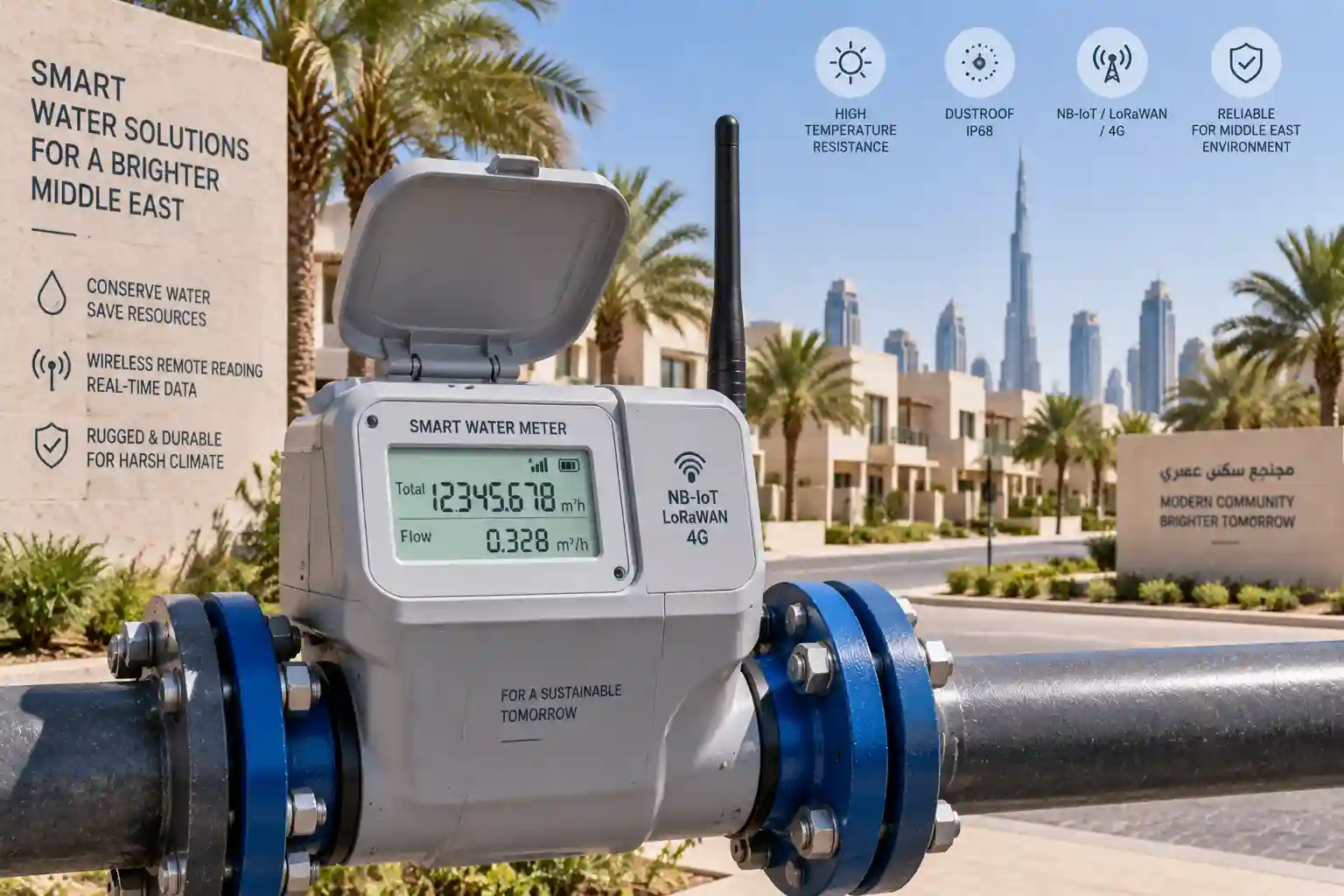
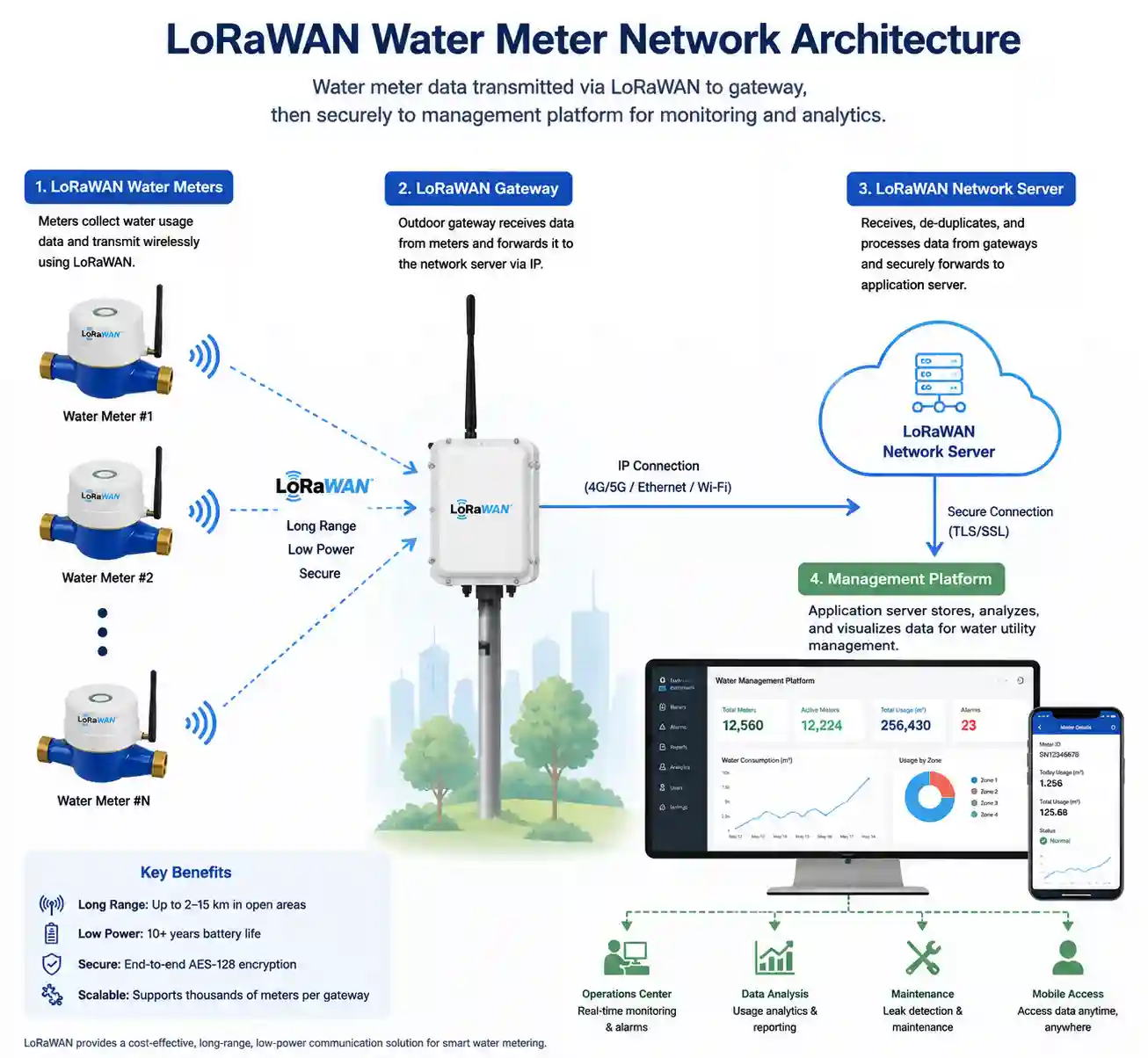
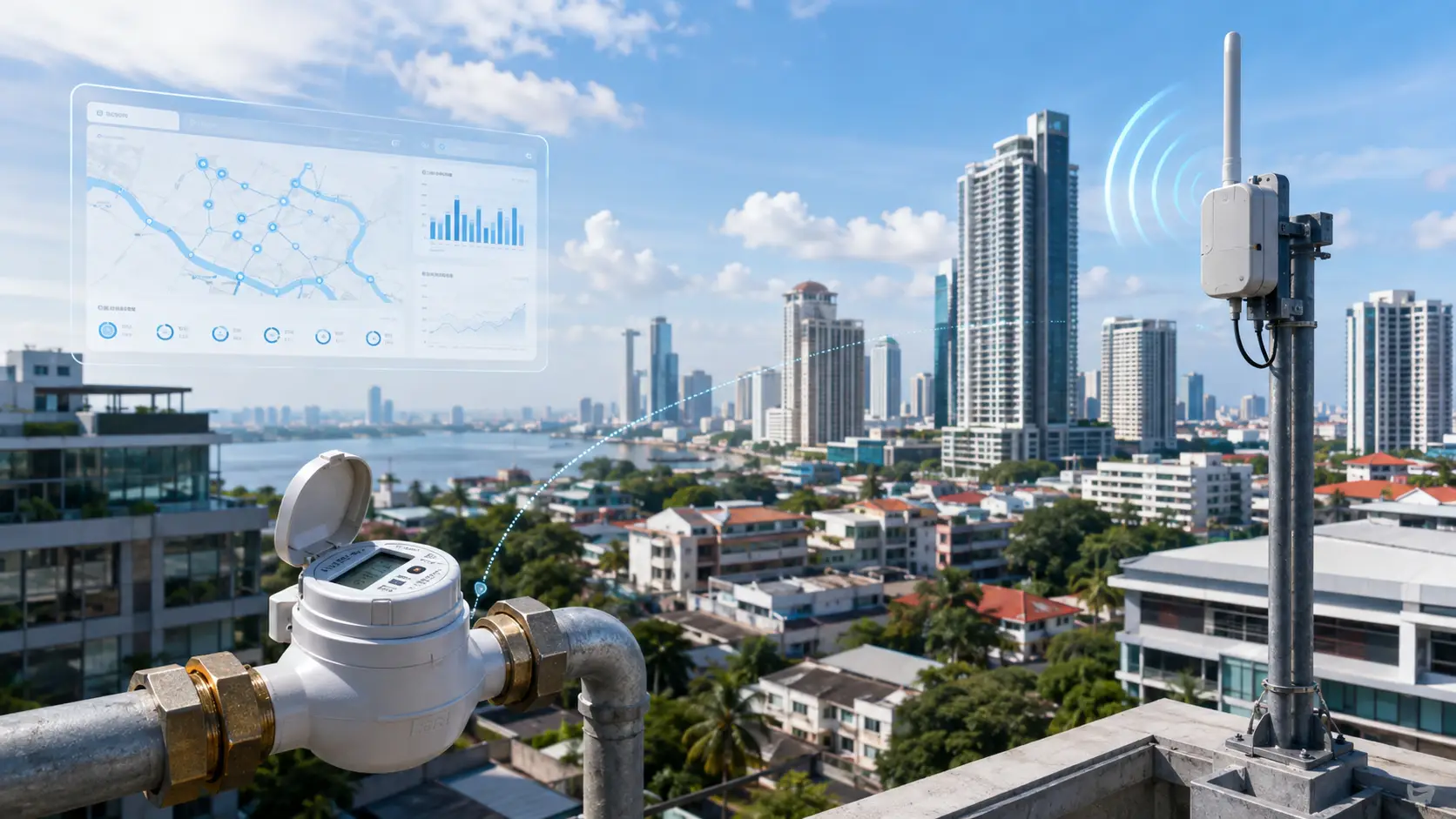
LoRaWAN 수도 계량기 상업용 건물의 경우 계량기가 지하실, 여러 층, 소매 구역, 옥상 설비 구역 또는 건물 내 여러 구획에 분산되어 설치될 때 무선 수도 계량기 설치를 고려하는 경우가 많습니다. 기존 건물에 통신 케이블을 추가하는 것은 비용이 많이 들고 공사에 지장을 줄 수 있습니다. 건물 프로젝트에 무선 수도 계량기를 설치하면 이러한 작업을 줄이면서도 디지털 데이터 수집을 지원할 수 있습니다.
계량기 모델 선택에만 그쳐서는 안 됩니다. 구매자는 신호 범위, 게이트웨이 배치, 설치 밀도, 배터리 수명, 데이터 보고 주기, 그리고 수도 계량 시스템과의 호환성을 확인해야 합니다. 잘 계획된 LoRaWAN 프로젝트는 계량기 검침을 훨씬 수월하게 만들어 줍니다. 반대로 제대로 계획되지 않은 프로젝트는 원격 접속이 가장 필요한 영역에서 사각지대, 데이터 지연 또는 불안정한 검침 결과를 초래할 수 있습니다.
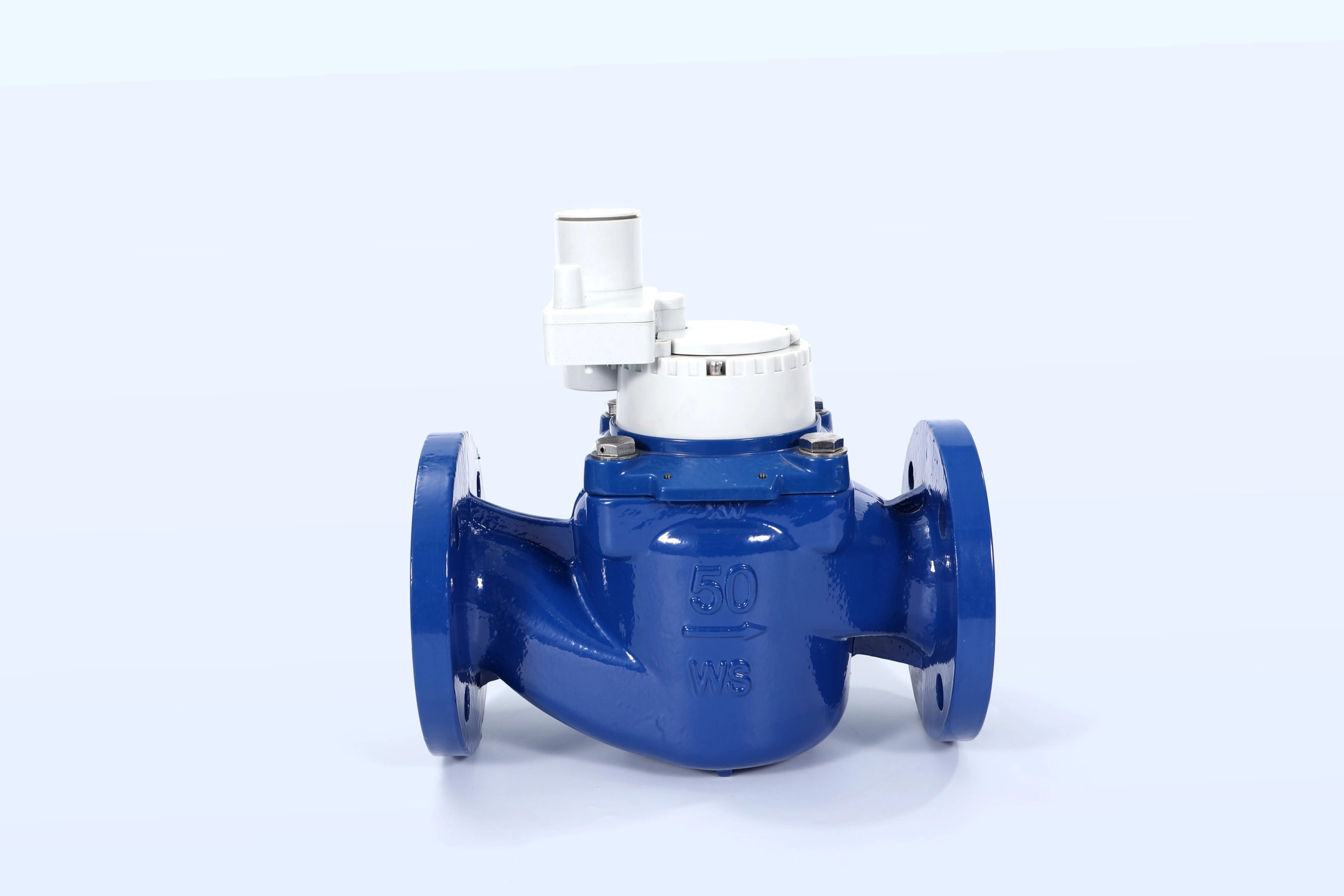
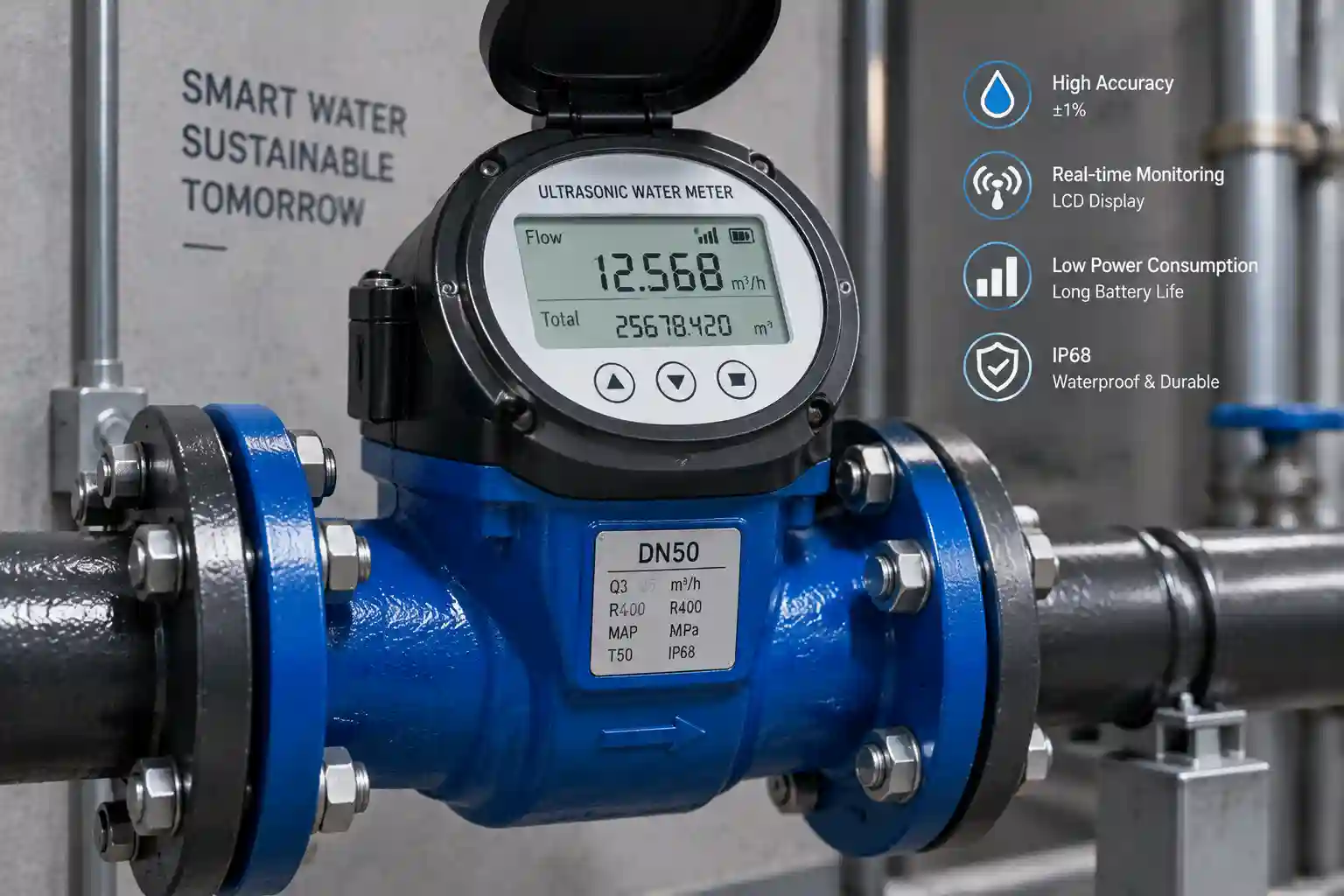
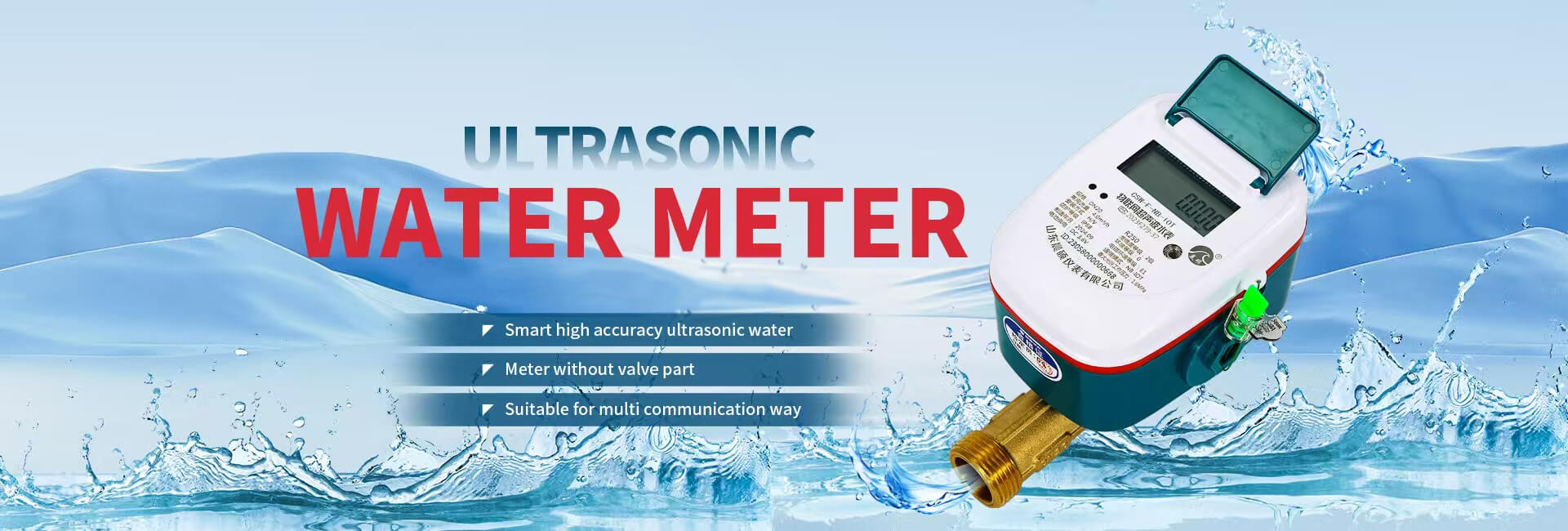
한 초음파 수량계 상업용 건물에 사용되는 계량기는 정확한 측정, 디지털 출력 및 낮은 유지보수가 중요한 경우에 자주 선택됩니다. 상업용 임대료 청구, 사무실 건물, 쇼핑센터, 호텔 및 업그레이드된 건물 수도 시스템에는 시간이 지남에 따라 안정적인 측정값을 제공하는 계량기가 필요한 경우가 많습니다.
첸슈오(Chenshuo)의 제품 센터에는 DN20, DN32, DN80, DN100 등의 초음파 수도 계량기 모델이 포함되어 있어 구매자가 소규모 분기 배관부터 대규모 건물 전체 계량 지점까지 다양한 배관 크기에 맞는 계량기를 선택할 수 있습니다. 주문 전에 프로젝트 팀은 유량 범위, 설치 공간, 수질, 전력 요구 사항 및 검침 방법을 확인해야 합니다. 배관 크기에 맞는 계량기라 하더라도 실제 유량 프로파일에 맞지 않으면 현장에서 부정확한 결과가 나올 수 있습니다.
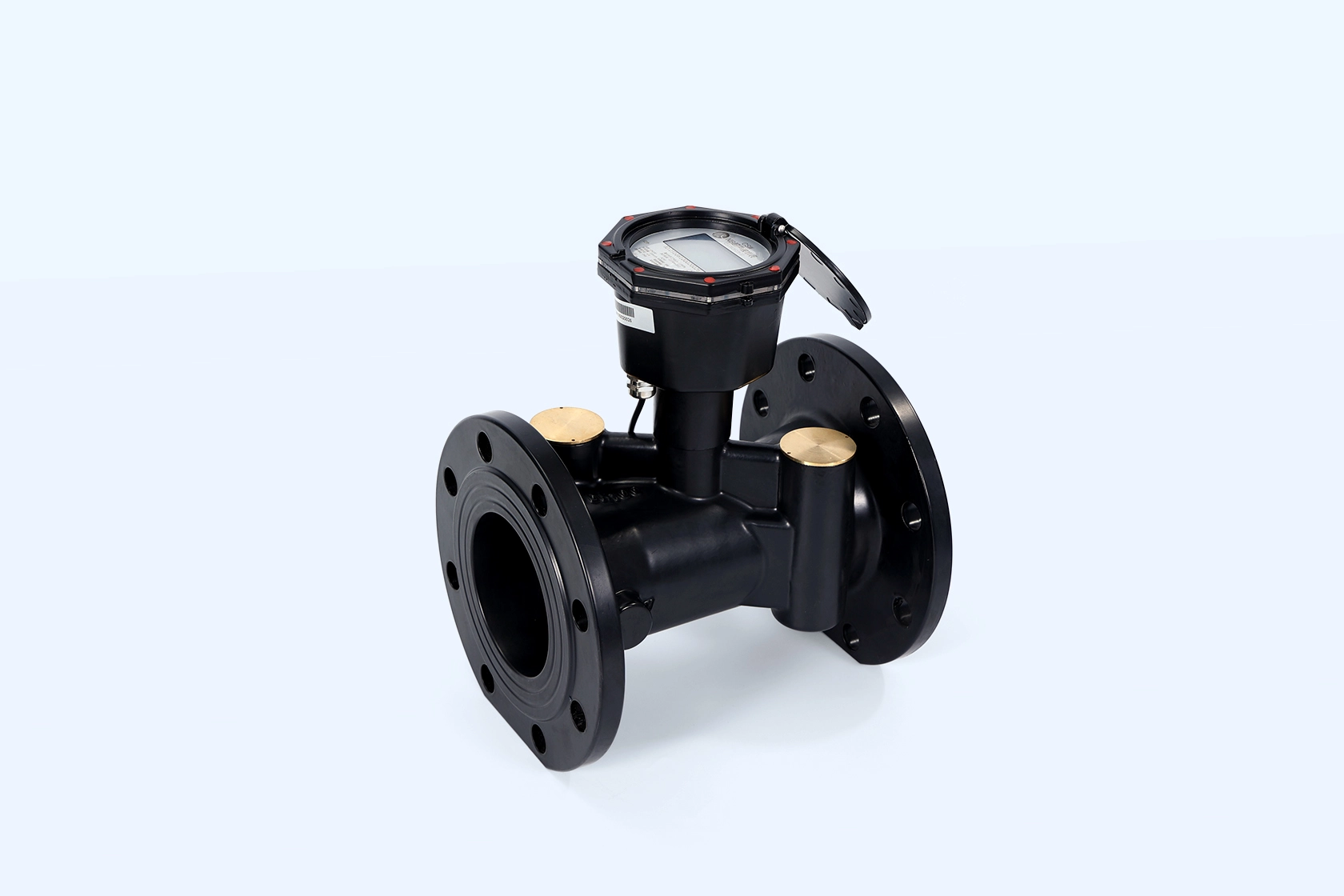
전자식 수도 계량기는 높은 정확도가 요구되는 상업용 사용자, 대형 건물 급수구, 보조 급수 시스템 및 데이터 기반 모니터링 지점에 적합할 수 있습니다. 대규모 상업 단지에서는 주 급수구 또는 물 사용량이 많은 임차인의 경우 일반 계량기보다 더 신뢰할 수 있는 측정이 필요할 수 있습니다.
건물 관리자와 시공업체의 경우, 대규모 유량 측정, 요금 청구의 신뢰성 확보, 또는 건물 용수 관리 시스템과의 통합이 프로젝트에 포함될 때 전자식 수도 계량기가 더 적합할 수 있습니다. 또한 안정적인 데이터가 필요한 모니터링 지점에서 누수 점검, 비정상적인 사용량 추적, 수압 관련 검토 등에 유용하게 활용될 수 있습니다.
기계식 수도 계량기는 상업용 건물 프로젝트에서 여전히 활용도가 높습니다. 원격 검침이 필요하지 않고, 접근성이 용이하며, 설치 환경이 간단한 일반적인 상업용 건물에 적합합니다. 소규모 임차인, 후방 지원 공간, 창고 또는 예산이 제한된 프로젝트에서는 기본적인 사용량 측정을 위해 기계식 계량기를 사용할 수 있습니다.
계량기 선택은 기술적 선호도보다는 현장 상황에 따라 결정되어야 합니다. 수동 검침이 가능하고 건물에 디지털 기록이 필요하지 않다면 기계식 수도 계량기가 상업용 건물에 비용 효율적인 선택이 될 수 있습니다. 하지만 임차인에게 자주 요금을 청구하거나, 계량기 접근이 어렵거나, 사용량 분쟁이 예상되는 경우에는 스마트 계량기 또는 초음파 계량기가 장기적으로 더 나은 가치를 제공하는 경우가 많습니다.
건물 주 급수구에는 배관 크기 및 데이터 요구 사항에 따라 대용량 유량계 또는 전자식 수도 계량기가 필요할 수 있습니다. 임대 공간의 요금 청구 지점에서는 정확성과 디지털 판독이 중요한 경우 초음파 또는 스마트 수도 계량기를 사용할 수 있습니다. 층, 지하실 또는 상업 구역에 분산 설치된 계량기는 수동 판독 작업을 줄이기 위해 LoRaWAN 수도 계량기를 사용할 수 있습니다.
레스토랑, 체육관, 카페 등 물 사용량이 많은 임차인은 개별 계량기를 설치하여 사용량이 공동 사용량에 포함되지 않도록 해야 합니다. 장비실과 보조 급수 시스템은 유량 안정성, 수압, 유지보수 접근성을 고려하여 검토해야 합니다. 건물 관리 시스템의 경우, 데이터 추적, 누수 경보, 유연한 요금 청구 기능을 지원하는 스마트 수도 계량 솔루션을 통해 일상적인 운영을 더욱 투명하게 관리할 수 있습니다.
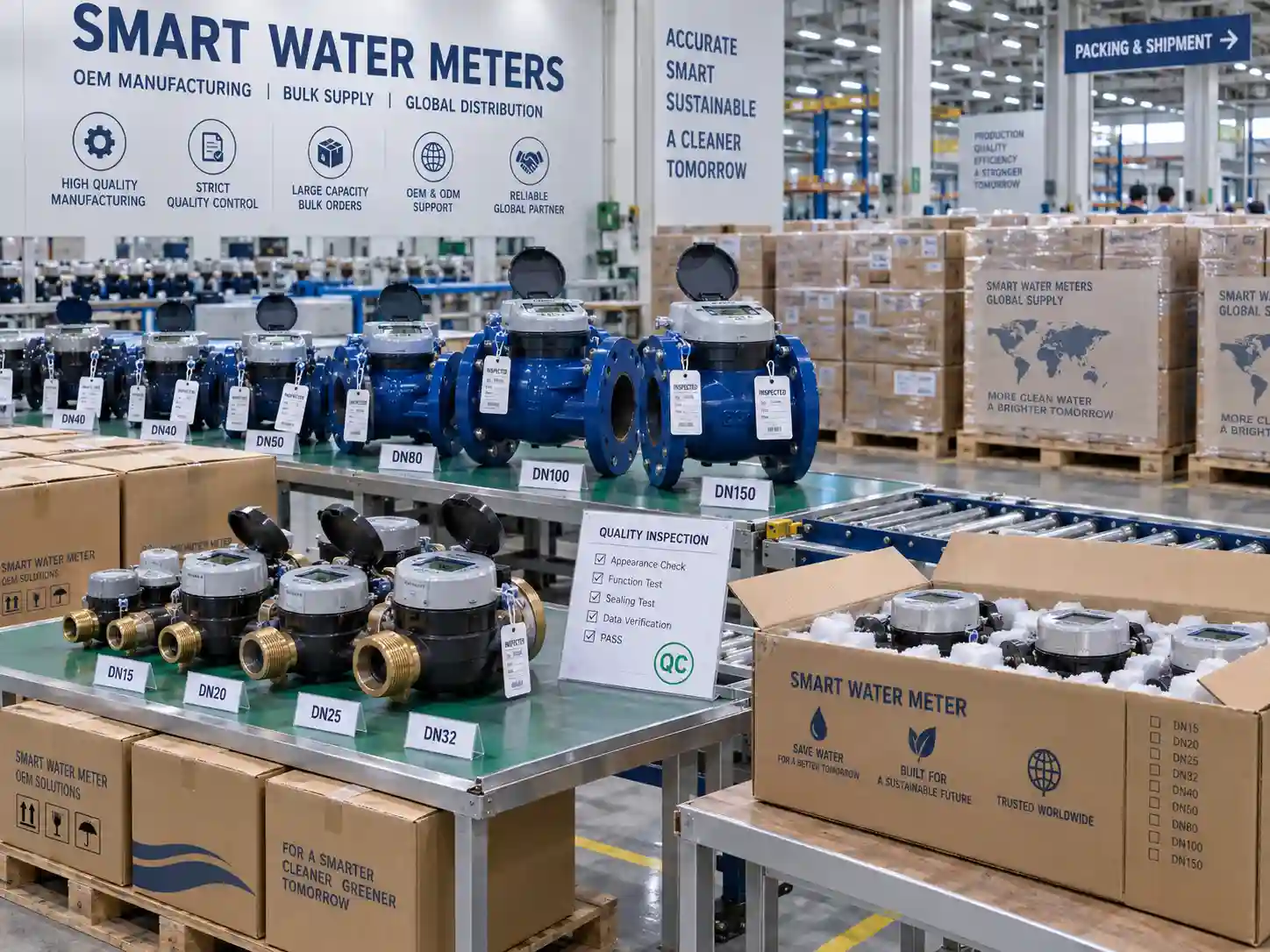
상업용 프로젝트용 수도 계량기 공급업체는 명확한 모델 사양, 정확도 정보, 설치 요구 사항, 연락 방법, 샘플 테스트 지원, 포장, 배송 일정 및 사후 기술 지침을 제공해야 합니다. 상업용 건물에 설치되는 대량 수도 계량기는 특히 한 프로젝트에서 여러 층이나 임대 구역에 걸쳐 많은 계량기를 사용하는 경우 배치별로 일관성을 유지해야 합니다.
주문 전에 구매자는 배관 크기, 유량 범위, 검침 방식, 통신 방식, 설치 공간, 수질 및 인증 요구 사항을 확인해야 합니다. 천슈오는 자사의 스마트 수도 계량기 및 수도 계량 시스템이 CE 및 ISO 4064와 같은 인증을 획득했다고 밝혔습니다. 또한, 자사의 제조 기지는 OEM 및 ODM 서비스, 프로젝트 기반 수도 계량 시스템 패키지, 상업용 건물 수도 계량 프로젝트 공급을 지원합니다.
첸슈오는 회전식 기계식 수도 계량기, LoRaWAN 수도 계량기, 초음파 수도 계량기, 전자식 수도 계량기, 전자식 유량계 및 수도 계량 시스템을 제공합니다. 이러한 제품군은 임대료 청구, 원격 검침, 주 급수관 모니터링, 고정밀 상업용 요금 청구, 스마트 물 관리, 누수 경보 및 맞춤형 수도 계량 솔루션을 지원합니다.
첸슈오는 건물 관리자, 시공업체, 유통업체 및 엔지니어링 구매 담당자에게 표준 상업용 건물 수도 계량기 및 스마트 계량 프로젝트를 위한 실용적인 공급 기반을 제공합니다. 첸슈오의 다양한 제품군은 구매자가 모든 건물에 단일 제품 유형을 강요하는 대신, 각 건물 유형에 적합한 계량 기술을 선택할 수 있도록 지원합니다.
상업용 건물에 가장 적합한 수도 계량 솔루션은 임대 공간 배치, 배관 크기, 유량 범위, 검침 방식, 요금 청구 요건, 데이터 요구 사항 및 유지보수 접근성에 따라 달라집니다. 스마트 수도 계량기는 원격 검침 및 임대 요금 청구를 지원합니다. LoRaWAN 수도 계량기는 분산된 계량 지점에 적합합니다. 초음파 수도 계량기는 정확하고 유지보수가 간편한 측정을 제공합니다. 전자기식 수도 계량기는 대규모 또는 높은 정확도가 요구되는 지점에 적합하며, 기계식 계량기는 간단한 용도에 여전히 유용합니다.
상업용 건물 프로젝트의 경우, 실제 건물 사용량을 중심으로 계량 계획을 설계하는 것이 더 효과적인 접근 방식입니다. 첸슈오는 건물 관리, 시공업체 선정, 유통업체 공급망 관리 등 다양한 분야에 적용 가능한 기계식, LoRaWAN, 초음파, 전자기식, 스마트 수도 계량 솔루션을 제공하여 이러한 접근 방식을 지원합니다.
Q1: 상업용 건물에 가장 적합한 수도 계량기는 무엇일까요?
A: 상업용 건물에 가장 적합한 수도 계량기는 계량 지점에 따라 다릅니다. 초음파 수도 계량기는 정확한 세입자 요금 청구에 유용하고, LoRaWAN 스마트 수도 계량기는 원격 검침을 지원하며, 전자기식 수도 계량기는 넓은 지역이나 높은 정확도가 요구되는 지점에 적합하고, 기계식 수도 계량기는 기본적인 상업용 계량에 사용할 수 있습니다.
Q2: 상업용 건물은 임차인의 물 사용량을 어떻게 측정하나요?
A: 상업용 건물에서는 임차 공간, 층, 기능 구역 또는 주 급수구에 보조 계량기를 설치하여 임차인의 물 사용량을 측정합니다. 스마트 수도 계량기, 초음파 수도 계량기 및 원격 검침 시스템은 건물 관리자가 사용량 데이터를 수집하고 요금 분쟁을 줄이는 데 도움이 될 수 있습니다.
Q3: 스마트 수도 계량기는 상업용 건물에 유용할까요?
A: 스마트 수도 계량기는 여러 임차인이 있는 상업용 건물, 접근이 어려운 계량기실, 잦은 요금 청구 주기 또는 실시간 물 사용량 모니터링이 필요한 경우에 유용합니다. 스마트 계량기는 원격 검침, 누수 경보, 유연한 요금 청구 및 효율적인 물 관리를 지원할 수 있습니다.
4분기: 상업용 건물은 언제 LoRaWAN 수도 계량기를 사용해야 할까요?
A: 상업용 건물에서 계량기가 층별, 지하실, 소매 공간 또는 건물 내 여러 구역에 분산되어 있고 무선 원격 검침이 필요한 경우 LoRaWAN 수도 계량기를 사용하는 것이 좋습니다. 구매자는 주문 전에 신호 범위, 게이트웨이 설계, 배터리 수명 및 시스템 호환성을 확인해야 합니다.
질문 5: 상업용 프로젝트용 수도 계량기를 주문하기 전에 구매자는 무엇을 확인해야 할까요?
A: 상업용 프로젝트용 수도 계량기를 주문하기 전에 구매자는 배관 크기, 유량 범위, 정확도, 판독 방법, 통신 방식, 설치 공간, 수질, 인증, 데이터시트, 샘플 테스트, 배송 시간 및 사후 지원을 확인해야 합니다.
 주소 : Xiao'anzi 산업 단지, Baishabu Town, Lanshan District, Linyi City, Shandong Province
 지금 전화주세요:+86 15562945993


Shandong Chenshuo Instrument Co., Ltd.