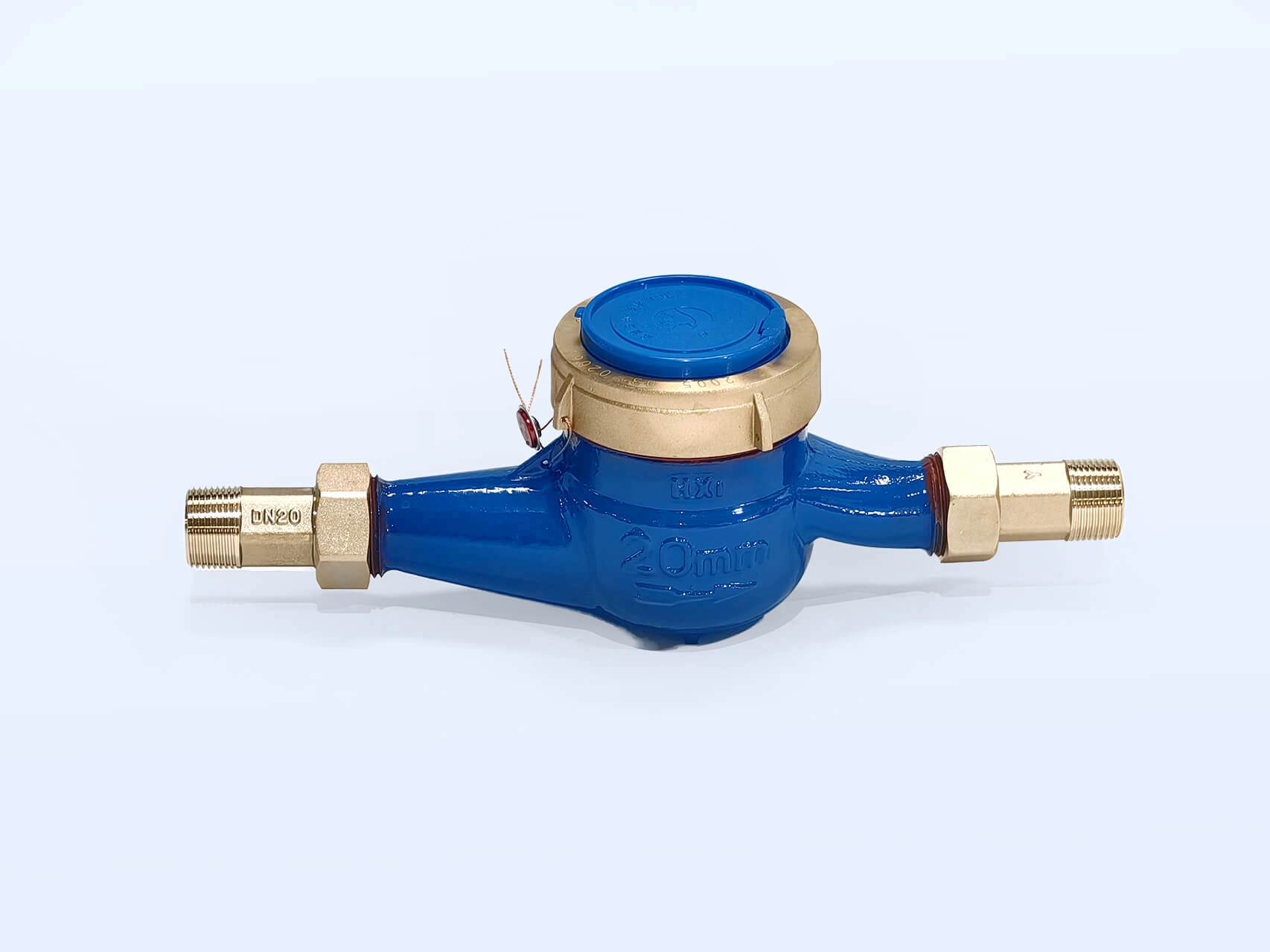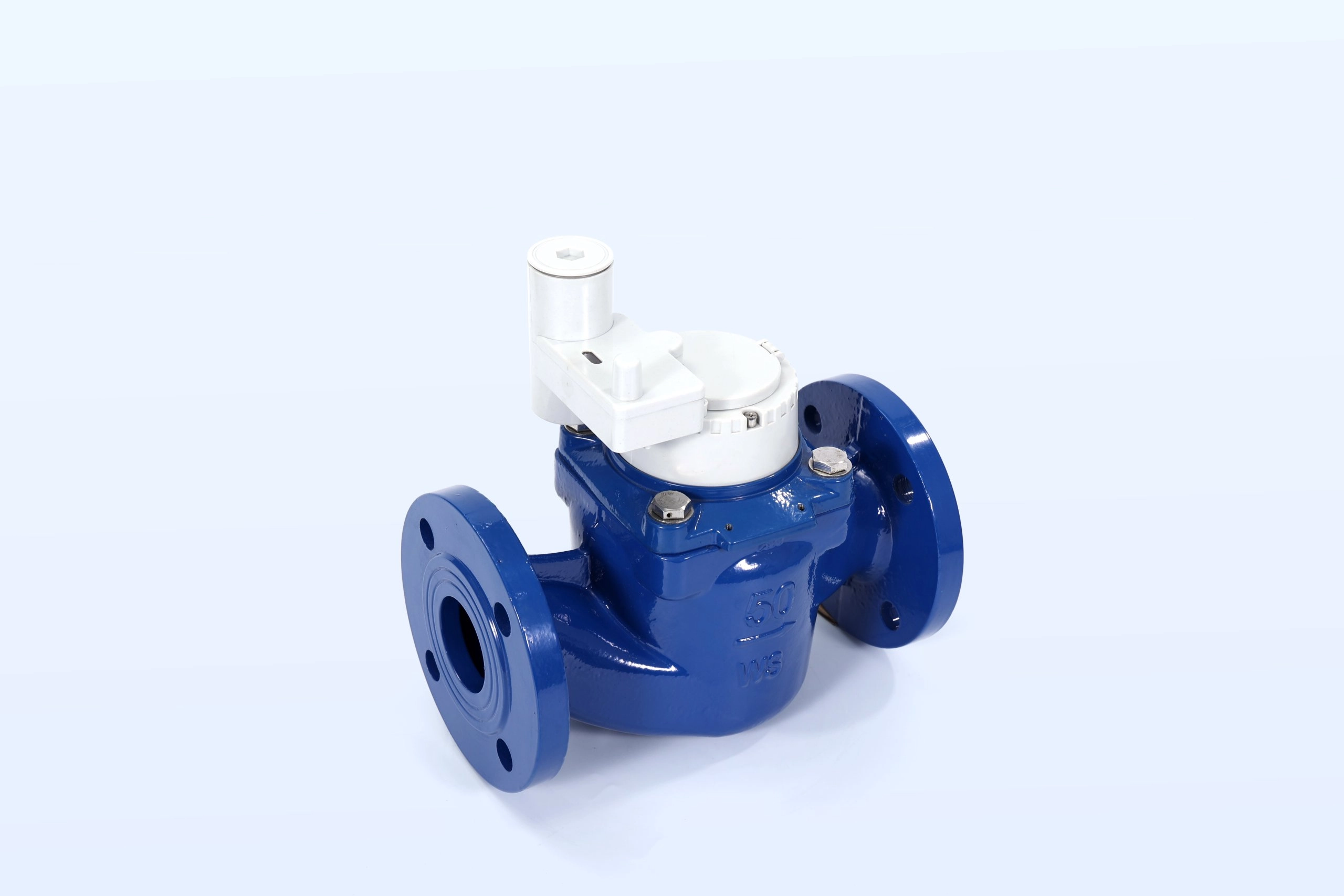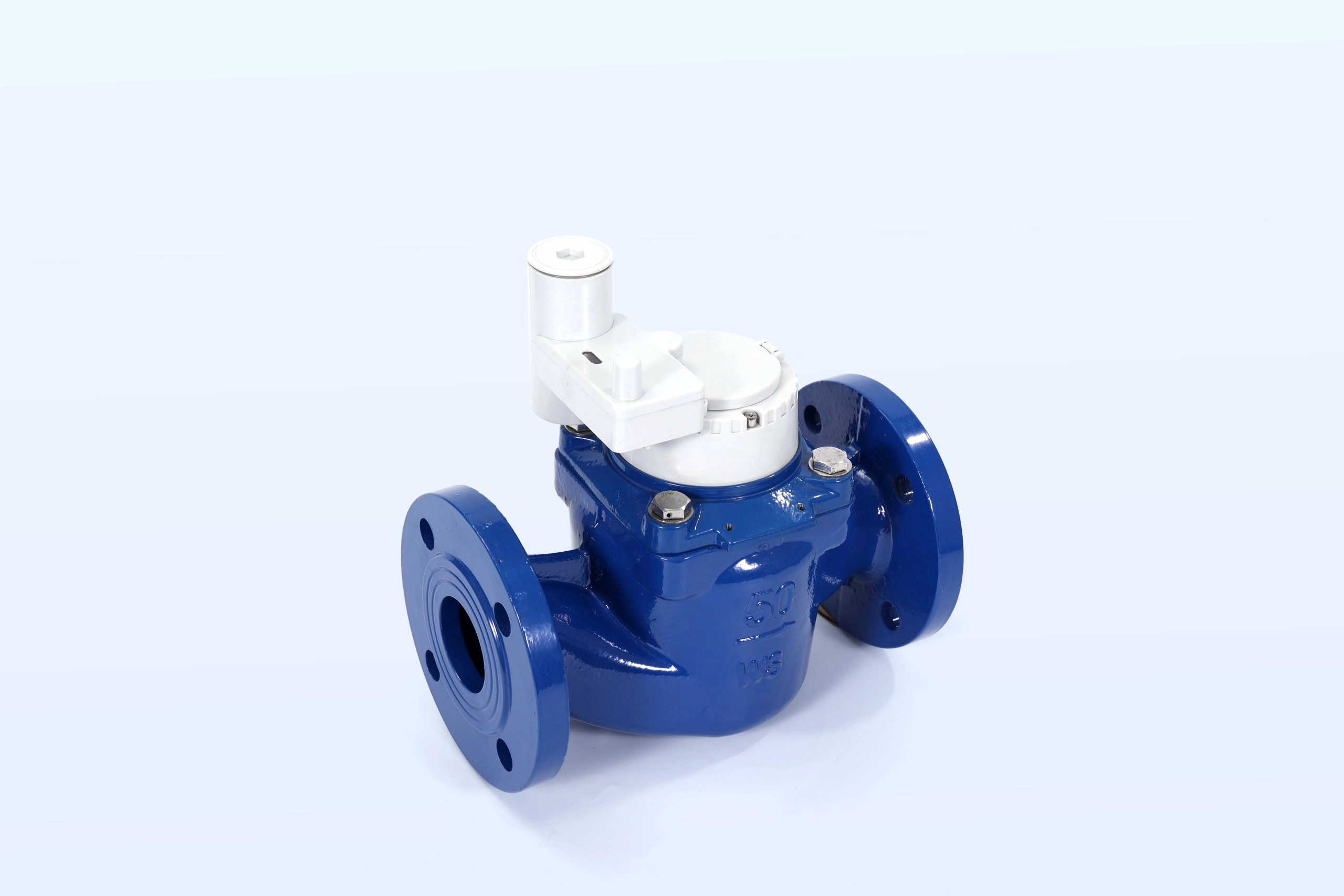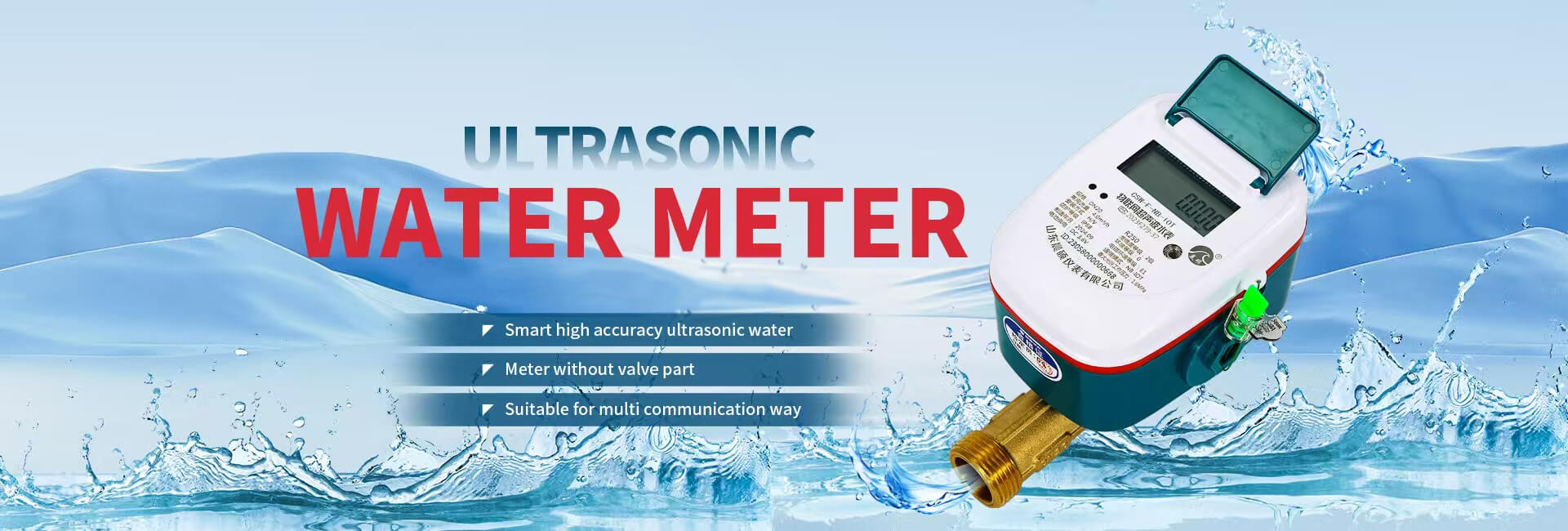


I bisogni idrici globali crescono ogni giorno. Anche i sistemi urbani cambiano rapidamente. I vecchi contatori meccanici ora mostrano limiti chiari. I contatori d'acqua intelligenti appaiono come soluzione chiave. Forniscono controlli in tempo reale. Aumentano la precisione. Consentono l'accesso remoto sia per le aziende idriche che per gli utenti.
Se avete bisogno di un fornitore solido qui, Chen SHuo guida la strada con la sua gamma completa di impostazioni intelligenti di misurazione dell'acqua. L’azienda dispone di oltre dieci anni di know-how. Gestisce un impianto di 20.000 metri quadrati a Shandong, Cina. Chen Shuo combina forte ricerca con la produzione. Questo aiuta a creare strumenti esatti per case, fabbriche e sistemi urbani. I loro prodotti includono contatori a ultrasuoni ed elettromagnetici. Offrono anche sistemi IoT completi con collegamenti cloud.
I vecchi contatori utilizzano pezzi meccanici per monitorare l'uso dell'acqua. Queste parti si usurano nel tempo. Spesso hanno bisogno di controlli pratici. I contatori intelligenti utilizzano invece tecnologie migliori. Ciò porta maggiore efficienza e fiducia.
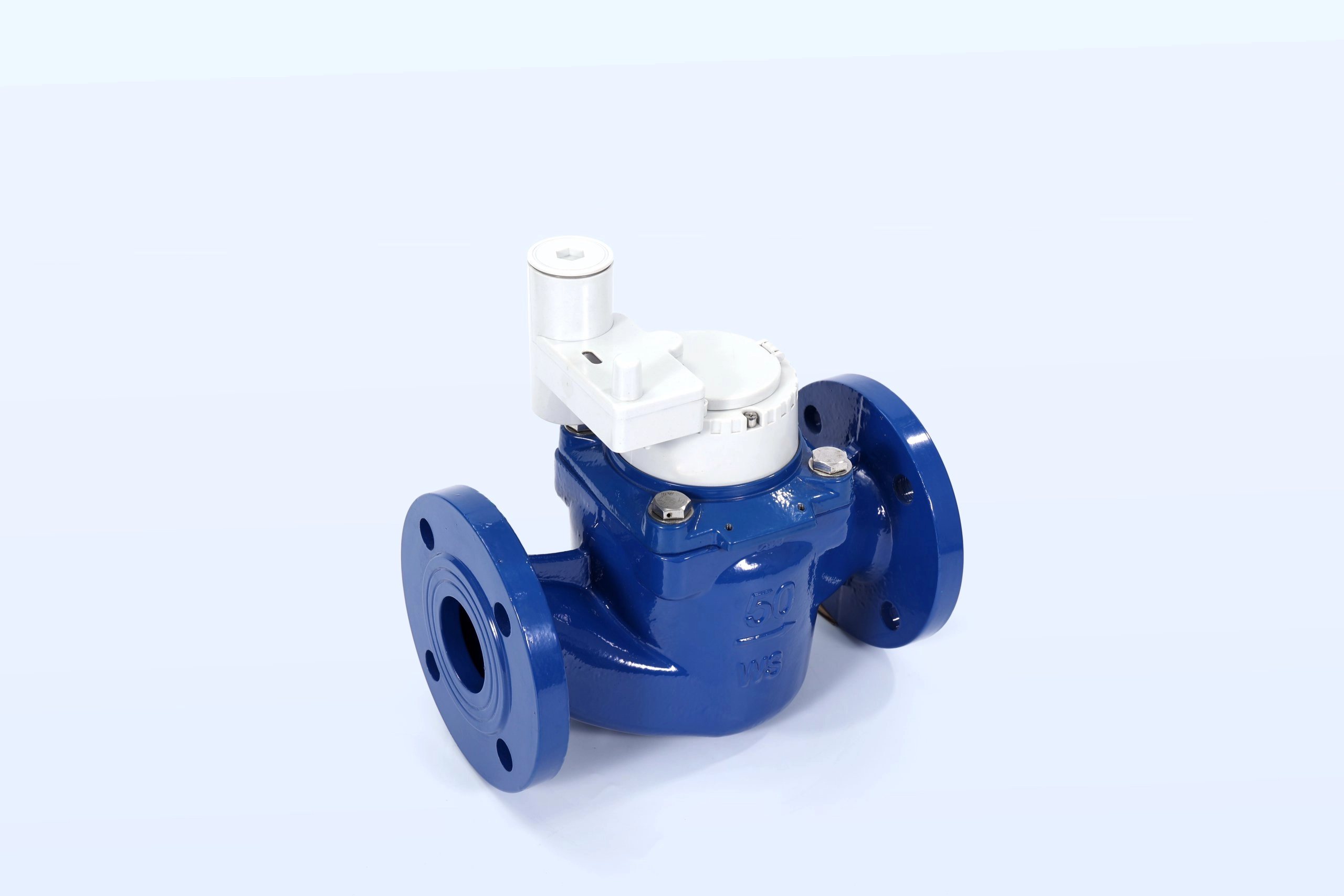
I contatori d'acqua intelligenti combinano diverse tecnologie chiave. Funzionano come strumenti di misurazione intelligenti. Il modo principale in cui funzionano è semplice. Rilevano subito i cambiamenti del flusso idrico con sensori sensibili. Quindi trasformano quei segnali di flusso in segnali elettrici. Questi sensori evitano parti in movimento. Tipi come gli ultrasuoni o elettromagnetici danno una migliore esattezza per anni. Non si rompono da sfregamento o accumulo.
Un grande aggiornamento viene dalla portata remota dei dati. I contatori d'acqua intelligenti applicano collegamenti IoT come l'IoT a banda stretta (NB-IoT) e il wireless a lungo raggio (LoRa). Questi garantiscono costanti, invia in diretta di informazioni di utilizzo. Di conseguenza, eliminano gli sprechi e gli errori dai controlli manuali.
I contatori intelligenti mancano di parti mobili. Quindi affrontano meno usura. Utilizzano una forte tecnologia sensoriale e metodi matematici esatti. Ciò porta a vere letture dell'uso dell'acqua. Ferma le battaglie per numeri sbagliati. La loro costruzione forte significa meno visite fisse. Anche le sostituzioni avvengono meno spesso.
Il passaggio alla misurazione intelligente va oltre gli aggiornamenti tecnologici. Cambia il modo in cui le aziende idriche gestiscono l'uso, fermano le perdite e si connettono con i clienti.
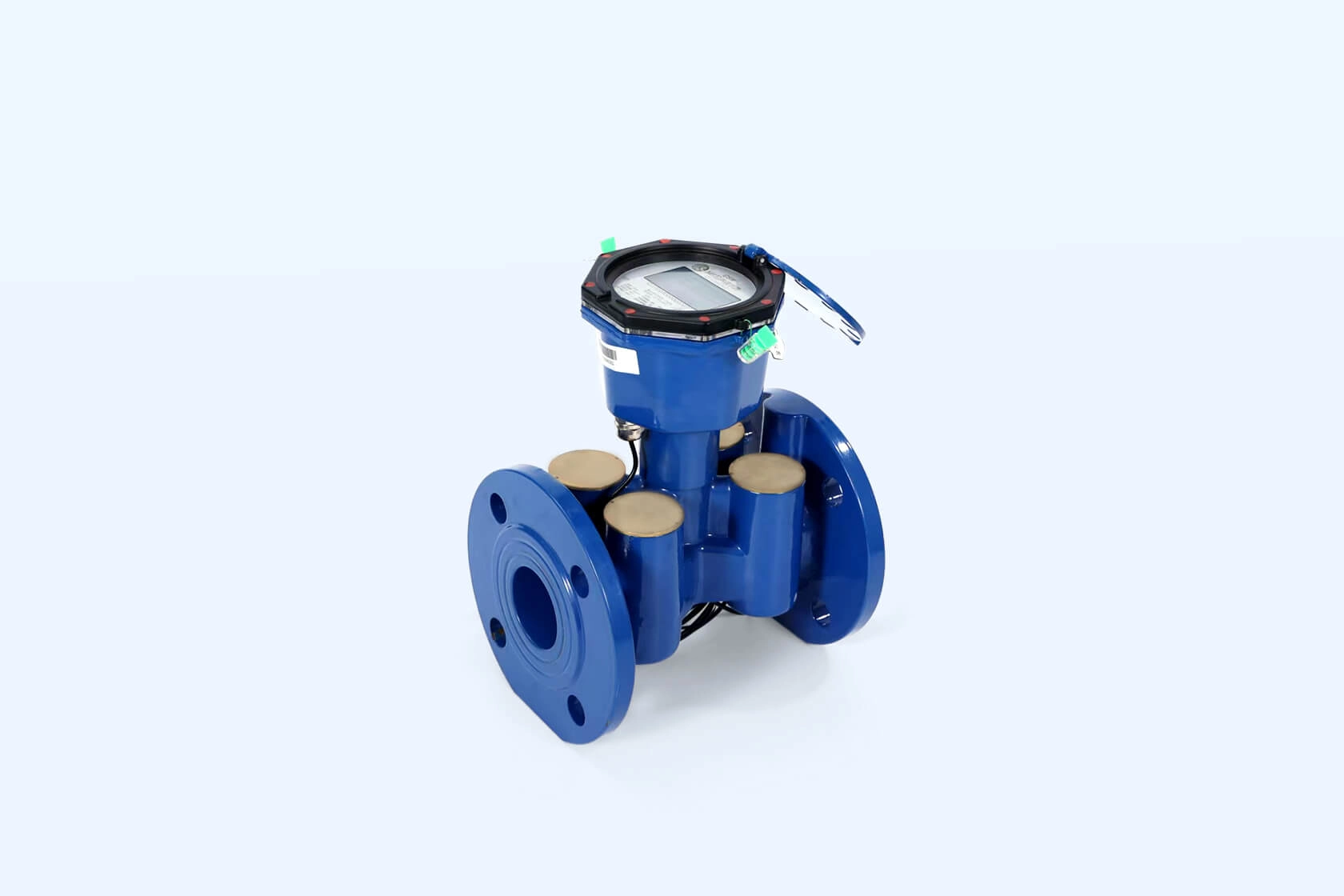
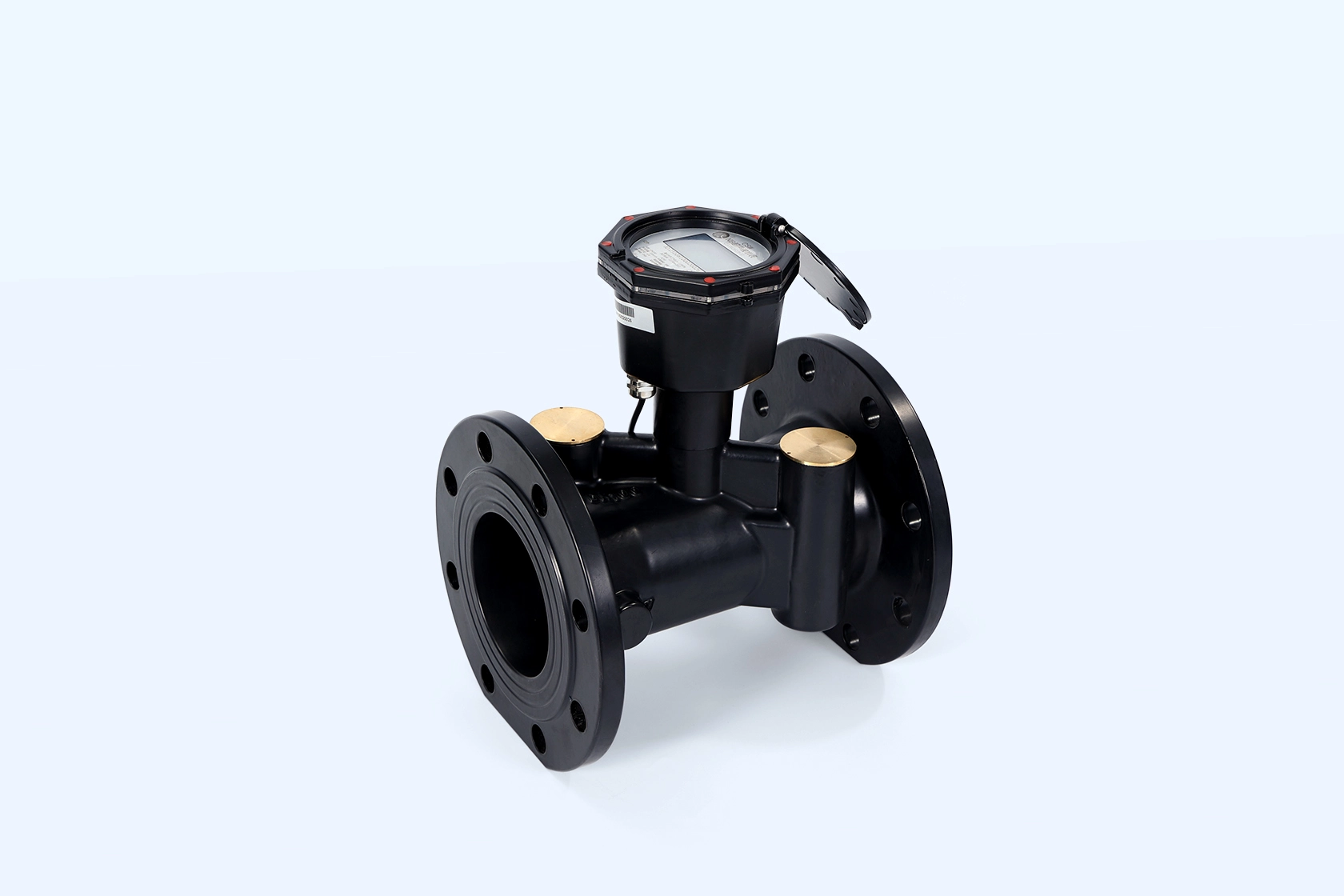
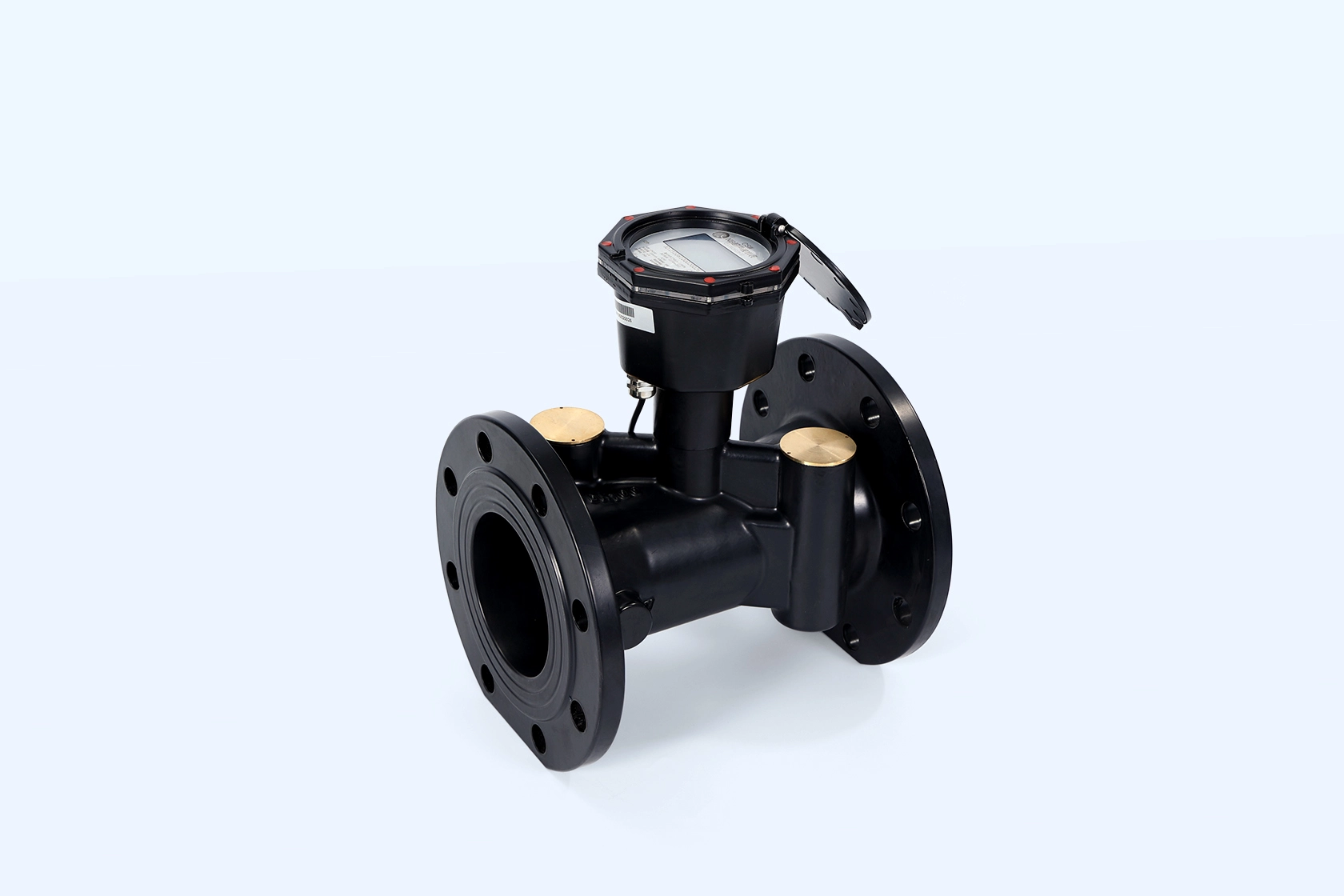
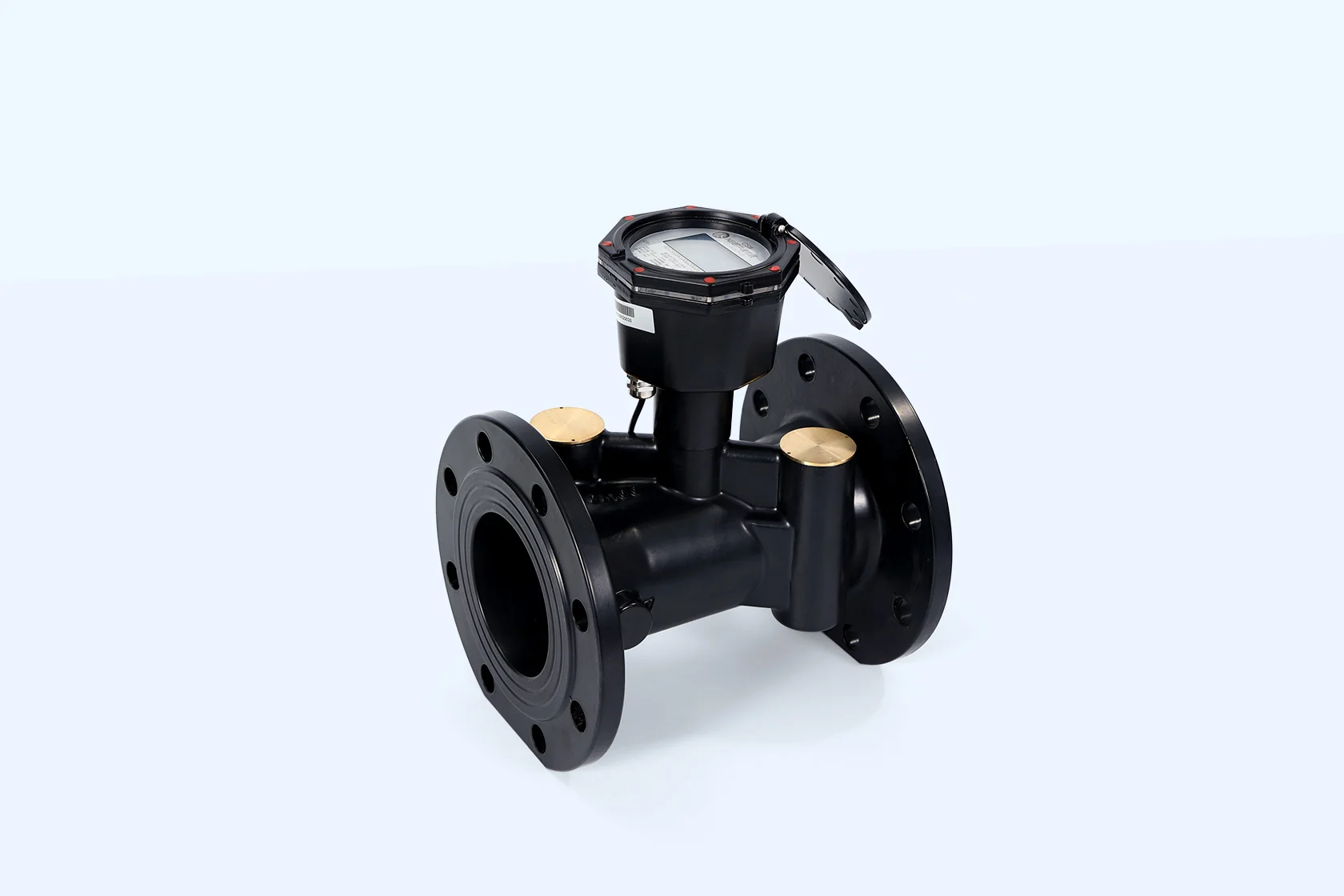
I vecchi contatori perdono facilmente piccole perdite o flussi lenti. Gli intelligenti, come questo misuratore d'acqua a ultrasuoniUtilizzare metodi di tempo di volo per dettagli dettagliati. Guarda l'uso dell'acqua in diretta. Inoltre, individuano schemi strani come le perdite attraverso i controlli dei dati.
I contatori intelligenti inviano numeri di utilizzo senza interruzione. Questo fornisce viste utili per la pianificazione delle impostazioni. I grandi set di dati dei contatori intelligenti aiutano i team idrici. Gli strumenti di big data e le piattaforme cloud lo scavano. Lo elaborano per scelte intelligenti.
Gli utenti beneficiano di fatturazione chiara e accesso telefonico. Controllano l'utilizzo e i pagamenti in qualsiasi momento tramite le app. Ciò rende le informazioni aperte e i pagamenti semplici. Le aziende idriche tagliano le lotte di fatturazione con i record auto.
Le città affrontano più spinta per aggiornare i sistemi. Essi mirano a percorsi verdi e bassi costi. La misurazione intelligente offre un percorso di crescita per soddisfarli.
Tecnologie come IoT, big data e cloud continuano ad avanzare. Quindi, i ruoli del contatore dell'acqua intelligente si espandono. Si adattano a nuove costruzioni e vecchie tubazioni. Non sono necessari grandi cambiamenti.
I contatori d'acqua intelligenti fanno più che misurare. Essi si collegano in impostazioni idriche intelligenti. Ciò facilita il controllo dell'acqua della città e la vita quotidiana. Il loro utilizzo sostiene piani governativi più ampi sulla regola digitale, gli obiettivi verdi e i controlli delle risorse.
I costi iniziali superano quelli meccanici. Ma i costi complessivi di proprietà diminuiscono molto. I risparmi provengono da meno lavoro, correzioni, correzioni di perdite e esecuzioni fluide.
Scegli un contatore intelligente in base alle esigenze. La scelta tra elettromagnetico ed ultrasuoni dipende dal tipo di liquido, dalle dimensioni del tubo e dal livello di precisione.
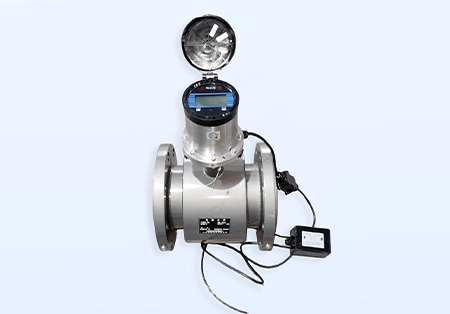
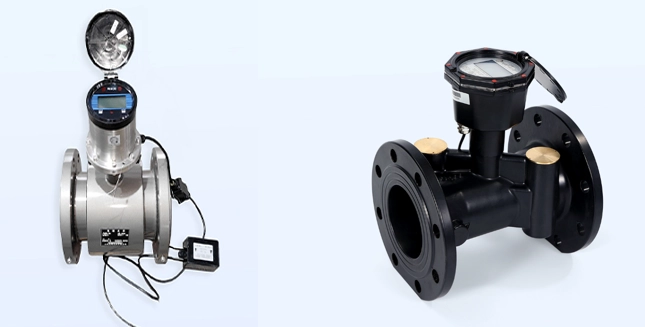
Contatori elettromagnetici seguire la legge di Faraday, che si adatta bene ai fluidi conduttori. Pensate ai rifiuti industriali o alle linee pulite. I contatori ad ultrasuoni controllano i tempi delle onde sonore attraverso il flusso. Essi danno letture esatte anche a basse velocità.
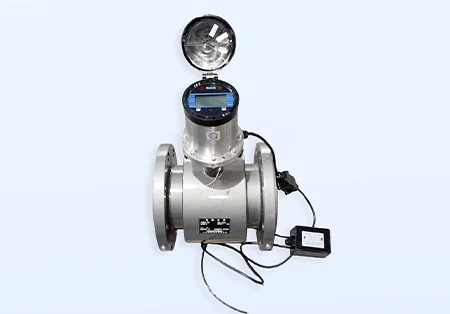
img.Electromagnetic meters.webp
Ad esempio, il contatore d'acqua ad ultrasuoni intelligente DN100 a canale singolo/doppio è adatto a tubazioni medie e grandi. Causa una piccola diminuzione della pressione. I contatori d'acqua a ultrasuoni offrono letture senza tocco. Resistono bene alle interferenze. La loro durata di vita dura molto.
I tipi elettromagnetici funzionano meglio nelle fabbriche. Gestiscono grandi spostamenti di flusso o sostanze chimiche. Gli ultrasuoni si adattano meglio a case o negozi. Lì, il tracciamento dell'uso quotidiano conta di più.
La scelta del fornitore influenza il funzionamento del sistema, il rispetto delle regole e la qualità dell'aiuto. Un fornitore di servizi completi semplifica il percorso. Copre le scelte al post-servizio.
Chen Shuo porta nuova tecnologia per i controlli dei fluidi nei tubi. Ogni misuratore di flusso di alta precisione di Chen Shuo promette il miglior lavoro. Le loro linee di ricerca e produzione gestiscono esigenze difficili in tutti i campi.
Forniamo molti contatori d'acqua. Questi includono contatori d'acqua intelligenti a ultrasuoni e tipi elettromagnetici. Anche i contatori d'acqua intelligenti remoti NB-IoT e LoRaWan sono opzioni. Vantano da semplici impostazioni domestiche a reti di fabbrica complesse.
Chen Shuo aiuta le impostazioni in oltre 50 paesi, con il lavoro su misura OEM/ODM disponibile. Il team fornisce consulenza tecnica e questo garantisce una facile adattazione ai sistemi attuali.
Q1: Cosa rende un contatore d'acqua intelligente più preciso di quelli tradizionali?
A: I contatori d'acqua intelligenti utilizzano tecnologia avanzata dei sensori e algoritmi di misura ad alta precisione per ottenere una misurazione precisa del consumo d'acqua, evitando errori da usura meccanica.
Q2: Come la lettura remota beneficia le aziende di servizi pubblici?
A: La funzione di lettura del contatore remoto ha completamente rovesciato la tradizionale modalità di lettura manuale del contatore, riducendo i costi del lavoro e riducendo l'errore umano.
Q3: I contatori d'acqua intelligenti sono adatti per le zone rurali?
R: Sì. I contatori dell'acqua intelligenti possono realizzare funzioni come la lettura remota del contatore che migliora il livello di intelligenza del prodotto, anche in regioni difficili da accedere manualmente.
Q4: Quanto tempo durano tipicamente i contatori d'acqua intelligenti?
A: A seconda del modello, la durata della vita può superare i 15 anni a causa di progetti non meccanici come quelli nei tipi ad ultrasuoni che mancano di parti mobili.
Q5: Gli utenti possono monitorare il proprio consumo?
A: Assolutamente. Gli utenti possono visualizzare il loro consumo idrico tramite applicazioni mobili o pagine web per raggiungere una gestione intelligente dell'acqua.
 Indirizzo: Xiao'anzi Industrial Park, Baishabu Town, Lanshan District, Linyi City, Provincia di Shandong
 Chiamaci ora:+86 15562945993
 E-mail: ivy@sdchenshuo.cn


Shandong Chenshuo Instrument Co., Ltd.