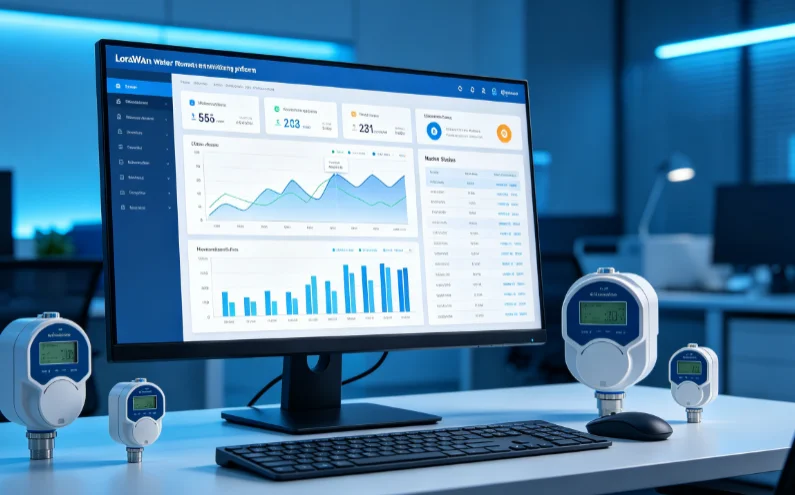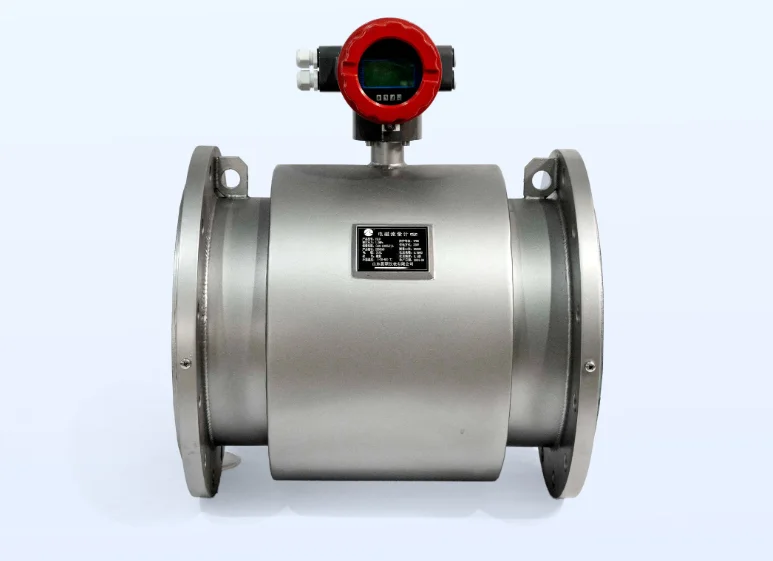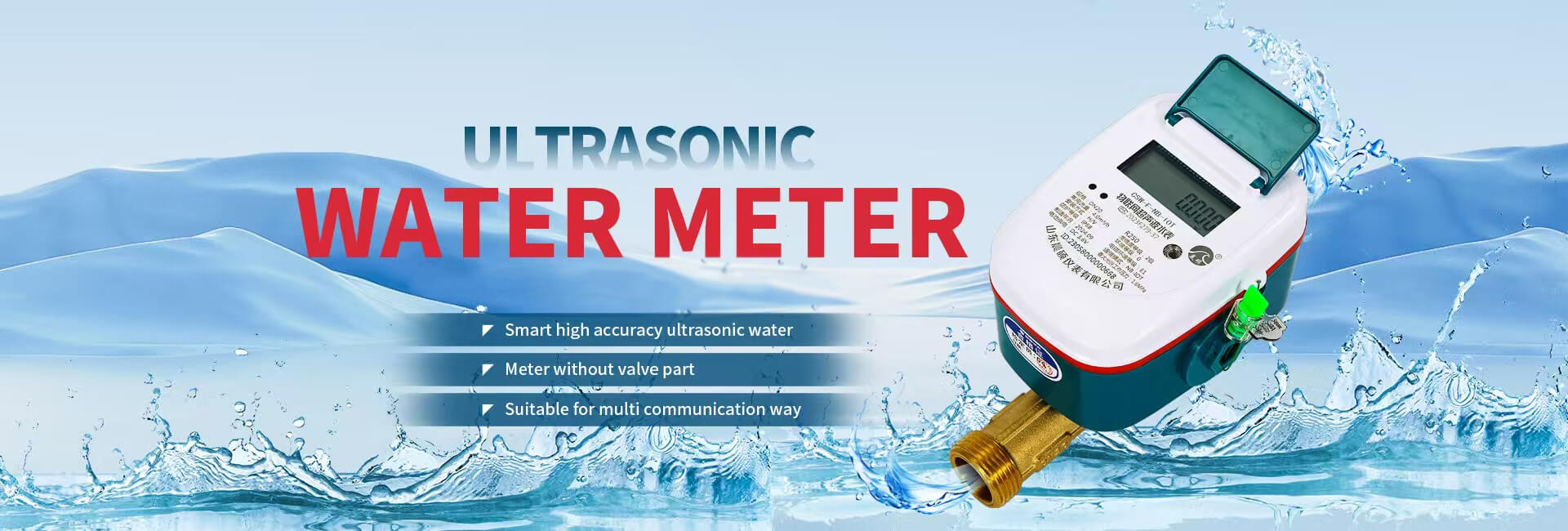


Quando si notano cali improvvisi nella precisione del flusso, il problema spesso si nasconde proprio nella struttura delle tubazioni. L'installazione corretta dei dispositivi di misurazione richiede una solida esperienza sul campo e un piccolo errore di progettazione può facilmente compromettere l'affidabilità dei dati. È proprio lì che di Chenshuo Si presenta come un esperto del settore. Da anni, questo produttore risolve complessi problemi di tracciamento dei fluidi per impianti industriali, concentrandosi in particolare sulle soluzioni di misurazione intelligenti. Una corretta configurazione fisica è fondamentale, e avere un partner hardware affidabile semplifica di molto il resto. Ora, analizziamo nel dettaglio i motivi per cui la configurazione delle tubazioni è così importante per la misurazione acustica e come correggere i comuni errori di layout.
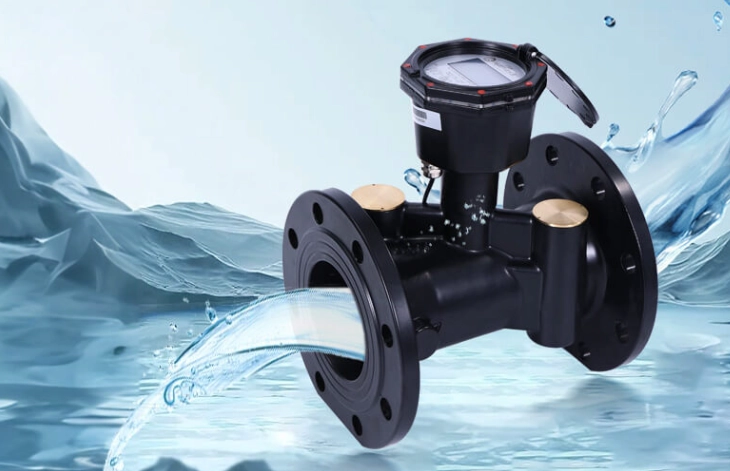
Scoprire che il nuovo dispositivo di misurazione del flusso riporta valori errati è frustrante. I sensori potrebbero funzionare perfettamente, ma l'ambiente fisico circostante può falsare i dati. Analizziamo le specifiche barriere fisiche che possono interferire con i segnali acustici in una tipica condotta.
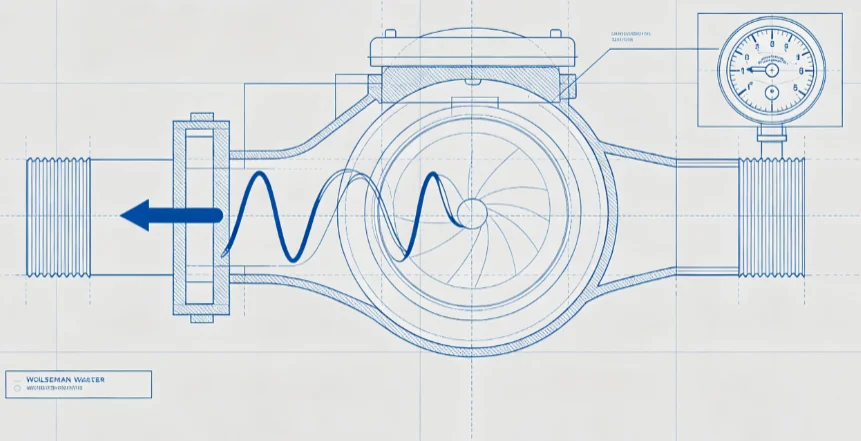
Quando l'acqua scorre attraverso una curva a 90 gradi o una giunzione a T acuta, non si limita a curvare in modo uniforme. Il fluido si scontra con la parete esterna creando un movimento vorticoso. Questa turbolenza distorce completamente il profilo di velocità. I trasduttori acustici calcolano il volume misurando la differenza di tempo tra il suono che viaggia nella stessa direzione e quello che viaggia in direzione opposta al flusso. Se l'acqua all'interno ruota in modo anomalo, le onde sonore colpiscono zone di velocità diverse, fornendo una velocità media completamente errata.
Ogni misuratore di portata necessita che l'acqua si muova in modo calmo e uniforme. Per ottenere questa condizione di calma, è necessario un tratto di tubo rettilineo sufficientemente lungo prima che l'acqua raggiunga i sensori. Saltare questo passaggio è un errore classico. A volte, per risparmiare spazio, gli installatori inseriscono il misuratore in uno spazio ristretto subito dopo una valvola. Questo compromette la linea di base. Senza il tratto rettilineo necessario, il profilo del fluido rimane distorto e il dispositivo non è in grado di rilevare correttamente il flusso.
Le bolle d'aria sono dei veri e propri distruttori di segnali. I gas si dissolvono nell'acqua durante la produzione o penetrano attraverso minuscole perdite durante la costruzione delle tubature. I gas comprimibili si espandono e si contraggono con le variazioni di pressione e, cosa ancora più importante, bloccano le onde sonore. Quando un impulso acustico colpisce una bolla, si disperde. Il ricevitore dall'altra parte riceve un segnale debole o frammentato, che porta direttamente a perdite di dati o a picchi di lettura anomali.
Conoscere i problemi è solo metà dell'opera. Impostare correttamente la rete di tubazioni previene fin dall'inizio questi disastri di misurazione. È necessario seguire alcune regole fisiche fondamentali per ottenere il massimo dal proprio investimento.
Le linee guida standard impongono regole precise per i tratti rettilinei delle tubazioni. In genere, è necessario un tratto rettilineo di almeno 10 volte il diametro del tubo a monte e 5 volte il diametro a valle. Ad esempio, un'unità da 15 mm necessita di 150 mm di tubo rettilineo all'ingresso. Questa distanza fisica consente all'acqua vorticosa di calmarsi e di assumere una forma di flusso stabile. Mantenere esattamente questa distanza è difficile in locali tecnici affollati, ma rimane una regola imprescindibile per un tracciamento preciso.
Questi dispositivi calcolano il volume moltiplicando la velocità del flusso per l'area della sezione trasversale del tubo. Questa formula matematica presuppone che il tubo sia completamente pieno d'acqua. Se il tubo è pieno solo a metà, il dispositivo continua a calcolare come se fosse completamente pieno, gonfiando enormemente i risultati. Installare sempre il dispositivo in un punto basso dell'impianto per mantenere il tubo completamente riempito di fluido.
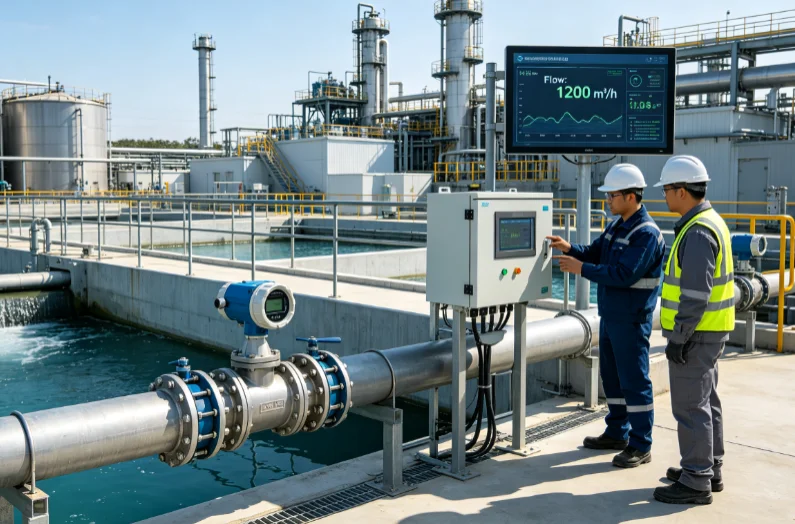
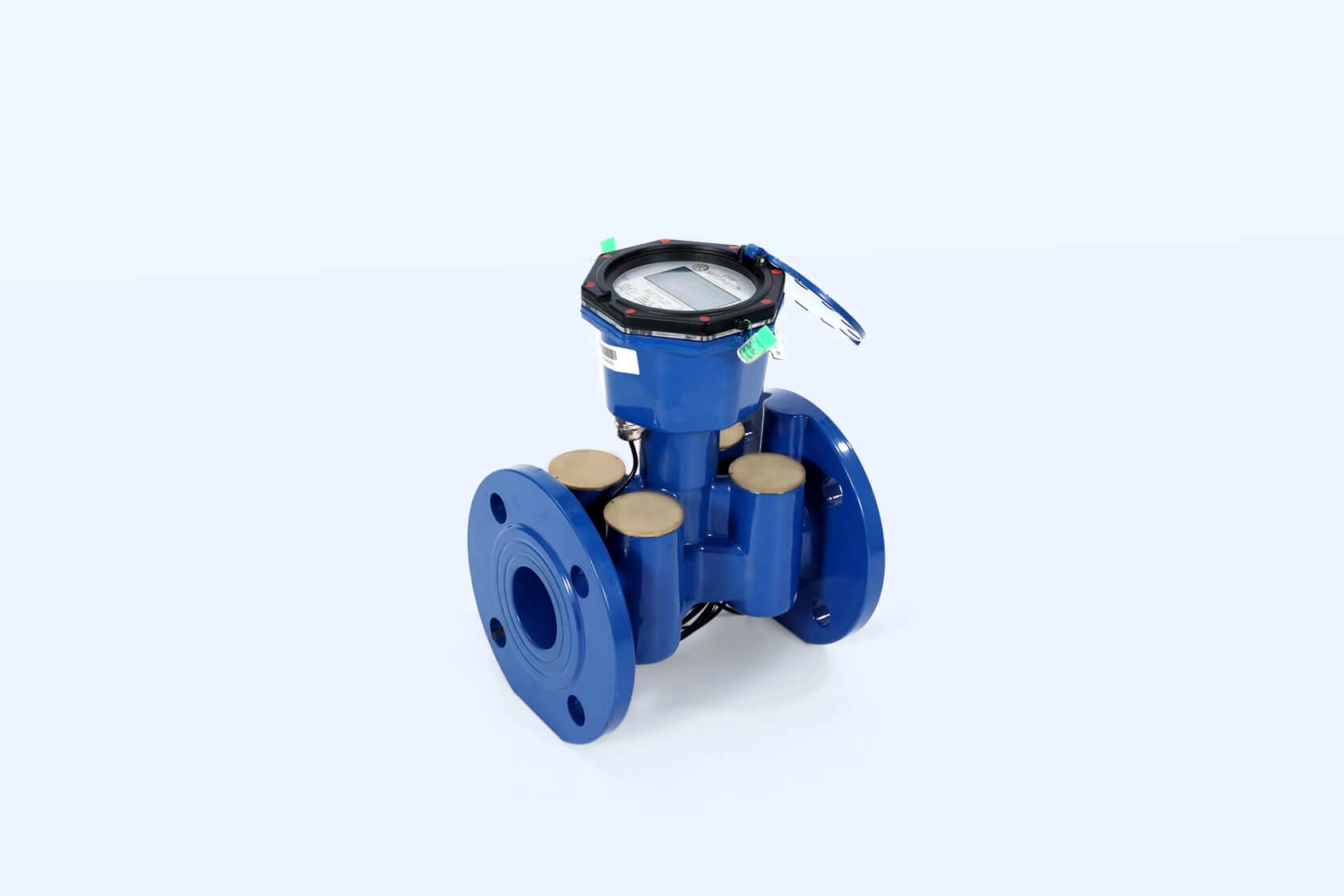
A volte non si ha il lusso di avere tubi lunghi e dritti. I progetti avanzati affrontano questo limite spaziale di petto. Un esempio concreto è il Contatore d'acqua ad ultrasuoni-DN80. Questa specifica unità utilizza canali di flusso interni ottimizzati e trasduttori ad alta sensibilità che tollerano tratti rettilinei leggermente non ideali. Fornisce dati estremamente precisi anche quando la configurazione fisica è un po' ristretta, evitando costose ristrutturazioni delle tubazioni.
Gli impianti industriali sono luoghi affollati, pieni di macchinari imponenti, tubature tortuose e forti vibrazioni. Questo ambiente caotico crea diverse insidie per la misurazione del flusso. È necessario individuare tempestivamente questi errori di progettazione per proteggere l'integrità dei dati.
Le pompe sono macchine aggressive. Spingono l'acqua in avanti, creando intense onde di pressione e vortici violenti. Posizionare un dispositivo di misurazione subito dopo un ugello di scarico è rischioso. L'energia cinetica generata dalla pompa rende impossibile ottenere una lettura acustica precisa. È necessario posizionare i sensori lontano da qualsiasi stazione di pompaggio attiva per consentire alla dinamica dei fluidi di stabilizzarsi.
In questo caso, la gravità non è sempre dalla vostra parte. Quando l'acqua scorre verticalmente lungo un tubo, spesso accelera più velocemente di quanto il tubo possa riempirsi. Questo crea un vuoto o una sezione parzialmente vuota. Come già accennato, un tubo parzialmente vuoto compromette il calcolo del volume. Posizionate sempre la sezione di misurazione su una linea orizzontale o su una salita verticale, dove la forza di gravità mantiene naturalmente il tubo completamente riempito.
Le valvole controllano il flusso bloccando fisicamente il passaggio dell'acqua. Una valvola a saracinesca o a farfalla parzialmente chiusa divide il flusso del fluido in getti caotici. Se si posiziona una valvola direttamente a monte dei sensori, si inviano dati errati. La prassi migliore è quella di posizionare sempre le valvole di controllo a valle. In questo modo, l'acqua attraversa la zona di misurazione in modo pulito prima che la valvola ne alteri il flusso.
Nella realtà, le tubature raramente assomigliano ai diagrammi perfetti dei libri di ingegneria. Spesso ci si trova a dover gestire curve strette, infrastrutture obsolete e volumi di flusso enormi. Fortunatamente, la scelta dei componenti giusti può superare questi limiti ambientali.
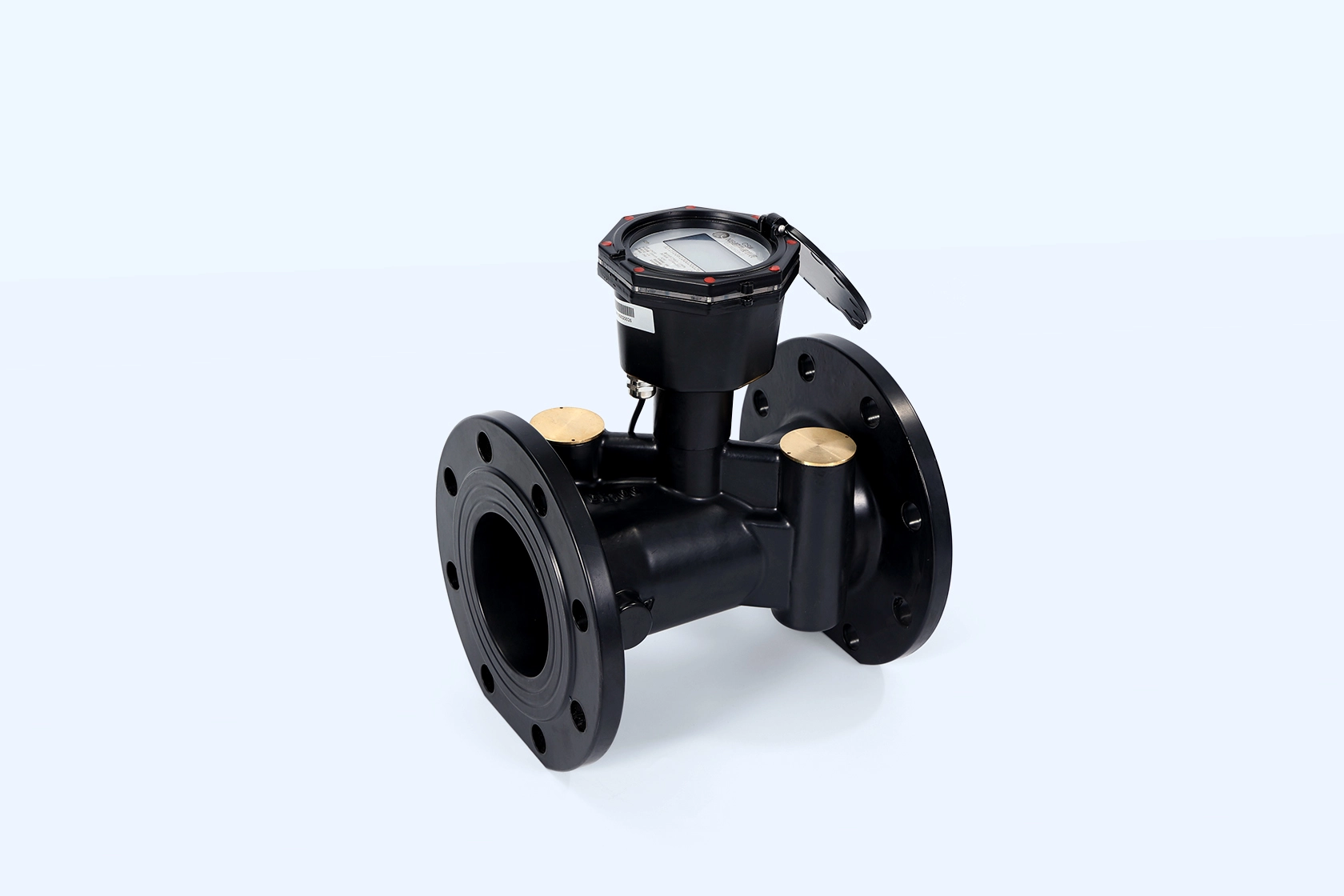
Quando si ha a che fare con l'approvvigionamento idrico industriale su larga scala, il volume e la pressione mettono alla prova ogni componente hardware. L'usura meccanica diventa un problema enorme in caso di flussi elevati prolungati, causando il rallentamento e la perdita di precisione dei contatori tradizionali. Per far fronte a questo, il Contatore d'acqua ad ultrasuoni-DN100 Si comporta in modo impeccabile. Non ha parti mobili soggette a usura, offre un'ampia gamma di misurazione ed elabora efficacemente grandi volumi di dati senza i continui guasti che si verificavano nei vecchi sistemi meccanici.
Non devi chiederti se queste soluzioni funzionano davvero nella sporcizia e nel fango di una vera fabbrica. Centro dei casi di Chenshuo Il documento illustra numerose installazioni sul campo in cui sono stati risolti gravi problemi di disposizione delle tubazioni. L'analisi dei progetti passati offre un modello pratico per affrontare le sfide specifiche del proprio sito, dimostrando che una progettazione intelligente combinata con hardware robusto è sempre la soluzione vincente.
Se non riuscite assolutamente a trovare un tratto di tubo rettilineo sufficientemente lungo, i condizionatori di flusso offrono una soluzione meccanica alternativa. Questi inserti metallici si inseriscono all'interno del tubo e costringono l'acqua, altrimenti vorticosa, a fluire in un flusso rettilineo e parallelo. Pur introducendo una piccola perdita di pressione, riducono drasticamente la distanza a monte necessaria, consentendo di ottenere valori precisi anche in locali tecnici molto angusti.
L'ammodernamento dell'infrastruttura di trasporto dell'acqua rappresenta un investimento industriale significativo. È necessario disporre di componenti durevoli e di un team che conosca a fondo il comportamento dei fluidi nelle tubature reali. Trovare un partner produttivo affidabile elimina le incertezze dalla fase di progettazione.
La costruzione di apparecchiature acustiche sensibili richiede un'ingegneria precisa e un rigoroso controllo di qualità. Una fabbrica con una lunga esperienza sa come sigillare i componenti elettronici dall'umidità e proteggere i trasduttori dagli sbalzi di temperatura. Esplorando Chi siamo I dettagli dimostrano una profonda esperienza nella produzione, il che significa che otterrete un'unità in grado di resistere alle dure realtà industriali anziché guastarsi dopo pochi mesi.
Siti diversi richiedono strumenti diversi. Un impianto di alimentazione residenziale necessita di una sensibilità a basse portate, mentre un grande impianto industriale richiede un'elevata capacità di sovraccarico. Avere accesso a un ampio catalogo significa poter scegliere lo strumento più adatto al lavoro. Si ottiene un hardware progettato su misura per i vincoli specifici di pressione e diametro, anziché dover adattare un'unità standard a uno scenario per il quale non è stata progettata.
A volte la disposizione delle tubazioni è così strana che le regole standard non si applicano. In questi casi è necessario rivolgersi a veri ingegneri. Ricevere consigli personalizzati su dove tagliare il tubo, come angolare i sensori e come evitare il rumore della pompa vi eviterà costosi errori di installazione in futuro. Basta passare alla Contatto sezione per far esaminare il tuo progetto specifico da esperti.
D1: Qual è la lunghezza minima del tubo rettilineo necessaria per una misurazione accurata?
A: In genere, per mantenere un profilo di flusso stabile, è necessario un tratto rettilineo di almeno 10 volte il diametro del tubo a monte e 5 volte il diametro a valle.
D2: Perché la presenza di aria nella tubazione causa errori nei dati?
A: Il gas è altamente comprimibile e blocca le onde acustiche. Quando il suono incontra una sacca d'aria, il segnale si disperde, il che porta a dati di flusso mancanti o estremamente imprecisi.
D3: Questi dispositivi possono essere installati in verticale?
A: Sì, possono essere installati verticalmente, ma l'acqua deve scorrere verso l'alto. Il flusso verso il basso spesso fa sì che il tubo si svuoti parzialmente, il che compromette il calcolo del volume.
D4: Questi dispositivi acustici causano cali di pressione nel sistema?
A: No, perché hanno un tubo di misurazione liscio senza parti mobili o filtri interni che bloccano il passaggio dell'acqua, quindi la perdita di pressione è praticamente nulla.
D5: In che modo l'assenza di parti mobili avvantaggia gli utenti industriali?
A: In assenza di giranti o ingranaggi rotanti, non si verifica usura meccanica, nemmeno in condizioni di flusso elevato. Ciò prolunga drasticamente la durata di vita utile e riduce i costi di manutenzione.
 Indirizzo: Xiao'anzi Industrial Park, Baishabu Town, Lanshan District, Linyi City, Provincia di Shandong
 Chiamaci ora:+86 15562945993
 E-mail:info@sdchenshuo.cn


Shandong Chenshuo Instrument Co., Ltd.